Finding the right fence company near you means identifying licensed, insured local contractors who offer transparent pricing, solid warranties, and installation styles that suit your property’s needs. Most homeowners spend between $1,500 and $8,000 on a new fence depending on material and length, so vetting your options carefully saves both money and headaches down the road.
Local fence contractors understand regional building codes, climate demands, and permit requirements better than national chains. They’re also more invested in their reputation within your community, which usually translates to higher quality work and better customer service. A poorly installed fence can damage your garden beds, disrupt drainage patterns, and even harm established plants, so choosing a pro who respects your landscape matters.
The search itself is straightforward, but evaluating candidates requires more than a quick glance at star ratings. You’ll want to compare quotes from at least three companies, verify their credentials, check recent project photos, and ask about materials that align with sustainable practices if that’s a priority for your yard. Wood from responsibly managed forests, recycled composite materials, and designs that support beneficial wildlife all factor into an eco-conscious fencing decision.
This guide walks you through proven methods for finding qualified fence installers in your area, the criteria that separate great contractors from mediocre ones, realistic pricing benchmarks for 2026, and preparation steps that make the installation process smoother for everyone involved. Whether you need a privacy fence to shield a vegetable garden or a decorative border to define flower beds, these strategies help you hire with confidence. For example, if you’re located in Georgia, connecting with a fence company in Athens GA gives you access to professionals who know the local terrain and code requirements intimately.
Why Choosing a Local Fence Company Matters for Your Property
Choosing a fence company in your immediate area offers tangible advantages that extend well beyond simple convenience. Local contractors typically respond faster when you need a quote, repair, or warranty work, you’re not waiting days for someone to drive across three counties. They also bring firsthand knowledge of your region’s building codes, permit requirements, and climate challenges. A contractor who’s worked through your area’s freeze-thaw cycles or summer storms understands which materials hold up best and how to install posts that won’t heave or rot prematurely.
Beyond the practical benefits, hiring locally supports your community’s economy and keeps skilled tradespeople in business near you. These companies often have reputations to protect in a smaller market, which means they’re motivated to deliver quality work and stand behind their warranties. You’re also more likely to get straightforward communication and honest timelines, rather than being one name on a regional call list.
From a lawn care perspective, local fence contractors understand how fencing decisions affect the rest of your property. They can recommend placement that protects garden beds from wind, suggest materials that won’t leach chemicals into your soil, and time installations to minimize damage during your lawn’s peak growing season. Proper fencing creates microclimates that benefit plants, keeps wildlife from browsing your vegetables, and defines maintenance zones that make yard care more efficient. When your fence company knows the local ecosystem, native plants, common pests, typical soil conditions, they can help you make choices that align with sustainable property management rather than working against it.
Top Ways to Find Quality Fence Companies in Your Area
1. Search Online Directories and Review Platforms
Online directories and review platforms are your most powerful tools for finding fence contractors quickly. Start with Google Business (formerly Google My Business), where you can see companies plotted on a map with star ratings, recent reviews, and photos of actual installations, often uploaded by both the business and customers. Google also shows response rates, which tell you how quickly a company replies to inquiries.
Yelp, Angi (formerly Angie’s List), and HomeAdvisor offer similar features but with deeper review archives and verified badge systems. When comparing platforms, pay attention to:
- Review quality and recency, look for detailed accounts of the process, not just “Great job!”
- Photo galleries showing finished projects in real yards, not stock images
- Verified or certified badges indicating the platform has vetted the contractor
- Average response time to customer inquiries (look for same-day or next-day)
- Complaints and how the company addressed them publicly
Don’t just skim the star average. Read the three-star reviews, they’re usually the most honest, mentioning both strengths and minor issues. Watch for patterns: if multiple people mention missed deadlines or damaged lawns during installation, that’s a real concern. Also check whether the company responds professionally to negative feedback; a thoughtful reply shows they care about their reputation and customer satisfaction.
Cross-reference companies across multiple platforms. A fence contractor with strong reviews on both Google and Yelp, plus verified status on Angi, has earned trust through consistency. Take screenshots of promising candidates’ profiles and use them to guide your initial phone calls.
2. Ask Your Neighbors and Local Gardening Community
Word-of-mouth recommendations remain one of the most reliable ways to find a trustworthy fence company. Your neighbors have already done the vetting work, and they have no reason to steer you wrong. If you’ve noticed a new fence going up on your street, knock on the door and ask about their experience. Most homeowners are happy to share what went well and what they’d do differently.
Neighborhood apps like Nextdoor are goldmines for local referrals. Post a simple request asking who’s had positive experiences with fence contractors recently. You’ll often get multiple responses within hours, complete with photos, pricing ranges, and candid feedback about communication and cleanup. The beauty of these platforms is that recommendations come from people living in your exact area, dealing with the same soil conditions, weather patterns, and local ordinances you face.
Don’t overlook your local gardening community. Garden clubs, lawn care forums, and even the comment sections of regional gardening Facebook groups are filled with property owners who care deeply about their outdoor spaces. These folks understand how fencing impacts landscape design, drainage, and plant health. Ask in these spaces and you’ll tap into a network that values quality work and sustainable practices, often leading you to contractors who respect lawns and gardens during installation.
3. Visit Local Home Improvement Stores and Landscaping Centers
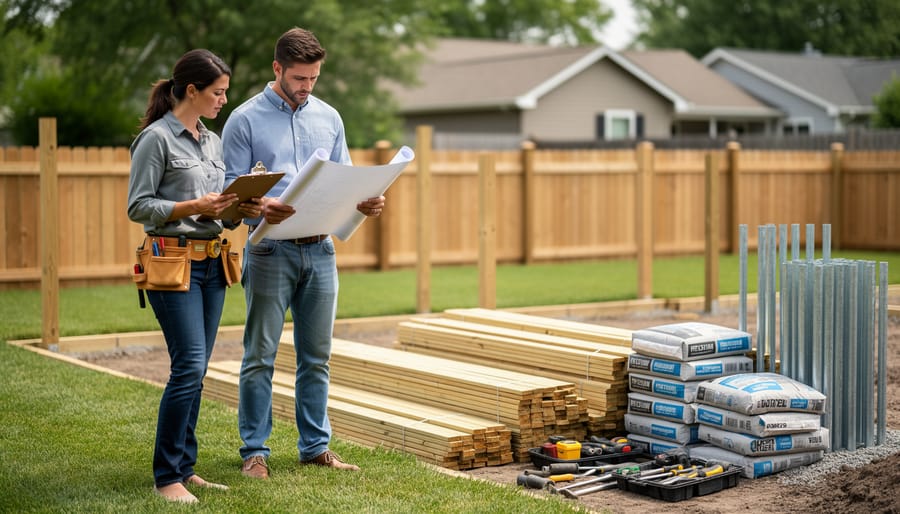
Walking into your local home improvement store or garden center offers more than just shopping, it’s a goldmine for contractor connections. Many of these retailers maintain bulletin boards where local fence companies post business cards and flyers, giving you a quick visual of who’s active in your area. Staff members at these stores often develop relationships with contractors who regularly purchase materials there, and they can share candid insights about which companies their other customers have praised or complained about.
The hands-on advantage is significant. You can examine fence materials firsthand, run your fingers over different wood grains, compare vinyl textures, and see how various styles look in real space rather than through photos. Garden center staff, in particular, understand how fencing interacts with landscaping and can recommend contractors who respect plantings during installation. Some stores have formal referral programs or preferred contractor lists, while others simply know who does quality work because they see the results around town. Don’t hesitate to chat with employees in the lumber or outdoor sections; they’re usually happy to point you toward reliable professionals they’ve heard good things about.
4. Check With Your Municipal Building Department
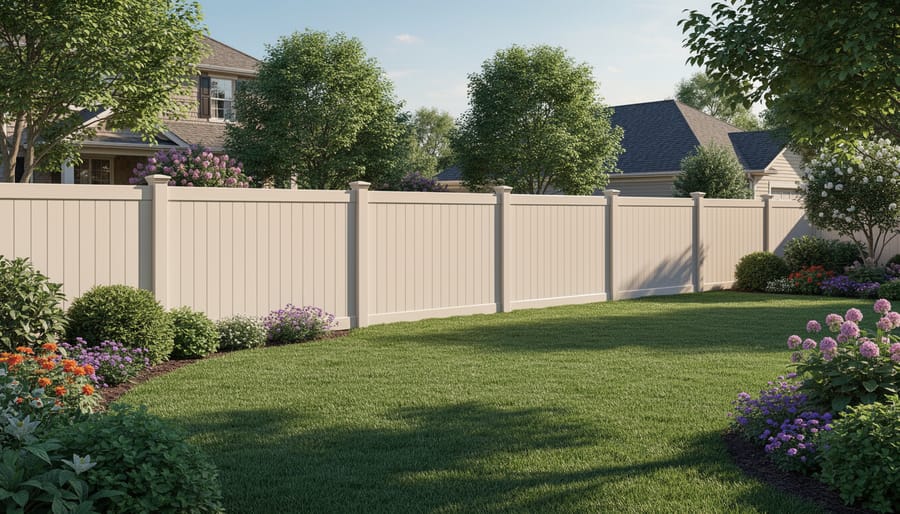
Your city or county building department isn’t just a place to pull permits, it’s a valuable resource for finding trustworthy fence contractors. Most departments maintain lists of licensed companies that regularly work in your jurisdiction and have a clean track record with inspections. When you call or visit in person, ask which contractors they recommend and whether any complaints have been filed against specific companies you’re considering.
Building officials can verify that a contractor holds current licenses and has submitted proper paperwork for past projects, following contractor license verification guidance used by many municipalities. They’ll also explain your local fencing codes, height limits, setback requirements, material restrictions, before you commit to a design. This prevents costly mistakes and ensures your new fence won’t violate neighborhood rules or property lines.
Visiting the building department early in your search saves time and headaches. You’ll learn which permits you’ll need, typical approval timelines, and whether your fence might affect drainage or utility easements on your property. This upfront conversation puts you in a stronger position when interviewing contractors, because you’ll know exactly what compliance looks like in your area.
Practical Information: What to Look for When Evaluating Fence Companies
Once you’ve identified a few promising fence companies in your area, the real work begins: separating the truly qualified contractors from those who might leave you with regrets. A thorough vetting process protects your investment and ensures your property gets the quality fencing it deserves.
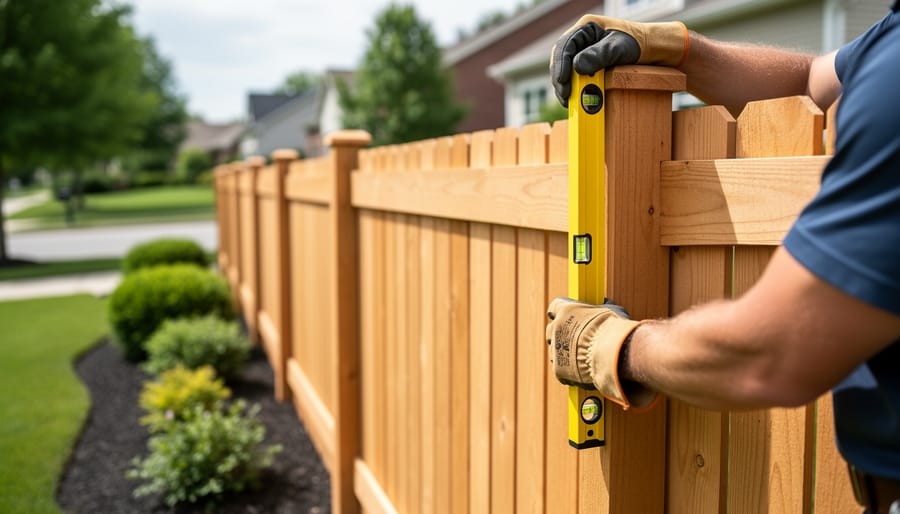
Start with the fundamentals. Every reputable fence company should carry current licensing and proper insurance. Ask to see their contractor’s license number and verify it with your state’s licensing board, this takes just a few minutes online. Equally important, request certificates of both general liability and workers’ compensation insurance. If someone gets injured on your property during installation, you don’t want to be held liable. Don’t accept verbal assurances; legitimate companies expect these requests and provide documentation without hesitation.
Experience matters, especially when it comes to specific materials. A company that excels at vinyl installation might struggle with custom wood designs or ornamental metal work. Ask how long they’ve been installing the fence type you want, and request photos of recent projects using those materials. A robust portfolio tells you far more than a smooth sales pitch. Look for clean lines, consistent spacing, and attention to detail in gate hardware and post alignment.
| Credential | What to Ask | Why It Matters |
|---|---|---|
| License/Permit | Can I verify your license number? | Confirms legal operation and accountability |
| Insurance | Will you provide liability and workers’ comp certificates? | Protects you from injury claims and property damage |
| Material Experience | How many [wood/vinyl/metal] fences have you installed this year? | Ensures expertise with your chosen fence type |
| Warranty | What does your workmanship warranty cover, and for how long? | Guarantees repairs if installation issues arise |
| Sustainable Options | Do you offer reclaimed wood, recycled vinyl, or FSC-certified materials? | Aligns project with environmentally responsible practices |
Written estimates are non-negotiable. A detailed quote should itemize materials, labor, permits, and any site preparation work. It should also specify the fence height, style, number of gates, post spacing, and expected completion timeline. Vague estimates with a single bottom-line number make it impossible to compare contractors fairly or understand what you’re actually paying for.
Warranties reveal a company’s confidence in their work. A solid workmanship warranty (typically one to five years) covers installation defects like sagging gates or leaning posts. Material warranties come from manufacturers, but the installer should explain what’s covered and help you file claims if needed.
For gardening enthusiasts who prioritize sustainability, ask about eco-friendly material options. Some companies source FSC-certified wood from responsibly managed forests, offer recycled vinyl products, or use composite materials made from reclaimed wood fibers. These choices reduce environmental impact without sacrificing durability, and they often complement a property’s overall commitment to sustainable lawn care and landscaping practices.
Understanding Fence Company Estimates and Pricing
When you start gathering quotes from local fence companies, aim to contact at least three contractors and request detailed written estimates rather than relying on rough verbal ballpark figures. A comprehensive estimate should break down every component of your project: the type and quantity of materials (posts, panels, gates, hardware), labor costs for installation, permit fees if required by your municipality, and post-installation cleanup and disposal of old fencing or debris. Transparent line items help you understand exactly what you’re paying for and make it easier to compare proposals side-by-side.
During the quoting process, ask each company about their material sourcing and whether they offer sustainable options like FSC-certified wood or recycled composite materials, which can reduce environmental impact and often require less maintenance over time. In 2026, typical price ranges for common residential fencing vary by material and labor market: wood privacy fences generally run between $15 and $35 per linear foot installed, vinyl fencing between $20 and $40, chain-link from $10 to $25, and ornamental metal from $25 to $50 or more, depending on height and complexity. Keep in mind that investing a bit more upfront for quality materials and skilled installation can save you significant maintenance costs down the road, especially if you’re a gardening enthusiast who values long-term property care and wants fencing that complements rather than competes with your lawn and landscape.
Watch for red flags beyond just pricing: contractors who pressure you to sign immediately, refuse to provide references, or can’t explain their warranty coverage clearly. A reputable fence company will give you time to review estimates, answer questions patiently, and walk you through how their work will protect your existing landscaping during installation and leave your yard in excellent condition afterward.
Local Tips for a Smooth Fence Installation Experience
A little preparation before installation day can make the difference between a smooth project and a stressful one. Start by having a conversation with your neighbors, especially if the fence will sit on or near your property line. Showing them your plans and discussing the timeline builds goodwill and can prevent disputes later. In many communities, it’s also the courteous thing to do when construction equipment will be nearby.
Before any digging begins, call 811 or your local utility locating service at least 72 hours ahead. They’ll mark underground lines for free, protecting you from expensive and dangerous accidents. While you’re at it, walk your property with the fence company to point out sprinkler lines, drainage systems, or shallow roots from prized trees that aren’t always obvious from the surface.
To keep your installation on track, complete these essential steps:
- Contact 811 to mark all underground utilities at least three days before work begins
- Clear the fence line of garden ornaments, hoses, furniture, and potted plants
- Protect nearby flower beds and shrubs with temporary barriers or tarps
- Confirm the installation timeline and daily work hours with your contractor
- Verify that all necessary permits have been obtained and posted if required
Timing matters for your lawn’s sake. Schedule installation during a dry spell when the ground is firm, not after heavy rains when equipment can rut up your yard. If you’re a serious gardener, avoid peak growing season when plants are most vulnerable to trampling. Spring and fall often provide the best conditions.
Plan for some post-installation lawn repair. Heavy equipment compacts soil, and you’ll likely have bare strips where the fence now stands. Set aside grass seed or sod that matches your lawn, and consider this an opportunity to improve drainage or add a mulched border along your new fence. A little forethought turns installation day from chaos into just another step toward a better-looking property.
Questions to Ask Before Hiring a Fence Company
Walking into a consultation with a solid list of questions shows the contractor you’re serious and helps you spot who’s genuinely experienced. Start by asking how long they’ve been installing fences in your area and whether they’re licensed and insured for your specific region. Request references from recent jobs, especially projects similar to yours in size and material.
Permits matter more than many homeowners realize. Ask directly: “Do you handle all permitting, or do I need to apply myself?” A reputable company will know local codes, pull necessary permits, and ensure your fence meets setback requirements. If you haven’t already, remind them you’ll call 811 first to mark utilities, and confirm they respect those markings during installation.
Material sourcing deserves attention, too. Where do they source their lumber, vinyl, or metal? Do they offer sustainably harvested wood or recycled composite options? If you’re planning a new fence as part of a larger landscape overhaul, ask how their installation approach protects existing plants and lawn areas, and whether they can work around your functional zoning plan. If drainage is a concern, mention your yard drainage tips and ask how post placement might affect water flow.
What’s included in your warranty, and how long does it last?
A solid warranty should cover both materials and workmanship, typically ranging from one year for labor to 10+ years for certain materials. Get it in writing.
How long will installation take from start to finish?
Most residential fence projects take two to five days, depending on size, terrain, and weather. Ask for a realistic timeline and what might cause delays.
What happens if I need repairs or adjustments after installation?
Reputable companies will return to address issues covered under warranty at no charge. Clarify their response time and whether there’s a service fee for non-warranty calls.
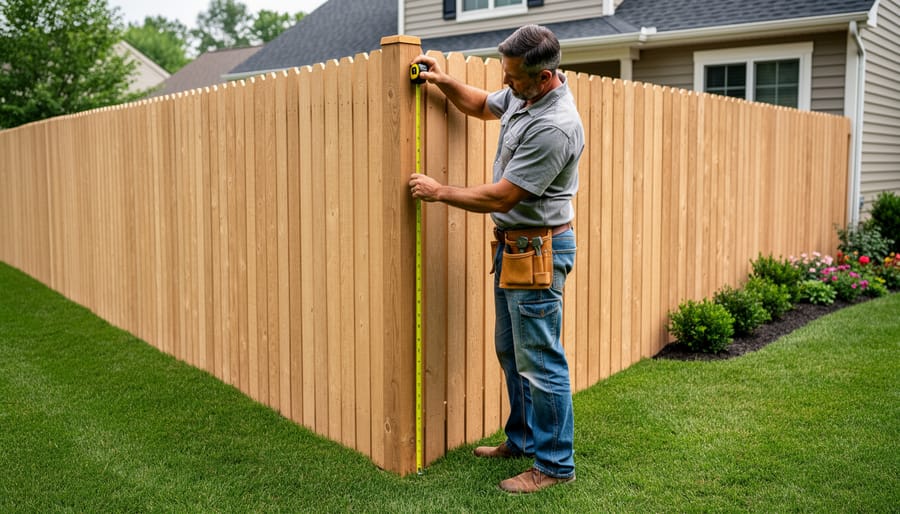
Finally, discuss cleanup procedures and whether the estimate includes hauling away old fencing or debris. Knowing they’ll leave your property tidy, and that you can easily measure your yard afterward to assess any lawn repair needs, gives you confidence the job will be done right.
Finding the right fence company near you is about more than just installing a barrier, it’s an investment in your property’s long-term value, security, and beauty. Taking the time to research local contractors, read reviews, and ask the right questions pays off with a fence that complements your lawn care goals and stands up to your area’s specific climate challenges.
Remember that the best fence companies bring more than technical skill to the table. They understand local regulations, respect your landscape during installation, and offer sustainable material options that align with environmentally conscious property care. By choosing a nearby contractor, you’re also supporting your local economy and ensuring you’ll have responsive service if you need repairs or adjustments down the road.
Don’t rush this decision. Compare multiple estimates, verify credentials, and trust your instincts about who will treat your property with care. A quality fence enhances your outdoor space for years, protects your garden investments, and gives you peace of mind. You’ve got this, now go find the right partner to bring your vision to life.