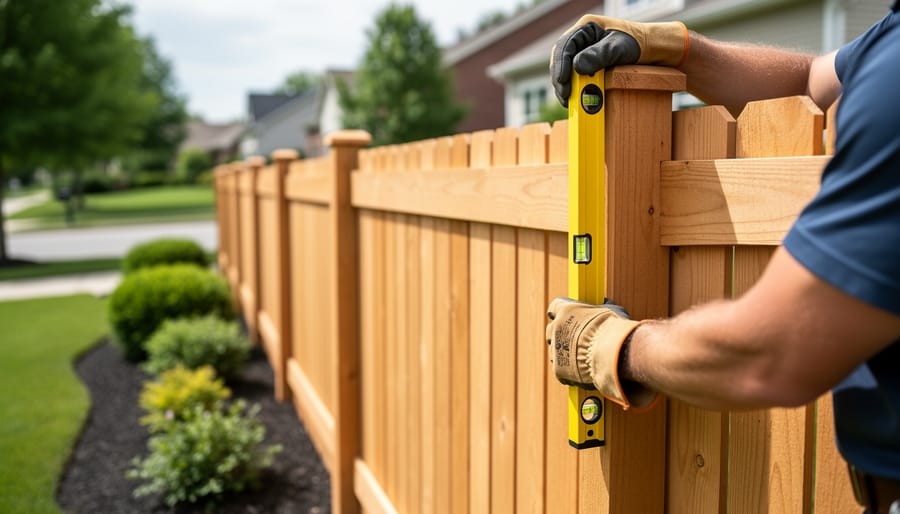
Before you dig that first shovelful of soil for your new garden bed, fence post, or tree planting, you’re legally required to call 811 at least two to three business days in advance. This free service sends professional locators to mark underground utilities with color-coded paint or flags, preventing you from accidentally striking electric lines, gas pipes, water mains, or fiber optic cables buried beneath your yard.
Hitting a utility line isn’t just inconvenient—it can result in service outages affecting your entire neighborhood, expensive repair bills reaching thousands of dollars, serious injuries, or even fatalities. Despite these risks, nearly 20% of homeowners admit to digging without calling 811 first, often because they assume their small project doesn’t qualify or that utility lines couldn’t possibly run through their property.
The reality is that utility marking applies to any digging deeper than 12 inches, whether you’re installing a mailbox post, planting a shade tree, building raised beds, or laying irrigation lines. Even hand digging requires advance notification in most states. Understanding when to call 811, how the marking process works, and what those colorful flags actually mean protects your family, your wallet, and your community’s infrastructure. The few minutes it takes to request utility marking can prevent disasters that no amount of careful digging can undo once you’ve already broken ground.
What Exactly Is 811 and Why It Exists
Before you dig that first shovelful of soil for your new vegetable garden or install those fence posts you’ve been planning, there’s an important phone call you need to make. Dialing 811 is like having a safety net for your digging projects, and the best part? It’s completely free.
The 811 service is your direct connection to local utility companies that will come out and mark the location of underground lines on your property. When you call (or submit a request online in most states), they’ll notify all the relevant utility providers in your area—electric, gas, water, telecommunications, and cable companies. These companies then send professionals to mark the location of their buried lines with color-coded flags or paint, usually within a few business days.
This system wasn’t always in place. Dig-Safe laws emerged after numerous accidents involving people accidentally striking underground utilities. In the 1960s and 70s, as suburban development boomed and utility infrastructure grew more complex, accidental strikes became increasingly common and dangerous. Gas line ruptures caused explosions, severed electrical lines led to electrocutions, and damaged water mains flooded neighborhoods. The economic costs were staggering too, with repairs running into millions of dollars annually.
Congress recognized the need for a unified approach and established the 811 system to prevent these preventable tragedies. Today, it’s not just a helpful service—it’s the law in all 50 states. Whether you’re planting a tree, building a raised bed, or installing an irrigation system, you’re required to call 811 before disturbing the ground beyond typical gardening depths.
This free service protects you from liability, prevents service disruptions to your neighbors, and most importantly, keeps your family safe while you beautify your yard.
The Hidden Dangers Lurking Beneath Your Lawn
Electrical Lines and Power Cables
Electrical lines buried beneath your lawn pose serious dangers that every gardener needs to understand. Striking an underground power cable with a shovel or tiller can result in severe electrocution, potentially causing life-threatening injuries or fatalities. Even a glancing blow might damage the protective insulation, creating hidden hazards that could harm you or your family weeks later.
Beyond personal safety, hitting electrical utilities can trigger widespread power outages affecting your entire neighborhood, leaving you liable for repair costs that can reach thousands of dollars. Damaged electrical lines also create fire risks, especially in dry conditions where a spark could ignite surrounding soil and plant material. These cables typically carry high voltage and are marked with red paint or flags by utility companies. If you’re planning any project that involves digging deeper than a few inches, whether installing a new garden bed, planting trees, or setting up irrigation systems, contact 811 before you dig. This simple step protects you, your neighbors, and your wallet from potentially devastating consequences.
Natural Gas Lines
Natural gas lines deserve your utmost respect when digging in your yard. These pressurized pipelines, typically marked with yellow paint or flags, pose serious risks if damaged during your gardening projects. Even a small nick from a shovel can cause devastating consequences—natural gas is highly flammable and can lead to explosions or fires that threaten your home and neighborhood. I learned this firsthand when a neighbor’s fence post installation went wrong, requiring emergency crews and neighborhood evacuation.
Beyond the immediate danger, damaged gas lines release methane into the atmosphere, contributing to greenhouse gas emissions that conflict with sustainable gardening values many of us hold dear. Gas leaks also kill surrounding plants and grass by displacing oxygen in the soil. Always call 811 before digging, even for seemingly simple projects like planting trees or installing garden beds. If you ever smell that distinctive rotten egg odor near marked gas lines, stop work immediately, leave the area, and call your gas company’s emergency line from a safe distance.
Water and Sewer Lines
Water and sewer lines are the lifelines of your home, and damaging them can quickly turn your garden project into a nightmare. I once heard from a neighbor who accidentally broke a water main while installing a new garden bed—within minutes, their yard became a muddy lake, and the repair bill exceeded $3,000. Beyond the immediate flooding, there’s a serious risk of contaminating your local water supply if you damage sewer lines, potentially affecting your entire neighborhood’s health and safety.
These underground pipes are often more shallow than you’d expect, sometimes just 12-18 inches below the surface. That’s well within reach of common gardening activities like installing fence posts, planting trees, or even deep tilling. The repair costs aren’t just about fixing the pipe itself—you’re also responsible for any water damage, erosion, landscape restoration, and potential fines for contaminating water systems. Even a small nick in a sewer line can lead to expensive problems down the road, from slow leaks that undermine your foundation to complete system failures requiring emergency repairs.
Communication and Fiber Optic Cables
Those seemingly invisible fiber optic and communication cables running beneath your lawn are more critical than you might think. When you accidentally slice through one with your shovel while planting that beautiful perennial border, you’re not just facing an awkward conversation with your neighbor about their lost internet connection. Modern telecommunication lines carry internet, phone, and cable services for entire neighborhoods, so one misstep can disrupt service for dozens of households and local businesses.
Here’s where it gets serious: damaging these lines can leave you personally liable for repair costs and service interruption fees. Unlike hitting a sprinkler line (frustrating but fixable), severing fiber optic cables often requires specialized technicians and expensive equipment to repair. We’re talking potentially thousands of dollars, not to mention the headache of dealing with angry neighbors who missed their work-from-home meetings or their favorite streaming shows.
The good news? These cables are always marked when you call 811, typically with orange flags or paint. Taking that simple step before any digging project protects both your wallet and your community relationships, letting you garden with peace of mind.
Common Lawn Projects That Require 811 Notification
Installing Fence Posts and Mailboxes
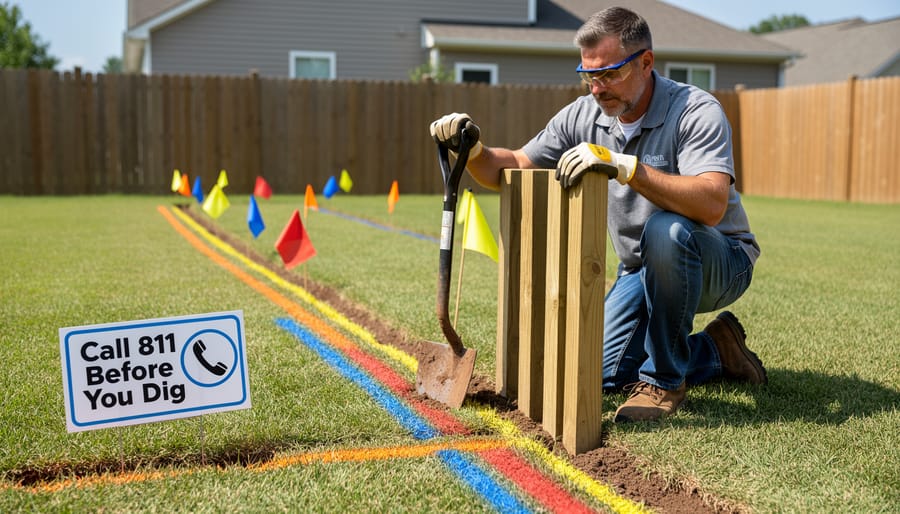
You might think installing a fence post or mailbox is straightforward, but these projects often require digging 24-36 inches deep—exactly where utilities frequently run. Even experienced gardeners can be surprised to learn that gas lines are sometimes buried just 18 inches down, while electric lines might sit at 24 inches. Before you grab that post-hole digger, call 811. Following fence installation best practices means protecting both yourself and your property. A single utility strike can cost thousands in repairs, cause dangerous gas leaks, or knock out power to your entire neighborhood. The marking process is free and typically completed within a few business days, giving you peace of mind that your new fence or mailbox won’t become an expensive disaster. This simple step protects your sustainable garden investment while keeping your family and community safe.
Planting Trees and Large Shrubs
Before you plant that beautiful oak or install those mature lilacs, marking underground utilities becomes absolutely essential. Deep-rooted trees and large shrubs can grow root systems extending 20-30 feet from the trunk, potentially wrapping around or damaging buried lines over time. Understanding proper tree planting depth is just one piece of the puzzle—you also need to know what’s beneath the surface. A tree planted too close to a gas line might thrive for years before roots cause issues, creating expensive and dangerous situations down the road. By calling 811 before digging, you’ll know exactly where to position your plantings to avoid future conflicts, ensuring both your landscape’s health and your family’s safety while protecting vital infrastructure for years to come.
Building Garden Beds and Landscape Features
Projects like building raised garden beds, installing retaining walls, or creating landscape borders often require digging deeper than you might expect. Even a simple raised bed can need post holes 12-18 inches deep for structural support, potentially reaching underground utilities. Before constructing any permanent landscape features, call 811 at least two business days ahead. This is especially important for retaining walls that require footer trenches or drainage systems. Remember, utility lines can run at varying depths, and shallow gas or electrical lines might sit just 12 inches below the surface. Taking this precaution protects both your project investment and your safety while creating beautiful, sustainable garden spaces.
Installing Irrigation and Drainage Systems
Installing irrigation systems and drainage networks present unique challenges when it comes to underground utility safety. These projects require extensive trenching across your property, sometimes in multiple directions, which dramatically increases your chances of encountering buried utilities. Unlike a single fence post hole, you’re creating long, continuous excavations that can cross paths with electrical lines, gas pipes, water mains, and telecommunications cables.
The trenches for irrigation typically need to be 6-12 inches deep, which puts them right in the zone where many utilities run. Drainage systems often go even deeper. Before you start digging those trenches, calling 811 is absolutely essential. Professional installers know this well, but if you’re tackling this as a DIY project, remember that even one accidental strike can lead to expensive repairs, service disruptions for your neighborhood, or serious injury. Plan your layout carefully after utilities are marked, and be prepared to adjust your design to work around existing lines.
How to Request Underground Utility Marking (The Simple Process)
When to Call (Timing Matters)
Timing is everything when it comes to calling 811. In most states, utility companies need two to three business days to send someone out to mark underground lines on your property. That means if you’re planning to install a new garden bed this weekend, you should make that call by Tuesday or Wednesday at the latest. Think of it like making a dinner reservation—calling ahead ensures everything’s ready when you need it.
Here’s a friendly tip from experience: always build in a buffer. Weather delays, high call volumes during spring planting season, or even scheduling conflicts can push things back. If you’re working on a larger project like installing an irrigation system or building raised beds, calling a full week ahead gives you breathing room and reduces stress.
And remember, utility marking isn’t a one-and-done deal. Those colorful flags and spray-paint marks typically remain valid for a specific period, often around 28 days depending on your state. If your project extends beyond that window, you’ll need to call 811 again for fresh markings. Planning ahead isn’t just smart—it’s your best protection against accidents and costly repairs.
What Information You’ll Need
When you contact 811, the operator will need some basic information to process your request accurately. Have your property address ready, including any specific details about where on your property you’ll be working—this is especially important for larger lots or when you’re planning a project away from your main structures. You’ll also need to describe your project in simple terms: are you installing a new garden bed, planting trees, building a fence, or perhaps adding an irrigation system? Be as specific as possible about what you’re digging for and how deep you plan to go.
The operator will also ask for your planned start date. Here’s a helpful tip: give yourself some breathing room! Most states require you to call at least two to three business days before you dig, and utility companies typically mark lines within 48 to 72 hours. Planning ahead not only ensures compliance but also gives you flexibility if the weather doesn’t cooperate with your gardening schedule. Finally, have your contact information handy so the utility companies can reach you if they have questions about accessing your property.
What Happens After You Call
Once you’ve made your 811 call, the notification center springs into action on your behalf. They’ll contact all relevant utility companies in your area within minutes, letting them know about your planned digging project. This is where patience becomes important. Utility companies typically have 2-3 business days (sometimes up to 10, depending on your state) to send marking crews to your property, so plan ahead and don’t wait until the last minute to call.
You don’t need to be home when the crews arrive. They’ll use color-coded flags, stakes, or spray paint to mark the approximate locations of underground lines. Each color represents a different utility: red for electric, yellow for gas, orange for telecommunications, and blue for water, among others. If you’re planning that new garden bed or installing an irrigation system, these rainbow markers are your roadmap to safe digging. The markings usually remain valid for a limited time, often around 30 days, so if your project gets delayed, you’ll need to call 811 again for fresh marks.
Understanding Utility Marking Colors and Flags
The Standard Color Code System
Before you start digging for that new vegetable bed or installing an irrigation system, you’ll notice some colorful lines painted across your yard after the utility companies respond to your 811 call. Understanding what these colors mean is essential for keeping yourself safe and avoiding damage to critical infrastructure.
The American Public Works Association established a universal color code system that’s used nationwide. Red marks indicate electric power lines, cables, and lighting circuits—these are extremely dangerous and should be given a wide berth when digging. Yellow signifies natural gas, oil, steam, or other petroleum products, which can be just as hazardous if disturbed. Orange marks communication lines, including telephone, cable TV, and internet cables. While not as immediately dangerous as power or gas lines, cutting these can leave you and your neighbors disconnected and facing expensive repair bills.
Blue paint or flags always represent potable water lines. These are particularly important to identify if you’re planning any deep digging projects. Green indicates sewage and drain lines, which you definitely don’t want to accidentally rupture during your weekend gardening project. Pink marks temporary survey points and is commonly seen in areas under development. White indicates the proposed dig site boundaries, which you or the utility companies may paint to clarify where work will be performed. Finally, purple represents reclaimed water, irrigation, and slurry lines—important for those of us managing lawn irrigation systems.
Take a quick photo of the marked areas on your phone for reference as you work. These marks typically fade after a few weeks, so having a visual record helps ensure you maintain proper awareness throughout your project.
Reading Marks, Flags, and Paint
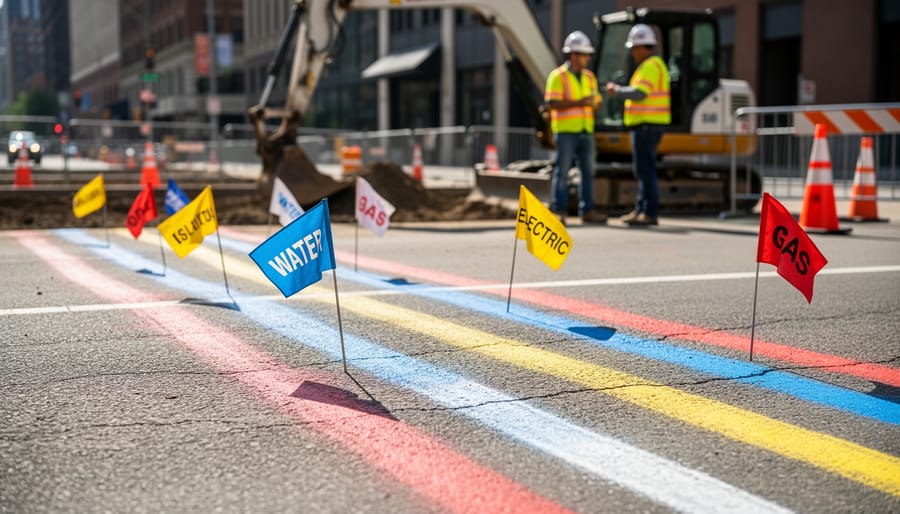
Once the utility company marks your yard, you’ll notice colorful flags, paint lines, or both indicating what’s buried beneath. Understanding this color-coded system is straightforward and essential for safe digging. Red marks indicate electric power lines, yellow shows gas and oil pipelines, orange represents telecommunication cables, blue identifies water lines, and green marks sewer systems. Purple flags warn of reclaimed water lines, while white paint outlines your proposed digging area.
The marks typically appear as flags stuck in the ground, spray paint on grass or pavement, or a combination of both. Don’t worry about paint on your lawn—it’s temporary and won’t harm your grass or plants. Most marking paint fades naturally within a few weeks from weather and mowing.
Pay close attention to the width of marked areas, as utility lines can shift slightly underground. When planning your garden bed installation or fence post digging, maintain at least 18-24 inches of clearance from any marked line. If marks seem unclear or have faded before you complete your project, simply call 811 again for a re-mark—it’s free and ensures your safety throughout your gardening endeavor.
Working Safely Around Marked Utilities
The Hand-Digging Zone
When utility companies mark the location of underground lines, they’re not pinpointing an exact spot—they’re indicating a zone. This is where the tolerance zone comes into play, and it’s crucial for anyone planning a garden project to understand.
Most states require a tolerance zone of 18 to 24 inches on either side of the utility markings. Within this buffer area, power tools and mechanical equipment are strictly off-limits. That means no tillers, no augers, and definitely no trenchers. Instead, you’ll need to roll up your sleeves and use good old-fashioned hand tools like spades, trowels, and post-hole diggers.
I know it sounds tedious, especially if you’re excited to get those new rose bushes in the ground, but hand-digging this zone protects both you and your property. Even a small nick in a gas line or fiber optic cable can lead to dangerous situations or expensive repairs that homeowners are liable for.
The good news? Most gardening tasks don’t require deep excavation. Planting perennials, installing edging, or setting up drip irrigation systems typically happen in shallow soil layers. By following safe digging techniques and respecting tolerance zones, you can complete your project confidently while keeping underground utilities intact.
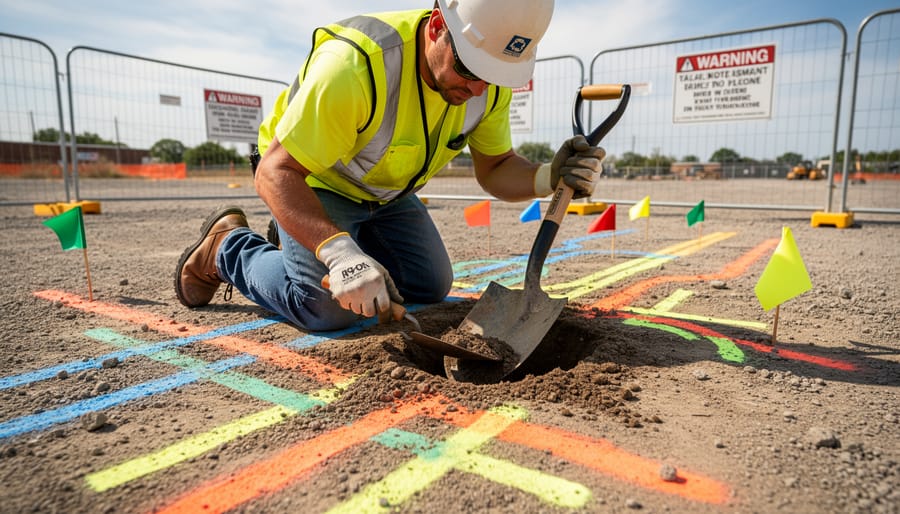
Protecting and Preserving Marks
Once your utilities are marked, protecting those flags and paint lines becomes crucial for a safe project. Those bright markers aren’t just helpful—they’re your safety guideline throughout the entire digging process.
Start by taking photos of all marked areas from multiple angles before you begin work. This creates a helpful reference if marks fade or get accidentally disturbed. Consider using small wooden stakes around the perimeter of painted lines as extra visual reminders, especially in high-traffic areas where family members might walk.
Keep in mind that utility markings typically remain valid for 14 to 28 days, depending on your state’s regulations. Weather can be tough on those marks—rain washes away paint, mowing can remove flags, and sun causes colors to fade. If your project extends beyond the valid period, don’t hesitate to call 811 again for a re-mark. It’s completely free and shows you’re taking safety seriously.
During your project, establish a “no-go zone” around marked utilities. A good rule of thumb is maintaining at least 18 to 24 inches of clearance on either side of marked lines. When you’re planting that new garden bed or installing irrigation, this buffer zone protects both you and the infrastructure that serves your neighborhood. Remember, one careful phone call and a little mark maintenance can prevent disasters and keep your gardening project on track.
What 811 Doesn’t Cover (Know Your Blind Spots)
While calling 811 is an essential first step, it’s important to understand what this free service doesn’t cover. Think of 811 as your safety net for public utilities, but there are some gaps you need to know about before you start that garden bed renovation or fence installation.
The 811 service typically locates utilities up to the meter or property line. This means private lines on your property—like the electrical line running from your house to your detached garage, irrigation system pipes, or that landscape lighting you installed five years ago—won’t show up when the locators arrive. If you’ve added a pool, installed outdoor wiring, or put in a sprinkler system, those are your responsibility to track and mark.
Abandoned utilities present another challenge. Old phone lines, discontinued cable connections, or capped gas lines might still be underground. While some locating services mark these if they’re still detectable, many older lines simply don’t register on modern equipment. This is especially common in older neighborhoods or properties that have changed hands multiple times.
For complex projects or properties with extensive private utilities, you might need to hire a private locating company. These professionals use advanced equipment and can map everything beneath your soil, though they do charge for their services. Most homeowners find this extra step worthwhile when planning major renovations, installing in-ground pools, or working in areas with complicated utility history.
Keep your own records of any private utility work you’ve done. A simple sketch showing depths and locations of irrigation lines, lighting cables, or drainage systems can save you headaches down the road.
The Real Cost of Not Calling (Legal and Financial Consequences)
I know it’s tempting to think “I’m just digging a small hole for a tree” or “this fence post won’t go that deep,” but the consequences of skipping that 811 call can be genuinely devastating to your wallet and potentially land you in legal trouble.
Let’s talk numbers first. Striking an underground utility line can cost anywhere from $1,500 to repair a basic cable line to well over $50,000 for a major gas or electrical line rupture. I recently spoke with a homeowner in Ohio who was installing a new garden bed and hit a fiber optic cable just 18 inches down. The repair bill? $22,000, and his homeowner’s insurance refused to cover it because he hadn’t called 811 before digging. That’s a lot of money for what was supposed to be a weekend gardening project.
The legal penalties are equally sobering. Most states have laws requiring you to call before you dig, and violations can result in fines ranging from $500 to $10,000 per incident. In some jurisdictions, repeat offenses or incidents causing significant damage can even result in criminal charges. These aren’t just theoretical penalties either—they’re actively enforced.
Beyond your own financial exposure, there’s the liability issue. If you strike a gas line and it causes an explosion or fire that damages neighboring properties or injures someone, you could face lawsuits that dwarf those initial repair costs. Your homeowner’s insurance may deny coverage entirely if they determine you were negligent by not requesting utility marking.
The sustainable approach to any lawn or garden project includes protecting the infrastructure that serves your community. That free 811 call is your best insurance policy.
Making that quick call to 811 before you dig is honestly one of the easiest ways to protect what matters most—your family, your property, and your community. It takes just a few minutes, costs absolutely nothing, and could prevent a disaster that would haunt you for years. Whether you’re planting a single tree, installing a new garden bed, or building that raised vegetable patch you’ve been dreaming about, this simple step should become as automatic as checking the weather forecast.
Think of calling 811 as an essential part of responsible stewardship. As gardeners, we’re already committed to caring for our little piece of the earth, nurturing plants, and creating healthy ecosystems in our yards. Knowing what’s beneath the surface is just another dimension of that care. It demonstrates respect for the infrastructure that serves your neighborhood and ensures your gardening projects enhance your property rather than endangering it.
So before you grab that shovel for your next project—big or small—make 811 your first call. It’s a powerful act of preparedness that lets you garden with confidence, knowing you’re protecting both what grows above ground and what lies beneath.