Neither path wins every time. The right choice between investing in kerb appeal and accepting a quick cash sale depends entirely on your timeline, financial cushion, and tolerance for uncertainty in 2026’s unpredictable property market.
For sellers with three to six months to spare and a few thousand pounds for improvements, boosting kerb appeal typically delivers a 5-10% price uplift. A freshly mowed lawn, pruned hedges, and a coat of paint on the front door cost relatively little but signal to buyers that the entire property has been cared for. As someone who’s spent years advising homeowners on garden transformations, I’ve watched modest front-yard improvements turn lingering listings into bidding wars.
But that strategy assumes you have time, energy, and stable circumstances. If you’re facing repossession, relocating for work within weeks, or dealing with a property that needs major repairs you can’t afford, those percentage points matter far less than certainty. Cash buyers remove the risk of chain collapse, survey surprises, and months of weekend viewings. You’ll accept 15-25% below market value, but you’ll have money in your account within days.
The decision isn’t about which approach is objectively better. It’s about matching the sale method to your specific situation. A well-maintained garden and tidy frontage will always attract more buyers and higher offers through traditional estate agents. Yet for homeowners who need speed and guaranteed completion, companies that buy houses for cash offer something no amount of kerb appeal can provide: certainty and speed when life doesn’t allow for the conventional route.
At-a-Glance: Kerb Appeal Investment vs. Quick Cash Sale
When you’re weighing up your options, a clear side-by-side view helps cut through the confusion. Here’s how kerb appeal investment stacks up against a quick cash sale across the factors that matter most:
| Factor | Kerb Appeal Enhancement | Quick Cash Sale |
|---|---|---|
| Time to Sale | 3-6 months (improvements plus marketing) | 1-4 weeks from offer to completion |
| Financial Return | Full market value, potentially 5-20% higher | 70-85% of market value |
| Effort Required | Significant: garden work, lawn care, exterior fixes, staging | Minimal: sell as-is, no improvements needed |
| Best For | Homeowners with time, budget, and desire to maximize profit | Urgent sales, inherited properties, financial pressure |
| Certainty | Moderate risk: chains, surveys, mortgage approvals can fail | High certainty: cash buyers, no chain, fewer complications |
This snapshot reveals the fundamental trade-off: kerb appeal investment typically delivers better financial returns but demands more time, work, and carries some uncertainty. Quick cash sales sacrifice profit for speed, convenience, and guaranteed completion. Your circumstances, timeline, and property condition determine which balance makes sense for you. The sections ahead break down each dimension in detail, helping you match your situation to the right approach.
What Each Option Really Means
The Kerb Appeal Enhancement Path
Choosing the kerb appeal enhancement path means deliberately investing time, effort and money into your property’s outward appearance before listing it for sale through traditional channels. The goal is straightforward: make potential buyers fall in love at first glance, attracting more viewings and higher offers that ultimately exceed what you’ve spent on improvements.
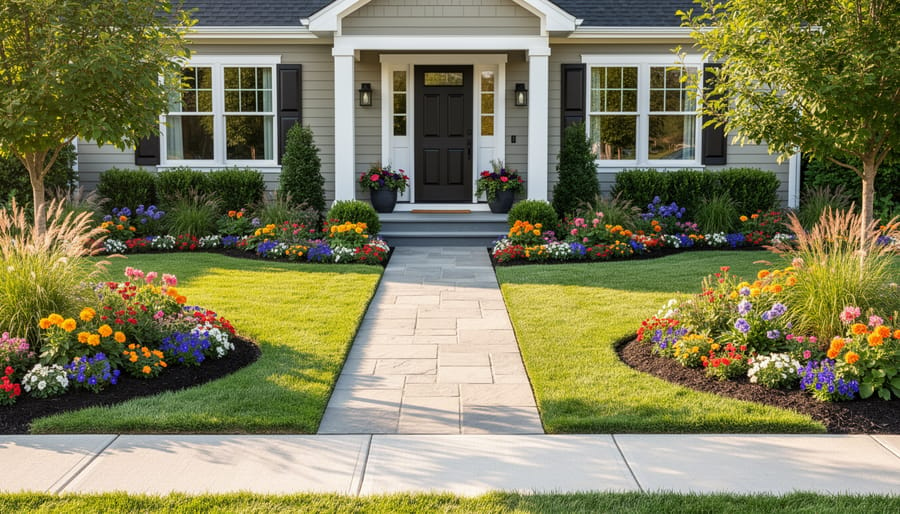
This approach centres on your home’s front garden and exterior presentation. You’ll focus on bringing your lawn back to lush, healthy condition through proper mowing, feeding and weed control. Overgrown shrubs get trimmed back, tired flower beds receive fresh mulch and seasonal colour, and pathways are cleaned of moss and weeds. The front door might get a fresh coat of paint, gutters cleaned, and windows sparkling.
The work varies depending on your starting point. Some homes need comprehensive landscaping overhauls, redesigning beds, adding structure with hedges or ornamental grasses, perhaps installing new turf or repairing bare patches. Others simply require consistent maintenance to showcase what’s already there: regular mowing, edge trimming, and keeping everything looking tidy and cared-for.
This investment isn’t just cosmetic. A well-maintained front garden signals to buyers that the entire property has been looked after, reducing their perceived risk. Studies consistently show that strong kerb appeal can add 5-20% to sale prices, particularly when gardens demonstrate sustainable practices like healthy soil, water-wise planting choices, and chemical-free lawn care that appeals to environmentally conscious buyers.
The trade-off is time and sustained effort until your property sells.
The Quick Cash Sale Route
A quick cash sale means selling your property directly to a property investor or cash-buying company that purchases homes in their current condition. These buyers make an offer within days, require no estate agent, and complete the purchase in as little as one to four weeks.
The defining characteristic is “as-is” purchase. You don’t mow the lawn, repaint tired woodwork, or tackle that overgrown border. The buyer accepts the property exactly as it stands, often specifically targeting homes that need work. They’re not deterred by peeling paint, neglected gardens, or dated interiors that would make traditional buyers hesitate.
Cash buyers are typically professional investors or property companies with available funds, which eliminates mortgage approval delays and chain complications. Once you accept their offer, the process moves quickly through conveyancing with minimal fuss. There are no viewings to prepare for, no anxious waits while buyers secure financing, and no risk of the sale collapsing because a surveyor spotted damp or subsidence.
The trade-off is price. Cash offers generally sit between 70 and 85 percent of market value. That discount reflects the convenience, speed, and certainty you’re gaining, plus the work and holding costs the buyer will absorb. They’re taking on the renovation burden and market risk that you’re avoiding.
This route appeals particularly to inherited properties, urgent relocations, financial difficulties, or situations where traditional marketing feels overwhelming.
Comparing the Two Approaches Dimension by Dimension
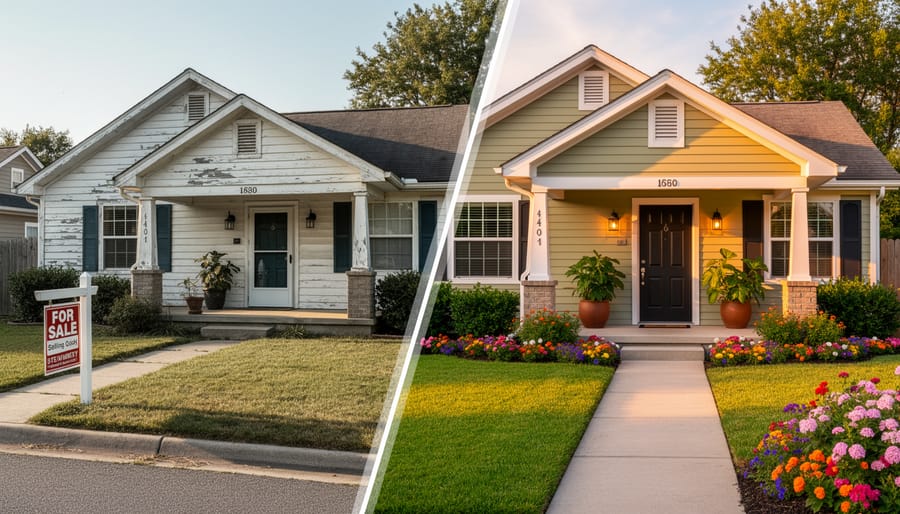
Timeline and Speed
The timeline difference between these two paths is stark and often becomes the deciding factor for homeowners under pressure.
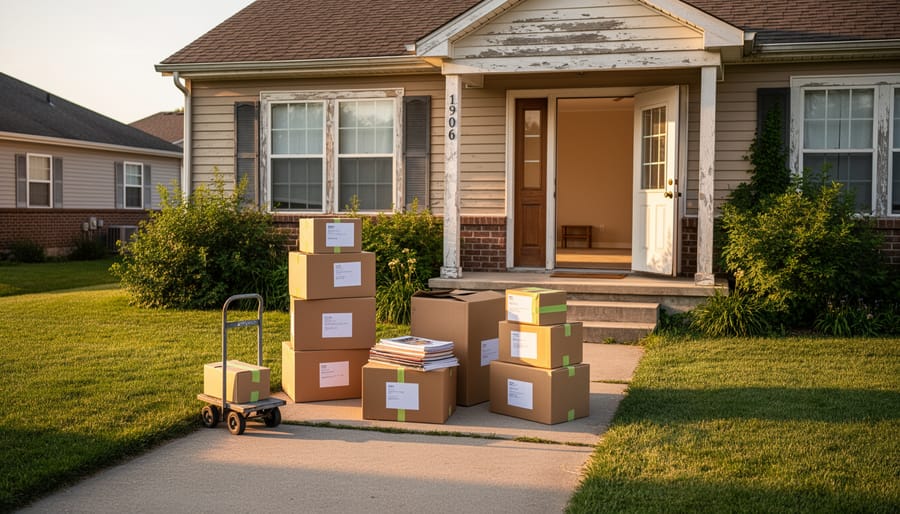
A quick cash sale moves remarkably fast. From accepting an offer to completion, you’re typically looking at one to four weeks. The buyer conducts a brief valuation, makes an offer within days, and because there’s no mortgage approval process or property chain, solicitors can wrap up the legal work swiftly. Some cash buyers complete in as little as seven days when circumstances demand it.
The kerb appeal route requires considerably more patience. Before you even list the property, you’ll spend two to eight weeks on improvements, lawn seeding takes weeks to establish, hedge trimming and mulching are immediate but painting and landscaping projects stretch over weekends. Once listed, the average traditional sale takes three to six months, sometimes longer if buyers struggle with mortgages or chains collapse.
Speed matters most when you’re facing repossession, relocating for work with a fixed start date, going through divorce with court deadlines, or managing an inherited property that’s costing you money monthly. If you have breathing room and no urgent financial pressure, the slower kerb appeal path usually delivers better financial returns that justify the wait.
Financial Return on Investment
The mathematics of selling tells two strikingly different stories. Traditional sales after kerb appeal improvements typically yield 95-105% of a property’s estimated market value, with well-executed landscape upgrades add value ranging from 5-20% depending on the property’s starting condition and local market. A £300,000 home might realistically sell for £315,000-£330,000 after £5,000-£8,000 spent on front garden transformation, lawn renovation, and exterior touch-ups. Cash sale companies, conversely, offer 70-85% of market value, that same property would fetch £210,000-£255,000 with zero improvement costs but a significant discount.
The break-even analysis reveals when each makes sense. If time costs you money, mortgage payments during a prolonged sale, carrying costs on an empty property, or urgent relocation expenses, that 15-30% discount starts looking reasonable. A homeowner paying £1,200 monthly on an empty property who sells in three weeks via cash buyer saves £3,600-£4,800 compared to a four-month traditional sale, partially offsetting the lower price. But someone with time and modest gardening budget recovers their investment multiple times over. The financial winner depends less on the numbers themselves and more on what your calendar and bank account can sustain.
Effort and Physical Work Required
The effort gap between these two paths is substantial and often underestimated.
Choosing kerb appeal means committing to genuine physical work. You’ll spend weekends mowing, weeding, edging the lawn, trimming hedges, and possibly tackling bigger projects like replanting borders or repairing the front path. Even modest improvements demand consistent upkeep throughout the selling period, lawns don’t stop growing when your house hits the market. If you hire contractors for landscaping or exterior painting, you’ll still invest time managing quotes, scheduling work, and overseeing quality. The mental load of maintaining presentation standards while showing the property adds another layer of stress.
Quick cash sales eliminate this entirely. You make one phone call, arrange a single property viewing, and that’s essentially it. No weekend gardening sessions, no panic-mowing before viewings, no contractor headaches. The buyer accepts the overgrown lawn, the patchy drive, the whole lot exactly as it stands today.
If you’re already stretched thin, juggling work, family, or managing a property remotely, that difference in effort alone can make the cash route appealing, even before considering the financial trade-off.
Certainty and Sale Guarantee
When you’ve spent weeks nurturing your front lawn and tidying your borders to attract buyers, the last thing you want is for the sale to collapse at the final hurdle. This is where the certainty factor becomes crucial in your decision.
Cash sales offer exceptional reliability. There’s no chain of buyers and sellers whose deals could unravel, no mortgage lender who might reject the application at the last minute, and no surveyor’s report that could derail everything. Cash buyers typically complete within their promised timeframe because they’re not dependent on external approvals. If they’ve made an offer, they have the funds ready.
Traditional sales, even after successful kerb appeal improvements, carry inherent uncertainty. According to industry data, roughly one in three property sales fall through in the UK. You might receive multiple offers on your beautifully presented garden, only to have the buyer withdraw when their own sale collapses or their mortgage is declined. Each failed sale means starting again, extending your timeline, and potentially watching your carefully maintained lawn become overgrown during the delay.
For homeowners who need guaranteed completion by a specific date, this certainty difference can outweigh the financial benefits of pursuing higher offers through traditional channels.
Condition of Property and Required Improvements
The state of your property fundamentally shapes which route makes sense. If you’re looking at structural issues, damp problems, or a roof that needs replacing, the sums shift dramatically in favor of a cash sale. You’ll avoid spending thousands on essential repairs that won’t necessarily translate into equivalent value increases, and you dodge the risk of surveys scuppering traditional sales once buyers discover the problems.
Properties in reasonable structural condition but with tired exteriors tell a different story. A neglected front garden, patchy lawn, or flaking paintwork are precisely the improvements that deliver strong returns without requiring specialist skills. A weekend of lawn care, some fresh mulch, and strategic planting can transform first impressions for relatively modest outlay.
The sweet spot for kerb appeal investment sits with homes that are sound but shabby on the outside. Here, you’re working with cosmetic improvements rather than fighting fundamental defects. Cash sales make most sense when the repair list runs to major works, boiler replacement, rewiring, subsidence, where the cost and complexity of fixes outweigh the potential uplift. Be honest about whether you’re dealing with surface issues or deep-seated problems.
Personal Circumstances and Life Situation
Your personal circumstances often matter more than property condition or potential profit when choosing between these routes.
Urgent relocation, a new job starting in another city, family emergencies, or relationship breakdown, makes cash sales the practical choice. Traditional sales with marketing periods and chain delays simply don’t align with tight timelines.
Financial distress situations like mortgage arrears, looming repossession, or urgent debt settlement demand the speed and certainty that cash buyers provide. Waiting months for higher offers becomes irrelevant when immediate resolution is essential.
Inherited properties present different pressures. Executors managing estates, especially from a distance, frequently choose cash sales to avoid ongoing costs, maintenance responsibilities, and the emotional burden of improving someone else’s home.
Conversely, homeowners with stable timelines, available savings for improvements, and genuine enthusiasm for gardening projects benefit enormously from kerb appeal investment. If you’ve been meaning to transform that front garden anyway, combining personal enjoyment with sale preparation makes perfect sense, you’ll live with the improvements while marketing, then reap the financial reward.
Key Kerb Appeal Improvements That Impact Sale Value
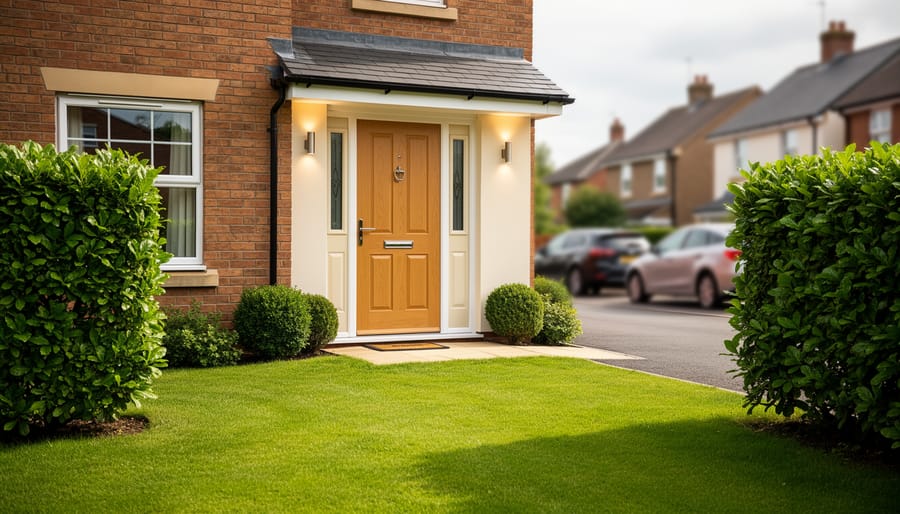
If you’re leaning toward the kerb appeal path, focus your efforts where they genuinely matter to buyers. Not every improvement delivers equal return, and overspending on elaborate projects can eat into your profit margin without proportionally increasing your sale price. The front of your property does the heavy lifting, this is where first impressions form, often within the first fifteen seconds of a viewing.
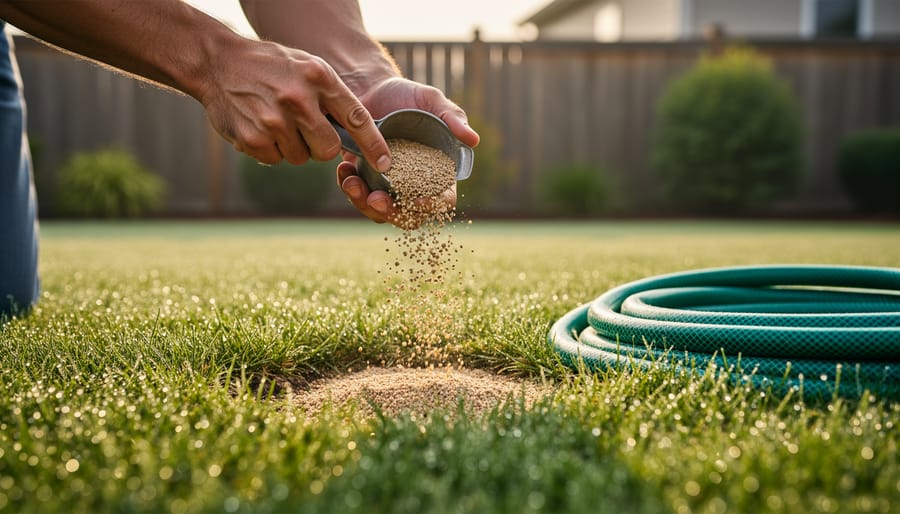
Start with your lawn. A healthy, well-maintained lawn signals that the entire property has been cared for. You don’t need a bowling-green finish, but eliminating bare patches, controlling weeds, and establishing a consistent green color makes an enormous difference. Follow a basic lawn care checklist: mow regularly at the correct height for your grass type, address any drainage issues causing waterlogging, and overseed thin areas at least six weeks before listing. Timing matters here, grass needs time to establish before viewings begin.
Your front garden beds frame the approach to your home. Choose garden bed layouts that create clear structure without demanding constant maintenance. Prospective buyers imagine themselves living there, not taking on a high-maintenance garden project. Plant in groups of three or five for visual impact, stick to hardy perennials and evergreen shrubs that look presentable year-round, and edge beds cleanly to define spaces. A fresh layer of earth-friendly mulch suppresses weeds, retains moisture, and gives beds a finished, intentional appearance for minimal cost.
Here are the improvements that consistently deliver strong returns:
- Lawn renovation and regular maintenance, adds perceived value of 5-10% by signaling overall property care
- Front garden planting with low-maintenance perennials and structural evergreens, boosts appeal for £200-500 investment
- Pathway cleaning or re-gravelling to create a welcoming approach, costs £100-300, improves safety and aesthetics
- Pressure-washing exterior walls, driveway, and patio, £150-400 for dramatic improvement in presentation
- Front door refresh with new paint or hardware, £50-200 investment creates strong focal point and finish
Keep your lawn looking its best during the selling period by watering at the best watering time to maintain color without encouraging disease. If you’re planning any significant digging or installation work, new pathways, garden bed expansion, or fence posts, remember to call 811 first to locate underground utilities and avoid costly accidents.
The goal isn’t perfection. It’s presenting a well-cared-for property that lets buyers envision their own life there, with gardens and lawns that look inviting rather than intimidating.
Who Should Choose Which Option
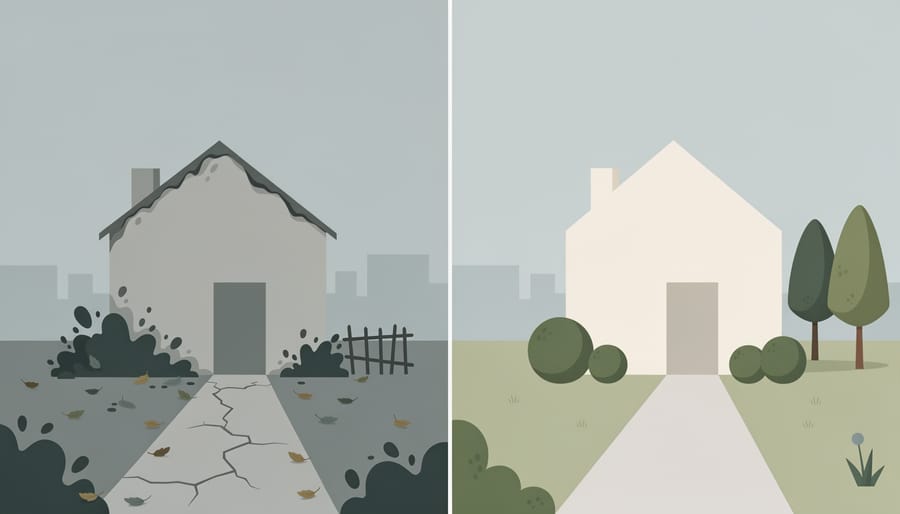
The decision between investing in kerb appeal and taking a quick cash offer ultimately comes down to your specific circumstances. Here’s how to identify which path makes sense for you.
If you have three to six months available before you need to move and your property is in reasonable condition, kerb appeal improvements almost always deliver better financial returns. The sweet spot is homes that need cosmetic refreshment rather than major structural work, fresh lawn care, tidy borders, a coat of paint on the front door, and well-maintained garden beds can add thousands to your final sale price. Homeowners who enjoy gardening or don’t mind rolling up their sleeves for weekend projects will find this route both satisfying and profitable.
Conversely, quick cash sales make perfect sense when time pressure dominates your decision-making. If you’re facing repossession, need to relocate for work within weeks, or are dealing with a messy divorce settlement, the certainty and speed of a cash offer outweigh the financial discount. You’re essentially paying for convenience and guaranteed completion, no viewings, no chain complications, no risk of deals falling through at the last minute.
Property condition plays a crucial role too. Homes requiring significant repairs, subsidence issues, damp problems, outdated electrics, or extensively overgrown gardens that would take months to restore, rarely justify the investment needed to attract traditional buyers. Cash buyers purchase as-is, saving you the headache and expense of major renovations.
- Time-rich, money-conscious seller
- Choose kerb appeal investment. With several months available and motivation to maximize return, strategic garden and exterior improvements will deliver significantly better sale prices than accepting a discounted cash offer.
- Urgent relocation needed
- Choose quick cash sale. When you must move within 4-8 weeks for work, family emergencies, or other pressing reasons, the speed and certainty of cash buyers justifies accepting 15-30% below market value.
- Inherited property in poor condition
- Choose quick cash sale. Properties inherited from elderly relatives often need extensive work; cash buyers remove the burden of managing repairs, cleanouts, and renovations from a distance.
- Garden enthusiast with well-maintained home
- Choose kerb appeal investment. If you already enjoy lawn care and your property just needs seasonal refreshment and strategic staging, you’re perfectly positioned to add maximum value through front-garden improvements.
- Financial distress situation
- Choose quick cash sale. Facing mortgage arrears, repossession threats, or bankruptcy proceedings requires immediate certainty over maximizing price, cash offers provide guaranteed completion and faster debt resolution.
Consider your emotional capacity too. Traditional sales involve viewings, negotiations, surveys, and potential disappointments when deals collapse. If you’re already stressed from bereavement, relationship breakdown, or health issues, the simpler cash route might preserve your wellbeing even if it costs you money on paper.
Think honestly about your DIY skills and available budget. Kerb appeal improvements done badly, patchy lawn repairs, mismatched paint, amateur landscaping, can actually reduce property value. If you lack gardening knowledge or can’t afford to hire professionals for key tasks, a cash sale avoids the risk of wasting money on counterproductive improvements.
Common Questions About Choosing Between Kerb Appeal and Cash Sales
Homeowners wrestling with this decision often have similar concerns. Let’s address the practical questions that come up most frequently when you’re standing at this crossroads.
Can I do light improvements and still sell quickly?
Yes, quick wins like mowing the lawn, weeding borders, and fresh mulch take days rather than months and can help attract traditional buyers without major time investment. You’re not locked into choosing between extensive renovation or selling immediately as-is.
How much does kerb appeal really add to property value?
Well-maintained front gardens and lawns typically add 5-10% to sale price, with more dramatic transformations potentially reaching 15-20% in the right market. The return depends heavily on your starting point and local buyer expectations.
Are cash buyers legitimate, or is this some sort of scam?
Reputable cash-buying companies are legitimate businesses, though you should verify their credentials, read reviews, and never pay upfront fees. The lower offer reflects the convenience and certainty they provide, not dishonesty.
What happens if I start improvements but then need to sell urgently?
You can stop mid-project and accept a cash offer, though you’ll have spent money without seeing the return. This risk is why honest assessment of your timeline matters before you commit to garden work.
One question that comes up repeatedly: is there a middle ground between these approaches? There can be. Some homeowners tackle the most visible quick fixes, lawn care, pruning overgrown shrubs, power-washing the drive, then list traditionally but price competitively for a faster sale. You gain some benefit from improvements without the extended timeline.
Another common worry centres on knowing whether your garden is already good enough to skip the cash sale route. Walk your front garden as a stranger would. If the lawn is patchy, borders are overgrown, and the overall impression feels neglected, improvements will likely pay off assuming you have the time. If it already looks tidy and welcoming, your energy might be better spent on pricing strategy rather than further landscaping.
The uncertainty that troubles many homeowners is what happens if the property doesn’t sell despite the improvements. This is a real risk with traditional sales. You’ve invested time and money, but completion isn’t guaranteed until contracts exchange. Cash sales remove this anxiety entirely, which is why they appeal even to people whose properties would likely sell well traditionally.
Finally, people often ask whether starting with kerb appeal improvements prevents them from later accepting a cash offer. It doesn’t. You can always change course, though you won’t recoup what you’ve spent on improvements if you ultimately sell to a cash buyer who would have purchased the property in its original condition.
Neither the kerb appeal enhancement route nor the quick cash sale option holds a universal advantage. Your right choice hinges entirely on your specific circumstances, timeline, property condition, and financial priorities.
If you’re pressed for time, facing financial pressure, or dealing with a property requiring extensive repairs, the cash sale route offers certainty and speed that no amount of garden improvement can match. You’ll accept less money, but you’ll gain peace of mind and a guaranteed completion date.
Conversely, if you have several months available, your property is in reasonable condition, and you enjoy gardening work, investing in your front garden and lawn can deliver significant financial returns. The effort you put into creating an attractive outdoor space translates directly into buyer interest and higher offers.
The frameworks we’ve explored throughout this article aren’t meant to prescribe a single answer. They’re tools for honest self-assessment. Consider your timeline realistically. Calculate the numbers without wishful thinking. Evaluate your energy levels and available resources. Then make the choice that aligns with your actual situation, not an idealized version of it.
Whatever path you choose, remember this: if you’re selling quickly to move forward with your life, your next home will have a garden waiting for you. Those sustainable gardening practices and lawn care skills you’ve developed won’t go to waste. They’ll simply find expression in a new outdoor space when you’re ready to put down roots again.