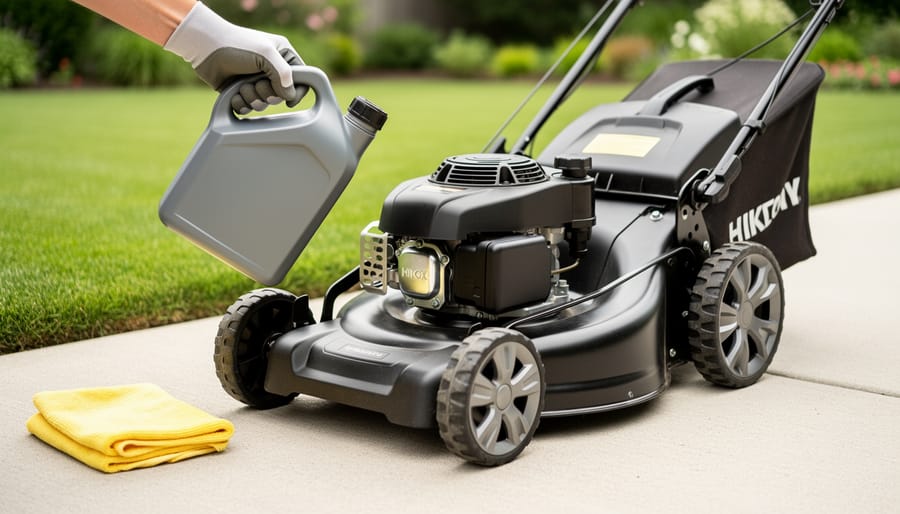
Verify your battery type before any transport attempt, since lithium-ion, lithium-metal, and lead-acid batteries each face distinct DOT shipping classifications that determine whether you can legally transport your lawn mower, trimmer, or tiller in your personal vehicle or need commercial shipping services. Download the latest Pipeline and Hazardous Materials Safety Administration battery transport guidelines from DOT.gov, focusing specifically on Section 173.185 for lithium batteries and Section 173.159 for wet cell batteries, which cover most outdoor power equipment scenarios.
Check your battery’s watt-hour rating, typically listed on the label or in your equipment manual, because batteries under 100 watt-hours generally qualify for easier transport exceptions while those exceeding 300 watt-hours require full hazardous materials compliance. Most residential lawn equipment falls into the manageable middle range, but understanding this threshold prevents costly shipping mistakes or potential fines.
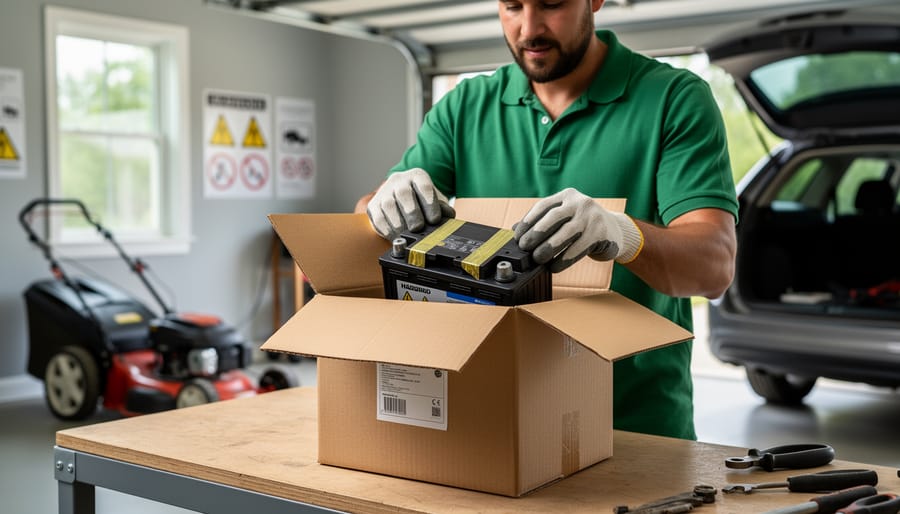
Remove batteries from equipment whenever possible during transport, storing them in their original packaging or insulating terminals with non-conductive tape to prevent short circuits that could spark fires. This simple step aligns with equipment compliance regulations and dramatically reduces transport risks whether you’re heading to a repair shop, moving to a new property, or storing equipment seasonally.
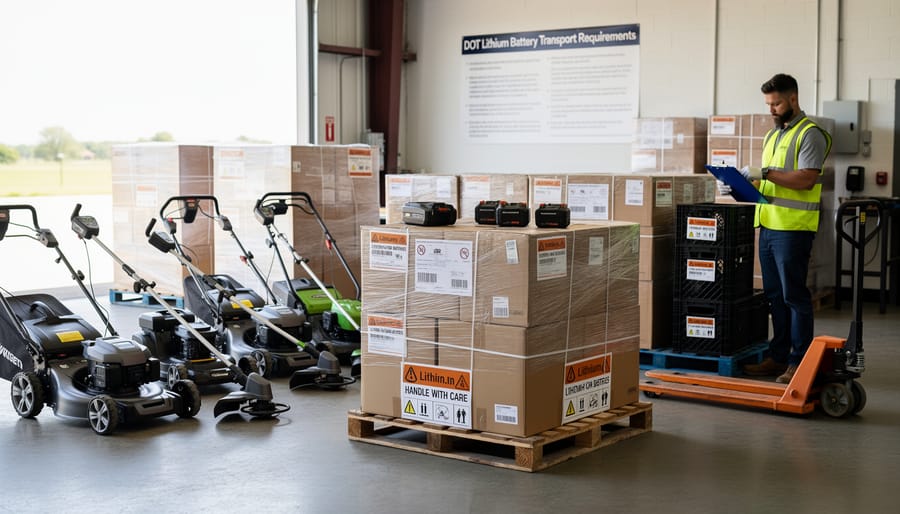
Label your shipment correctly if sending equipment commercially, using proper hazard class markings and documentation that carriers require, or face package rejection and return fees. Many gardeners discover these requirements only after a shipping company refuses their lawn equipment, creating frustrating delays during peak mowing season when every day matters for lawn health.
Understanding these regulations protects both your investment in quality lawn care equipment and the safety of everyone involved in the transport chain while keeping you compliant with federal requirements.
What Makes Lawn Equipment Batteries a Safety Concern?
The Science Behind Battery Hazards (In Plain English)
Think of a lithium-ion battery like a tiny energy storage tank that keeps your lawn equipment running. Inside, there’s a delicate chemical dance happening between lithium ions moving back and forth through a liquid electrolyte. When everything works properly, this process is safe and efficient, powering your trimmer or mower beautifully.
The problem arises when something disrupts this balance. If a battery gets damaged, overheated, or experiences a short circuit, those normally well-behaved chemicals can react violently. The electrolyte inside is flammable, and when lithium reacts with air or moisture, it generates heat rapidly. This creates what experts call thermal runaway, where the battery gets hotter and hotter, potentially leading to fires that are difficult to extinguish with regular methods.
Here’s what makes this especially tricky during transport: batteries can get jostled, crushed, or exposed to temperature extremes in cargo areas. Even a small puncture in the battery casing can trigger a chain reaction. That’s why you might notice your cordless hedge trimmer’s battery gets warm during use, it’s generating heat naturally. But during shipping, if multiple batteries are packed together without protection, one failing battery can affect others nearby.
Understanding this chemistry helps explain why DOT regulations exist. They’re not trying to make life complicated for gardeners like us, they’re preventing a small electrical issue from becoming a serious safety hazard during transport.
Types of Batteries in Your Outdoor Equipment
Before we dive into DOT regulations, let’s talk about what’s actually powering your outdoor equipment. Understanding your battery type is the first step toward transporting it safely and legally.
Most modern lawn mowers, leaf blowers, and chainsaws run on lithium-ion batteries, the same technology in your smartphone but much larger. These rechargeable powerhouses are lightweight and hold their charge well, which is why they’ve become so popular among gardening enthusiasts. However, they’re also the most regulated when it comes to transport because they can overheat or, in rare cases, catch fire if damaged. If you’re shipping equipment with lithium-ion batteries, you’ll need to pay close attention to DOT guidelines.
Lead-acid batteries are the veterans of outdoor equipment, commonly found in riding lawn mowers and larger tractors. They’re heavy, durable, and contain sulfuric acid, which makes them corrosive. When transporting these, you’ll need to ensure they’re secured upright and protected from potential leaks.
Nickel-cadmium batteries, while less common today, still power some older cordless tools. They’re generally more forgiving during transport but still fall under DOT regulations due to their chemical composition.
Here’s the practical takeaway: check your equipment manual or battery label to identify which type you have. This information determines how you’ll need to package, label, and document your battery for transport, whether you’re shipping it across the country or just taking it to a repair shop.
Understanding DOT Battery Transportation Regulations
When Do These Regulations Apply to You?
Let me give you the good news first: most everyday situations with your lawn equipment won’t require you to navigate complex DOT regulations. These rules primarily kick in when you’re engaging in commercial transport or using common carriers like FedEx, UPS, or freight companies.
If you’re simply loading your battery-powered mower into your truck to drive it to a repair shop across town, you’re in the clear. The same goes for transporting equipment between your home and vacation property, or taking your tools to help a neighbor with their yard work. Personal transportation in your own vehicle generally falls outside DOT jurisdiction, though it’s always smart to secure batteries properly to prevent damage.
However, the regulations do apply in several practical scenarios you might encounter. Shipping your electric mower back to the manufacturer for warranty repair requires compliance, as you’ll be handing it off to a shipping company. That online battery-powered trimmer you’re returning because it didn’t meet your needs? Yes, those shipping requirements apply. Planning to sell your used equipment on an online marketplace and ship it to the buyer? You’ll need to follow the rules.
Traveling by air with your cordless tools presents another compliance situation. Airlines follow DOT regulations strictly, and lithium batteries face specific restrictions regarding carry-on versus checked luggage. Even household moves can trigger requirements if you’re using professional moving companies rather than handling everything yourself.
The key distinction is this: when you’re personally transporting items in your own vehicle for non-commercial purposes, you typically have flexibility. Once you introduce a third-party carrier or commercial shipping service into the equation, DOT regulations become your responsibility. Understanding this difference helps you know when to dig into those official guidelines versus when you can simply focus on safe, common-sense handling.
Key Terms Every Equipment Owner Should Know
When you’re preparing to transport your lawn mower, trimmer, or other battery-powered equipment, you’ll encounter specific terms in DOT regulations. Let’s break down what these mean in everyday language, similar to understanding regulatory labels on garden products.
UN numbers are four-digit codes that identify specific materials during transport. For batteries, you’ll typically see UN3480 for lithium-ion batteries alone, or UN3481 when they’re installed in equipment like your electric mower.
Watt-hours measure battery capacity and determine which regulations apply. Most residential lawn equipment batteries fall under 100 watt-hours, which means simpler shipping rules. To calculate watt-hours, multiply voltage by amp-hours listed on your battery label.
Class 9 hazmat refers to miscellaneous dangerous goods, where lithium batteries fall under DOT classification. Don’t let this intimidate you—it simply means following specific packing and labeling requirements.
Understanding lithium metal versus lithium-ion matters too. Your rechargeable lawn equipment uses lithium-ion batteries, which have different transport rules than disposable lithium metal batteries found in some tools.
Excepted quantities allow simplified shipping for smaller batteries below certain thresholds. Many homeowner batteries qualify as excepted, meaning fewer regulatory hoops to jump through. This exception exists because smaller batteries pose minimal risk when properly packaged, making transport more practical for everyday users who need to ship equipment for repairs or storage.
How to Safely Transport Your Equipment’s Batteries
Preparing Batteries for Shipment
Getting your lawn mower, leaf blower, or other battery-powered equipment ready for transport might seem daunting, but with the right preparation, it’s completely manageable. Think of it like winterizing your garden—a little care upfront prevents bigger problems down the road.
Start by disconnecting the battery from your equipment. This simple step eliminates any possibility of accidental activation during transport. For batteries that remain in the device, make sure they’re powered off and, if possible, remove them entirely. I learned this lesson the hard way when a trimmer turned on in my truck bed, fortunately without incident, but it taught me to always double-check.
Next comes terminal protection, which is absolutely essential for preventing short circuits. You’ll want to insulate each terminal separately. Heavy-duty electrical tape works well for smaller batteries, while plastic terminal caps (available at hardware stores) provide excellent protection for larger lawn equipment batteries. The goal is ensuring terminals cannot touch metal surfaces or each other. Even a brief contact can spark a dangerous short circuit.
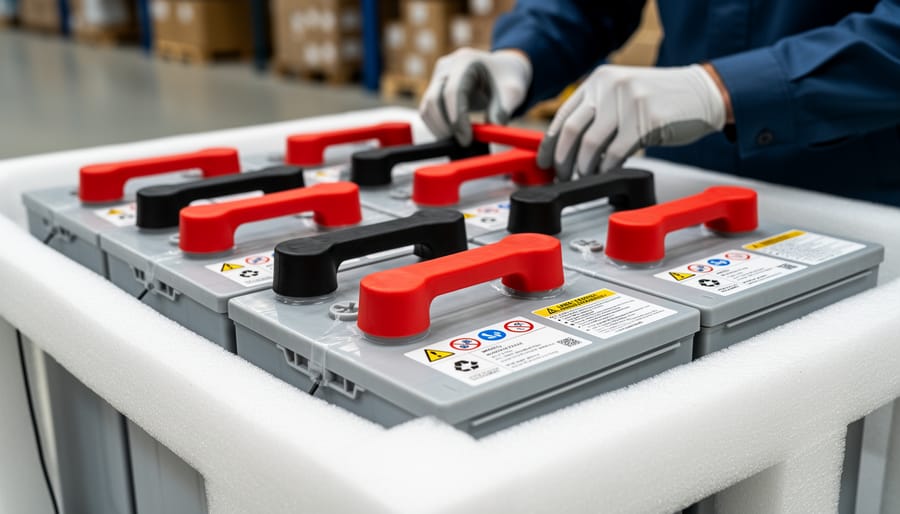
Secure the battery in sturdy packaging that prevents movement. A snug-fitting box with cushioning material keeps things stable. For lithium batteries common in modern cordless mowers and trimmers, place them in a non-conductive container. Avoid packing multiple loose batteries together without individual separation—treat each one like a delicate plant that needs its own space.
Documentation and labeling are where many folks get tripped up, but they’re crucial for compliance. Clearly mark packages with proper battery labels indicating the type (lithium-ion, lead-acid, etc.). Include handling instructions like “This Side Up” or “Keep Dry.” If you’re shipping commercially, you’ll need to include a shipper’s declaration for dangerous goods, though many homeowners transporting their own equipment in personal vehicles won’t require this formal documentation.
Keep your battery manufacturer’s specifications handy, as they often include transport guidelines specific to your model. This practical approach to preparation ensures your sustainable lawn care equipment travels safely and legally.
Personal Vehicle Transport Best Practices
When you’re hauling your lawn mower or other battery-powered equipment in your personal vehicle, a little preparation goes a long way toward keeping everyone safe. Think of it like packing for a road trip—you want everything secure and protected.
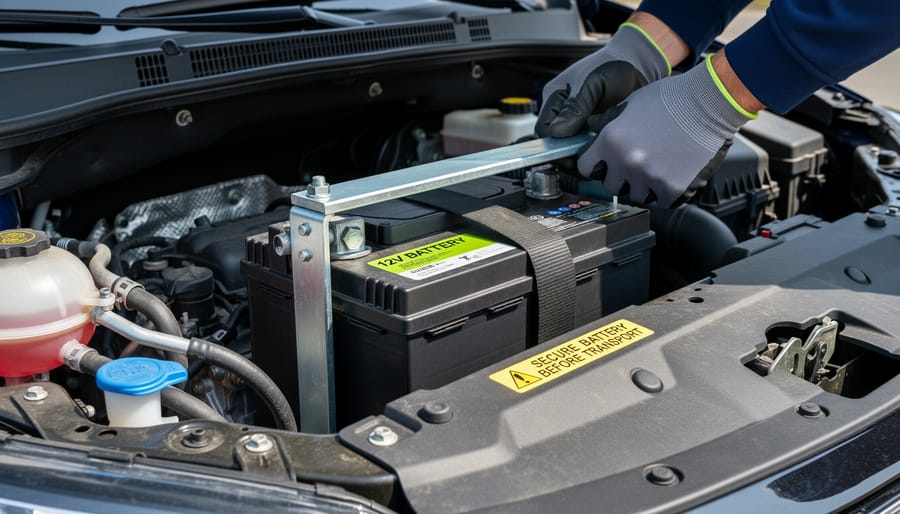
First, always position batteries upright and secure them so they won’t shift during transit. I learned this the hard way when a lithium battery slid across my truck bed and cracked its casing on a sharp turn. Use bungee cords, cargo nets, or even towels wedged around equipment to prevent movement. If you’ve removed batteries from your equipment, place them in their original packaging or a sturdy plastic container that won’t conduct electricity.
Temperature matters more than you might think. On hot summer days, your car’s interior can reach scorching temperatures that stress battery cells. Park in the shade when possible, and avoid leaving batteries in vehicles overnight during extreme weather. Similarly, freezing temperatures can damage battery performance, so bring them inside if you’re stopping for extended periods in winter.
Keep battery terminals covered or taped to prevent accidental short circuits. If metal tools are sliding around your trunk, they could bridge the terminals and create a serious hazard. Store batteries away from flammable materials like gasoline containers or oily rags.
Finally, pack a small fire extinguisher rated for electrical fires in your vehicle—it’s inexpensive peace of mind. Keep your phone charged and know your route, especially if transporting multiple batteries or traveling long distances. Being prepared means you can focus on getting your equipment where it needs to go safely.
Shipping Lawn Equipment: What You Need to Know
Choosing the Right Carrier and Service
When it comes to shipping your lawn mower battery or electric trimmer’s power pack, not all carriers treat batteries equally, and understanding your options can save you both hassle and money.
The three major shipping carriers—USPS, UPS, and FedEx—each have distinct policies for battery transport. USPS generally offers the most affordable rates for smaller lithium batteries under 100 watt-hours, which covers most cordless tool batteries you’d use for hedge trimmers or leaf blowers. However, they restrict certain battery types and won’t accept damaged or recalled batteries under any circumstances.
UPS and FedEx provide more robust options for larger equipment batteries, like those powering riding mowers or professional-grade tools. Both carriers accept lithium-ion batteries when properly packaged and labeled, though FedEx Ground has stricter limitations on lithium content. UPS tends to be more flexible with commercial-grade batteries, making them a solid choice if you’re shipping that expensive battery-powered lawn equipment to a second home or selling used equipment online.
Here’s a practical tip that’s saved me countless headaches: don’t rely solely on what you read online. Battery regulations update frequently, and carrier staff at your local shipping center often have the most current information. When I needed to ship my electric mower’s battery pack last spring, I called ahead and learned about a service tier I hadn’t considered that was both compliant and economical.
Cost-wise, expect to pay premium rates for batteries shipped via air, as they require special handling. Ground shipping typically runs 30-50 percent less expensive, though transit times increase. For sustainability-minded gardeners, ground shipping also reduces your carbon footprint while keeping your wallet happier.
Required Labels, Documentation, and Declarations
When shipping your lawn mower, battery-powered trimmer, or other garden equipment, you’ll need specific paperwork and labels to comply with DOT regulations. Think of it like preparing a package for a long journey—proper identification ensures everyone handling it knows what’s inside and how to keep it safe.
For lithium batteries, you’ll need the lithium battery mark, which looks like a diamond-shaped symbol with a battery icon inside. This isn’t something you create yourself; you can download the official marking from the Pipeline and Hazardous Materials Safety Administration website or purchase pre-printed labels from shipping supply companies. The mark must be at least 120mm by 110mm for packages containing larger batteries, though smaller dimensions apply to compact shipments.
You’ll also need a shipping document, often called a dangerous goods declaration for air transport or a shipping paper for ground transport. Your shipping carrier typically provides these forms. When filling them out, you’ll list the battery type (like “lithium ion batteries contained in equipment”), the UN number (UN3481 for lithium ion in equipment), and the number of batteries. Don’t worry—most carriers offer online tools that walk you through each field step by step.
A handling label showing which end is up may also be required, especially for equipment with liquid components like certain battery types. Many gardeners find it helpful to create a checklist: battery mark applied, shipping document completed, handling labels attached, and emergency contact number visible. Keep copies of all paperwork for your records—it’s your proof of compliance and can resolve questions if they arise during transit.
Sustainable and Compliant Battery Disposal
When your lawn equipment batteries reach the end of their useful life, proper disposal becomes just as important as safe transportation. As gardeners committed to sustainable lawn care practices, we have a responsibility to ensure these powerful components don’t end up harming the environment we work so hard to nurture.
Never toss batteries in your regular trash. Lithium-ion batteries from your mower or trimmer contain valuable materials like cobalt, nickel, and lithium that can be recovered and reused. When improperly disposed of in landfills, these materials can leach into soil and groundwater, creating the same contamination issues we actively avoid in our gardens.
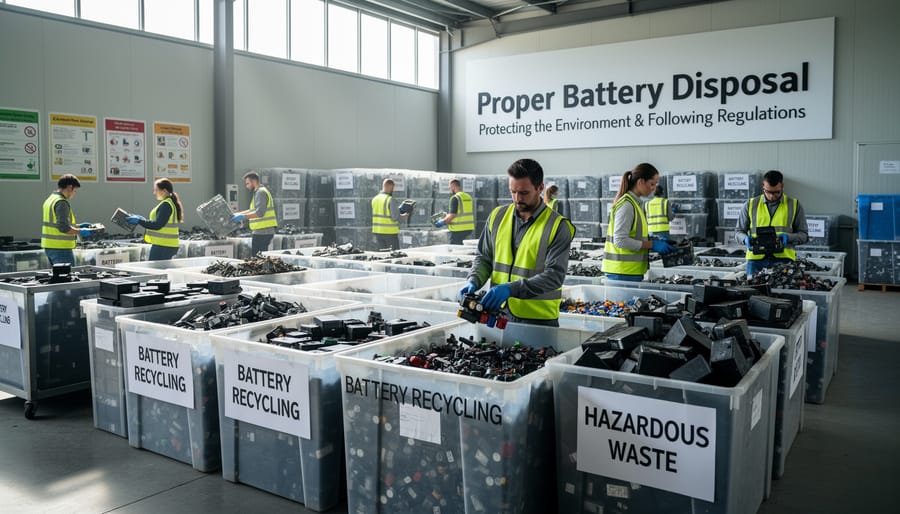
Start by checking with your battery manufacturer. Many brands, including major lawn equipment companies, offer take-back programs where you can return spent batteries for proper recycling. Some even provide prepaid shipping labels, making the process incredibly convenient. Home improvement stores and battery retailers often have collection bins specifically for rechargeable batteries, accepting them free of charge.
Your local household hazardous waste facility is another excellent resource. These facilities are equipped to handle battery disposal safely and ensure materials are routed to certified recyclers. Call ahead to confirm they accept your specific battery type and check their drop-off hours.
For commercial landscapers or those with multiple batteries to dispose of, specialized battery recycling services can arrange bulk pickups. While there may be costs involved, you’re investing in environmental stewardship and potentially recovering some value from the recyclable materials.
Remember, the same DOT regulations that govern transporting new batteries also apply when shipping used batteries for recycling. Follow proper packaging protocols to ensure your commitment to sustainability doesn’t create transportation hazards.
Common Mistakes (And How to Avoid Them)
We’ve all been there—you’re ready to transport your lawn mower for repairs or lending it to a neighbor, and you suddenly wonder if you’re doing it right. The good news is that most battery transport mistakes are easily avoidable once you know what to watch for.
One of the most common errors is tossing loose batteries into a vehicle without any protection. I remember a fellow gardener who placed several cordless tool batteries in his trunk alongside metal garden tools. The terminals made contact with a shovel blade, causing a short circuit and minor burn. Always keep batteries in their original packaging or cover terminals with non-conductive tape. It’s a simple step that takes seconds but prevents potentially dangerous situations.
Another frequent mistake involves completely overlooking safety compliance requirements when shipping equipment for service. Many homeowners don’t realize that carriers like UPS and FedEx have specific rules about battery-powered devices. Failing to disclose that your package contains a lithium battery can result in refused shipments, fines, or even permanent account suspension with that carrier. Simply check the “contains lithium battery” box on your shipping form and follow their packaging guidelines.
Transporting damaged or swollen batteries is another risky oversight. If your mower’s battery looks puffy, overheated, or has visible damage, don’t transport it yourself. Contact a battery recycling facility for proper disposal guidance instead. The consequences of transporting compromised batteries can range from vehicle fires to serious injuries.
Finally, many people forget to partially discharge batteries before long-distance transport. While you don’t need to drain them completely, storing batteries at around 30-50 percent charge reduces fire risk during shipping.
The silver lining? These mistakes are completely preventable with basic awareness. Take a few extra minutes to prepare properly, and you’ll transport your equipment safely every time. Remember, following these guidelines protects not just you, but everyone sharing the road.
Navigating battery transport regulations might seem overwhelming at first, but here’s the good news: compliance is entirely manageable once you understand the basics. Think of it like learning to maintain your lawn mower—intimidating initially, but soon it becomes second nature. The key takeaway is that most lithium-ion batteries in your lawn care equipment fall under specific categories that have clear, straightforward rules. Whether you’re shipping a cordless trimmer across the country or taking your electric mower on a road trip, knowing these DOT regulations protects everyone involved.
Remember, these regulations exist for important reasons. Proper battery handling prevents fires, protects transportation workers, and keeps our communities safe. When you package that battery correctly or choose the right shipping method, you’re doing more than following rules—you’re being a responsible steward of both safety and environmental protection. Batteries contain materials that require careful handling, and your diligence prevents potential hazards while supporting sustainable practices.
Keep this guide handy for future reference, and don’t hesitate to check back when you need a refresher. Regulations do occasionally update, so staying informed ensures you’re always compliant. Many manufacturers also provide transport guidance specific to their products, which can be helpful alongside these general DOT requirements.
Ultimately, responsible equipment handling is an essential part of sustainable lawn care. By understanding and following these transport regulations, you’re demonstrating the same care for safety and environmental responsibility that you show in maintaining your beautiful, eco-friendly garden space.