Read the entire pesticide label before purchasing any product—the front panel highlights benefits, but the fine print on the back reveals crucial application rates, safety warnings, and environmental restrictions that determine whether it’s right for your specific situation. Look for the EPA registration number, which confirms the product has passed federal safety standards, and check the active ingredient list to avoid accidentally buying duplicate products with different brand names.
Apply products only during optimal weather conditions specified on the label—most outdoor pesticides require dry weather for 24-48 hours after application, temperatures between 50-85°F, and wind speeds under 10 mph to prevent drift onto non-target plants, waterways, or neighboring properties. Timing matters enormously; spraying before rain wastes money and sends chemicals into storm drains, while applying during extreme heat can burn your lawn and reduce effectiveness.
Measure application rates precisely using calibrated equipment rather than eyeballing amounts—over-application doesn’t improve results, it damages beneficial insects, soil microbes, and nearby ecosystems while potentially violating federal law. Under-application wastes your investment and may contribute to pest resistance, making future control efforts harder.
Store pesticides in their original containers in a locked, well-ventilated area away from children, pets, and food storage, maintaining temperatures between 40-90°F to preserve product integrity. Keep detailed records of what you applied, when, and where—this documentation helps with lawn project planning, protects you legally, and prevents dangerous chemical interactions from overlapping applications.
The gap between responsible pesticide use and potential harm often comes down to label compliance. While outdoor pesticides can effectively manage pests threatening your garden’s health, they demand respect and precision. Understanding what those dense paragraphs of label text actually mean transforms these powerful tools from mysterious chemicals into manageable solutions that protect both your landscape and the environment around it.
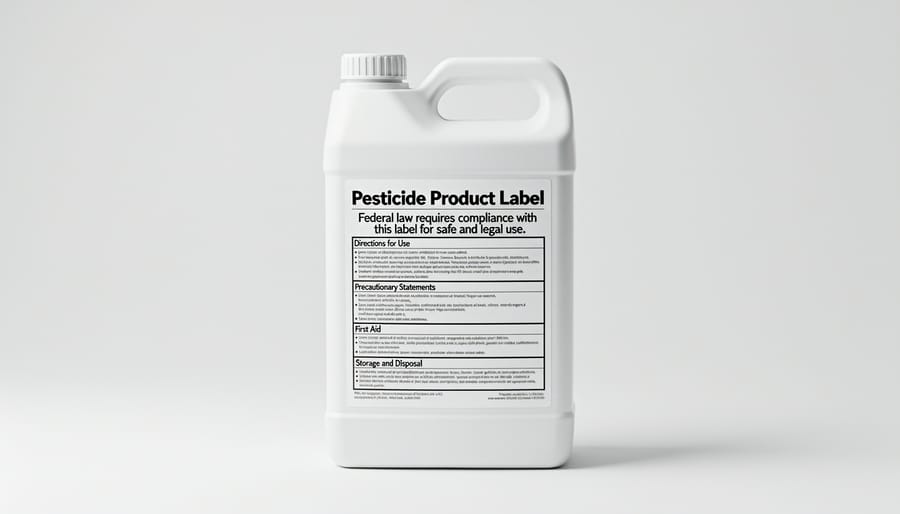
The Label Is a Legal Document (Not a Suggestion)
Here’s something that surprises many gardeners: that pesticide label isn’t just a helpful suggestion from the manufacturer. It’s actually a legal document approved by the Environmental Protection Agency (EPA), and following its directions is required by federal law. Yes, really! When you crack open that bottle of weed killer or insect spray, you’re holding instructions that carry the same weight as any other regulated product.
Think of it this way: just as you wouldn’t ignore safety precautions for lawn work, you can’t pick and choose which parts of a pesticide label to follow. The EPA reviews every word on that label, from application rates to timing to protective equipment requirements. When the label says “apply once every 30 days,” that’s not a loose guideline—it’s a legally binding instruction based on extensive research about environmental safety and product effectiveness.
I know this sounds intimidating, but understanding this actually empowers you as a gardener. It means those instructions have real science backing them up, not just marketing fluff. The application rates aren’t arbitrary; they’re designed to control pests effectively while minimizing harm to beneficial insects, waterways, and soil health.
What happens if you don’t follow the label? Beyond the environmental damage and potential harm to your garden ecosystem, there are real consequences. Misuse can result in fines, liability if neighbors or pets are harmed, and even contamination of groundwater that affects entire communities. If someone gets sick or property damage occurs because you didn’t follow directions, you could be held legally responsible.
The good news? Following the label protects everyone—your family, your neighbors, the environment, and yes, even you from legal trouble. It’s also surprisingly straightforward once you know what to look for, which we’ll cover next.
Decoding Your Pesticide Label: What Every Section Means
Signal Words and What They’re Really Telling You
Ever wondered what those signal words on pesticide labels actually mean? Think of them as your quick-reference guide to how carefully you need to handle what’s inside. The EPA requires one of three signal words on every pesticide label, and understanding this hierarchy can help you make smarter choices for your garden.
CAUTION indicates the lowest toxicity level. These products are relatively safer to use when following directions, though you’ll still want to wear gloves and avoid contact with skin. Many common garden insecticides and fungicides fall into this category. It’s like the yellow light of pesticides—proceed carefully, but you’re not dealing with something highly dangerous.
WARNING signals moderate toxicity. These products require more respect and protective gear. You’ll want to be more deliberate about application timing, keep kids and pets away during and after treatment, and pay closer attention to re-entry intervals. Think of this as your orange alert—definitely take precautions seriously.
DANGER represents the highest toxicity level, and you’ll often see DANGER-POISON with a skull and crossbones symbol. These products demand maximum protection: long sleeves, chemical-resistant gloves, eye protection, and sometimes respirators. Honestly, for most home gardening situations, there are safer alternatives worth exploring first.
Here’s the practical takeaway: if you’re reaching for a product labeled DANGER for routine garden maintenance, it’s worth pausing to ask whether there’s a less toxic solution. Your garden doesn’t need the nuclear option when gentler approaches often work beautifully.
Active Ingredients vs. Inert Ingredients
When you flip over that pesticide bottle, you’ll notice two distinct categories of ingredients listed, and understanding both is crucial for making informed decisions about what you’re putting on your lawn.
Active ingredients are the stars of the show—they’re the chemicals that actually do the pest-fighting work. These are typically listed first on the label with their percentage of the total formula. For example, you might see “Glyphosate 41%” listed prominently. These are the components that manufacturers have tested and registered with the EPA for their pest-control effectiveness.
Inert ingredients, sometimes called “other ingredients,” make up the rest of the formula. Don’t let the term “inert” fool you into thinking they’re harmless fillers. These can include surfactants that help the product stick to leaves, carriers that help distribute the active ingredient, preservatives, and stabilizers. While they don’t directly kill pests, they can still affect beneficial insects, soil health, and water quality. The catch? Manufacturers aren’t always required to list specific inert ingredients, just their total percentage.
Both matter enormously for environmental impact. A product might have a relatively benign active ingredient but contain inert ingredients that harm pollinators or contaminate groundwater. This is why reading beyond just the front label claims is so important. Look for products that disclose their full ingredient list when possible, and research unfamiliar chemical names before applying them to your outdoor spaces. Your lawn—and the ecosystem it supports—will thank you for the extra diligence.
The Fine Print: Precautionary Statements You Can’t Ignore
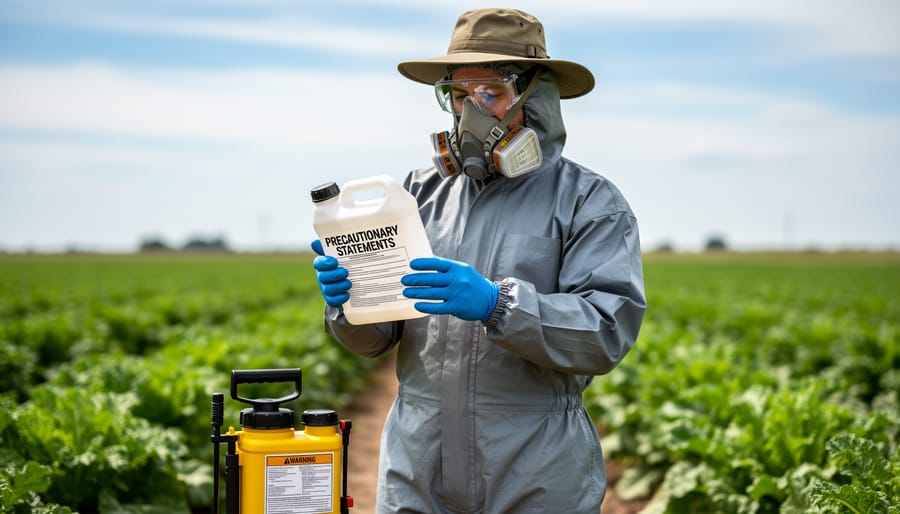
I’ll be honest with you—those precautionary statements on pesticide labels might seem like legal mumbo-jumbo, but they’re actually your best friends when it comes to keeping yourself, your loved ones, and your garden ecosystem safe.
Let’s start with personal protective equipment, or PPE. When a label says to wear gloves, long sleeves, or eye protection, that’s not a suggestion—it’s a requirement. I’ve heard countless stories from gardeners who thought, “I’m just doing a quick spray, no need for all that,” only to end up with skin irritation or worse. Trust me, taking five minutes to gear up properly beats a trip to urgent care every time.
Environmental hazards deserve special attention, especially if you care about sustainability. Many outdoor pesticides carry warnings about water contamination—and for good reason. Even products marketed as “safe” can wreak havoc on aquatic life if they wash into storm drains or nearby streams. Always check for rainfall in the forecast and never apply pesticides before a storm. Similarly, warnings about pollinators aren’t just regulatory formalities. Our bee populations are struggling, and applying certain pesticides during bloom time can devastate these essential garden helpers.
First aid measures are equally critical. Know what to do before you apply anything. Keep the product label handy during application so emergency responders have immediate access to chemical information if needed. Read those emergency phone numbers and recommended treatments now—not when you’re panicking.
Remember, these warnings exist because someone, somewhere, learned these lessons the hard way. Let’s learn from their experience instead.
Application Instructions: Rate, Timing, and Method
Reading pesticide labels can feel like deciphering a code, but understanding application rates, timing, and methods is essential for both effectiveness and safety. When a label specifies an application rate, that’s the maximum amount you should use—not a suggestion. More pesticide doesn’t mean better results; it actually increases the risk of harming beneficial insects, contaminating groundwater, and creating toxic runoff that affects your entire neighborhood ecosystem.
Pay close attention to timing windows, which indicate when the product works best and when it’s safest for the environment. For example, many pesticides shouldn’t be applied before rain or during windy conditions, as they can drift or wash away. Application methods matter too—whether you’re spraying, granulating, or spot-treating affects coverage and environmental impact. Always measure carefully using calibrated equipment.
Before any lawn application, especially if you’re working near buried utilities, remember to call 811 before digging. This simple step prevents accidents and ensures your lawn care remains safe for everyone involved.
Common Label Compliance Mistakes That Harm Your Lawn (and Wallet)
Mixing Products Without Checking Compatibility
I get it—you’re facing a stubborn aphid problem and a nutrient-deficient lawn, so mixing that insecticide with your liquid fertilizer seems like a time-saving hack, right? Hold that thought! Combining pesticides and fertilizers without checking label compatibility can create a chemical cocktail that’s ineffective at best and downright dangerous at worst.
When you mix products without approval, you risk chemical reactions that can reduce effectiveness, damage plants, or create toxic compounds. Some combinations can also clog spray equipment or create compounds that wash away too quickly, wasting your money and potentially contaminating waterways. The label exists for a reason—it’s been rigorously tested to ensure the product works as intended when used according to directions.
Before mixing anything, check both product labels for tank-mix compatibility statements. If you don’t see explicit approval, don’t do it. Many manufacturers provide compatibility charts on their websites if you need guidance.
Here’s the better path: consider sustainable alternatives that work together naturally. Companion planting can repel pests while improving soil health. Compost tea feeds your lawn while introducing beneficial microorganisms that naturally suppress disease. Neem oil handles multiple pest problems without synthetic chemicals. These approaches take a bit more time upfront but create healthier, more resilient outdoor spaces that require fewer interventions down the road—saving you money and protecting the environment your family enjoys.
Applying Near Water Features or During Wrong Weather
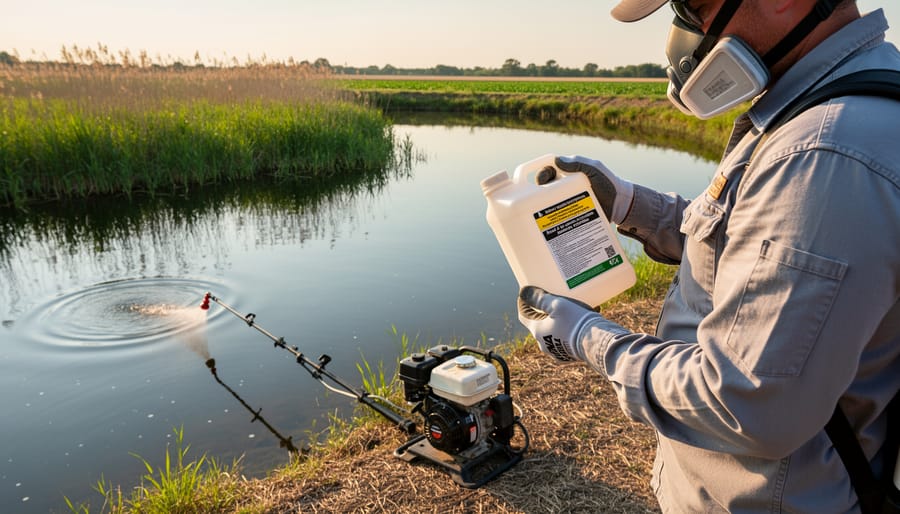
Timing and location matter just as much as application technique when it comes to protecting your local environment. Before spraying any outdoor pesticide, check your weather forecast for the next 24 to 48 hours. Rain washing pesticides into storm drains, streams, or ponds can devastate aquatic ecosystems and contaminate water sources. Most labels specify waiting periods—typically avoiding application if rain is expected within 24 hours.
Pay special attention to where you’re applying pesticides. Keep treatments away from wells, natural water features, and storm drains. Many labels require buffer zones of 25 to 100 feet from water bodies, so measure these distances before you begin. Just like with proper lawn project safety, planning ahead prevents costly mistakes.
Wind conditions also deserve consideration. Spraying during calm conditions prevents drift onto unintended areas, including neighbors’ yards or vegetable gardens. Early morning applications when winds are typically lighter offer the best window.
Remember, protecting local ecosystems isn’t just good practice—it’s often legally required. Your product label outlines these environmental restrictions for good reason. Following them keeps beneficial insects, fish, and wildlife safe while maintaining the natural balance that makes sustainable gardening possible.
Ignoring Re-Entry and Harvest Intervals
Here’s a scenario I see all too often: someone sprays their lawn, then lets the kids and dog run back outside within the hour because the product has dried. While that might seem safe, you could be putting your family at risk by ignoring two critical timeframes printed on every pesticide label: re-entry intervals and harvest intervals.
The re-entry interval tells you exactly how long people and pets need to stay off treated areas—this isn’t just a suggestion, it’s a legal requirement based on safety testing. For some products, it’s just a few hours once the spray has dried. For others, especially granular treatments, you might need to wait 24 hours or more. This becomes especially important for lawns where children play barefoot or for vegetable gardens where little hands might pick a tomato without thinking.
Harvest intervals are your guideline for edible gardens. If you’ve treated your tomato plants for aphids, the label specifies how many days must pass before those tomatoes are safe to eat. I’ve learned to mark my calendar after any treatment—it’s too easy to forget otherwise.
For families with young children, consider this your most important label section. Kids play close to the ground, put their hands in their mouths, and don’t understand these invisible safety boundaries. When in doubt, wait longer than the minimum interval suggests.
Safe Storage and Disposal: The Label’s Hidden Instructions
Here’s a question most of us don’t think about when buying pesticides: what happens when we’re done with them? I’ll admit, I’ve been guilty of this myself. Years ago, I found three half-empty containers of weed killer in my garage that had been sitting there since who knows when. The labels were faded, I couldn’t remember what I’d bought them for, and I had no idea what to do with them. Sound familiar?
The truth is, proper storage and disposal might not be the most exciting part of pesticide safety, but it’s absolutely essential for protecting both your family and the environment. Let’s make it simple.
First, storage. That pesticide label you’ve been reading has specific storage instructions, usually near the bottom. Most products need to be kept in their original containers in a cool, dry place away from children and pets. Never, and I mean never, transfer pesticides to unmarked containers, especially not old food or drink bottles. I know someone whose neighbor accidentally grabbed what they thought was lemonade from their garage refrigerator. Thankfully, they noticed before drinking, but it was a terrifying close call.
Temperature matters too. Many liquid pesticides can break down or separate if they freeze, making them less effective or even dangerous. Your garage might seem convenient, but if it’s not climate-controlled, consider a locked cabinet in your basement or utility room instead.
Now for disposal, which is where many of us get stuck. Here’s the golden rule: never pour leftover pesticides down the drain, into storm sewers, or onto the ground. These chemicals can contaminate water supplies and harm wildlife. Instead, check your community’s household hazardous waste collection program. Most towns offer periodic collection days specifically for pesticides, paint, and other chemicals.
If you’ve got dried-up or empty containers, rinse them three times, use that rinse water in your application area (it still contains active ingredients), and then recycle the container if your local program accepts it. The label will specify if the container is recyclable.
The most sustainable approach? Buy only what you need for the season. Those bulk deals might seem economical, but if you’re storing leftovers year after year, you’re creating both a safety hazard and a disposal headache down the road.
Sustainable Alternatives and When You Don’t Need Pesticides at All
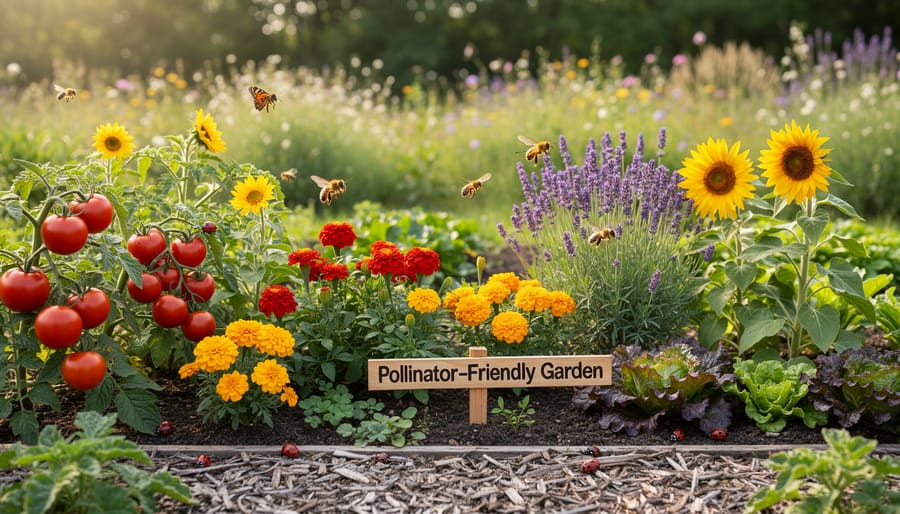
Here’s the truth that might surprise you: sometimes the best pesticide is no pesticide at all. Before you reach for that bottle, let’s explore sustainable alternatives that work with nature instead of against it.
Integrated Pest Management, or IPM, is your roadmap to smarter pest control. Think of it as detective work in your garden. Instead of automatically spraying at the first sign of trouble, you identify the specific pest, understand its life cycle, and choose the least toxic solution that actually works. I’ve seen gardeners transform their yards simply by adjusting watering schedules or choosing pest-resistant plant varieties—no chemicals required.
When reading pesticide labels, you’ll notice some products carry organic certifications or signal words like “Caution” rather than “Danger.” These details matter when you’re comparing options. Products with shorter re-entry intervals and those derived from natural sources like neem oil, insecticidal soaps, or diatomaceous earth typically pose fewer risks to beneficial insects and wildlife. The label will tell you exactly what you’re working with, helping you make informed choices that align with your sustainability goals.
Cultural practices often eliminate the need for pesticides entirely. Healthy soil produces resilient plants that naturally resist pests and diseases. Regular composting, proper spacing for air circulation, and companion planting create an ecosystem where problems rarely escalate. One gardener I know completely eliminated her aphid problem by simply planting nasturtiums nearby—the aphids preferred them and left her vegetables alone.
For lawn care specifically, raising your mower blade to 3-4 inches encourages deeper grass roots that crowd out weeds naturally. Overseeding thin patches prevents bare spots where unwanted plants take hold. These simple adjustments reduce or eliminate the need for herbicides while creating a healthier lawn ecosystem.
When you do need intervention, spot-treating problem areas beats blanket applications every time. Hand-pulling weeds, using barriers like row covers, or introducing beneficial predators like ladybugs can solve many issues without any pesticide use. The label on any organic or conventional product will specify application rates—using less than recommended won’t work, but targeted application means you’re using less product overall while achieving better results.
Remember, sustainable pest management is a journey, not perfection. Every small step toward fewer chemicals counts.
Reading pesticide labels isn’t just about following rules—it’s about embracing true stewardship of your outdoor space. When you take the time to understand and comply with label instructions, you’re making a powerful statement about the kind of gardener you want to be. You’re protecting your investment in a healthy, vibrant lawn while simultaneously safeguarding your family, your neighbors, and the broader environment we all share.
Think of labels as your trusted allies rather than bureaucratic obstacles. They’re packed with wisdom from years of research and real-world testing, designed to help you achieve the results you want while minimizing risks. Every precaution listed, every application rate specified, and every storage requirement detailed exists to empower you with knowledge. When you understand what you’re applying and why it matters, you transform from someone who simply sprays products to someone who makes informed, confident decisions about lawn care.
The beauty of responsible lawn care practices is that they benefit everyone. Your children play on safer grass. Pollinators find refuge in your garden. Waterways stay cleaner. And your lawn thrives because you’re using products exactly as intended.
So the next time you reach for that pesticide bottle, pause and really read the label. Ask questions if something’s unclear. Start with the smallest effective solution. Your lawn—and your community—will thank you for it.