Expect to cut your mowing time by 30-50% with a fast ride-on mower rated above 7 mph, but understand that speed alone won’t give you the lawn you’re dreaming of. The real question isn’t how fast a mower can go, it’s whether that speed translates into efficient, quality cuts without damaging your grass or compacting your soil.
Most homeowners with properties over half an acre feel trapped by their weekend mowing marathons, watching hours disappear into endless back-and-forth passes. A faster mower seems like the obvious solution, and manufacturers are happy to advertise top speeds of 8, 9, even 12 mph. But here’s what the marketing brochures won’t tell you: operating at maximum speed often means sacrificing cut quality, missing patches, and creating uneven stripes that make your lawn look worse than before you started.
The sweet spot exists where speed meets precision. Commercial-grade mowers achieve this through wider cutting decks (48-60 inches), powerful engines that maintain blade speed under load, and superior suspension systems that keep blades level across uneven terrain. These features matter far more than raw mph ratings because they allow you to maintain higher speeds without compromising results.
This guide cuts through the marketing hype to help you understand what actually makes a ride-on mower fast in practical terms. You’ll learn which speed-related specifications truly matter, how to balance efficiency with lawn health, and which features deliver the time savings you’re after without turning your yard into a patchy mess. Whether you’re managing two acres or ten, the right fast mower should save you time while supporting the thick, healthy lawn that comes from proper cutting practices.
What Makes a Ride-On Mower ‘Fast’ (And Why It Matters)
Understanding Speed Ratings vs. Actual Performance
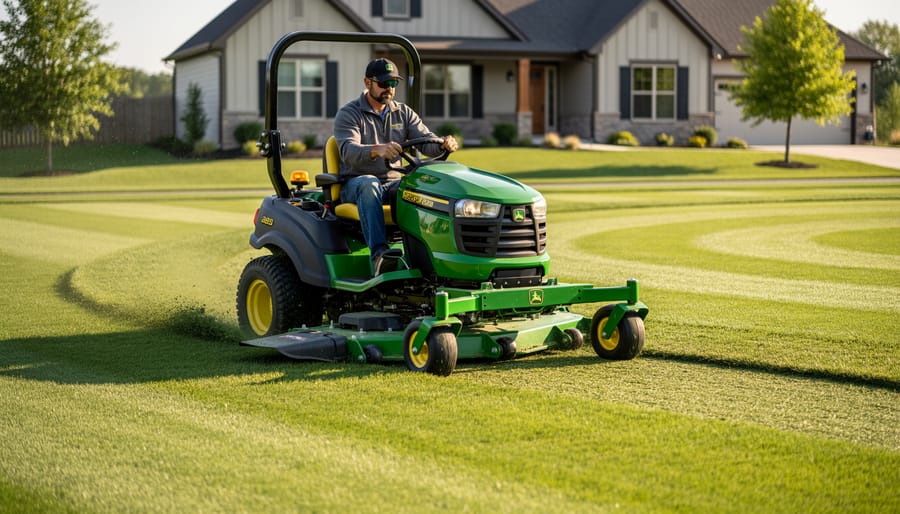
When manufacturers advertise mower speeds, they’re typically referring to top speed on flat ground with an unengaged deck—not exactly how you’ll be using it in your yard. Think of it like a car’s fuel economy rating: real-world conditions always differ from the test track.
Most residential ride-on mowers advertise speeds between 4 and 8 mph, but here’s what actually impacts your mowing time. First, your turning radius matters enormously. A mower rated at 6 mph that requires wide, sweeping turns may finish slower than a 5 mph model with a tighter turning radius. That’s why zero-turn performance comparisons often reveal surprising efficiency differences despite similar speed ratings.
Acceleration and deceleration also play crucial roles. A mower that reaches top speed quickly and can slow smoothly around obstacles will outperform one that lumbers between speeds, even if both have identical maximum velocities.
Terrain significantly affects actual performance too. That 7 mph rating means little when you’re climbing slopes or navigating bumpy ground. Heavier mowers generally handle uneven terrain better while maintaining consistent speeds, though they consume more fuel—something worth considering from a sustainability perspective.
Deck engagement typically reduces your speed by 1-2 mph as the engine diverts power to the blades. This is perfectly normal and actually beneficial for cut quality. Remember, mowing faster doesn’t always mean mowing better. Finding the sweet spot between speed and a healthy, even cut will save you time in the long run by eliminating the need for touch-ups.
When Speed Actually Saves You Time
Let’s get practical about when speed truly matters. If you’re managing a lawn larger than one acre with minimal obstacles, a faster ride-on mower can genuinely cut your mowing time significantly. Picture this: upgrading from a 5 mph mower to an 8 mph model could reduce a two-hour mowing session to around 75 minutes. That’s meaningful time saved, especially during peak growing season when you’re mowing weekly.
However, speed becomes less relevant on smaller properties under half an acre, or lawns with numerous flower beds, trees, and garden features. You’ll spend more time navigating obstacles and making tight turns than actually traveling in straight lines. In these situations, maneuverability and cutting quality matter far more than top speed.
The layout matters too. Open, rectangular lawns with long straightaways let you capitalize on higher speeds. Meanwhile, irregularly shaped yards with narrow passages between landscape features force frequent slowdowns, negating any speed advantage. Consider your actual mowing pattern before paying premium prices for extra speed. A moderately paced mower with excellent turning radius might serve you better, while being more fuel-efficient and environmentally friendly for your specific property’s needs.
The Speed-Quality Trade-Off Every Buyer Needs to Know
How Fast is Too Fast for Your Grass Type
Here’s the reality: not all grass responds well to speed-demon mowing, and pushing too fast can actually harm your lawn’s health. Think of it like giving your grass a haircut—rushing through creates uneven results and stress.
Cool-season grasses like Kentucky bluegrass and fescue are more forgiving, tolerating speeds up to 8 mph when conditions are ideal. However, during their peak spring growth, you’ll want to slow down to around 5-6 mph to ensure clean cuts. These grasses benefit from frequent mowing at moderate speeds, which promotes denser growth and reduces thatch buildup—a win for sustainability.
Warm-season varieties like Bermuda and zoysia are tougher but require different considerations. When actively growing in summer heat, these grasses can handle faster passes of 7-8 mph, but here’s the catch: if your lawn is moisture-stressed or dormant, speed becomes your enemy. Dry grass blades tear rather than cut cleanly, leaving brown tips that invite disease.
Moisture levels matter tremendously. After rain or morning dew, even the fastest mower should operate at reduced speeds—think 4-5 mph maximum. Wet grass clumps easily, clogs decks, and creates uneven cuts that stress your turf.
The practical approach? Start each mowing session at moderate speed and adjust based on what you see. If you notice ragged cuts, uncut patches, or excessive clumping, you’re moving too fast. Your grass will tell you what it needs—you just need to listen and respond accordingly for the healthiest, most sustainable results.
The Hidden Costs of Speed (Fuel, Wear, and Lawn Health)
While that shiny fast ride-on mower promises to cut your mowing time in half, it’s worth understanding what you’re trading for that speed. Let’s talk about some costs that don’t appear on the price tag.
First, there’s fuel consumption. Running your mower at top speed can increase fuel usage by 20-30% compared to moderate speeds. Think of it like highway driving in your car – the faster you go, the more gas you burn. For those of us trying to maintain more sustainable gardening practices, this matters both for your wallet and the environment.
Then there’s equipment wear. Mowing at maximum speed puts extra stress on your mower’s engine, blades, and transmission. Components work harder, vibrate more, and wear faster. You’ll find yourself replacing belts, sharpening blades, and scheduling maintenance more frequently. One experienced landscaper I know compares it to constantly redlining your engine – it works, but you’ll pay for it later.
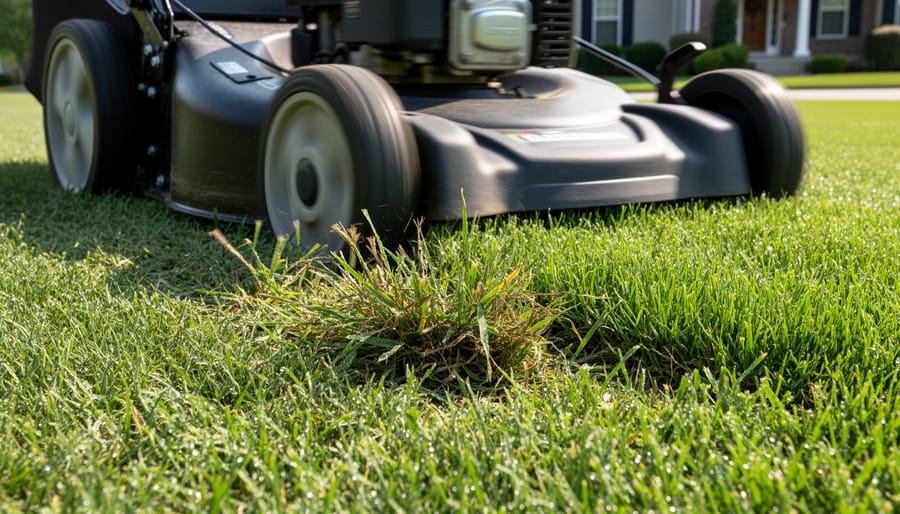
Perhaps most importantly, your lawn can suffer. At high speeds, grass blades may tear rather than cut cleanly, leaving ragged edges that brown and become susceptible to disease. Fast passes can also miss spots or create uneven cutting patterns, especially on bumpy terrain. The result? A lawn that looks stressed rather than pristine, which defeats the purpose of mowing efficiently in the first place.
Finding that sweet spot between speed and sustainability makes all the difference.
Top Fast Ride-On Mower Categories Worth Considering
Zero-Turn Mowers: Speed Champions with a Learning Curve
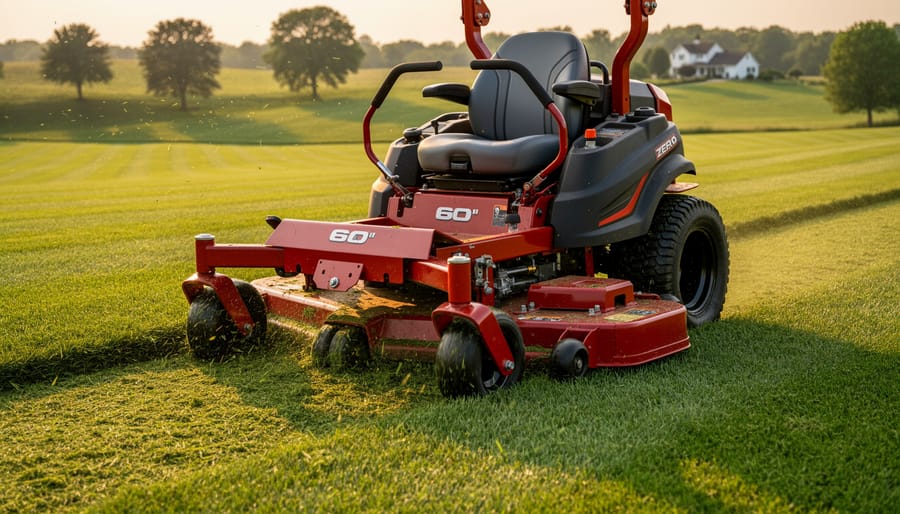
If you’re serious about speed, zero-turn mowers deserve your attention. These machines can reach speeds of 8-13 mph, significantly faster than traditional riding mowers, and their real superpower is maneuverability. The independent wheel motors let you pivot 180 degrees without backing up, saving countless minutes on every pass around trees, flower beds, and obstacles.
Here’s the honest truth though: zero-turns have a learning curve. That first experience can feel like learning to drive all over again. The steering levers replace a traditional wheel, and new operators often create accidental divots or uneven patches while mastering the controls. I recommend practicing in an open area before tackling your entire property.
Before investing, consider your terrain. Zero-turns excel on relatively flat lawns but can be challenging and even unsafe on steep slopes. They’re also typically pricier than conventional riders, so calculate whether the time savings justify the cost for your property size.
For those with an acre or more of lawn, the efficiency gains are substantial. You’ll reduce mowing time by 40-50 percent compared to traditional mowers, giving you more time for other gardening projects while maintaining a pristine lawn.
Fast Lawn Tractors: The Comfortable Middle Ground
If you’re looking for speed without diving into the learning curve of zero-turn mowers, fast lawn tractors offer a sweet spot worth considering. These machines typically cruise between 7-9 mph, which might not sound race-ready but can genuinely transform your mowing routine when you’re covering substantial ground.
What makes these tractors appealing is their reliability and user-friendly nature. You get enhanced speed while maintaining the familiar steering wheel control that most of us grew up with. The wider stance and lower center of gravity provide stability that’s reassuring, especially on slightly uneven terrain or gentle slopes. Many models feature comfortable high-back seats and smoother suspension systems, meaning those longer mowing sessions won’t leave you feeling beaten up.
The practical advantage here is efficiency without compromise. You’ll cut your mowing time noticeably compared to standard models, yet you’re not sacrificing the quality of your cut or risking scalping your lawn on turns. For residential users managing 1-3 acres, this balanced approach often proves more sustainable long-term than jumping straight to commercial-grade equipment. When weighing lawn tractors versus zero-turns, consider whether you value gradual speed improvements with familiar handling over maximum velocity with a steeper adjustment period.
Commercial-Grade Options for Large Properties
For properties exceeding five acres, commercial-grade mowers offer impressive speed and durability that can genuinely save hours of work. These machines typically cruise at 10-13 mph with cutting decks spanning 60-72 inches, making quick work of expansive lawns. Built with reinforced frames, heavy-duty engines, and superior suspension systems, they’re engineered to withstand daily use across demanding terrain.
However, the investment is substantial, often ranging from $8,000 to $15,000 or more. For most homeowners, this only makes financial sense when you’re maintaining truly large properties where the time savings justify the cost. Consider that commercial mowers consume more fuel and require more frequent maintenance due to their powerful engines.
If you’re managing three to five acres, a high-quality residential zero-turn might serve you better while being gentler on your budget and the environment. Commercial models shine brightest for those managing mini-farms, orchards, or properties where mowing efficiency directly impacts productivity. Think carefully about your actual needs before stepping up to commercial equipment.
Features That Make Fast Mowers Actually Usable
Engine Power and Transmission Systems
When you’re shopping for a fast ride-on mower, understanding engine power makes all the difference between a machine that zips across your lawn and one that struggles halfway through. Think of horsepower as your mower’s stamina—you’ll want at least 18-20 HP for residential models, while properties over two acres benefit from 22-25 HP engines that maintain speed even through thicker grass.
The transmission system is equally crucial for sustained performance. Hydrostatic transmissions have become the gold standard for speed-focused mowers because they offer seamless speed control without manual gear shifting. You simply push the pedal forward or back, and the mower responds instantly—perfect for navigating around trees and flower beds without losing momentum. They’re also gentler on your lawn since you’re not jerking through gears.
Manual transmissions, while less common in modern fast mowers, can still deliver reliable performance at a lower price point. However, they require more operator skill and can be tiring on larger properties where you’re constantly adjusting speed.
For sustainable lawn care, consider that more powerful engines do consume more fuel. Look for models with efficient engine designs that balance speed with reasonable fuel consumption—your wallet and the environment will thank you during those weekly mowing sessions.
Deck Design and Blade Configuration for Speed
Getting a clean, even cut at higher speeds depends largely on your mower’s deck design and blade configuration. Wider decks, typically ranging from 42 to 72 inches, cover more ground per pass, but they need properly spaced, high-speed blades to maintain cut quality. Look for mowers with blade tip speeds around 18,000 feet per minute, which generate enough lift to stand grass upright before cutting, even when you’re moving quickly across your lawn.
The discharge system matters too. Side-discharge decks work best for speed since they quickly expel clippings without clogging, while mulching decks require slower speeds to properly pulverize grass. If you’re environmentally conscious, consider that efficient blade design means fewer passes and less fuel consumption. Some premium models feature staggered or high-lift blades that create better airflow, preventing the uncut stragglers that frustrated homeowners often find after rushing through their mowing. Remember, the fastest mower won’t save time if you’re constantly stopping to clear clumps or making extra passes to fix missed spots.
Comfort and Control Features You Can’t Ignore
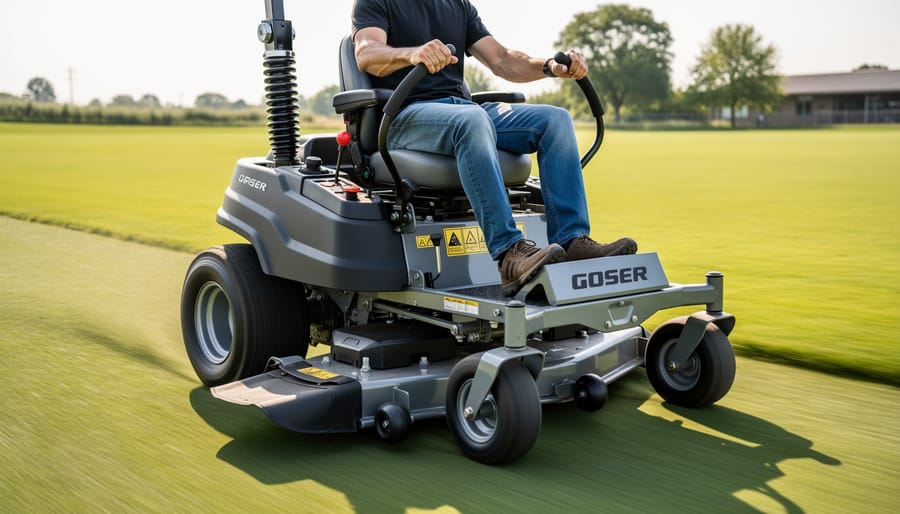
When you’re covering acres at high speed, comfort isn’t luxury—it’s essential for maintaining control and avoiding fatigue. A quality padded seat with adjustable positioning helps you stay alert during those long Saturday mowing sessions, while advanced suspension systems absorb bumps that could otherwise jar your steering or cause uneven cutting. Look for mowers with responsive power steering that doesn’t require wrestling the wheel at every turn, especially important when navigating around trees or garden beds at pace.
Ergonomic control placement matters more than you might think. Controls within easy reach mean you can adjust speed, cutting height, or blade engagement without shifting your posture or taking your eyes off potential obstacles. Cup holders and vibration-dampening steering wheels might seem like small details, but they significantly reduce operator fatigue on properties over two acres. Remember, sustainable lawn care means working efficiently without exhausting yourself—choosing a mower that works with your body, not against it, lets you maintain consistent mowing patterns that promote healthier grass growth.
Buying Advice: Matching Speed to Your Actual Needs
Calculate Your Real Time Savings
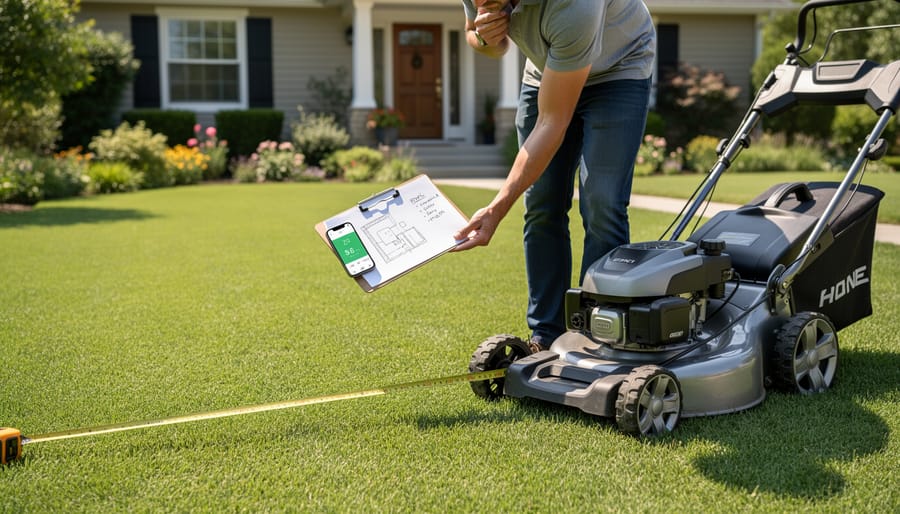
Let’s get practical about whether a fast ride-on mower makes sense for your situation. Here’s a simple formula: measure your lawn in acres, then time your next complete mowing session with your current equipment. For example, if you’re mowing 2 acres in 3 hours with a traditional push mower or older ride-on, upgrading to a fast ride-on (typically 7-9 mph) could cut that time by 40-60%, saving you roughly 75-100 minutes per session.
Multiply those savings across your growing season. If you mow weekly for 30 weeks, that’s 37-50 hours reclaimed annually. However, factor in reality checks: faster speeds work best on open, flat terrain. If your property has obstacles, slopes, or delicate garden borders, your actual speed will be slower, and time savings diminish.
Before investing thousands, consider that choosing the right mower means balancing speed with lawn health. Sometimes, moderate speeds with better cutting systems deliver superior results while still reducing your workload significantly. Calculate honestly, and you’ll know if faster is truly better for your garden.
Where to Invest Your Money for Best Results
When you’re ready to invest in a fast ride-on mower, it’s tempting to focus solely on speed specifications. However, the smartest investment balances performance with durability, comfort, and environmental impact. Think of it this way: a mower that cuts your lawn in 30 minutes but breaks down after two seasons costs you far more in the long run than a slightly slower model that runs reliably for a decade.
Prioritize build quality first. Look for robust steel decks rather than thin gauge materials, commercial-grade engines from reputable manufacturers, and solid warranties that demonstrate the company stands behind their product. A well-constructed mower maintains its cutting efficiency over time, which actually keeps your mowing speed consistent season after season.
Next, consider features that enhance both speed and lawn health. Adjustable cutting heights, effective grass discharge systems, and comfortable seating reduce operator fatigue, letting you maintain consistent pace throughout your entire lawn. Remember, stopping frequently to adjust uncomfortable seating or dealing with clumping grass negates any speed advantage.
From an environmental perspective, invest in fuel-efficient models or consider electric ride-on mowers if your property size allows. Modern electric options have dramatically improved in power and runtime, offering impressive speed without emissions or engine maintenance costs. Some models even feature mulching capabilities that return nutrients to your soil while you mow.
Finally, factor in maintenance accessibility. Mowers with easily accessible oil filters, spark plugs, and blade replacement points save you time and money throughout ownership, making them genuinely faster investments overall.
Choosing a fast ride-on mower isn’t just about shaving minutes off your mowing routine. It’s about finding the sweet spot where efficiency meets lawn health, where your equipment genuinely matches what your garden needs. Throughout this guide, we’ve explored how speed means nothing if it comes at the expense of cut quality, fuel efficiency, or the wellbeing of your grass. The fastest mower in the world won’t serve you well if it scalps your lawn or guzzles fuel unnecessarily.
Your lawn is a living ecosystem that deserves thoughtful care. When you’re evaluating mowers, remember that sustainable lawn care practices start with smart equipment choices. Consider not just how quickly you can finish the job, but how well you can maintain soil health, minimize environmental impact, and create a thriving green space that lasts for years.
The good news? You’re now equipped with the knowledge to make an informed decision. You understand the relationship between deck size and speed, the importance of engine power balanced with fuel efficiency, and the features that truly matter for your specific lawn size and terrain. You’ve learned to look beyond marketing claims and focus on what delivers real value.
Take your time with this decision. Measure your lawn, assess your priorities, and choose equipment that respects both your schedule and your garden’s health. Your lawn will thank you with lush, healthy growth that reflects the care you’ve invested in making the right choice.