Check your property deed and plat map at your local County Clerk’s office or online GIS system to identify recorded utility easements before breaking ground on any landscaping project. These documents legally define where utility companies hold rights to access and maintain underground utility lines, and understanding these boundaries now prevents costly mistakes later.
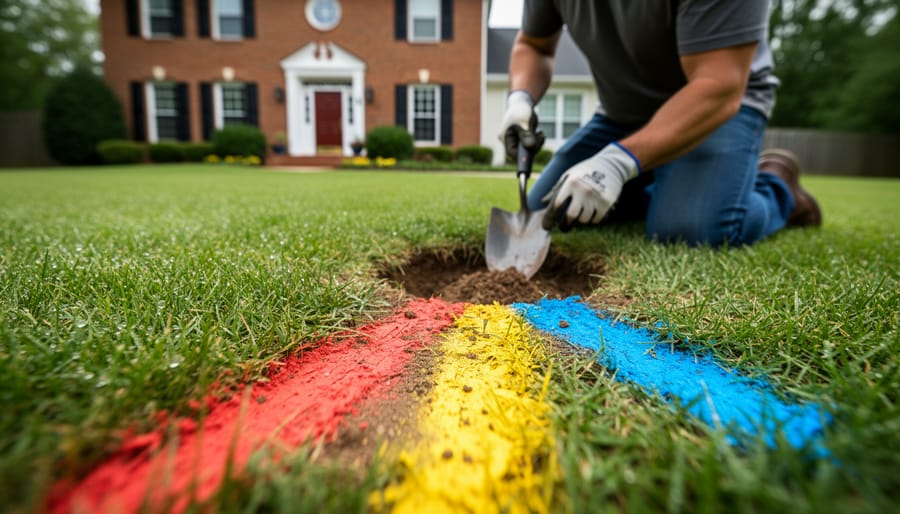
Contact Virginia 811 at least three business days before digging to have utilities marked with color-coded flags and spray paint, which provides a visual map of what lies beneath your planned garden beds, hardscaping, or irrigation system. This free service is required by Virginia law and protects you from liability while revealing the exact location of gas, electric, water, sewer, and telecommunications lines crossing your property.
Review Virginia Code Section 55.1-300 through 55.1-312, which governs easement rights and your obligations as a property owner. In Virginia, utility companies typically hold perpetual easements allowing them to access, maintain, and upgrade infrastructure, meaning you cannot plant trees with deep root systems, install permanent structures, or create barriers that prevent utility access within these zones.
Request easement plat documents from your utility providers directly, as some easements may not appear on property surveys but still legally bind your landscaping choices. Electric cooperatives, municipal water departments, and telecommunications companies maintain records showing easement widths, which commonly range from 10 to 30 feet in residential properties.
Understanding these legal constraints does not mean sacrificing beautiful landscaping. Strategic design using shallow-rooted plants, removable raised beds, and portable features transforms easement areas into functional, attractive spaces that comply with Virginia utility law while enhancing your property’s curb appeal and ecological value.
What Exactly Is a Utility Easement (And Why Should You Care)?
Common Utility Easements on Virginia Properties
If you’re planning a new flower bed or thinking about installing an irrigation system, chances are you’ll encounter utility easements on your Virginia property. Let’s walk through the most common types you’re likely to find, so you can design your dream landscape with confidence.
Electric easements typically run along property lines or cut through yards to connect power lines to homes and neighborhoods. These often require the most clearance since utility companies need access for maintenance and repairs. You’ll want to keep tall plantings well away from overhead lines for safety reasons.
Gas easements provide access to underground natural gas lines. These are usually marked with small flags or markers and require keeping the area clear for emergency access. The good news? Many allow for grass and shallow-rooted ground covers above them.
Water and sewer easements ensure your community’s essential services can be maintained. These underground lines need periodic inspection and occasional repair, so avoid planting trees or installing permanent structures over them. However, annual gardens and perennials with shallow root systems often work beautifully.
Telecommunications easements accommodate cable, internet, and phone lines. These are generally less restrictive than other utilities, but you’ll still want to know their location before digging.
Drainage easements help manage stormwater runoff and protect properties from flooding. These are particularly important for sustainable landscaping, as they often present opportunities for rain gardens or native plantings that support proper water management while adding beauty to your yard.
Your Rights vs. Utility Company Rights
Understanding your rights as a homeowner when it comes to utility easements can feel confusing, but let’s break it down in practical terms that matter for your gardening and landscaping plans.
In Virginia, you retain ownership of the land where an easement exists, which is great news. You can generally use this space for many purposes, including planting gardens, installing flower beds, and maintaining lawn areas. However, the utility company holds specific access rights that take priority when they need to maintain or repair their infrastructure.
Here’s what you can typically do within easement areas: Plant grass and ground covers, create annual flower gardens, install temporary features like birdbaths or decorative planters, and place mulch beds. These are all sustainable landscaping choices that won’t cause problems if the utility company needs access.
What you should avoid includes planting trees or large shrubs with extensive root systems, building permanent structures like sheds or decks, installing hardscaping such as patios or retaining walls, and creating raised garden beds with deep foundations. A common misconception is that utilities must compensate you for disturbing these areas during maintenance, but Virginia law generally allows them reasonable access without payment if they’re working within their easement rights.
The good news is that utility companies must restore your property to its previous condition after accessing the easement, though they’re typically not responsible for replacing expensive plantings or permanent features you installed there. This is why choosing appropriate, easy-to-replace plantings makes sense from both a practical and sustainable gardening perspective.
How to Find Utility Easements on Your Virginia Property
Reading Your Property Survey and Deed
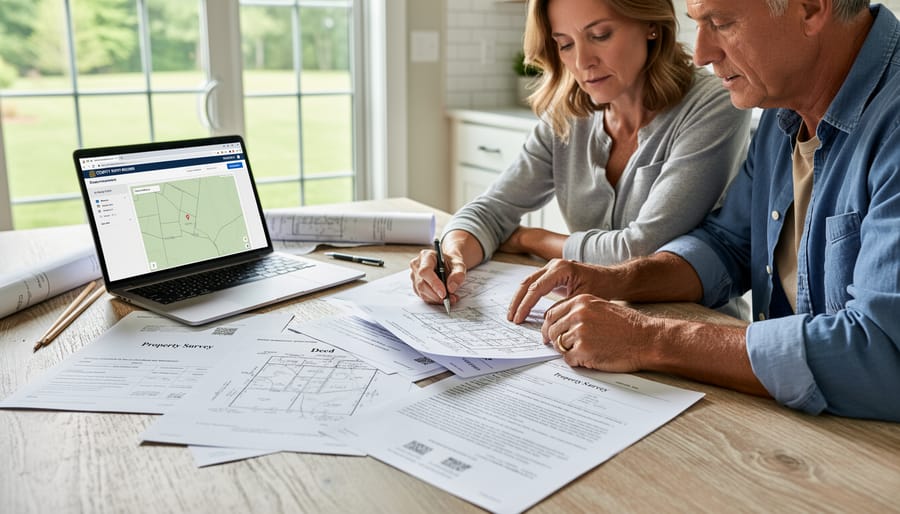
Understanding your property survey and deed is like reading a treasure map for your yard—except instead of buried gold, you’re finding invisible boundaries that’ll save you from costly mistakes when planning that new garden bed or installing irrigation.
Your property survey, also called a plat, is typically a scaled drawing showing your lot’s boundaries, structures, and yes, those utility easements. Look for areas marked with dotted or dashed lines, often labeled “utility easement” or abbreviated as “U.E.” These lines might show a strip along your property’s edge or cutting through your backyard. The width is usually specified in feet—commonly 10 to 20 feet wide.
You’ll find these documents in several places. Start with the paperwork you received when purchasing your home—surveys are often included in closing documents. If you’ve misplaced yours, don’t worry. Virginia county clerk offices maintain property records, and many now offer online access through their websites. Your title company can also provide copies, though there may be a small fee.
When reviewing your deed, search for language describing easements, which might read something like “subject to utility easements of record” or list specific easement agreements by book and page number. These references tell you exactly where utility companies have legal access.
Here’s a practical tip: Once you locate your survey, make a clear photocopy and keep it in an accessible spot. Better yet, take a photo with your phone so you’ve got it handy when sketching garden plans or discussing landscape projects with contractors. This simple step prevents those frustrating moments when you’re standing in the garden center, trying to remember if that easement runs through the sunny spot you’re eyeing for tomatoes.
Using Virginia’s Call Before You Dig Service (811)
Before you start any digging project in your Virginia garden—whether you’re planting a new tree, installing a French drain, or creating raised beds—you need to contact Virginia 811, also known as Miss Utility. This free service is not just a good idea; it’s the law in Virginia, and it’s designed to protect you, your property, and your community.
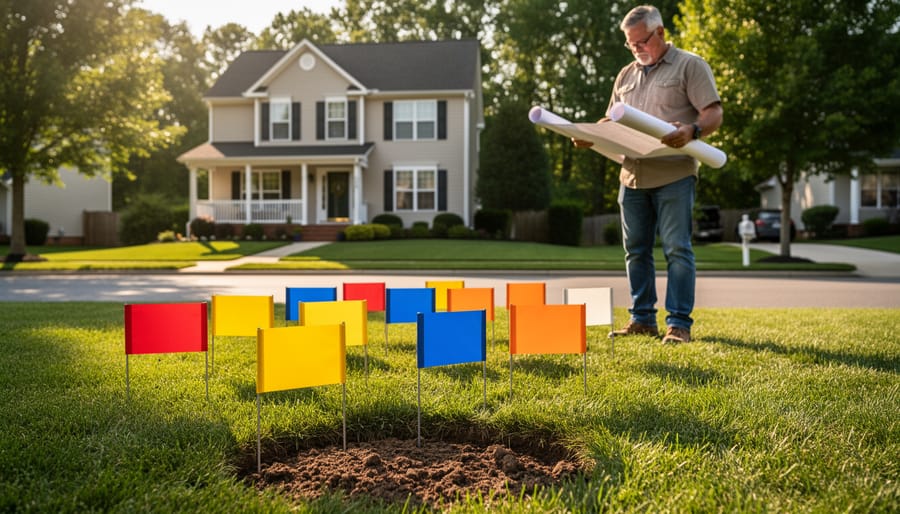
Here’s how it works: Call 811 or submit a request online at least three business days before you plan to dig. The service is available 24/7, making it easy to fit into your schedule. Once you’ve submitted your request, Miss Utility notifies the relevant utility companies in your area, and they’ll send technicians to mark the location of underground lines with colored flags or paint.
Understanding the color coding is straightforward and incredibly useful for planning your landscape. Red marks electric power lines, yellow indicates gas and petroleum lines, orange shows communication cables, blue marks water lines, green identifies sewers and drains, and pink flags indicate temporary survey markings. White paint or flags show the proposed excavation area.
The timeline is important for planning your project. Utility companies have three business days to mark their lines after you submit your request. If you’re working on a time-sensitive planting project, factor this waiting period into your schedule. The markings typically remain valid for 15 days, so plan your digging accordingly.
This simple step protects underground infrastructure, prevents service disruptions to your neighbors, and most importantly, keeps you safe from potentially dangerous utility strikes.
Digital Mapping Resources and County Records
Before you start digging or planting that beautiful garden bed, let’s talk about finding those hidden easements on your property. Think of this as a treasure hunt, but instead of gold, you’re discovering where utility companies have legal access to your yard.
Your first stop should be your local county clerk’s office, where property deeds and plat maps live. The good news? Many Virginia counties now offer online access to these records through their GIS (Geographic Information Systems) portals. Counties like Fairfax, Arlington, and Henrico have user-friendly mapping tools where you can simply type in your address and view property lines, easements, and utility corridors right from your couch. It’s like Google Maps for property records.
Don’t overlook your title insurance documents either. When you purchased your home, these papers likely included a surveyor’s drawing showing existing easements. If you’re having trouble navigating the digital resources, a quick call to your county’s planning department can point you in the right direction. Many staff members are genuinely helpful and understand that homeowners just want to garden without accidentally disrupting important infrastructure.
For the most precise information, especially before major landscaping projects, consider ordering an updated property survey. While it costs a bit upfront, knowing exactly where you can and cannot plant saves headaches down the road.
Virginia Law: What You Can (and Can’t) Plant or Build Over Easements
Landscaping Restrictions That Could Cost You
Here’s the reality that catches many gardeners off guard: when utility companies need access to their easement, your beautiful landscaping often becomes collateral damage. Under Virginia law, utility companies hold the legal right to enter easements for maintenance, repairs, or emergencies, and they’re generally not required to notify you beforehand in urgent situations.
The financial impact can be frustrating. If your utility provider needs to dig up that mature hydrangea bed or remove the flagstone pathway you installed last spring, they’re typically only obligated to restore the area to its basic condition. That means bare soil, not your carefully amended garden beds or expensive hardscaping. Virginia courts have consistently upheld this principle, ruling in cases like Sowers v. Forest Hills Subdivision that easement holders aren’t liable for reasonable interference with the property owner’s use.
Trees present particularly challenging situations. While you can plant trees within an easement, utility companies may remove them without compensation if they interfere with infrastructure. This includes both mature shade trees and fruit-bearing specimens. The Virginia case of Miller v. Appalachian Power Company established that even healthy trees can be removed if they pose potential risks to power lines or underground utilities.
Permanent structures face even stricter limitations. Installing retaining walls, garden sheds, or raised planting beds within easements violates most utility agreements. If discovered, you’ll likely be required to remove these features at your own expense, regardless of the investment.
The sustainable approach? Work with the easement rather than against it. Choose shallow-rooted perennials, moveable container gardens, and temporary features that create beauty without risking significant financial loss. Document your landscaping with photos and receipts to support any future claims, though recovery remains uncertain under current Virginia law.
Safe Planting Guidelines for Easement Areas
Working with easement areas doesn’t mean sacrificing a beautiful yard. The key is choosing plants and design elements that respect utility access while creating an attractive, sustainable landscape.
Start with shallow-rooted groundcovers and perennials that won’t interfere with underground utilities. Native options like creeping phlox, wild strawberry, and Virginia bluebells work beautifully and support local pollinators. These plants typically root 6-12 inches deep, well above most utility lines, and they’re easy to move if utility companies need access. Plus, native plants require less water and maintenance once established, making them perfect for sustainable gardening.
Annual flowers and vegetables in raised beds or containers offer fantastic flexibility. You can create a stunning display that’s completely movable when utility work arises. Consider rolling planters or lightweight containers that one or two people can relocate easily. This approach lets you enjoy tomatoes, herbs, or colorful annuals without permanent installation concerns.
For lawn alternatives over easements, low-growing groundcovers like clover or creeping thyme create attractive, walkable surfaces that utility workers can access without major disruption. These alternatives also reduce mowing needs and provide environmental benefits like nitrogen fixation and pollinator habitat.
Avoid anything requiring deep digging or permanent foundations. Skip trees, large shrubs with extensive root systems, and heavy hardscaping like stone patios. Remember, you’re essentially gardening as a temporary steward of that space. Think of it as an opportunity to experiment with container gardening and try new plants each season. Documentation of your plantings helps during utility maintenance, showing you’ve been a responsible neighbor to the infrastructure below.
Creating Your Yard Design Map With Easements in Mind
Tools and Methods for DIY Easement Mapping
You don’t need expensive equipment to create an accurate map of utility easements on your property. Let’s explore some budget-friendly and sustainable approaches that work beautifully for Virginia homeowners.
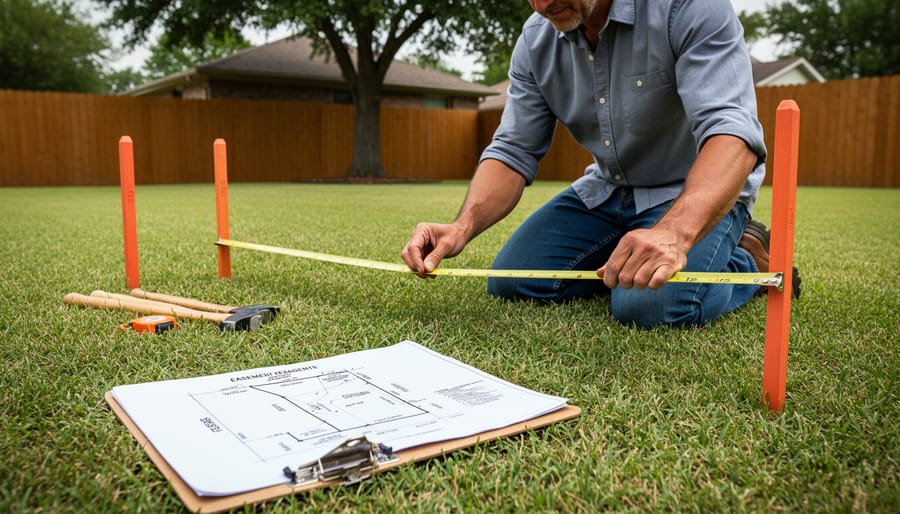
Start with the basics: a measuring tape, wooden stakes, and biodegradable string or twine. These simple tools can help you mark out easement boundaries precisely. Begin at a fixed reference point like your property corner or house foundation, then measure according to your plat map dimensions. Drive stakes at key points and connect them with string to visualize the easement area. This hands-on method costs under twenty dollars and gives you a real sense of the space.
For a more modern approach, consider using smartphone apps for mapping your yard. Many free or low-cost GPS-based apps can help you create detailed property maps right from your phone. These digital tools are particularly helpful for calculating square footage and sharing information with contractors or landscapers.
If you want professional-grade accuracy without the professional price tag, handheld GPS devices offer excellent precision. Some Virginia gardeners have found success borrowing equipment from local makerspaces or tool-sharing programs, which perfectly aligns with sustainable practices.
Whatever method you choose, take photos and keep notes about landmarks, existing vegetation, and utility markers. These observations will prove invaluable when you’re ready to design your garden beds or plan new plantings around easement areas.
Transferring Easement Information to Your Landscape Plan
Once you’ve identified your easements, it’s time to translate that information onto your actual garden design. Think of this as creating a roadmap that’ll save you headaches down the road—literally!
Start by obtaining or creating a scaled drawing of your property. You can sketch this by hand on graph paper or use free landscape design software. Mark your easement boundaries clearly with a distinct color or pattern. I always recommend using red or orange since they’re hard to miss when you’re planning where to plant that gorgeous flowering dogwood.
Here’s where things get practical for your yard design planning: add buffer zones around easement areas. These are three-to-five-foot zones where you’ll only install easily removable or low-impact features. Think mulch beds with annuals rather than that brick patio you’ve been dreaming about.
Create a simple legend on your plan that explains what each marking means. Include the easement type (water, electric, gas), the maintaining utility company, and any specific restrictions. This becomes invaluable documentation when you’re working with landscapers or contractors.
Consider laminating a copy of this marked-up plan and keeping it with your property documents. I’ve heard from countless gardeners who wished they’d done this before accidentally planting a prized Japanese maple directly over a sewer line. Taking photos of your marked plan and storing them digitally ensures you’ll always have access to this critical information, even years later when memory fades.
Smart Lawn and Garden Design Strategies for Properties With Easements
Mowing-Friendly Solutions for Easement Zones
When utility companies need access to your easement zone, the last thing you want is a complicated landscape that requires major reconstruction every time crews arrive. The good news? You can create a beautiful, low-maintenance lawn in these areas with smart plant choices and thoughtful design.
Start by selecting grass types and groundcovers that tolerate occasional disturbance and bounce back quickly. Tall fescue is an excellent choice for Virginia easements because it establishes deep roots, handles foot traffic well, and recovers faster than most varieties. For shadier easement areas, fine fescue blends offer durability without demanding constant attention.
Consider low-growing groundcovers like clover or creeping thyme in zones where equipment access is less frequent. These sustainable options require minimal mowing, fix nitrogen naturally in your soil, and can handle being trampled during utility work. They also create visual interest while keeping maintenance simple.
Design your easement zones with wide, unobstructed mowing paths that follow the easement boundaries. This makes routine maintenance a breeze and ensures utility crews can access what they need without damaging surrounding plantings. Avoid installing hardscaping or raised beds that would need removal during access events.
Keep your mowing height at three to four inches in easement areas. This promotes healthier root systems that recover quickly from disturbance while reducing water needs and weed pressure. Think of these zones as your lawn’s workhorses, combining functionality with environmental benefits that support your entire yard’s ecosystem.
Turning Easements Into Landscape Features
Just because you can’t plant trees or install permanent structures on your utility easement doesn’t mean it has to be boring! Think of these areas as opportunities to create stunning, changeable displays that comply with Virginia easement restrictions while adding beauty to your landscape.
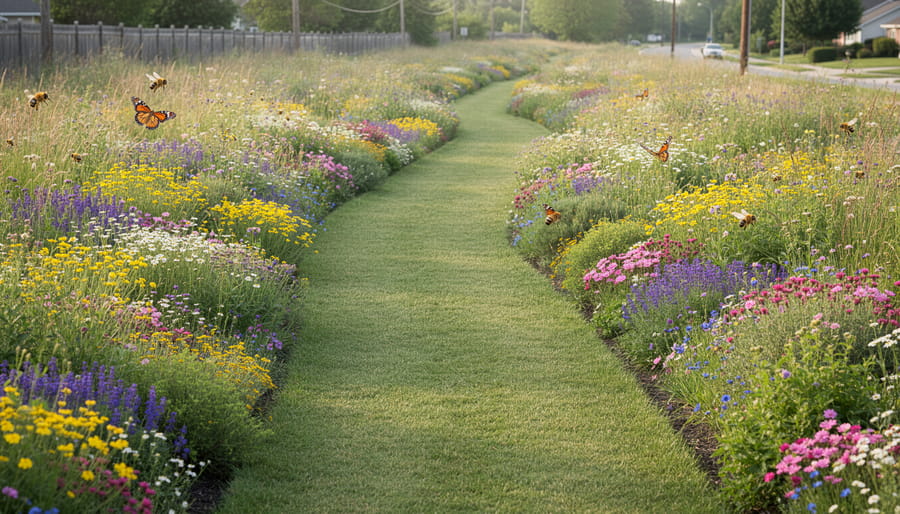
Wildflower meadows are perfect for easement areas. Native Virginia species like black-eyed Susans, purple coneflowers, and butterfly weed create low-maintenance displays that utility crews can easily access. These plants typically stay under three feet tall, have shallow roots that won’t interfere with underground lines, and support local pollinators. You can mow them down once a year if needed without losing your investment.
Consider creating a pollinator pathway using annual flowers in large containers or raised beds that sit on top of the ground rather than being buried. Zinnias, cosmos, and marigolds provide season-long color and can be moved quickly if utilities need access. This approach gives you flexibility while maintaining an attractive landscape.
For a more structured look, low-growing groundcovers like creeping thyme or clover work beautifully. They require minimal maintenance, stay close to the ground, and their shallow root systems won’t cause problems. Plus, they’re easy to remove if necessary.
When incorporating easement areas into your garden design plans, focus on sustainability. Choose native plants that thrive without excessive watering or fertilization. This practical approach means less work for you and a healthier environment.
Remember, the key is creating removable or easily replaceable features. Think temporary, think adaptable, and embrace the creative challenge these spaces present.
When to Call a Professional (And When You Don’t Need To)
Navigating utility easements can feel overwhelming, but the good news is that many landscaping projects around easements are perfectly manageable without professional help. Here’s when to call in the experts and when you can confidently move forward on your own.
You can typically handle most routine gardening tasks yourself within easement areas. Planting annual flowers, spreading mulch, maintaining existing lawns, and installing removable container gardens are all DIY-friendly projects. These activities don’t require permanent infrastructure, making them both legally safe and budget-conscious. The return on investment is excellent since you’re avoiding consultant fees while creating a beautiful, sustainable landscape.
Consider hiring a professional surveyor when you’re unsure about exact easement boundaries. This investment, typically ranging from $300 to $800 in Virginia, prevents costly mistakes down the line. If your property lacks clear documentation or you’re planning significant hardscaping near suspected easement areas, this expense pays for itself by avoiding future removal costs. Think of it as insurance for your landscaping investment.
Legal consultation becomes essential when utility companies contact you about violations or if you’re planning permanent structures like retaining walls, sheds, or built-in water features. An attorney specializing in property law costs between $200 to $400 per hour but can save you thousands in potential legal disputes or forced removals. The ROI here is protecting your existing investments.
Landscape professionals earn their fee when you need creative solutions for challenging easement situations. They understand how to design beautiful, compliant gardens that work with restrictions rather than against them. For complex projects involving grading, drainage solutions, or specialized sustainable plantings that accommodate utility access, their expertise prevents expensive do-overs.
The sweet spot for most homeowners? Start with DIY research and simple projects, invest in a survey if boundaries are unclear, then consult specialists only for permanent installations or when utility companies raise concerns. This balanced approach respects both your budget and the law while creating the yard you envision.
Understanding Virginia utility easement law might initially feel like a hurdle in your gardening journey, but here’s the encouraging truth: knowing where easements exist on your property is actually one of the smartest forms of property stewardship you can practice. Rather than viewing these legal boundaries as frustrating limitations, think of them as opportunities to design a more thoughtful, sustainable landscape that works with your property’s unique characteristics instead of against them.
When you map your easements before breaking ground, you’re saving yourself from costly mistakes and potential heartache down the road. Imagine planting a beautiful tree that takes years to mature, only to have utility workers remove it during routine maintenance. By planning ahead, you channel your gardening energy and resources into areas where your plants can thrive undisturbed for decades.
The creative possibilities within easement constraints are genuinely exciting. Whether you’re exploring native groundcovers that support local pollinators, designing flexible container gardens that showcase seasonal blooms, or establishing low-maintenance wildflower meadows, working within easement boundaries often leads to more sustainable and practical solutions than traditional landscaping approaches.
Your next steps are straightforward: contact your local utility companies, request easement documentation from your county clerk’s office, and mark those boundaries clearly in your yard. Then let your creativity flourish. Start small if you’re a beginning gardener, perhaps with a simple wildflower mix in the easement zone and more ambitious plantings elsewhere.
Remember, responsible gardening isn’t about fighting restrictions but understanding your landscape completely. You’re not just growing plants; you’re cultivating a thriving ecosystem that respects both legal requirements and environmental sustainability. That’s the mark of a truly knowledgeable gardener, and you’re well on your way.