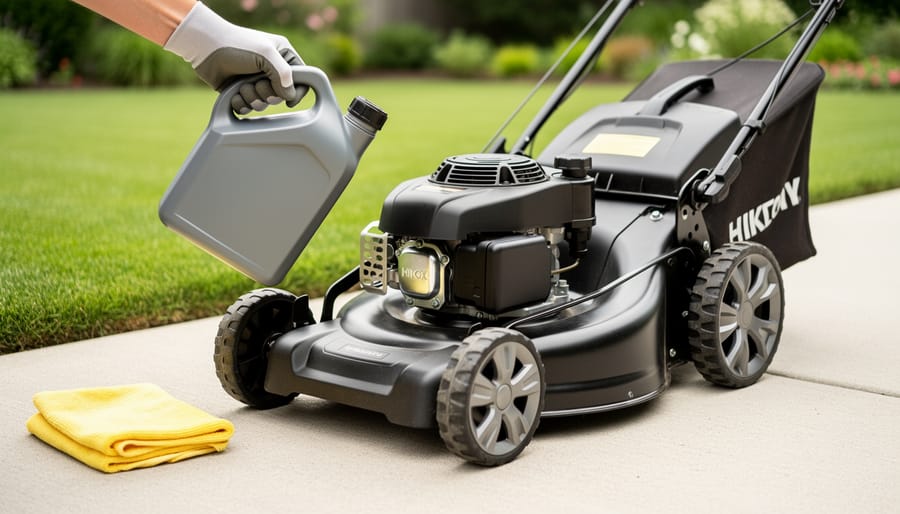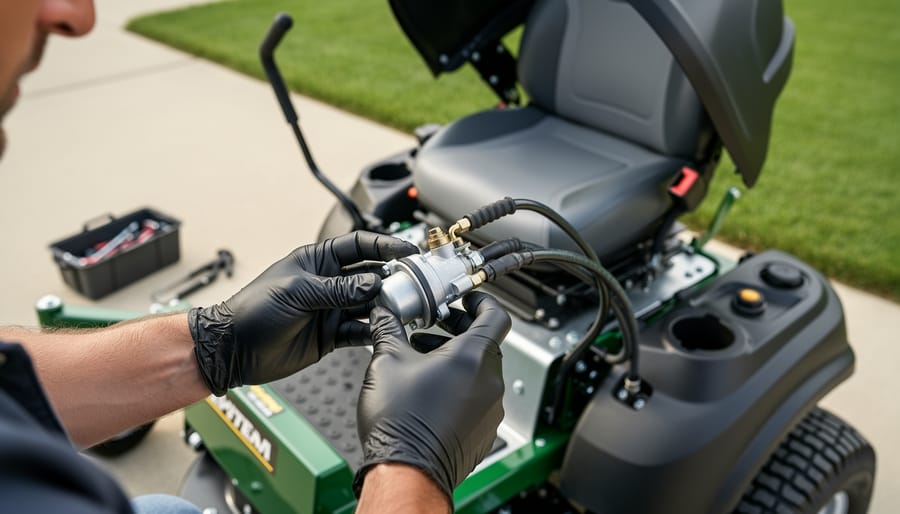
Listen for sputtering, stalling, or complete failure to start—these are your mower’s distress signals that the fuel pump may be failing. Your zero turn mower’s fuel pump is a small but mighty component that delivers gas from the tank to the engine, and when it malfunctions, your weekend mowing plans grind to a halt. Understanding this critical part helps you quickly diagnose problems and make smart repair decisions that extend equipment lifespan.
Most zero turn mowers use either vacuum-operated or electric fuel pumps, both working tirelessly to maintain steady fuel flow under demanding conditions. When grass clippings clog fuel lines, ethanol-blended gas gums up internal components, or diaphragms wear out from age, your pump struggles or quits entirely. The good news? Many fuel pump issues stem from preventable maintenance oversights rather than catastrophic failures.
Whether you’re troubleshooting a mower that won’t start this morning or you’re committed to preventive care that saves money long-term, knowing how your fuel pump works empowers better decisions. Simple fuel system maintenance—like using fresh gas, adding stabilizers, and replacing filters regularly—prevents most pump-related headaches. For those facing current problems, proper diagnosis separates a simple fix from an unnecessary replacement, keeping both your mower and your budget healthy throughout the mowing season.
What Does a Fuel Pump Actually Do in Your Zero Turn Mower?
Think of your zero turn mower’s fuel pump as the heart of your machine’s fuel delivery system. Just like your heart pumps blood throughout your body, the fuel pump’s job is to move gasoline from the tank to the engine where it can be burned to power your mower. It sounds simple, but this little component plays a crucial role in keeping your lawn care routine running smoothly.
Here’s why zero turn mowers especially depend on reliable fuel pumps: unlike traditional riding mowers, zero turns are built for speed and maneuverability. During zero turn mower operation, you’re making sharp turns, working on slopes, and often running at higher speeds. The engine positioning and fuel tank placement mean gravity alone can’t always get fuel where it needs to go. That’s where your fuel pump steps in, ensuring consistent fuel flow regardless of your mowing angle or terrain.
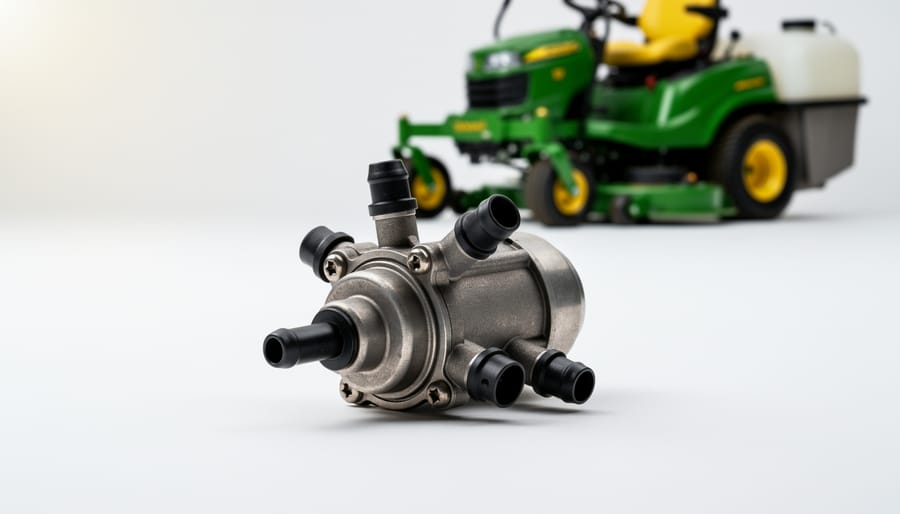
You’ll find two main types of fuel pumps in zero turn mowers, and understanding the difference helps with maintenance and troubleshooting. Mechanical fuel pumps are the traditional option, powered by the engine’s vacuum pressure or a pulse from the crankcase. They’re generally simpler and don’t require electrical power, making them reliable workhorses. Electric fuel pumps, on the other hand, use battery power to push fuel through the lines. They’re often found on newer models and provide more consistent pressure, especially helpful during cold starts.
Both types serve the same essential purpose: delivering a steady stream of fuel at the right pressure so your engine runs efficiently. When your fuel pump works properly, you probably don’t think about it. But when it starts failing, you’ll notice immediately through starting problems, sputtering, or power loss. Understanding this component is your first step toward maintaining a healthier, more sustainable mower that serves you reliably season after season.
The Warning Signs Your Fuel Pump Is Failing
Engine Sputtering and Power Loss
One of the most frustrating signs of a failing fuel pump is when your zero turn mower starts sputtering like it’s gasping for breath. You’ll notice this especially when you’re tackling tougher jobs—mowing thick grass, climbing inclines, or making those sharp turns that give zero turn mowers their name. What’s happening is your fuel pump can’t maintain consistent pressure when the engine demands more power.
Think of it like trying to run a marathon while breathing through a straw. Your mower’s engine needs a steady fuel supply, and when the pump weakens, it simply can’t deliver enough gas during high-load situations. You might experience temporary power loss that feels like the engine is choking, or the mower might surge unpredictably as fuel delivery fluctuates.
This inconsistent performance isn’t just annoying—it’s your mower telling you something needs attention. The good news is that catching these symptoms early prevents more serious engine damage down the road. A sputtering engine under load almost always points to fuel delivery issues, with the pump being a prime suspect. Before you assume the worst, though, check your fuel filter and lines for clogs, as these simpler issues can mimic pump failure and are easier fixes that align with proactive, sustainable maintenance practices.
Difficulty Starting or Won’t Start at All
When your zero turn mower refuses to start or struggles through multiple attempts before finally firing up, a failing fuel pump might be the culprit. Think of it this way: your engine is like a campfire that needs a steady supply of wood to keep burning. Without enough fuel reaching the carburetor, your mower simply can’t ignite or maintain combustion.
A weak fuel pump creates frustrating scenarios. You might turn the key and hear the engine crank enthusiastically, but it never catches. Or perhaps it starts briefly, sputters, then dies within seconds. These are classic signs that fuel isn’t flowing consistently from your tank to the engine. When troubleshooting starting issues, many folks discover the fuel pump has quietly degraded over time.
The good news? This problem is preventable with regular maintenance and quality fuel practices. Old gasoline containing ethanol can damage pump components, while debris in your fuel tank accelerates wear. By keeping fresh fuel in your system and replacing filters seasonally, you’re protecting this hardworking component and ensuring reliable starts every mowing session. Remember, addressing fuel system health proactively saves you from those hot summer mornings spent wrestling with a stubborn mower instead of enjoying your beautifully maintained lawn.
Unusual Whining or Buzzing Sounds
Your ears can be one of your best diagnostic tools when it comes to fuel pump issues. If your zero turn mower has an electric fuel pump, listen carefully when you turn the key to the “on” position, before actually starting the engine. A healthy electric pump typically produces a brief, quiet humming sound as it primes the system. This is completely normal and actually reassuring.
What you don’t want to hear is a high-pitched whining, grinding, or buzzing that sounds strained or continues longer than usual. Think of it like listening to your refrigerator – you know the normal hum, but when something sounds off, you notice immediately. That same instinct applies here. A struggling fuel pump often whines because it’s working harder to move fuel through a clogged filter or damaged line, or the pump itself may be wearing out internally.
Sometimes you might hear nothing at all, which is equally concerning. Complete silence when the pump should be running suggests electrical failure or a pump that’s died completely. I’ve found that catching these auditory warning signs early can save you from being stranded mid-mow on a hot afternoon. Regular listening checks during your routine maintenance, combined with keeping your fuel system clean and using fresh gasoline, helps you spot potential problems before they leave you with an unfinished lawn.
Common Fuel Pump Problems and Their Root Causes
Contaminated or Old Fuel
Here’s something I’ve learned the hard way over my years maintaining lawn equipment: fuel doesn’t last forever, and old fuel is one of the sneakiest culprits behind fuel pump failures. Let me walk you through why this matters for your zero turn mower.
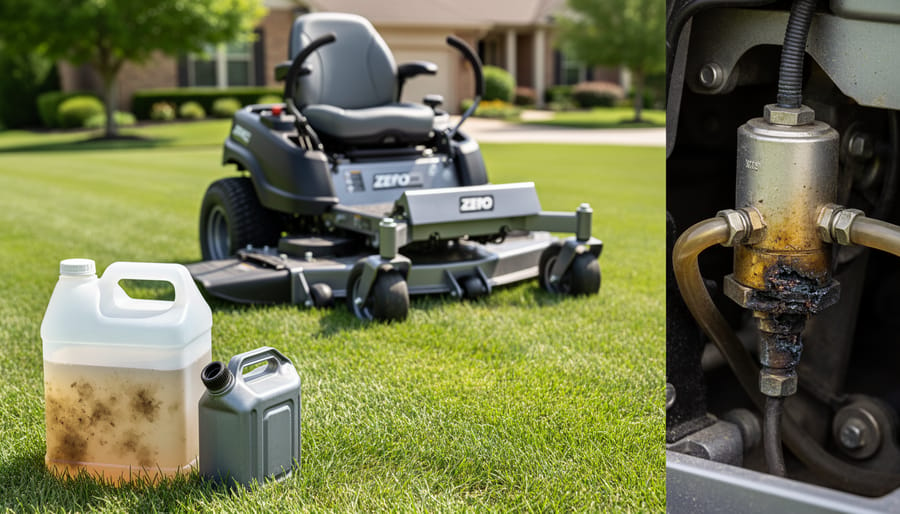
Gasoline begins degrading surprisingly quickly. Within 30 days of sitting in your tank, untreated fuel starts breaking down, forming gums and varnishes that clog fuel pump components. After 60 to 90 days, this deterioration accelerates significantly. Those sticky deposits restrict fuel flow through the pump’s delicate valves and diaphragms, forcing the pump to work harder than designed. Eventually, it simply gives up.
Water contamination presents another serious threat. Condensation naturally forms inside partially filled tanks, especially during temperature swings between day and night. This water separates from gasoline and settles to the bottom, where your fuel pump intake sits waiting. When the pump draws in water instead of fuel, internal components corrode rapidly. Metal parts rust, rubber diaphragms swell and crack, and the entire system becomes compromised.
Debris is the final troublemaker. As old fuel breaks down, it creates sediment particles that act like sandpaper on your pump’s moving parts. Combined with any dirt or rust flakes from the tank itself, you’ve got a recipe for accelerated wear.
The sustainable solution is prevention. Use fuel stabilizer for any gas stored beyond two weeks, and consider running your mower dry before extended storage periods. Fill tanks completely during off-season storage to minimize condensation space. These simple practices dramatically extend fuel pump life while reducing waste and unnecessary repairs.
Clogged Fuel Filters and Lines
Think of your fuel filter as the gatekeeper protecting your zero turn mower’s fuel pump. When this filter becomes clogged with dirt, debris, and sediment from old fuel, it creates a serious problem. Your fuel pump now has to work exponentially harder to pull fuel through that restricted pathway, similar to drinking a thick milkshake through a narrow straw. This extra strain significantly shortens the pump’s lifespan.
Many folks don’t realize that neglecting a simple filter replacement can cost them hundreds in pump repairs down the road. Just like you’d regularly clean air filter components, fuel filters deserve the same attention. Sediment accumulation happens gradually, so you might not notice performance issues until the damage is already done.
Here’s a sustainable practice worth adopting: replace your fuel filter at least once per season, or more frequently if you store fuel long-term. Use fresh fuel whenever possible and consider adding a fuel stabilizer for equipment sitting idle. Check fuel lines for cracks or blockages too, as these create similar resistance issues. These small preventive steps protect your investment while keeping your mower running efficiently, reducing waste and unnecessary replacements.
Normal Wear and Tear
Let’s be realistic here: fuel pumps aren’t designed to last forever, and that’s perfectly okay. Just like the tires on your mower or the blades you sharpen each season, your zero turn’s fuel pump is a wear item with a natural lifespan. Most fuel pumps will give you anywhere from 500 to 1,000 operating hours before they start showing their age, though some last considerably longer with proper care.
Understanding this timeline helps you plan ahead rather than being caught off guard mid-season. If you’re mowing a couple acres weekly, you might see 100-150 hours per season, meaning your pump could serve you reliably for several years. The key is recognizing that eventual replacement isn’t a failure of the equipment or your maintenance routine, it’s simply the normal course of mechanical parts.
What makes a difference in reaching the higher end of that lifespan range? Clean fuel, regular filter changes, and proper winter storage all contribute significantly. Think of it as getting the most value from a component that’s working hard every time you mow. When replacement time does come, you’ll have the satisfaction of knowing you maximized its service life through sustainable, preventive practices.
How to Test Your Zero Turn Mower’s Fuel Pump
Testing your zero turn mower’s fuel pump doesn’t require a mechanic’s expertise or a garage full of expensive tools. With a few basic supplies and some patience, you can diagnose fuel pump issues right in your shed or driveway. This DIY approach not only saves money but also helps you better understand your mower’s system, making you a more confident and sustainable equipment owner.
Before you begin, let’s talk safety. Always work in a well-ventilated area since you’ll be handling gasoline. Keep a fire extinguisher nearby, wear safety glasses, and avoid smoking or creating sparks. Disconnect the spark plug wire to prevent accidental starting, which is a simple step that could save you from serious injury.
For this test, you’ll need just a few items: a clean container to catch fuel, a flashlight, basic hand tools like pliers and screwdrivers, and possibly a short length of fuel line if yours needs replacing. Having a shop towel handy helps manage any spills.
Start by locating your fuel pump. On most zero turn mowers, it sits between the fuel tank and carburetor, often mounted on the engine or frame. Check your owner’s manual if you’re having trouble finding it. Once located, inspect the pump visually for obvious problems like cracks, fuel leaks, or damaged connections. Sometimes the solution is as simple as tightening a loose fitting.
Next, test for fuel flow. Disconnect the fuel line leading from the pump to the carburetor, placing your container underneath to catch any fuel. Turn the ignition key to the run position without starting the engine. If your pump is electric, you should hear a faint humming sound and see steady fuel flow into the container. For vacuum-operated pumps, you’ll need to crank the engine briefly to create the vacuum that activates them. Weak, intermittent, or absent flow indicates pump failure.
Check the inline fuel filter while you’re at it. A clogged filter can mimic pump problems and is much cheaper to replace. Hold it up to your flashlight. If you can’t see light through it, replacement is overdue.
Testing fuel pressure provides more precise diagnostics. While this requires an inexpensive fuel pressure gauge, it’s worthwhile for confirming your suspicions. Most small engine fuel systems operate between 3 to 5 PSI. Readings outside this range suggest pump issues.
Remember, catching fuel system problems early prevents bigger headaches down the road. Regular testing during your seasonal maintenance routine embodies the kind of proactive, sustainable lawn care that keeps equipment running efficiently for years.
Maintaining Your Fuel System to Protect Your Pump
Use Fresh, Stabilized Fuel
Here’s something I learned the hard way after my zero turn sat idle one winter: fuel quality matters tremendously to your fuel pump’s health and longevity. Think of fresh fuel as preventive medicine for your mower’s entire fuel system.
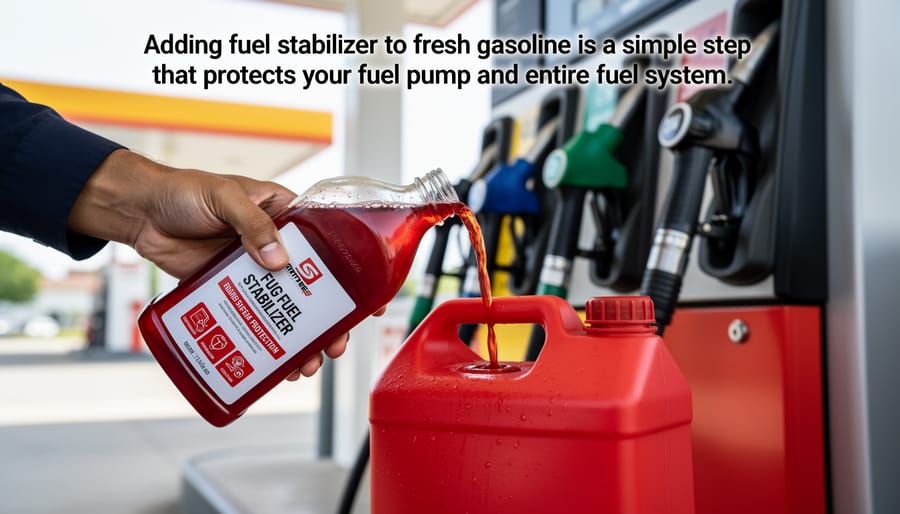
The golden rule is simple: use fuel within 30 days of purchase. Gasoline degrades surprisingly quickly, forming gummy deposits that clog fuel lines and strain your pump. If you’re like me and can’t always use up a full tank that quickly, buy smaller quantities more frequently. Yes, it’s an extra trip to the gas station, but it’s far cheaper than replacing a fuel pump.
For seasonal storage or anytime your mower will sit for more than a few weeks, add a quality fuel stabilizer. These products slow fuel degradation and prevent the varnish buildup that kills fuel pumps. Mix the stabilizer into a full tank, then run your mower for five minutes to circulate the treated fuel throughout the system. This is genuinely one of the easiest ways to extend your fuel pump’s life.
Consider switching to ethanol-free fuel if it’s available in your area. While it costs more upfront, ethanol attracts moisture and corrodes fuel system components over time. Many small engine repair shops now stock ethanol-free options specifically because they cause fewer problems. Your fuel pump, carburetor, and the environment will thank you. Plus, ethanol-free fuel stays fresh longer, reducing waste from dumping old gas.
Replace Fuel Filters Regularly
Here’s a simple truth from years of lawn care: replacing your fuel filter regularly is one of the easiest ways to keep your zero turn mower’s fuel pump happy and healthy. Think of the fuel filter as your pump’s bodyguard, catching debris, rust particles, and sediment before they cause expensive damage.
For most zero turn mowers, plan to replace your fuel filter at the start of each mowing season, or every 200 operating hours—whichever comes first. If you’re using ethanol-blended fuel or store your mower outdoors where moisture can accumulate, consider changing it twice yearly. This small investment, usually under $15, can save you hundreds in pump replacement costs.
The replacement process is wonderfully straightforward, even for beginners. First, shut off your fuel valve and relieve any pressure in the fuel line. Have a small container ready to catch residual fuel. Note which direction the filter’s arrow points—this indicates fuel flow direction. Remove the old filter by loosening the clamps on each end, then slide the new filter into place with the arrow pointing toward the carburetor. Tighten everything securely, turn on the fuel valve, and check for leaks.
This preventive step keeps your fuel system clean and your pump working efficiently, reducing waste and extending your mower’s lifespan.
Proper Off-Season Storage
When it’s time to put your zero turn mower to bed for the winter or store it for any extended period, taking proper care of the fuel system is one of the most important steps you can take. This isn’t just about convenience—it’s about protecting your investment and ensuring your mower fires up smoothly when you need it again.
The fuel system, especially the fuel pump, is vulnerable during storage because gasoline deteriorates over time. In just 30 days, untreated fuel begins breaking down, leaving behind gummy residues that clog fuel lines, filters, and pump components. I’ve seen too many spring startups turn into expensive repair jobs simply because someone skipped this crucial step.
You have two solid options for off-season storage. The first is adding a quality fuel stabilizer to a full tank, then running the mower for five minutes to circulate the treated fuel throughout the system. A full tank prevents moisture condensation inside the tank, which can lead to corrosion and water contamination in your fuel pump. The second approach involves draining old fuel completely from the tank and running the engine until it stops, ensuring no fuel remains in the carburetor or lines.
From a sustainability perspective, I prefer the stabilizer method—it wastes less fuel and reduces environmental impact. Whichever method you choose, also disconnect the battery and store your mower in a dry, covered area. These simple practices protect your fuel pump and keep your zero turn ready for action.
When to Replace vs. Repair Your Fuel Pump
Making the repair versus replace decision doesn’t have to be stressful. Let’s walk through some practical considerations that’ll help you make the smartest choice for your situation and budget.
First, consider the age and overall condition of your zero turn mower. If your machine is relatively new and well-maintained, a fuel pump replacement is almost always worthwhile. However, if you’re dealing with an older mower that’s showing multiple problems, you might want to factor the fuel pump into a bigger picture assessment of whether continued repairs make financial sense.
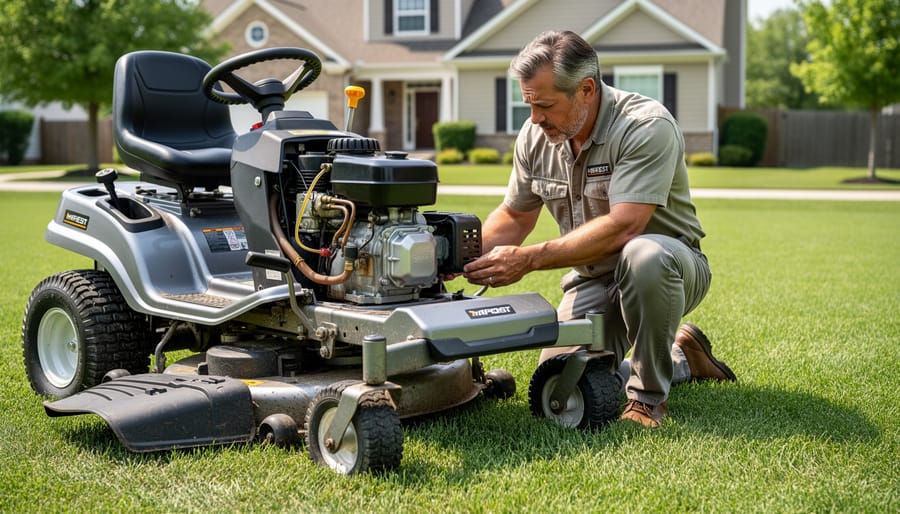
From a DIY perspective, replacing a fuel pump is actually quite manageable for most homeowners. The job typically requires basic hand tools and takes about 30 to 60 minutes. If you’re comfortable changing oil or spark plugs, you can handle this. The process usually involves disconnecting fuel lines, removing mounting bolts, and installing the new pump. Just remember to work in a well-ventilated area and have a container ready to catch any fuel spillage.
That said, there are situations where professional help makes sense. If you’re uncomfortable working with fuel systems, have limited time, or notice the problem involves multiple components beyond just the pump, a qualified small engine mechanic can diagnose and fix the issue efficiently. Professional replacement typically costs between 150 and 300 dollars including parts and labor, while a quality DIY replacement pump runs between 20 and 80 dollars depending on your mower model.
When selecting replacement parts, resist the temptation to choose the absolute cheapest option. A quality fuel pump from a reputable manufacturer will last significantly longer and provide more reliable performance. Look for pumps with good customer reviews and solid warranty coverage. OEM (original equipment manufacturer) parts often cost more but guarantee proper fit and performance. Alternatively, well-reviewed aftermarket options can offer excellent value while meeting or exceeding original specifications.
Consider this an investment in sustainability too. A properly functioning fuel pump ensures efficient fuel use, reducing waste and environmental impact. Plus, keeping your mower running smoothly with quality parts means fewer replacements over time, which aligns perfectly with responsible lawn care practices.
Remember, preventive maintenance remains your best strategy for avoiding these decisions altogether.
Here’s the truth: keeping your zero turn mower’s fuel pump healthy doesn’t require a mechanical engineering degree or hours of weekend work. The simple habits we’ve covered—using fresh, ethanol-free fuel when possible, adding fuel stabilizer before storage, replacing filters on schedule, and keeping your tank clean—are the foundation of trouble-free mowing seasons. Think of it this way: those few minutes you invest in fuel system care translate directly into reliable starts, consistent power, and fewer frustrating breakdowns right when your lawn needs attention most.
Beyond saving you time and repair costs, these preventive steps contribute to a more sustainable approach to lawn care. A well-maintained mower runs more efficiently, burns fuel cleaner, and lasts significantly longer, keeping equipment out of landfills and reducing the environmental footprint of your gardening routine. Every season you extend your mower’s life is a win for both your wallet and the planet.
So here’s your challenge: pick just one practice from this guide and implement it today. Whether it’s switching to stabilized fuel, marking your calendar for filter replacement, or simply checking your fuel lines for cracks, that single action sets you on the path to dependable performance. Your zero turn mower—and your lawn—will thank you for it.