So, are zero turn mowers dangerous? They can be, mostly because of how they steer and how fast they move. Turn too sharply and the machine can slip or tip. Clippings can also get thrown in a direction you weren’t expecting, which is a real hazard for anyone nearby.
Zero-turn mowers have become a common sight in both residential yards and professional landscaping crews. It’s easy to see why. They’re quick, nimble, and cover ground far faster than a traditional rider. Modern examples pack real power, too. The Ariens 915223 IKON-X, for instance, runs a 23 hp Kawasaki FR691 V-Twin engine. They pivot in place and slip around trees, flower beds, and fence lines with little fuss. They’re also the go-to machine for anyone chasing the classic striped lawn look.
But that speed and agility come with a trade-off. Steering with two independent levers feels different from turning a wheel, and the learning curve catches plenty of new operators off guard. Add slopes, wet grass, or a bystander wandering too close, and the risks to both the operator and anyone nearby get serious fast.
The Dangers of Zero-Turn Mowers
Are zero-turn mowers dangerous? A zero-turn lawn mower poses serious risks. Some of the most common dangers of zero-turn mowers include the following:
Rollovers
According to the US Occupational Safety and Health Administration (OSHA), one of the primary reasons that make zero-turn mowers dangerous is the risk of rollovers or tip-overs, mainly when operating on uneven or sloped terrain.
Unlike traditional lawn tractors with low gravity and a durable design, zero-turn mowers have a higher center and narrower wheelbase. These make zero-turn mowers more prone to tipping over.
Rollovers and tip-overs can result in serious injuries or fatalities, particularly if the operator is thrown from the mower or pinned underneath it.
To reduce the risk of a mower tipping, it’s essential always to follow the manufacturer’s recommendations for operating turn mowers and to avoid using them on terrain that is too steep or uneven.
If you must operate a lawn mower on a slope, use caution and travel up and down the hill rather than across it. Choose from ride-on mowers with a rollover protection system as much as possible.
Collisions

In addition to rollovers, zero-turn mowers can collide with objects, other vehicles, or people. These types of accidents can result in serious injuries or fatalities and may occur for various reasons.
Due to the high speed and expansive cutting deck of zero-turn mowers, it can be difficult for operators to see obstacles in their path, such as rocks, tree stumps, or other forms of debris.
To reduce the risk of collisions and other accidents, always be aware of your surroundings and operate the mower at a safe speed.
When operating near roads or other areas with traffic, be cautious and keep a safe distance from other vehicles. Additionally, make sure that children and pets are kept at a safe distance from the mower while it is in use.
Ejection accidents
Another potential danger associated with zero-turn riding lawnmowers (even those with a rollover protection system) is the risk of ejection from the mower. Ejection can occur if the operator is thrown from the mower due to sudden stops, collisions, or rollovers.
Ejection can result in serious injuries or fatalities, particularly if the operator is not wearing appropriate safety gear or if they are thrown onto a hard surface.
Always wearing appropriate safety gear, including a helmet, eye protection, and sturdy closed-toe shoes, is essential to reduce the risk of ejection from the mower.
Additionally, operators should ensure that the mower is in good working order before use and that all safety features, such as seat belts and roll bars, are correctly installed and in working condition.
Operating the mower safely and avoiding sudden stops or turns that could throw the operator off it is also essential. In addition, when working on uneven or sloped terrain, use caution and slow down to reduce the risk of tipping over or losing control of the mower.
Flying debris
One of the dangers associated with zero-turn mowers is the potential for flying debris. When mowing at high speeds, the mower blades can pick up rocks, sticks, and other debris and launch them into the air. This debris can cause serious injury to the operator or anyone in the surrounding area.
Always wear appropriate safety gear, including eye protection and sturdy shoes, to reduce the risk of flying debris.
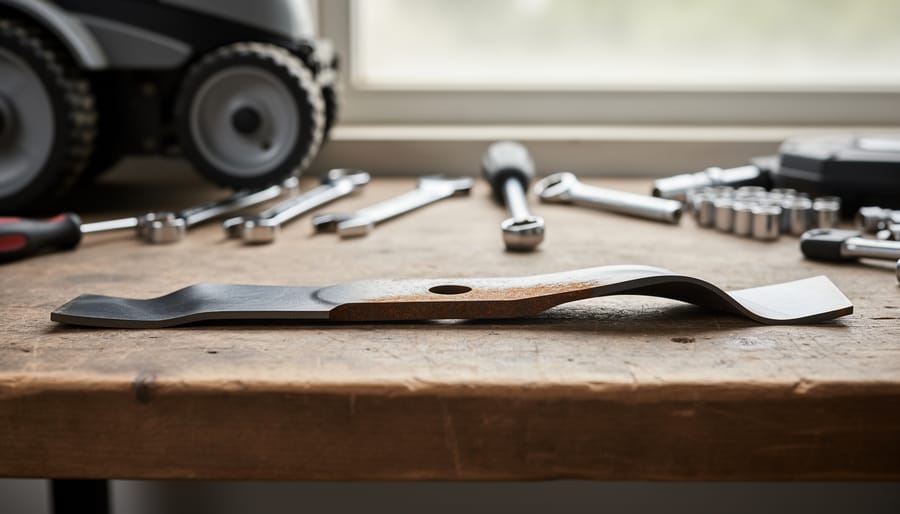
Additionally, operators should ensure the mower is properly maintained, and the blades are sharp and balanced. Dull or unbalanced blades can cause more debris to be thrown into the air, increasing the risk of injury.
These risks are not unique to most zero-turn mowers, but the design and operation of these machines can amplify them. Therefore, it’s essential to be aware of these dangers and take steps to mitigate the risks when using a zero-turn mower.

Zero-Turn Lawn Mowers: Factors That Contribute to Accidents
Several factors can cause accidents involving zero-turn mowers, including:
- Operator error: Many accidents with the mower are caused by operator error, such as taking turns too sharply or driving too fast.
- Inexperience: Inexperienced operators may not be familiar with the handling and operation of the mower, increasing the risk of accidents.
- Terrain conditions: Uneven or sloped terrain can make the lawn mower more prone to rollovers or tip-overs, mainly if wet grass and the ground is damp or slippery.
- Mechanical issues: A poorly maintained or malfunctioning mower can increase the risk of accidents, such as brake failure or engine stalls.
- Environmental factors: Wind, rain, and other environmental factors can make it more difficult to operate this kind of mower safely, increasing the risk of accidents.
According to the Consumer Product Safety Commission, over 17,000 injuries and 80 fatalities were associated with riding mowers and lawn tractors in the United States between 2015 and 2017.
While not all of these lawn maintenance accidents involved zero-turn mowers specifically, they serve as a reminder of the importance of taking safety precautions when operating any lawn mower.
Safety Tips to Reduce the Risk of Zero-Turn Mower Accidents
There are several steps that operators can take to reduce the risk of accidents that make zero-turn mowers dangerous, including:
Read the Manual
Before you operate a zero-turn lawnmower, read the owner’s manual carefully to familiarize yourself with the machine’s features and operation.
Wear Appropriate Clothing and Protective Gear
Wear protective equipment like close-toed shoes, long pants, eye protection, and hearing protection when operating ride-on mowers.
Inspect the Zero-Turn Lawn Mower Before Use
Check the mower’s tires, blades, brakes, and other components before each use to ensure they are in good working order.
Choose the Right Terrain
Avoid handling a zero-turn mower on steep slopes, wet lawns, wet grass or slippery surfaces, or uneven ground.
Use Caution When Turning
Slow down and use caution when making turns, particularly on hills or uneven terrain.
Stay Aware of Your Surroundings
Watch for obstacles, bystanders, and other hazards while operating a zero-turn mower.
Keep Children and Pets Away
Ensure to keep children and pets safe from the mower while it is in use.
Following these guidelines, operators can reduce the risk of accidents when using a zero-turn mower. However, it’s important to remember that accidents can still occur despite taking all possible precautions.
If you are using a zero-turn mower in an accident, seek medical attention immediately and report the incident to the appropriate authorities.
Key buying factors
Asking are zero turn mowers dangerous is a fair question to settle before you spend money, because the answer depends heavily on the machine you pick and the yard you put it in. Safe operation starts at the showroom. A few factors deserve more weight than horsepower or deck size.
- Your terrain. Zero-turn mowers handle flat and gently rolling ground well, but steep slopes are where tip-overs and loss of traction happen. Walk your property and note the steepest grades before you shop. If a large share of your lawn is sloped, a different mower type may be the safer choice.
- Rollover protection. Look for a roll bar (ROPS) and a seat belt, and plan to use both. A mower without them leaves you exposed on exactly the ground where you’d want protection most.
- Engine size and power. More power helps on thick grass and larger lots, but it also means a faster machine. The Ariens 915223 IKON-X, for example, runs a 23 hp Kawasaki FR691 V-Twin. That’s a lot of mower, so match it to your acreage and your comfort level.
- Controls and operator comfort. Lap bars take practice. Sit on the machine if you can, and check that you can reach everything without stretching or twisting.
- Safety features. Seat switches, blade-stop systems, and clear shut-off controls should be standard, not extras.
Check current pricing and availability with a local dealer, since those change. Buy for the lawn you actually have, not the one you wish you had.
Types compared
So, are zero turn mowers dangerous? Not by design, but the type you pick changes how much margin for error you have. Here’s how the main categories stack up.
| Type | Steering | Safety considerations | Best fit |
|---|---|---|---|
| Lap-bar zero-turn riding mower | Two levers control each drive wheel independently | Quick pivots and no steering wheel to brace against. Slopes and sharp turns demand practice. | Open lawns of an acre or more |
| Stand-on zero-turn mower | Same lever control, operator stands on a platform | Smaller footprint, but you’re upright with less protection if you slip or hit a bump. | Mid-size yards with tight obstacles |
| Traditional riding mower or lawn tractor | Steering wheel with a wider turning radius | Familiar controls, slower to react, and often steadier on moderate grades. | Uneven or sloped lots, newer operators |
Within the lap-bar category, power matters too. The Ariens 915223 IKON-X, for example, is a zero-turn riding mower with a 23 hp Kawasaki FR691 V-Twin engine. That’s a lot of capability, and it rewards an operator who has already learned how the controls respond.
If you’re new to zero-turns, treat the first few mows as training. Start in a flat, clear area at low speed. Learn how gently the levers need to move before you take on slopes or tight spots near trees and beds.
Match the machine to your yard, not to the biggest engine on the showroom floor. A smaller, calmer mower you can control beats a faster one you’re still learning to read.
Mistakes to avoid
So, are zero turn mowers dangerous? Not by nature. Most injuries trace back to a handful of avoidable habits, and buyers and owners repeat the same ones year after year.
- Buying more machine than you can control. A 23 hp unit like the Ariens 915223 IKON-X, which runs a Kawasaki FR691 V-Twin, is a lot of mower to hand to someone who has never used lap bars. Match the power and speed to your skill and your property, then grow into it.
- Skipping the learning period. Zero-turn steering is nothing like a wheel and pedal. Spend your first sessions on flat, open, obstacle-free ground at low speed before you go near trees, beds, or fences.
- Mowing slopes like they’re flat ground. These machines carry most of their weight over the rear and have little traction on wet or steep grass. Mow across nothing steep, and never make sharp turns on a grade.
- Turning at full speed. A hard pivot at top speed is how operators lose control. Slow down first, every time.
- Ignoring the safety switches. Bypassing the seat or blade interlocks to save a few seconds removes the very features meant to protect you.
- Not scanning the lawn first. Rocks, toys, and branches become projectiles. Walk the area before you start.
Most of these come down to rushing. Slow down, learn the machine, and the risk drops sharply.
Conclusion
Electric and gas-powered lawnmowers are powerful machines that can make lawn care faster and more efficient.
However, they also pose significant risks to operators and bystanders if not used properly. Therefore, it’s essential to be aware of the dangers associated with zero-turn mowers and take steps to mitigate the risks when using them.
Following the manufacturer’s instructions, you can reduce the risk of accidents and injuries. Ensure you wear protective gear and take caution when operating a zero-turn mower. Remember to inspect your mower before each use, choose suitable terrain, and stay aware of your surroundings.
Ultimately, choosing a zero-turn mower is a trade-off between speed and safety. Weigh the benefits against the risks, so you can decide whether a zero-turn mower is suitable for your lawn care needs.