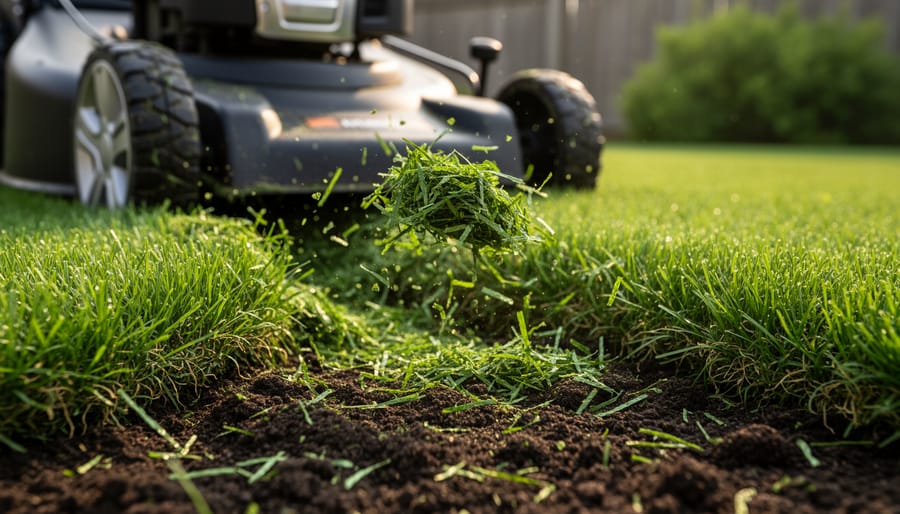
Leave grass clippings on your lawn after mowing to return up to 25% of your turf’s nitrogen needs directly back to the soil—this simple practice, called grasscycling, transforms waste into a free, slow-release fertilizer that feeds your lawn naturally. Set your mower blade to remove only one-third of the grass height per cutting, ensuring clippings are short enough (under one inch) to decompose quickly without smothering the turf beneath. Mow when grass is dry to prevent clumping, and use a sharp blade to create clean cuts that break down faster and reduce the risk of disease.
This isn’t about being lazy with lawn care—it’s about working smarter by harnessing the remarkable efficiency of soil nutrient cycling, the natural process where microorganisms decompose organic matter and release essential nutrients back into forms your grass can absorb. Every time you bag and remove clippings, you’re essentially exporting fertility that your lawn desperately needs to stay thick, green, and resilient. The average suburban lawn produces 300 to 500 pounds of grass clippings annually, representing a significant nutrient investment you’re literally throwing away.
Understanding how clipping management affects your soil’s nutrient cycle empowers you to make informed decisions that reduce fertilizer costs, minimize environmental impact, and create healthier turf. The key lies in adopting specific mowing techniques that maximize decomposition while preventing the thatch buildup and uneven appearance many homeowners fear—concerns we’ll address with practical, tested solutions that work in real-world conditions.
What Actually Happens When Grass Clippings Hit Your Soil
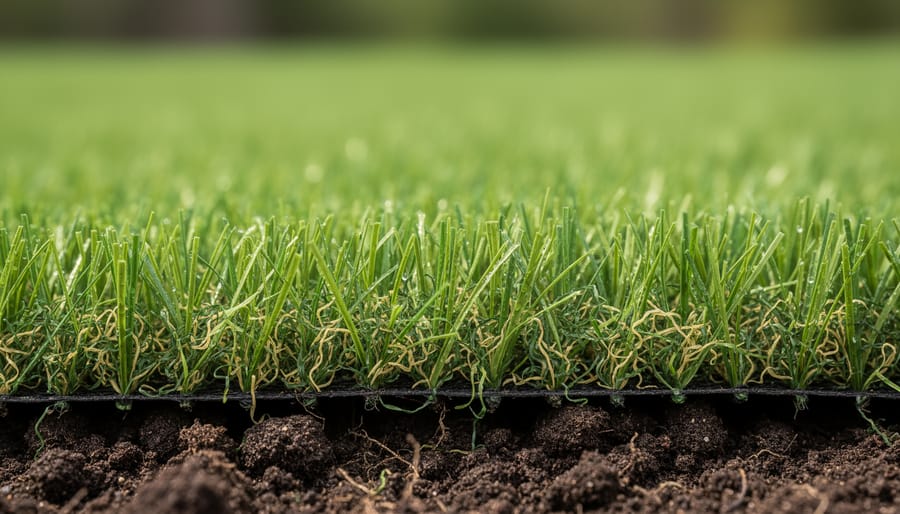
The Decomposition Timeline: From Clipping to Nutrient
Understanding the timeline for grass clipping decomposition helps you set realistic expectations and maintain patience with this sustainable practice. The good news? Nature works faster than you might think, but the process does require the right conditions and a bit of time.
Most grass clippings begin breaking down within just a few days of hitting your lawn. Within the first week, you’ll notice they start to shrivel and darken as soil microorganisms get to work. These tiny decomposers are the unsung heroes of your lawn, munching away at the clippings and transforming them into usable nutrients.
Here’s where timing gets interesting. Nitrogen, the superstar nutrient in grass clippings, typically becomes available to your grass roots within 1-2 weeks under ideal conditions. Think of it as a quick-release fertilizer that nature designed herself. The exact timeframe depends on several factors: temperature (warmer weather speeds things up), moisture levels (adequate water is essential), and the size of your clippings (shorter pieces decompose faster).
By the three-week mark, most clippings have essentially disappeared into your lawn ecosystem, with their nutrients actively feeding your grass. This relatively quick turnaround means each mowing session creates a fresh cycle of nutrient availability, supporting steady, healthy growth throughout the growing season.
The key to optimizing this timeline? Mow regularly when grass is actively growing, never removing more than one-third of the blade height, which produces those perfect, quick-decomposing clippings.
The Big Three: Nitrogen, Phosphorus, and Potassium in Your Clippings
Here’s the exciting part: your grass clippings are actually a free fertilizer factory working right on your lawn. Every 1,000 square feet of healthy turf produces clippings containing roughly 3-4 pounds of nitrogen, 0.5-1 pound of phosphorus, and 2-3 pounds of potassium over a growing season. That’s equivalent to one full fertilizer application without spending a dime!
Nitrogen is your lawn’s growth engine, promoting that lush green color and thick blade development. When you remove clippings, you’re essentially throwing away the nutrient your grass craves most, which often leads to nitrogen deficiency and yellowing turf.
Phosphorus supports strong root development, helping your lawn weather stress and establish deeper anchorage. Meanwhile, potassium acts like your lawn’s immune system, improving disease resistance and drought tolerance.
These three NPK nutrients work together synergistically. By leaving clippings in place, you’re returning approximately 25% of your lawn’s annual fertilizer needs back to the soil naturally. This sustainable approach reduces both your fertilizer bills and environmental impact while keeping your grass healthier and more resilient throughout the season.
Why Your Mowing Height Changes Everything
The Sweet Spot: Finding Your Grass Type’s Ideal Height
Getting the mowing height right is one of the easiest ways to supercharge nutrient cycling in your lawn. Think of it this way: taller grass means more leaf surface to capture sunlight, which translates to deeper roots and healthier clippings packed with nutrients.
For cool-season grasses like Kentucky bluegrass, perennial ryegrass, and tall fescue, aim for 3 to 4 inches during the growing season. This height encourages robust root systems that access nutrients deeper in the soil while providing enough clipping volume to meaningfully feed your lawn when you mow. During peak summer heat, nudge that up to 4 inches to help your grass stay resilient.
Warm-season varieties have different preferences. Bermuda grass thrives at 1 to 2 inches, while zoysia does best between 1.5 and 2.5 inches. St. Augustine grass prefers a taller cut at 2.5 to 4 inches. These heights maintain the dense growth pattern these grasses naturally favor while still producing clippings that decompose efficiently.
Here’s the sustainability win: maintaining proper height reduces stress on your grass, meaning it naturally requires less water and fights off weeds more effectively. Healthier grass produces better quality clippings with optimal nutrient content.
A practical tip: never remove more than one-third of the grass blade in a single mowing. This rule prevents shock to your lawn and ensures clipping pieces are small enough to filter down to the soil quickly, where the real nutrient cycling magic happens. Adjust your mowing frequency rather than cutting too short to compensate for rapid growth.
When to Leave Clippings (And When to Bag Them)
The Thatch Problem: Separating Myth from Reality
Let’s clear up one of the biggest myths in lawn care: grass clippings do not cause thatch buildup. I know you’ve probably heard otherwise, but the science tells a different story, and understanding this can transform how you approach your lawn maintenance.
Thatch is that spongy layer of dead and living organic matter that accumulates between the soil surface and green grass blades. Here’s the key point: thatch forms primarily from roots, crowns, rhizomes, and stems, which are high in lignin, a compound that breaks down very slowly. Grass clippings, on the other hand, are about 75-85% water and contain very little lignin. They decompose quickly, usually within one to two weeks, returning nitrogen and other nutrients to your soil rather than piling up as thatch.
The real culprits behind excessive thatch are over-fertilization (which promotes aggressive growth), overwatering, compacted soil, and mowing infrequently. Certain grass varieties also naturally produce more thatch than others. If you’re dealing with a thatch layer thicker than half an inch, your clippings aren’t to blame.
That said, thatch does become genuinely problematic when it exceeds three-quarters of an inch. At that thickness, it creates a barrier that prevents water, air, and nutrients from reaching the soil. It can also harbor pests and diseases. If you’re facing this situation, dethatching or core aeration are your best solutions, not bagging your clippings.
The bottom line? When you mow regularly and follow the one-third rule, leaving clippings actually prevents thatch problems by encouraging beneficial microorganisms that break down organic matter naturally. You’re not creating a problem; you’re supporting a healthy, self-sustaining lawn ecosystem.
Mowing Frequency: The Hidden Factor in Nutrient Cycling
Here’s something many lawn enthusiasts overlook: how often you mow matters just as much as whether you leave clippings behind. Think of it this way – mowing frequency is like adjusting the dial on your lawn’s nutrient recycling system.
When you mow frequently, removing only about one-third of the grass blade height each time, you create smaller clippings that decompose remarkably quickly. These thin, tender clippings practically melt back into your lawn within days, releasing their stored nitrogen, phosphorus, and potassium right where your grass needs them. It’s like delivering nutrients in bite-sized pieces your soil microbes can process efficiently.
On the flip side, letting your grass grow too long before mowing creates chunky, thick clippings that pile up on the surface. These larger pieces take much longer to break down, potentially smothering the grass beneath and creating those unsightly brown clumps we all want to avoid. Plus, they release nutrients more slowly, missing the optimal window when your lawn is actively growing and hungry for food.
Here’s a practical seasonal approach that works beautifully: During spring’s vigorous growth period, you might find yourself mowing every 5-7 days to keep up with those nutrient-rich clippings at manageable sizes. As summer arrives and growth slows, you can stretch this to 7-10 days. Fall’s cooler temperatures often trigger another growth spurt, so bump up your frequency again to capture that seasonal nutrient boost.
Pay attention to your specific grass type too. Cool-season grasses like fescue and bluegrass grow fastest in spring and fall, while warm-season varieties like bermudagrass peak in summer heat. Adjust your schedule accordingly, and remember this golden rule: if you can see distinct rows of clippings after mowing, you’ve waited too long. The best clipping management happens when you can barely tell you’ve mowed at all – that’s when the nutrient cycling magic really happens.
Equipment That Makes Nutrient Cycling Work
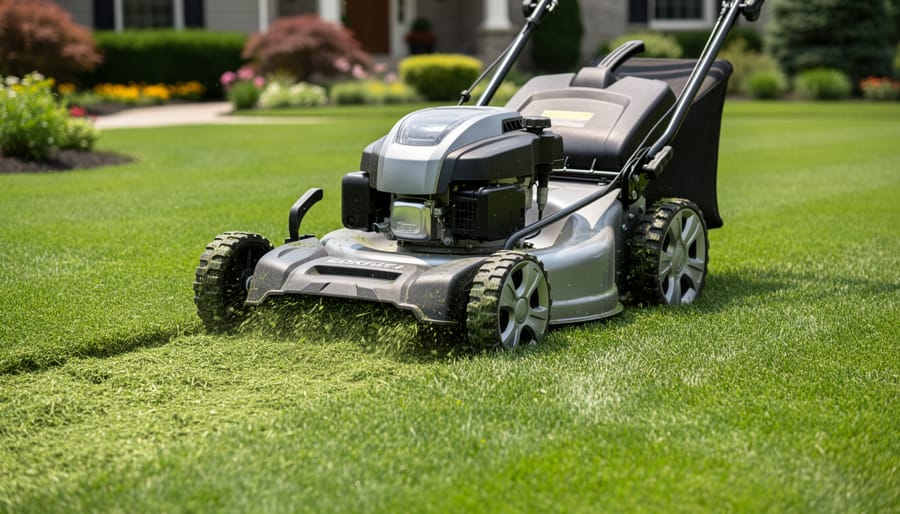
Mulching Mowers vs. Standard Mowers: What You Need to Know
Let me be straight with you: a dedicated mulching mower isn’t absolutely necessary for nutrient cycling, but it certainly makes life easier. Standard mowers can handle clipping management just fine if you mow regularly and remove the discharge chute or use a mulching plug. The key difference lies in blade design and deck engineering.
Mulching mowers feature specially curved blades that create additional airflow, keeping clippings suspended longer for multiple cuts. This produces finer particles that decompose faster, typically within a week or two. Standard mowers with mulching attachments work reasonably well, chopping clippings into slightly larger pieces that still break down within two to three weeks.
Here’s the honest truth about when the investment makes sense: if you already have a functional mower and mow weekly during peak growing season, you can achieve excellent nutrient cycling results without upgrading. Simply maintain sharp blades and follow the one-third rule. However, if you’re replacing an old mower anyway or tend to let grass grow longer between cuts, a true mulching mower handles taller grass more effectively without clumping.
Look for models with enclosed decks that trap clippings for repeated cutting. Consumer Reports consistently rates Honda and Toro mulching mowers highly for performance, while budget-friendly options from Craftsman deliver solid results for smaller lawns. Regardless of your choice, blade sharpness matters more than fancy features. A sharp blade on a basic mower outperforms a dull blade on premium equipment every time, delivering cleaner cuts that decompose efficiently while keeping your lawn healthy.
The Real Money You’ll Save (And Why It Matters for the Environment)
Let’s talk real dollars and cents, because while saving the planet is noble, watching your wallet grow a little fuller doesn’t hurt either. When you practice grasscycling consistently, you’re essentially creating free fertilizer right on your lawn. Those clippings contain about 4% nitrogen, 2% potassium, and 0.5% phosphorus by dry weight. Over a growing season, that translates to roughly 25% of your lawn’s nitrogen needs being met by the clippings alone.
Here’s where it gets interesting for your budget. The average homeowner spends between $200 and $400 annually on lawn fertilizer. By letting your clippings do their thing, you can cut that expense by at least a quarter, saving $50 to $100 each year. That’s a nice dinner out or a new garden tool you’ve been eyeing. Multiply that over five years, and you’re looking at $250 to $500 staying in your pocket.
But the savings don’t stop there. If you’ve been bagging clippings, you’re probably going through dozens of lawn bags each season at roughly $10 per pack. Plus, many municipalities charge for yard waste collection or require special disposal fees. Grasscycling eliminates these costs entirely.
Beyond your personal savings, consider the environmental ripple effect. Yard waste, including grass clippings, makes up about 13% of municipal solid waste in landfills. When clippings decompose anaerobically in landfills, they produce methane, a greenhouse gas 25 times more potent than carbon dioxide. By keeping clippings on your lawn where they become valuable organic matter, you’re reducing landfill burden and your carbon footprint simultaneously. Your lawn becomes a small carbon sink rather than contributing to waste stream problems.
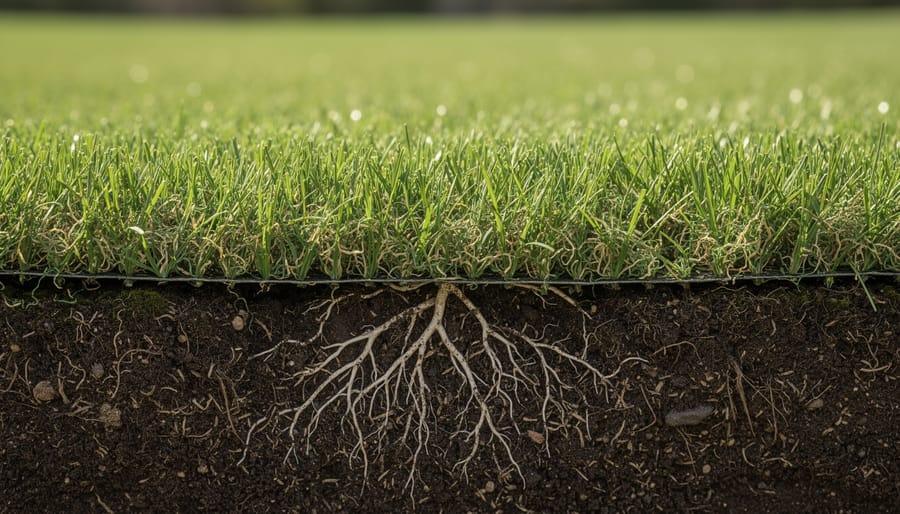
Troubleshooting Common Clipping Problems
Even when following best practices, you might encounter a few hiccups with grass clipping management. Let’s walk through the most common issues and their simple fixes.
Clumping is probably the most frequent complaint I hear from fellow gardeners. Those unsightly piles of grass happen when clippings are too long, too wet, or too abundant. The solution? Mow more frequently during peak growing season, cutting no more than one-third of the blade height at a time. If you’ve already got clumps, simply rake them out and spread them thinly across bare spots or add them to your compost pile. Consider mowing in a different pattern each time to help distribute clippings more evenly.
If you notice yellowing patches appearing after you’ve started grasscycling, don’t panic. This usually signals nitrogen tie-up, where soil microbes temporarily borrow nitrogen to break down the clippings. The fix is patience, as this typically resolves itself within a week or two. You can also try mowing when grass is dry and ensuring your mower blade is sharp to create smaller clipping pieces that decompose faster.
Uneven decomposition often results from inconsistent mowing heights or dull mower blades that tear rather than cut cleanly. Maintain your mower blade sharpness by sharpening it at least twice per season. Keep your cutting height consistent, and remember that shady areas decompose more slowly than sunny spots, so you might need to adjust your approach accordingly.
Wet conditions present special challenges. When possible, delay mowing until grass dries out. If you must mow wet grass during extended rainy periods, raise your cutting height slightly and make multiple passes at different angles to prevent matting. During explosive spring growth, you might need to collect clippings temporarily and compost them separately, then return them to the lawn once growth moderates. This sustainable approach keeps those valuable nutrients in your lawn ecosystem without creating management headaches.
Understanding how soil nutrient cycling works is genuinely empowering. Once you grasp how those grass clippings transform into valuable nitrogen, phosphorus, and potassium right where your lawn needs them most, clipping management suddenly makes perfect sense. You’re not just mowing your lawn anymore—you’re partnering with the natural processes happening beneath your feet to create a healthier, more resilient turf.
The beauty of this approach is that you don’t need to overhaul everything at once. Start simple: leave your clippings after your next mow and watch what happens. Notice how quickly they disappear into the canopy. Pay attention to your lawn’s color and growth over the following weeks. Most gardeners are pleasantly surprised by how little adjustment their routine actually needs.
As you experiment, remember that sustainable lawn care is about observation and adaptation. Your soil’s unique characteristics, your grass type, and your local climate all play roles in how efficiently nutrient cycling works for you. Some lawns respond beautifully right away, while others might need minor tweaks to mowing height or frequency.
The confidence comes from understanding the why behind the practice. You’re now equipped to make informed decisions that benefit both your lawn and the environment.