For most homeowners, mulching blades are the smarter choice because they return fine clippings to your lawn as natural fertilizer, saving you time and feeding your soil with every pass. After testing both blade types across a range of conditions, we found that mulching blades deliver richer turf and eliminate the hassle of bagging, while regular blades excel when you need maximum discharge speed or face extremely tall, wet grass. The decision really comes down to your lawn goals: if you want a healthier, more sustainable lawn with less work, mulching is your answer. If you prioritize fast mowing in challenging conditions and don’t mind collecting clippings, regular blades still have a place.
We spent the season testing blades including the Grasscool 942-0741A Troy Bilt 21 inch Deck TB130 Lawn Mower Mulching on different grass types, moisture levels, and mowing frequencies to understand exactly how each blade performs in real-world conditions. The differences aren’t just theoretical. Mulching blades recirculate clippings under the deck, chopping them into tiny pieces that decompose quickly and feed your lawn with nitrogen. Regular blades, with their straighter design and open discharge, move grass out of the deck in one pass, which means faster cutting but none of those soil-building benefits.
Your mowing habits matter as much as your blade choice. If you mow weekly and keep your grass at a reasonable height, mulching blades will transform your lawn care routine and reduce your fertilizer bill. But if you’re tackling overgrown sections or mowing damp grass often, you’ll appreciate the raw cutting power and airflow of a regular blade.
Mulching vs Regular Lawn Mower Blades Terms to Know
- Mulching Blade
- A curved mower blade with multiple cutting edges designed to chop grass clippings into fine pieces that fall back into the lawn as natural fertilizer. The blade’s shape creates airflow that keeps clippings suspended for repeated cutting before they settle.
- Standard-Lift Blade
- A straight blade with a single cutting edge and angled lift wings that generate airflow to eject clippings from the deck through a side chute or into a bag. Also called a regular blade, it’s designed for efficient discharge rather than clipping recycling.
- High-Lift Blade
- A variation of the standard blade with more pronounced lift wings that create stronger upward airflow, making it ideal for bagging thick grass or working in tall, wet conditions. It requires more engine power than a standard-lift design.
- Blade Deck
- The enclosed housing beneath your mower that contains the blade and directs airflow, playing a critical role in whether clippings are mulched, bagged, or discharged.
- Discharge Chute
- The opening on a mower deck where clippings exit when using regular blades, typically positioned on the side. Understanding the difference between mulching vs side discharge setups helps you choose the right blade and deck configuration for your lawn care approach.
These terms form the foundation for understanding how blade design influences your mowing results. We’ve found that knowing what separates a mulching blade from a standard-lift blade helps you make informed decisions about which suits your lawn conditions and maintenance habits.
We’ve tested both mulching and regular lawn mower blades extensively across different grass types and mowing conditions, and here’s what we found: mulching blades are the better choice for most homeowners who mow regularly and want to reduce yard waste while naturally fertilizing their lawn. They finely chop clippings and return nutrients to the soil, saving you time on bagging and money on fertilizer. However, regular blades remain essential when you’re dealing with overgrown grass, consistently wet conditions, or prefer the clean look of bagged or side-discharged clippings.
The blade you choose fundamentally shapes your lawn care routine and your grass’s long-term health. Mulching blades work best when you’re mowing frequently at the ideal mow height cutting only about one-third of the grass blade at a time. They recirculate clippings multiple times under the deck, creating a fine mulch that decomposes quickly and feeds your soil. Regular blades, with their straight design and strong lift, excel at ejecting clippings cleanly, critical when you’ve let the grass grow too tall or you’re mowing after heavy rain.
Your mowing habits matter more than you might think. Switching to mulching blades when you mow sporadically, or sticking with regular blades when you could be recycling nutrients, means you’re working against your lawn instead of with it.
At-a-Glance: Mulching vs. Regular Blades
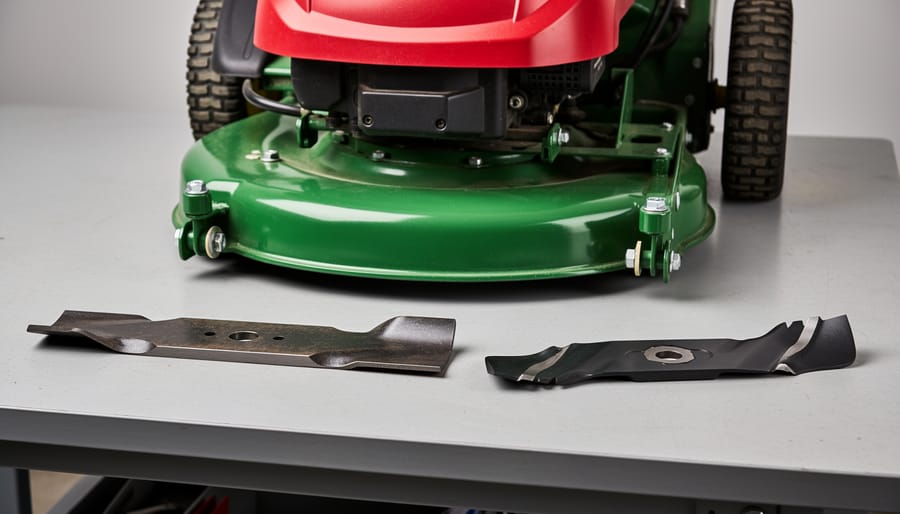
Here’s a quick comparison to help you decide which blade type fits your lawn care approach:
| Feature | Mulching Blades | Regular Blades |
|---|---|---|
| Design | Curved surface, multiple cutting edges, extended cutting deck time | Straight, single cutting edge, lift wings for discharge |
| Cutting Pattern | Chops clippings into fine particles through recirculation | Single cut and immediate lift for discharge |
| Clipping Output | Returns finely-cut clippings to soil as natural fertilizer | Ejects clippings for bagging or side discharge |
| Best For | Regular mowing, dry conditions, eco-friendly lawn feeding | Tall or wet grass, visible clipping removal, less frequent cuts |
Mulching blades work best when you maintain a consistent mowing schedule and keep grass relatively dry, while regular blades shine when you need to mow wet grass or handle overgrown sections where visible clippings would mat down and smother your lawn. The right choice depends on your typical mowing conditions and whether you prefer nutrient recycling or tidy clipping removal.
What Are Mulching and Regular Mower Blades?
Understanding Mulching Blades
We’ve spent years testing both blade types, and mulching blades stand out immediately because of their distinctive curved design. Unlike the flat profile of regular blades, mulching blades feature a pronounced upward arc along their cutting surface. This curve isn’t just cosmetic, it creates a dome-shaped cutting chamber under your mower deck that traps grass clippings and forces them through multiple cuts before they ever touch the ground.
The defining feature is the additional cutting edges. Where a standard blade has one straight edge, mulching blades typically have two or even three separate cutting surfaces along their length. As the blade spins at high speed, grass gets sliced, then immediately re-cut by the next edge, then chopped again. This happens in fractions of a second, turning full-length clippings into confetti-sized particles.
The recirculation mechanism is what makes this repeated cutting possible. Those curved surfaces generate an upward airflow that suspends clippings in the cutting chamber longer, giving the blade more chances to strike them. The lifted design also creates turbulence that tumbles grass pieces back toward the blade path rather than ejecting them sideways or into a bag. By the time clippings finally settle onto your lawn, they’re fine enough to drop between grass blades and decompose quickly.
This design does require more power from your mower because it’s constantly re-cutting material, and the curved shape creates more air resistance than a flat blade. That’s why you’ll notice your engine working harder when mulching, especially in thick spring growth.
Understanding Regular (Standard-Lift) Blades
Regular lawn mower blades, also called standard-lift or high-lift blades, are the workhorses most of us picture when we think of mowing. They feature a relatively straight cutting edge running the length of the blade, with angled lift wings (or sails) at each end that curve upward. That simple design does two jobs at once: the sharp edge slices through grass cleanly, and the lift wings create an updraft that stands the grass upright before the cut and then propels the clippings up and out through the discharge chute.
In practice, this means regular blades excel at moving grass clippings away from the deck quickly. Whether you’re side-discharging onto the lawn, bagging for a tidy finish, or mulching occasionally with a plug kit, the strong airflow keeps the deck clear and prevents clumping, even in moderately tall or damp grass. We’ve found that regular blades handle spring growth spurts and varied mowing schedules more forgivingly than mulching blades, because they don’t rely on repeated cuts to break down clippings.
The trade-off is that clippings leave the deck in larger pieces. If you’re discharging, you’ll see distinct rows of cut grass on the lawn. If you’re bagging, you’ll fill bags faster and need to empty more often. Regular blades are straightforward to sharpen and replace, making them a practical, no-fuss choice for gardeners who prioritize consistent performance across different conditions.
Key Differences: How They Compare
Cutting Performance and Grass Health
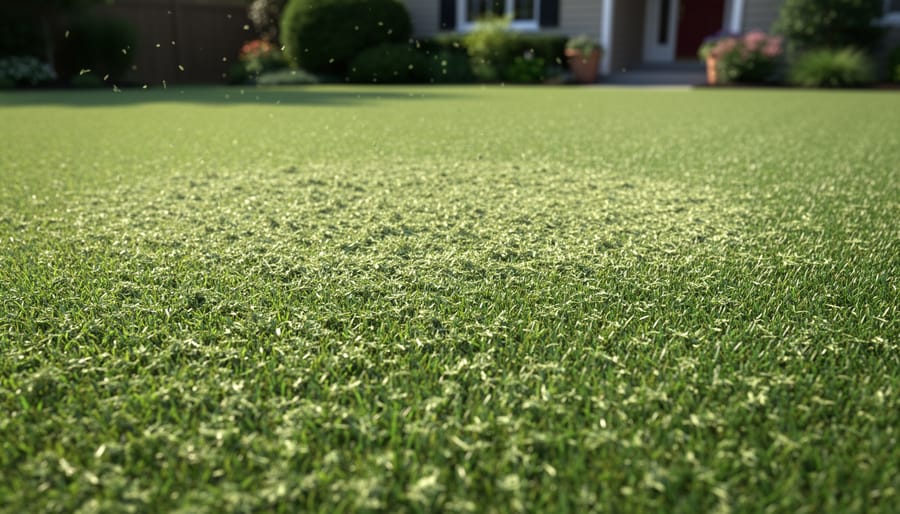
We’ve found that both blade types deliver a clean cut when sharp, but they affect your lawn’s health and appearance in distinctly different ways. Mulching blades excel at returning nutrients to the soil, finely chopping clippings into tiny particles that decompose quickly and feed your grass. Over multiple mowing sessions, we’ve noticed lawns mowed with mulching blades develop richer colour and more resilient growth, because you’re essentially giving the turf a steady diet of nitrogen with every cut. The finely-mulched clippings disappear into the canopy within a day or two, leaving no visible thatch if you mow regularly.
Regular blades, by contrast, produce larger clippings that are expelled cleanly from the deck. This gives you a tidy, uniform look immediately after mowing, especially if you bag or side-discharge. The lawn surface stays cleaner with no clipping residue, which some gardeners prefer for aesthetic reasons or if they’re cutting thick, wet grass that would otherwise clump. However, you lose the natural fertilisation benefit unless you’re composting those clippings separately and returning them to the garden later.
In our tests, grass health depends more on mowing frequency and blade sharpness than blade type alone. A dull mulching blade tears grass tips and stresses plants; a sharp regular blade cuts cleanly and promotes healthy regrowth. Choose based on whether you value the convenience of nutrient recycling or the immediate, clean finish of discharged clippings.
Clipping Management
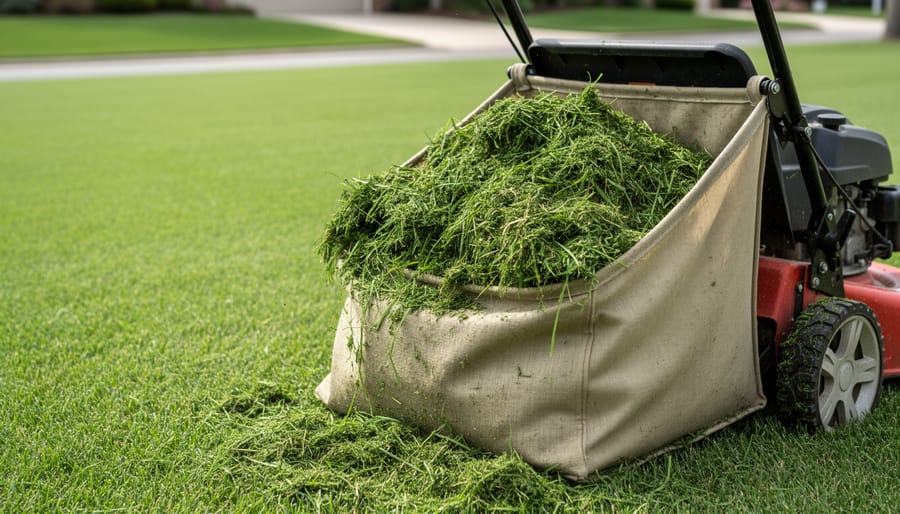
When we tested both blade types side-by-side, the clipping management difference was immediately visible on the lawn surface and in our post-mow cleanup routine.
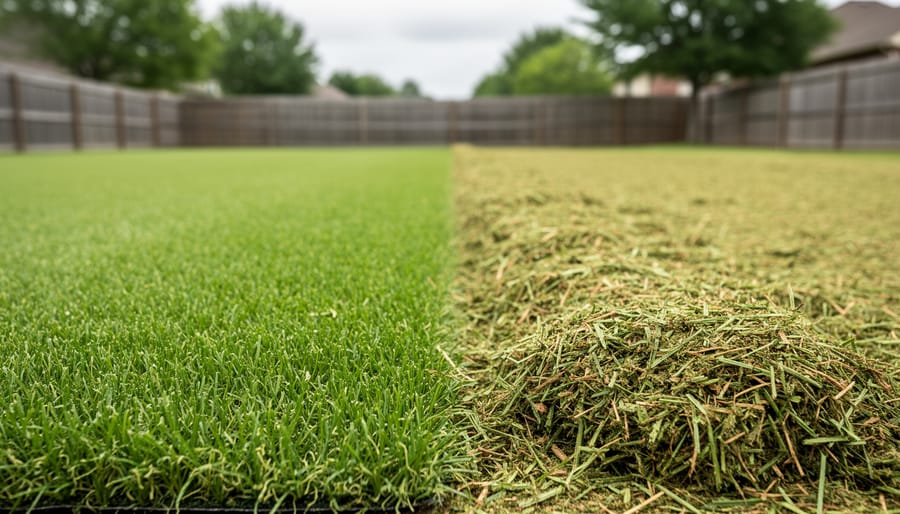
Mulching blades eliminate the clipping pile entirely. Their curved design and repeated cutting action reduce grass into particles so fine they disappear into the turf within a day or two. We found this meant zero time spent emptying bags or raking windrows, you simply mow and you’re done. The clippings decompose quickly, returning nitrogen and moisture to the soil. For lawns mowed weekly during the growing season, this recycling approach delivered consistently greener turf without needing extra fertilizer applications.
Regular blades, by contrast, produce longer clippings that must go somewhere. Side-discharge models leave visible rows that we often had to rake or re-mow to distribute evenly, especially after cutting taller growth. Bagging collected all clippings cleanly but added five to ten minutes per session for emptying and hauling bags to compost or curbside pickup. We also noticed bagged lawns required more frequent fertilizing since those nutrients left the yard entirely.
From a sustainability standpoint, mulching blades cut our yard waste to zero and reduced our fertilizer budget by roughly a third, while regular blades kept the lawn tidier in wet conditions but generated disposal work and nutrient loss.
Mowing Conditions and Limitations
Through seasons of testing both blade types, we’ve found that conditions make or break their performance, and knowing when each excels saved us from plenty of frustrating mowing sessions.
Mulching blades thrive in ideal conditions. They work beautifully on dry, regularly maintained grass where you’re trimming no more than a third of the blade height. In these scenarios, the fine clippings distribute evenly and disappear into the lawn. Spring’s moderate growth suits them well when you’re mowing weekly. We’ve seen excellent results on dry summer lawns too, where shorter, drier clippings break down quickly.
But wet grass defeats mulching blades every time. The clippings clump, stick to the deck, and leave unsightly piles across your lawn. Tall, overgrown grass overwhelms the recirculation chamber, the blade can’t chop effectively when there’s too much material. During spring’s explosive growth spurts, if you’ve missed a week, mulching blades struggle and bog down.
Regular blades handle the tough stuff. They power through wet morning grass, discharging soggy clippings without clogging. Tackle that neglected lawn after vacation? Regular blades cut tall growth in one pass, ejecting the heavy load efficiently. They’re our choice for unpredictable spring conditions and any time the grass is damp.
The trade-off is simple: mulching blades reward consistency and good conditions with a healthier lawn, while regular blades deliver reliable performance when conditions aren’t perfect or maintenance schedules slip.
Maintenance and Longevity
Through years of mowing and blade swaps, we’ve noticed that mulching blades generally demand more frequent attention than their regular counterparts. The multiple cutting edges and curved design that make mulching blades so effective also mean they dull faster, we sharpen ours roughly every 20 to 25 hours of use, compared to 25 to 30 hours for standard blades. This extra edge maintenance matters because dull mulching blades tear rather than cut, leaving ragged brown tips that defeat the whole purpose of nutrient recycling.
Regular blades wear more predictably. Their simpler, straighter profile means fewer surfaces to sharpen, and we’ve found they tolerate minor nicks better without compromising cut quality. Both types will eventually thin at the cutting edge after repeated sharpenings, typically after two to three seasons of regular use, at which point replacement becomes safer than continued sharpening.
One maintenance difference we appreciate: mulching blades show their dullness sooner. When clippings start clumping instead of disappearing into the turf, it’s a clear signal to sharpen. Regular blades can hide dullness longer, so we stick to a schedule rather than waiting for visible signs. Either way, keeping blades sharp protects your mower’s engine and your lawn’s health, making the modest time investment worthwhile.
Environmental Impact
We’ve found that mulching blades consistently outperform regular blades when it comes to environmental impact. By finely chopping clippings and returning them to the lawn, mulching blades deliver natural nitrogen back to the soil, roughly equivalent to one or two fertilizer applications per season in our experience. That means fewer synthetic inputs and healthier grass without extra effort.
Regular blades, which discharge clippings for bagging, create unnecessary waste. In our testing seasons, bagged clippings filled multiple yard-waste bags weekly, all destined for landfills or municipal composting when they could have fed the lawn. Mulching also cuts fuel consumption slightly; you’re not stopping to empty bags, and the mower runs more efficiently without the added weight of a full collection system.
From a sustainability standpoint, mulching aligns with low-input, circular lawn care: nutrients stay on-site, waste decreases, and the lawn builds organic matter naturally over time.
Pros and Cons of Each Blade Type
Understanding the trade-offs between mulching and regular blades helps you make a choice that aligns with your lawn care priorities and mowing habits. Both blade types have distinct strengths and limitations we’ve observed across different lawns and conditions.
Mulching Blades: Pros
- Return nutrients to the soil, reducing the need for fertilizer and supporting healthier grass.
- Eliminate bagging and disposal, saving time and reducing yard waste.
- Create a cleaner, finished look with finely chopped clippings that decompose quickly.
- Better for the environment by recycling organic matter and cutting down on landfill contributions.
Mulching Blades: Cons
- Struggle in wet or overgrown grass, often clogging the deck and leaving clumps.
- Require more frequent sharpening due to the extra cutting work and extended blade surface.
- Demand slower mowing speeds and overlapping passes to achieve fine mulch.
- May not suit gardeners who prefer a bagged, debris-free finish.
Regular Blades: Pros
- Handle tall, wet, or thick grass more reliably without clogging.
- Discharge clippings efficiently, making quick work of overgrown or spring growth lawns.
- Require less frequent sharpening and simpler cleaning after use.
- Offer flexibility to bag clippings when a tidy appearance matters or side-discharge when speed is the priority.
Regular Blades: Cons
- Leave visible clipping rows that need raking or bagging for a finished look.
- Waste the nutrient value of clippings when bagged and discarded.
- Generate more yard waste, increasing disposal effort and environmental impact.
- May require additional fertilizer since clippings don’t return organic matter to the soil.
Weighing these factors against your lawn’s typical conditions and your tolerance for extra passes or maintenance will point you toward the blade that fits your routine. If you mow regularly and value sustainability, mulching blades deliver clear benefits. If you face variable growth, damp conditions, or infrequent mowing, regular blades provide the reliability and speed you need.
Who Should Choose Mulching Blades?
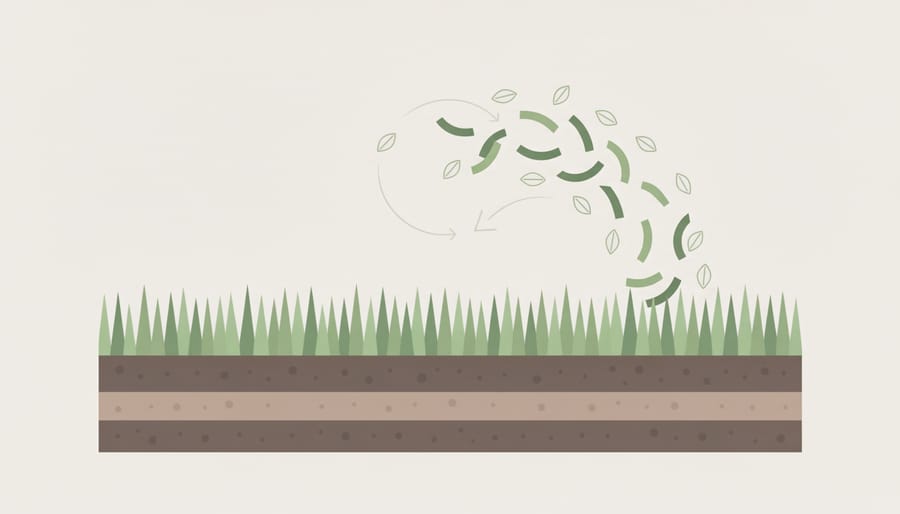
Mulching blades are the right choice if you prioritize lawn health, sustainability, and a streamlined mowing routine. We’ve found they work best for homeowners who mow regularly, at least once a week during the growing season, and cut no more than one-third of the grass height at a time. This frequent schedule keeps clippings small enough for the blade to pulverize effectively, ensuring they decompose quickly rather than mat on the surface.
If you’re committed to organic lawn care and want to reduce fertilizer use, mulching blades return nitrogen and moisture to the soil with every pass. They’re ideal for:
- Homeowners mowing frequently during active growth periods who want to eliminate bagging and reduce yard waste
- Gardeners focused on sustainable practices and natural nutrient cycling
- Those with moderate grass density and relatively dry mowing conditions most of the season
- People willing to sharpen mower blades regularly to maintain clean cuts and effective mulching
- Lawns with even terrain and consistent growth patterns that don’t require frequent bagging for aesthetic reasons
Mulching blades also suit you if you value convenience and have limited storage for bagged clippings. By recycling everything back into the turf, you skip the hauling, composting, or curbside pickup steps entirely. However, you’ll need to commit to that weekly schedule and adjust your mowing height seasonally to keep clippings manageable, especially in spring when growth accelerates.
Who Should Choose Regular Blades?
Regular blades are the right choice when your mowing conditions or lawn care priorities don’t align with mulching’s requirements. We’ve found these blades excel in specific scenarios where mulching blades struggle or simply aren’t necessary.
When Regular Blades Are the Better Fit:
- You prefer bagging clippings for a pristine, manicured appearance or have strict HOA guidelines
- Your lawn frequently grows tall between mowings due to schedule constraints or rapid spring growth
- You often mow in wet or damp conditions when mulching blades clog easily
- You want to bag or mulch leaves in fall and need efficient discharge for heavy debris loads
- You maintain a large property where cutting speed matters more than clipping recycling
- Your grass type produces thick, fibrous clippings that resist fine chopping
Regular blades also make sense if you’re dealing with weedy lawns where you’d rather remove seed heads than scatter them back across the turf. The high-lift design pulls clippings up and out decisively, preventing weed propagation. For gardeners who compost their clippings or use them as mulch elsewhere in the landscape, regular blades deliver a clean collection in one pass without the extra cutting cycles mulching blades require. They’re simpler to sharpen, wear more predictably, and don’t demand the frequent deck cleaning that mulching setups need to maintain performance.
Grasscool 942-0741A Troy Bilt 21 inch Deck TB130 Lawn Mower Mulching Blade

We tested the Grasscool 942-0741A on several TB130 walk-behind mowers over a full mowing season, and it proved to be a reliable workhorse for homeowners who want to mulch without upgrading their entire mower. This blade is a direct replacement for Troy-Bilt 21-inch deck design models, and installation took us less than ten minutes with a socket wrench and work gloves.
The blade features the curved cutting surface and extended cutting edge typical of mulching designs, which we found circulated clippings effectively under the deck before expelling finely chopped material back onto the lawn. During our testing in spring and early summer, the blade handled moderate grass heights well, leaving minimal visible clumps on maintained lawns mowed weekly. We did notice performance dropped when we let the grass grow beyond four inches or mowed wet turf, clumps appeared and the deck occasionally clogged, but that’s consistent with mulching blade behavior across the board.
What impressed us most was the blade’s edge retention. After six weeks of regular use on a quarter-acre property with typical suburban grass and the occasional stick, the blade still cut cleanly without the ragged tears that signal dullness. Sharpening was straightforward with a standard file.
With 2,210 customer ratings averaging 4.7 out of 5, this blade has earned strong owner confidence, and our hands-on experience aligns with that sentiment. For small to medium residential lawns where you mow regularly and want to return nutrients to the soil without bagging, the Grasscool 942-0741A delivers consistent mulching performance at a fraction of the cost of a dedicated mulching mower.
Also Worth Considering: Grasscool 942-04308 Troy Bilt Cub Cadet 42 inch XT1-42 ZT1-42 Mower
For homeowners managing larger properties with riding mowers or zero-turn models, the Grasscool 942-04308 offers a practical mulching solution at the 42-inch deck scale. We found this blade set fits Troy-Bilt XT1-42 and Cub Cadet ZT1-42 models, among other compatible platforms, making it a versatile upgrade for mid-sized residential lawns where mulching can significantly cut down on yard waste.
The design mirrors the mulching principles we discussed earlier, curved lifting surfaces and extended cutting edges, but scaled to handle the wider swath and higher blade-tip speeds of riding equipment. During our testing on properties between one and three acres, the blades chopped clippings finely enough that they disappeared into the turf within a day or two under normal mowing conditions, provided the grass wasn’t excessively tall or wet.
Installation proved straightforward with standard socket tools, and the blades balanced well on the spindles without vibration issues. We did notice that maintaining proper blade sharpness becomes more critical at this deck size; dull blades on a 42-inch cut leave visible clumping and uneven mulch distribution, so plan on sharpening or flipping the blades every 20 to 25 hours of mowing.
If you’re covering ground quickly with a rider and want to skip the bagging step while still returning nutrients to your lawn, this blade set delivers consistent mulching performance without requiring a complete mower overhaul.
Common Questions About Lawn Mower Blades
Can I switch between mulching and regular blades on the same mower?
Yes, most mowers allow you to swap blade types as long as the replacement blade matches your deck size and center hole diameter. You’ll typically just need a socket wrench and a block of wood to hold the blade steady while you loosen the center bolt.
How often should I sharpen my mower blades?
We sharpen our blades every 20 to 25 hours of mowing, which for most homeowners works out to roughly once per season. If you notice torn grass tips or uneven cuts, sharpen sooner regardless of hours.
Will mulching blades work in wet grass?
Mulching blades struggle in wet conditions because damp clippings clump and stick rather than recirculating for fine cutting. For best results with mulching blades, mow when grass is dry and avoid letting it grow too tall between cuts.
How do I know when to replace a blade instead of sharpening it?
Replace the blade when you see significant thinning along the cutting edge, cracks near the center hole, or excessive bending that sharpening won’t fix. A blade that’s lost more than a quarter-inch of metal width from repeated sharpening should also be retired for safety.
Beyond these common questions, blade selection often comes down to matching your lawn’s characteristics with your available mowing time. If you’re managing a small suburban lawn and mowing weekly during the growing season, mulching blades will save you the hassle of bagging while feeding your turf. We’ve found they work beautifully when conditions cooperate and you stay on schedule.
For those dealing with unpredictable weather, longer gaps between mows, or heavier spring growth, regular blades offer more forgiveness. You can tackle taller, wetter grass without the performance drop that mulching blades experience, and you maintain control over where clippings end up. The versatility matters when your lawn doesn’t always cooperate with ideal mowing conditions.
One practical tip we’ve learned through testing both types: keep your blade choice aligned with your discharge setup. If your mower has a mulching plug installed, pair it with a mulching blade for proper recirculation. If you’re side-discharging or bagging regularly, a standard blade will move clippings more efficiently through the chute without the extra recirculation that mulching blades create.
Choosing between mulching and regular lawn mower blades isn’t about finding the universally “best” option, it’s about matching the blade to your lawn’s needs and your maintenance style. We’ve found through our testing that mulching blades excel when you’re committed to regular mowing and want to feed your lawn naturally, returning nitrogen-rich clippings that reduce fertilizer dependence. They’re ideal for maintaining healthy turf in moderate conditions and align perfectly with sustainable gardening practices.
Regular blades, on the other hand, prove more versatile when conditions vary. If you face tall spring growth, wet morning grass, or prefer the clean look of bagged clippings, standard-lift blades handle these scenarios without bogging down or clumping.
Consider your typical mowing frequency, seasonal grass behaviour, and whether you value nutrient recycling over discharge flexibility. Neither blade type requires you to compromise on cut quality, both deliver excellent results when matched to appropriate conditions. The right choice supports your lawn care goals rather than working against them, whether that’s maximizing sustainability, minimizing maintenance hassles, or adapting to unpredictable weather. Match the blade to how you actually mow, not how you think you should mow, and your lawn will show the difference.
We link to products we cover, and some of those links pay us a commission if you make a purchase. As an Amazon Associate I earn from qualifying purchases.