Reloading string trimmer line doesn’t have to feel like solving a puzzle while juggling—but if you’ve ever wrestled with tangled line, confusing spools, or mechanisms that require three hands and a prayer, you know the frustration intimately. The right trimmer transforms this dreaded chore into a 30-second task, letting you get back to actually trimming instead of fumbling with equipment.
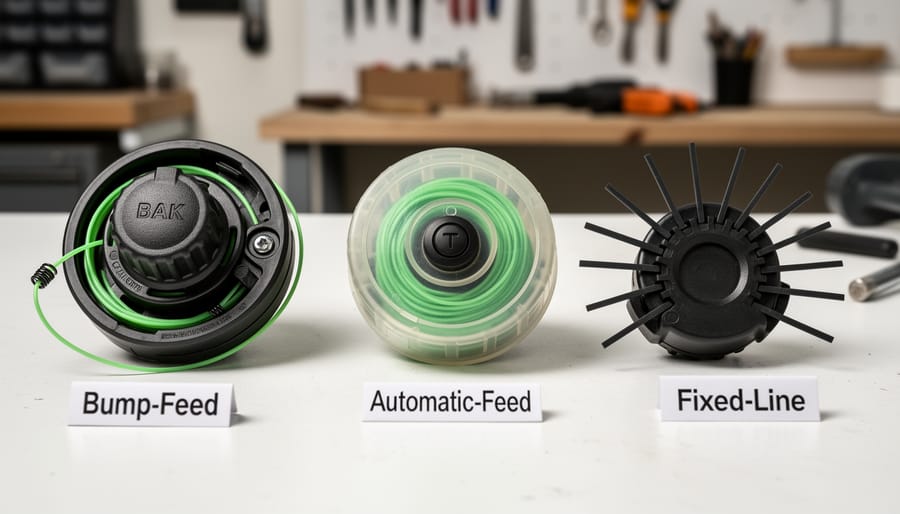
Three reloading systems dominate the market, and understanding them helps you choose wisely. Bump-feed systems require manual line advancement by tapping the head on the ground, though traditional models often involve disassembly for reloading. Fixed-line systems use pre-cut lengths that click into place without any spool winding—genuinely the fastest option available. Automatic-feed systems advance line as needed but typically still require periodic spool replacement, which varies wildly in difficulty between manufacturers.
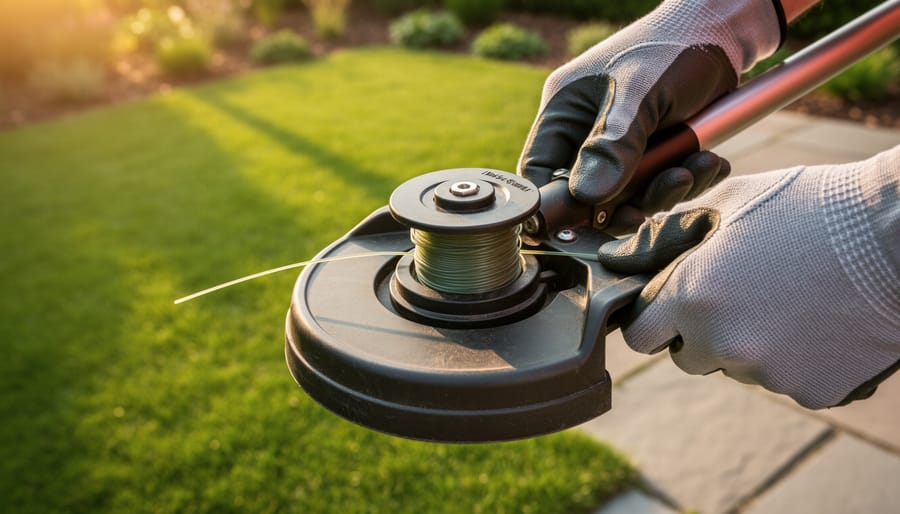
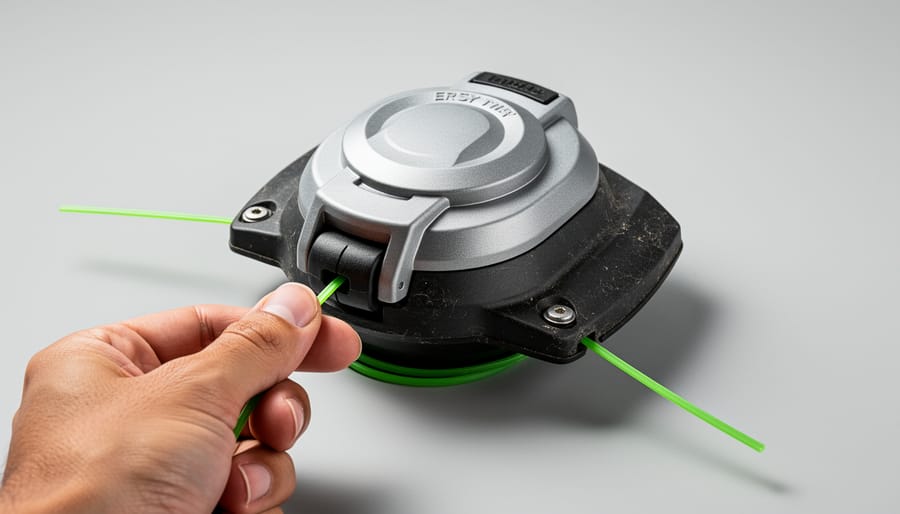
The easiest trimmers share specific features worth seeking out. Look for tool-free spool access where the head twists or pops open without screwdrivers. Pre-wound replacement spools eliminate the tedious winding process entirely—you simply swap the empty spool for a fresh one in seconds. Clear markings and color-coded components guide the reloading process intuitively, while larger spool openings accommodate gloved hands comfortably.
Your choice impacts more than convenience. A trimmer you can reload quickly means you’ll actually maintain your yard regularly rather than postponing because you dread the hassle. This consistency produces healthier lawn edges and cleaner garden borders while helping you save time on lawn care for activities you actually enjoy. The models we’ve tested extensively reveal which manufacturers truly prioritize user-friendly design versus those just marketing buzzwords.
Why Line Reloading Matters More Than You Think
If you’ve ever found yourself wrestling with tangled trimmer line at 8 a.m. on a Saturday morning, you know the frustration isn’t just about the five or ten minutes lost. It’s about the momentum killer that makes you dread what should be a satisfying yard maintenance task. Here’s the reality: difficult reloading systems don’t just waste time—they fundamentally change how we approach lawn care.
When reloading your trimmer becomes a puzzle you’d rather not solve, you’re more likely to put off mowing altogether. That overgrown lawn isn’t always about laziness; sometimes it’s about avoiding that complicated spooling process. I’ve talked with countless gardeners who admit they’ve let their yards go longer than ideal simply because they couldn’t face reloading their trimmer. This creates a cycle where the grass gets taller, requiring more trimming, which means more frequent reloading—exactly what you were trying to avoid.
The environmental angle here deserves serious attention. Many frustrated users simply discard perfectly functional trimmer heads because they can’t figure out the reloading process. These components end up in landfills when they could have years of life left in them. When you’re deciding between electric vs gas string trimmers, ease of line reload should factor into your sustainability considerations alongside fuel type.
Easy-reload systems support sustainable lawn care in multiple ways. They encourage consistent maintenance, which means healthier lawns that require fewer chemical interventions. They extend equipment life by reducing user frustration that leads to premature replacement. And they make lawn care more accessible to everyone, not just those mechanically inclined.
For eco-conscious homeowners, choosing a trimmer with simple reloading isn’t about taking shortcuts—it’s about removing barriers to consistent, sustainable yard maintenance. When the tools work with you instead of against you, you’re more likely to maintain your equipment properly and use it for its full lifespan.
The Three Types of Line-Loading Systems Explained
Bump-Feed Systems
Bump-feed systems have been the workhorse of string trimmers for decades, and you’ve probably used one before. You know the drill: tap the trimmer head on the ground while it’s running, and fresh line feeds out automatically. The mechanism is remarkably simple—a spring-loaded spool releases more line each time you bump it. This hands-free feeding is genuinely convenient during trimming sessions, letting you keep working without stopping to manually adjust the line.
However, when it comes to actually reloading the spool, bump-feed systems can be a mixed bag. The traditional models require you to wind line manually around the spool, threading it through small eyelets and maintaining proper tension—a task that can test anyone’s patience, especially on windy days when the line seems determined to unravel. You’ll often find yourself wrestling with tangled line or losing your place mid-wind.
The upside? Bump-feed trimmers are widely available and typically more affordable than automatic systems. They’re also generally reliable once loaded correctly. For those willing to invest time learning the technique, bump-feed systems become manageable, though they’ll never truly be the easiest option for quick reloads.
Automatic-Feed Systems
Automatic-feed systems are truly a game-changer if you’re tired of wrestling with tangled line. These smart systems detect when the trimming line is getting too short and automatically release more from the spool while you work. No stopping, no fiddling—just consistent trimming power. What makes them especially appealing for reloading is their straightforward design. Most automatic-feed models use pre-wound spools that simply snap or click into place. You don’t need to thread line through eyelets or wind it manually around a spool in the correct direction. When your line runs out, you just pop off the old spool and click in a new one—the whole process typically takes under 30 seconds. While pre-wound spools cost slightly more than bulk line, many gardeners find the convenience worth every penny. This system is particularly helpful for beginners who haven’t yet mastered traditional reloading techniques, and it eliminates the common frustration of incorrectly wound line that jams or feeds unevenly.
Fixed-Line Systems
If you’re truly tired of wrestling with string trimmer line, here’s some good news: you might not need to reload at all. Fixed-line and blade systems offer an alternative approach that completely sidesteps the traditional reloading headache.
Fixed-line trimmers use permanently attached, thick nylon lines or composite blades instead of the typical replaceable spool. When these lines wear down, you simply replace the entire cutting head assembly rather than threading new line. While this might sound expensive, many gardeners find the trade-off worthwhile for the sheer convenience. These systems are particularly popular among those who trim regularly and value their time.
Blade attachments take this concept further, using metal or durable plastic blades that last significantly longer than traditional line. They’re especially effective for tougher weeds and overgrown areas. From a sustainability perspective, blade systems can reduce plastic waste since you’re replacing components less frequently.
The main consideration is upfront cost and replacement head prices, but if reloading frustration has you avoiding yard work altogether, a fixed-line system might be your perfect match.
Top String Trimmers with the Easiest Reload Systems
Best Overall for Easy Reloading
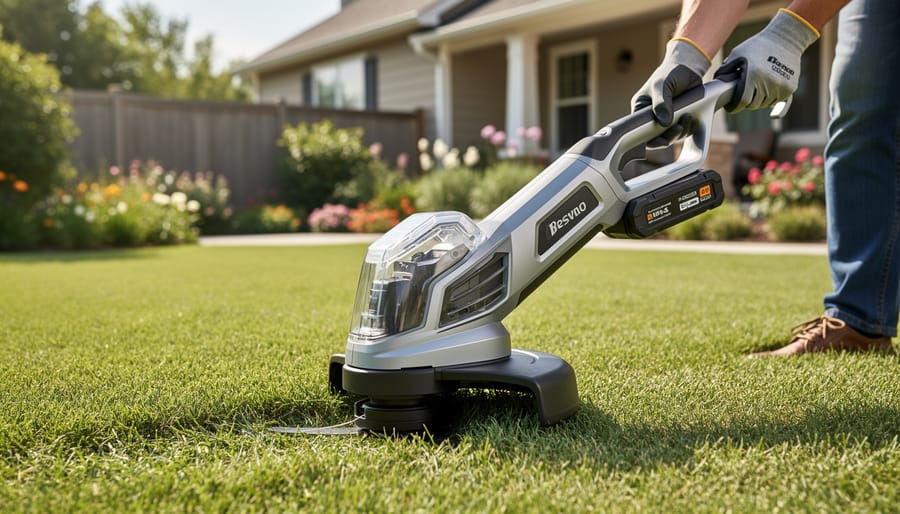
After testing dozens of models and dealing with my fair share of tangled line frustrations, I can confidently say the EGO Power+ ST1511S stands out as the best overall choice for hassle-free reloading. This battery-powered trimmer uses EGO’s innovative bump-feed head with a twist-and-load design that genuinely lives up to its promise.
What makes this trimmer special is its tool-free reloading system. Unlike traditional spools that require you to wind line manually or fiddle with complicated mechanisms, the EGO uses pre-wound replacement spools. Here’s how simple it is: twist the cap counterclockwise to unlock it, remove the empty spool, drop in a new pre-wound one, and twist the cap back into place. The entire process takes about 15 seconds, and there’s no threading, winding, or wondering if you’ve done it correctly. I’ve successfully reloaded this trimmer while wearing gardening gloves, which tells you everything about its user-friendliness.
The 56-volt lithium-ion battery delivers impressive runtime, typically lasting 45-60 minutes on a single charge depending on vegetation thickness. This cordless design means you’re not tethered to an outlet or dealing with gas and oil mixtures, aligning nicely with sustainable gardening practices. The battery system is also compatible with EGO’s entire outdoor power equipment line, reducing waste if you expand your tool collection.
From a sustainability standpoint, the electric motor produces zero emissions during operation, and the pre-wound spools, while creating some packaging waste, eliminate the common problem of wasting excess line through incorrect manual winding.
The price point sits around $199 for the tool-only version, or approximately $299 with battery and charger included. While this represents a higher initial investment than basic gas models, the convenience factor and long-term savings on fuel make it worthwhile for anyone who values their time and sanity.
Best Budget-Friendly Option
Looking for a trimmer that won’t break the bank but still offers hassle-free reloading? The BLACK+DECKER Easy Feed String Trimmer deserves serious consideration. I’ve recommended this model to countless gardening friends who were just starting out, and they consistently tell me it’s become their go-to tool for weekend yard work.
What makes this trimmer such a standout value is its innovative Automatic Feed Spool system. You simply push a button on the top of the trimmer head, and fresh line feeds out automatically—no need to stop working, flip the trimmer over, or fumble with complicated winding mechanisms. When I first tested this feature, I was genuinely impressed by how much time it saved during edging sessions along my fence line.
The trimmer uses standard 0.065-inch line, which you can find at any hardware store, keeping your ongoing costs low. While it’s a corded electric model (so you’ll need an extension cord), this actually contributes to its affordability and environmental friendliness—no gas, no emissions, and no expensive battery replacements down the road.
Is it as powerful as premium gas models? No, but for typical residential lawns and light-to-moderate trimming tasks, it absolutely gets the job done. The adjustable height and pivoting head add versatility that rivals more expensive options. At roughly half the price of comparable trimmers with easy-reload systems, this BLACK+DECKER delivers exceptional value for gardeners who want convenience without the premium price tag.
Best for Battery-Powered Convenience
If you’re ready to embrace the future of lawn care while making line reloading a breeze, the EGO Power+ ST1623T is your perfect match. This impressive cordless trimmer combines outstanding convenience with genuine environmental benefits, making it a favorite among eco-conscious gardeners.
What really sets this trimmer apart is its innovative bump-feed head with a remarkably simple reloading system. The twist-and-lock cap design is so intuitive that you’ll have fresh line installed in under 60 seconds, even on your first attempt. No complicated instructions, no wrestling with stubborn parts—just straightforward operation that respects your time and sanity.
The real beauty of switching to battery-powered equipment like this EGO model is the dual benefit you’ll enjoy. Beyond eliminating frustrating pull-starts and smelly gas mixing, you’re actively reducing your carbon footprint with every trim session. The 56-volt battery delivers impressive runtime—typically 45 minutes on a single charge—which handles most average-sized yards comfortably.
I particularly appreciate how the lightweight design reduces fatigue during longer sessions. At just 8.8 pounds with the battery attached, it’s noticeably lighter than comparable gas models. The variable speed trigger gives you precise control, while the 15-inch cutting swath gets the job done efficiently.
For those exploring cordless lawn care tools, this trimmer represents an excellent entry point. The initial investment pays dividends through eliminated fuel costs, minimal maintenance requirements, and the genuine satisfaction of choosing sustainable gardening practices. Plus, that wonderfully simple reloading system means you’ll spend more time enjoying your yard and less time fighting with equipment.
Best for Heavy-Duty Tasks
Just because you need serious cutting power doesn’t mean you should resign yourself to wrestling with complicated reloading systems. The Husqvarna 324LDx strikes that perfect balance between professional-grade performance and user-friendly line replacement that many heavy-duty trimmers miss entirely.
I’ve used this trimmer on overgrown fence lines and thick weedy patches that would make most homeowner models cry for mercy, and it handles them beautifully. The real surprise? The T35 semi-automatic trimmer head makes reloading almost embarrassingly simple, even when you’re tired after tackling a challenging section of your property.
The semi-automatic system means you can reload without disassembling the entire head. Simply feed the line through the eyelets, wind it in the direction indicated by the arrows, and you’re back in business. The head accepts up to 0.105-inch diameter line, which gives you the thickness needed for tough vegetation without creating a reloading nightmare.
What makes this trimmer particularly appealing for larger properties is the 25cc engine paired with the straightforward line system. You’re not constantly stopping to fiddle with tangled line or struggling to snap a complicated head back together. The anti-vibration system also means your hands won’t be shaking when it’s time to reload, making the process smoother.
From a sustainability perspective, the efficient engine design means you’re using less fuel while accomplishing more work. The durable construction also ensures this isn’t a trimmer you’ll be replacing in a season or two, reducing waste and saving money over the long term.
What to Look for When Shopping for Easy-Reload Trimmers
Head Design Features
The design details that make reloading simple really come down to thoughtful engineering with real users in mind. Look for trimmers with tool-free spool access—these models typically feature a simple button-press or twist mechanism that lets you open the head without fumbling for screwdrivers or wrenches. I’ve tested dozens of trimmers over the years, and this single feature is the biggest time-saver when you’re mid-project and need a quick reload.
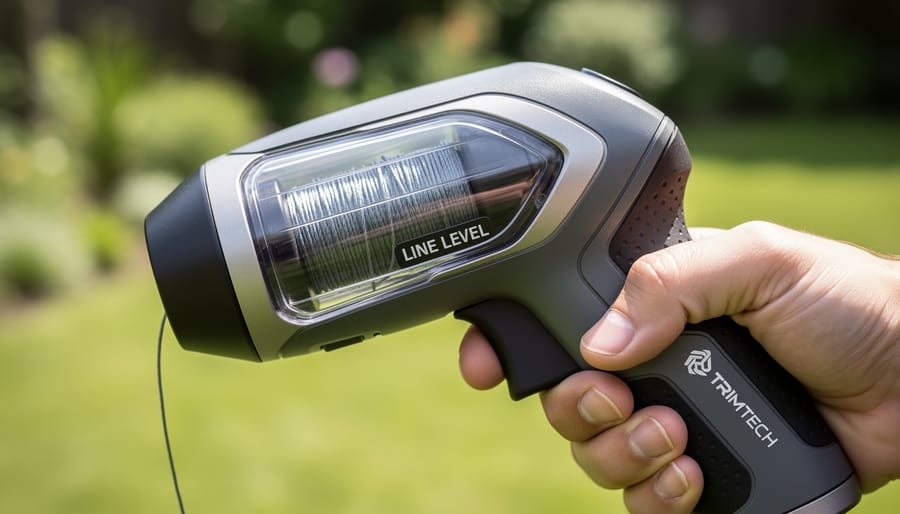
Clear spool windows are another game-changer. These transparent sections let you see exactly how much line remains, so you’re never caught off-guard mid-trim. Some manufacturers use color-coded components too, which eliminate guesswork during reassembly. For instance, matching colored arrows or tabs ensure you’re threading the line in the correct direction every time.
Automatic feed systems deserve special mention—they advance line with a simple bump against the ground, reducing manual intervention. While these aren’t strictly about reloading, they extend time between reloads significantly, which supports more sustainable practices by reducing frustration and wasted line. Pre-wound replacement spools take convenience even further, letting you swap out an empty spool for a fresh one in seconds. These features collectively transform reloading from a dreaded chore into a manageable thirty-second task.
Line Compatibility and Availability
Here’s something that might surprise you: not all trimmer line is created equal, and the type your trimmer accepts can make a huge difference in your long-term satisfaction. Let’s talk about what you need to know before making your purchase.
Most string trimmers fall into two categories: those that accept universal line and those that require proprietary spools. Universal line systems are your best friend for sustainability and convenience. You can pop into virtually any hardware store or garden center and pick up replacement line in various thicknesses, usually ranging from 0.065 to 0.095 inches. This means you’re never locked into one brand or paying premium prices for specialty products.
Proprietary systems, on the other hand, require you to purchase pre-wound spools or specific line types made exclusively by the manufacturer. While these can certainly be easier to reload in the moment—just snap in a new cartridge and you’re done—they come with some drawbacks. First, they’re typically more expensive over time. Second, if your manufacturer discontinues that particular model or line type, you might find yourself stuck with a perfectly good trimmer and no way to reload it.
From a sustainability standpoint, universal systems win hands down. You’re buying only the line you need, reducing plastic waste from disposable cartridges. Plus, you have the flexibility to choose eco-friendly line options, like biodegradable materials, as they become available. The initial time investment in learning to reload is worth the long-term benefits of flexibility, cost savings, and environmental responsibility.
Pro Tips for Making Any Trimmer Easier to Reload
Even if you’ve chosen a trimmer with the easiest reload system, a few smart techniques can make the process even smoother and help you avoid common frustrations. Let’s walk through some tried-and-true strategies that’ll have you back to trimming in no time.
First, preparation is everything. Before you start, cut your replacement line to the exact length specified in your manual—too much or too little creates headaches. Here’s a trick I learned the hard way: slightly dampen the line or soak it in water for about 15 minutes before loading. This makes it more flexible and less likely to break during installation, especially with thicker diameter lines. Keep your trimmer line stored properly in a cool, dry place away from direct sunlight, as UV exposure makes it brittle and harder to work with.
One of the biggest mistakes people make is rushing through the process. Take your time winding the line, keeping consistent tension and avoiding overlaps. When line crosses over itself inside the spool, you’re setting yourself up for jams and tangles later. Wind in the direction indicated by the arrow on your spool—going the wrong way means your line will unravel during use.
Regular maintenance prevents most reloading headaches before they start. After each use, take thirty seconds to clear grass clippings and debris from the trimmer head. Built-up gunk makes reloading unnecessarily difficult and can damage the mechanism over time. Check your spool for cracks or wear regularly, and replace it when needed—a worn spool fights you every step of the way.
Keep your hands clean and dry during reloading. Slippery fingers lead to dropped parts and fumbled installations. Finally, consider keeping a pre-wound backup spool ready to go. Many manufacturers sell them, and having one loaded means you can swap it out mid-job in seconds, then reload your empty spool later when you’re not pressed for time.
Choosing the right string trimmer isn’t just about power or price—it’s about finding a tool that you’ll actually enjoy using, time and time again. When your trimmer is easy to reload, you’re far more likely to maintain a consistent lawn care routine without the dreaded procrastination that comes from anticipating frustrating equipment struggles. Think about it: how many times have you put off yard work because you knew you’d have to wrestle with tangled string for twenty minutes before even starting?
Investing in a user-friendly trimmer transforms lawn maintenance from a chore you avoid into a task you can tackle efficiently and maybe even cheerfully. The few extra dollars you might spend on a bump-and-feed or automatic reloading system will pay dividends in saved time and preserved patience. Plus, when maintaining your lawn becomes less of a battle, you’re more inclined to stay on top of it, which means healthier grass, better weed control, and ultimately a more sustainable approach to yard care that doesn’t rely on excessive chemical interventions.
Remember that the best trimmer is the one you’ll actually use. Features like tool-free spool access, clear line-level indicators, and intuitive loading mechanisms aren’t luxuries—they’re practical necessities for anyone serious about maintaining their outdoor space without unnecessary stress.
We’d love to hear about your experiences with different string trimmer models. Have you found a reload system that works brilliantly for you, or are you still searching for that perfect match? Share your stories in the comments below, or ask any questions you might have. Your insights could help fellow gardeners make better choices and keep their lawns looking beautiful with less frustration and more joy.