Your lawn care routine is about to get a serious upgrade, and you don’t need a degree in engineering to understand it. Smart yard robotics have evolved from expensive curiosities into practical, accessible tools that can genuinely transform how you maintain your outdoor spaces while supporting your sustainability goals.
Think of these machines as your tireless garden assistants, working autonomously to handle repetitive tasks like mowing, watering, and even monitoring soil conditions. Unlike traditional power equipment that demands your constant attention and burns through fossil fuels, these intelligent devices operate on sophisticated sensors, GPS navigation, and electric power systems that learn your yard’s unique layout and needs.
The technology sounds complex, but the reality is refreshingly simple. Modern robotic mowers navigate around obstacles, return to charging stations independently, and adjust their cutting patterns based on grass growth rates. Smart irrigation controllers monitor weather forecasts and soil moisture levels to deliver water precisely when and where your plants need it, eliminating the guesswork and waste of traditional sprinkler timers.
What makes this technology particularly exciting for environmentally conscious gardeners is the dramatic reduction in emissions, noise pollution, and resource consumption. These machines operate quietly enough that neighbors barely notice them, use significantly less energy than gas-powered alternatives, and optimize resource use in ways humans simply cannot match through manual operation.
The real question isn’t whether smart yard robotics work, but whether they’re the right investment for your specific situation. Understanding what these machines can realistically accomplish, which types suit different yard configurations, and how they fit into a sustainable gardening approach will help you make an informed decision that aligns with both your practical needs and environmental values.
What Makes a Yard Robot ‘Smart’?
Beyond Remote Control: The Intelligence Factor
Remember those toy cars you controlled with a joystick as a kid? That’s remote control, where you’re making every decision and guiding every movement. Modern smart yard robotics operate on an entirely different level. These machines are genuinely autonomous, meaning they think and adapt independently once you’ve set them loose in your yard.
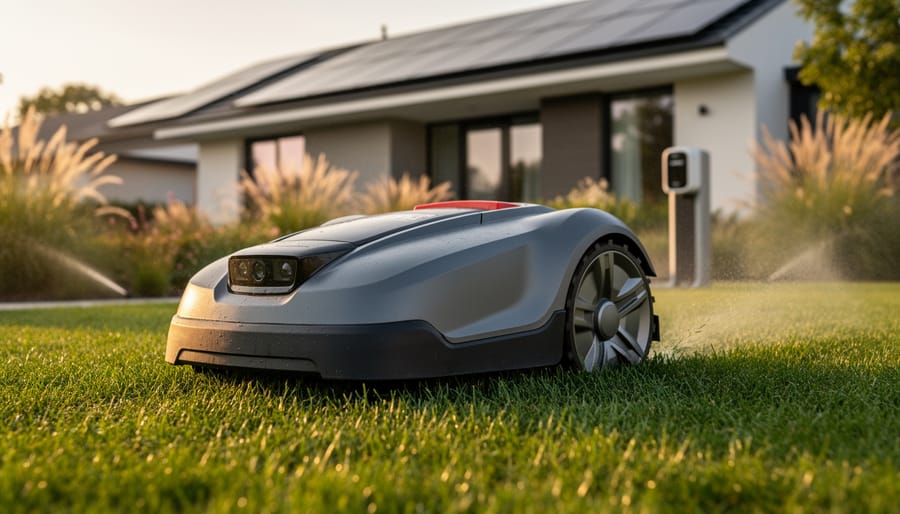
Here’s what makes them truly smart: A robotic lawn mower doesn’t just follow a predetermined path like a vacuum bumping around your living room. It actually maps your lawn, learning the layout over time. Using sensors and onboard computers, it identifies obstacles like garden beds, trees, or your dog’s favorite toy, then navigates around them without your help. Some models even remember trouble spots and adjust their routes accordingly.
The real game-changer is machine learning. These robots recognize patterns in your grass growth, understanding which areas need more attention during wet seasons or which spots grow faster in summer. They make thousands of micro-decisions per mowing session, from adjusting blade height when encountering uneven terrain to returning to their charging stations when battery levels drop.
You’re not standing there with a controller. Instead, you might check an app occasionally or adjust preferences, but the robot handles the actual work independently. It’s the difference between piloting a drone yourself and programming a satellite to complete its own mission. This autonomy is what transforms a simple tool into a smart gardening partner.
The Sensors That See Your Lawn Better Than You Do
Think of robotic mowers as having a whole network of eyes and ears working together to navigate your lawn safely and efficiently. Boundary detection systems use either buried perimeter wires that create an invisible fence or GPS technology to map exactly where your lawn ends and flowerbeds begin. Rain sensors are particularly brilliant from a sustainability standpoint, automatically sending your mower back to its charging station when moisture is detected, preventing soil compaction and ensuring a cleaner cut when conditions improve.
Collision avoidance sensors act like gentle bumpers, using ultrasonic or infrared technology to detect obstacles like garden furniture, kids’ toys, or that decorative garden gnome you forgot to move. When something’s in the way, the mower simply changes direction rather than barreling through. Some advanced models even include grass height detection, adjusting cutting patterns based on growth rates in different lawn areas.
What makes these sensors truly smart is how they communicate with each other, creating a responsive system that adapts to your yard’s unique conditions. This integrated approach means less manual intervention for you and healthier grass that’s cut at optimal times under ideal conditions.
The Smart Machines Revolutionizing Yard Work
Robotic Lawn Mowers: Your Tireless Green Keeper
Imagine waking up Saturday morning to a perfectly manicured lawn—without lifting a finger. That’s the promise of robotic lawn mowers, your tireless partners in maintaining a healthy, beautiful yard. These intelligent machines have come a long way from their humble beginnings, evolving into sophisticated green keepers that work around the clock.
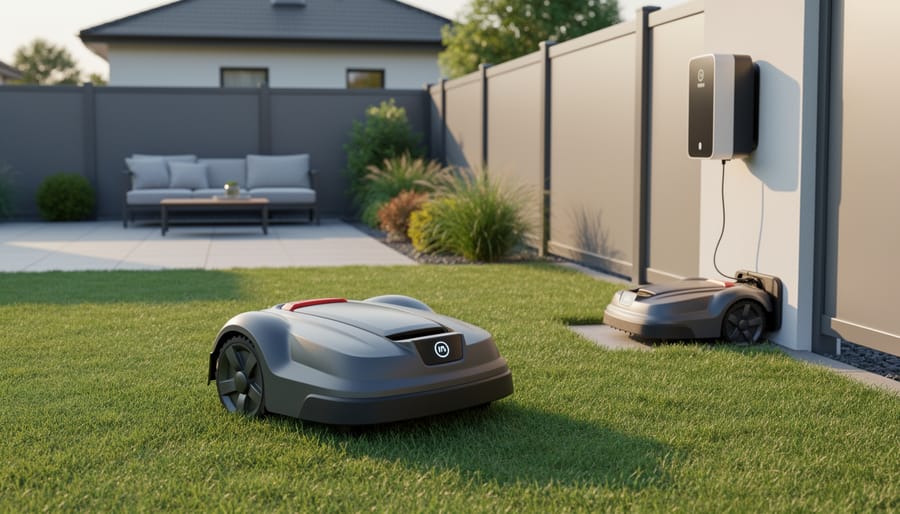
At their core, robotic mowers operate using boundary wires or GPS mapping to define their work area. They navigate your lawn in systematic or random patterns, using sensors to detect obstacles and adjust their route accordingly. Modern models feature advanced scheduling capabilities, allowing you to program mowing sessions during optimal times—perhaps when you’re at work or even overnight. Many connect to smartphone apps, giving you complete control from anywhere.
The evolution from basic models to today’s AI-powered versions is remarkable. Early robots simply bumped around randomly, while current generations learn your lawn’s layout, adapt to grass growth rates, and even integrate with smart zoning solutions to handle complex yard configurations.
From a sustainability perspective, these machines are game-changers. They continuously mulch grass clippings, returning nutrients to your soil and eliminating bagging waste. Their electric motors produce zero emissions, and their frequent light trimming promotes healthier, more drought-resistant turf. Plus, the regular cutting schedule means your lawn stays consistently maintained without the weekend noise pollution of traditional mowers—benefiting both your neighbors and local wildlife.
Autonomous Leaf Blowers and Vacuums
Autonomous leaf blowers and vacuums are relatively new players in the smart yard robotics field, but they’re making impressive strides for those of us who dread the annual autumn cleanup. These machines operate on pre-programmed schedules or sensor-based triggers, detecting leaf accumulation and clearing pathways, patios, and lawn areas without your intervention.
Most models work best on hard surfaces like driveways and walkways, though some newer versions can handle light leaf coverage on grass. They typically return to charging stations automatically and can integrate with your existing smart home ecosystem, letting you schedule cleanings during off-peak hours to minimize noise disruption for neighbors.
The sustainability factor here is worth noting. Unlike gas-powered blowers, these electric autonomous units produce zero emissions and operate more quietly. Some models even mulch collected leaves, creating material you can add directly to your compost bin or garden beds as natural fertilizer.
That said, they work best as part of a comprehensive yard care routine rather than standalone solutions. Heavy leaf fall still requires manual assistance, and they’re most effective when paired with regular maintenance. Think of them as your helpful assistant during peak season, handling daily light debris while you tackle the bigger seasonal cleanups.
Smart Irrigation Robots and Water Management
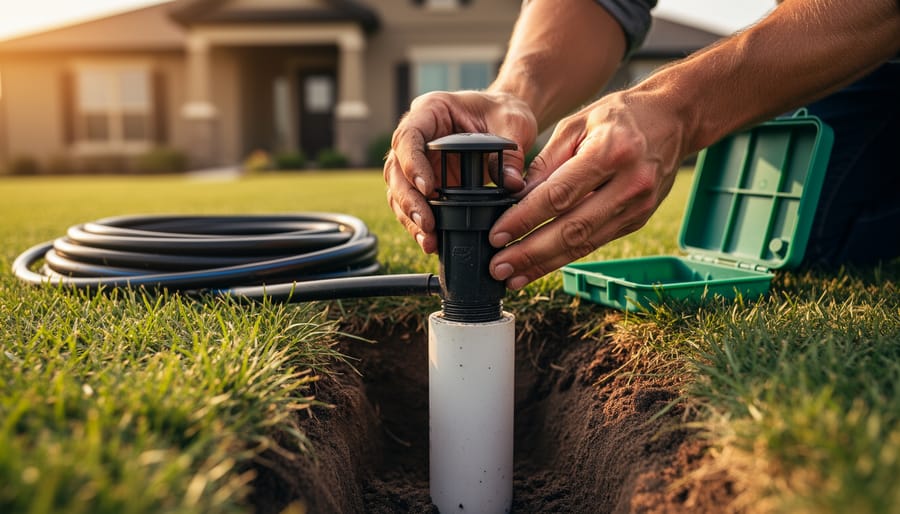
Water is precious, and if you’re like most gardeners, you’ve probably worried about whether you’re watering too much or too little. Enter the game-changing world of smart irrigation robots and autonomous watering systems that take the guesswork out of keeping your lawn healthy while conserving water.
These clever systems use sensors to monitor soil moisture levels in real-time, checking weather forecasts and adjusting watering schedules automatically. No more running sprinklers during rainstorms or forgetting to water during hot spells. Modern smart water management systems can reduce water usage by up to 50% compared to traditional sprinkler timers, which is fantastic news for both your water bill and the environment.
Some autonomous sprinkler robots even move around your yard, similar to robotic mowers, delivering precise amounts of water exactly where needed. They map your landscape, remember which areas need more attention, and avoid overwatering slopes where runoff occurs. Many connect to smartphone apps, letting you monitor and adjust settings from anywhere.
The sustainability benefits extend beyond water conservation. By preventing overwatering, these systems reduce fertilizer runoff into local waterways and promote healthier root development in your grass. Your lawn gets what it needs, when it needs it, without waste. For gardeners committed to environmental stewardship, smart irrigation represents a practical investment that pays dividends season after season while protecting our most vital natural resource.
Real Benefits That Matter to Your Lawn (And Your Life)
Time Freedom Without Sacrificing Lawn Quality
Here’s the honest truth about time savings: robotic mowers typically save homeowners 3-5 hours per week during peak growing season. That’s roughly 15-20 hours monthly that you can redirect toward growing tomatoes, establishing a pollinator garden, or simply enjoying your outdoor space.
But here’s what surprised me most when I started recommending these machines to fellow gardeners: lawns often look better under robotic care than traditional mowing schedules. Why? Consistency. While most of us mow weekly or whenever we finally have time, robotic mowers operate on precise schedules, cutting just a small amount several times weekly. This frequent trimming technique, similar to professional groundskeeping practices, encourages denser grass growth and reduces stress on your lawn.
Consider this real-world example: a typical robotic mower might run Monday, Wednesday, and Friday evenings from 6-9 PM, removing only the top third of grass blades each session. This gentle, regular maintenance produces finer clippings that decompose quickly, naturally fertilizing your lawn without thatch buildup. Compare that to weekend-warrior mowing where you’re removing significant growth all at once, often shocking the grass and leaving heavy clippings behind.
The sustainability bonus? You’re investing saved time into more meaningful garden projects while your lawn receives consistent, environmentally-friendly care.
Environmental Wins: Quieter, Cleaner, Greener
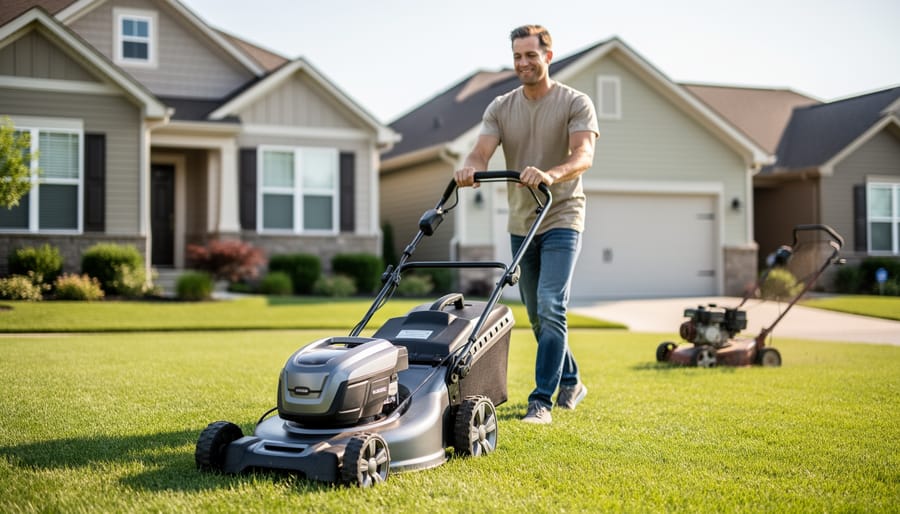
Here’s the wonderful news for eco-conscious gardeners: robotic lawn equipment isn’t just smart, it’s genuinely green. Unlike their gas-guzzling predecessors that belch fumes and wake the neighborhood at dawn, these machines run on rechargeable batteries, producing zero emissions while they work. You’re essentially swapping weekend noise pollution for peaceful mornings, which your neighbors will definitely appreciate.
The environmental benefits go deeper than quiet operation, though. Robotic mowers practice precision cutting, removing only what’s necessary and returning those clippings directly to your lawn as natural mulch. This recycling process feeds beneficial nutrients back into the soil, reducing your need for synthetic fertilizers. It’s a closed-loop system that Mother Nature designed, and these robots simply automate it.
Electric operation also means no more spilled gasoline, no oil changes contaminating groundwater, and significantly lower carbon footprints over the equipment’s lifetime. When you combine robotic mowers with other innovations like solar-powered features, you’re creating a truly sustainable smart yard ecosystem. Plus, the consistent mulching improves soil structure and moisture retention, meaning you’ll water less frequently. That’s a win for your water bill and local water conservation efforts alike.
Accessibility for Everyone
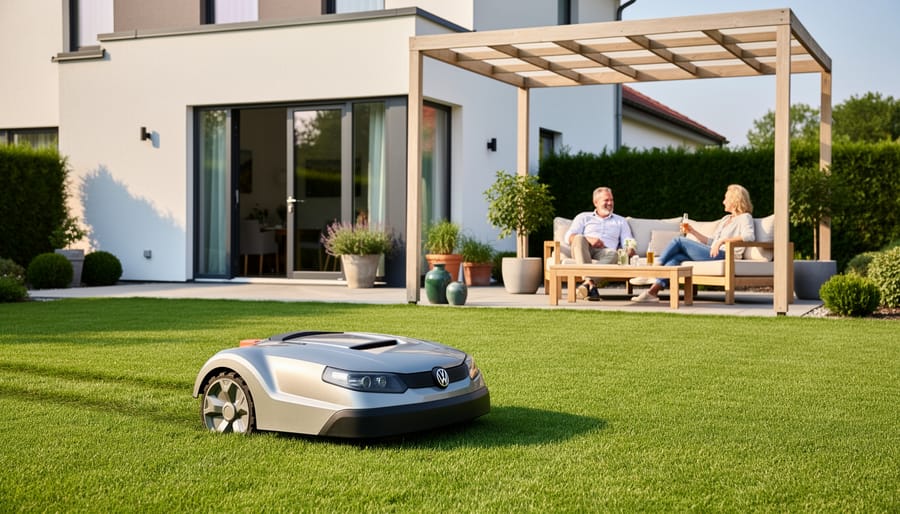
Smart robotics truly democratize lawn care by making beautiful outdoor spaces accessible to everyone, regardless of physical ability or time constraints. If mobility issues, chronic pain, or age-related limitations have made pushing a mower challenging, robotic lawn equipment offers a practical solution that doesn’t require you to sacrifice your independence or hire expensive services. These autonomous helpers work quietly in the background while you’re at work, caring for elderly parents, or simply choosing to spend your weekend hiking instead of mowing. For busy professionals and parents juggling multiple responsibilities, the time savings alone can be transformative—imagine reclaiming those Saturday mornings previously devoted to yard work. Even if you’re perfectly capable of traditional lawn care, there’s no shame in preferring to actually enjoy your outdoor space rather than endlessly maintaining it. Smart robotics align beautifully with sustainable practices too, as they typically run on electric power and maintain grass at optimal heights, reducing water needs and promoting healthier lawns naturally. Whether you’re managing physical challenges or just prioritizing your time differently, these machines ensure everyone can achieve a well-maintained yard without the traditional barriers.
What to Consider Before Bringing Robots to Your Yard
Yard Characteristics That Matter
Before investing in robotic yard equipment, take a good look at your property—it tells you everything you need to know about which machines will work best for you. Start with the basics: measure your lawn size. Most robot mowers handle up to half an acre easily, but larger properties need models with extended battery life or multiple units working together.
Next, walk your yard and note its personality. Is it mostly flat, or does it roll with gentle hills? Slopes steeper than 20 degrees challenge many robots, though premium models tackle up to 35-degree inclines. Check for obstacles like flower beds, trees, garden ornaments, and narrow passages—smart machines navigate these better when you understand their limitations upfront, and troubleshooting connectivity issues becomes easier with proper planning.
Your property boundaries matter too. Clear edges like fences work beautifully, while open borders to neighboring yards require boundary wires or GPS-based virtual fencing. Consider ground texture as well—rocky soil, thick thatch, or uneven terrain affects performance differently than smooth, well-maintained turf.
This honest assessment helps you choose equipment that matches your yard’s reality, not just the marketing promises, ensuring your investment delivers practical results from day one.
The Investment Conversation
Let’s talk money, because I know that’s often the elephant in the garden shed. Robot mowers typically range from $600 for basic models to over $3,000 for premium units with advanced features. Yes, that’s a significant upfront investment compared to a traditional push mower, but here’s the honest truth: if you’re currently paying for lawn service, most homeowners break even within two to three seasons.
Maintenance costs are surprisingly reasonable. You’ll need to replace blades a few times per season (usually $10-20), and batteries eventually wear out after several years ($100-300 depending on the model). Factor in minimal electricity costs for charging, and you’re looking at roughly $50-150 annually in upkeep.
When does it make sense? If you value your weekend time, struggle with physical limitations, or maintain a lawn larger than a quarter-acre, the investment often pays dividends beyond mere dollars. Starting small makes sense too. Entry-level models from reputable brands handle up to half an acre beautifully and let you experience the technology without maximum commitment. Some retailers even offer seasonal financing or trade-in programs. Remember, you’re not just buying a machine; you’re investing in reclaiming hours each week while maintaining healthier, more sustainable grass through frequent, mulching cuts.
Setup and Learning Curves
Let’s be honest: your first day with a robotic mower or smart yard equipment might feel less like a futuristic breakthrough and more like teaching a toddler to navigate your garden. But here’s the good news—it gets easier quickly, and the initial effort pays off in seasons of hands-free maintenance.
Most robotic systems require an afternoon to set up. You’ll install a perimeter wire around your lawn’s boundaries, marking where you want the machine to work and identifying flower beds or obstacles to avoid. Think of it as drawing a map for your new helper. Some newer models use GPS or virtual boundaries, eliminating wire installation altogether.
The learning curve typically spans one to two weeks. During this time, you’ll fine-tune schedules, adjust cutting heights, and maybe reposition that boundary wire around the rose bushes. Your machine will also learn your yard’s quirks—where grass grows thickest, which slopes need extra caution, and optimal mowing patterns.
A crucial early lesson involves establishing proper charging habits to maximize battery lifespan and performance. Most robotic mowers return to their charging stations automatically, but monitoring this process initially ensures everything functions smoothly.
Be patient with yourself and your robotic assistant. Once programmed correctly, these machines become remarkably reliable partners in sustainable lawn care.
Making Smart Robotics Work With Traditional Care
The Hybrid Approach That Works Best
The secret to successful yard robotics isn’t choosing between human touch and automation—it’s finding the sweet spot where both work together. Think of robotic mowers handling weekly cutting schedules while you focus on hand-trimming around delicate perennials or shaping hedges into artistic forms. Let your autonomous mower maintain consistent grass height during summer’s peak growth, freeing your weekends for planting that pollinator garden you’ve been dreaming about.
This partnership approach works beautifully for seasonal transitions too. Program your robot to handle routine fall leaf mulching on flat areas while you tackle the intricate work around tree roots and garden beds. During spring, let automated systems manage irrigation scheduling based on weather data while you dedicate energy to starting seeds, dividing perennials, and refreshing flower beds.
The beauty of this hybrid model is sustainability without sacrifice. Robotic equipment typically uses electric power and maintains optimal grass heights for healthier lawns, while your creative input ensures biodiversity through varied plantings and thoughtful garden design. You keep the therapeutic, rewarding aspects of gardening—watching seedlings emerge, harvesting vegetables, creating beautiful spaces—while eliminating repetitive tasks that often feel like chores rather than hobbies.
Seasonal Adjustments and Human Oversight
While robotic lawn mowers and smart equipment handle daily tasks beautifully, they still need your guiding hand at certain times. Think of yourself as the conductor, not the performer. Check in weekly during growing season to ensure your robot is covering all areas effectively and hasn’t encountered obstacles like fallen branches or new plantings.
Spring demands special attention when you’re transitioning from dormancy. You’ll want to adjust cutting heights gradually as grass awakens and program more frequent mowing sessions as growth accelerates. Similarly, fall requires recalibrating schedules as growth slows and leaves accumulate, which may need manual clearing before your robot can work efficiently.
Weather events like heavy storms or drought periods call for human judgment. Pause operations during extremely wet conditions to prevent soil compaction and ruts. During dry spells, raise cutting heights to reduce grass stress. Winter preparation means thoroughly cleaning your equipment, updating software, and storing batteries properly. These seasonal touchpoints ensure your smart machines deliver optimal performance year-round while protecting your lawn’s health.
Smart yard robotics represents a genuine shift in how we can approach lawn care, but it’s important to keep perspective. These machines aren’t magic solutions that work perfectly for everyone right out of the box. They’re tools, increasingly sophisticated ones, that can genuinely transform your relationship with lawn maintenance when matched properly to your needs and expectations.
The technology continues evolving at a remarkable pace. What seemed like science fiction just a few years ago is now humming quietly through suburban yards on Saturday mornings. Battery technology improves, sensors become more accurate, and programming gets smarter with each generation. If you’re hesitant about current offerings, waiting another year or two might bring features that better suit your situation.
That said, there’s something empowering about reclaiming those weekend hours previously spent pushing a mower. Imagine redirecting that time toward the gardening projects you actually enjoy, whether that’s cultivating a vegetable patch, designing pollinator gardens, or simply relaxing in the beautiful space you’ve created. Smart robotics handle the repetitive maintenance while you focus on the creative, rewarding aspects of yard care.
If you’re curious but uncertain, start small. Perhaps begin with a robotic mower for a contained area, or try a smart irrigation controller before investing in a full autonomous system. There’s no requirement to automate everything at once.
The future of lawn care blends technology with sustainability, efficiency with environmental responsibility. These smart machines offer a pathway to beautiful, healthy lawns that require less of your time and fewer resources. The question isn’t whether this technology works, but rather which solutions align with your specific yard, budget, and vision for sustainable lawn care.