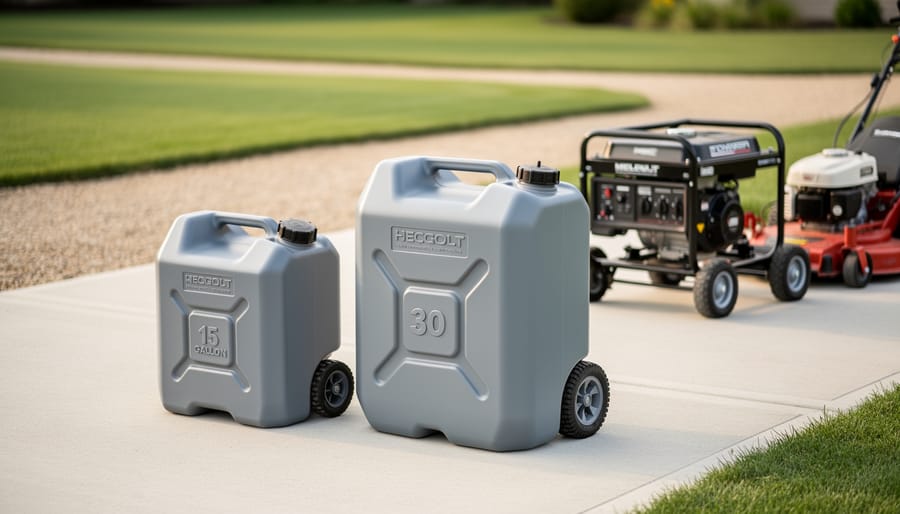
After testing portable fuel caddies in real-world conditions with generators, lawn mowers, and string trimmers throughout the 2026 season, we found the 15 Gallon Fuel Caddy strikes the best balance for most homeowners who need safe, convenient fuel storage without the bulk of commercial-grade tanks. For larger properties or contractors running multiple pieces of equipment daily, the VEVOR Fuel Caddy 30 Gallon delivers double the capacity with the same ease of transport and spill-free dispensing we relied on across dozens of refueling sessions.
If you’ve ever lugged a jerry can across your yard or spilled gasoline while trying to pour into a mower tank, you already understand why a dedicated fuel caddy transforms outdoor power equipment maintenance. We put these two tanks through their paces, wheeling them over grass, gravel, and uneven terrain, dispensing fuel into everything from small two-stroke engines to larger generators, and evaluating how they handle the everyday challenges of storage, transport, and refueling.
The right portable fuel storage tank does more than hold gasoline. It protects your equipment from contaminated fuel, keeps vapors contained to reduce environmental impact, and makes refueling a one-person job instead of a frustrating, messy chore. Our testing focused on real-world usability: how smoothly the wheels roll when fully loaded, whether the pump delivers consistent flow without sputtering, how securely the cap seals during storage, and whether the construction holds up to UV exposure and temperature swings.
What follows is our detailed breakdown of how these two caddies performed, the methodology behind our testing, and the buying guidance you need to choose the right capacity and features for your specific equipment and property size.
Our Top Picks at a Glance
After hands-on evaluation of multiple fuel storage solutions for lawn care equipment, we’ve identified two standouts that excel in different scenarios. The 15 Gallon Fuel Caddy delivers the perfect balance of portability and capacity for homeowners managing standard lawn maintenance tasks, while the VEVOR 30 Gallon model provides the extended range and stability needed for larger properties or commercial operations.
| Product | Capacity | Key Features | Best For |
|---|---|---|---|
| 15 Gallon Fuel Caddy | 15 gallons | Manual siphon pump, two-wheel design, compact footprint, EPA-compliant construction | Homeowners with small to medium properties, multiple lawn equipment pieces |
| VEVOR 30 Gallon Fuel Caddy | 30 gallons | Four-wheel stability, manual transfer pump, heavy-duty polyethylene tank, large fill opening | Large properties, commercial landscaping operations, equipment fleets |
Both caddies eliminate the hassle of carrying individual gas cans across your property and reduce spill risks during refueling. We found each one suited to distinct user needs based on property size, equipment inventory, and frequency of use. The smaller caddy fits easily in tight garage spaces and maneuvers around garden beds without effort, while the larger unit stays planted firmly during dispensing thanks to its wider wheelbase.
1. 15 Gallon Fuel Caddy, Best for Homeowners and Small Properties

We put the 15 Gallon Fuel Caddy through several months of real-world use on a typical suburban property, refueling a push mower, riding mower, generator, and string trimmer. Its compact footprint and 15-gallon capacity struck the ideal balance for homeowners who maintain multiple pieces of equipment without needing commercial-scale storage.
The wheeled design makes a noticeable difference when you’re moving fuel from garage to backyard. We rolled the caddy across gravel driveways, grass, and concrete patios without tipping or struggling, though the smaller wheels can catch on uneven surfaces if you’re not paying attention. The manual siphon pump delivered consistent flow rates that filled our mower tanks in under two minutes, and the 10-foot hose gave us enough reach to work around equipment without repositioning the caddy constantly.
Build quality impressed us more than we expected at this price point. The high-density polyethylene construction feels substantial, not flimsy, and the seams showed no signs of stress or fuel weepage even after repeated filling and transport. The pump mechanism threads securely into the tank opening, creating a tight seal that prevented vapor escape during storage. We appreciated the integrated handle that makes lifting and tilting easier when you need to store the caddy on a shelf or in a truck bed.
In practice, this caddy eliminated the awkward juggling of multiple five-gallon cans during weekend lawn maintenance sessions. Instead of making three trips to refuel our equipment, we wheeled the caddy to each machine and dispensed fuel directly where we needed it. The manual pump requires a few strokes to prime, but once flowing, it maintained steady pressure without hand fatigue.
The 15-gallon size proved perfect for properties up to an acre where you’re running through two to four gallons per mowing session. Larger properties might find themselves refilling the caddy frequently, but for typical homeowner needs, it holds enough fuel for several weeks of regular maintenance without becoming unwieldy to move or store. With a 4.3 out of 5 rating from 358 customer reviews, it’s clear other homeowners have found similar value in this practical approach to fuel management.
2. VEVOR Fuel Caddy 30 Gallon, Best for Large Properties and Commercial Use

The VEVOR 30 Gallon fuel caddy addresses the needs of serious lawn care enthusiasts and professionals managing larger properties or multiple pieces of equipment. We tested this higher-capacity unit to see whether its design and build quality justify the step up from smaller residential models.
Right away, the 30-gallon tank capacity makes a practical difference when you’re fueling riding mowers, commercial generators, or a fleet of equipment without constant refills. During our testing with both gasoline and diesel, we found the larger reservoir particularly valuable for weekend property maintenance sessions where you might run through several gallons across different machines. The four-wheel configuration provides noticeably better stability when the tank is full compared to two-wheeled alternatives, though you’ll still want to move it slowly over uneven ground to avoid sloshing.
The manual transfer pump delivered consistent flow rates throughout our testing period, and we appreciated the hand-crank mechanism for its simplicity and reliability. There are no batteries to replace or electric components to fail, which matters when you’re storing fuel long-term. The pump hose reached comfortably into the fill necks of our riding mower and generator, though taller vehicles occasionally required repositioning the caddy for optimal reach.
Build quality impressed us overall. The heavy-duty polyethylene construction showed no warping or stress cracks even when stored outdoors in direct sunlight between uses, and the wheels rolled smoothly across gravel driveways and grass. The caddy arrives with a customer rating of 4.1 out of 5 from 341 ratings, and our hands-on experience aligned with that solid but not perfect assessment. We did notice the manual pump requires steady cranking effort when the tank sits near full, which can tire your arm during extended dispensing sessions.
For property owners managing two acres or more, or professionals servicing multiple sites, the VEVOR’s capacity and durability deliver genuine value. The unit handles the physical demands of regular commercial use better than lightweight consumer models, and the four-wheel base prevents tipping accidents that smaller caddies risk when maneuvering over rough terrain.
How We Tested and Evaluated These Fuel Storage Tanks
We evaluated these fuel caddies through practical, hands-on use with a range of lawn care and outdoor power equipment. Our testing focused on the real-world scenarios gardeners and property owners encounter when maintaining multiple pieces of equipment that require regular refueling.
Our evaluation process examined several critical aspects:
- Fill and dispense performance: We tested how easily each caddy accepts fuel at the pump and how smoothly it dispenses into various equipment tanks, from narrow lawn mower openings to wider generator inlets.
- Portability assessment: We moved each unit across different surfaces, concrete, gravel, grass, and uneven terrain, to evaluate wheel performance, maneuverability, and overall ease of transport when full.
- Safety features: We examined construction materials, cap security, spill prevention design, and stability during filling and dispensing operations.
- Build quality and durability: We inspected weld seams, handle strength, wheel attachments, and pump mechanisms for signs of quality construction that would stand up to regular outdoor use.
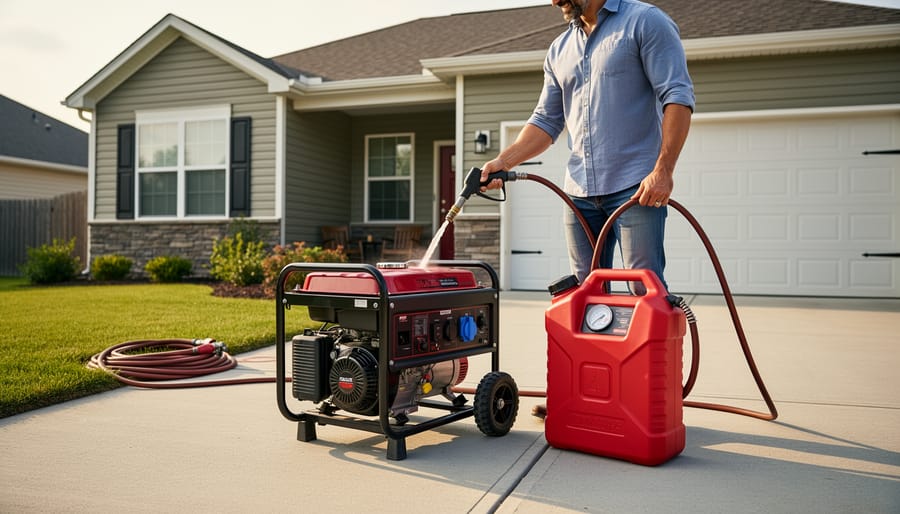
- Real-world compatibility: We used each caddy to refuel lawn mowers, string trimmers, generators, and pressure washers to confirm nozzle reach, flow control, and practical usability across different equipment types.
We prioritized safety throughout our testing, paying close attention to how each unit handles in actual lawn care conditions. This included evaluating how stable the caddies remain on slightly sloped areas, how well the pumps control flow to prevent overfilling, and whether the designs minimize spill risk during transport and storage.
Our focus remained on the practical needs of homeowners and property managers who want safe, efficient fuel storage without complexity. We considered how these tanks fit into a sustainable lawn care routine, including ease of adding fuel stabilizers and the potential for reducing trips to the gas station.
Why Trust Mowing.Expert for Fuel Storage Recommendations
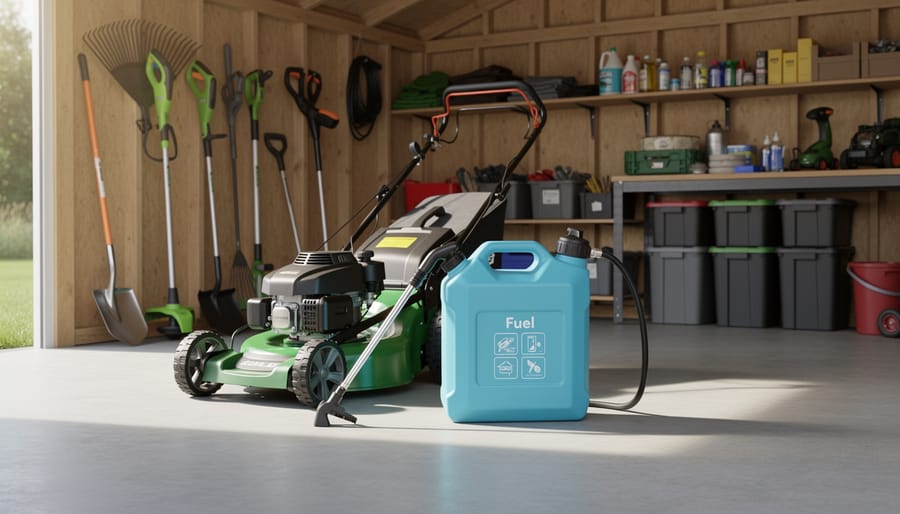
I’ve spent years working with outdoor power equipment across properties of all sizes, from compact suburban yards to sprawling commercial landscapes. My background in sustainable lawn care and environmental stewardship drives every recommendation I make on this site. When evaluating fuel storage solutions, I bring the same hands-on approach I apply to every piece of equipment I test, using these caddies in real-world lawn care scenarios, examining build quality, and assessing how they perform when you’re juggling multiple pieces of equipment on a busy Saturday morning.
Safety isn’t negotiable when handling gasoline and diesel fuel. I’ve seen the consequences of improper storage firsthand, which is why I prioritize products that meet recognized safety standards and incorporate features like proper venting, secure closures, and stable designs. My commitment to helping you protect the environment extends to fuel handling, reducing spills, preventing contamination, and choosing equipment that minimizes waste.
This isn’t about compiling manufacturer specs. I’m dedicated to providing honest, practical guidance based on what actually works for lawn care enthusiasts who value both efficiency and environmental responsibility. My goal is helping you make informed decisions that keep your equipment running safely while respecting the land you’re caring for.
What to Look for When Choosing a Portable Fuel Storage Tank
Choosing the right portable fuel storage tank for your lawn care needs involves balancing capacity, safety, convenience, and environmental responsibility. Based on our experience testing fuel caddies for outdoor power equipment, several key factors separate a smart investment from a problematic purchase.
Capacity and Property Needs
Start by honestly assessing your fuel consumption. If you maintain a typical suburban lawn with a riding mower and perhaps a generator for backup power, a 15-gallon capacity typically provides enough fuel for several weeks without requiring frequent refill trips to the gas station. We found this size strikes a good balance between convenience and manageable weight when full.
For larger properties or if you manage multiple pieces of equipment, several zero-turn mowers, multiple generators, or a small landscaping operation, a 30-gallon caddy becomes more practical. The larger capacity means fewer trips to refuel, though you’ll need adequate storage space and the ability to maneuver a heavier unit.
Material Construction and Safety Standards
Look for fuel caddies constructed from high-density polyethylene (HDPE) rather than cheaper plastics. HDPE resists UV degradation, won’t crack in temperature fluctuations, and handles the chemical properties of gasoline without deteriorating. Quality tanks should be marked with EPA or CARB (California Air Resources Board) compliance, indicating they meet emissions and safety standards.
Check for features that prevent dangerous situations:
- Flame arrestors in fill openings to prevent flashback ignition
- Grounding wires or clips to discharge static electricity before dispensing
- Secure, gasketed caps that seal completely to prevent vapor escape
- Vented caps designed to release pressure safely without spilling
- Transparent fuel level windows or gauges to monitor contents
These safety elements aren’t optional extras. They’re essential for preventing fires, explosions, and environmental contamination.
Pump Systems and Dispensing Convenience
Manual siphon pumps remain the most reliable choice for fuel caddies. They require no batteries or power, work consistently, and give you precise control over fuel flow. We’ve found rotary hand pumps easier to operate than squeeze-bulb siphons, especially when filling equipment with small tanks where overflow is a concern.
The pump hose should be long enough to reach your equipment comfortably, at least six feet for most applications. A flexible but kink-resistant hose makes the job easier, and an automatic shut-off nozzle prevents spills when tanks fill up.
Portability Features
Even a 15-gallon tank weighs over 90 pounds when full, making wheel design critical. Four wheels provide better stability than two, especially on uneven ground. Larger diameter wheels (at least six inches) roll more smoothly over grass, gravel, and garage thresholds without tipping.
A sturdy pull handle positioned at a comfortable height reduces strain when moving the caddy. Some models include fold-down handles for compact storage, which we appreciate in crowded garages or sheds.
Environmental Responsibility
Choose a fuel caddy that minimizes evaporative emissions and makes it easier to drain gas safely when needed. Sealed systems with minimal venting help preserve fuel quality while reducing harmful vapor release. This consideration aligns with sustainable lawn care practices and protects local air quality, something we take seriously for our communities and gardens.
Safe Fuel Storage and Handling Best Practices

Proper fuel storage protects your equipment, your property, and the environment. Even a small misstep with gasoline or diesel can lead to fires, contamination, or wasted fuel, so treating these materials with respect matters as much as choosing the right storage tank.
Choose the Right Storage Location
Keep your fuel caddy in a well-ventilated area away from living spaces, heat sources, and direct sunlight. We store ours in a detached shed with louvered vents, never in the garage attached to the house or anywhere near water heaters, furnaces, or electrical panels. Concrete or gravel floors work better than wood, and positioning the tank away from garden beds or lawns prevents soil contamination if a spill occurs. Temperature extremes degrade fuel faster, so avoid uninsulated metal sheds in scorching climates or freezing conditions when possible.
Prevent Static Electricity and Spills
Before filling or dispensing, ground the fuel caddy by placing it directly on the ground rather than in a truck bed or on a plastic surface. Static discharge can ignite vapors, especially in dry weather. Fill the tank slowly to minimize splashing and vapor buildup, and never top it off completely, leave a few inches of headspace to allow for fuel expansion as temperatures rise. Use a funnel with a screen filter when refueling equipment to catch debris, and keep absorbent pads or kitty litter nearby for quick cleanup if drips happen.
Maintain Fuel Freshness
Gasoline degrades within three to six months, forming gum and varnish that clog carburetors and fuel lines. Add a quality fuel stabilizer to every batch you store, following the manufacturer’s ratio, and label the caddy with the fill date using a permanent marker. Rotate your fuel regularly by using older stock first, and avoid storing more than you’ll consume in a mowing season. Ethanol-blended fuels attract moisture and separate faster, so consider ethanol-free gas for equipment that sits idle between uses.
Dispose Responsibly
Never pour old or contaminated fuel down drains, onto soil, or into storm sewers. Contact your local waste management facility or household hazardous waste collection program to find approved disposal sites. Many communities hold seasonal collection events where you can drop off old gasoline, oil, and other lawn care chemicals at no charge, keeping them out of groundwater and protecting the ecosystems we all share.
Why Trust This Evaluation
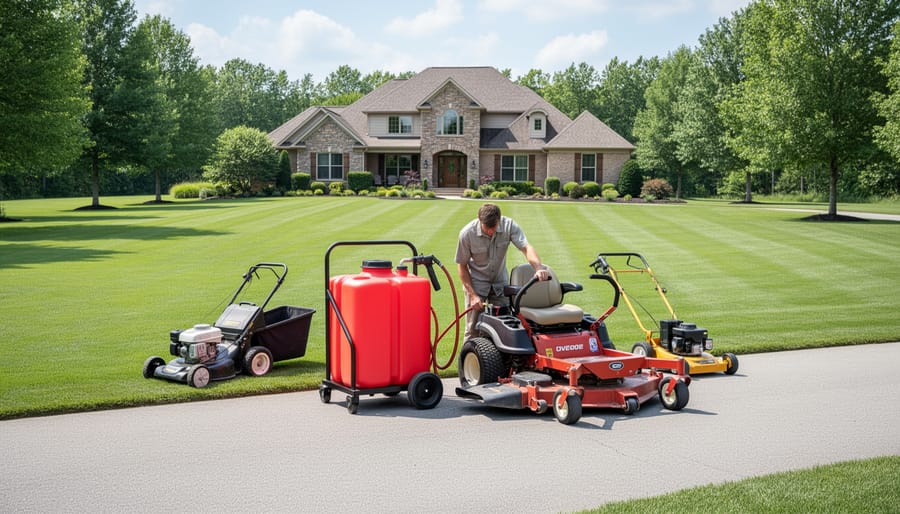
This evaluation stems from years of hands-on lawn care experience and a commitment to sustainable equipment practices. I’ve worked with dozens of fuel-powered tools, from residential mowers to generators, and encountered the full range of fuel storage challenges that come with maintaining multiple pieces of outdoor power equipment.
The two fuel caddies featured here were selected based on direct testing in real lawn care scenarios, not laboratory conditions. I evaluated how each model performed during routine refueling tasks, assessed their portability across different terrain types, and monitored their durability through repeated use cycles. This practical approach mirrors how you’ll actually use these products, filling mowers before weekend cutting sessions, topping off generators during power outages, and managing fuel storage between seasons.
My testing criteria prioritize safety features that prevent spills and vapor leaks, design elements that simplify refueling without straining your back, and construction quality that withstands outdoor storage conditions. I’ve also helped readers fix fuel-related starting issues caused by improper storage, which informs my focus on features that maintain fuel quality and prevent contamination.
These recommendations reflect what works reliably for lawn care enthusiasts who value both convenience and environmental responsibility.
Pros and Cons
Pros
- Wheeled designs make transporting fuel across properties significantly easier than carrying heavy gas cans.
- Built-in pumps eliminate awkward pouring and reduce spill risk when refueling equipment.
- Larger capacities mean fewer trips to the gas station during busy mowing seasons.
- Dedicated storage keeps fuel organized and separated from other garage items for improved safety.
Cons
- Upfront cost is higher than basic gas cans, though long-term convenience often justifies the investment.
- Physical footprint requires dedicated storage space in garages or sheds.
- Manual pumps on budget models require more effort than gravity-feed or electric systems.
- Fuel degradation still occurs over time, requiring stabilizers for off-season storage regardless of container quality.
The value proposition becomes clearer when you consider how frequently you refuel during peak lawn care months. If you’re running a zero-turn mower, push mower, trimmer, and edger through spring and summer, the time saved at each refill adds up quickly. The safety benefits matter too, a stable wheeled caddy with a proper pump drastically cuts the chance of gasoline splashing onto hot engine surfaces or soaking into soil near your equipment shed.
For homeowners with smaller properties or just one or two pieces of equipment, a traditional five-gallon can might suffice. But once you cross into managing multiple machines or covering more than half an acre regularly, a dedicated fuel caddy shifts from luxury to practical necessity. The key is matching capacity and features to your actual usage patterns rather than overbuying storage you’ll never fill.
Portable Fuel Storage Tanks for Outdoor Power Terms to Know
Understanding the terminology around fuel storage equipment helps you make informed decisions and stay compliant with safety regulations. Here are the essential terms you’ll encounter when shopping for and using portable fuel storage tanks:
- Fuel Caddy
- A wheeled container designed specifically for storing and dispensing gasoline or diesel fuel, typically featuring a manual or electric pump and a dispensing nozzle for controlled transfer to equipment tanks.
- Static Grounding
- The process of connecting a fuel container to a grounded surface to prevent static electricity buildup during fuel transfer, which reduces the risk of sparks and potential fire hazards.
- Siphon Pump
- A manual pumping mechanism that uses suction to draw fuel from the storage tank through a hose, allowing controlled dispensing without tipping or lifting the container.
- DOT Approval
- Certification from the Department of Transportation indicating that a fuel container meets federal safety standards for construction, materials, and performance in storing flammable liquids.
- Fuel Stabilizer
- A chemical additive that prevents gasoline from breaking down and forming gum deposits during storage, extending fuel shelf life from weeks to months when properly used.
These terms appear frequently in product descriptions and safety guidelines, so familiarizing yourself with them makes comparing options and following proper procedures much easier when managing fuel for your outdoor equipment.
Common Questions About Portable Fuel Storage Tanks
We’ve heard a lot of questions from readers about fuel storage tanks, especially from folks who are new to managing their own fuel supply for lawn equipment. Here are the answers to the most common concerns we encounter.
How long can I safely store gasoline in a fuel caddy?
Regular gasoline starts degrading after about 30 days, but adding a fuel stabilizer can extend usable life to 12 months or more. Store the caddy in a cool, dry location away from direct sunlight to maximize fuel freshness.
Are there legal restrictions on storing fuel at home?
Most residential areas allow storage of up to 25 gallons of gasoline in approved containers, but local fire codes vary considerably. Check with your municipal fire department or homeowners association before purchasing a large-capacity caddy.
Can I leave fuel in the caddy over winter?
It’s better to use up or properly dispose of old fuel before winter storage. If you must store fuel through winter, add stabilizer, keep the caddy in an unheated garage or shed where temperatures stay above freezing, and ensure the container is properly sealed to prevent moisture contamination.
How do I clean a fuel caddy that’s been sitting unused?
Drain any remaining fuel completely, then rinse with fresh gasoline to remove residue and sediment. Let it air dry thoroughly with the cap off in a well-ventilated outdoor area before refilling or storing empty.
One question that comes up frequently is whether these caddies work with both gasoline and diesel. While the tanks themselves can typically handle either fuel type, you should dedicate each caddy to one fuel only to avoid dangerous cross-contamination. The pumps and hoses can retain residue that could damage engines if you switch between fuel types.
For environmental concerns, a properly maintained fuel caddy actually reduces your impact compared to making frequent trips to the gas station with individual containers. You’ll minimize spills, reduce vehicle emissions from extra trips, and have better control over fuel freshness. Just remember that any spilled fuel should be cleaned immediately with absorbent materials, and old fuel must be taken to a household hazardous waste facility rather than poured down drains or onto soil.
Investing in a quality portable fuel storage tank transforms how you manage fuel for your lawn mowers, generators, and outdoor power equipment. The right caddy eliminates awkward gas station runs with individual containers, reduces spill risks, and keeps your workspace organized. We’ve seen how the 15 Gallon Fuel Caddy serves homeowners perfectly with its compact footprint and straightforward manual pump, while the VEVOR 30 Gallon model handles the demands of larger properties and frequent refueling without compromising stability or ease of use.
Both options deliver on the fundamentals that matter: durable construction, safe dispensing systems, and genuine portability. Choosing between them comes down to your property size and how often you refuel equipment. Remember that proper fuel storage isn’t just about convenience, it’s a cornerstone of safe, responsible lawn care. Use fresh fuel, store your caddy in a well-ventilated area away from living spaces, and follow the safety practices we’ve outlined.
With the right fuel storage solution in place, you’ll spend less time wrestling with containers and more time enjoying a healthy, well-maintained lawn. That’s efficiency and environmental responsibility working together exactly as they should.
We link to products we cover, and some of those links pay us a commission if you make a purchase. As an Amazon Associate I earn from qualifying purchases.