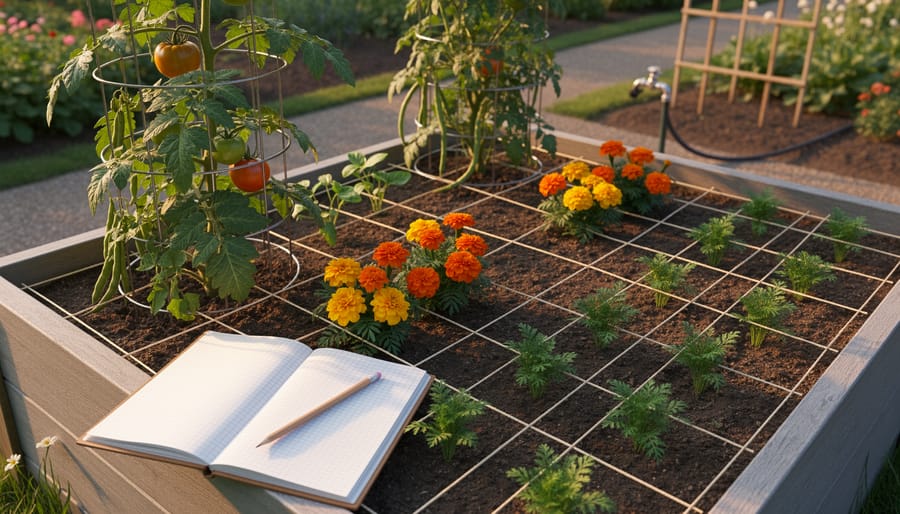
Map your raised bed garden on graph paper before planting a single seed, assigning each square foot to specific crops based on their mature size and sunlight needs. This simple planning step prevents the overcrowding that kills 60% of beginner gardens and ensures every plant gets the resources it deserves.
Track your planting dates and harvest windows in a dedicated notebook or spreadsheet, recording what worked and what flopped each season. These observations become your personalized growing guide, far more valuable than generic advice because they’re tailored to your exact microclimate and soil conditions.
Choose companion plants strategically by pairing heavy feeders like tomatoes with nitrogen-fixing beans, or planting marigolds alongside vegetables prone to aphids. This approach mirrors nature’s biodiversity and reduces your reliance on synthetic fertilizers and pesticides, keeping your garden sustainable and your soil healthy.
Calculate your bed’s carrying capacity using square foot gardening principles—16 carrots per square foot, but only one tomato plant per four squares. This precision prevents the common mistake of cramming too many plants into limited space, which leads to stunted growth, disease, and disappointing yields.
Integrate your raised beds into broader functional yard planning by considering pathways, water access, and how they complement existing garden bed layouts. A well-planned raised bed garden shouldn’t exist in isolation—it should enhance your entire outdoor space while maximizing productivity.
The difference between chaotic, frustrating gardening and abundant harvests often comes down to planning. Whether you use digital apps, spreadsheets, or hand-drawn sketches, having a systematic approach transforms guesswork into confident growing decisions that compound year after year.
What Is a Raised Bed Planting Planner?
A raised bed planting planner is essentially your garden’s personal organizer, helping you map out what goes where, when to plant it, and how to make the most of every square inch of growing space. Think of it as the difference between randomly tossing seeds into the ground and having a thoughtful strategy that sets you up for success from day one.
These planners come in two main forms: digital tools like apps and software programs, or physical methods such as graph paper sketches, journals, and printed templates. Digital planners often include features like plant spacing calculators, companion planting suggestions, and automated reminders for watering or fertilizing schedules. Some even track frost dates for your specific location and recommend planting windows accordingly. Physical planners, on the other hand, give you that hands-on satisfaction of drawing your garden layout with colored pencils and keeping everything in a binder you can flip through while you’re actually out in the dirt.
What makes a planner different from casual garden planning is the level of detail and intention involved. Instead of just deciding “tomatoes go here,” a proper planner helps you consider crop rotation to prevent soil depletion, companion planting to naturally deter pests, succession planting to extend your harvest, and even vertical growing strategies to maximize limited space. More advanced planners might include soil amendment tracking, pest and disease logs, or yield calculations to help you understand what’s actually working in your garden.
For beginners, a planner might simply organize which vegetables you want to grow and ensure you’re not overcrowding your beds. As you gain experience, you’ll appreciate features that help you plan sustainable practices like composting schedules, water conservation strategies, and season extension techniques. The beauty of using any planner, whether it’s a sophisticated app or a simple notebook, is that it transforms gardening from guesswork into a purposeful, rewarding practice that improves year after year.
The Real Problems a Planner Solves
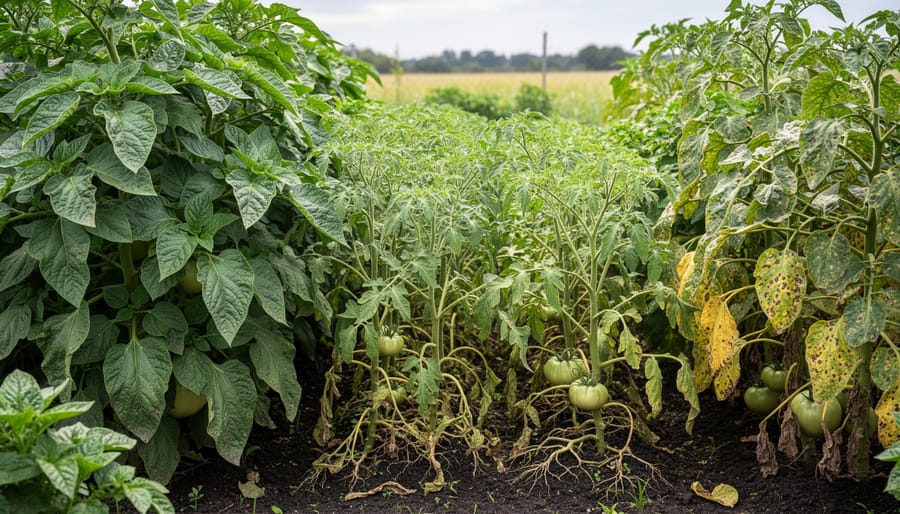
Overcrowding and Plant Competition
We’ve all been there – eagerly planting our raised beds only to watch our tomatoes crowd each other out or lettuce plants stretch thin and spindly. When plants compete for the same resources, nobody wins. Overcrowding creates a perfect storm of problems: reduced air circulation invites fungal diseases, overlapping leaves block precious sunlight, and roots battle underground for water and nutrients. The result? Disappointing harvests and stressed plants that become magnets for pests like aphids and whiteflies.
Here’s where a raised bed planting planner becomes your secret weapon. These tools take the guesswork out of spacing by calculating exactly how many plants fit in your bed based on their mature size. Instead of eyeballing it and hoping for the best, you’ll know that your carrots need 3 inches between them while broccoli requires a generous 18 inches. Many planners use square-foot gardening principles, dividing beds into manageable sections that prevent accidental overcrowding. This systematic approach means healthier plants, better airflow, easier pest management, and ultimately, those abundant harvests you’ve been dreaming about. Plus, proper spacing reduces water waste since you’re not supporting extra plants that won’t produce anyway.
Companion Planting Mistakes
I’ve learned this lesson the hard way: tossing plants into your raised bed without considering their relationships is like seating feuding relatives next to each other at dinner. Some plants just don’t get along, while others become the best of companions.
When you randomly place tomatoes next to cabbage or put beans beside onions, you’re missing out on nature’s built-in pest control and growth-boosting partnerships. Worse, some combinations actually stunt growth or attract unwanted visitors to your garden party. I once planted cucumbers too close to aromatic herbs, and both suffered for it.
A raised bed planting planner takes the guesswork out of companion planting by showing you which partnerships work and which don’t. For instance, basil planted near tomatoes naturally repels aphids while enhancing flavor, and marigolds strategically placed around your beds deter harmful nematodes. These planners map out optimal spacing and combinations, ensuring your carrots benefit from nearby onions that repel carrot flies, while keeping your pole beans away from garlic that would inhibit their growth.
This systematic approach transforms your raised bed into an ecosystem where plants support each other, reducing your need for chemical interventions while boosting overall yields. It’s sustainable gardening at its finest.

Timing and Succession Planting
One of the smartest features of a good raised bed planner is succession planting guidance. Instead of harvesting all your lettuce in one week and then having an empty spot for months, planners help you stagger plantings for continuous harvests throughout the season.
Think of it like this: you plant a new row of radishes every two weeks, so you’re constantly harvesting fresh ones rather than dealing with 50 radishes all at once. Your planner tracks these intervals and reminds you when to sow the next batch. This keeps your beds productive and your kitchen stocked with fresh vegetables.
Planners also account for timing differences between warm and cool season crops. As your spring peas finish, your planner might suggest transplanting tomatoes into that exact spot, maximizing every square inch. This strategic timing prevents those frustrating gaps where beds sit empty while you wonder what to plant next.
Many digital planners even calculate days to maturity and suggest companion plantings to fill temporary spaces. For example, quick-growing crops like arugula can occupy the space between slower peppers while they’re still small. This approach supports sustainable gardening by keeping soil covered and productive, reducing water waste and preventing erosion.
Key Features to Look for in a Raised Bed Planner
Spacing Calculators and Visual Layouts
One of the most valuable features in any raised bed planner is a visual spacing calculator that shows you exactly how big your plants will grow. I can’t tell you how many times I’ve seen beginners plant tomatoes just 12 inches apart, only to end up with a tangled jungle by midsummer. These tools prevent that frustration by displaying mature plant sizes right on your garden grid.
The best visual planners let you drag and drop plant icons that automatically expand to show their full-grown footprint. When you place a zucchini plant, for instance, you’ll see it needs about 3 feet of space in all directions. This visual feedback is invaluable because it’s one thing to read “18-24 inches apart” and quite another to see exactly what that looks like in your limited bed space.
These calculators also help maximize your harvest by suggesting companion plantings and succession planting opportunities. You might discover you can tuck quick-growing lettuce between slower-developing peppers, then replace it with fall crops once harvested. This approach supports sustainable gardening by making the most of every square inch without depleting soil nutrients through overcrowding. The visual layout removes the guesswork and helps you plan realistic, productive gardens from the start.
Growing Zone and Season Information
One of the most valuable features of a quality raised bed planting planner is its ability to incorporate your specific growing zone and climate data. Think of it as having a local gardening expert right at your fingertips. Instead of guessing when to plant your tomatoes or hoping you’ve timed your lettuce correctly, a good planner uses your zip code or USDA hardiness zone to provide customized planting schedules that actually work for your area.
These planners typically integrate crucial information like your last spring frost date and first fall frost date, which are the bookends of your growing season. This climate-specific approach means you’re not following generic advice from gardening books written for entirely different regions. For example, if you’re gardening in Zone 5, your planner won’t suggest planting dates that only work in Zone 9.
The best planners also account for seasonal transitions, helping you plan succession plantings and know exactly when to start seeds indoors versus direct sowing outdoors. This takes the guesswork out of timing and significantly reduces the frustration of lost seedlings to unexpected cold snaps. By aligning your planting schedule with nature’s rhythms in your specific location, you’ll see healthier plants and better harvests while working with the environment rather than against it.
Companion Planting Databases
One of the most valuable features you’ll find in modern raised bed planners is their built-in companion planting databases. These digital guides take the guesswork out of creating those beneficial plant partnerships that gardeners have relied on for generations. Instead of memorizing which plants love being neighbors and which ones can’t stand each other, you simply select your crops and let the planner suggest ideal companions.
Here’s where it gets exciting: these databases don’t just tell you that tomatoes and basil are friends. They explain why, helping you understand how basil naturally repels aphids and whiteflies while improving tomato flavor. You’ll discover that planting marigolds along bed edges isn’t just pretty, it’s practical pest management that reduces your need for interventions.
Most planners highlight beneficial pairings with visual cues, showing compatible plants in green and warning against problematic combinations in red. This instant feedback helps you build naturally healthier beds where plants support each other’s growth, deter pests collectively, and maximize your harvest without relying on synthetic fertilizers or pesticides. It’s sustainable gardening made simple, transforming your raised beds into thriving ecosystems where plants work together rather than compete. For beginners especially, this feature builds confidence and eliminates costly planting mistakes.
How to Create Your Raised Bed Layout Plan Step-by-Step
Measure Your Beds and Assess Conditions
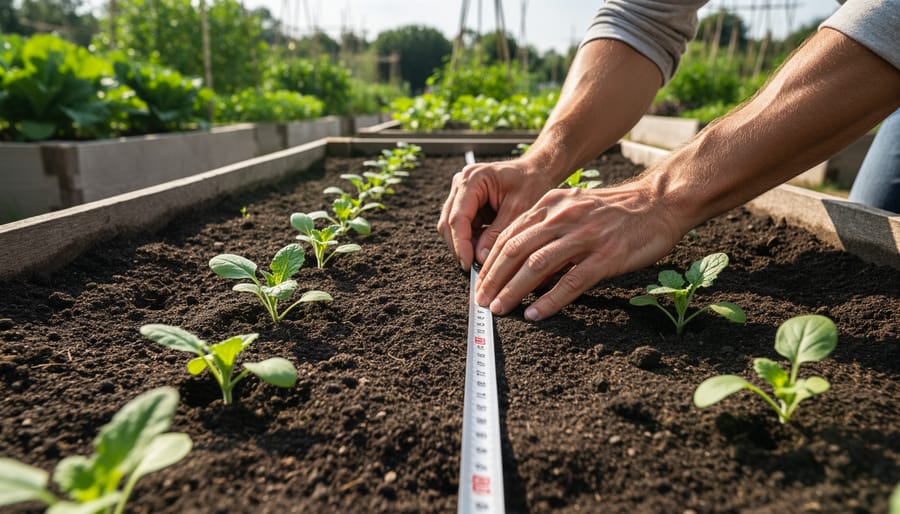
Before you can plan effectively, you need accurate information about your growing space. Start by measuring bed dimensions—length, width, and depth matter when calculating plant spacing and soil volume. A simple tape measure works perfectly, but smartphone apps can speed things up if you’re managing multiple beds.
Next, assess sun exposure throughout the day. Spend time observing which beds get full sun (6+ hours), partial sun (3-6 hours), or shade. This information determines what plants will actually thrive in each location. I learned this the hard way when my tomatoes languished in a bed that seemed sunny but only got four hours of direct light.
Document your soil conditions too. Is it freshly filled or heavily depleted from last season? Note drainage patterns after rainfall—does water pool or drain quickly? Finally, consider water access. Beds farther from your hose will need drought-tolerant plants or a solid watering schedule. These foundational details transform your planner from wishful thinking into a realistic roadmap for garden success.
Choose Your Crops Wisely
Before you sketch a single garden layout, take an honest inventory of what makes sense for your space and lifestyle. I learned this lesson the hard way when I enthusiastically planted twelve tomato varieties in my first raised bed—only to watch my family of three struggle to keep up with the harvest while half the tomatoes split on the vine.
Start by measuring your actual growing space and understanding that plants need room to thrive. A 4×8 foot bed can’t realistically accommodate everything on your wish list. Next, consider what your family actually enjoys eating. There’s no point growing kohlrabi if nobody will touch it, no matter how well it grows.
For beginners, I always recommend starting with reliable, forgiving crops like lettuce, radishes, bush beans, and cherry tomatoes. These vegetables offer quick results and tolerate minor mistakes—building your confidence while you learn. Save the finicky melons and artichokes for year two.
Pay attention to seasonal timing too. Cool-season crops like peas and spinach thrive in spring and fall, while warm-season vegetables like peppers need summer heat. A good planting planner helps you stagger plantings for continuous harvests rather than overwhelming abundance followed by empty beds. Remember, successful gardening is about sustainability—growing what you’ll use, when you can manage it.
Map Out Your Layout
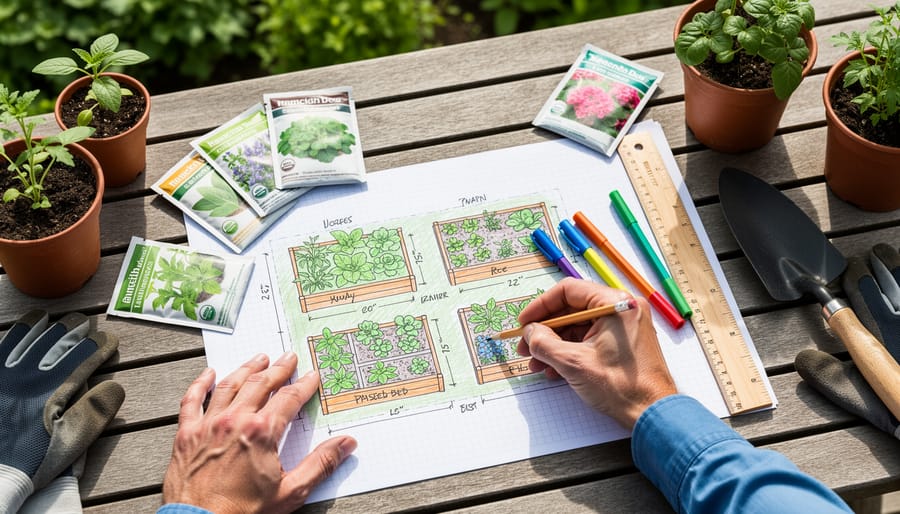
Now comes the fun part—turning your wish list into a workable layout! Start by sketching your raised bed to scale on graph paper or using a digital planner. This visual approach helps you avoid overcrowding, which I learned the hard way when my first bed turned into a tomato jungle that swallowed everything else.
Begin by placing your tallest plants on the north side of the bed. This prevents them from shading shorter crops and maximizes sunlight for everyone. Think tomatoes, pole beans, and trellised cucumbers in back, with mid-height peppers and bush beans in the middle, and low-growers like lettuce and radishes up front.
For square-foot layouts, divide your bed into one-foot sections and follow spacing guidelines for each crop. This method works beautifully for intensive planting and makes succession planting straightforward. You might plant sixteen radishes in one square, nine spinach plants in another, and one tomato plant in a third, depending on mature size.
Row-style layouts work better for larger beds and crops you’ll harvest all at once. Leave pathways every 2-3 feet so you can reach the center without compacting soil or stepping on plants—your back will thank you during harvest time.
Don’t forget companion planting! Tuck basil near tomatoes to improve flavor and deter pests, or plant marigolds along edges as natural pest protection. This sustainable approach reduces the need for chemical interventions while boosting your garden’s productivity naturally.
Plan for Succession and Seasonal Rotation
Keeping your raised beds productive throughout the season requires smart succession planning. Think of it as a relay race where each crop passes the baton to the next, ensuring your soil never sits idle and your harvest basket stays full.
Start by categorizing your plants as cool-season or warm-season crops. When spring lettuce finishes, immediately replace it with summer beans or tomatoes. As fall approaches, those beds can transition back to cool-loving greens like spinach or kale. This continuous rotation prevents nutrient depletion and naturally disrupts pest cycles.
Quick-maturing crops like radishes and arugula are perfect gap-fillers between longer-season vegetables. Plant them alongside slower growers or use them to bridge the transition between major plantings. Your planner should track each crop’s days-to-harvest, helping you time successive sowings every two to three weeks for crops you love eating regularly.
Remember to rotate plant families between beds each season. Following heavy feeders like tomatoes with nitrogen-fixing legumes naturally replenishes soil nutrients. This sustainable approach reduces fertilizer dependency while maintaining soil health, keeping your raised beds thriving year after year without chemical interventions.
Sustainable Practices to Build Into Your Plan
Building sustainability into your raised bed planner isn’t just good for the planet—it creates a healthier, more productive garden that practically takes care of itself. Let me walk you through three essential practices that’ll transform your planning approach.
Start with crop rotation, the cornerstone of soil health. When you’re mapping out your raised beds for the season, resist the urge to plant tomatoes in the same spot year after year. Instead, divide your crops into families—nightshades like tomatoes and peppers, brassicas like cabbage and broccoli, legumes like beans and peas, and root vegetables. Rotate these families through different beds each season. This simple practice prevents nutrient depletion, breaks pest and disease cycles, and actually improves soil structure. Your planner should track what grew where for at least three years, making rotation decisions effortless.
Water conservation deserves serious attention in your planning process. Group plants by their water needs—Mediterranean herbs that love dry conditions separate from water-hungry cucumbers and lettuce. This clustering approach prevents overwatering drought-tolerant plants while ensuring thirsty crops get adequate moisture. Consider water access planning early in your design phase, positioning beds strategically near water sources or planning for efficient irrigation systems. Add deep-rooted companion plants that help retain soil moisture and reduce evaporation.
Finally, promote biodiversity by incorporating pollinator-friendly flowers, herbs, and trap crops directly into your raised bed plan. I always reserve corner spaces for marigolds, nasturtiums, or borage—they’re not afterthoughts but integral parts of the ecosystem. Plan for succession plantings that ensure continuous blooms throughout the season, supporting beneficial insects that control pests naturally.
Document these sustainable choices in your planner with simple codes or color systems. Mark beds with their rotation family, water requirement level, and companion plantings. This visual reference makes sustainable gardening automatic rather than an extra mental burden. The result? A garden that works smarter, uses fewer resources, and produces abundantly season after season.
Popular Raised Bed Planner Tools Worth Trying
Choosing the right planning tool can feel overwhelming with so many options available, but I’ve found that the best planner is simply the one you’ll actually use. Let’s explore some popular choices that have helped countless gardeners organize their raised beds successfully.
For digital enthusiasts, GrowVeg Garden Planner stands out as a comprehensive option. This browser-based software offers a drag-and-drop interface where you can design your beds, set planting dates, and receive customized reminders. It includes a massive plant database with companion planting suggestions built right in. The downside? It requires a subscription after the free trial, running about $25 annually. However, many users find the investment worthwhile for the time saved and increased yields.
If you prefer free digital tools, the Old Farmer’s Almanac Garden Planner provides basic functionality without the price tag. It’s perfect for beginners who want to test whether digital planning suits them before committing financially. The interface is simpler, but it covers all the essentials like spacing requirements and succession planting schedules.
For mobile gardeners, the Planter app has gained a loyal following. Available for both iOS and Android, it focuses specifically on companion planting relationships and spacing. You can snap photos of your beds, mark plant locations, and set harvest reminders. The free version offers plenty of functionality, though premium features unlock more detailed growing guides.
Sometimes the old ways work best, though. A simple graph paper approach remains incredibly effective and costs almost nothing. Each square can represent one square foot, making it easy to visualize spacing and plan rotations. I keep a three-ring binder with seasonal layouts, notes about what worked, and ideas for next year. This hands-on method helps me think through my garden more deliberately than clicking and dragging ever did.
Spreadsheet lovers shouldn’t overlook customizing their own planning system using Google Sheets or Excel. You can create planting schedules, track varieties, calculate days to harvest, and share with gardening friends. The flexibility is unmatched, and you can adapt it perfectly to your specific needs.
Whichever tool you choose, consistency matters more than sophistication. Start simple, especially if you’re new to planning. A basic sketch noting what you planted where will serve you better than an elaborate system you abandon by June.
Common Planning Mistakes and How to Avoid Them
We’ve all been there—excited about our raised bed plans, only to discover we’ve made mistakes that could’ve been easily avoided. The good news? These planning hiccups are completely normal and happen to gardeners at every skill level. Let’s look at the most common ones so you can sidestep them.
The biggest mistake is overcrowding. It’s tempting to maximize every square inch, but cramming too many plants together creates competition for nutrients, reduces air circulation, and invites disease. Plants need their personal space just like we do! Give them room to breathe, and you’ll see healthier growth and better yields. Your planner should account for mature plant sizes, not just seedling dimensions.
Another frequent error is ignoring succession planting opportunities. Many gardeners fill their beds once in spring and call it done. Instead, plan for multiple harvests by scheduling quick-growing crops like lettuce or radishes to follow early producers. This sustainable approach maximizes your growing space and keeps fresh vegetables coming all season long.
Neglecting companion planting relationships is also surprisingly common. Placing tomatoes next to brassicas or planting all heavy feeders together can strain your soil unnecessarily. Take time during planning to map out beneficial partnerships—basil with tomatoes, carrots with onions—which naturally support each other and reduce pest problems without chemicals.
Finally, many gardeners underestimate watering needs during the planning phase. Different plants have vastly different water requirements, and mixing drought-tolerant herbs with water-hungry cucumbers creates maintenance headaches. Group plants with similar needs together, making your watering routine more efficient and environmentally conscious.
Remember, every experienced gardener has learned these lessons the hard way. The beauty of using a planting planner is catching these issues on paper before they happen in the garden. Think of mistakes as tuition paid toward becoming a better gardener—they’re investments in future success, not failures.
Here’s the truth about raised bed planning: a simple sketch on notebook paper is infinitely better than diving in with no plan at all. You don’t need a perfect, color-coded masterpiece to start reaping the benefits of thoughtful garden organization. Every successful gardener you admire started somewhere, probably making plenty of mistakes along the way, and that’s completely okay.
Think of your first planting plan as a baseline, not a blueprint set in stone. You’ll learn more from one season of planned gardening than years of random planting. Maybe your tomatoes won’t thrive exactly where you placed them, or perhaps those carrots needed more space than you allocated. That’s not failure—that’s valuable data for next year’s plan. The beauty of raised bed gardening is that you can refine your approach season after season, building on what worked and adjusting what didn’t.
Starting small is your secret weapon. Plan just one or two beds this year if that’s all you can manage. Master companion planting with a few reliable pairings. Get comfortable with succession planting in a single section. As your confidence grows, so will your planning ambitions and your harvests.
Remember, planning isn’t about taking the joy out of gardening or turning it into a rigid science project. It’s about giving yourself the best chance at success while reducing waste, maximizing space, and building healthier soil through thoughtful crop rotation. Your future self, standing in a thriving garden with baskets full of fresh vegetables, will thank you for the time you invested in planning today. So grab whatever planning tool resonates with you and start mapping out your garden dreams. The most sustainable garden is one you’ll actually maintain, and good planning makes that possible.