
Picture your lawn staying vibrant and lush through scorching summer heat while your neighbor’s grass turns brown and patchy. That’s the power of warm-season turfgrass—a category of grass species that thrives when temperatures soar and goes dormant when winter arrives.
If you live in the southern two-thirds of the United States, from coastal California through Texas and across to the Carolinas, warm-season grasses are likely your best choice for a resilient, water-efficient lawn. These heat-loving varieties—including Bermuda, Zoysia, St. Augustine, and Centipede grass—actively grow during summer’s peak while requiring significantly less water than their cool-season cousins once established.
Understanding whether warm-season grass suits your climate isn’t just about aesthetics. It’s about working with nature rather than against it, which translates to fewer inputs, lower maintenance costs, and a more sustainable approach to lawn care. When you match the right grass type to your region’s temperature patterns, you’re setting yourself up for success rather than fighting an uphill battle against your local climate.
The decision between warm-season and cool-season grass is one of the most important choices you’ll make for your lawn’s long-term health and your own sanity as a homeowner. Getting it right from the start means less reseeding, reduced water bills, and more time enjoying your outdoor space instead of constantly trying to revive struggling turf. Let’s explore what makes warm-season grasses unique and whether they’re the right fit for your lawn.
Understanding Warm-Season Turfgrass: The Basics
What Makes a Grass ‘Warm-Season’?
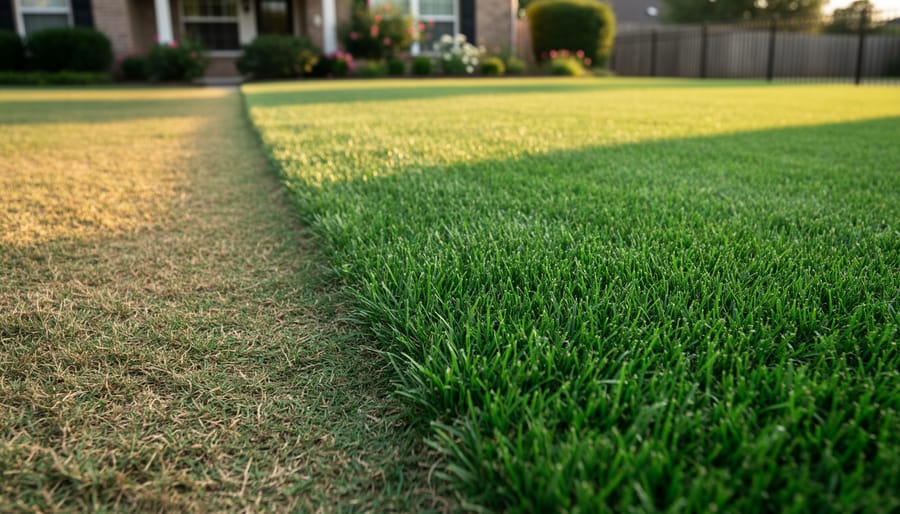
The secret to understanding warm-season grasses lies in how they capture sunlight. These grasses use what’s called C4 photosynthesis, a remarkably efficient process that allows them to thrive in hot weather and bright sunshine. Think of it as having a turbocharged engine specifically designed for summer conditions. While cool-season grasses struggle and go dormant when temperatures soar, warm-season varieties are just getting started.
These grasses hit their stride when temperatures range between 80-95°F. During these warm months, you’ll notice vigorous growth, deep green color, and excellent recovery from foot traffic and wear. This is when your warm-season lawn truly shines, requiring regular mowing and care as it actively grows and spreads.
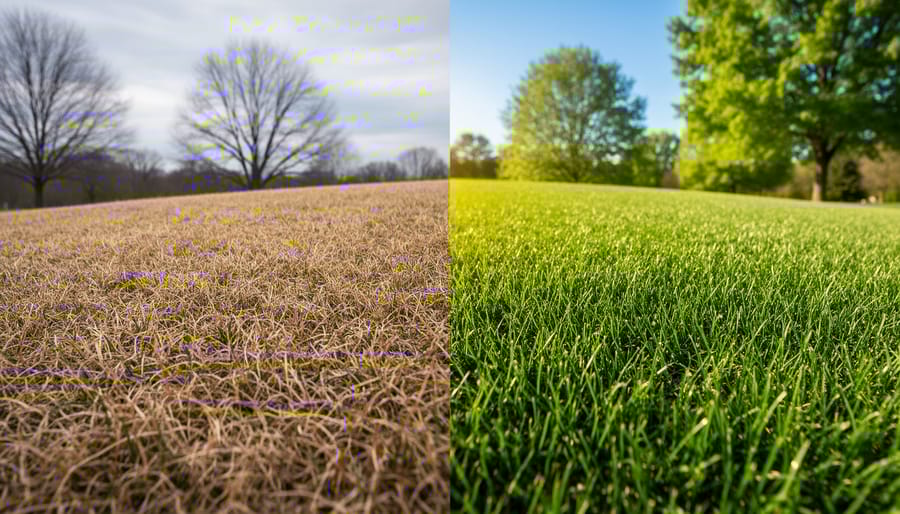
However, there’s an important tradeoff to understand. When temperatures consistently drop below 55-60°F in fall and winter, warm-season grasses enter dormancy. This is a completely natural survival mechanism, not a sign of lawn failure. During dormancy, the grass turns brown or tan and stops growing, conserving energy until warmer weather returns. While some homeowners find this winter brownness unappealing, it’s simply the grass being smart about resource management.
From a sustainability perspective, this dormancy pattern actually offers benefits. Your lawn needs far less water, fertilizer, and mowing during the cooler months, reducing your environmental footprint and maintenance costs. Understanding this natural rhythm helps you work with your lawn rather than against it, creating realistic expectations for year-round appearance.
Common Warm-Season Grass Varieties
Let’s explore the most popular warm-season grasses you’ll encounter, each with its own personality and preferences. Think of this as meeting your potential lawn partners!
Bermudagrass is the athlete of the bunch—tough, aggressive, and thrives in full sun. It bounces back quickly from foot traffic and handles heat like a champion, making it perfect for active yards and sports fields. The tradeoff? It goes dormant and brown in winter and can be invasive if not properly contained.
Zoysiagrass offers a beautiful, dense carpet that feels wonderful underfoot. It’s more shade-tolerant than Bermuda and handles moderate traffic well. While slower to establish, it’s worth the patience for homeowners wanting a lush, sustainable lawn that requires less frequent mowing.
St. Augustine grass loves humidity and provides excellent shade tolerance, making it a Gulf Coast favorite. Its broad blades create a thick turf, though it’s less cold-hardy than other varieties and more susceptible to certain pests.
Bahiagrass is your low-maintenance buddy—drought-tolerant, pest-resistant, and unfussy about soil quality. It’s not the prettiest option with its coarser texture, but it excels in sandy, acidic soils where other grasses struggle.
Centipedegrass earns its nickname “lazy man’s grass” through minimal fertilizer needs and slow growth. It prefers acidic soil and moderate shade, though soil conditions matter significantly for its success.
Buffalograss is the sustainability champion—native, drought-tolerant, and requiring minimal inputs once established. It’s ideal for eco-conscious homeowners in drier climates willing to accept its fine texture and slower green-up in spring.
Climate Zones: Where Warm-Season Grasses Excel
The Warm-Season Zone Explained
If you live in the southern two-thirds of the United States, chances are you’re in prime warm-season grass territory. The USDA hardiness zones 7 through 11 encompass this region, stretching from parts of Virginia and North Carolina down through Florida, west across Texas, and into the sunny landscapes of Southern California and the Desert Southwest. These zones share a common thread: long, hot summers and mild winters that warm-season grasses absolutely thrive in.
But let’s talk about the transition zone for a moment, because this can be a real head-scratcher for homeowners. Roughly covering USDA zone 7 and parts of zone 6, this challenging middle ground runs through states like Tennessee, North Carolina, Arkansas, and northern parts of Georgia and Alabama. Here, summers get hot enough for warm-season grasses, but winters can occasionally dip cold enough to stress them. It’s a balancing act where neither warm-season nor cool-season grasses perform perfectly year-round.
What makes zones 8 through 11 ideal for warm-season grasses? Think consistent heat, humidity, and specific rainfall patterns. These grasses evolved in tropical and subtropical climates, so they’re engineered by nature to handle temperatures above 80 degrees Fahrenheit with ease. They actually go dormant when temperatures consistently drop below 55 degrees, turning brown until warmth returns in spring.
The combination of intense summer heat, high humidity levels in many regions, and variable rainfall patterns creates the perfect growing conditions. From a sustainability perspective, this is excellent news. Once established, warm-season grasses typically require less supplemental watering than their cool-season cousins during the growing season, since they’re naturally adapted to handle heat stress and occasional drought.
When Your Climate Demands Warm-Season Grass
Here’s a simple way to know if warm-season grass is right for your yard: pay attention to your summer temperatures and when frost typically arrives in your area. Warm-season grasses absolutely thrive when daytime temperatures consistently reach 80-95°F, which is why they’re the go-to choice across the Southern United States, from the Carolinas through Texas and into the Southwest.
If you live in what gardeners call the “transition zone” (roughly from Tennessee and North Carolina across to Southern California), you might have options for either warm or cool-season grass, but below that belt, warm-season varieties are usually your best bet. These grasses evolved in tropical and subtropical climates, so they’ve developed remarkable heat tolerance and drought resistance that cool-season grasses simply can’t match in scorching conditions.
Consider your frost dates too. Warm-season grasses enter dormancy when soil temperatures drop below 55°F and go brown with the first frost, staying that way until spring warmth returns. In coastal areas of the Southeast and Gulf Coast, this dormant period might only last a few months, while areas further north in the warm-season zone could see brown lawns from November through April.
Regional rainfall patterns matter as well. In the Southwest where summer monsoons provide moisture during peak growing season, warm-season grasses make perfect sense. They’re designed to make the most of summer water, whether from rain or irrigation, while using less overall than their cool-season cousins would need to survive those temperatures.
The Performance Advantages of Warm-Season Grasses
Heat and Drought Tolerance
When summer temperatures soar and rainfall becomes scarce, warm-season grasses truly shine. These remarkable plants have evolved sophisticated survival strategies that allow them to thrive when the heat is on, making them champions of water conservation and resilience.
The secret lies in their impressive root systems. While cool-season grasses typically develop roots reaching 6-12 inches deep, warm-season varieties like Bermudagrass and Zoysiagrass can extend their roots 6-24 inches or even deeper into the soil. These extensive root networks act like underground water-seeking missions, tapping into moisture reserves that surface-rooted grasses simply can’t access. This adaptation means you’ll water less frequently while still maintaining a healthy lawn—a win for both your water bill and the environment.
Warm-season grasses also employ a clever photosynthetic pathway called C4 metabolism, which sounds technical but has practical benefits you’ll appreciate. This process allows them to photosynthesize more efficiently in high temperatures while closing their leaf pores to minimize water loss. Think of it as their built-in air conditioning system that keeps them functioning optimally even during brutal heat waves.
When temperatures climb above 90 degrees Fahrenheit and cool-season lawns turn brown and go dormant, warm-season grasses keep their vibrant green color and continue active growth. They’re designed to love the heat that stresses other grasses. Of course, your soil type and proper establishment still matter, but once these grasses take hold, their natural drought tolerance makes them remarkably low-maintenance during summer’s toughest conditions.

Lower Water Requirements and Sustainability
Here’s one of the best reasons to consider warm-season grasses if you live in a hot climate: they’re naturally designed to thrive with less water. Once established, varieties like Bermudagrass and Zoysia have deep root systems that can access moisture far below the surface, meaning you won’t need to run your sprinklers nearly as often as you would with thirstier cool-season alternatives.
This built-in drought tolerance makes warm-season grasses a smart choice for environmentally conscious homeowners, especially in regions facing water restrictions or rising utility costs. During peak summer heat, when cool-season lawns often struggle and demand constant irrigation, warm-season grasses are in their element, maintaining color and density with minimal supplemental watering.
For those in drought-prone areas like the Southwest or Southeast, choosing warm-season turf aligns perfectly with sustainable landscaping practices. You’ll conserve thousands of gallons of water annually while still enjoying a lush, functional lawn. During their active growing season, these grasses typically need only about one inch of water per week from rainfall or irrigation combined, and many can survive extended dry periods by going dormant until conditions improve. It’s a practical, planet-friendly approach that doesn’t compromise on curb appeal.
Disease and Pest Resistance in Hot Climates
Here’s some good news for your lawn care routine: warm-season grasses come with built-in advantages when it comes to fighting off diseases and pests that thrive in hot, humid conditions. While cool-season grasses often struggle with problems like brown patch, dollar spot, and chinch bugs during summer heat, warm-season varieties have naturally evolved to handle these challenges much better.
Think of it this way—these grasses developed in climates where heat and humidity are the norm, so they’ve adapted impressive defenses. Bermudagrass and zoysiagrass, for example, show strong resistance to many fungal diseases that flourish in warm weather. This natural resilience means you’ll likely need fewer fungicide applications compared to maintaining cool-season turf in transition zones or warmer areas.
The pest resistance is equally impressive. These grasses typically recover more quickly from insect damage and often require less intervention with pesticides. Their dense growth habit and vigorous root systems help them bounce back from minor infestations naturally.
From a sustainability perspective, this is fantastic news. Fewer chemical treatments mean less environmental impact, lower costs, and less time spent fighting lawn problems. You’re working with nature rather than against it, which is always the smarter approach to lawn care.
The Trade-Offs: What You Need to Know Before Choosing
Winter Dormancy and Aesthetics
Here’s the reality that surprises many first-time warm-season grass owners: your beautiful green lawn will turn brown in winter. This dormancy is completely natural and nothing to worry about. When temperatures consistently drop below 55°F, warm-season grasses essentially take a long nap, conserving energy until spring warmth returns.
The duration of this brown period varies considerably based on your location. In the transition zone, you might see dormancy lasting three to four months, while southern regions may experience only brief periods of discoloration or even stay semi-green through mild winters. Coastal areas with moderate temperatures often enjoy the shortest dormancy windows.
Before you panic about a brown lawn, ask yourself whether winter aesthetics truly matter for your situation. If you’re not using your yard much during colder months, embracing the natural cycle is the most sustainable approach. The grass is alive and healthy beneath that tan exterior, and it’s actually quite resource-efficient since dormant grass requires no mowing, minimal watering, and zero fertilization.
However, if year-round green matters to you, overseeding with annual ryegrass offers a practical solution. This cool-season grass thrives during winter, providing lush color while your warm-season turf rests. Apply ryegrass seed in early fall, and it will naturally die off as temperatures warm and your permanent grass awakens. This technique is particularly popular for highly visible lawns or in regions where outdoor entertaining continues through winter months.
Establishment and Maintenance Considerations
Getting your warm-season lawn established requires a bit more patience than you might expect, but the results are worth it. If you’re starting from seed rather than sod, prepare for a slower journey—warm-season grasses typically take 14 to 30 days to germinate and several months to fill in completely. Sod offers instant gratification but comes with a higher price tag. The choice often comes down to your timeline and budget.
Once established, warm-season grasses have specific maintenance needs that differ from their cool-season cousins. Most varieties prefer higher mowing heights than you might think—typically 1 to 3 inches depending on the species. Bermudagrass can handle a close cut at 1 to 1.5 inches, while St. Augustine performs best when kept around 2.5 to 3 inches. Scalping your lawn too short is a common mistake that stresses the grass and invites weeds.
The good news? Warm-season grasses generally require less frequent mowing during their peak growing season and are naturally more drought-tolerant than cool-season alternatives, making them a sustainable choice for water conservation. They do go dormant and brown in winter, which some homeowners find less appealing, but this dormancy actually reduces maintenance needs during cooler months.
Cool-Season vs Warm-Season: Making the Right Choice for Your Lawn
Quick Climate Assessment Guide
Let me walk you through a simple way to figure out if warm-season grass is right for your yard. Think of this as a friendly conversation with your lawn about what it needs to thrive.
Start with summer temperatures. Does your area consistently hit 80-95°F during summer months? Warm-season grasses absolutely love this heat—it’s when they do their best growing. If your summers are cooler, you might want to reconsider.
Next, check your winter lows. Here’s the reality: most warm-season grasses go dormant and turn brown when temperatures drop below 50-55°F. Can you live with a tan lawn for several months? Some folks embrace it as a natural seasonal change, while others find it less appealing. Be honest with yourself here.
Now consider rainfall and irrigation. Warm-season grasses are generally drought-tolerant once established, making them a sustainable choice for water-conscious gardeners. Do you get at least 1 inch of water weekly during the growing season, either from rain or irrigation? That’s your sweet spot.
Think about your expectations too. Are you hoping for a lush, green carpet year-round, or are you okay with seasonal color changes? Understanding this helps set realistic goals.
Don’t forget about matching grass to soil conditions—even the perfect climate won’t help if your soil isn’t compatible.
If you answered favorably to the temperature questions and can accept winter dormancy, warm-season grass could be your perfect match.
The Transition Zone Dilemma
If you live in zones 6-7, you’re in what lawn care experts call the transition zone, and honestly, this can feel like the trickiest spot for choosing the right grass. The good news? You have options. The challenging part? Neither warm-season nor cool-season grasses are perfectly suited to your climate’s temperature swings.
Many homeowners in this region find success with a mixed approach. You might plant a warm-season base like zoysia or bermudagrass that handles summer heat beautifully, then overseed with perennial ryegrass in fall for winter color. This strategy keeps your lawn looking great year-round, though it does require more management than a single-type lawn.
Regional extension offices often recommend tall fescue as a cool-season alternative for the transition zone since it tolerates heat better than other cool-season varieties. However, if you’re committed to warm-season grass, focus on cold-hardy varieties and be prepared for complete dormancy in winter.
The sustainable choice here really depends on your microclimate. Do you have full sun and good drainage? Warm-season grasses might thrive with less water in summer. Shadier yards with clay soil? Cool-season varieties could be your better bet. Talk to local landscapers who understand your neighborhood’s specific conditions before making your final decision.
Matching Grass Type to Your Lifestyle
Choosing the right warm-season grass isn’t just about climate compatibility. Your lifestyle plays an equally important role in long-term lawn success. Start by honestly assessing your available maintenance time. Bermudagrass demands frequent mowing and edging during peak growth, while centipedegrass offers a more low-maintenance option for busy homeowners.
Water access matters significantly. If you’re in a drought-prone area or committed to water conservation, buffalo grass thrives with minimal irrigation once established. Budget considerations extend beyond installation costs to ongoing expenses like fertilization, pest control, and equipment needs.
Don’t overlook aesthetics during dormancy. Most warm-season grasses turn brown in winter, which bothers some homeowners but doesn’t concern others. If you prefer year-round green, factor in overseeding costs or embrace the natural dormancy cycle as part of sustainable lawn management.
Finally, consider soil-grass compatibility and your environmental goals. Native or regionally adapted varieties typically require fewer inputs, supporting both your budget and ecological footprint while delivering reliable performance.
Getting Started with Warm-Season Grass
Best Planting Times and Methods
Timing is everything when it comes to establishing warm-season turfgrass, and patience truly pays off here. You’ll want to plant when soil temperatures consistently reach 65-70°F, which typically means late spring through early summer. In most regions, this translates to May through July. Planting during this sweet spot gives your grass the warm conditions it craves to establish strong roots before winter.
Now, let’s talk about your planting method options. Each has its place depending on your grass variety, budget, and how quickly you want results.
Sodding is the instant gratification route—you’ll have a lawn overnight, though it’s the priciest option. It works wonderfully for all warm-season varieties and is perfect if you need erosion control or have an event coming up. Just remember that proper soil preparation is still essential, even with sod.
Seeding is budget-friendly and works well for Bermudagrass and Bahiagrass, though other warm-season varieties don’t produce viable seed. You’ll need patience here—expect 2-3 weeks for germination and several months for full establishment.
Plugs and sprigs offer a middle ground for grasses like St. Augustine, Zoysia, and Centipede that don’t seed well. Plant plugs 6-12 inches apart, and they’ll gradually fill in over the growing season. This method costs less than sod but requires more patience.
Whichever method you choose, consistent watering during establishment is crucial. Your new lawn will reward your efforts with years of lush, sustainable growth.

Essential First-Year Care Tips
Your new warm-season lawn needs consistent care during its first year to develop the deep root system that will sustain it for seasons to come. Think of this period as an investment that pays dividends in a healthier, more resilient lawn.
Water deeply but infrequently to encourage roots to grow downward rather than staying shallow. For the first two weeks, keep the soil consistently moist. Then gradually transition to watering 2-3 times weekly, providing about 1 to 1.5 inches per session. Early morning watering reduces evaporation and helps prevent fungal issues.
Resist the urge to mow too soon. Wait until your grass reaches about one-third taller than its recommended mowing height, typically when it hits 3-4 inches for most warm-season varieties. This timing allows the roots to establish properly. When you do mow, never remove more than one-third of the blade length at once.
For fertilization, patience pays off. Wait 4-6 weeks after planting before applying your first feeding. Choose a slow-release, organic fertilizer that supports sustainable soil health rather than quick-fix synthetic options. A soil test beforehand helps you avoid over-fertilizing, which wastes resources and can harm the environment. Apply fertilizer during the active growing season, usually late spring through summer, when your grass can actually use those nutrients effectively.
Choosing the right grass for your lawn isn’t just about aesthetics—it’s about setting yourself up for long-term success and sustainability. When you select warm-season turfgrass for a climate where it naturally thrives, you’re making a decision that will pay dividends for years to come. You’ll spend less time fighting nature, use fewer resources like water and fertilizer, and enjoy a lawn that looks vibrant when you actually use it most during those hot summer months.
The key decision factors really come down to understanding your local climate, being honest about your maintenance expectations, and thinking about how you use your outdoor space. If you live in a region where summer heat dominates and winter dormancy isn’t a dealbreaker, warm-season grasses offer an incredibly practical and environmentally friendly solution. They’ve evolved to handle intense sun and occasional drought, which means you’re working with nature rather than against it.
I encourage you to take a close look at your USDA hardiness zone, observe how existing lawns in your neighborhood perform throughout the year, and consider your own lawn care goals. Are you looking for that lush green carpet during peak outdoor season? Do you value water conservation? These answers will guide you toward the right choice.
Remember, there’s no universal “best” grass—only the best grass for your specific situation. Take the time to assess your climate and conditions honestly, and you’ll be rewarded with a beautiful, resilient lawn that thrives exactly when and where you need it most.