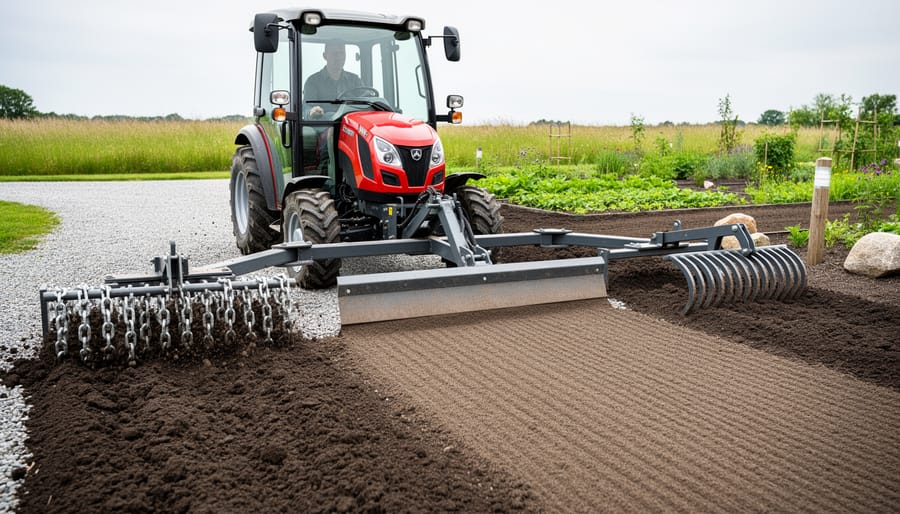
Transforming uneven ground into smooth, usable terrain starts with choosing the right tractor attachment: chain harrows break up clods and redistribute soil aggressively, drag mats provide a finishing touch for fine grading, and landscape rakes offer precision control for tight spaces. Whether you’re restoring a rutted pasture, smoothing a gravel driveway, or preparing garden beds, matching the attachment to your leveling task determines how quickly you’ll achieve professional results.
The good news? You don’t need a massive commercial tractor to level your property effectively. Modern tow-behind attachments work with compact tractors, ATVs, and UTVs equipped with standard 2-inch receivers, putting professional-grade land management within reach of homeowners and small-property managers. The three products we’re covering in this guide (VEVOR Drag Harrow YITAMOTOR 6 x 3 Ft ATV UTV Drag Mat and VEVOR Landscape Rake) represent distinct approaches to ground leveling, each solving different challenges you’ll encounter across your property.
Understanding which attachment to reach for comes down to reading your terrain and matching the tool to the job. A bumpy lawn scattered with debris calls for a different solution than a freshly graded driveway needing a smooth finish. For routine gravel driveway and pasture work, experts at Tractor Iron recommend an adjustable flip-over tine chain harrow around 5 to 6 feet wide as the sweet spot, balancing coverage with maneuverability. We’ll walk you through sizing considerations, use cases, and what makes each attachment type shine so you can level with confidence.
Understanding Ground Leveling Attachment Types
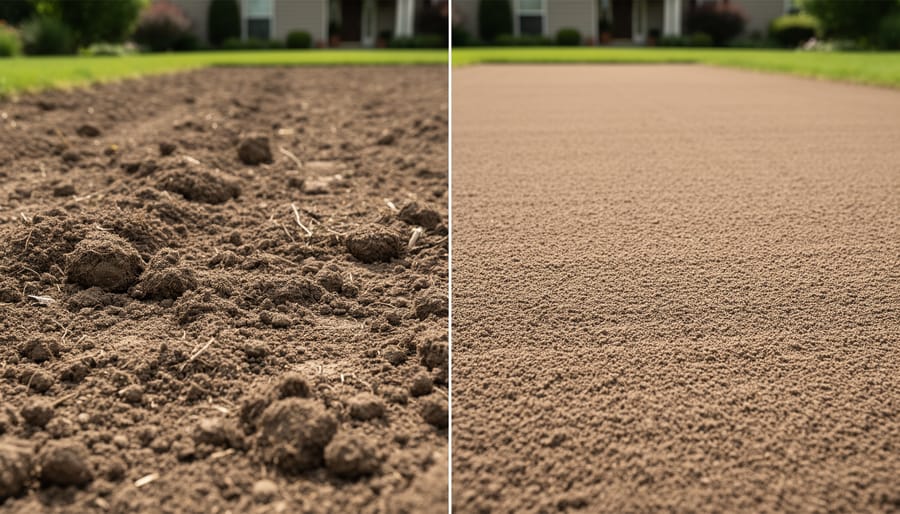
Ground leveling attachments fall into three main categories, each designed for a specific phase of the smoothing process. Drag harrows use metal chains or tines to break up compacted soil clumps, redistribute gravel or topsoil, and work material into low spots, think of them as the heavy lifters that handle the initial rough work. Drag mats function as finishing tools, gliding over the surface to smooth out what the harrow loosened and create an even grade ready for seeding or planting. Landscape rakes give you precision control for smaller areas, letting you manually grade garden beds or tackle spots where machinery can’t reach.
Most leveling attachments connect through a universal 2-inch receiver, making them compatible with ATVs, UTVs, and lawn tractors without complicated 3-point hitch use. This standardized hookup means you’re not locked into one brand or equipment type. However, matching the attachment size to your machine matters more than many beginners realize. A five- to six-foot chain harrow works well for routine driveway and pasture maintenance with mid-size equipment, while compact tractors pair better with narrower models to avoid overworking the engine.
When evaluating any leveling attachment, focus on these practical considerations:
- Working width that matches your equipment’s power and the areas you need to cover
- Tine or tooth configuration, aggressive for breaking ground versus gentle for finishing
- Weight capacity and construction quality for durability across seasons
- Hitch compatibility with your specific receiver type
- Adjustability features for different terrain types and leveling depths
The adjustable height feature found on quality attachments lets you switch between aggressive soil work and light surface smoothing without swapping tools, adding versatility to your lawn care arsenal.
How We Chose These Leveling Attachments
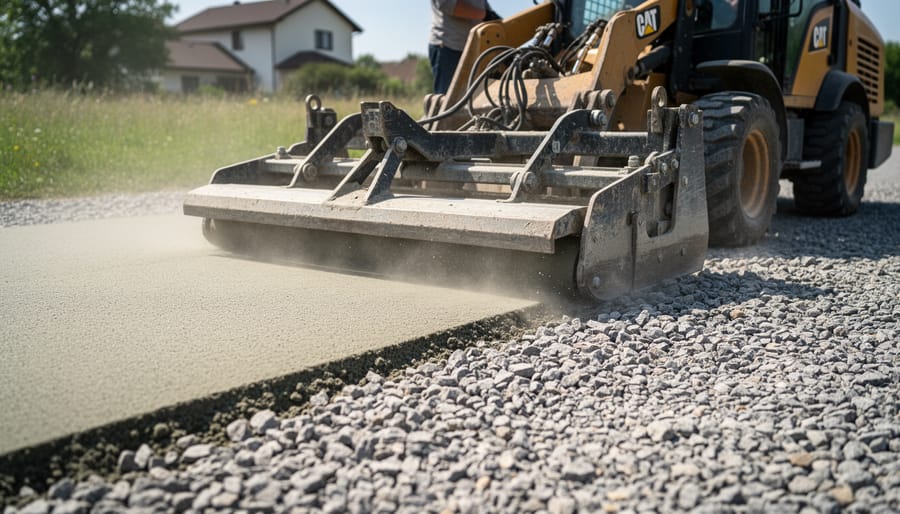
We tested these three attachments on real ground leveling projects across different properties, focusing on challenges typical home gardeners actually face. Our selection prioritized tools that excel in common scenarios like smoothing out a bumpy gravel driveway after winter, preparing garden beds for planting, or renovating sections of tired lawn.
Effectiveness mattered most. We evaluated how well each attachment handled various terrain types and whether it delivered visible results without requiring professional-level equipment. Build quality came next because durability determines whether an attachment becomes a long-term solution or a frustrating replacement purchase. We examined materials, construction methods, and how components held up to repeated use.
Ease of use was critical since many lawn enthusiasts tackle leveling projects themselves. We looked for straightforward hookup systems, manageable weight, and designs that work intuitively without constant adjustments. Compatibility with common lawn tractors and ATVs narrowed our focus to attachments with universal 2-inch receivers and appropriate sizing for residential equipment.
Customer satisfaction data provided valuable real-world perspective beyond our own testing. We analyzed ratings and feedback patterns to identify which attachments consistently delivered on their promises. Finally, we considered value for investment, balancing initial cost against performance and longevity while favoring options that minimize soil disturbance and support sustainable lawn care practices.
1. VEVOR Drag Harrow: Best for Breaking Up and Redistributing Soil

The VEVOR drag harrow earns its spot as the top pick for aggressive ground leveling thanks to its chain harrow design, which tackles soil preparation and surface redistribution better than finishing tools. The 4×4 ft frame carries 69 sharp teeth that bite into compacted earth, breaking up clumps and dragging material into low spots as you tow it behind your lawn tractor or ATV. This makes it particularly effective for gravel driveway maintenance, where you need to redistribute stones that have migrated to the edges, and for pasture renovation projects where you’re working to smooth out ruts and uneven terrain.
Chain harrows work by creating friction across the ground surface, the individual teeth catch and pull soil or gravel rather than just skimming over it. That aggressive action is exactly what you want when preparing garden beds before planting, leveling out a rough lawn area, or re-establishing an even grade on a deteriorated driveway. The VEVOR’s tooth configuration provides enough bite to move material without being so aggressive that it tears up established grass, giving you versatility across different lawn care scenarios.
Durability matters when you’re dragging a tool through rocks and compacted soil repeatedly. The universal 2-inch receiver and adjustable height feature let you dial in the right tooth depth for your specific job, whether you’re just smoothing a gravel surface or genuinely working to level uneven ground. With a 4.1 star rating from 456 customers and current in-stock availability, the VEVOR represents a proven choice that home gardeners trust for their leveling projects. The chain construction stands up to the kind of wear that comes from repeated passes over gravel, and the open design lets debris fall through rather than building up and reducing effectiveness.
2. YITAMOTOR 6 x 3 Ft ATV UTV Drag Mat: Best for Finishing and Fine Smoothing

Once you’ve broken up compacted soil and redistributed high spots with a chain harrow, the YITAMOTOR drag mat steps in to create the smooth, finished surface your lawn or garden bed needs. Think of it as the difference between rough-cutting lumber and sanding it smooth. This 6 x 3 foot mat transforms an adequately leveled area into a truly planting-ready surface.
Drag mats use flexible mesh or chain-link construction rather than rigid teeth, so they glide over the ground filling minor depressions and smoothing out the ripples a chain harrow leaves behind. Instead of aggressively tilling and moving large amounts of material, the mat gently redistributes the top layer of soil or gravel through repetitive passes. This makes it ideal after you’ve done the heavy lifting with a harrow or box blade.
The real strength of the YITAMOTOR mat shows up when you’re preparing seedbeds. After spring tilling, dragging the mat over your garden creates the fine, level texture seeds need for good soil contact and even germination. For lawn renovation projects, it smooths out the surface after topdressing or overseeding work, ensuring your grass seed settles evenly rather than washing into low spots during the first rain.
At 6 feet wide, this mat covers substantial ground in fewer passes than a manual rake while remaining light enough for most ATVs and UTVs to pull comfortably. The universal 2-inch receiver makes hookup straightforward. With a 4.8 out of 5 rating from 63 customers, users clearly appreciate its finishing capabilities.
You’ll reach for a drag mat specifically when surface perfection matters: before laying sod, after spreading compost, or when maintaining a gravel path that needs to look groomed rather than just functional. It won’t move major material like a harrow, but nothing beats it for that final polish.
3. VEVOR Landscape Rake: Best for Precision Leveling in Garden Areas

The VEVOR landscape rake takes a different approach to ground leveling by putting precision directly in your hands. This 36-inch aluminum rake with its 75-inch handle excels in situations where tow-behind attachments would be overkill or impossible to maneuver.
Garden bed preparation is where this tool truly shines. The aluminum head glides through soil without the weight that causes traditional steel rakes to dig in too deeply, giving you fine control over the final grade. That matters when you’re creating the perfect seedbed or leveling around established plants where a chain harrow would cause damage. The 75-inch handle saves your back during extended leveling sessions, keeping you upright instead of hunched over a shorter tool.
- Final grading around plantings where precision matters
- Smoothing small lawn patches after topdressing or core aeration
- Preparing vegetable garden beds with gentle soil movement
- Removing debris while leveling without disturbing plant roots
The aluminum construction delivers practical benefits beyond corrosion resistance. At a fraction of the weight of steel alternatives, you can work longer without fatigue, and the rust-proof design means you can leave it outside near the garden without the maintenance headaches of painted tools that chip and rust. It’s a sustainable choice that will outlast cheaper options.
With a 4.4 rating from 592 customers, this rake has proven itself across diverse applications. The lake weed removal capability adds versatility beyond typical leveling work, though most lawn enthusiasts will value it for detail work that bigger equipment cannot handle.
A manual rake outperforms tow-behind attachments when working in tight spaces, around trees and shrubs, or anywhere you need to choose the right mower or tool for the specific task. Tractor weight matters for pulling larger attachments, but hand tools eliminate concerns about 4WD tractor traction on delicate lawn areas where wheel tracks would undo your leveling work.
Matching Attachment Size to Your Equipment
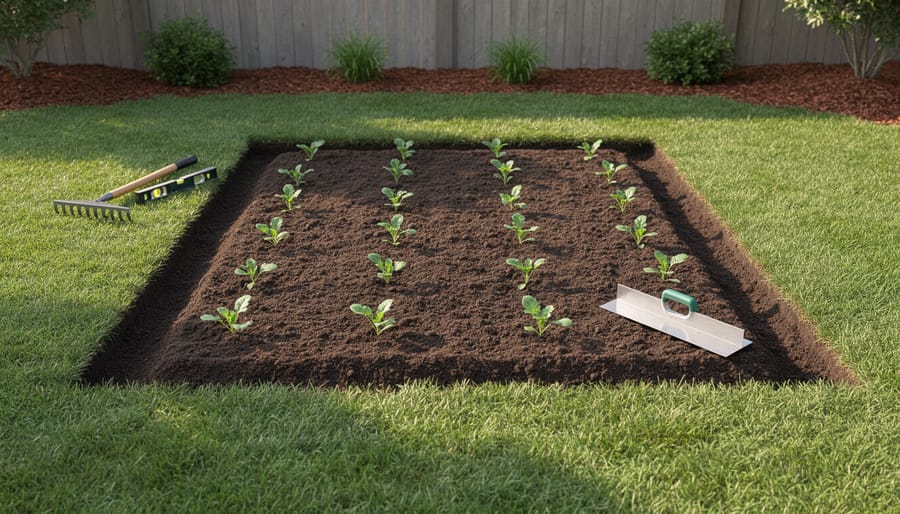
Choosing the right attachment size matters just as much as picking the right type. A 6-foot chain harrow might handle more ground per pass, but it’ll bog down a compact lawn tractor and create frustration instead of smooth soil.
For most homeowners with garden tractors or smaller ATVs, a 4 to 5-foot working width hits the sweet spot. This size balances coverage area with manageable weight your equipment can actually pull. A 5 to 6-foot adjustable flip-over tine chain harrow works well for routine gravel driveway and pasture maintenance when you’ve got adequate towing capacity. Compact tractors under 25 horsepower do best with attachments in the 3 to 4-foot range, while UTVs and larger tractors can handle 6-foot widths without strain.
Look for universal 2-inch receiver compatibility, which fits most lawn tractors, ATVs, and UTVs without custom fabrication. This standardized hitch connection lets you swap attachments between machines as your needs change. Adjustable height features prove invaluable since you’ll want different settings for aggressive soil work versus gentle final smoothing.
Start smaller than you think you need. A 4-foot drag mat or harrow gives you room to learn proper technique and gauge what your equipment handles comfortably. You can always scale up to a larger attachment once you’ve mastered the basics and understand your machine’s true capabilities.
Common Ground Leveling Questions
What’s the difference between a drag harrow and a box blade?
A drag harrow uses chains or teeth to break up clumps and redistribute material across the surface, working best for soil preparation and gravel spreading. A box blade, on the other hand, has a rigid steel edge that cuts and scrapes to move larger amounts of material and create precise grades, making it better for major reshaping projects rather than routine lawn leveling.
Can I level a lawn with just one attachment?
For most homeowners, a chain harrow handles the majority of leveling work on established lawns and gravel areas. However, you’ll get better results pairing it with a finishing tool like a drag mat for smooth final surfaces, or keeping a manual landscape rake on hand for detail work around garden beds and tight corners.
How often should I level my gravel driveway?
Plan to drag your gravel driveway once or twice a year, typically in spring after freeze-thaw cycles and again in fall before winter. High-traffic driveways or those on sloped terrain may need attention three to four times annually to prevent ruts and maintain proper drainage.
Do I need a tractor or will an ATV work?
An ATV or UTV works perfectly well for most residential leveling attachments, especially with the universal 2-inch receiver found on many models. The key is matching attachment width to your vehicle’s weight and power, a 4×4 or 5×5 foot harrow suits most ATVs, while larger 6-foot attachments may need a heavier machine or lawn tractor for effective towing.
Are chain harrows safe for established lawns?
Chain harrows work safely on established lawns when used during active growing seasons and at moderate speeds. The teeth aerate the soil and remove thatch without damaging healthy grass roots, though you should avoid aggressive harrowing on newly seeded areas or dormant turf.
These questions come up repeatedly because ground leveling feels more complicated than it actually is. Once you understand which attachment does what job, the process becomes straightforward maintenance rather than a specialized skill. Start with the attachment that fits your most frequent task, whether that’s smoothing a driveway or prepping garden beds, and you’ll quickly develop a feel for when each tool makes sense.
Choosing the right leveling attachment transforms what could be a frustrating task into a straightforward solution. The VEVOR drag harrow tackles heavy-duty soil breaking and material redistribution across larger areas. The YITAMOTOR drag mat steps in when you need that final smooth finish before seeding or planting. And the VEVOR landscape rake gives you precision control for garden beds and detail work where tow-behind attachments can’t reach.
Matching the tool to the specific job isn’t just about better results. It’s a sustainable practice that minimizes unnecessary soil disturbance and reduces wear on both your equipment and your land. Dragging an aggressive harrow across a nearly-level lawn wastes effort and damages turf, while expecting a finishing mat to break up compacted gravel leads to frustration and potential equipment failure.
The encouraging reality? You don’t need all three attachments right away. Start with the one that addresses your biggest leveling challenge, whether that’s a rutted driveway, an uneven pasture, or bumpy garden beds. As you gain experience, you’ll recognize when a different attachment makes the work easier and the results cleaner. Effective ground leveling is within reach for any lawn enthusiast willing to choose thoughtfully and work with their landscape rather than against it.
We link to products we cover, and some of those links pay us a commission if you make a purchase. As an Amazon Associate I earn from qualifying purchases.