Mow your lawn every 5-7 days during peak growing season to stay ahead of most municipal height ordinances, which typically cap grass at 6-12 inches before issuing violations. Set your mower blade to remove only the top third of grass blades each session, a practice that strengthens roots while keeping you compliant with neighborhood codes requiring maintained appearances. Check your local ordinances immediately by calling your city’s code enforcement office or visiting the municipal website, as regulations vary dramatically from requiring weekly cuts in some suburbs to having no restrictions in rural areas.
Understanding these rules matters beyond avoiding fines. Regular mowing creates healthier turf that naturally crowds out weeds, reducing your need for chemical interventions that harm beneficial insects and polypropylene. The clippings you leave behind, when mowed frequently enough to be short, decompose quickly and return nitrogen to your soil, eliminating up to 25% of your lawn’s fertilizer requirements. This grasscycling approach aligns perfectly with sustainable practices while meeting the “well-maintained” standards most ordinances describe.
Your mowing frequency should flex with grass growth rates, not arbitrary calendar dates. Cool-season grasses like fescue and bluegrass grow vigorously in spring and fall, demanding weekly attention, while summer heat slows growth to bi-weekly maintenance. Warm-season varieties like bermudagrass reverse this pattern. Adjust your schedule based on actual growth, using the one-third rule as your guide. When grass reaches your target height plus one-third, it’s time to mow again, ensuring you satisfy both legal requirements and your lawn’s biological needs for consistent, stress-free trimming.
What Lawn Mowing Regulations Actually Require
Understanding Your Local Requirements
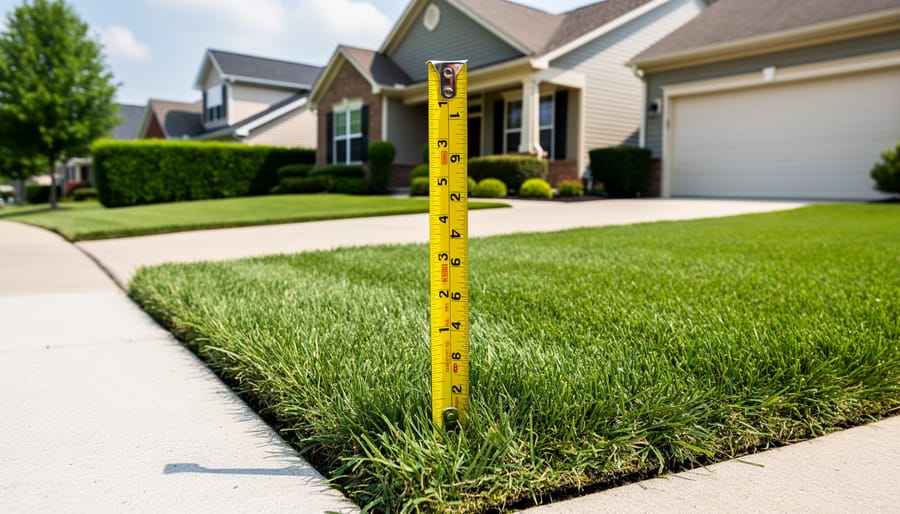
Navigating legal lawn mowing requirements doesn’t have to feel like decoding ancient scrolls. Most local ordinances are surprisingly accessible once you know where to look. Start with your city or county’s official website, typically under “Code Enforcement” or “Property Maintenance” sections. Many municipalities now have searchable code databases where you can enter keywords like “grass height” or “lawn maintenance.” Most regulations specify a maximum grass height, usually between 6 to 12 inches, though this varies considerably by location.
Don’t overlook your Homeowners Association if you’re part of one. HOA covenants often have stricter standards than municipal codes and may dictate specific mowing schedules or aesthetic requirements. Request a copy of your CC&Rs (Covenants, Conditions, and Restrictions) if you haven’t reviewed them recently.
What about penalties? Non-compliance typically follows a progressive path. You’ll usually receive a written warning first, followed by fines that can range from $50 to several hundred dollars per violation. Some cities may even mow your lawn themselves and bill you at premium rates.
Here’s a practical tip: Call your local code enforcement office directly. Officers are often happy to clarify confusing language and can tell you about common issues in your neighborhood. Take notes and keep documentation. Remember, these regulations exist partly to prevent pest harborage and fire hazards, aligning with good lawn stewardship that benefits everyone.
The Science Behind Regular Mowing Schedules
How Often Is ‘Regular’ for Your Grass Type?
Understanding what “regular” means for your specific grass type is key to maintaining a healthy, compliant lawn without overworking yourself or your mower. The answer largely depends on whether you’re growing cool-season or warm-season grasses, and what Mother Nature is up to in your region.
Cool-season grasses like Kentucky bluegrass, perennial ryegrass, and tall fescue thrive in spring and fall, when temperatures hover between 60-75°F. During these peak growing periods, you’ll likely need to mow weekly, sometimes even twice a week if rainfall and mild temperatures create ideal conditions. Come summer heat or winter dormancy, these grasses slow down considerably, and you might stretch mowing to every 10-14 days or pause altogether.
Warm-season varieties including Bermuda, zoysia, and St. Augustine grass hit their stride during hot summer months. From late spring through early fall, plan on weekly mowing sessions to keep up with their vigorous growth. During cooler months, these grasses go dormant and require minimal to no mowing, giving you a well-deserved break.
Weather plays a significant role in your mowing schedule beyond just the season. A rainy spring means faster growth and more frequent cuts, while drought conditions naturally slow grass growth, reducing your mowing frequency. This is where understanding different mowing methods becomes valuable, as adjusting your approach can help manage varying growth rates sustainably.
A practical tip: Follow the one-third rule, never removing more than one-third of the grass blade height in a single mowing. This guideline helps you determine when it’s genuinely time to mow, regardless of what the calendar says, ensuring your lawn stays healthy while meeting local appearance standards.
Staying Compliant While Building a Sustainable Lawn
Equipment Choices That Meet Both Goals
Choosing the right mowing equipment can make all the difference in maintaining a regular schedule while minimizing your environmental footprint. The good news is that modern eco-friendly options have evolved dramatically, offering excellent performance without the noise, emissions, and maintenance headaches of traditional gas mowers.
For small to medium lawns (up to 5,000 square feet), reel mowers represent the ultimate sustainable choice. These human-powered beauties produce zero emissions, require minimal maintenance, and provide excellent exercise. They work best when you’re mowing frequently, cutting no more than one-third of the grass height at a time—which aligns perfectly with regular mowing practices. The quiet operation means you can mow early morning or late evening without disturbing neighbors, giving you more flexibility to meet local time restrictions.
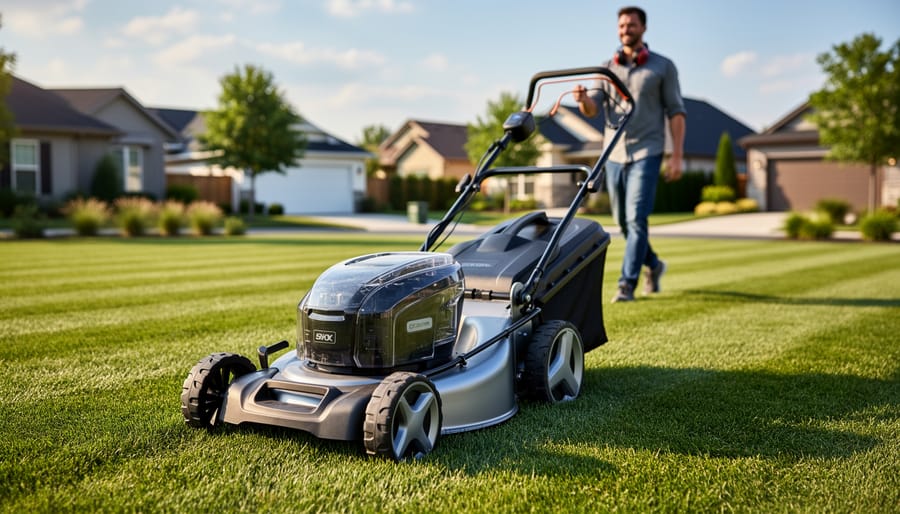
Battery-powered mowers have become game-changers for medium to large lawns. Today’s lithium-ion technology delivers runtime comparable to gas mowers, with most models handling 8,000 to 12,000 square feet on a single charge. They start instantly, require virtually no maintenance, and produce zero direct emissions. Look for models with interchangeable batteries if you have a larger property—you can swap in a fresh battery and keep going.
Corded electric mowers suit smaller properties where managing the cord isn’t too cumbersome. They’re typically the most affordable eco-friendly option and never run out of power mid-mow. Modern models offer surprising cutting power and mulching capabilities that return nutrients to your lawn.
When selecting equipment, consider your lawn size, terrain complexity, and physical capabilities. The best mower is one you’ll actually use consistently, helping you maintain that regular schedule that keeps both your lawn and local ordinances happy.
Creating Your Regulation-Friendly Mowing Routine
Establishing a mowing routine that satisfies local regulations while keeping your lawn healthy doesn’t have to feel overwhelming. Think of it as creating a rhythm that works with nature and your community’s expectations, rather than against them.
Start by checking your local ordinances for any specific requirements, then build your schedule around those minimums while prioritizing what your grass actually needs. Most regulations align nicely with good lawn care practices anyway. During peak growing season in spring and early summer, plan to mow weekly. This frequency typically satisfies height restrictions while following the golden rule of never removing more than one-third of the grass blade at once.
As seasons shift, adjust your schedule accordingly. In late summer and fall, you can often stretch to every ten days as growth naturally slows. This flexibility helps you stay compliant without overmowing, which can stress your lawn unnecessarily.
Drought conditions require special consideration. Many municipalities relax enforcement during water restrictions, understanding that dormant grass won’t grow. If you’re facing extreme heat or drought, communicate with your local code enforcement office. They’re usually reasonable when homeowners demonstrate they’re practicing responsible water conservation. Meanwhile, raise your mower deck slightly higher than usual when you do mow, as taller grass shades soil and retains moisture more effectively.
Life gets busy, and sometimes you’ll miss your ideal mowing window. Build in backup options by identifying a reliable neighbor who might trade mowing favors, or research local lawn services for occasional help. Many communities have teen entrepreneurs or retired folks who offer affordable one-time mowing. Keep these contacts handy so a hectic week doesn’t turn into a compliance issue.
Consider sustainability by leaving grass clippings on the lawn when they’re short enough to filter down quickly. This practice, called grasscycling, returns nutrients to your soil while saving you time and keeping you on schedule. Your lawn stays healthy, your neighbors stay happy, and you’re contributing to a more sustainable approach to lawn care.
When Regular Mowing Becomes Challenging
Life happens, and even the most dedicated homeowners encounter situations that disrupt their regular mowing schedule. Understanding these challenges and having backup plans in place can help you maintain compliance with local regulations while reducing stress.
Vacation planning is one of the most common obstacles. If you’re leaving during the growing season, especially in spring or early summer when grass grows fastest, just one week away can leave you with a jungle. Consider arranging for a neighbor exchange where you mow each other’s lawns during absences. This friendly solution costs nothing and builds community connections. Alternatively, hiring a professional service for just those weeks can be surprisingly affordable and ensures compliance.
Physical limitations, whether temporary injuries or age-related challenges, can make pushing a mower difficult or impossible. This is where technology becomes an invaluable ally. Robotic lawn mowers handle the job autonomously and can be particularly beneficial for those with mobility concerns. You might also explore electric mowers with self-propelled features that require less physical effort than traditional models.
Extreme weather creates another genuine challenge. Extended rainy periods make mowing unsafe and can waterlog soil, while droughts might temporarily halt growth entirely. Most municipalities understand these situations. If weather delays your mowing beyond the allowed height, document the conditions with photos and dates. Should you receive a notice, you’ll have evidence of reasonable circumstances.
Equipment breakdowns always seem to happen at the worst times. Keep your mower well-maintained to minimize this risk, but also identify backup options beforehand. Know which neighbors might lend equipment or which local services offer emergency mowing. If you’re facing a violation notice due to broken equipment, contact your HOA or municipal office immediately. Most are willing to grant brief extensions when homeowners communicate proactively and demonstrate good faith efforts to resolve the situation.
Here’s the wonderful news: regular lawn mowing isn’t just about checking a box on your municipal compliance list. It’s a practice that serves double duty, keeping you on the right side of local regulations while simultaneously creating the healthy, attractive lawn most of us dream about. When you establish a consistent mowing routine, you’re investing in both your property value and your neighborhood’s standards without it feeling like a chore.
Remember, consistency trumps perfection every time. You don’t need a golf-course-quality lawn to comply with regulations or enjoy your outdoor space. A simple, regular schedule—whether that’s weekly during peak growing season or every ten days during slower periods—makes compliance practically effortless. The beauty of routine is that it becomes second nature, and your lawn responds by growing stronger and more resilient.
Before you start, take a few minutes to check your local requirements. Most municipalities have their guidelines readily available online, and knowing exactly what’s expected removes any guesswork. If you’re just getting started with lawn maintenance, our comprehensive lawn care guide offers additional strategies for building sustainable practices. View regular mowing as what it truly is: an investment that pays dividends in curb appeal, community harmony, and a thriving outdoor space you’ll genuinely enjoy.