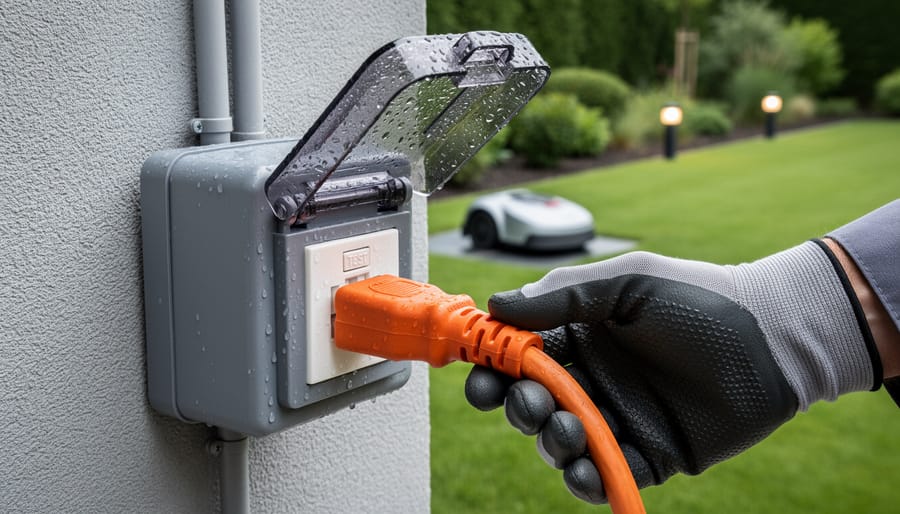
Verify that your outdoor electrical installations meet National Electrical Code (NEC) standards before powering up any smart yard technology—inspectors will check for proper GFCI protection on all outdoor outlets, weatherproof enclosures rated for wet locations, and correct burial depths for underground wiring. Smart irrigation controllers, landscape lighting systems, and robotic lawn mowers all require specific electrical setups that differ from indoor installations, and getting it wrong can mean failed inspections, fire hazards, or voided equipment warranties.
Install GFCI-protected outlets within six feet of any water feature and ensure all outdoor receptacles have in-use weatherproof covers that protect connections even when cords are plugged in. Many homeowners discover too late that their smart yard upgrades need dedicated circuits—a 20-amp circuit might serve your new landscape lighting system, while that charging station for your autonomous mower requires its own protected line to prevent tripping breakers or creating voltage drops.
Know when to call a licensed electrician rather than tackling installations yourself. While connecting a smart sprinkler controller to an existing outdoor outlet might fall within DIY territory in many jurisdictions, running new underground conduit, installing outdoor subpanels, or adding circuits to your main panel typically requires professional certification and permits. Local building departments enforce these requirements not to complicate your project, but because outdoor electrical systems face moisture, temperature extremes, and physical damage risks that indoor wiring never encounters. Understanding these compliance requirements upfront saves money, prevents safety hazards, and ensures your smart yard technology operates reliably for years.
What Makes Smart Yard Electrical Systems Different
The Unique Challenges of Outdoor Smart Technology
When you’re setting up smart technology in your garden, you’re essentially asking electrical devices to survive conditions that would make indoor gadgets shudder. Think about what your outdoor systems face daily: morning dew that leaves everything damp, afternoon sun that can heat surfaces to scorching temperatures, sudden rainstorms, freezing winter nights, and even curious wildlife. These aren’t minor inconveniences; they’re serious challenges that electrical codes specifically address to keep your systems safe and functional.
Moisture is perhaps the biggest concern. While your indoor smart speakers sit comfortably in climate-controlled rooms, outdoor smart irrigation controllers and lighting systems must withstand direct water exposure. This is why electrical codes require specific weatherproof ratings and proper enclosures. Temperature swings present another hurdle. Components that work perfectly at 70 degrees might fail or become fire hazards when they’re baking at 120 degrees in a utility box under summer sun, then plummeting below freezing in winter.
UV radiation from sunlight gradually degrades plastic housings and wire insulation, creating safety risks over time. These environmental factors mean that products rated for indoor use simply won’t cut it outdoors, regardless of how convenient they might seem. Code compliance ensures your smart yard technology uses components specifically engineered to handle these harsh realities, protecting both your investment and your family’s safety.
Power Requirements That Catch Homeowners Off Guard
Many homeowners are surprised to discover that their new smart yard equipment pushes their electrical system to its limits. A robotic mower charging station typically draws 50-100 watts continuously, while smart irrigation controllers add another 10-20 watts per zone. Add LED landscape lighting systems that might seem minimal individually but collectively draw significant amperage, and you’re looking at a substantial load on circuits that may already be serving multiple outdoor outlets.
Here’s what catches people off guard: most outdoor circuits are 15 or 20-amp lines shared among several outlets. When you plug in that mower charger, connect your irrigation controller, and add holiday lights or a pressure washer, you’re suddenly approaching or exceeding safe capacity. This isn’t just about tripping breakers—it’s a genuine fire risk.
The sustainable approach is to plan ahead. Calculate your total anticipated load before installation. You may need dedicated circuits for high-draw equipment or an electrical panel upgrade. While this requires upfront investment, it ensures your smart yard operates safely and efficiently for years to come, preventing the frustration and expense of retrofitting after problems arise.
Essential Code Requirements Every Smart Yard Needs
GFCI Protection: Your First Line of Defense
Think of GFCI (Ground Fault Circuit Interrupter) outlets as the vigilant guardians of your outdoor electrical system. If you’re setting up smart irrigation controllers, landscape lighting, or any electrical device in your yard, these specialized outlets aren’t just recommended—they’re absolutely required by electrical code and quite literally lifesaving.
Here’s what makes GFCIs so critical: they monitor the flow of electricity and can detect even tiny imbalances that occur when current strays from its intended path. In outdoor environments where moisture is inevitable—whether from rain, sprinklers, morning dew, or wet grass—water can create dangerous pathways for electricity. A GFCI outlet senses these irregularities in milliseconds and instantly cuts power before you can experience a harmful or fatal shock.
Electrical code mandates GFCI protection for all outdoor outlets, as well as outlets in garages, unfinished basements, crawl spaces, and within six feet of water sources like outdoor faucets or pool areas. When you’re plugging in that smart garden monitor or weather station, that GFCI outlet is constantly working to keep you safe.
You can identify GFCI outlets by their distinctive test and reset buttons between the plug receptacles. These should be tested monthly—simply press the test button to ensure the outlet trips, then press reset to restore power. It’s a small maintenance task that ensures your first line of defense remains functional. If you’re installing new outdoor electrical features for your smart yard, confirming GFCI protection isn’t optional—it’s the foundation of a safe installation.
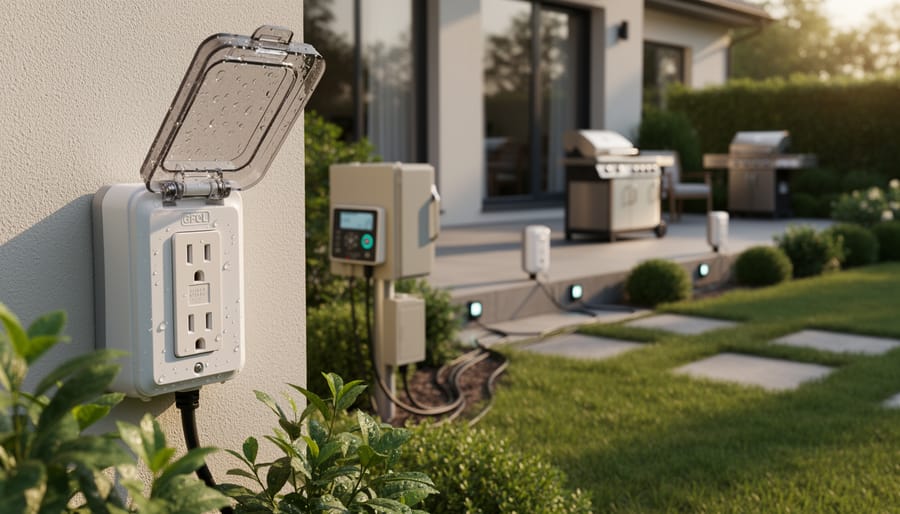
Weatherproof Enclosures and Outlet Covers
When you’re setting up outdoor smart irrigation systems, landscape lighting, or charging stations for your garden tools, weatherproof protection isn’t just a good idea—it’s required by electrical code. Think of these covers as raincoats for your electrical connections, keeping moisture out and your family safe.
There are two main types of weatherproof covers you’ll encounter. Standard weatherproof covers work fine when nothing is plugged in, but here’s where many homeowners trip up: if you’re keeping something constantly connected—like a smart watering timer or outdoor lighting controller—you need what’s called an “in-use” cover. These bubble-shaped covers protect your devices even when cords are plugged in, with sealed openings that keep rain and snow from sneaking inside.
The most common mistake? Using a standard flat cover for permanently installed equipment. I’ve seen countless outdoor smart device setups fail inspection because folks didn’t realize their constantly-connected rain sensor or Wi-Fi-enabled irrigation hub required the deeper in-use style. Another frequent oversight is forgetting that the boxes themselves must be rated for wet locations, not just damp ones. Look for boxes specifically marked “WP” (weatherproof) or rated for direct exposure.
When planning your smart yard setup, always choose covers rated for the specific application. Your local inspector will check, and more importantly, proper weatherproofing protects your investment in smart technology while keeping your outdoor spaces safe for everyone enjoying your garden.
Proper Wire Types and Conduit Requirements
When you’re running electricity to your smart irrigation system or landscape lighting, choosing the right wire type isn’t just about following rules—it’s about keeping your outdoor space safe for years to come. Think of it like choosing the right mulch for your garden beds; the proper materials make all the difference.
For most outdoor electrical projects, you’ll need UF (Underground Feeder) cable, which features a solid plastic jacket that protects against moisture and corrosion. Unlike regular indoor wiring, UF cable can handle the damp conditions of soil and weather exposure. It’s designed specifically for this environment, much like how native plants are naturally suited to your local conditions.
Now, here’s where depth and protection requirements come into play. Direct burial of UF cable is acceptable in many situations, but you’ll need to bury it at least 24 inches deep for 120-volt circuits. If you’re using metal or PVC conduit for added protection, you can reduce that depth to 18 inches for rigid conduit or 12 inches for GFCI-protected circuits in conduit. Think of conduit as an extra layer of protection, similar to row covers protecting your vegetable garden.
Conduit becomes mandatory when wiring exits the ground and travels above surface, at building entries, or anywhere the cable might be vulnerable to physical damage. For landscape lighting transformers and smart irrigation controllers mounted on posts or walls, you’ll definitely need that conduit protection where wiring transitions from underground to above ground.
Circuit Capacity and Dedicated Lines
Think of your outdoor electrical circuits like garden beds—overcrowd them, and nothing thrives. When you’re adding smart irrigation controllers, outdoor lighting systems, or pool equipment, you’ll often need dedicated circuits. These are electrical lines serving just one device or appliance, preventing overload.
Calculating your load requirements sounds intimidating, but it’s straightforward. Check the amperage rating on each device (usually on a label or in the manual). Add up all devices you plan to connect to one circuit. A standard 15-amp circuit shouldn’t exceed 12 amps of continuous load—that’s your safety buffer, much like leaving space between plants for airflow.
Here’s where many smart yard enthusiasts run into trouble: daisy-chaining multiple devices onto one outlet using power strips or extension cords. It’s tempting when installing several smart devices in one area, but this creates serious fire hazards. Each connection point can generate heat, and outdoor moisture amplifies the risk. Major appliances like electric mowers, hot tubs, or powerful landscape lighting typically need their own dedicated 20-amp circuits. When planning your smart yard upgrades, map out which devices truly need dedicated lines—your local inspector and your home’s safety depend on getting this right from the start.
Common Smart Yard Installations and Their Code Requirements
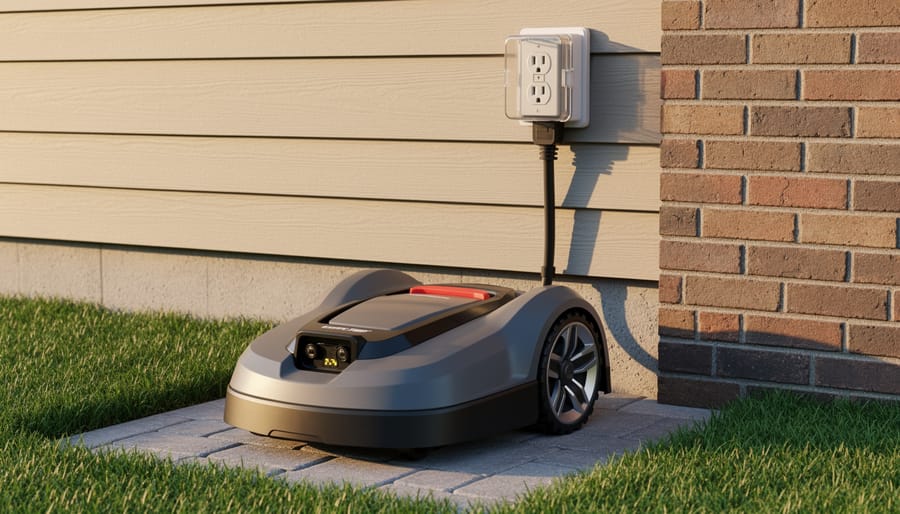
Robotic Mower Charging Stations
Setting up your robotic mower’s charging station properly isn’t just about convenience—it’s about safety and compliance with electrical codes. The National Electrical Code requires GFCI (Ground Fault Circuit Interrupter) protection for all outdoor outlets, and your mower’s charging station is no exception. This protection prevents electrical shocks in wet conditions, which is especially important given that these stations sit on damp lawns year-round.
When planning your robotic mower installation, choose a level, well-drained spot close to an existing outdoor GFCI outlet. If you need to install a new outlet, this requires hiring a licensed electrician in most jurisdictions. The charging station itself needs proper weatherproofing—look for stations with IP ratings of at least IP44, though IP54 is better for areas with heavy rainfall.
Many manufacturers provide low-voltage charging stations that connect to a transformer, similar to landscape lighting systems. While the low-voltage wiring can typically be installed DIY-style, the 120-volt connection to your home’s electrical system should be handled by a professional. Following proper charging practices starts with a code-compliant installation that keeps your investment protected and your yard safe for family and pets.
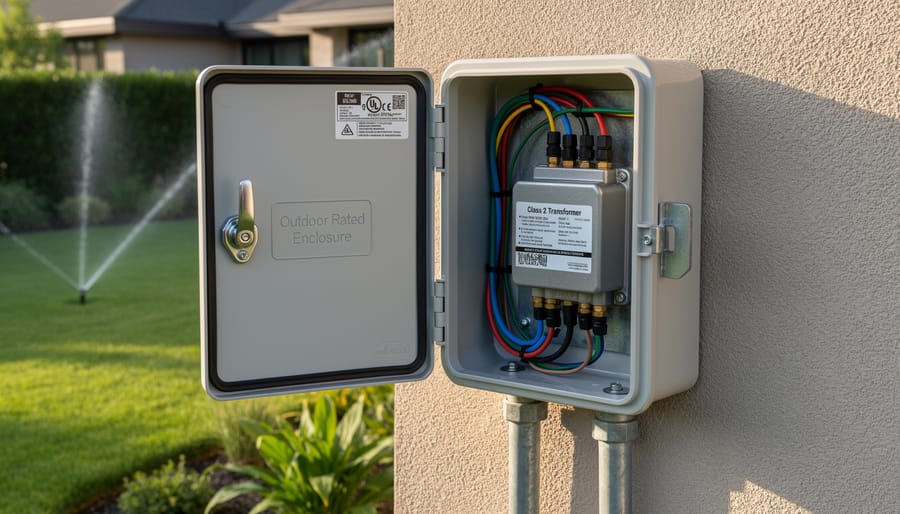
Smart Irrigation Controllers and Valve Systems
When you’re installing smart irrigation systems, understanding the electrical requirements is crucial for both safety and compliance. Most modern smart controllers operate on low voltage (typically 24 volts AC), which is much safer to work with than standard household line voltage. However, you’ll need a transformer to step down your home’s 120-volt power to the lower voltage, and this transformer installation must meet code requirements.
Your outdoor controller needs to be rated for exterior use with proper GFCI protection on the power supply. The transformer should be UL-listed and appropriately sized for your valve system’s power demands. Calculate the total valve amperage draw to ensure your transformer can handle the load without overheating.
Common compliance issues include improper wire burial depth (typically 6 inches minimum for low-voltage irrigation wires), lack of GFCI protection, and using indoor-rated equipment outdoors. While low-voltage valve wiring doesn’t require conduit in most jurisdictions, the line-voltage supply feeding your transformer absolutely does. If you’re running power from your home to a new outdoor controller location, that’s definitely a job for a licensed electrician to ensure proper weatherproof boxes and code-compliant installation.
Landscape and Pathway Lighting Systems
Outdoor lighting transforms your garden into an evening oasis, but it needs to meet specific electrical codes to keep your space safe and compliant. Let’s break down what you need to know!
For low-voltage systems (typically 12-volt), which are popular for pathway and accent lighting, the electrical code is more forgiving than line-voltage installations. These systems use transformers that step down standard household current, and here’s the good news: the transformer itself must be installed according to manufacturer specifications and located where it’s protected from moisture, but the low-voltage wiring on the output side has minimal burial requirements. Many jurisdictions allow direct burial of low-voltage cables without conduit, though burying them at least 6 inches deep protects them from garden tools and aerators.
Line-voltage outdoor lighting (120-volt) requires much stricter compliance. You’ll need GFCI protection, proper outdoor-rated fixtures, and conduit for all wiring. Wire burial depths matter significantly here: 18 inches minimum for rigid metal conduit, 12 inches for intermediate metal conduit, and a full 24 inches for direct-burial cable without conduit in residential applications.
If you’re installing line-voltage systems, this is definitely professional electrician territory. Low-voltage systems offer more DIY flexibility while still delivering beautiful, energy-efficient results that enhance your sustainable gardening vision. Always verify your local code requirements before starting any project.
Outdoor Smart Outlets and Charging Stations
Outdoor outlets make powering your smart irrigation controllers, robotic mowers, and electric garden tools wonderfully convenient, but they need proper placement to meet code requirements. The National Electrical Code requires at least one GFCI-protected outlet at the front and back of your home, positioned no more than 6.5 feet above ground level. For larger yards exceeding 1,000 square feet of lawn area, consider adding outlets every 50-75 feet to avoid extension cord hassles when using electric trimmers or leaf blowers.
All outdoor outlets must have weatherproof, in-use covers that protect them even when cords are plugged in. If you’re setting up a dedicated charging station for battery-powered garden equipment, ensure it’s on a dedicated 20-amp circuit to handle multiple chargers simultaneously. Spacing matters for sustainability too—strategically placed outlets eliminate the need for gas-powered tools and reduce your carbon footprint. Remember, any outlet within six feet of water features needs GFCI protection, and underground wiring to reach distant garden spots requires proper conduit burial at code-specified depths, typically 18-24 inches depending on your location.
When DIY Crosses the Line (Literally)
What You Can Handle as a Homeowner
Good news—you don’t need to call an electrician for every electrical task in your smart yard! There are several compliance-friendly projects you can tackle yourself, saving money while keeping everything safe and legal.
Replacing standard outlets with GFCI outlets is probably the most valuable DIY task you can learn. If you already have an outlet box installed outdoors, swapping it for a GFCI version is straightforward: turn off the circuit breaker, remove the old outlet, connect the wires to your new GFCI (following the clear markings), and you’re done. This upgrade is essential for outdoor electrical safety and something inspectors always appreciate.
Low-voltage outdoor lighting is another homeowner-friendly option. Systems running on 12 volts or less don’t typically require permits, making them perfect for pathway lighting or highlighting garden beds. You’ll connect a transformer to an existing outdoor outlet, then run the low-voltage wire to your fixtures—think of it like extending your garden hose rather than replumbing your house.
Simply plugging smart devices into existing, code-compliant outdoor outlets is always fair game. Your smart irrigation controller, outdoor speakers, or weather station can connect to properly installed GFCI outlets without any special requirements. Just verify that the outlet is weatherproof and has appropriate protection before adding your new technology to it.
When to Call a Licensed Electrician
Just as you’d call a professional arborist for removing a large tree rather than tackling it with a handsaw, there are electrical projects in your smart yard that genuinely need expert hands. Think of licensed electricians as the specialists of the electrical world—they’ve got the training, tools, and permits to handle the complex stuff safely.
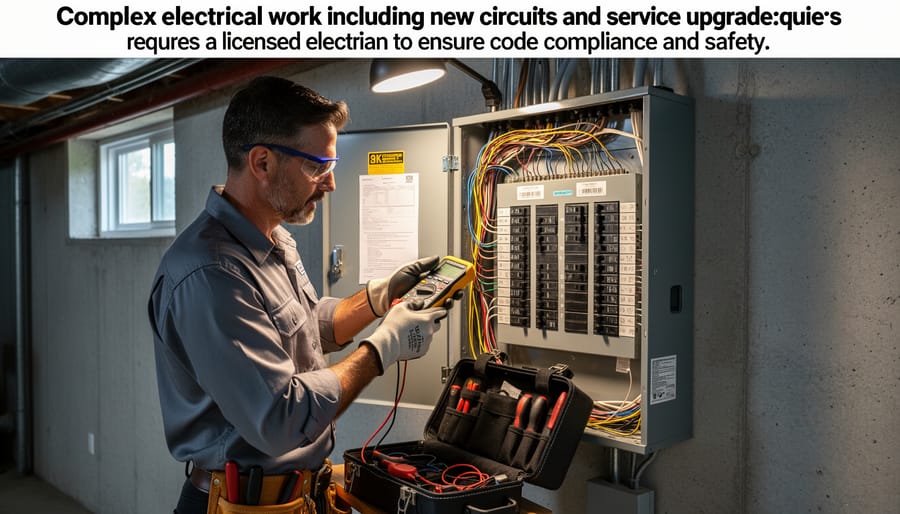
You’ll definitely want to call a pro when running new circuits from your main panel to outdoor locations. This isn’t like replanting perennials where you can experiment and adjust. New circuits involve working inside your electrical panel, calculating loads, and ensuring everything meets code requirements. Similarly, if your smart yard expansion requires upgrading your entire service panel to handle increased electrical demand, that’s professional territory. Panel upgrades involve working with live high-voltage connections and coordinating with your utility company.
Complex installations also warrant professional help. If you’re setting up a sophisticated outdoor lighting system with multiple zones, installing a high-voltage hot tub connection, or adding EV charging stations, hire an electrician. These projects require precision calculations, proper conduit installation, and expertise that ensures longevity and safety.
Here’s the practical rule: if your project requires a permit from your local building department, you need a licensed electrician. Most jurisdictions require permits for new circuits, panel upgrades, and substantial outdoor electrical work. Electricians know how to navigate the permit process, schedule inspections, and guarantee code compliance. Sure, it’s an investment, but it’s like choosing quality compost over cheap fill—you’re building a foundation that’ll serve you well for years while protecting your home and family.
Navigating Permits and Inspections Without the Headache
Does Your Smart Yard Project Need a Permit?
Before you start transforming your outdoor space into a smart garden paradise, let’s talk permits. I know, not the most exciting topic when you’re eager to get those smart irrigation controllers and landscape lights installed, but trust me, this step matters.
Generally speaking, low-voltage lighting projects under 30 volts often don’t require permits in many jurisdictions. However, anything involving 120-volt outdoor outlets, permanent hardwired fixtures, or modifications to your home’s main electrical panel typically does. The catch? Regulations vary significantly by location. Your city might have different requirements than the neighboring town, and your homeowners association may add another layer of rules.
Here’s the honest truth: skipping the permit process might seem like a time-saver, but it can backfire spectacularly. You could face fines when discovered, struggle to sell your home if unpermitted work shows up during inspection, or worse, void your homeowner’s insurance if an electrical fire occurs. I’ve seen gardeners have to completely redo beautiful lighting installations because they bypassed permits.
Take thirty minutes to call your local building department or check their website. Most are surprisingly helpful and can quickly tell you what requires approval. This small investment protects your smart yard investment and keeps your sustainable outdoor oasis both beautiful and legal.
What Electrical Inspectors Actually Check
Think of an electrical inspection like having an experienced friend double-check your outdoor project before you flip the switch. Inspectors aren’t there to trip you up—they’re genuinely focused on keeping your property safe and functional for years to come.
During a typical smart yard inspection, the inspector will examine whether your outdoor outlets have proper weatherproof covers and GFCI protection, especially important for those smart irrigation controllers and lighting systems. They’ll check that all wiring is appropriate for outdoor use, properly secured, and buried at the correct depth if you’ve run underground cables for pathway lights or remote sensors. Conduit installations get scrutinized to ensure they’re watertight and correctly sized.
Your electrical panel will receive attention too. Inspectors verify that circuits are properly sized for their loads, breakers are correctly rated, and everything is clearly labeled—think of it like organizing your garden shed so you can find tools easily.
To prepare for a smooth inspection, keep your installation area accessible, have your permits visible, and consider creating a simple diagram showing what you’ve installed. Most inspectors appreciate when homeowners ask questions and show genuine interest in understanding the safety aspects. Remember, a passed inspection means you can enjoy your smart yard improvements with complete peace of mind.
The Real Costs of Non-Compliance
Safety Hazards You Can’t See
The dangers lurking behind your walls and underground are often the most serious. Improperly installed outdoor electrical systems create fire risks that can smolder undetected before igniting surrounding materials like mulch, decking, or even your home’s siding. Think of it like leaving dead, dry grass clippings piled against your fence—it’s a fire waiting for a spark. Faulty wiring can also energize metal components in unexpected places, turning your garden hose spigot or decorative lamp post into an electrocution hazard. What’s particularly concerning is how problems spread beyond the immediate installation point. A single overloaded circuit powering your smart irrigation system might compromise the safety of your entire outdoor electrical network, affecting everything from your patio lighting to your pool equipment. Just as unhealthy soil conditions can spread disease throughout your garden, electrical code violations create cascading safety issues that put your whole property and family at risk.
Insurance and Home Sale Complications
When you’re creating your dream smart yard with automated irrigation systems, outdoor lighting, and other tech-savvy features, it’s easy to get caught up in the excitement and overlook electrical compliance. However, cutting corners here can create serious headaches down the road that extend far beyond your garden beds.
First, let’s talk about insurance. If your non-compliant electrical work causes a fire or other property damage, your homeowner’s insurance may refuse to cover the claim. Insurance adjusters routinely investigate whether electrical work met code requirements, and unpermitted installations often void coverage. You could be looking at tens of thousands of dollars in out-of-pocket expenses for damage that proper compliance would have protected you from.
Liability is another concern worth considering. If someone gets injured due to faulty electrical work on your property—say, a neighbor or their child receives a shock from an improperly installed outdoor outlet—you could face personal liability. This is especially relevant for smart yard features that combine electricity with water exposure.
Finally, if you’re planning to sell your home, non-compliant electrical work can derail the entire process. Home inspectors will flag unpermitted installations, and savvy buyers will either demand corrections, negotiate steep price reductions, or walk away entirely. Getting retroactive permits and bringing work up to code during a sale timeline creates stress and can cost significantly more than doing it right initially.
Building a Compliant Smart Yard the Sustainable Way
Energy-Efficient Smart Yard Planning
Planning an energy-efficient smart yard isn’t just environmentally conscious—it can actually help you meet electrical code requirements while lowering your utility bills. When you design your outdoor electrical system with efficiency in mind, you’re naturally reducing the load on circuits, which makes compliance easier and safer.
Consider solar-powered outdoor lighting for pathways, garden beds, and accent features. These systems often require no hardwiring at all, eliminating permit requirements while providing sustainable illumination. For areas that do need traditional power, modern LED fixtures draw minimal current, allowing you to connect more devices per circuit while staying within code limits.
Energy monitoring systems are game-changers for smart yards. These devices track power consumption in real-time, helping you identify inefficient equipment and prevent circuit overloads before they become code violations. They’re especially useful when running multiple smart devices like irrigation controllers, lighting systems, and water features simultaneously.
Efficient circuit design means grouping devices logically and avoiding overloaded runs. A properly designed system not only passes inspection but operates more reliably and costs less to run. Think of compliance as your foundation for sustainability—when your electrical setup meets code, you’re already halfway to creating an eco-friendly outdoor space that performs beautifully year-round.
Protecting Your Investment and the Environment
Proper electrical code compliance does more than keep inspectors happy—it actively protects your gardening investments. When your outdoor circuits are correctly installed with appropriate voltage regulation and surge protection, your smart irrigation controllers, automated lighting systems, and weather stations last significantly longer. Think of it this way: a power surge from an improperly grounded outlet can fry a $300 irrigation controller in seconds, creating electronic waste and forcing you to repurchase equipment. Code-compliant installations also ensure your battery-powered garden tools charge safely and efficiently. Dedicated outdoor charging stations with GFCI protection prevent voltage fluctuations that degrade lithium-ion batteries prematurely, extending the life of your electric mowers, trimmers, and tillers. By investing in proper electrical infrastructure upfront, you’re reducing equipment replacement cycles, keeping electronics out of landfills, and creating a more sustainable smart yard ecosystem. It’s environmentally responsible gardening that starts with the unseen foundation—your electrical system.
As you embark on your smart yard journey, remember that electrical code compliance isn’t bureaucratic red tape—it’s a safety net designed specifically to protect what matters most: your family, your home, and the investment you’re making in creating a beautiful outdoor space. Every regulation has emerged from real-world lessons, often learned the hard way, and following them means you’re standing on the shoulders of generations of safety knowledge.
Think of code compliance as the foundation of your smart yard, just like healthy soil is the foundation of a thriving garden. You wouldn’t skip soil preparation before planting, and you shouldn’t skip proper electrical planning before installing that smart irrigation system or elegant pathway lighting. The peace of mind that comes from knowing everything is safely installed is priceless—you’ll actually enjoy your automated garden features instead of worrying about potential hazards.
Doing it right the first time genuinely saves money and stress. Correcting code violations after the fact means digging up completed projects, replacing equipment, and potentially facing fines or insurance complications. Compare that to the straightforward approach: consulting with professionals when needed, pulling appropriate permits, and making informed decisions from the start.
Your sustainable outdoor oasis should be as safe as it is beautiful. By approaching your smart yard project thoughtfully and respecting electrical codes, you’re creating a space that will serve your family reliably for years to come. That’s the kind of investment worth making.