Call 811 before you dig anywhere in your yard—this free service marks underground utilities within 48 hours and prevents potentially lethal accidents with gas lines, electrical cables, and water mains. Request a property survey or plat map from your county recorder’s office to identify exactly where easements run across your property, typically showing precise measurements from property boundaries. Visit your local utility companies directly to obtain their specific easement maps, as different providers often maintain separate records for electric, gas, water, and telecommunications lines that may overlap in your yard.
Understanding these maps protects both your landscaping investment and your legal standing. Utility easements grant companies permanent access rights to specific strips of your property, usually ranging from 5 to 20 feet wide, where they can dig, maintain, or repair infrastructure without your permission or obligation to restore your landscaping. This means that beautiful flower bed you planted over a sewer line could be torn up tomorrow with zero compensation.
Design your dream landscape around these constraints rather than ignoring them. Plant shallow-rooted groundcovers, perennials, and ornamental grasses within easement zones instead of installing expensive hardscaping, deep-rooted trees, or permanent structures that utilities can legally remove. Most easements prohibit structures, fencing, and trees but allow flexible landscaping elements that won’t interfere with equipment access. By mapping easements first, you’ll make informed decisions that create a stunning, sustainable yard while avoiding costly mistakes and keeping utility workers—and your family—safe from underground hazards.
What Utility Easement Maps Actually Tell You (And Why You Need Them)

Reading the Lines: Understanding Map Symbols and Markings
Let me help you understand what you’re looking at when you spread out that utility easement map on your kitchen table. I remember the first time I examined one for my own yard project – it looked like a maze of squiggly lines and mysterious abbreviations. But once you know the basics, these maps become incredibly useful tools for planning your dream garden.
Most utility easement maps use standard symbols that appear across different municipalities. Dashed or dotted lines typically represent underground utilities, while solid lines often indicate property boundaries. You’ll frequently see letters like “E” for electrical, “G” for gas, “W” for water, “S” for sewer, and “T” for telephone or telecommunications. Sometimes these appear as simple abbreviations, other times they’re inside small boxes or circles next to the lines.
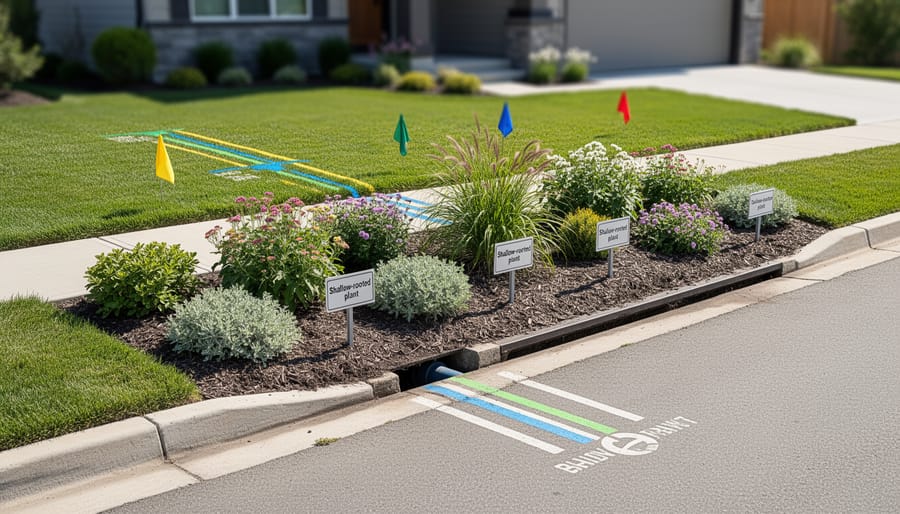
Color coding is another common feature, though it can vary by region. Many maps follow the standard utility marking colors you’d see on streets: red for electrical, yellow for gas, blue for water, green for sewer, and orange for telecommunications. However, always check your map’s legend since some older maps might use different systems or be printed in black and white.
The numbers you see along lines usually indicate depth in feet or meters, or they might reference the utility line’s diameter. Width measurements alongside easement boundaries tell you exactly how much space utilities have legal access to – crucial information when you’re planning where to plant that new Japanese maple or install raised garden beds.
Pay special attention to any symbols that look like valves, meters, or junction boxes. These indicate specific utility access points where you’ll want to ensure clear access, not just for legal reasons, but because digging restrictions are typically strictest in these areas. Understanding these markings protects both your landscaping investment and your family’s safety.
The Real Consequences of Ignoring Easements
I’ll be honest with you—ignoring utility easements isn’t just a minor oversight. It can lead to some pretty serious headaches that no homeowner wants to deal with.
Let me share what can happen when folks skip checking their easement maps. Picture this: You’ve just invested $5,000 in a beautiful new patio with custom pavers, only to receive a notice that the utility company needs to dig up your yard to access buried lines. Guess what? You’re responsible for removing and replacing that patio at your own expense. This exact scenario happens more often than you’d think, and homeowners have zero legal recourse because utility companies have legal rights to their easements.
Then there are the safety concerns. One homeowner planted a row of ornamental trees directly over a gas line without realizing it. Years later, when the roots had grown deep enough to potentially damage the line, emergency crews had to excavate the entire area. Not only did this create a dangerous situation, but the homeowner faced fines and lost their mature trees.
Project delays are another costly consequence. Imagine having a landscaping crew ready to install your dream garden, only to discover you’ve violated easement restrictions. Your project grinds to a halt while you seek permits, potentially redesign everything, and deal with legal complications.
The financial liability alone should motivate anyone to spend thirty minutes reviewing easement maps before breaking ground. It’s simple prevention that protects both your investment and your family’s safety.
How to Get Your Hands on Utility Easement Maps
Free vs. Paid Options: What You Really Need
When you’re planning your dream garden or preparing to install that new patio, understanding your utility easements doesn’t have to break the bank. Let’s explore your options so you can make the best choice for your project.
Free municipal records are your starting point and honestly, they’re often all you need for basic landscaping decisions. Most local government offices or utility companies provide easement maps at no cost, either online or through a quick office visit. These maps show the general location and width of easements, which is perfect if you’re planting flower beds, laying sod, or installing a simple garden path. I’ve helped countless homeowners successfully plan their gardens using just these free resources, and they work wonderfully for most residential projects.
However, paid professional surveys become worthwhile in specific situations. If you’re planning permanent structures like sheds, pergolas, or retaining walls near easement boundaries, the precision of a professional survey (typically $300-$800) protects your investment. Professional surveys pinpoint exact measurements down to the inch, which matters when you’re dealing with strict setback requirements or installing expensive hardscaping.
Think of it this way: for everyday gardening and lawn projects, free maps give you the safety zone you need. But when you’re investing thousands in landscaping features or dealing with complex property layouts, professional mapping pays for itself by preventing costly mistakes. Most gardeners find that free municipal maps perfectly suit their sustainable landscaping goals, letting them confidently plant trees, create raised beds, and design beautiful yards while respecting utility access needs.
The 811 Call Before You Dig Service
Before you break ground on any landscaping project, there’s one phone call that could save you from disaster—and it’s completely free. The 811 call-before-you-dig service is a nationwide system designed to protect both homeowners and underground utilities from accidental damage during excavation.
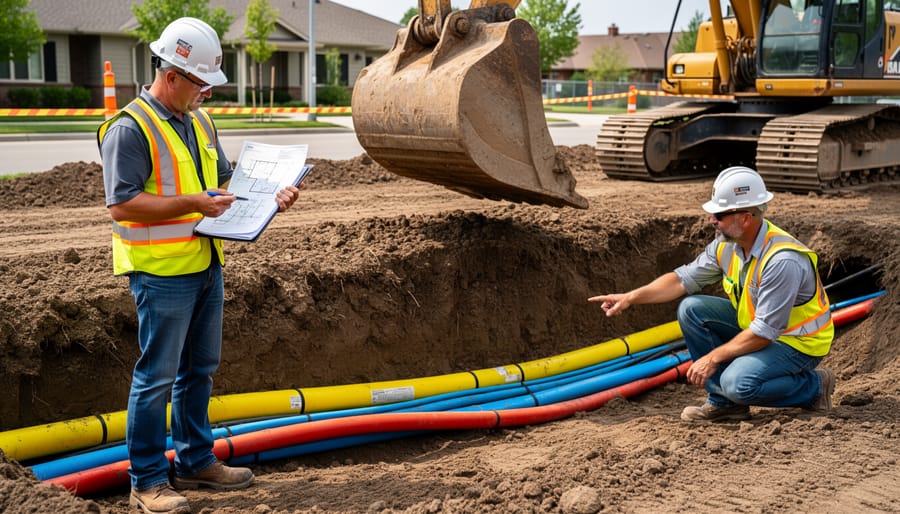
Here’s how it works: Simply dial 811 at least two to three business days before you plan to dig (check your state’s specific requirements, as some need more notice). You’ll describe your project location and scope to the operator, who then notifies the relevant utility companies in your area. Within a few days, professional locators will visit your property and mark the approximate locations of underground lines using color-coded flags or paint. It’s a straightforward process that takes the guesswork out of knowing where utilities run beneath your yard.
The service covers major utilities including electric lines, natural gas, telecommunications cables, water and sewer lines, and sometimes cable TV. The best part? It’s entirely free for homeowners and required by law in most states before any digging project.
However, understanding its limitations is crucial for complete protection. The 811 service only marks utilities up to your home’s connection point—it doesn’t identify private lines running through your property to outbuildings, pools, or irrigation systems. The markers also show approximate locations with a margin of error, and they’re temporary, fading within weeks.
This is where utility easement maps become your complementary tool. While 811 tells you where to avoid digging right now, easement maps provide the permanent legal framework showing utility corridor boundaries and restrictions. Together, these resources give you the complete picture: immediate safety guidance from 811 and long-term planning information from easement maps. Think of 811 as your short-term safety net and easement maps as your long-term planning partner for sustainable, smart landscaping decisions.
Planning Your Yard Design Around Easements
Safe Planting Zones: Trees, Shrubs, and Garden Beds
Before you dig into that exciting new landscaping project, let’s talk about creating beautiful garden spaces while keeping everyone safe and your utilities intact. Think of utility easements as nature’s way of reminding us to work smart, not just hard.
When planting near underground utilities, the golden rule is simple: call 811 before you dig. But beyond that crucial step, understanding safe planting zones will help you create a thriving garden that won’t cause headaches down the road.
For areas directly above utility lines, stick with shallow-rooted plants. Groundcovers like creeping thyme, sedum, and ornamental grasses are perfect choices since their roots typically extend only 6-12 inches deep. These low-maintenance options add visual interest without threatening underground infrastructure. Native wildflowers are another sustainable option that supports local pollinators while staying safely shallow.
When it comes to shrubs, maintain at least 3-5 feet of clearance from utility lines. Compact varieties like dwarf boxwood, spirea, or potentilla work wonderfully in these transitional zones. Their moderate root systems and manageable size mean they won’t interfere with future utility access or maintenance.
Trees require the most careful consideration. For proper tree planting near easements, maintain a minimum distance of 10-15 feet from underground utilities and at least 25 feet from overhead power lines. Even then, choose wisely. Trees with aggressive root systems like willows, poplars, and silver maples should be planted well away from any utility corridor.
Safe distance requirements vary by utility type. Natural gas lines need at least 5 feet of clearance, while water and sewer lines typically require 10 feet. Electric and telecommunications cables can handle closer plantings but still benefit from that 3-5 foot buffer zone.
Remember, your utility company isn’t the enemy here. They’ll often provide specific guidelines for your area, and some even offer approved plant lists. By respecting these boundaries, you’re protecting your investment, ensuring reliable service, and creating a garden that truly stands the test of time.
Hardscaping Projects and Underground Utilities
I learned this lesson the hard way when I excitedly planned a beautiful flagstone patio, only to discover it sat directly over a major sewer line. Before you break ground on any hardscaping project, understanding your utility easement restrictions can save you from costly mistakes and potential legal headaches.
When planning patios, pathways, or retaining walls, your utility easement map is your best friend. Most utility companies allow temporary structures like mulched paths or loose gravel walkways within easements, but permanent installations are typically prohibited or heavily restricted. The key difference? Utilities need to access their lines, sometimes on short notice, and they won’t hesitate to remove your beautiful stonework if necessary.
For pathways, consider using permeable pavers or stepping stones set in sand rather than concrete. These create attractive, functional walkways that can be temporarily removed if utility work is needed. I’ve found this approach actually improves drainage too, which supports more sustainable landscaping practices. Mark the edges of your easement with decorative border plants so you always know where the restricted zone begins.
Retaining walls require special attention since they involve excavation. Always maintain at least three feet of clearance from utility lines when digging, and never build permanent retaining structures directly over easements. If your slope absolutely requires terracing within the easement area, consider alternatives like landscape timbers or modular block systems that can be disassembled if needed.
Patios present similar challenges. Position permanent concrete or mortared stone installations outside easement boundaries whenever possible. If your ideal patio location overlaps an easement, contact the utility company in writing to request permission. Some companies allow certain structures with specific conditions, though approval isn’t guaranteed. Document everything for future reference, protecting both your investment and maintaining good relationships with utility providers who share your property.
Irrigation Systems and Water Features
Before you dig into that dream irrigation system installation or create a beautiful backyard water feature, understanding your utility easement map can save you from costly mistakes and potential legal headaches. Think of easements as invisible pathways that must remain accessible for utility companies, even though they run through your property.
When planning underground sprinkler systems, your primary concern is avoiding utility lines. Most easements prohibit permanent structures, but irrigation systems fall into a gray area since they’re buried but removable. The key is keeping your pipes and sprinkler heads shallow enough, typically within the top 12 inches of soil, so utility workers can access lines below without major excavation. Always call 811 before digging to have utilities marked, even if you’ve reviewed your easement map. Those maps show general locations, but actual placement can vary by several feet.
For water features like ponds or fountains, placement is crucial. Avoid building anything within easement boundaries that requires a foundation or would be expensive to relocate. If utility maintenance requires access, you might need to dismantle your feature temporarily, and the utility company won’t compensate you for this inconvenience.
Consider sustainable drainage solutions like rain gardens or dry creek beds along easement edges instead. These environmentally friendly features manage water runoff beautifully while remaining easy to modify if needed. They improve your lawn’s health by reducing erosion and can be adjusted quickly should utility access become necessary. This practical approach protects both your investment and maintains positive relationships with utility providers.
When Easements Impact Your Lawn Care Routine
Protecting Your Landscape When Utilities Need Access
When utility companies need to access their easement areas, they’re legally required to notify you in advance—typically 24 to 72 hours beforehand. While this might seem like short notice, understanding what to expect can help you protect the garden you’ve worked so hard to cultivate.
Before crews arrive, document your landscape with photos. This creates a record of existing conditions and can be helpful if restoration becomes necessary. If you have particularly valuable or delicate plants near the work area, ask the utility company about their timeline and access route. Sometimes you can temporarily relocate container plants or protect vulnerable perennials with simple barriers like stakes and rope to guide foot traffic away from sensitive areas.
Communication is your best tool here. Speak with the crew supervisor when they arrive and politely point out areas of concern. Most utility workers will make reasonable efforts to minimize damage when they’re aware of specific landscape features. Request that they clearly mark their work zone and ask where they’ll be staging equipment.
After utility work concludes, assess the damage promptly. Compacted soil is often the biggest invisible problem. Use a garden fork to gently aerate affected areas, working organic matter like compost into the top few inches. This sustainable approach improves soil structure and helps roots recover more quickly than chemical fixes.
For damaged turf, overseed bare patches immediately if weather permits, keeping the area consistently moist until grass establishes. If restoration seems inadequate, don’t hesitate to contact the utility company—many have landscape restoration policies. Document everything with photos and keep all communication records. Your yard’s recovery often depends on quick action and persistent, friendly follow-up.
Creating Your Own Easement-Aware Yard Map
Once you’ve gathered your utility easement information, creating a personalized yard map becomes your most valuable planning tool. Think of it as your landscape blueprint that keeps you both creative and compliant with easement restrictions.
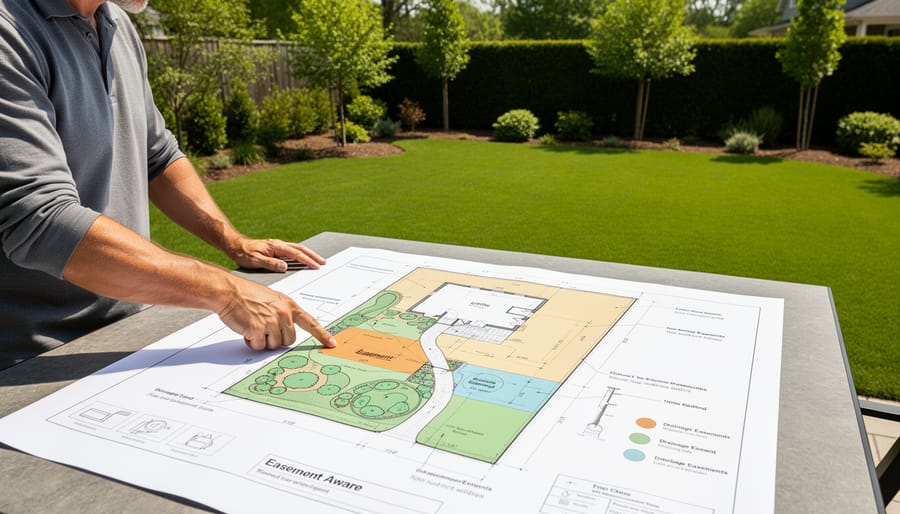
Start with the low-tech approach if you prefer hands-on planning. Print or photocopy your property survey and utility easement maps, then overlay them with tracing paper. This simple method lets you sketch different garden bed configurations, tree placements, and hardscape ideas without commitment. Use different colored pencils to mark easement zones, underground utilities, and your planned installations. I keep mine in a plastic sleeve in my garden shed, where it survives coffee spills and muddy fingerprints while remaining accessible during planning sessions.
For digital enthusiasts, free tools like Google Earth or landscape design apps offer more flexibility. You can layer your property boundaries, mark easement areas with transparent overlays, and digitally place plants and structures. Take photos of your yard from multiple angles and upload them to visualize how planned features will actually look. Many gardening apps now allow you to input mature plant sizes, helping you avoid planting trees that might eventually interfere with overhead easements.
Whichever method you choose, include measurements from property lines and mark the depth and location of underground utilities. Note seasonal sun patterns and drainage areas too, since easements often coincide with natural water flow paths. Add annotations about any verbal guidance you received from utility companies regarding specific restrictions in your easement areas.
Update your map annually or whenever you complete a project. This living document becomes invaluable when planning future improvements, helps new household members understand yard limitations, and provides essential reference if utilities need emergency access. Plus, it prevents that frustrating moment when you’ve already dug halfway into a garden bed before remembering there’s a water line running through it.
Understanding and respecting utility easements is truly the cornerstone of any successful yard transformation. While it might feel like a constraint at first, think of easement awareness as your roadmap to creating a beautiful, sustainable landscape that will thrive for years to come. The time you invest upfront in locating easements and planning around them protects not just your garden beds and favorite trees, but also your financial investment in your outdoor space.
Here’s the encouraging truth: working within easement boundaries doesn’t mean sacrificing your landscaping dreams. It simply means being strategic and creative with your design choices. Many gardeners discover that easement-friendly plantings like native grasses, shallow-rooted perennials, and movable container gardens actually enhance their yard’s ecological value while keeping maintenance refreshingly simple. These sustainable solutions often require less water, attract beneficial pollinators, and adapt beautifully to changing seasons.
Before you break ground on your next project, take that essential step of requesting your utility easement map and calling 811. This simple act of proactive planning prevents costly mistakes and keeps you, your family, and utility workers safe. Remember, utility companies aren’t trying to limit your gardening joy – they’re ensuring everyone has access to essential services while protecting your hard work from accidental damage.
Armed with your easement knowledge and a thoughtful design approach, you’re now empowered to create a landscape that’s both gorgeous and practical. Your future self will thank you for this foundation of careful planning as you enjoy your thriving, worry-free outdoor oasis.