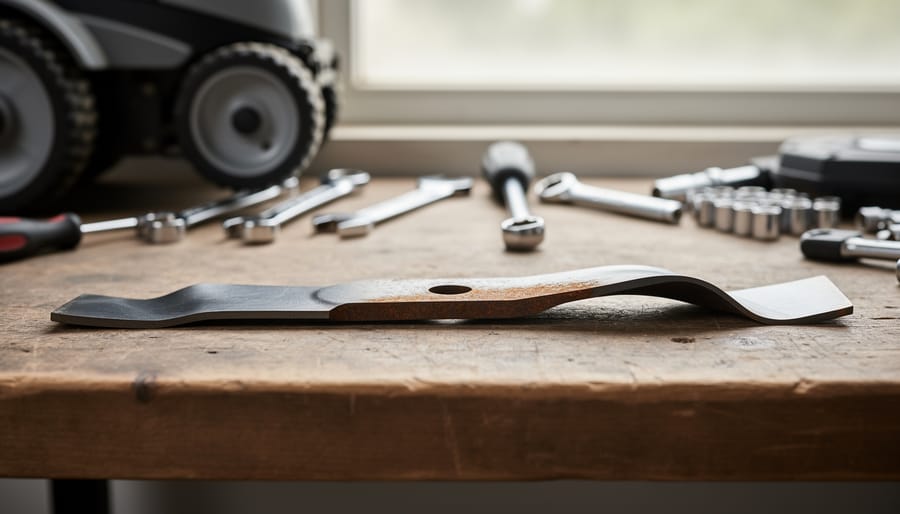
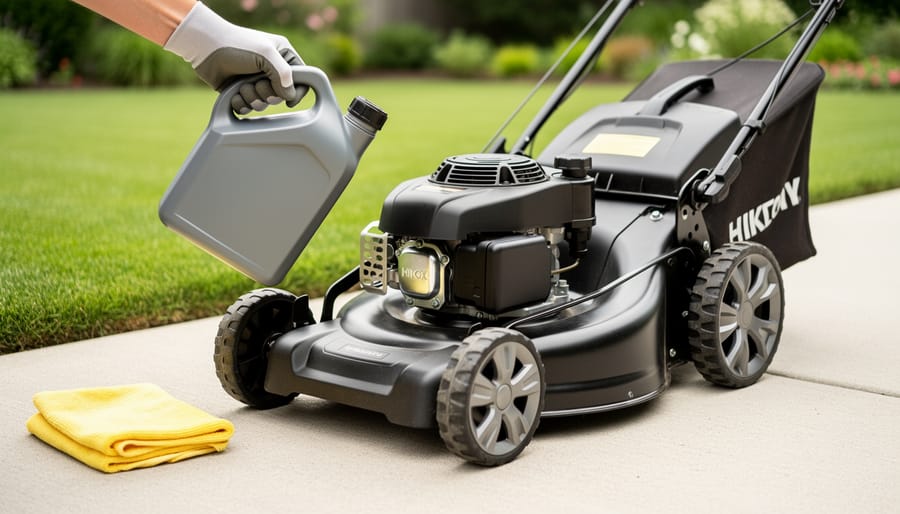
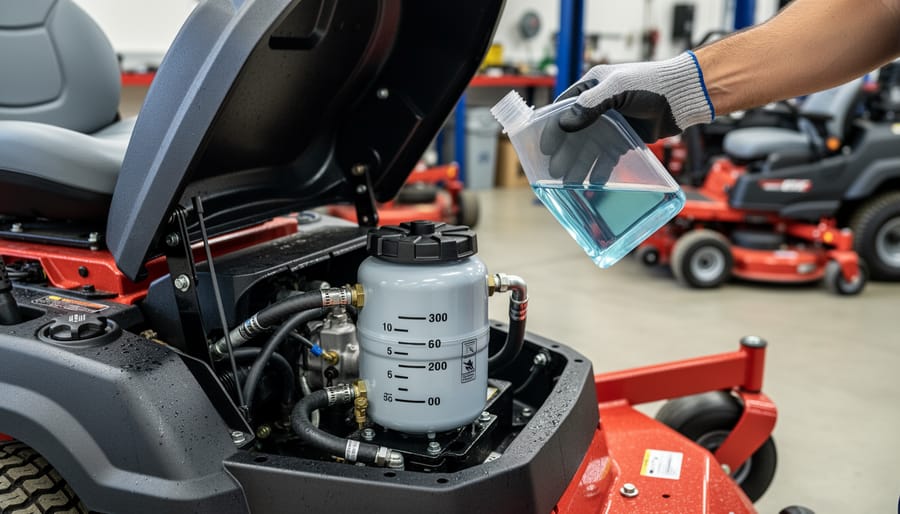
Check your mower’s manual first—most riding and zero-turn mowers specify 20W-50 motor oil, 10W-30, or dedicated hydraulic fluid like UTF (Universal Tractor Fluid). The dipstick location and fluid capacity vary by model, but you’ll typically find the reservoir near the rear axle or under the seat.
Recognize when you need alternatives. If your local dealer is out of stock or you’re managing multiple machines with different requirements, cross-compatible fluids can simplify maintenance. Universal tractor hydraulic fluids work across most brands, while biodegradable vegetable-based options reduce environmental impact if you’re mowing near waterways or sensitive areas.
Match viscosity to your climate and usage. Thicker fluids (20W-50) protect better during hot summer mowing sessions and heavy loads, while thinner oils (10W-30) flow easier during cool-season operation and startup. Synthetic hydraulic fluids offer superior temperature stability and longer change intervals, offsetting their higher upfront cost through extended service life.
Never substitute automatic transmission fluid unless your manual explicitly approves it—ATF’s friction modifiers can damage hydrostatic transmissions designed for straight hydraulic oil. Similarly, avoid mixing different fluid types in the same system, as incompatible additives create sludge that clogs filters and damages seals.
Understanding your options protects your investment and keeps your mower running smoothly. Whether you’re troubleshooting a sluggish transmission or simply maintaining your equipment, choosing the right hydraulic fluid—or acceptable alternative—ensures reliable performance season after season while supporting environmentally responsible lawn care practices.
What Hydraulic Fluid Actually Does in Your Lawn Mower
If you’re new to riding mowers or considering choosing a riding mower, you might be wondering what hydraulic fluid actually does and whether your equipment even uses it. Let me break this down in a way that makes sense for everyone, from weekend lawn warriors to those managing larger properties.
Hydraulic fluid serves three essential functions in mowers equipped with hydrostatic mower systems. First, it transmits power from your engine to the wheels or cutting deck, acting as the muscle that translates your control lever movements into smooth, variable-speed motion. Think of it as the messenger between what you want the mower to do and what it actually does. Second, it lubricates all the internal components of the hydraulic system, reducing friction and preventing premature wear. Third, it helps dissipate heat generated during operation, keeping everything running at safe temperatures even during extended mowing sessions.
Not all mowers use hydraulic systems, so this is important to clarify. Push mowers and basic lawn tractors with gear-driven transmissions don’t require hydraulic fluid. However, most modern riding mowers, zero-turn mowers, and commercial-grade equipment rely heavily on hydraulic systems for their smooth operation and maneuverability. If your mower has a hydrostatic transmission or hydraulic steering and lift systems, you’ll need to maintain proper fluid levels and quality.
Understanding what hydraulic fluid does helps explain why choosing the right fluid matters so much. When you’re looking at alternatives to manufacturer-recommended fluids, you need options that can handle all three jobs effectively while aligning with sustainable practices that protect your lawn and the broader environment.
The Standard Hydraulic Fluid (And Why People Look for Alternatives)
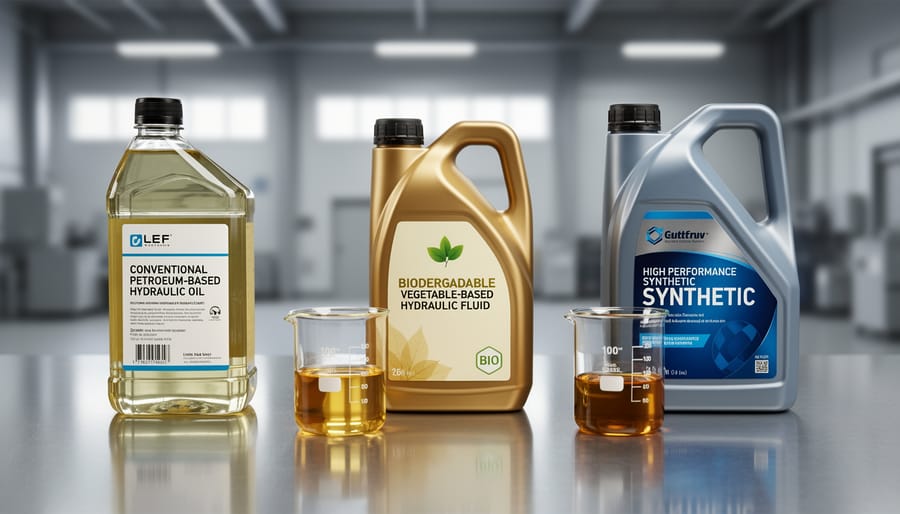
Most lawn mower manufacturers recommend specific hydraulic fluids for their equipment, and in many cases, these are conventional petroleum-based products. If you’ve glanced at your owner’s manual, you’ve probably seen references to hydraulic oils with designations like 20W-50 or 10W-30, similar to what you’d use in a car engine. These traditional fluids have been the go-to choice for decades, and there’s good reason for that.
Petroleum-based hydraulic fluids offer reliable performance across a range of temperatures and conditions. They provide excellent lubrication, protect against wear on your mower’s hydraulic pump and transmission components, and generally do what they’re supposed to do without fuss. The formulations have been refined over many years, so manufacturers trust them to keep equipment running smoothly throughout the mowing season.
However, there’s a growing number of lawn care enthusiasts who are looking beyond these standard options, and their reasons are worth understanding. Environmental concerns top the list for many gardeners who care about sustainability. Petroleum-based fluids don’t break down easily in soil, and even small leaks or spills during maintenance can have lasting effects on your lawn and garden ecosystem. If you’re someone who works hard to maintain healthy soil and protect beneficial insects, the thought of synthetic chemicals lingering in your yard isn’t particularly appealing.
Cost is another consideration, especially if you have multiple pieces of equipment. Manufacturer-specific fluids can be pricey, and they’re not always available at your local hardware store when you need them. There’s also the practical matter of simplification. Many homeowners would prefer to keep one versatile fluid on hand rather than storing separate bottles for different machines.
Health and safety concerns matter too. Working with petroleum products means dealing with strong odors, potential skin irritation, and proper disposal requirements. These factors combined have more people asking: what are my alternatives?
Viable Hydraulic Fluid Alternatives for Your Lawn Mower
Biodegradable Hydraulic Oils
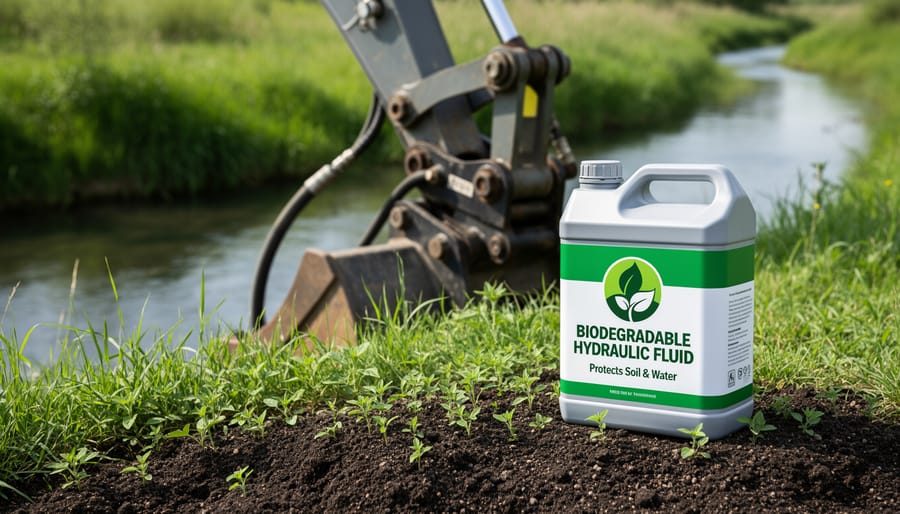
If you’re looking to reduce your environmental footprint while keeping your lawn mower running smoothly, biodegradable hydraulic oils deserve serious consideration. These eco-friendly alternatives have come a long way in recent years, offering performance that rivals traditional petroleum-based fluids while being much kinder to your soil and local waterways.
The two main types you’ll encounter are vegetable-based oils (often derived from canola or soy) and synthetic esters. Vegetable-based options like Renewable Lubricants Bio-Hydraulic and Mobil EAL Hydraulic Oil 46 break down naturally if spilled, typically degrading 60-90% within weeks rather than persisting for years. They’re particularly suitable for residential lawn mowers where occasional leaks near flower beds or vegetable gardens are a real concern.
Synthetic esters offer even better performance in extreme temperatures and tend to last longer between changes, though they cost a bit more upfront. Products like Panolin HLP Synth or Fuchs Plantohyd work exceptionally well in zero-turn mowers and riding mowers with demanding hydraulic systems.
The honest performance comparison? Modern biodegradable fluids match petroleum-based oils in most lawn care applications. You’ll get comparable lubrication, similar operating temperatures, and adequate protection for your hydraulic pump and motors. The trade-off is typically price—expect to pay 20-40% more—and slightly shorter change intervals in some cases.
For most homeowners, the peace of mind knowing you’re not contaminating your garden soil or potentially harming beneficial insects makes biodegradable hydraulic fluids a worthwhile investment in both your equipment and environmental stewardship.
Universal Tractor Hydraulic Fluid (UTF)
If you’re managing multiple pieces of outdoor equipment—a riding mower, a tractor, maybe a log splitter—Universal Tractor Hydraulic Fluid (UTF) might become your best friend. This multi-purpose fluid is designed to work across various hydraulic systems, transmission systems, and wet brake applications, making it an incredibly practical choice for homeowners who’d rather stock one bottle than several.
UTF offers excellent compatibility with most lawn mower hydraulic systems, including many Toro hydraulic fluid equivalents. It’s formulated to handle temperature extremes and provide reliable performance across different equipment brands. For folks committed to simplifying their maintenance routine while keeping costs reasonable, UTF delivers genuine value.
However, there’s an important caveat: always check your equipment manual first. While UTF works wonderfully for most applications, some manufacturers specify fluids with particular additives or viscosity ratings that UTF might not match perfectly. Using UTF in systems requiring specialized fluids could void warranties or cause performance issues down the road. Think of UTF as an excellent general solution that handles about 80-90% of situations beautifully, but that remaining percentage matters when it’s your specific mower. When in doubt, a quick call to your manufacturer’s customer service can save headaches later.
Automatic Transmission Fluid (ATF)
Automatic Transmission Fluid might seem like an unusual choice, but it’s actually a viable alternative for certain lawn mower hydraulic systems. I’ve talked with several experienced landscapers who’ve successfully used ATF in a pinch, and it’s worth understanding when this swap makes sense for your situation.
ATF works because it shares similar properties with hydraulic fluid: it lubricates, transfers power, and handles heat reasonably well. Some popular brands like John Deere, Hustler, and Toro have models that explicitly permit ATF use in their hydraulic systems. Always check your owner’s manual first, as this compatibility varies significantly by model and year.
The main advantage of ATF is availability. You can find it at any auto parts store, making it a practical solution when you’re in a bind. It’s also typically less expensive than specialty hydraulic fluids, which appeals to budget-conscious gardeners managing multiple pieces of equipment.
However, there are important considerations. ATF generally doesn’t perform as well in extreme temperatures compared to dedicated hydraulic fluids. It may also contain additives designed for transmissions rather than hydrostatic drives, potentially affecting long-term performance. Some manufacturers warn that using ATF could void your warranty, so weigh this risk carefully. For occasional use or emergency situations, ATF works fine, but if you’re committed to sustainable, long-term equipment care, investing in the recommended fluid usually pays off.
Synthetic Hydraulic Fluids
Synthetic hydraulic fluids represent the premium option in lawn mower maintenance, and they’re worth understanding even if you’re working with a modest budget. These engineered fluids offer impressive benefits: they perform reliably in extreme temperatures (both hot and cold), resist breakdown far better than conventional oils, and can last two to three times longer between changes. I’ve seen homeowners in particularly harsh climates swear by synthetics after experiencing smoother operation during scorching summers or early spring starts.
From an environmental perspective, synthetics have a smaller footprint than you might expect. Their extended service life means fewer oil changes and less waste disposal, which aligns nicely with sustainable lawn care practices. Some synthetic options also biodegrade more readily than petroleum-based alternatives.
Here’s the honest assessment for typical homeowner use: if you’re mowing a standard residential lawn with moderate use, the higher upfront cost of synthetic fluid (often two to three times more expensive) might not deliver proportional value. However, if you’re operating commercial-grade equipment, mowing several acres regularly, or live where temperatures swing dramatically, synthetics become increasingly practical. The reduced maintenance frequency and enhanced equipment protection can justify the investment, especially when you consider the potential costs of premature hydraulic system failure. Think of it as insurance for hardworking equipment that you depend on throughout the growing season.
How to Choose the Right Hydraulic Fluid Alternative
Choosing the right hydraulic fluid alternative doesn’t have to feel overwhelming. Think of it as matching the right tool to your specific gardening situation. Let’s walk through a practical approach together.
Start by considering your climate. If you’re mowing in temperatures that regularly dip below freezing or soar above 90 degrees Fahrenheit, you’ll need a fluid with a wider viscosity range. Synthetic options excel here, maintaining consistent performance across temperature extremes. For moderate climates, biodegradable vegetable-based fluids work beautifully and align with sustainable gardening practices.
Next, evaluate your mower type and usage frequency. For professional-grade zero-turn mowers or equipment that sees daily use, stick with high-quality synthetic hydraulics or the manufacturer’s recommended fluid. The investment protects your equipment’s longevity. Weekend warriors with residential mowers have more flexibility to experiment with eco-friendly alternatives without compromising performance.
Your environmental priorities matter too. If you’re mowing near ponds, streams, or vegetable gardens, biodegradable fluids offer peace of mind. A small leak won’t devastate the ecosystem you’ve worked hard to nurture. Yes, they cost slightly more upfront, but think of it as insurance for your garden’s health.
Budget considerations are real, especially for homeowners maintaining multiple pieces of equipment. Universal tractor hydraulic fluids often provide the sweet spot between affordability and performance. They’re widely available at farm supply stores and work reliably in most residential mowers.
Here’s a simple decision path: If environmental protection is your top priority, choose biodegradable vegetable-based fluids. If you face extreme temperatures or use commercial equipment, invest in synthetic options. For standard residential use in moderate climates with budget consciousness, quality universal tractor hydraulic fluid is your friend.
Remember, whatever you choose, regular maintenance matters more than the perfect fluid. Check levels monthly, watch for leaks, and change fluid according to your manual’s schedule. Your mower will reward your attention with years of reliable service.
Making the Switch: What You Need to Know
Switching to a different hydraulic fluid doesn’t have to be intimidating, but it does require a thoughtful approach to protect your mower’s transmission system. Think of it like changing your diet—you wouldn’t jump into something drastically different without a transition plan, right?
First, check your owner’s manual to see if mixing fluids is acceptable. Many manufacturers advise against it, which means you’ll need to flush your system completely. This involves draining all the old fluid, running the system briefly with new fluid to clear remaining residue, then draining again before filling with your chosen alternative. Yes, it uses more fluid initially, but it prevents compatibility issues that could damage seals and reduce performance.
If you’re switching to a more environmentally friendly option, note that some bio-based fluids may have different viscosity characteristics. During the first few uses after switching, pay close attention to how your mower responds. Does the transmission engage smoothly? Are there any unusual noises or sluggish movements? These early warning signs help you catch potential problems before they become expensive repairs.
Here’s a practical tip from my own experience: mark your calendar to check fluid levels weekly for the first month after switching. I learned this the hard way when a slow leak went unnoticed and damaged my transmission. After that initial monitoring period, monthly checks are typically sufficient during regular use.
Also, inspect the fluid’s condition each time. Fresh hydraulic fluid should be relatively clear and consistent in color. If it becomes milky, darkens significantly, or develops a burnt smell, something’s wrong. Environmental sustainability starts with maintaining your equipment properly, so these regular checks actually serve double duty—protecting both your investment and reducing waste from premature replacements.
Common Mistakes to Avoid When Using Alternative Fluids
Even with the best intentions, it’s surprisingly easy to make missteps when switching to alternative hydraulic fluids. Let’s talk about the most common mistakes so you can avoid them altogether.
The biggest pitfall? Ignoring your manufacturer’s specifications. I’ve heard from folks who assumed “hydraulic fluid is hydraulic fluid” and ended up with sluggish performance or worse. Your owner’s manual specifies fluid requirements for a reason—those specs protect your investment and extend your mower’s lifespan.
Another frequent mistake involves viscosity ratings. A neighbor once shared how his zero-turn mower struggled after he switched fluids without considering our region’s summer heat. The alternative he chose was too thin for high temperatures, causing the hydraulic system to work overtime. Always match viscosity to your local climate—thicker fluids for hot weather, thinner for cold.
Mixing incompatible fluids creates problems too. If you’re switching from petroleum-based to vegetable-based hydraulic fluid, completely flush the system first. Residual mixing can cause foaming, reduced lubrication, and seal degradation.
Finally, don’t let switching fluids become an excuse to skip maintenance schedules. Alternative fluids still need regular monitoring and changes according to manufacturer intervals. Some eco-friendly options actually require more frequent checks initially as you assess compatibility with your specific equipment.
The key takeaway? Do your homework, follow guidelines carefully, and maintain consistent monitoring. These simple precautions prevent costly repairs and keep your mower running smoothly season after season.
The Environmental Impact of Your Choice
When you’re choosing hydraulic fluid for your lawn mower, you’re making a decision that reaches far beyond your equipment’s performance. Every drop of fluid that leaks, spills, or gets disposed of improperly has the potential to impact the soil, groundwater, and ecosystem in your yard and beyond.
Traditional petroleum-based hydraulic fluids can be problematic from an environmental standpoint. These conventional fluids aren’t biodegradable, meaning they persist in the environment for extended periods. If they leak onto your lawn or garden beds, they can contaminate soil, harm beneficial microorganisms, and even affect plant growth. Worse yet, petroleum-based fluids can seep into groundwater systems, creating pollution that affects entire communities.
This is where biodegradable hydraulic fluids shine as responsible alternatives. Vegetable-based and synthetic biodegradable options break down naturally when exposed to environmental conditions, typically decomposing 60-90% within weeks rather than lingering for years. They’re also significantly less toxic to aquatic life and soil organisms, making accidental spills far less catastrophic for your garden ecosystem.
Proper disposal is equally important, regardless of which fluid type you choose. Never pour used hydraulic fluid down drains, onto the ground, or into storm sewers. Instead, collect it in sealed containers and take it to your local hazardous waste facility or recycling center. Many auto parts stores and service centers also accept used hydraulic fluids for recycling.
By selecting biodegradable options and following proper disposal practices, you’re contributing to sustainable lawn care that protects the very environment you’re working to beautify. This mindful approach aligns perfectly with the principles outlined in our comprehensive lawn care guide, where responsible practices meet effective results.
Choosing the right hydraulic fluid for your lawn mower doesn’t have to be overwhelming. Whether you’re reaching for a manufacturer-recommended option, a high-quality universal alternative, or an eco-friendly biodegradable fluid, what matters most is making an informed decision that balances your mower’s performance needs with your environmental values.
Remember the key takeaways: always check your owner’s manual first, pay attention to viscosity ratings and compatibility, and don’t mix different fluid types without proper flushing. If you’re torn between options, biodegradable fluids offer an excellent middle ground between environmental responsibility and reliable performance, though they may cost a bit more upfront.
Your lawn mower is an investment in your outdoor space, and treating it right means it’ll serve you well for years to come. By selecting appropriate hydraulic fluid and maintaining regular fluid checks, you’re not just protecting your equipment—you’re also making a choice that can reduce your environmental footprint. Take the time to evaluate your specific needs, consider the alternatives we’ve discussed, and choose the fluid that gives you confidence every time you fire up your mower. Your lawn, your mower, and the planet will thank you for it.