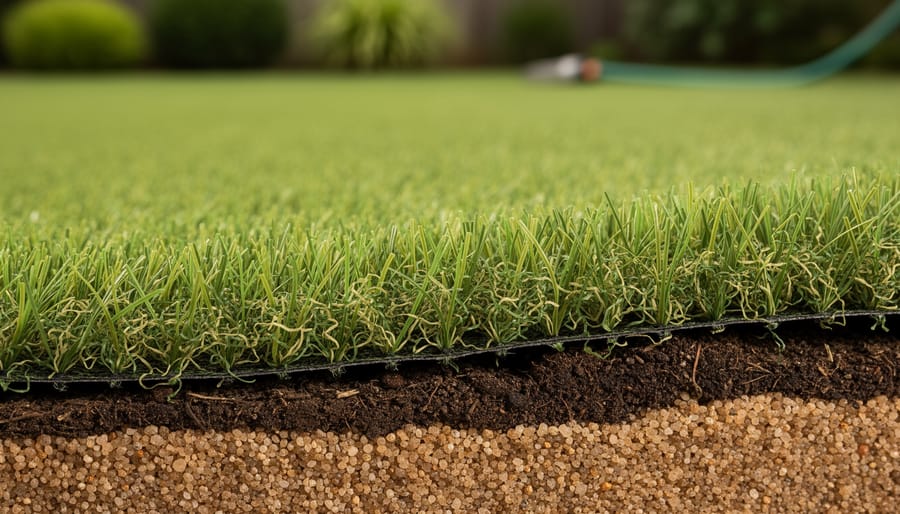
Root zone mix transforms struggling lawns into thriving green spaces by creating the ideal growing environment beneath the surface. This specialized blend of sand, soil, and organic matter mimics the conditions professional sports fields use to achieve superior drainage, robust root development, and year-round resilience. Whether you’re renovating a compacted yard, establishing a new lawn from scratch, or simply tired of persistent drainage problems, understanding root zone mix gives you the foundation for genuine, lasting results.
The science behind these sand-based systems isn’t complicated, but the details matter enormously. Mix ratios that work brilliantly in Florida might fail in Minnesota. A blend perfect for bermudagrass could suffocate fescue. The difference between a thriving lawn and an expensive mistake often comes down to particle size distribution, organic matter percentage, and amendment selection.
This guide cuts through the confusion with proven recipes, sustainable material choices, and practical installation techniques you can actually use. You’ll learn how to calculate quantities, source quality materials locally, and adjust formulations for your specific grass type and climate. We’ll cover both DIY approaches for smaller projects and contractor-grade specifications for complete renovations.
Most importantly, you’ll discover how proper root zone construction reduces water consumption, minimizes fertilizer requirements, and creates naturally healthier turf that resists disease and drought. Smart planning now means less maintenance forever.
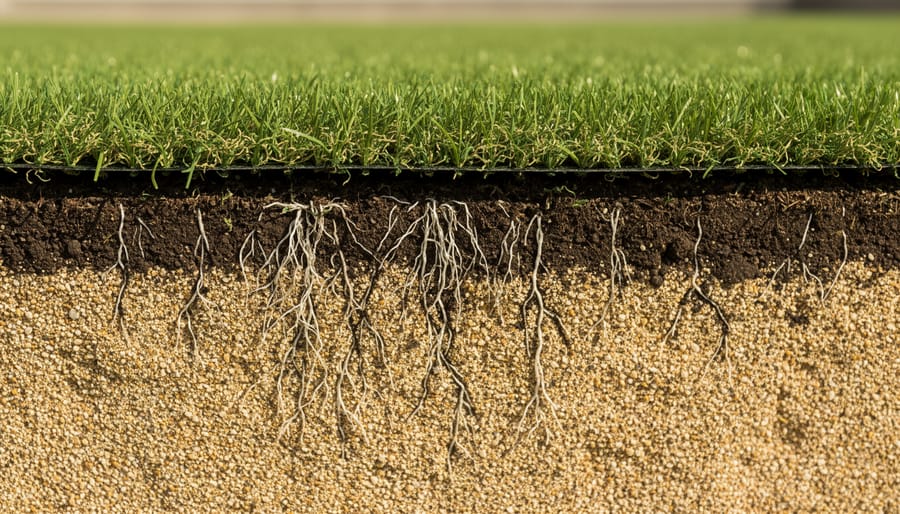
What Makes Sand-Based Root Zones Different from Regular Soil
The Three Essential Components of Root Zone Mix
Think of root zone mix as a recipe where each ingredient plays a specific role in creating the perfect growing environment for your lawn. Getting these three components right makes all the difference between a struggling lawn and one that thrives for decades.
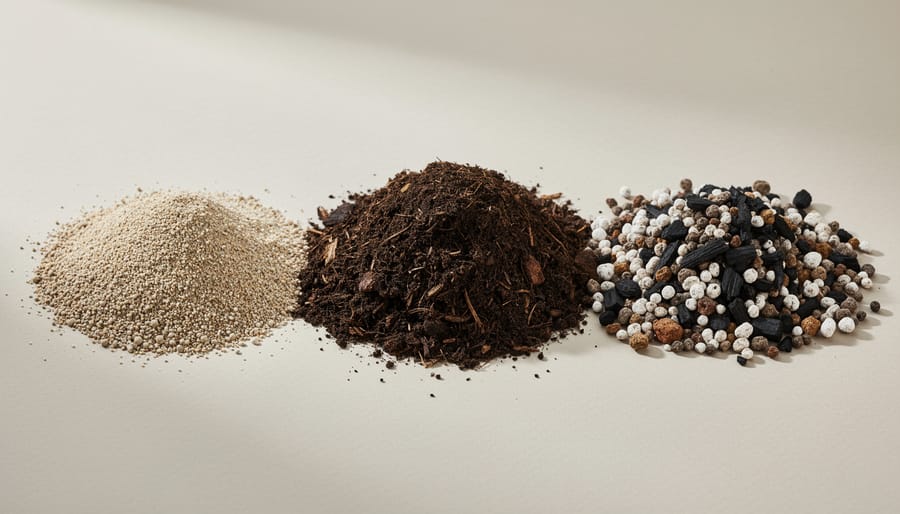
Sand forms the foundation of any quality root zone mix, typically comprising 80-90% of the total volume. But not just any sand will do. You’ll want medium-coarse sand with particles ranging from 0.25mm to 2mm in diameter. This specific particle size creates those crucial air pockets while maintaining proper drainage. River sand or specifically graded rootzone sand works beautifully, while fine builders sand or beach sand will compact too easily and defeat the entire purpose.
Organic matter makes up the next 5-15% of your mix, and this is where sustainability really shines. Quality compost brings life to your rootzone, introducing beneficial microorganisms and slowly releasing nutrients over time. Some gardeners prefer peat moss for its consistency and water-holding properties, though compost gets my vote for its environmental benefits and soil-building qualities. This component acts like a moisture reservoir, holding water and nutrients right where roots can access them without creating waterlogged conditions.
Amendments round out the final piece of the puzzle, typically at 2-5% of the mix. These include materials like calcined clay, which improves water retention, or lime to adjust pH levels. Some root zone specifications call for specific mineral amendments to ensure adequate nutrient exchange capacity right from the start.
A typical starting ratio might be 85% sand, 10% compost, and 5% amendments, though testing your specific materials helps dial in the perfect formula for your conditions.
When Your Lawn Actually Needs a Sand-Based System
Not every lawn needs the commitment of a sand-based root zone mix, and that’s perfectly okay. Understanding when this approach makes sense will save you time, money, and effort.
A sand-based system truly shines in specific scenarios. If you’re dealing with heavy clay soil that stays waterlogged after rain, creating persistent compacted soil problems and suffocating grass roots, this system can be transformative. Similarly, if you have areas with chronic drainage issues where puddles linger for days, the superior drainage of a sand-based mix addresses the root cause rather than just treating symptoms.
High-traffic situations also benefit enormously. Athletic fields, dog run areas, or sections where kids play constantly need the resilience and recovery that excellent drainage and root penetration provide. The investment makes sense when durability matters most.
However, if your existing lawn has moderate drainage and reasonably workable soil, traditional soil improvement methods like aerating, topdressing with compost, and adding organic matter might be entirely sufficient. These approaches are more budget-friendly and sustainable for typical residential lawns.
Think honestly about your situation. Are you renovating a problem area that’s failed repeatedly? Planning a sports field? Then a root zone mix deserves consideration. But if you’re simply looking to improve an average lawn, start with less intensive methods. You can always upgrade later if needed. The key is matching the solution to the actual severity of your drainage or compaction challenge, not over-engineering when simpler approaches will succeed.
Building Your Root Zone Mix: The Recipe That Works
Choosing the Right Sand (It’s Not Beach Sand)
Here’s the thing about sand: not all grains are created equal, and grabbing a bag from the beach or your local hardware store will almost certainly set you up for disappointment. When we talk about root zone mix, we’re following specifications developed by the USGA that sound technical but really just ensure your lawn can breathe and drain properly.
The magic is in particle size. You need medium-coarse sand with particles measuring between 0.25mm and 1.0mm, with most falling in the 0.5mm to 1.0mm range. Think of it like Goldilocks: too fine (like play sand or masonry sand) and it packs down like concrete, suffocating roots and creating drainage nightmares. Too coarse (like pea gravel), and water rushes through without giving roots time to drink. You want something that feels gritty between your fingers but isn’t sharp or dusty.
When you call suppliers, ask specifically for “USGA-spec sand” or “golf course sand.” Don’t be shy about requesting a sieve analysis report, which shows particle distribution. Reputable suppliers expect this question and should provide documentation without hesitation. If they look at you blankly, keep calling.
From a sustainability perspective, source locally whenever possible to reduce transportation emissions. Some regions offer recycled concrete sand that meets USGA specs, which is environmentally brilliant. Ask about washed river sand or quarried sand from nearby sources.
Why does this matter so much? Wrong sand choice is the number one reason root zone mixes fail. Too much fine material fills pore spaces, creating that swampy, compacted mess you’re trying to avoid. Getting the sand right from the start saves you from expensive do-overs and years of lawn frustration.
Adding Organic Matter Without Compromising Drainage
Here’s the challenge with root zone mixes: you need that sand for drainage, but sand alone is a nutritional desert. The solution is carefully incorporating organic matter, but there’s a fine line between helpful and harmful amounts.
Think of your root zone mix like a well-functioning sponge. Too much organic matter, and you’ve essentially created a dense cake that defeats the entire purpose of your sand-based system. The general rule is to keep organic matter between 5-10% by volume in your mix. Going beyond 15% risks clogging those critical air spaces between sand particles, leading to compaction and poor drainage over time.
When it comes to organic matter selection, quality matters tremendously. Fully composted materials work best because they’ve already broken down and won’t decompose rapidly in your root zone, which could create temporary nutrient ties and inconsistent drainage. Well-aged leaf compost is excellent and sustainable, while sphagnum peat moss offers great water retention without excessive breakdown, though it’s less environmentally friendly.
I typically recommend starting with 7-8% organic matter for most applications. Mix it thoroughly with your sand before installation. You can always top-dress with compost annually to maintain organic levels, which is actually preferable to front-loading too much initially. This approach gives you the best of both worlds: improved water and nutrient holding capacity without sacrificing the drainage that makes root zone mixes so effective for healthy, resilient turf.
Nutrition Challenges in Sand-Based Systems
Why Sand-Based Lawns Are Hungrier Than Normal Grass
Think of sand particles like smooth glass beads – they don’t hold onto much of anything, including the nutrients your grass desperately needs. This is what professionals call “low cation exchange capacity,” but here’s what it means in your backyard: nutrients wash right through sand-based lawns like water through a sieve.
In traditional soil lawns, clay and organic matter act like tiny magnets, grabbing and holding nutrients until your grass roots need them. Sand? It just lets everything drain away. When you water or it rains, those expensive fertilizers you’ve applied can leach down below the root zone before your grass gets much benefit. It’s frustrating, but understanding this helps you adapt your feeding strategy.
The good news is you’re not fighting a losing battle – you just need to adjust your approach. Instead of the typical “feed four times a year” schedule that works for regular lawns, sand-based systems thrive on lighter, more frequent fertilization. Think of it like eating small, nutritious meals throughout the day rather than three heavy ones.
This means applying smaller amounts of fertilizer every 4-6 weeks during the growing season, rather than dumping on heavy doses quarterly. You’ll also want to choose slow-release or organic fertilizers that break down gradually, giving your grass a steady supply rather than a feast-or-famine cycle. Yes, it requires more attention, but the payoff is a healthier lawn that isn’t alternately starving and overwhelmed with nutrients that just wash away anyway.
Creating a Feeding Schedule That Actually Works
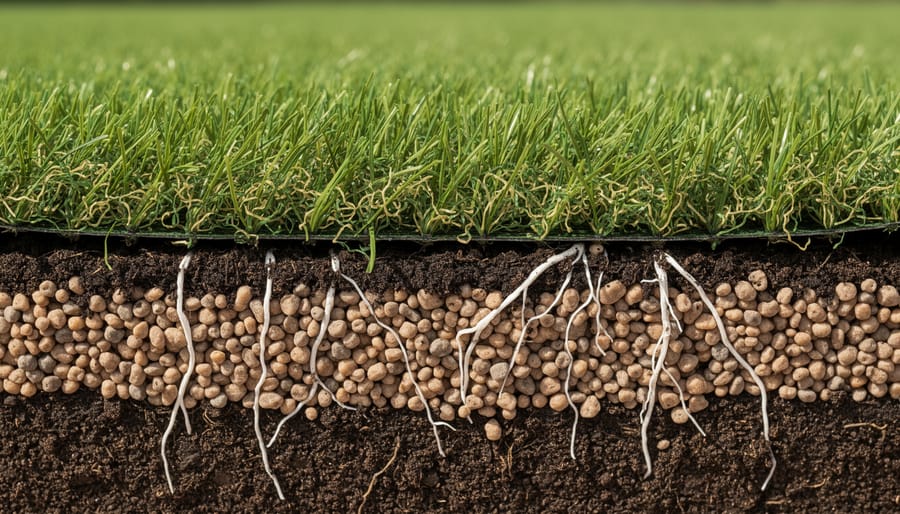
Sand-based root zone mixes are nutrient-poor by design, which means you’ll need to develop smart fertilization strategies right from the start. Think of your sand mix as a blank canvas—it gives you complete control, but that also means your grass is counting on you for every meal.
For the first year after establishing your root zone, focus on frequent, light applications rather than heavy, infrequent doses. Sand doesn’t hold nutrients like traditional soil, so whatever you apply either gets used quickly or leaches through. I recommend starting with a balanced slow-release fertilizer applied every 6-8 weeks during the growing season. Look for products with a 3-4 month release window—these provide steady nutrition without the feast-or-famine cycle that stresses turf.
Quick-release fertilizers definitely have their place in sand systems, especially for rapid greening before events or correcting deficiencies. However, use them sparingly and at reduced rates—about half of what the bag recommends for traditional lawns. The key is applying smaller amounts more frequently rather than dumping a month’s worth at once.
Application rates matter tremendously in sand. A good baseline is 0.5 to 1 pound of nitrogen per 1,000 square feet per month during active growth. Split this into two or three smaller applications if you’re using quick-release products. For slow-release fertilizers, you can apply the full monthly amount at once since the nutrients release gradually.
Seasonal adjustments keep your lawn healthy year-round. Increase nitrogen in spring and early summer when growth peaks, then dial it back in late summer. Fall feeding should focus on potassium to strengthen roots before dormancy. Winter applications are generally unnecessary unless you’re maintaining warm-season grass in mild climates.
Choose organic options whenever possible—compost tea, fish emulsion, and granular organic fertilizers improve microbial activity in your root zone while feeding your grass. They’re gentler on the environment and won’t burn tender roots, making them perfect for sustainable lawn care that actually works long-term.
Amendment Strategies to Boost Performance
Zeolites and Calcined Clay: The Secret Weapons
Here’s where things get really interesting. While sand provides excellent drainage, it’s notoriously poor at holding onto nutrients and moisture. That’s where zeolites and calcined clay come in as your secret weapons, essentially giving your sand-based root zone mix a memory for water and fertilizer.
Think of zeolites as tiny sponges with a crystalline structure full of microscopic pores. These natural volcanic minerals can hold up to 60% of their weight in water while still maintaining excellent drainage. Even better, they have a unique ability to trap and slowly release nutrients, particularly nitrogen and potassium, preventing them from washing straight through your sand. Natural zeolite products like Clinoptilolite work beautifully in root zone mixes, and you’ll typically want to incorporate them at 5-10% by volume.
Calcined clay, which you might recognize from products like Turface or Profile, works similarly but adds another benefit. When clay is fired at high temperatures, it becomes porous and stable, creating particles that won’t break down or compact over time. These amendments essentially act as nutrient reservoirs, holding onto fertilizer molecules and releasing them gradually as your grass roots need them. This means less frequent feeding and more efficient use of whatever you apply.
For most sand-based root zone mixes, I recommend adding 10-15% calcined clay by volume. If you’re working in particularly hot or dry conditions, lean toward the higher end. Some professionals swear by combining both zeolites and calcined clay at 5% each, creating a belt-and-suspenders approach to water and nutrient retention. The beauty is that neither amendment compromises drainage, so you’re getting the best of both worlds.
Biochar and Wetting Agents for Long-Term Success
Modern root zone mixes benefit enormously from two game-changing amendments that tackle common sand-based challenges while supporting environmental goals.
Biochar, essentially charcoal produced from organic materials through oxygen-limited burning, acts like a microscopic sponge system in your root zone. It addresses one of sand’s biggest weaknesses: water retention. Think of biochar particles as tiny condominiums for beneficial microbes, providing habitat that pure sand simply cannot offer. When incorporated at 5-10% by volume into your root zone mix, biochar improves water-holding capacity without sacrificing drainage, reduces nutrient leaching, and significantly boosts soil biology. The sustainability angle here is compelling too, as biochar sequesters carbon for hundreds of years while improving your lawn’s performance.
Wetting agents solve another sand problem: hydrophobicity. Ever noticed water beading up and running off dry sand rather than soaking in? That’s the hydrophobic effect, caused by organic coatings on sand particles. Quality wetting agents, applied both during construction and as part of your maintenance program, ensure uniform water distribution throughout the profile. Look for biodegradable options and apply according to manufacturer guidelines, typically every 30-60 days during the growing season.
For new root zone construction, incorporate biochar during mixing. For established lawns, core aerate and topdress with biochar-amended sand. Combine with regular wetting agent applications, and you’ve created a root zone that works with nature rather than fighting against it.
pH Management in Sand-Based Systems
Sand-based root zones behave quite differently from typical garden soil when it comes to pH management, and understanding this difference can save you a lot of headaches. Because sand has virtually no buffering capacity (the ability to resist pH changes), it’s more sensitive to pH swings than clay or loam soils. Think of it like steering a bicycle versus a car—small adjustments have bigger impacts.
The sweet spot for most turfgrasses in sand systems sits between 6.5 and 7.0. Testing every 6-12 months is essential, especially in the first few years. Use a reliable soil test kit or send samples to your local extension office for accurate readings.
If your pH drops too low, incorporate calcitic or dolomitic limestone during construction at rates your soil test recommends—typically 25-50 pounds per 1,000 square feet for established systems. For high pH issues, which are less common in sand, elemental sulfur works wonders, but apply it cautiously at no more than 5 pounds per 1,000 square feet per application.
The environmental benefit? Proper pH means your grass absorbs nutrients efficiently, reducing fertilizer waste and runoff. It’s a win for your lawn and local waterways.
Installation Tips and Common Mistakes to Avoid
Depth Requirements and Layering Considerations
Getting the depth right is crucial for a successful root zone mix installation. Think of it like building a foundation for a house—you wouldn’t skimp on the concrete, right? For most residential lawns, you’ll want a minimum sand layer depth of 4 to 6 inches. If you’re dealing with heavy clay soil or chronic drainage issues, going deeper—up to 8 or even 10 inches—gives you better results and more insurance against future problems.
Here’s where many well-intentioned projects go sideways: the transition zone. When sand sits directly on compacted clay, you create what’s called a perched water table—essentially a bathtub effect where water gets trapped at the interface between the two different materials. Water moves through the sand quickly, hits the dense clay, and just sits there, creating the exact soggy conditions you were trying to avoid.
The solution is gradual blending. At the bottom of your sand layer, mix in about 20 to 30 percent of the existing soil, creating a transition zone that’s roughly 2 inches thick. This helps water move from the sandy root zone into the native soil below without creating a barrier. Some folks also add a layer of coarse gravel, though this isn’t always necessary for residential applications.
Before you start spreading sand, scarify or lightly till the existing soil surface—just enough to break the crust and improve the connection between layers. This simple step prevents delamination and encourages roots to eventually venture deeper.
The Mistakes That Cost You Time and Money
I’ve seen even experienced gardeners stumble with root zone mixes, and the consequences can be expensive. The biggest mistake? Using the wrong type of sand. One neighbor excitedly ordered “play sand” from a local supplier, thinking sand was sand. After mixing and installing, his lawn never drained properly. Play sand is too fine and compact, essentially creating concrete instead of the free-draining medium you need. Always specify washed concrete sand or coarse builder’s sand.
Depth matters more than you’d think. I’ve watched folks carefully mix a beautiful root zone blend, then spread only three inches deep to save money. Within a year, grass roots hit the compacted clay beneath, and they’re back to square one. You need a minimum of four inches, ideally six to eight, for the system to function properly.
Poor mixing is another culprit. Dumping sand in one pile and compost in another, then roughly blending with a shovel creates inconsistent patches. Some areas drain perfectly while others stay waterlogged. Rent a cement mixer or use a tarp-flipping method for small batches to ensure thorough blending.
Contamination sneaks up on people too. That “free topsoil” from a construction site might contain weed seeds, chemicals, or clay that defeats your drainage goals. Always source materials from reputable suppliers and ask about testing certificates. The few extra dollars you spend on quality materials will save you from redoing the entire project next season.
Ongoing Maintenance: Keeping Your Sand-Based Lawn Thriving
Topdressing Schedule and Materials
Once your sand-based lawn is established, maintaining it properly means committing to a regular topdressing schedule. Think of topdressing as a rejuvenating spa treatment for your turf—it smooths the surface, improves drainage, and helps build up that ideal root zone over time.
For most sand-based lawns, plan to topdress once or twice annually, typically in spring and early fall when grass is actively growing. The golden rule here? Match your topdressing material as closely as possible to your original root zone mix. Using different materials can create layering problems that disrupt water movement—imagine trying to pour water through a lasagna of different textures, and you’ll understand why consistency matters.
Apply a light layer, about 1/8 to 1/4 inch thick, which translates to roughly one cubic yard covering 1,000 to 2,000 square feet depending on depth. Use a leveling rake or specialized topdressing machine to work the material into the turf canopy. Water lightly afterward to help settle everything in.
If you’ve lost track of your original mix specifications, send samples to a soil testing lab for particle size analysis. This small investment prevents costly mistakes and keeps your lawn performing at its best for years to come.
Watering Sand-Based Lawns: More Frequent, Less Volume
Here’s the truth about watering sand-based lawns: everything you thought you knew about irrigation needs a rethink. Sand drains fast—really fast—which means your watering strategy needs to shift from the deep-and-infrequent approach that works for clay soils to something quite different.
Think of it this way: you’re aiming for more frequent, lighter applications rather than occasional soakings. Instead of watering three times a week for 30 minutes, you might water daily for 10-15 minutes during establishment. This keeps moisture consistently available in that top few inches where roots are actively growing, without overwhelming the drainage capacity of your mix.
Here’s a challenge many folks encounter: hydrophobic conditions. When sand-based systems dry out completely, they can actually repel water rather than absorb it. You’ll notice water beading up or running off instead of soaking in. The solution? Don’t let your lawn get bone-dry. Maintain consistent moisture, especially during hot weather.
A practical tip: invest in a moisture meter or simply probe the top 2-3 inches with a screwdriver. If it goes in easily, you’re good. If it meets resistance, time to water. This responsive approach, combined with organic matter in your root zone mix, creates the ideal balance between drainage and moisture retention.
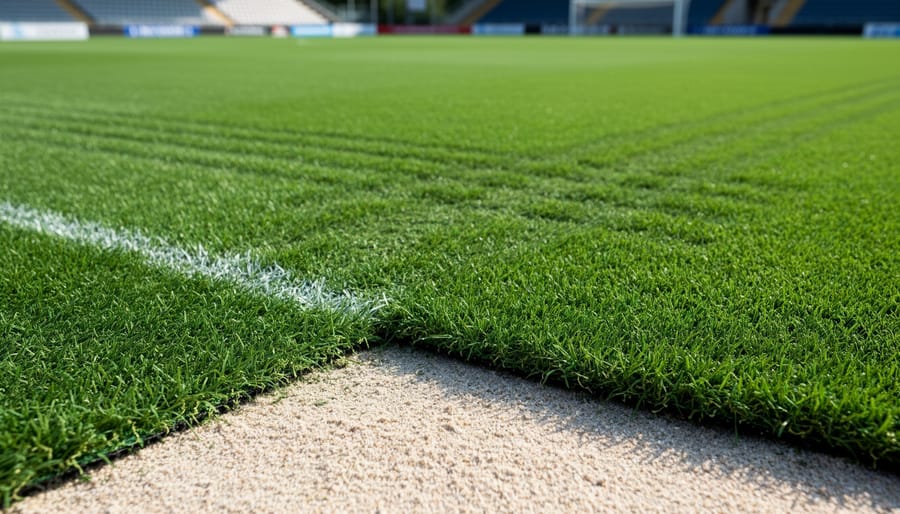
So here’s the bottom line: a properly built sand-based root zone mix isn’t the right choice for every lawn, but when it matches your situation, the results speak for themselves. If you’re dealing with heavy foot traffic, poor drainage, or simply want that championship-level playing surface, the investment in materials and careful construction pays dividends in performance and longevity.
Yes, I’ll be honest with you—sand-based systems are more demanding than traditional soil. They require more frequent watering during establishment, consistent fertilization schedules, and a deeper understanding of your soil chemistry. But that’s exactly why starting with proper soil testing is so crucial. Think of it as building your lawn on a solid foundation rather than hoping for the best. You wouldn’t construct a house without checking the ground beneath it, right?
The payoff in drainage alone makes sand-based root zones worthwhile for the right applications. No more standing water after storms. No more canceling weekend plans because the lawn’s too soggy. And the playability factor—whether that’s for backyard soccer games or just enjoying a firm, resilient surface underfoot—transforms how you experience your outdoor space.
You’ve got this. Armed with the right information about mixing ratios, amendments, and maintenance needs, you’re well-equipped to create something truly exceptional. Start with that soil test, source quality materials, and follow the proven formulas we’ve discussed. Your patience during the process will reward you with years of outstanding performance.