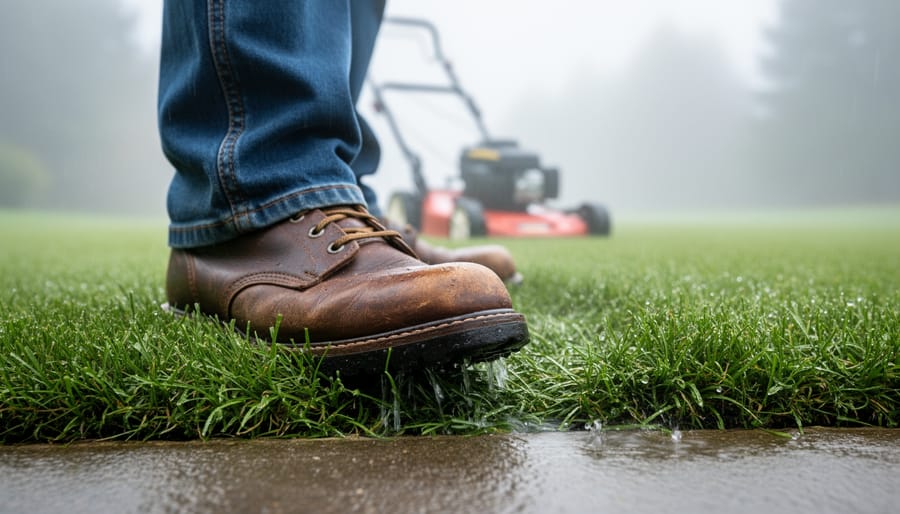
Your soil isn’t just dirt—it’s a living ecosystem that determines whether your lawn thrives or merely survives. The five soil health principles offer a transformative framework that has revolutionized agricultural practices and can dramatically improve your home landscape. These principles work together like instruments in an orchestra: minimize soil disturbance to protect beneficial microbes, keep soil covered year-round to prevent erosion, maximize living roots to feed underground life, increase plant diversity to build resilience, and integrate animals or organic matter to complete nutrient cycles.
Whether you’re frustrated with patchy grass, struggling with compacted clay, or simply want a more sustainable approach to lawn care, understanding these principles gives you the roadmap. They’re not abstract concepts reserved for commercial farms—they’re practical strategies that work beautifully in suburban yards and urban gardens. Each principle builds on the others, creating a synergy that reduces your workload while improving results. You’ll spend less time fighting problems and more time enjoying a naturally healthy, resilient landscape that requires fewer inputs and delivers better outcomes season after season.
What Makes Soil Actually ‘Healthy’?
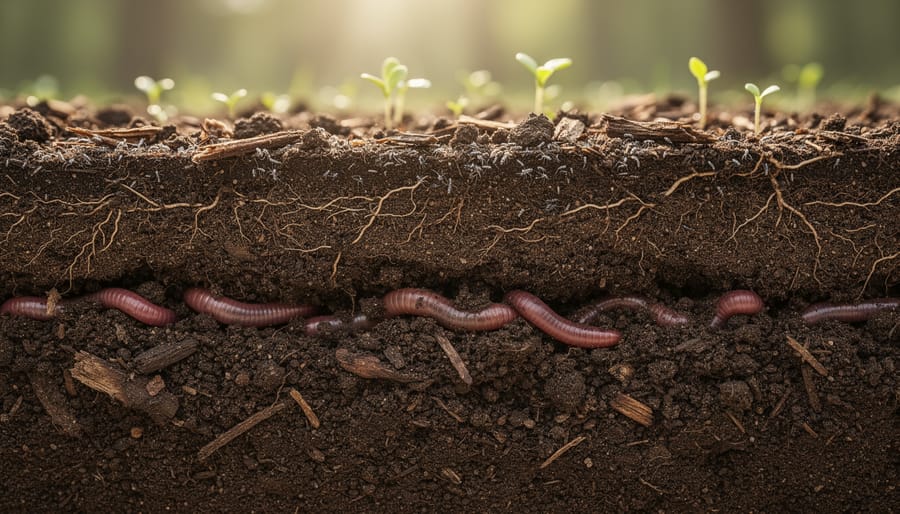
Here’s the thing about soil that might surprise you: it’s not just dirt sitting there waiting for your grass seed or tomato plants. Healthy soil is absolutely teeming with life—we’re talking billions of microorganisms, beneficial fungi, earthworms, and countless other creatures all working together in an incredible underground ecosystem.
When we talk about soil health, we’re really talking about how well this living system functions. Think of it like the difference between a vibrant coral reef and a barren seafloor. Healthy soil has the right structure, the right balance of nutrients, plenty of organic matter, and a thriving community of beneficial organisms. All of these elements work together to help your plants grow strong, resist disease, and handle stress from weather or pests.
Why does this matter for your lawn and garden? Because transforming dead dirt into living soil is the foundation of everything that grows above ground. Healthy soil holds water better during dry spells, drains properly during heavy rains, and naturally provides nutrients your plants need—meaning less work and fewer inputs from you.
The five soil health principles we’ll explore give you a practical framework for building and maintaining this living ecosystem in your own yard. Whether you’re dealing with compacted clay, sandy soil, or just want to take your gardening to the next level, understanding these principles will transform how you approach lawn and garden care.
Principle #1: Keep the Soil Covered
Why Bare Soil Is Your Lawn’s Enemy
Think of bare soil like a house without a roof – it’s vulnerable to everything nature throws at it. When you leave patches of your lawn exposed, you’re essentially rolling out the welcome mat for a host of problems that can undermine all your hard work.
First up is erosion. Without plant roots or ground cover to anchor it, soil washes away with every rainstorm and blows off in strong winds. You’re literally losing your lawn’s foundation, bit by bit. This exposed soil also struggles to retain moisture – the sun beats down directly on it, causing water to evaporate much faster than it would under a protective layer of grass or mulch.
Temperature swings become extreme too. Bare soil bakes in summer heat and freezes hard in winter, creating a hostile environment for beneficial microorganisms that keep your soil healthy. These temperature fluctuations stress any plants trying to establish themselves.
Perhaps most frustrating for lawn enthusiasts is that bare spots become prime real estate for weeds. Nature abhors a vacuum, and opportunistic weeds are incredibly efficient at colonizing empty ground before your desired grass can fill in. The solution? Keep your soil covered with living plants, mulch, or compost – always. This single practice addresses multiple soil health challenges simultaneously.
Practical Ways to Keep Soil Covered
Keeping your soil covered doesn’t have to be complicated, and you probably already have materials on hand to get started. The key is creating a protective blanket that shields soil from harsh weather while feeding beneficial organisms below.
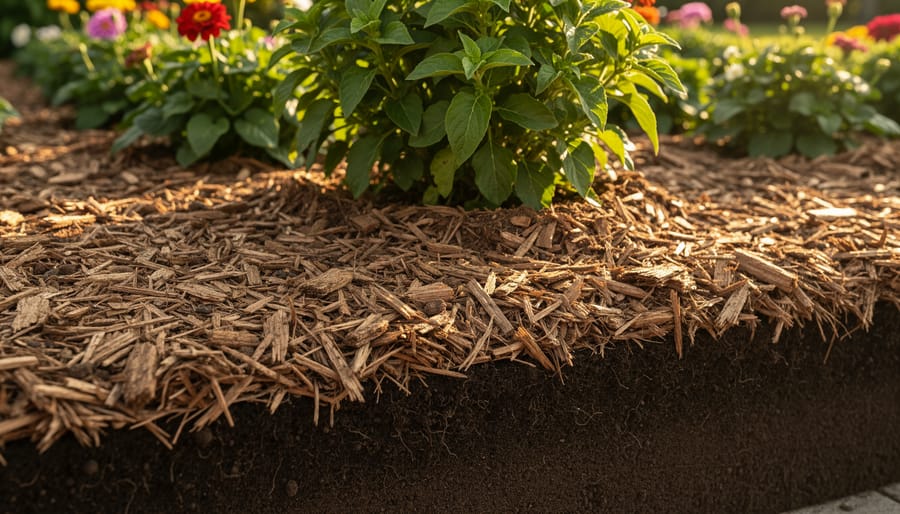
Mulching remains one of the most effective coverage methods. A 2-3 inch layer of organic mulch around garden beds and under trees suppresses weeds, retains moisture, and slowly decomposes to enrich your soil. Consider various earth-friendly mulch options like shredded leaves, wood chips, or straw. Each brings unique benefits, but all protect that precious topsoil.
Don’t toss those grass clippings after mowing. Leave them on your lawn as natural mulch, a practice called grasscycling. They decompose quickly, returning nitrogen to the soil while keeping the surface covered. Just ensure you’re not removing more than one-third of the blade height during any single mowing session.
For garden beds during off-seasons, plant cover crops like clover or winter rye. These living mulches prevent erosion while fixing nitrogen and adding organic matter when you eventually turn them under.
Ground covers offer permanent solutions for problem areas where grass struggles. Creeping thyme, sedum, or native plants create dense mats that eliminate bare spots while requiring minimal maintenance.
The connection to composting is natural here. Finished compost makes excellent mulch, combining coverage with nutrient delivery. Spread it generously around plants, and you’re practicing two soil health principles simultaneously while closing the loop on your garden’s organic waste.
Principle #2: Minimize Soil Disturbance
The Hidden Damage of Over-Working Your Soil
Every time you till, dig, or aggressively rake your lawn or garden beds, you’re essentially bulldozing through a delicate underground city. Soil structure isn’t just dirt—it’s a complex arrangement of particles, pore spaces, and aggregates that took years to develop. When we disturb it excessively, we collapse these pathways that allow air and water to circulate.
Here’s what really hurts: those white, threadlike fungal networks you might occasionally spot? They’re mycorrhizal fungi that act like an internet for plants, exchanging nutrients and even allowing plants to communicate. One pass with a power rake or aggressive dethatching can shred these networks that took seasons to establish.
There’s also a carbon cost. Healthy soil stores carbon, keeping it out of the atmosphere. But when you disrupt soil structure through excessive tilling or digging, you expose previously protected organic matter to oxygen, causing it to break down rapidly and release carbon dioxide.
Think about your lawn care routine. Do you power rake every spring “just because”? Are you turning over garden beds multiple times per season? These practices might feel productive, but they’re actually working against the soil ecosystem you’re trying to nurture. The gentler your approach, the healthier your soil community becomes.
No-Till and Low-Till Approaches for Your Landscape
Traditional tilling might seem like the go-to method for preparing garden beds, but excessive soil disturbance can actually harm the delicate ecosystem beneath your feet. The good news? There are gentler ways to maintain healthy, productive soil.
Top-dressing with compost is one of the easiest no-till techniques you can adopt. Simply spread a layer of finished compost over your lawn or garden beds, letting nature do the work of incorporating it downward. Earthworms and beneficial microorganisms will gradually pull those nutrients into the soil profile, improving structure without disrupting the established fungal networks and soil aggregates that took time to develop.
When your lawn feels compacted, thoughtful aeration becomes your friend. Rather than tilling entire beds, use a core aerator or broadfork to create targeted pathways for air and water without destroying soil structure. This approach supports the water retention strategies your soil naturally develops.
Consider your garden layout too. Establishing permanent pathways and designated planting beds reduces foot traffic where it matters most. Walking repeatedly on garden soil compresses those precious air pockets, making it harder for roots to penetrate and water to infiltrate.
Sheet mulching offers another fantastic no-till option. Layer cardboard, compost, and mulch directly over problem areas or new beds. Within months, you’ll have workable soil without ever picking up a shovel. These minimal-disturbance approaches respect the soil food web while still achieving your gardening goals.
Principle #3: Keep Living Roots in the Soil Year-Round
Why Roots Matter More Than You Think
Here’s something many gardeners don’t realize: your plants are actually feeding the soil while they’re growing. Through their roots, plants release compounds called root exudates—think of them as sugary snacks that attract beneficial soil microbes. In return, these microscopic helpers break down nutrients in the soil, making them accessible to your plants. It’s a beautiful underground partnership that happens right beneath your lawn.
This relationship isn’t just about nutrition, though. Living roots act like tiny anchors, creating channels through the soil as they grow and die back. These pathways improve water infiltration and air circulation, which are crucial for healthy grass and garden plants alike. Even during winter, maintaining some living root system—whether through perennial grasses, cover crops, or leaving certain plants standing—keeps this beneficial activity going.
When you let soil sit bare between growing seasons, you’re essentially shutting down this entire ecosystem. The microbes lose their food source, soil structure begins to break down, and you’re starting from scratch come spring. Keeping roots active year-round, even if growth slows dramatically, maintains that soil structure and keeps your microbial workforce ready to support vigorous growth when conditions improve.
Strategies for Year-Round Root Activity
Keeping living roots active throughout the year doesn’t have to be complicated. The secret is creating a relay race of plant activity, where one plant’s roots take over just as another’s slow down.
Start by overseeding your lawn with cool-season grasses in fall. While your warm-season turf goes dormant in winter, fescues and ryegrass spring to life, keeping those beneficial soil microbes fed and happy. Think of it as giving your soil a winter job instead of a vacation. This approach works beautifully in transition zones where both grass types can coexist.
In your garden beds, cover crops are game-changers. After harvesting summer vegetables, immediately plant crimson clover, winter rye, or hairy vetch. These workhorses pump life into the soil during the off-season, prevent erosion, and can be turned under in spring to add organic matter. Even a small garden bed benefits from this practice.
Don’t underestimate the power of perennials. Establishing a diverse mix of native perennials means you’ll always have something with active roots. While some plants rest, others are busy growing. Strategic placement of evergreen ground covers like creeping thyme, wintergreen, or native sedges provides consistent root activity in areas where traditional lawns struggle.
The key is thinking beyond just one growing season. By layering different plants with varying active periods, you create a living tapestry that continuously feeds soil life, builds structure, and increases organic matter. Your soil will thank you with improved health, better water retention, and reduced need for fertilizers.
Principle #4: Increase Plant Diversity
The Monoculture Problem in Lawns
That picture-perfect, single-species lawn might look tidy, but it’s actually creating a vulnerable ecosystem in your yard. When you plant only one type of grass, you’re essentially setting up a monoculture that lacks the resilience nature intended. Think of it like eating the same meal every single day – eventually, you’re missing out on essential nutrients, and your health suffers. The same principle applies to your soil.
Monoculture lawns are particularly susceptible to pests, diseases, and weather stress because there’s no diversity to buffer against challenges. If a specific disease targets your grass type, it can sweep through the entire lawn. Meanwhile, the soil biology beneath becomes impoverished, as the same root structure and nutrient demands deplete specific soil resources while leaving others unused.
Here’s the good news: you don’t need to sacrifice a neat appearance to improve soil health. Introducing even small amounts of diversity – like clover mixed with grass, or allowing a few beneficial “weeds” – creates a more robust soil food web. Different root depths, varied plant residues, and diverse root exudates all feed different beneficial microorganisms. This biodiversity strengthens your soil’s natural defenses and reduces your dependence on chemical inputs, making lawn care easier and more sustainable in the long run.
Adding Diversity Without Sacrificing Curb Appeal
You don’t need to sacrifice a picture-perfect landscape to embrace plant diversity. In fact, adding variety can enhance your yard’s visual appeal while dramatically improving soil health.
Start small by mixing white clover into your lawn. This low-growing legume adds nitrogen naturally, reduces fertilizer needs, and creates a lush, carpet-like texture that many homeowners find even more attractive than pure grass. The best part? Clover stays green during summer droughts when traditional lawns turn brown.
Consider transforming traditional foundation plantings into mixed perennial borders. Combining ornamental grasses, flowering perennials, and small shrubs creates year-round interest while supporting diverse soil microbiology. Each plant species feeds different beneficial organisms, creating a robust underground ecosystem.
Incorporating native plant diversity offers triple benefits: stunning seasonal displays, reduced maintenance, and perfectly adapted plants that thrive in your local soil conditions. Native plants have co-evolved with your region’s soil organisms, making them natural partners in building soil health.
Try rotating annual plantings in vegetable gardens and flower beds. Changing what you grow each season prevents pest buildup and ensures different root systems access various soil layers, naturally aerating and enriching the earth.
Create distinct landscape zones rather than one homogeneous lawn. Designate areas for wildflowers, vegetable gardens, ornamental beds, and traditional turf. This approach gives you functional diversity while maintaining neat, intentional design. Each zone contributes differently to overall soil health, and the varied landscape becomes a conversation piece that showcases your commitment to sustainable gardening.
Principle #5: Integrate Livestock or Organic Matter
Why Your Soil Needs Constant Feeding
Think of your soil as a living ecosystem that’s constantly working, breathing, and yes, getting hungry. The microorganisms, earthworms, and beneficial fungi in your soil are like tireless gardeners working 24/7 to break down organic matter and make nutrients available to your plants. But here’s the catch: they need fuel to keep going.
When you add organic matter like compost, grass clippings, or shredded leaves, you’re essentially feeding this underground workforce. As these materials decompose, they create humus, which acts like a sponge to hold moisture and nutrients where plant roots can access them. This process also builds soil structure, creating those precious air pockets that roots need to grow deep and strong.
The challenge is that this organic matter is constantly being consumed and broken down. In active growing seasons, your soil can burn through organic inputs surprisingly quickly. That’s why feeding your soil isn’t a one-and-done task. Think of it as maintaining a compost pile that happens to be your entire lawn or garden. Regular applications of compost, leaving grass clippings on your lawn, and mulching garden beds are simple ways to keep that biological buffet stocked. The result? Soil that practically takes care of itself, requiring less water, fewer fertilizers, and producing healthier, more resilient plants.
Composting: Your Secret Weapon for Soil Health
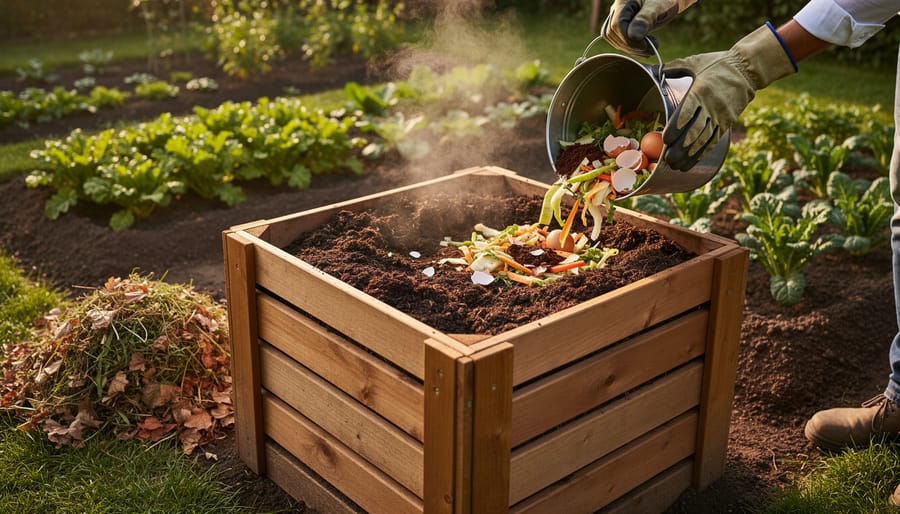
Think of composting as nature’s recycling program happening right in your backyard. If you’re serious about soil health, composting transforms kitchen scraps and yard waste into black gold that feeds your lawn and garden naturally. The composting benefits extend far beyond waste reduction, creating a living ecosystem of beneficial microorganisms that supercharge your soil.
Getting started is easier than you might think. Your compost pile needs four basic ingredients: browns (dried leaves, cardboard, newspaper), greens (kitchen scraps, grass clippings, coffee grounds), water, and air. Aim for a ratio of about 3 parts brown to 1 part green. Add fruit and vegetable scraps, eggshells, tea bags, yard trimmings, and even small amounts of paper. Skip meat, dairy, oils, and pet waste, which attract pests and create odors.
Common mistakes? Many beginners create soggy, smelly piles by adding too many grass clippings or kitchen scraps without balancing with browns. Others get discouraged when decomposition crawls along because their pile is too small or too dry. Your compost heap should feel like a wrung-out sponge and reach at least 3 feet in each dimension to generate proper heat.
When your compost looks dark and crumbly with an earthy smell, usually after 2-6 months, it’s ready to work magic. Mix finished compost into garden beds before planting, spread it as top dressing around established plants, or brew compost tea for a liquid fertilizer. For lawns, apply a quarter-inch layer in spring or fall, letting those microorganisms rebuild your soil structure while feeding your grass naturally.
Putting All Five Principles Together
Here’s the exciting part: these five principles aren’t meant to work in isolation. They’re like a team of superheroes, each with their own strengths, but together they’re unstoppable. When you combine keeping soil covered, minimizing disturbance, maintaining living roots, increasing diversity, and integrating livestock (or alternatives), magic happens in your garden.
Think of it this way. Your cover crops and mulch protect the soil while feeding the microbes. Those microbes then help your diverse plant roots access nutrients. The living roots create channels for water and air, making your soil more resilient. Each principle amplifies the others, creating a thriving underground ecosystem that does most of the heavy lifting for you.
Ready to start? Here’s your realistic action plan. Month one, focus on keeping your soil covered. Add mulch to bare spots or plant a quick-growing cover crop in empty beds. It’s the easiest entry point and shows results fast. Month two, work on diversity. Add a few new plant varieties to your landscape or mix companion plants together. Month three, commit to reducing tillage. Instead of turning over your garden beds, try top-dressing with compost.
For living roots year-round, start planning perennials or cool-season crops that fill the gaps when your main garden rests. And remember, you don’t need livestock to benefit from that fifth principle. Kitchen scraps, grass clippings, and composted manure from local farms work beautifully.
Give yourself six months to see noticeable improvements in soil structure and a full year for dramatic changes. Your soil didn’t lose its health overnight, and it won’t recover instantly either. But with consistent application of these principles, you’ll build soil that practically gardens itself.
Transforming your lawn through these five soil health principles isn’t about perfection—it’s about progress. The beauty of this approach is that you don’t need to implement everything at once. Start with one principle that resonates most with your current situation. Maybe that’s keeping living roots in the ground year-round, or perhaps it’s as simple as leaving your grass clippings where they fall to feed the soil life below.
Be patient with your results. Rebuilding soil health is a journey, not a quick fix. You might not see dramatic changes in the first few weeks, but underground, an entire ecosystem is awakening. The microbes are multiplying, the fungi are forming networks, and your soil structure is steadily improving. Within a season or two, you’ll notice the difference—lusher grass, fewer bare patches, and reduced need for inputs.
The real shift happens when you start viewing your lawn care decisions through the lens of soil health. Instead of asking “What does my grass need?” ask “What does my soil need?” This simple reframe opens up a world of sustainable, effective solutions that work with nature rather than against it. Your lawn becomes more than just a patch of grass—it becomes a thriving, resilient landscape that sustains itself while supporting the environment around it.