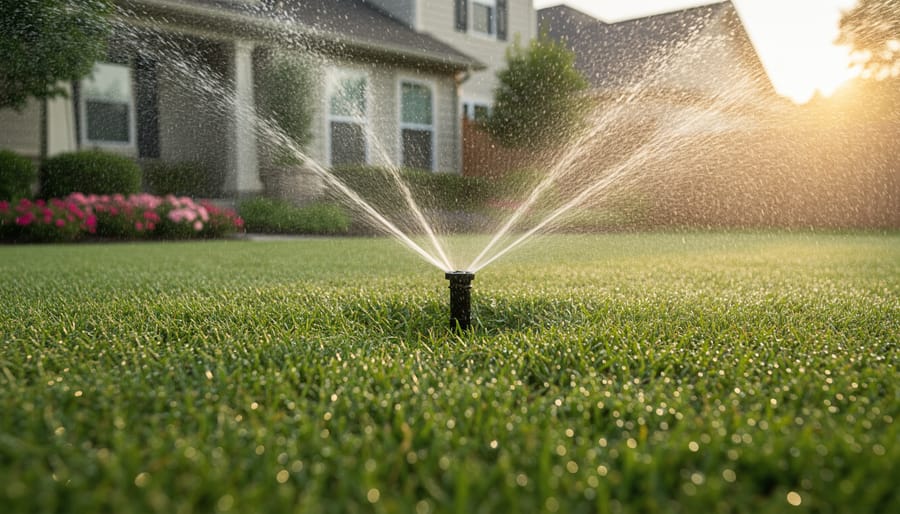
Water zoysia grass deeply but infrequently, providing 1 to 1.5 inches per week during the growing season through one or two thorough soakings rather than daily sprinkles. This drought-tolerant warm-season grass thrives on less water than many alternatives, making it an excellent choice for sustainable lawn care and water conservation.
Monitor your lawn’s color and texture to determine actual watering needs, as zoysia demonstrates drought stress through a bluish-gray tint and footprints that remain visible on the turf. During peak summer heat, increase watering frequency slightly, but resist overwatering, which encourages shallow root growth and disease susceptibility. In spring and fall, reduce watering as cooler temperatures and natural rainfall typically meet most moisture requirements.
Adjust your schedule based on soil type, with sandy soils requiring more frequent applications and clay soils needing less. Early morning watering between 4 and 10 a.m. minimizes evaporation loss and allows grass blades to dry before evening, reducing fungal disease risk. During zoysia’s winter dormancy period, watering becomes unnecessary in most climates unless you experience unusually dry conditions lasting several weeks.
The key to healthy zoysia lies in training deep root systems through proper watering practices. Established lawns develop remarkable drought tolerance, sometimes requiring no supplemental irrigation for weeks during moderate weather. Understanding these requirements helps you maintain a lush, resilient lawn while conserving water and reducing maintenance time, perfectly aligning practical care with environmental responsibility.
Understanding Zoysia’s Unique Water Needs
Why Zoysia Is a Water-Saver’s Dream
If you’re looking to reduce your water bill while maintaining a lush lawn, zoysia grass might just become your new best friend. This remarkable turf has earned its reputation as a drought-tolerant champion thanks to some impressive biological features that work behind the scenes.
The secret to zoysia’s water-saving abilities starts underground. Unlike many common lawn grasses that develop shallow root systems, zoysia sends its roots deep into the soil—often reaching 6 to 12 inches or more once established. These extensive roots act like natural straws, accessing moisture from deeper soil layers that other grasses simply can’t reach. When surface soil dries out during hot spells, your zoysia lawn keeps drawing from these deeper reserves, meaning you can water less frequently without sacrificing lawn health.
But here’s where zoysia really shines: its natural dormancy superpower. When faced with prolonged drought or extreme heat, zoysia enters a protective dormancy state, turning a straw-like tan color. Don’t panic—this isn’t death, it’s survival mode. The grass essentially hits the pause button on growth to conserve energy and moisture. Once regular watering or rainfall returns, zoysia bounces back to its vibrant green within days. This adaptation makes it perfect for regions with water restrictions or for homeowners committed to water conservation techniques.
Additionally, zoysia’s dense growth pattern and thick leaf blades naturally shade the soil surface, reducing evaporation and keeping moisture locked in longer between waterings.

The Overwatering Trap (And How to Avoid It)
Here’s the thing about zoysia grass – it’s drought-tolerant and actually thrives with less frequent watering. Yet one of the most common mistakes homeowners make is treating it like it needs constant moisture. I’ve seen countless lawns suffer not from lack of water, but from too much of it.
When you water too frequently, you’re essentially training your zoysia’s roots to stay shallow. Why would they bother growing deep when water is always available at the surface? This creates a weak lawn that’s vulnerable to stress and disease. Overwatering also creates the perfect environment for fungal problems like brown patch and root rot, which can devastate an otherwise healthy lawn.
Watch for these telltale signs that you’re being too generous with the hose: spongy, soft areas that feel mushy underfoot, a lawn that looks pale or yellowish rather than that rich green you’re hoping for, increased weed growth (especially water-loving species), and mushrooms popping up across your yard.
The sustainable approach? Water deeply but infrequently. Let your zoysia dry out between watering sessions. This encourages those roots to dive deep, creating a resilient lawn that can handle heat and drought. Your grass will actually thank you for the tough love, and you’ll save water in the process.
The Base Formula: How Much Water Does Zoysia Actually Need?
The One-Inch Rule Explained
You’ve probably heard the “one inch per week” guideline tossed around at garden centers or online forums, and it’s actually a pretty solid starting point for zoysia grass. But what does it really mean, and how do you know if you’re hitting that target?
The one-inch rule simply means your zoysia needs approximately one inch of water each week during its active growing season. This includes both rainfall and irrigation combined. Think of it as a weekly water budget rather than a strict daily requirement. The beauty of zoysia is that it doesn’t need this water delivered all at once—in fact, it prefers one or two deep watering sessions rather than frequent shallow sprinklings.
Measuring this is easier than you might think. The classic method uses empty tuna cans or shallow containers placed around your lawn. Run your sprinklers and time how long it takes to accumulate one inch of water in the cans. This tells you exactly how long to water each session. Most sprinkler systems take 20-40 minutes to deliver one inch, but yours might vary.
Here’s the important caveat: this rule primarily applies during zoysia’s peak growing season in warm weather. During spring establishment, cooler periods, or drought dormancy, your needs shift considerably. The one-inch guideline also assumes average conditions—you’ll need adjustments based on your soil type, sun exposure, and local climate. Sandy soils drain faster and need more frequent watering, while clay soils retain moisture longer, letting you stretch that weekly inch further.
Deep and Infrequent: The Golden Rule
When it comes to watering zoysia grass, think of it like teaching a child to be independent. Deep, infrequent watering encourages your grass to develop strong, extensive root systems that reach far down into the soil, rather than shallow roots that hover near the surface waiting for their next drink.
Here’s why this approach works so well: when you water deeply, moisture penetrates 6 to 8 inches into the soil. Your zoysia’s roots naturally follow that water downward, creating a robust network that can access moisture reserves even during dry spells. This makes your lawn remarkably drought-resistant and resilient during hot summer months.
On the flip side, frequent shallow watering creates lazy, dependent grass. Those roots stay near the surface because, well, why venture deeper when water is readily available up top? The problem is that shallow roots are vulnerable. They’re exposed to heat stress, dry out quickly, and make your lawn dependent on constant watering. It’s neither sustainable nor practical.
The general rule for zoysia is to water once or twice per week, applying about 1 to 1.5 inches of water each session. This schedule allows the soil to dry slightly between waterings, which actually promotes healthier root growth and prevents fungal issues that thrive in constantly moist conditions.
By embracing this deep-and-infrequent philosophy, you’re not just saving water and time. You’re cultivating a lawn that’s genuinely healthier and more self-sufficient, which aligns perfectly with sustainable gardening practices that benefit both your yard and the environment.
Spring Watering Strategy for Zoysia
Breaking Dormancy: When to Start Watering
Recognizing when your zoysia is waking up from its winter nap is like watching for the first robin of spring—it’s an exciting sign that your lawn care season is about to begin! Zoysia typically breaks dormancy when soil temperatures consistently reach 55-60°F, which varies by region but generally occurs between late March and early May.
You’ll notice the first signs of life as small green shoots emerge from the previously brown turf. This is your cue to start paying attention, but here’s the key: don’t rush to water heavily just yet. Early spring usually provides adequate rainfall in most regions, and your grass is just beginning to activate its root system.
Start with a light watering of about 0.25 inches once weekly if nature isn’t cooperating with rain. This gentle approach encourages deep root development without overwhelming the still-cool soil, which could promote disease. Think of it as offering a gentle wake-up call rather than blasting an alarm.
As temperatures climb and you see more consistent green-up across your lawn, gradually increase to your regular growing season schedule. This patient, sustainable approach gives your zoysia the best foundation for a healthy, resilient season ahead while conserving water during those transitional weeks.
Spring Rainfall and Adjustment Tips
Spring can be your best friend when it comes to watering zoysia grass, as Mother Nature often does much of the heavy lifting for you. During this season, rainfall typically becomes more frequent, which means you can significantly reduce or even eliminate supplemental watering if nature cooperates.
To make the most of spring rainfall, keep a simple rain gauge in your yard. This inexpensive tool gives you concrete data about how much water your lawn actually receives. Remember, zoysia needs about 1 to 1.5 inches of water weekly during its growing season. If a spring shower delivers an inch of rain, you’re covered for the week and can skip your irrigation schedule entirely.
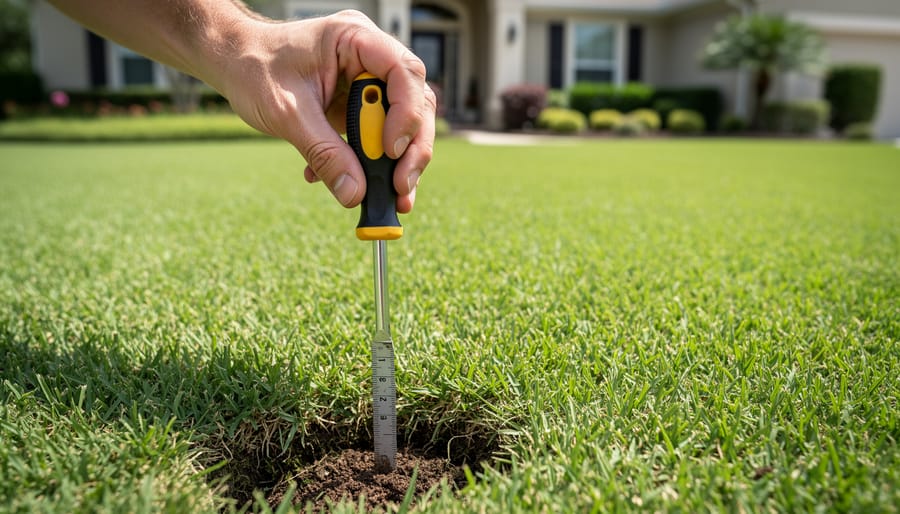
Here’s a practical approach: after rainfall, check your soil moisture before resuming your regular watering routine. Push a screwdriver into the ground—if it slides in easily to about 6 inches, your lawn has sufficient moisture. This simple test prevents overwatering, which wastes water and can encourage disease.
For those inconsistent spring weeks where rainfall is sporadic, adjust your irrigation timer accordingly. Got half an inch of rain on Tuesday? Run your sprinklers for half the usual time that week. This flexible, responsive approach not only conserves water but also promotes deeper root growth as your zoysia emerges from dormancy, setting the stage for a resilient, drought-tolerant lawn throughout summer.
Summer Watering: Peak Season Requirements
Recognizing When Your Zoysia Needs Water
Zoysia grass is remarkably drought-tolerant, but knowing when it truly needs water will help you maintain a healthy lawn without overwatering. The good news is that this grass variety gives you clear visual signals before it gets stressed.
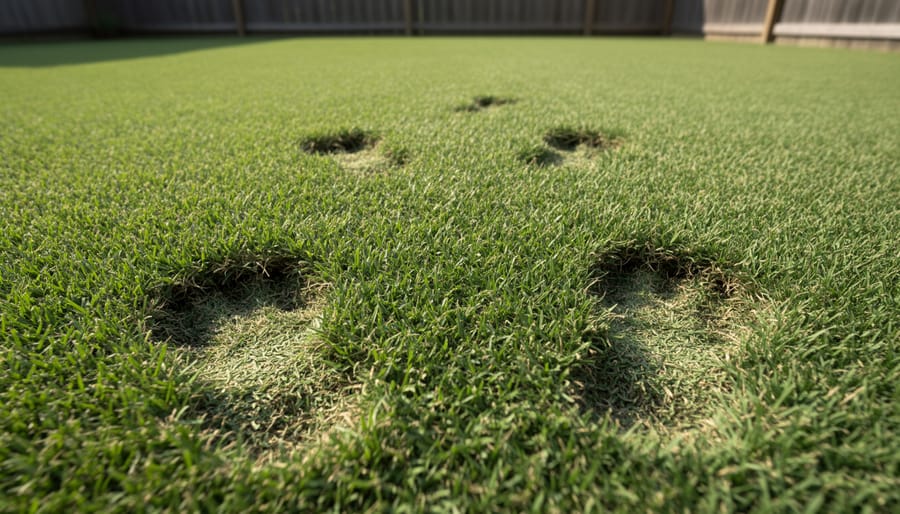
The most reliable indicator is footprinting. Walk across your lawn and look back at your footsteps. If the grass blades don’t spring back within a few minutes and your footprints remain visible, it’s time to water. This happens because dehydrated grass loses its natural turgidity and can’t bounce back as quickly.
Watch for color changes too. Healthy zoysia displays a vibrant green hue, but when water-stressed, it takes on a bluish-gray or dull appearance. This shift is subtle at first, so checking your lawn in consistent lighting conditions helps you spot the difference.
Another telltale sign is blade folding. Zoysia blades naturally fold or curl lengthwise to reduce water loss during drought conditions. If you notice the grass blades rolling inward rather than lying flat, your lawn is telling you it’s thirsty.
The beauty of these signals is they allow you to practice sustainable watering by responding to actual need rather than following a rigid schedule. This approach conserves water while keeping your zoysia resilient and healthy.
Best Time of Day to Water (And Why It Matters)
Timing your irrigation can make the difference between a thriving zoysia lawn and one struggling with disease. The best time to water your zoysia grass is early morning, ideally between 4 a.m. and 10 a.m. Here’s why this matters for your lawn’s health.
Morning watering allows grass blades to dry throughout the day, which is crucial for preventing fungal diseases that thrive in prolonged moisture. When you water in the morning, you’re also working with nature—cooler temperatures and typically calmer winds mean less evaporation, so more water actually reaches your zoysia’s roots. This efficiency saves water and reduces your environmental footprint.
Evening watering creates the perfect storm for lawn problems. Those blades stay wet through the cool night, inviting brown patch, dollar spot, and other fungal diseases that can devastate your zoysia. Additionally, nighttime watering may encourage grub activity and other pests that prefer moist conditions.
If morning watering isn’t possible, late afternoon works as a backup, giving blades time to dry before nightfall. The key is ensuring your zoysia has at least 2-3 hours of drying time before darkness sets in.
Heat Wave Adjustments
When extreme heat arrives, your zoysia may need some temporary watering adjustments, but you can make smart changes without abandoning sustainable practices. During prolonged heat waves above 95°F, consider increasing watering frequency to twice weekly rather than drastically boosting water volume. This approach helps your lawn cope while still encouraging deep root development.
The key is timing your sessions strategically. Water in the early morning hours between 4-7 AM when temperatures are coolest and evaporation rates are minimal. This ensures maximum water reaches the root zone rather than disappearing into the air. If your zoysia shows stress signs like folded leaf blades or a bluish-gray tint despite proper watering, add a supplemental light watering session midweek.
Here’s a sustainable trick many gardeners overlook: apply a thin layer of compost as a summer top-dressing. This organic matter helps the soil retain moisture more effectively, reducing your overall water needs even during scorching weather. For comprehensive strategies on keeping zoysia green during summer, remember that slight adjustments work better than dramatic changes. Your established zoysia is remarkably heat-tolerant, so resist the urge to overwater, which can actually weaken your lawn’s natural resilience.
Fall Watering: Preparing for Dormancy
The Tapering Technique
As autumn settles in, your zoysia grass naturally prepares for dormancy, and your watering schedule should mirror this transition. Think of tapering as gently tucking your lawn in for its winter rest rather than abruptly cutting it off from moisture.
Start by reducing your watering frequency first, not the amount per session. If you’ve been watering twice weekly during summer, drop to once weekly by early fall. This encourages your zoysia’s roots to reach deeper for moisture, strengthening the plant before dormancy. Around mid-fall, when temperatures consistently drop below 70°F, you can reduce both frequency and volume by about 25-30%.
Pay attention to your grass’s color signals. As zoysia enters dormancy, it naturally transitions from vibrant green to tan or brown, which is perfectly healthy. Don’t mistake this natural process for drought stress and over-water in response. The key difference is that dormant grass blades feel crisp and uniform in color, while drought-stressed grass appears patchy with wilted, folded blades.
By late fall, when nighttime temperatures regularly dip into the 50s, you can typically stop supplemental watering altogether unless you’re experiencing an unusually dry spell. This gradual reduction respects your lawn’s biological clock while conserving water, perfectly aligning with sustainable lawn care practices that benefit both your grass and the environment.
Pre-Winter Hydration
Before winter arrives, your zoysia grass needs one final act of care that many homeowners overlook. Deep watering before the first hard freeze helps your lawn survive winter’s challenges and emerge healthier in spring. This pre-winter hydration, part of a solid fall watering strategy, protects grass roots from desiccation during dormancy when moisture extraction becomes difficult from frozen soil.
Apply approximately one to one and a half inches of water about a week before your area’s expected first freeze. This thorough soaking ensures moisture reaches deep into the root zone, creating a reservoir that sustains your zoysia through winter’s dry periods. Well-hydrated grass also handles temperature fluctuations better, reducing winter stress and minimizing the dreaded spring brown patches that require expensive repairs or overseeding.
Winter Watering: What You Need to Know
Good news for winter – your zoysia grass needs very little attention once temperatures drop! When zoysia goes dormant and turns that golden-tan color, it’s essentially taking a long nap, and its water requirements become minimal.
In most climates, natural winter precipitation is enough to sustain dormant zoysia. The grass isn’t actively growing, so it doesn’t need the moisture it craves during summer. However, if you’re experiencing an unusually dry winter with no rain or snow for 4-6 weeks, consider giving your lawn a light watering – about 0.25 to 0.5 inches every month. This prevents the roots from becoming completely desiccated, which could compromise spring green-up.
For gardeners in warmer southern regions where zoysia may remain semi-active, you might need occasional watering during dry spells – roughly once every two weeks with about 0.5 inches of water. Watch for signs of extreme dryness like cracking soil.
The sustainability win here is significant: cutting back on winter watering conserves water resources and reduces your environmental footprint. Think of it as giving both your lawn and your water bill a well-deserved rest. Come spring, your zoysia will reward your patience with vigorous new growth.
Watering Techniques That Actually Work
Sprinkler Systems vs. Manual Watering
Choosing between sprinkler systems and manual watering for your zoysia lawn depends on your budget, lawn size, and commitment to sustainability. In-ground sprinkler systems offer consistency and convenience, delivering water evenly across your lawn without requiring you to be present. According to customer reviews of top-rated systems like Rain Bird and Hunter models, many homeowners appreciate the ability to adjust your watering schedule automatically based on weather conditions. However, these systems can be costly to install and may waste water if not properly programmed.
Manual watering with a hose or portable sprinkler gives you complete control and allows you to target specific dry spots. It’s budget-friendly and lets you water only when truly needed, making it the more sustainable choice. Many gardeners find that soaker hoses work wonderfully for zoysia, delivering water directly to the root zone with minimal evaporation. The downside? It requires your time and attention. For best results, consider a hybrid approach: install an efficient sprinkler system with smart controllers that adjust based on rainfall, ensuring your zoysia gets exactly what it needs without waste.
Smart Controllers and Rain Sensors
Modern smart irrigation technology takes the guesswork out of watering your zoysia lawn while helping you conserve precious water resources. I’ve found these systems to be absolute game-changers for maintaining healthy grass without waste.
Smart controllers like the Rachio 3 or Orbit B-hyve connect to local weather data and automatically adjust watering schedules based on temperature, rainfall, and humidity. They’ll skip watering sessions after rainstorms and reduce frequency during cooler periods when your zoysia needs less water. I particularly appreciate how these controllers integrate with smartphone apps, letting you monitor and adjust settings from anywhere.
Rain sensors are simpler but equally effective additions to traditional timer systems. Models like the Rain Bird WR2 automatically interrupt scheduled watering when rainfall exceeds a quarter-inch, preventing overwatering that wastes water and promotes disease. Installation takes about fifteen minutes and typically costs under forty dollars—a small investment that pays for itself through reduced water bills.
For maximum efficiency, consider pairing your smart controller with soil moisture sensors. These devices measure actual ground moisture levels, ensuring your zoysia receives water only when truly needed. This precision approach aligns perfectly with zoysia’s drought-tolerant nature while maintaining that lush, healthy appearance we all want.

The Screwdriver Test and Other DIY Checks
The classic screwdriver test is my go-to method for checking soil moisture, and it’s incredibly simple. Just grab a long screwdriver and push it into your lawn. If it slides in easily to about six inches, your soil has adequate moisture. If you’re meeting resistance, it’s time to water. This works because moist soil is softer and more penetrable than dry, compacted earth.
Another handy check is the footprint test. Walk across your zoysia lawn and look back. If your footprints remain visible for more than a few seconds, the grass blades aren’t springing back due to moisture stress. Well-hydrated zoysia should bounce right back.
You can also use a soil probe or even a wooden dowel to extract a small core sample. This lets you see moisture levels at different depths, ensuring water is reaching those deeper roots where zoysia really needs it. For a more precise approach, inexpensive soil moisture meters provide numerical readings, helping you track patterns over time and adjust your watering schedule accordingly.
Factors That Change Your Watering Schedule
Soil Type Matters More Than You Think
Your soil type is like the foundation of your watering strategy, and understanding it can save you from over or under-watering your zoysia. Think of it this way: soil is basically your lawn’s water storage system, and different types hold moisture very differently.
Clay soil is the heavyweight champion of water retention. It holds onto moisture for days, which sounds great until you realize it also drains poorly and can suffocate grass roots if overwatered. If you’ve got clay, you’ll want to water less frequently but for longer periods to encourage deep root growth. Consider watering once every 7-10 days during active growth, giving your zoysia about 1 inch total.
Sandy soil is the complete opposite—water rushes through it like a sieve. You’ll need to water more frequently, perhaps twice per week, but with shorter sessions to prevent wasteful runoff. The upside? It’s nearly impossible to create waterlogged conditions.
Loam is the Goldilocks option: a balanced mix that retains moisture while draining well. If you’re blessed with loamy soil, stick to the standard once-weekly deep watering schedule.
Here’s a sustainable tip: improve any soil type by adding compost annually. It helps clay drain better and gives sandy soil more water-holding capacity, reducing your overall watering needs while supporting healthier grass.
New Zoysia vs. Established Lawns
Establishing new zoysia grass requires a completely different watering approach than maintaining a mature lawn, and getting this right makes all the difference between a thriving yard and a disappointing struggle.
When you first install zoysia sod or plugs, think of your grass as a newborn that needs constant attention. For the first two weeks, you’ll need to water daily, sometimes even twice daily during hot weather. The goal is to keep that top inch of soil consistently moist (not soggy) so roots can establish contact with your existing soil. I usually recommend watering new sod for about 15-20 minutes in the morning and again in late afternoon if temperatures exceed 85°F.
After those critical first two weeks, you can gradually reduce frequency. During weeks three and four, transition to every other day, but increase the duration slightly to encourage deeper root growth. By week six, your zoysia should be ready for the standard deep, infrequent watering schedule that mature lawns thrive on.
Here’s a practical test: gently tug on a corner of your new sod after about ten days. If it resists and feels firmly attached, roots are establishing nicely. If it lifts easily, maintain that frequent watering schedule a bit longer.
For plugs, the establishment period extends longer, typically six to eight weeks, since they need time to spread and fill in bare spots. Keep the soil around each plug moist, creating a slightly larger watering zone than the plug itself to encourage lateral growth. This patience-testing phase is worth it, as properly established zoysia becomes remarkably drought-tolerant and low-maintenance once mature.
Common Zoysia Watering Mistakes and Quick Fixes
Even the most dedicated lawn enthusiasts fall into predictable watering traps with zoysia grass. Let’s tackle the most common mistakes and get your lawn back on track.
The biggest culprit? Overwatering based on other grass types’ needs. I’ve talked with countless homeowners who water their zoysia like it’s Kentucky bluegrass, and they’re genuinely puzzled when they see thinning patches and fungal issues. Here’s your quick fix: immediately reduce watering frequency. Zoysia thrives on neglect compared to cool-season grasses. If you’re watering more than twice weekly during peak summer, you’re likely overdoing it. Pull back to once per week and watch for improvement within two to three weeks.
Another frequent mistake is shallow, daily watering. This creates weak, surface-level roots that can’t handle stress. Your zoysia might look okay initially, but it’ll struggle during heat waves or drought. The solution is simple but requires patience: switch to deep, infrequent watering sessions. Aim for that magic number of one inch per week, delivered in one or two sessions. Your grass will develop those robust, deep roots that make zoysia such a resilient choice.
Many folks also ignore their soil’s drainage capacity. If water pools on your lawn for more than a few hours after watering, you’ve got a drainage problem that no watering schedule can fix. Consider aerating compacted soil or adjusting your watering duration to match your soil’s absorption rate. Clay soils need shorter, repeated cycles to prevent runoff.
The evening watering myth persists too. While it seems logical to water when it’s cooler, nighttime moisture invites fungal diseases. Morning watering between 4 and 10 AM gives your zoysia time to dry before evening, dramatically reducing disease risk.
Finally, don’t fall for the “more water equals greener grass” trap. Zoysia naturally goes dormant and browns during extreme heat or cold, and that’s perfectly healthy. Excessive watering won’t keep it green and only wastes water while potentially harming your lawn’s long-term health.
Here’s the wonderful news: zoysia grass is truly one of the most water-efficient lawn options available, and with the seasonal approach we’ve covered, you’re well-equipped to maintain a gorgeous, healthy lawn while being a responsible water steward. By adjusting your watering schedule throughout the year—giving your zoysia about 1 to 1.5 inches weekly during peak growing season and scaling back significantly during dormancy—you’re working with the grass’s natural rhythm rather than against it.
Remember that sustainable lawn care isn’t about perfection; it’s about making thoughtful choices that benefit both your yard and the environment. Deep, infrequent watering builds those strong root systems that make zoysia so drought-tolerant in the first place. Early morning watering minimizes waste. Paying attention to rainfall means you’re not overdoing it when Mother Nature lends a hand.
Every lawn truly is unique, though. Your soil type, sun exposure, local climate, and even the specific zoysia variety you’re growing will influence your exact watering needs. Don’t be afraid to observe your grass and make adjustments. Those visual cues we discussed—footprints that linger, slight color changes, blade folding—are your lawn communicating with you.
You’ve got this! With a little attention and these practical strategies in your gardening toolkit, you can absolutely enjoy a lush, resilient zoysia lawn while conserving precious water resources. That’s a win for your yard, your water bill, and the planet.