Stop watering your lawn every day. This well-intentioned habit is actually drowning your grass, encouraging shallow root growth, and creating the perfect environment for fungal diseases and weed infestations. If you’ve been reaching for the hose or setting your sprinkler system to run daily, you’re not alone in this common mistake, but you’re likely doing more harm than good to the very lawn you’re trying to nurture.
Daily watering keeps the top few inches of soil constantly moist, which trains grass roots to stay near the surface rather than diving deep into the ground where they can access moisture during dry periods and develop the resilience your lawn needs to thrive. This shallow root system leaves your grass vulnerable to heat stress, drought damage, and compaction from foot traffic. Meanwhile, that persistent surface moisture becomes an open invitation for fungal problems like brown patch and dollar spot, while also helping weed seeds germinate with ease.
The truth is, most established lawns need only one to one-and-a-half inches of water per week, delivered in one or two deep soaking sessions rather than daily sprinkles. This watering approach encourages roots to grow downward in search of moisture, creating a healthier, more drought-resistant lawn that actually requires less maintenance over time. Whether you’re a beginner who’s been following outdated advice or an experienced gardener looking to optimize your routine, understanding the science behind proper watering frequency will transform your lawn care results while conserving water and reducing your environmental impact.
The Truth About Daily Watering
Shallow Roots: The Hidden Consequence
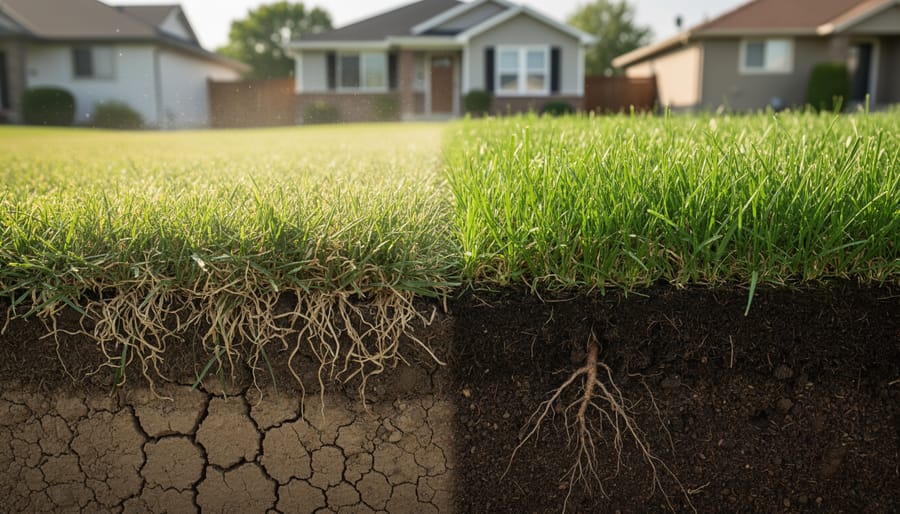
Here’s the thing about grass roots that surprises most people: they’re a bit lazy. Give them easy access to water near the surface, and they’ll happily stay there rather than venturing deeper into the soil. When you water your lawn every day, you’re essentially training your grass roots to remain in the top inch or two of soil, where moisture is readily available.
This creates a serious vulnerability. Shallow-rooted grass becomes completely dependent on frequent watering because those surface roots dry out quickly on hot days. Miss a watering session, and your lawn can start showing stress within hours. It’s like raising a plant that can’t fend for itself.
Deep roots, on the other hand, are your lawn’s insurance policy. When roots extend 6 to 8 inches down into the soil, they can access moisture reserves that surface roots never reach. This makes your grass naturally more drought-resistant and resilient during heat waves or water restrictions. The irony is that by trying to be a diligent lawn caretaker with daily watering, you’re actually creating a weaker, more demanding lawn that requires constant attention. Breaking this cycle means encouraging those roots to grow deeper through less frequent but more thorough watering sessions.
Creating a Disease-Friendly Environment
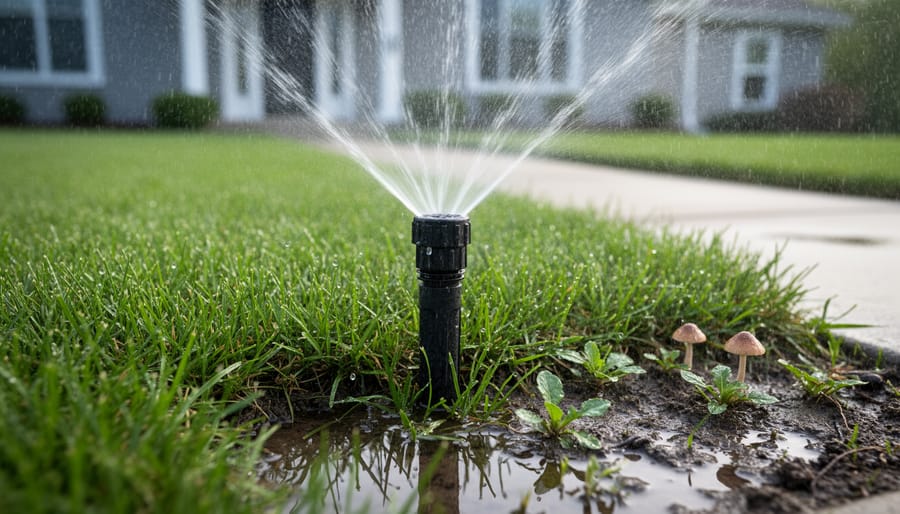
When you water your lawn every day, you’re essentially rolling out the welcome mat for fungi and disease-causing pathogens. Think of it this way: just as a damp basement becomes a breeding ground for mold, constantly wet grass creates the perfect environment for lawn diseases to thrive.
Fungal spores love moisture, and when your lawn never gets a chance to dry out between waterings, you’re giving diseases like brown patch, dollar spot, and pythium blight the ideal conditions they need to spread. These problems often appear as circular brown or yellow patches that can quickly overtake healthy grass. Many homeowners unknowingly worsen these issues through evening watering risks, which extends the period grass blades stay wet overnight.
I’ve seen beautiful lawns turn into patchy disasters within weeks of switching to daily watering schedules. The constant surface moisture also prevents beneficial microorganisms in the soil from doing their job properly, disrupting the natural balance your lawn needs to fight off diseases on its own. By allowing your lawn to dry between deep, infrequent watering sessions, you create an environment where grass thrives while fungi struggle to establish themselves.
The Environmental and Financial Cost
Daily watering comes with real consequences for both your wallet and the planet. The average American household uses about 320 gallons of water daily, with roughly 30% dedicated to outdoor use. When you water your lawn every day, you’re potentially doubling or tripling that outdoor consumption unnecessarily. This translates to utility bills that can spike by $50 to $100 per month during peak summer, depending on your location and water rates.
Beyond the financial hit, there’s the environmental toll to consider. Overwatering depletes local water resources, particularly critical in drought-prone regions where municipal water supplies are already stressed. Excess water also carries fertilizers and pesticides into storm drains and waterways, contributing to pollution and algae blooms that harm aquatic ecosystems. When we water mindfully instead of excessively, we’re not just caring for our lawns better—we’re being responsible stewards of our shared resources. The good news? Cutting back to two or three times per week can reduce your water usage by 40% while actually improving your lawn’s health.
How Often Should You Really Water Your Lawn?
The One-Inch Rule Explained
You’ve probably heard lawn care experts mention the “one-inch rule,” and it’s genuinely one of the most reliable guidelines for maintaining a healthy lawn. Here’s what it means: most established lawns thrive on approximately one inch of water per week, whether from rainfall or irrigation. This isn’t just a random number—it’s the amount that typically penetrates 6-8 inches into the soil, reaching where grass roots actually live and grow.
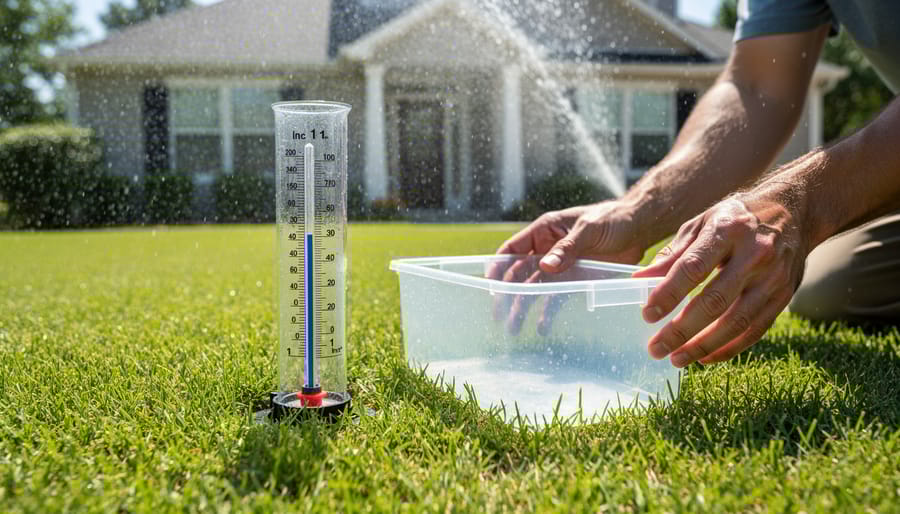
Measuring this is easier than you might think. Grab a few empty tuna cans or straight-sided containers and place them around your lawn while watering. When the water in the cans reaches about one inch deep, you’re done. This simple trick helps you establish a proper watering schedule rather than guessing or watering daily out of habit.
The beauty of this approach is its flexibility. You can deliver that inch all at once or split it into two half-inch sessions during particularly hot weeks. What matters most is giving your lawn enough water to encourage deep root growth while allowing the soil surface to dry between waterings, which promotes stronger, more drought-resistant grass.
Reading Your Lawn’s Signals
Your lawn is actually quite chatty—you just need to learn its language! Instead of sticking to a rigid daily watering schedule, let your grass tell you when it’s genuinely thirsty. This approach not only promotes deeper root growth but also saves water and reduces your environmental footprint.
The footprint test is your most reliable friend here. Simply walk across your lawn and look back at your tracks. If the grass blades spring back up quickly, your lawn is well-hydrated. But if those footprints linger and the grass stays compressed for more than a few seconds, it’s time to water. This happens because properly hydrated grass blades are turgid and resilient, while thirsty grass loses that bounce.
Color changes offer another clear signal. Healthy, well-watered grass displays a vibrant green hue. When your lawn needs water, you’ll notice it taking on a dull, grayish, or bluish-green tint. Some areas might even start to look slightly wilted or folded, with grass blades appearing narrower as they curl to conserve moisture.
Pay attention to timing too. Most lawns only need watering once or twice weekly during moderate weather, though this varies with grass type, soil conditions, and climate. By responding to these visual cues rather than defaulting to daily watering, you’re actually teaching your grass to develop stronger, deeper roots that can access moisture from lower soil layers. It’s like training your lawn to become more self-sufficient and resilient—a win for both you and the environment.
Seasonal Adjustments for Optimal Lawn Health
Spring Watering: Getting Started Right
As your lawn awakens from its winter slumber, resist the temptation to drench it with daily watering. Spring is actually the easiest season to overwater, since cool temperatures and natural rainfall often provide everything your grass needs. During early spring, your lawn typically requires little to no supplemental watering while temperatures remain mild and soil moisture stays high from winter precipitation.
Start by observing your grass rather than following a rigid schedule. As new growth emerges, check soil moisture by pushing a screwdriver into the ground. If it slides in easily to about six inches, you’ve got plenty of moisture. This simple test beats any watering calendar and helps you avoid the common mistake of drowning tender new roots.
As temperatures gradually climb through late spring, you can slowly increase watering frequency, but aim for once or twice weekly rather than daily sessions. Deep, infrequent watering now encourages roots to grow downward, establishing the strong foundation your lawn needs to survive summer heat. Think of spring as training season for your grass, teaching it resilience rather than creating dependency on constant moisture. This approach conserves water while building a healthier, more sustainable lawn.
Summer Strategy: Peak Growing Season
Summer cranks up the heat, and your lawn feels it too. While your grass does need more water during these scorching months, that doesn’t translate to daily watering. In fact, those relentless heatwaves are exactly when you need to resist the urge to overwater.
During peak growing season, most lawns need about 1 to 1.5 inches of water per week, including rainfall. The key is adjusting your approach to help your grass withstand heat stress without drowning the roots. Think of it like training for a marathon rather than sprinting every day. Deep, infrequent watering encourages roots to grow deeper into the soil, where they can access cooler moisture reserves and better survive hot spells.
The timing of your watering becomes crucial in summer. Early morning watering, between 4 and 10 a.m., gives your lawn the hydration it needs before temperatures soar. This timing also allows grass blades to dry before evening, reducing disease risk. Evening watering might seem logical after a hot day, but it leaves grass wet overnight, creating a perfect breeding ground for fungal problems.
When temperatures consistently exceed 85°F, consider implementing effective summer watering strategies like cycle-and-soak irrigation. This means watering in shorter intervals with breaks in between, allowing water to penetrate deeply without runoff. If your lawn shows heat stress signs like bluish-gray color or footprints that don’t bounce back, it needs water. But resist that daily routine and stick with deeper, less frequent sessions.
Fall Transition: Preparing for Dormancy
As summer fades and temperatures begin to drop, your lawn’s water requirements change dramatically. This is the perfect time to step back from any frequent watering habits you’ve established during the heat and let nature do more of the work. Fall brings cooler air, shorter days, and often increased rainfall, all of which mean your grass naturally needs less supplemental watering.
Start reducing your watering frequency gradually as autumn progresses. Instead of daily watering (which hopefully you’ve already stopped), you might find yourself watering once every 10-14 days, or even less frequently depending on your climate and rainfall. The goal is to maintain steady root health without encouraging excessive top growth that will only struggle when frost arrives.
Understanding your fall watering needs means paying attention to soil moisture rather than sticking to a rigid schedule. Your lawn is preparing for dormancy, storing energy in its roots for spring’s comeback. Deep, infrequent watering continues to be the rule, but you’ll likely need far fewer sessions. If your grass isn’t actively growing and the soil feels moist a few inches down, skip that watering session. This transition period is actually one of the easiest times for lawn care, so embrace the lower maintenance schedule while building resilience for the seasons ahead.
Winter Watering: When and Why
Winter brings a welcome reprieve from your watering routine, and your lawn actually prefers it that way. Most cool-season grasses enter dormancy during winter months, dramatically reducing their water needs. In fact, in many regions with regular winter precipitation, you can skip watering entirely and let nature do the work.
However, if you live in a climate with dry winters and little rainfall, your lawn may need occasional deep watering—perhaps once every three to four weeks when temperatures rise above freezing. The key is watching for signs of stress: if your grass appears brittle or doesn’t spring back when walked on, it’s time for a drink.
Here’s a sustainable approach: water only during the warmest part of the day (typically midday) when temperatures are above 40°F, allowing moisture to penetrate before nighttime freezing occurs. This prevents ice formation at the soil surface, which can damage grass crowns. Remember, overwatering during winter can lead to fungal diseases and create conditions for snow mold, so less is genuinely more during these colder months.
Smart Watering Techniques That Actually Work
Timing Is Everything
When you water matters just as much as how much you water. Early morning, ideally between 4 and 10 a.m., is the best time to water your lawn. During these cooler hours, water has time to soak deep into the soil before the sun’s heat causes evaporation, meaning your grass actually gets to use what you’re providing. Morning watering also allows grass blades to dry throughout the day, which is crucial for preventing fungal diseases that thrive in damp, warm conditions. Evening watering might seem convenient after work, but it leaves your lawn wet overnight, creating a perfect breeding ground for disease. If morning watering isn’t possible, late afternoon works as your second choice, giving grass a few hours to dry before nightfall.
Choosing the Right Equipment
Selecting the right watering equipment can make all the difference between a thriving lawn and wasted water. Let me walk you through your options, because trust me, not all sprinklers are created equal.
For small to medium lawns under 5,000 square feet, oscillating sprinklers offer excellent coverage at budget-friendly prices, typically ranging from $15 to $50. They distribute water in a rectangular pattern and allow you to adjust the spray width. The downside? They’re less efficient in windy conditions and can lose water to evaporation. Rotary sprinklers work well for larger areas, providing even coverage in a circular pattern, though they require more time to deliver adequate water depth.
If you’re serious about water conservation and have a bit more budget flexibility, soaker hoses are game-changers for garden beds and narrow lawn strips. These porous hoses deliver water directly to the soil, reducing evaporation by up to 50 percent compared to overhead sprinklers. They’re perfect for established lawns where you’re doing deep, infrequent watering. Expect to spend $20 to $60 for quality options.
For those ready to invest in long-term efficiency, in-ground irrigation systems with smart controllers represent the gold standard. Yes, installation costs run from $1,500 to $3,500 depending on lawn size, but modern systems pay for themselves through reduced water bills and healthier grass. Smart controllers adjust watering schedules based on weather conditions, ensuring you never overwater. Many even connect to your smartphone, giving you complete control while you’re away.
Smart Controllers and Rain Sensors
Here’s the good news: you don’t have to rely on memory or guesswork to water your lawn correctly. Modern technology has made it incredibly easy to avoid the daily watering trap while actually improving your lawn’s health.
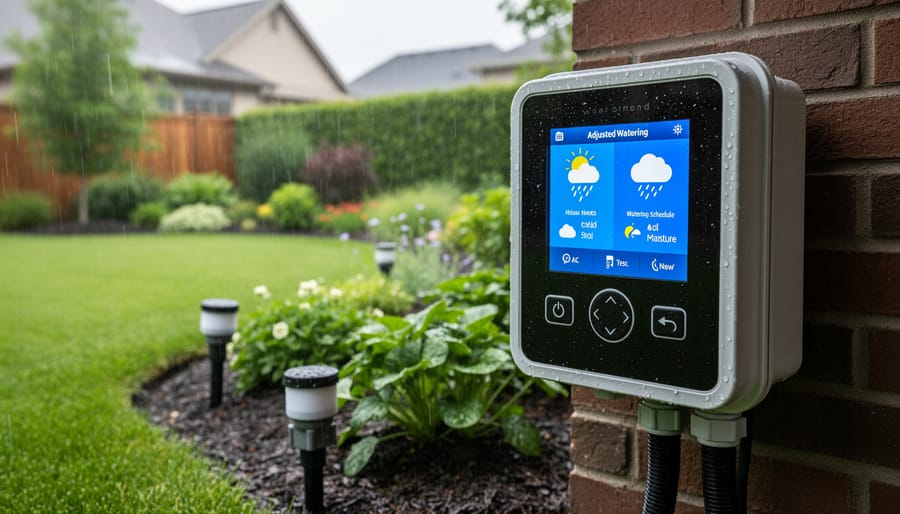
Smart irrigation controllers are game-changers for sustainable lawn care. These devices connect to local weather stations and automatically adjust your watering schedule based on real-time conditions. If it rained yesterday or rain is forecasted, the system skips that watering cycle entirely. No water waste, no overwatering, and your lawn gets exactly what it needs. Many models also consider factors like soil type, sun exposure, and plant type to create truly customized schedules.
Rain sensors offer a simpler, budget-friendly alternative. These affordable devices attach to your existing irrigation system and pause watering when they detect moisture. Think of them as a safety net that prevents your sprinklers from running during or right after rainfall—a surprisingly common problem with traditional timers.
Both options pay for themselves through water savings, often within a single growing season. Plus, they give you peace of mind knowing your lawn care practices align with environmental responsibility. You’re not just saving water; you’re nurturing a healthier, more resilient lawn that doesn’t depend on daily intervention.
Fixing an Overwatered Lawn
The Gradual Transition Method
Making the switch from daily watering to a healthier schedule doesn’t have to shock your lawn into decline. The key is taking it slow and steady, giving your grass time to adjust and develop those deeper roots we’ve been talking about.
Start by assessing your current routine. If you’re watering every single day, begin by cutting back to every other day for the first week. Yes, your lawn might look a tiny bit less perky initially, but trust me, it’s building character underground. During this transition week, water a bit more deeply than you normally would—aim for about 30 minutes per zone instead of your usual quick sprinkle.
After that first week, move to a three-day cycle. Water on Monday, skip Tuesday and Wednesday, then water again on Thursday. This gives your grass a chance to send roots deeper in search of moisture. You’ll want to increase your watering duration here to ensure you’re getting that crucial 1 to 1.5 inches of water per session. A simple tuna can test works perfectly—place empty cans around your lawn and see how long it takes to collect an inch of water.
By week three, transition to your final schedule of twice weekly watering. Pick consistent days like Tuesday and Friday, or Wednesday and Saturday. Your lawn will thank you with a healthier, more drought-resistant root system that actually requires less fussing from you in the long run. Remember, patience during this transition period pays dividends all season long.
Addressing Existing Damage
If your lawn is already showing signs of overwatering damage, don’t worry—there’s hope for recovery! First, stop the daily watering immediately and let your soil begin to dry out. For fungal issues like brown patch or dollar spot, which thrive in constantly wet conditions, you may need to apply an organic fungicide containing beneficial bacteria or copper-based solutions. However, prevention through proper watering is always better than treatment.
To improve drainage in waterlogged areas, consider aerating your lawn, which creates channels for excess water to escape and allows oxygen to reach the roots. You can rent a core aerator or hire a professional service. For particularly soggy spots, you might need to add organic matter like compost to improve soil structure over time. In severe cases, installing French drains or adjusting your yard’s grading may be necessary. Remember, recovery takes patience—give your lawn several weeks to bounce back while following proper watering practices moving forward.
Breaking free from the daily watering habit might feel daunting at first, but trust me, your lawn will thank you for it. By shifting to a deep-and-infrequent watering schedule, you’re not just saving time and money—you’re fundamentally transforming your lawn into a more resilient, drought-resistant landscape that can weather whatever nature throws its way.
Remember the core principles we’ve covered: water deeply to encourage roots to grow downward, aim for that sweet spot of 1 to 1.5 inches per week, and let your soil dry out between sessions. This simple change reduces water waste, prevents fungal diseases, and creates a lawn that’s genuinely healthier from the ground up. Plus, you’ll be doing your part for the environment by conserving precious water resources and reducing runoff that carries fertilizers into local waterways.
Think of this transition as an investment in your lawn’s future. Those first few weeks might test your patience as you resist the urge to reach for the hose daily, but soon you’ll notice the difference: deeper green color, stronger grass blades, and fewer bare patches. Your lawn will become the neighborhood standout, not because you’re doing more, but because you’re doing it right. You’ve got this, and your lawn has everything it needs to thrive with your smarter, more sustainable approach to watering.