Stop tossing soil into your compost bin—soil itself isn’t compostable because it’s already a finished product, not organic matter that breaks down. Here’s what’s actually happening: soil is the destination, not the ingredient. Compost transforms kitchen scraps, yard waste, and other organic materials into nutrient-rich matter that enriches your soil.
The confusion makes sense. Both are brown, earthy substances that support plant life, but they serve completely different roles in your garden ecosystem. Compost is decomposed organic material—banana peels, grass clippings, dried leaves—while soil is a complex mixture of minerals, organic matter, water, air, and countless microorganisms that have developed over years.
You can absolutely add a thin layer of soil to your compost pile as an inoculant to introduce beneficial bacteria, but it shouldn’t be a primary ingredient. Think of soil as the seasoning, not the main dish. The real magic happens when you blend finished compost into your existing soil, creating a supercharged growing medium that retains moisture, improves drainage, and feeds your plants naturally.
Understanding this distinction transforms your approach to sustainable gardening. Instead of wondering whether soil belongs in your compost bin, focus on feeding your compost pile the right organic materials and then using that black gold to build healthier, more productive soil for your lawn and garden beds.
Understanding the Fundamental Difference Between Soil and Compost

What Soil Really Is
Let’s clear up a common misconception right from the start. Soil isn’t something you compost—it’s actually what composting helps create! Think of soil as nature’s finished product, a complex mixture that’s been developing over thousands of years.
Healthy soil contains four main components. About 45% is made up of minerals like sand, silt, and clay—tiny rock particles that have broken down over time. Another 25% is air, and 25% is water, both essential for plant roots and soil life. The remaining 5% is organic matter, which includes decomposed plants, animals, and that wonderful stuff we call humus—the dark, crumbly end result of composting.
What really makes soil special is its incredible ecosystem. A single teaspoon of healthy soil contains more living organisms than there are people on Earth! We’re talking bacteria, fungi, earthworms, and countless microscopic creatures working together to cycle nutrients and support plant growth.
Here’s the key distinction: compost is a material you create by breaking down organic matter, while soil is the stable, living foundation where that compost ends up. You don’t compost soil—you enrich soil with compost. It’s a beautiful partnership where compost becomes part of the soil community, improving its structure and feeding its inhabitants.
What Compost Is (And How It’s Made)
Compost is nature’s recycling program at work in your backyard. Simply put, it’s decomposed organic matter that transforms into a dark, crumbly, earthy-smelling material that gardeners affectionately call “black gold.” This nutrient-rich substance forms when microorganisms, bacteria, fungi, and other decomposers break down organic materials like fruit and vegetable scraps, grass clippings, dried leaves, and coffee grounds.
The composting process is fascinatingly efficient. These tiny organisms consume the raw materials, breaking down complex compounds into simpler nutrients. As they work, they generate heat, which speeds up decomposition and kills weed seeds and harmful pathogens. With the right balance of “green” nitrogen-rich materials like fresh grass clippings and “brown” carbon-rich materials like dry leaves, plus adequate moisture and oxygen, you’ll have finished compost in anywhere from a few months to a year.
What makes compost so valuable is its ability to improve soil structure, retain moisture, and deliver nutrients slowly to plants. That’s why compost benefits your lawn and garden beds alike, creating healthier, more resilient landscapes while reducing waste headed to landfills.
Why You Shouldn’t Add Soil to Your Compost Bin
It Doesn’t Break Down
Here’s the thing about soil that trips up a lot of folks: it doesn’t actually break down in your compost pile. Unlike organic materials such as kitchen scraps, leaves, or grass clippings that decompose over time, soil is primarily made up of mineral particles—sand, silt, and clay. These minerals are already in their most basic form, so microorganisms can’t break them down any further.
When you add soil to your compost bin, you’re essentially adding dead weight. It takes up valuable space without contributing to the composting process itself. Instead of enriching your pile, it makes everything heavier and more difficult to turn. Plus, all that extra volume means your bin fills up faster with material that isn’t actually composting. Think of it like adding gravel to a recipe—it might mix in, but it’s not becoming part of the dish. Your compost works best when it’s focused on organic matter that can actually decompose and transform into that rich, crumbly amendment your garden craves.
Potential Contamination Issues
While adding small amounts of soil to your compost pile won’t cause major problems, it’s worth knowing about potential contamination issues. Soil can act as a carrier for unwanted hitchhikers that might survive the composting process, especially in piles that don’t reach optimal temperatures.
Weed seeds are the most common concern. Many weed seeds have remarkable survival instincts and can remain viable even in moderate composting conditions. If your pile doesn’t consistently maintain temperatures above 140°F, these seeds will happily germinate when you spread your finished compost on your garden beds.
Soil-borne diseases and pathogens present another challenge. Fungal spores, bacterial diseases, and plant viruses can lurk in contaminated soil. While hot composting effectively kills most harmful organisms, cooler piles may not eliminate everything.
Insect eggs, larvae, and other soil-dwelling organisms can also tag along. Some are beneficial, but others, like grubs or pest insects, might become unwelcome garden guests.
The good news? You can minimize these risks by maintaining proper composting conditions and limiting the amount of soil you add. Focus on composting organic materials instead, and remember that finished compost will naturally contain beneficial microorganisms without needing soil additions.
It Slows Down Your Compost
While a handful of soil won’t ruin your compost pile, adding too much can actually slow down the whole decomposition process. Here’s what happens: excess soil creates a dense, heavy layer that compacts your compost materials. This compaction squeezes out those crucial air pockets that beneficial microorganisms need to thrive.
When your compost pile lacks proper air circulation, it shifts from aerobic decomposition, which is fast and relatively odor-free, to anaerobic decomposition. Think of it like your pile is suffocating. Instead of breaking down efficiently, your organic materials start to rot slowly in an oxygen-deprived environment. The telltale signs? A slimy texture, unpleasant sulfur-like smells, and compost that takes months longer to finish than it should.
The key is balance. If you’re intentionally adding a small amount of soil to introduce microbes, that’s great. But loading up your bin with heavy clay or compacted earth will create more problems than it solves. Keep your pile light, fluffy, and well-aerated for the best results in sustainable composting.
When Soil and Compost Work Together (The Right Way)
Using Finished Compost to Improve Your Soil
Once your compost has transformed into dark, crumbly, earthy-smelling material—typically after three to six months—you’re ready to work this gardening gold into your soil. The beauty of using finished compost is that it’s virtually impossible to overdo it, making it perfect for gardeners at any skill level.
For existing garden beds, spread a two to three-inch layer of compost on the surface and gently work it into the top six inches of soil using a garden fork or tiller. This approach enhances building healthy living soil by improving both structure and fertility. In clay soils, compost helps create air pockets for better drainage, while in sandy soils, it acts like a sponge to retain moisture and nutrients.
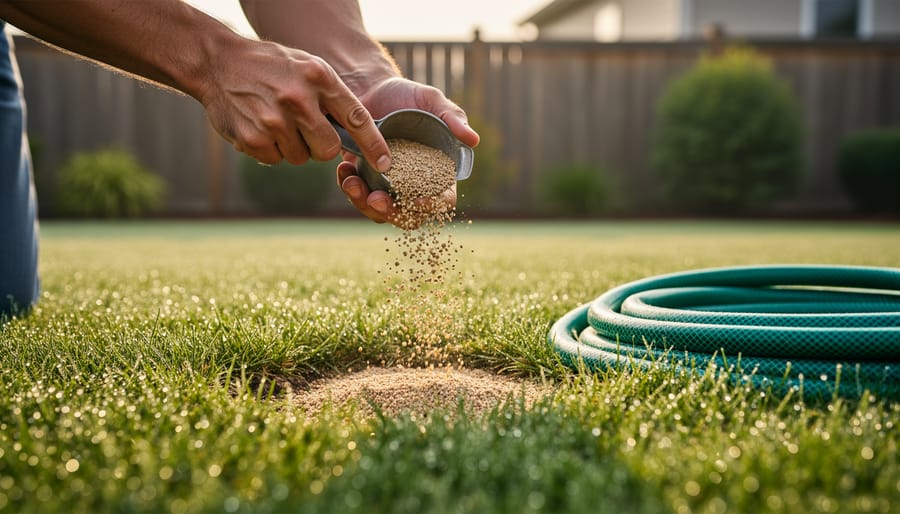
For lawns, topdressing with a quarter to half-inch layer of finely screened compost once or twice yearly works wonders. Simply spread it evenly and rake it in lightly—no need to remove existing grass.
The real magic happens beneath the surface. Compost introduces billions of beneficial microorganisms that break down organic matter, making nutrients available to plant roots. It also encourages earthworms, nature’s best soil aerators. Think of compost as a probiotic for your soil—it feeds the living ecosystem that ultimately feeds your plants, creating a sustainable cycle that reduces your need for synthetic fertilizers.

The Role of a Thin Soil Layer in Compost Piles
While soil itself isn’t compostable, here’s a little secret that experienced composters swear by: adding a thin layer of soil to your compost pile can actually work wonders. Think of it as sprinkling a dusting of magic between your layers of kitchen scraps and yard waste.
This practice isn’t about composting the soil itself, but rather harnessing what soil naturally contains. Garden soil is teeming with beneficial microorganisms—bacteria, fungi, and other microscopic helpers that are the real workhorses of decomposition. When you sprinkle a thin layer (about a quarter-inch) between your compost materials, you’re essentially introducing these decomposers to their new buffet.
This technique is especially helpful when you’re starting a new compost pile or adding materials that decompose slowly. The microorganisms from the soil immediately get to work breaking down organic matter, jump-starting the entire process. It’s like adding a starter culture to sourdough bread.
However, moderation is key. You want just enough soil to introduce beneficial organisms without making your pile heavy and dense. Too much soil will compact your compost, reducing airflow and slowing decomposition. A light dusting is all you need—your compost should still be primarily organic materials, not soil.

What Actually Belongs in Your Compost Bin
Green Materials (Nitrogen-Rich)
Green materials are the powerhouse ingredients that bring nitrogen and moisture to your compost pile, essentially acting as the fuel that drives decomposition. Think of these as your “hot” materials that get things cooking.
Fresh grass clippings are composting gold, but here’s a pro tip: let them dry slightly before adding them to avoid creating a smelly, matted mess. They’re packed with nitrogen and break down quickly when balanced with brown materials.
Kitchen scraps are another fantastic green material. Fruit and vegetable peelings, coffee grounds with filters, tea bags, and crushed eggshells all qualify. I’ve found that chopping larger scraps into smaller pieces speeds up the decomposition process considerably. Just avoid meat, dairy, and oils, which can attract pests and create odors.
Fresh plant trimmings from your garden—whether it’s spent vegetable plants, young weeds without seeds, or tender prunings—make excellent additions. Even wilted flowers and leafy garden waste contribute valuable nitrogen.
The key is maintaining roughly a 2:1 or 3:1 ratio of brown to green materials. Too many greens create a soggy, smelly pile, while the right balance produces that rich, earthy compost your garden craves. When you achieve this balance, you’re well on your way to creating nutrient-rich soil amendment that will transform your landscape.
Brown Materials (Carbon-Rich)
Brown materials are the unsung heroes of successful composting! Think of these carbon-rich ingredients as the structural backbone of your compost pile—they’re the dry, often brown-colored materials that balance out the moisture and nitrogen from your greens. Common brown materials include dried leaves (especially abundant in fall), straw, shredded cardboard, newspaper, paper egg cartons, and wood chips. These materials break down more slowly than greens, which is actually perfect because they create air pockets that prevent your pile from becoming a soggy, smelly mess.
When adding browns to your compost, aim for roughly equal parts browns to greens, or even slightly more browns if you’re dealing with particularly wet materials. Shredding or breaking up larger items like cardboard helps them decompose faster. Many of these materials double as earth-friendly mulch before they head to the compost bin, making them incredibly versatile for sustainable gardening. Just avoid treated wood, glossy paper, or anything with synthetic coatings, as these don’t belong in an eco-friendly compost system.
What to Keep Out of Your Compost
While composting is wonderfully forgiving, there are some materials you’ll want to keep out of your pile to maintain a healthy, effective system. Let’s talk about what doesn’t belong.
Diseased plants are a big no-no. That tomato plant with blight or those rose leaves covered in black spot? They need to go in the trash, not your compost. Most home compost piles don’t get hot enough to kill plant pathogens, so you’d essentially be creating a disease delivery system for next season’s garden.
Treated wood, pressure-treated lumber, and painted wood contain chemicals that have no place in organic compost. These toxins can persist in your finished compost and ultimately end up in your vegetables or lawn.
Pet waste from dogs and cats is problematic because it can harbor parasites and pathogens harmful to humans. Stick with herbivore manure like rabbit, chicken, or horse droppings instead.
Meat, dairy, and oils attract pests and create odor issues. They also break down differently than plant matter and can make your pile go anaerobic.
Finally, avoid weeds that have gone to seed and invasive plants with persistent roots. You’re better safe than sorry when it comes to spreading these troublemakers through your finished compost.
Building Healthy Soil Through Smart Composting
Creating a Composting Routine for Year-Round Soil Health
Building a year-round composting routine doesn’t have to be complicated. Start by choosing a convenient spot for your compost bin or pile, ideally somewhere you’ll visit regularly even in winter. Consistency is key, so aim to add kitchen scraps and yard waste weekly, balancing nitrogen-rich greens like vegetable peels with carbon-rich browns like dried leaves and shredded paper.
Turn your pile every two to three weeks to keep oxygen flowing and speed up decomposition. In colder months, your compost may slow down, but it won’t stop completely. Insulate your bin with extra leaves or straw to maintain some heat. Following proper composting standards ensures you’re creating nutrient-rich material that benefits your soil.
Once your compost is dark, crumbly, and earthy-smelling, it’s ready to use. Spread it on garden beds in spring, top-dress your lawn in fall, or work it into planting holes. By maintaining this simple routine, you’re continuously feeding your soil’s ecosystem, reducing waste, and creating the healthiest foundation for your plants to thrive.
Testing and Monitoring Your Soil’s Response
Tracking your soil’s transformation is one of the most rewarding parts of composting! Start by taking simple baseline observations before adding compost. Notice your soil’s color, texture, and how quickly water drains through it. Snap a few photos of struggling plants or patchy areas.
After incorporating compost, check back every few weeks. You’ll likely see darker, crumblier soil that holds moisture better without becoming waterlogged. Plants should show more vigorous growth with greener leaves. A simple squeeze test works wonders—healthy amended soil should hold together when squeezed but crumble easily when poked.
Keep a basic garden journal noting when you added compost and any changes you observe. This is especially valuable for urban soil improvement where results can be dramatic. You might also try the worm test: dig a one-foot hole and count earthworms. More worms mean healthier soil!
Don’t worry if changes seem slow at first. Soil improvement is a marathon, not a sprint. Most gardeners notice significant differences within one growing season, with continuing improvements as you maintain your composting routine.
So there you have it—soil itself isn’t compostable, but compost is absolutely transformative for your soil! Think of it this way: you’re not trying to break down soil; you’re enhancing it with the rich, organic goodness that composting creates. This distinction matters because it helps you focus your efforts where they’ll make the biggest impact.
Now’s the perfect time to start or refine your composting practice. Whether you’re tossing kitchen scraps into a backyard bin or building a more elaborate system, you’re participating in nature’s most elegant recycling program. The environmental benefits are remarkable—you’re diverting waste from landfills, reducing methane emissions, and creating a sustainable cycle right in your own yard.
For your lawn and garden, the rewards are equally impressive. Compost-enriched soil means healthier grass, more vibrant plants, better water retention, and reduced need for synthetic fertilizers. You’ll notice the difference in how your lawn responds, becoming more resilient and lush over time.
Remember, every gardener started somewhere, and composting is one of the most forgiving practices you can embrace. Start small, stay consistent, and watch as your efforts literally bear fruit. Your soil—and the planet—will thank you for it.