Struggling with lawn ruts, turf damage, or terrifying slides on sloped terrain? Six-wheel lawn mowers distribute weight across additional contact points, reducing ground pressure by up to 40% compared to traditional four-wheel models. This engineering advantage transforms challenging mowing conditions into manageable tasks while protecting your established turf from compression damage.
The extra wheels aren’t just marketing gimmicks. They create genuine stability improvements on hillsides exceeding 15-degree inclines, where standard mowers risk tipping or losing traction. For properties with clay-heavy soil, rain-softened ground, or freshly irrigated lawns, that distributed weight means you can mow when four-wheel models would sink and spin, damaging grass crowns and creating unsightly tracks that take weeks to recover.
Commercial landscapers discovered this advantage decades ago, but residential six-wheel options now offer homeowners the same professional-grade traction without requiring commercial-sized budgets or storage space. These machines excel in three specific scenarios: properties with significant elevation changes, regions with frequent rainfall creating consistently soft conditions, and established lawns where preventing soil compaction matters as much as cutting height.
Understanding whether you genuinely need six wheels versus four requires honest assessment of your terrain challenges. This technology solves real problems for specific properties, but adds complexity and cost that flat, well-drained lawns simply don’t require. The following guide breaks down exactly when those extra wheels justify their investment and which models deliver authentic performance rather than premium pricing alone.
What Makes a 6-Wheel Lawn Mower Different?
The Engineering Behind the Extra Wheels
Think of a six-wheel lawn mower like a caterpillar compared to a beetle. Just as a caterpillar’s many legs spread its weight across more ground, those extra wheels distribute the mower’s load over a larger surface area. This is why weight distribution matters so much for protecting your turf.
Here’s how it works in practice: instead of two rear wheels bearing the entire weight of the mower, engine, and operator, six wheels share that burden. Each wheel presses less firmly into the soil, reducing compaction and those frustrating ruts that can damage grass roots. It’s similar to how snowshoes prevent you from sinking into deep snow by spreading your weight.
The additional contact points also create a more stable platform, especially on slopes or uneven terrain. Think of it as having more anchors holding you steady. When you’re navigating a hillside or crossing that soggy spot near your downspout, those extra wheels grip independently, maintaining traction where traditional four-wheel designs might slip or dig in. This engineering approach makes previously challenging areas much more manageable while keeping your lawn healthier.
Common 6-Wheel Configurations You’ll Encounter
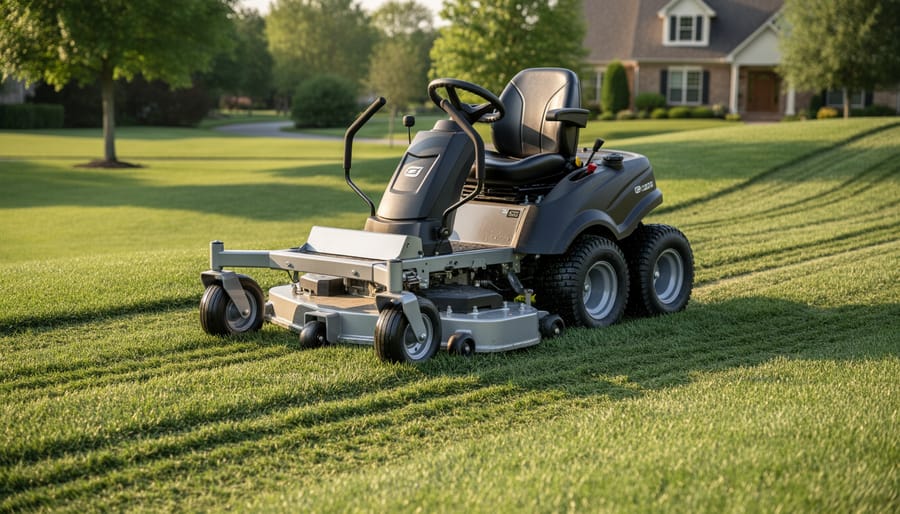
When you start browsing for 6-wheel mowers, you’ll notice manufacturers take different approaches to adding those extra wheels. The most common setup features tandem rear wheels, where you’ll find four wheels at the back arranged in pairs on each side, plus two traditional front wheels. This configuration excels at distributing weight evenly, making it perfect if you’re dealing with soggy spring lawns or recently irrigated turf. Think of it like those dual rear tires on heavy-duty trucks – same principle, just scaled down for your yard.
Another arrangement you might encounter is the triple axle design, which spaces six wheels more evenly across the mower’s length. This setup provides exceptional stability on slopes and uneven terrain, though it’s less common in residential models. Some commercial-grade mowers use a mid-mount wheel configuration that places extra wheels near the deck’s center, which helps prevent scalping on rolling landscapes.
Understanding these differences helps you match the right configuration to your specific lawn challenges. If you’re primarily concerned about turf damage, tandem rear wheels offer the best weight distribution. For hillside properties, look for models with wider wheel spacing that enhance lateral stability.
The Real-World Benefits That Matter to Your Lawn
Gentler on Your Turf (And Why That Matters)
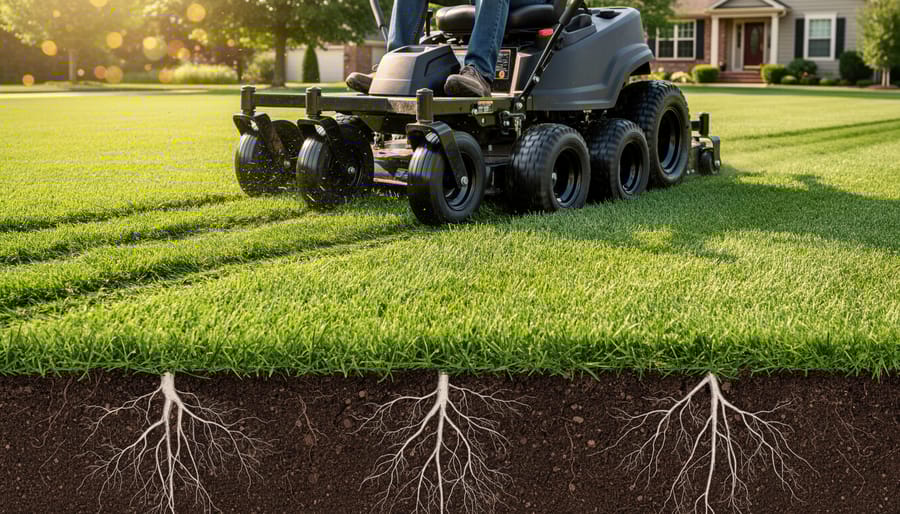
Think of your lawn as a living, breathing ecosystem that sits right beneath your mower’s wheels. Every time you cut the grass, you’re putting pressure on that delicate system. Here’s where six-wheel mowers really shine: they distribute weight more evenly across a larger surface area, which means less pressure per square inch on your soil.
This matters more than you might think. Traditional four-wheel mowers can create ruts in softer ground, especially after rain or if you’re mowing on slopes. Those ruts aren’t just unsightly – they compact the soil, squeezing out the air pockets that grass roots desperately need to thrive. Compacted soil leads to poor drainage, shallow root systems, and ultimately, patchy, unhealthy turf.
With six wheels spreading the load, you’ll notice fewer tracks left behind and healthier grass that bounces back faster after mowing. This is particularly beneficial if you’re committed to sustainable lawn care practices. Healthier soil means your grass naturally resists weeds and disease better, reducing your need for chemical interventions. Over time, this gentler approach helps build the kind of resilient, lush lawn that’s not just beautiful, but truly sustainable.
Superior Stability on Slopes and Uneven Terrain
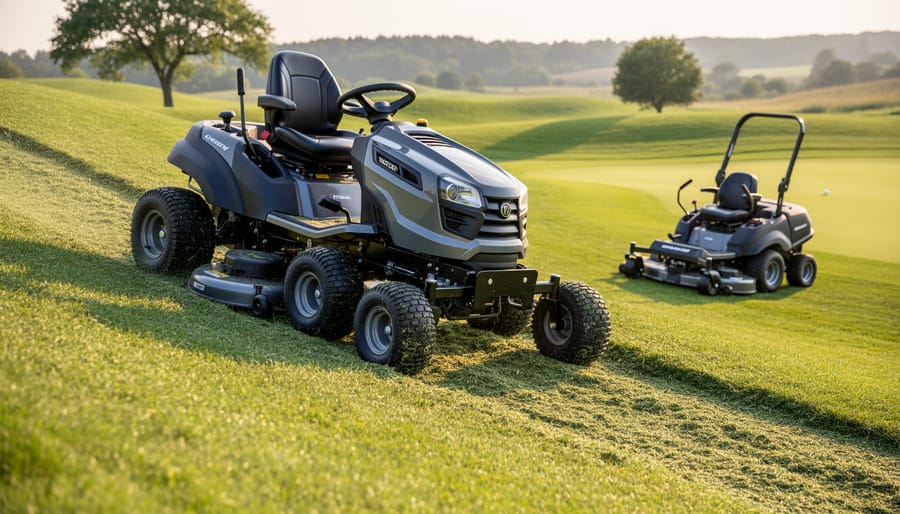
If you’ve ever wrestled with a mower on a hillside or watched helplessly as wheels spin out in damp grass, you’ll appreciate what six wheels bring to the table. The physics are straightforward: more wheels mean better weight distribution and more contact points with the ground. This translates to noticeably improved traction when you’re navigating slopes, whether you’re dealing with a gentle incline leading to your garden beds or a steeper grade along property boundaries.
I’ve seen six-wheel models handle conditions that would leave four-wheel mowers struggling. Soft, rain-soaked soil in spring becomes far less problematic when your mower’s weight spreads across six points instead of four. Similarly, uneven terrain with dips, bumps, and those annoying mole hills becomes easier to manage without the stomach-dropping sensation of losing control. The added stability gives you confidence to maintain your entire property without avoiding challenging sections.
For those seriously considering riding mowers for challenging terrain, understanding the features that matter on hills helps you make an informed choice that keeps both you and your lawn safe season after season.
Improved Traction in Wet Conditions
If you’ve ever tried mowing after a morning rain or through heavy dew, you know how frustrating wheel slip can be. This is where six-wheel mowers really shine. The additional wheels distribute the mower’s weight more evenly across the turf, which means less pressure per wheel and significantly better grip on wet grass. You’re essentially getting twice the contact points with the ground compared to a traditional four-wheel design, and that translates to confidence when conditions are less than ideal.
I’ve found that the middle wheels act as stabilizers, preventing that sideways sliding motion that happens when you’re navigating slopes in damp conditions. The extra traction means you can maintain your mowing schedule without waiting days for the lawn to dry out completely, which is particularly helpful during those rainy spring months when grass grows fastest. Plus, better traction means less turf damage since the wheels aren’t spinning and tearing up your lawn. For gardeners committed to maintaining healthy, sustainable lawns, this reduced soil compaction and turf stress is a genuine advantage worth considering.
More Consistent Cut Quality Across Varied Terrain
If you’ve ever finished mowing only to notice uneven patches and scalped spots across your lawn, you know how frustrating bumpy terrain can be. Here’s where six-wheel mowers really shine. That extra pair of wheels keeps the cutting deck remarkably stable, even when you’re rolling over dips, small hills, or uneven ground that would make a standard four-wheel mower bounce around.
Think of it like this: more wheels mean better balance, and better balance means your mower blades maintain a consistent height above the soil. Instead of diving low in one spot and riding high in another, the deck stays level throughout your pass. This translates directly to a more uniform cut that looks professionally maintained. For those of us committed to eco-friendly lawn care, this consistency also means fewer passes over the same area, reducing fuel consumption and wear on your turf. You’ll spend less time going back over missed spots and more time enjoying your beautifully manicured lawn.
When a 6-Wheel Mower Makes Sense (And When It Doesn’t)
Perfect Scenarios for 6-Wheel Models
Six-wheel mowers truly shine in specific situations where standard mowers struggle. If you’re managing hilly or sloped terrain, the enhanced weight distribution of six wheels provides exceptional stability and traction, though you might also consider 4WD riding mowers for the steepest inclines. These machines excel on properties with large acreage, typically five acres or more, where the improved traction efficiency translates to time and fuel savings.
Properties with soft, sandy, or frequently wet soil benefit enormously from six-wheel designs. The reduced ground pressure means you’ll leave fewer ruts and experience less tire slippage, protecting your turf while maintaining productivity. This makes them ideal for coastal properties or areas with poor drainage.
Commercial landscapers and grounds maintenance professionals find six-wheel models invaluable for reliability and reduced downtime. The extended tire life and better load distribution matter when you’re mowing daily across multiple properties.
Golf courses, parks, and estate properties with varied terrain particularly benefit from this technology. If you’re dealing with multiple challenging conditions simultaneously, perhaps combining slopes with soft soil or needing to haul attachments across uneven ground, a six-wheel configuration offers a practical, sustainable solution that minimizes turf damage while maximizing efficiency.
When You Might Not Need the Extra Wheels
Let’s be honest here—not everyone needs six wheels rolling across their property. If you’re maintaining a relatively flat, quarter-acre lawn with firm soil and no real drainage issues, a traditional four-wheel mower or even a well-chosen push mower will serve you perfectly well. There’s absolutely no shame in that!
Budget considerations matter too. Six-wheel mowers typically carry premium price tags, and if your lawn doesn’t present the specific challenges these machines address—like hillside mowing, wet conditions, or delicate turf protection—you’re essentially paying for features you won’t use. That’s money better spent elsewhere in your garden.
For smaller properties under half an acre with consistent terrain, choosing the right mower type often means focusing on maneuverability and storage convenience rather than wheel count. A compact four-wheel model might actually navigate tight spaces more easily.
Think of it this way: six-wheel technology solves specific problems beautifully, but if you don’t have those problems, simpler equipment gets the job done efficiently and sustainably. Evaluate your actual lawn conditions first—walk your property after rain, note any ruts or slippage issues with your current mower, and assess your terrain honestly. This practical approach ensures you invest in equipment that truly matches your needs.
Top 6-Wheel Ride-On Mowers Worth Considering
Premium Choice: Professional-Grade Performance
For those ready to invest in the best, the Honda HRX217VKA represents the gold standard in professional-grade six-wheel mowing. This powerhouse features dual MicroCut blades, a 200cc engine, and Honda’s proprietary NeXite polymer deck that resists corrosion while staying lighter than steel alternatives. The six-wheel configuration includes oversized rear wheels and mid-mounted guide wheels that reduce ground pressure by approximately 35%, making it ideal for properties with established gardens, soft seasonal conditions, or varying terrain.
This model shines for serious gardening enthusiasts managing properties over half an acre, particularly those committed to lawn health and longevity. The Select Drive transmission lets you adjust speed seamlessly from 0 to 4 mph, preventing turf tearing during turns. While the $700-850 price point isn’t insignificant, the fuel-efficient engine and remarkable 10-year warranty make it a sustainable choice that reduces long-term environmental impact through durability rather than replacement cycles.
The versamow system deserves special mention, allowing you to mulch, bag, discharge, or shred leaves without attachments. For environmentally conscious gardeners, the mulching function returns nutrients directly to your soil, reducing fertilizer dependence. Expect this machine to handle everything from steep hillsides to rain-softened spring lawns without scalping or sinking.
Best Value: Quality Meets Affordability
If you’re looking for a 6 wheel lawn mower that doesn’t require a second mortgage but still delivers professional-grade results, mid-range models offer that sweet spot between capability and cost. These machines typically retail between $3,500 and $5,500 and are perfect for serious homeowners with properties ranging from one to three acres, especially if you’re dealing with slopes or soft ground conditions.
What makes these models particularly appealing is their balance of durability and features. You’ll find commercial-grade wheel configurations that genuinely prevent turf damage, combined with reliable engines that won’t quit after a few seasons. Most include adjustable cutting decks around 48 to 54 inches, giving you efficiency without the bulk of larger commercial units.
The real value here lies in longevity. While entry-level options might need replacement in five years, quality mid-range 6 wheelers can serve you well for a decade or more with proper maintenance. They often include features like enhanced suspension systems and better weight distribution, which means less operator fatigue during those longer mowing sessions.
For homeowners committed to maintaining a pristine lawn without causing soil compaction or leaving unsightly tracks, these models represent a smart investment that pays dividends in both lawn health and time saved.
Compact Option: 6 Wheels in a Smaller Package
Not everyone with sloped yards or soft terrain needs a full-sized commercial machine. If you’re working with 1-3 acres that includes some hills, damp spots, or areas where your current mower leaves ruts, a compact 6-wheel model might be your sweet spot. These smaller rigs typically feature deck sizes between 42-50 inches, making them nimble enough for residential properties while still delivering that crucial six-point weight distribution.
What I love about compact 6-wheelers is their practicality for everyday homeowners facing real-world challenges. Maybe your backyard slopes toward a pond, or spring rains leave the ground soft for weeks. These mowers handle those situations without the intimidating size or price tag of commercial models. The additional wheels reduce ground pressure significantly compared to traditional 4-wheel designs, meaning less soil compaction and healthier grass over time.
You’ll find most compact options in the residential to light-commercial category, offering reliable engines around 20-25 horsepower. They’re easier to store in standard garages and more fuel-efficient than their larger cousins. For moderate acreage with tricky terrain, they represent an environmentally conscious choice by preventing turf damage that requires reseeding and extra water to repair.
Maintenance Considerations: What to Expect
Are Six Wheels Really More Work?
Let’s be honest – more wheels do mean more components to maintain, but it’s not as daunting as you might think. Yes, you’ll have two extra tires to monitor for wear and proper inflation, and replacement costs can add up if you’re not shopping smart. However, most six-wheel systems use smaller rear tires that are often less expensive than traditional larger drive wheels.
Alignment is where things get slightly trickier. Misaligned wheels can cause uneven wear and reduce the traction benefits you’re paying for. The good news? Many modern six-wheel mowers feature self-adjusting systems or simple alignment checks you can do yourself during routine maintenance.
Here’s my practical advice: stick to a seasonal maintenance schedule. Check tire pressure monthly, rotate tires annually if your model allows, and keep an eye on tread wear patterns. Buy tires in sets during off-season sales to save money. Clean debris from wheel wells after mowing in wet conditions to prevent buildup that affects alignment.
The reality is that the extra maintenance is minimal compared to the performance gains. If you’re already maintaining a traditional four-wheel mower properly, adding two more wheels to your routine is hardly a burden – especially when it means better lawn care results and less turf damage.
Seasonal Care Tips for Optimal Performance
Keep your six-wheel mower performing beautifully year-round with these seasonal strategies. In spring, inspect all six wheels for winter damage and check tire pressure to ensure even weight distribution across your lawn. This is also the perfect time to sharpen blades and change oil after months of storage. Summer demands extra attention to deck cleaning, as grass clippings accumulate faster in frequent use. Hose down underneath after every few mows to prevent buildup that affects cutting quality.
As fall arrives, prepare for leaf season by checking that all wheels spin freely and adjusting cutting height for final mows before dormancy. Before winter storage, thoroughly clean the entire machine, stabilize fuel, and slightly over-inflate tires to prevent flat spots during months of sitting. Consider covering exposed wheels to protect bearings from moisture. These simple, season-specific tasks prevent costly repairs and ensure your investment delivers reliable performance when you need it most. Think of it as giving your hardworking mower the care it deserves for tackling your unique terrain challenges.
Choosing the right lawn mower is more than just a purchase—it’s an investment in the health and beauty of your outdoor space. As we’ve explored, six-wheel mowers offer distinct advantages for specific situations, particularly if you’re dealing with slopes, uneven terrain, or soil conditions that make turf protection a priority. Take time to honestly assess your property’s unique characteristics. Do you struggle with ruts and damage from your current mower? Is stability on inclines a concern? These are the questions that should guide your decision.
Remember, there’s no one-size-fits-all solution in lawn care. While six-wheel technology provides exceptional weight distribution and traction, it might be overkill for perfectly flat, firm lawns. Balance your actual needs against the investment, and don’t hesitate to consult with local dealers who can offer hands-on demonstrations.
Ultimately, the right equipment empowers you to maintain your lawn more effectively while minimizing environmental impact through reduced soil compaction and more efficient operation. By choosing thoughtfully and maintaining your mower properly, you’re not just caring for your lawn—you’re contributing to sustainable gardening practices that benefit your entire landscape ecosystem for years to come.