Your yard isn’t just a single space—it’s a collection of potential outdoor rooms, each serving a distinct purpose. Imagine stepping into a backyard where the kids’ play area doesn’t interfere with your vegetable garden, where the path to your compost bin is clear and direct, and where mowing the lawn takes half the time because you’ve eliminated awkward corners and unnecessary obstacles. This is functional zoning at work.
Functional zoning transforms chaotic outdoor spaces into organized, purposeful areas by dividing your yard into distinct zones based on how you actually use them. Think entertainment areas, vegetable gardens, flower beds, utility zones, and pathways that connect everything efficiently. When combined with smart circulation planning—the art of creating logical, accessible routes through your landscape—you create a yard that not only looks intentional but genuinely works harder for you.
The beauty of this approach extends far beyond aesthetics. By grouping plants with similar water and sunlight needs together, you reduce waste and simplify maintenance. Strategic pathways prevent soil compaction in garden beds and minimize wear patterns across your lawn. You’ll spend less time wrestling with your mower around poorly placed obstacles and more time enjoying your outdoor space.
Whether you’re starting from scratch with a blank canvas or reimagining an existing landscape that’s grown haphazard over the years, functional zoning provides a framework for making smart decisions. It’s about observing how sunlight moves across your property, understanding traffic patterns your family naturally follows, and placing high-maintenance areas where they’re easily accessible. The result is a sustainable, low-stress yard that adapts to your lifestyle rather than fighting against it, making every square foot count.
What Functional Zoning Actually Means for Your Yard
Think of functional zoning as creating neighborhoods within your yard, where each area has its own job to do. Just like your home has a kitchen for cooking and a bedroom for sleeping, your outdoor space works better when different activities have their own designated spots. It’s really that straightforward, and once you understand this concept, maintaining your yard becomes surprisingly easier.
At its heart, functional zoning means dividing your yard into distinct areas based on how you actually use them. Instead of treating your entire outdoor space as one big lawn that needs the same care everywhere, you’re acknowledging that different spots serve different purposes and deserve different treatment. This isn’t about creating rigid boundaries or installing fences everywhere. It’s about being intentional with your space.
Let’s look at some common zones you might create. A play area for kids needs durable, soft grass that can handle constant foot traffic and the occasional spilled juice box. Your relaxation zone, perhaps a quiet corner with a bench or hammock, might feature shade-loving groundcovers and low-maintenance perennials that won’t need weekly fussing. A vegetable garden zone requires full sun, good soil, and easy water access. Your utility area, where you keep the compost bin, store tools, or stack firewood, needs practical access but doesn’t require aesthetic perfection.
The beauty of functional zoning is that it lets you stop treating every square foot of your yard the same way. You’re not wasting water irrigating areas that don’t need it, or mowing spaces that could be thriving pollinator meadows instead. Each zone gets exactly what it needs to serve its purpose well. This targeted approach naturally leads to more sustainable practices because you’re working with purpose rather than habit. When you know what each area is for, you can make smarter decisions about soil amendments, plant selection, and maintenance schedules that actually match how you live.

Why Your Yard Desperately Needs Zones (Even If You Don’t Think So)
You might be wondering if your yard really needs to be divided into zones. After all, it’s just grass and a few flower beds, right? Here’s the thing: without intentional zoning, most yards become a jumbled mess of competing purposes that makes everything harder than it needs to be.
Think about your typical Saturday morning. You’re trying to mow the lawn, but you have to navigate around kids’ toys scattered across the grass. Your dog’s favorite digging spot is right in the middle of what could be a beautiful flower bed. The vegetable garden you planted last spring is struggling because it’s tucked in a shady corner where it seemed convenient at the time. Sound familiar?
This is where functional zoning transforms your outdoor space from chaotic to manageable. By dividing your yard into purposeful areas, you’re essentially creating rooms in your outdoor living space, each designed for specific activities or needs.
The benefits are more practical than you might expect. First, maintenance becomes dramatically easier. When you designate certain areas for high-traffic activities and others for low-maintenance plantings, you’re not constantly fighting against how your family actually uses the space. You’ll spend less time repairing worn patches and more time enjoying your yard.
Reduced mowing time is another game-changer. By converting portions of your lawn into dedicated garden beds, native plant areas, or ground cover zones, you’re shrinking the amount of turf that needs weekly attention. Some homeowners cut their mowing time in half simply by being strategic about where grass actually serves a purpose.
Better space utilization naturally follows. Instead of a sea of underused lawn, you might discover room for that herb garden you’ve always wanted, a cozy seating area, or a pollinator-friendly meadow section. Each zone serves a clear function rather than existing as vague, undefined space.
From a sustainability perspective, zoning allows you to match plants with their ideal conditions. Moisture-loving plants go in the low-lying area that stays damp, drought-tolerant varieties occupy that sunny slope, and shade plants thrive under your trees. You’re working with nature instead of against it, reducing water waste and chemical inputs.
The aesthetics improve too. A well-zoned yard has intentional flow and visual interest, with distinct areas that invite exploration rather than monotonous expanses of grass.
Mapping Your Yard: Where to Start
Identifying Your Must-Have Zones
Before you start sketching zones on paper, let’s figure out what your yard actually needs to do for you. This is where honest reflection about your lifestyle pays off, and trust me, it’s worth taking time to get this right.
Start by gathering the family for a casual conversation about how you actually use your outdoor space. Do your kids need somewhere safe to play where you can keep an eye on them from the kitchen window? Is your dog wearing a path along the fence line that desperately needs a dedicated route? Maybe you’ve been dreaming of growing your own tomatoes but haven’t found the right spot.
Consider your entertaining style too. If you love hosting weekend barbecues, a dedicated gathering zone with easy access from your kitchen becomes essential. On the other hand, if you’re more of a quiet morning coffee person, a cozy seating nook might take priority.
Think practically about your property’s characteristics. That sunny southern exposure is perfect for a vegetable garden, while the shady corner under the oak tree could become your composting area, tucked away but still accessible. If you’re committed to sustainable practices, a rain garden or native plant zone might be non-negotiable.
Here’s my suggestion: make two lists. First, write down your absolute must-haves, the zones your yard can’t function without. Then create a wish-list for zones you’d love to add eventually. This approach keeps you focused while leaving room for future improvements as your gardening confidence grows.
Working With What You’ve Got
Before you start sketching zones on paper, take a good walk around your yard and really look at what’s already there. That mature oak tree casting afternoon shade? Don’t fight it—embrace it as a natural gathering spot or define a low-maintenance shade garden beneath it. Similarly, that gentle slope you’ve been cursing during mowing sessions can become a terraced herb garden or rock garden feature with proper slope management.
Existing structures like sheds, patios, and even existing underground features should anchor your zoning decisions rather than complicate them. Think of these elements as the bones of your design—they’re not going anywhere, so build your functional zones around them. That wonky corner where the fence meets the garage? Perfect for composting or tool storage. The strip along your driveway that’s always been tricky to mow? Consider converting it to a pollinator-friendly border with native groundcovers.
Working with what you’ve got isn’t about settling—it’s about smart, sustainable planning that saves you time, money, and frustration down the road.
Common Yard Zones and How to Design Them
Active Living Zones
Active living zones are where your yard really earns its keep, and let’s be honest—these areas take the most beating! Whether it’s kids doing cartwheels, dogs playing fetch, or the constant foot traffic from your back door to the shed, these spaces need grass that can bounce back from whatever life throws at them.
For these high-impact areas, durability is your best friend. Consider robust grass varieties like tall fescue, perennial ryegrass, or Bermuda grass in warmer climates. These workhorses tolerate foot traffic beautifully and recover quickly from wear. I always tell people to think of these grasses as the denim jeans of your lawn—tough, reliable, and they just get better with use.
Maintenance in active zones requires a slightly different approach. Keep your mowing height at the higher end of the recommended range for your grass type—this encourages deeper root growth and better resilience. You’ll also want to aerate these areas at least once or twice yearly, as compacted soil is inevitable with heavy use.
Here’s a sustainable trick that works wonders: create defined pathways using stepping stones or mulch through your most-traveled routes. This concentrates foot traffic and actually reduces overall lawn stress. For pet areas, consider designating a specific potty zone with more forgiving groundcovers or mulch to prevent those telltale yellow spots from spreading across your entire yard. It’s about working with your lifestyle, not against it.
Relaxation and Entertainment Zones
Your relaxation zones are where you’ll actually enjoy the fruits of your labor, so they deserve thoughtful planning. Think patios, cozy seating nooks, and outdoor dining areas that invite you to linger rather than mow.
Start by defining these spaces with ground cover alternatives that eliminate grass entirely. Creeping thyme, clover, or even permeable pavers create wonderful foundations for seating areas while drastically cutting your maintenance time. I’ve found that a simple flagstone patio surrounded by low-growing sedums provides that perfect weekend retreat without the weekly trimming headaches.
For perimeter plantings around these zones, embrace the beauty of low-maintenance shrubs and ornamental grasses. Native varieties like spirea, dwarf conifers, or prairie dropseed create natural boundaries that require minimal intervention. They’re hardworking plants that define your space while supporting local pollinators and reducing your watering needs.
Creating natural boundaries doesn’t mean installing fencing everywhere. Instead, consider using mixed plantings at varying heights to guide the eye and establish distinct areas. A gentle curve of lavender or Russian sage can separate your dining patio from the lawn while providing fragrance and visual interest. These living edges soften transitions between zones and make your yard feel intentionally designed rather than randomly arranged. The key is choosing plants that practically care for themselves, giving you more time to actually relax in these carefully crafted spaces.

Garden and Growing Zones
Creating dedicated garden and growing zones transforms your yard from purely decorative to genuinely productive while significantly reducing the lawn area you need to maintain. Think of it as giving every plant a purpose and a place where it can thrive.
Start by designating specific areas for vegetable gardens, herb spirals, and flower beds based on sun exposure and water access. Your sunny spots are perfect for tomatoes, peppers, and sun-loving perennials, while shadier areas can host leafy greens, hostas, and woodland flowers. This intentional placement means less fighting against nature and more successful harvests.
Companion planting is your secret weapon here. Intermixing vegetables with flowers and herbs creates natural pest management while supporting pollinators. Plant marigolds near tomatoes, basil alongside peppers, and nasturtiums with squash. These combinations reduce your need for chemical interventions while creating visually appealing, productive spaces.
The beauty of expanding your garden zones is the corresponding reduction in lawn maintenance. Every square foot converted to raised beds, berry patches, or cutting gardens is space you won’t need to mow, edge, or fertilize weekly. Many gardeners find that replacing high-maintenance turf with mulched pathways between productive beds cuts their lawn care time in half while providing fresh food and flowers.
Consider adding a composting area within or near your garden zone to complete the sustainability cycle, turning yard waste into valuable soil amendment.
Utility and Service Zones
Every functional yard needs a dedicated utility zone, but that doesn’t mean you have to sacrifice aesthetics for practicality. Think of this area as your garden’s backstage—essential for keeping everything running smoothly, but ideally tucked away from main view.
Start by grouping related items together. Position your compost bin near the vegetable garden for easy access when harvesting and applying finished compost. Store frequently-used tools closest to high-activity areas, while seasonal equipment can live further back. Your garbage and recycling bins should be accessible from both the house and the street for convenient collection days.
Screening is your best friend here. Lattice panels, bamboo screens, or strategically placed evergreen shrubs can hide utility areas without blocking access. A well-placed trellis covered in climbing vines transforms an eyesore into a vertical garden feature. Cedar fencing works beautifully for more permanent solutions.
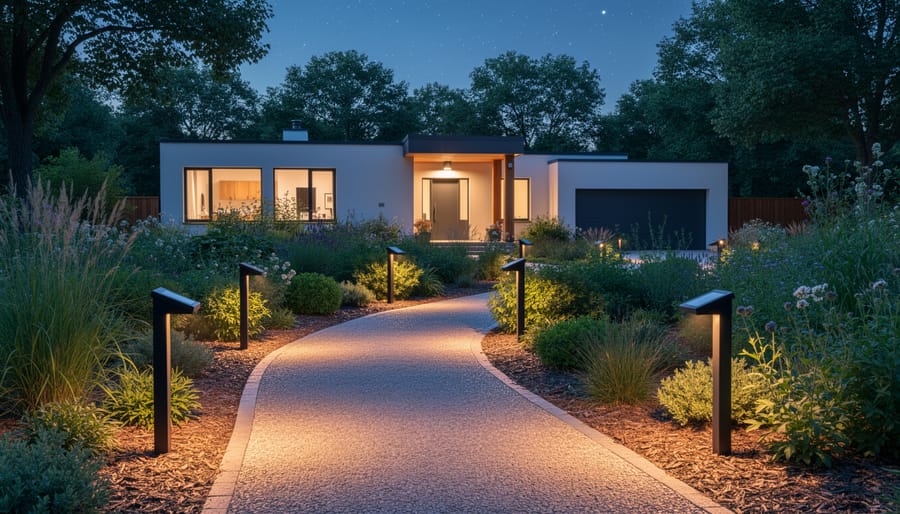
Consider pathways carefully—you’ll need enough width to maneuver wheelbarrows and lawn equipment. A simple gravel path or stepping stones prevent muddy tracks while maintaining that finished look. Add adequate lighting if you’ll access these areas during early mornings or evenings.
Remember, an organized utility zone saves time and reduces frustration. When everything has its designated spot, you spend less time searching for tools and more time enjoying your beautiful, well-maintained yard.
Circulation Planning: Creating the Pathways That Connect Everything

Designing Natural Flow Patterns
Here’s a simple truth I’ve learned from years of gardening: people are like water—they’ll always find the easiest route, regardless of the paths you’ve laid out for them. Those telltale worn patches across your beautiful lawn? They’re your yard telling you where the paths should have been all along.
Before you install a single paver or edge a new walkway, spend a week or two observing how you and your family actually move through the space. Where do the kids naturally run when heading to the backyard play area? What route does everyone take when carrying groceries from the driveway? These worn patterns, often called “desire lines,” are nature’s way of showing you the most intuitive circulation routes.
I once tried fighting these patterns in my own yard—installing a lovely curved path while ignoring the straight line everyone walked from the patio to the garden shed. Within a month, I had a muddy stripe right through my lawn. Lesson learned! When I finally redesigned the path to follow that natural flow, the grass recovered beautifully, and maintenance became much simpler.
To prevent those frustrating shortcuts across grass, align your hardscaped paths with these desire lines. If a shortcut persists despite your best efforts, consider placing strategic plantings like low shrubs or ornamental grasses to gently guide traffic without creating barriers. Think of it as working with human nature rather than against it—a much more sustainable approach that saves you from constantly reseeding worn areas and reduces overall lawn stress.
Pathway Materials That Make Sense
Choosing the right pathway material transforms how your yard functions while supporting your sustainability goals. Let’s explore options that balance practicality with environmental responsibility.
Organic mulch remains a favorite among eco-conscious gardeners. Wood chips or shredded bark create soft, natural-looking paths that decompose over time, enriching your soil. They’re budget-friendly at around $30 per cubic yard and reduce water runoff beautifully. The tradeoff? You’ll need to refresh them annually and they can shift underfoot. Pro tip: lay landscape fabric underneath to minimize weeds while maintaining drainage.
Gravel offers durability without breaking the bank. Pea gravel or crushed stone stays put better than mulch and lasts years with minimal maintenance. Expect to spend $40-60 per cubic yard. The crunchy sound underfoot also acts as a natural security feature. Just remember that gravel can migrate into lawn areas, so edge your pathways well before installation and watch for underground utilities when digging.
Stepping stones provide a charming middle ground. Space them through groundcover or lawn for light-traffic areas, creating visual interest while minimizing hardscape. Natural stone costs more upfront but lasts indefinitely.
Permeable pavers represent the premium choice for high-traffic zones. These interlocking units allow water infiltration, preventing puddles and runoff while providing mower-friendly surfaces. Installation runs higher initially, but their longevity and low maintenance make them worthwhile investments for main circulation routes.
Consider mixing materials based on each pathway’s purpose. Your main route to the garden shed might warrant gravel or pavers, while meandering paths through flower beds work perfectly with mulch or stepping stones.
Making Zoning Work for Easier Lawn Maintenance
Mowing Strategy by Zone
Here’s the liberating truth: not every square foot of your lawn needs the same treatment. Once you’ve established your functional zones, you can dramatically reduce your mowing burden while actually improving your yard’s appearance and health.
Start with your high-visibility zones like the front lawn and entertainment areas. These deserve the classic treatment: mowing at 2.5 to 3 inches every 5-7 days during peak growing season. Your grass will look crisp and manicured exactly where it matters most.
Your buffer zones and pathways? Let them breathe a little. Set your mower deck to 3.5 or even 4 inches and extend that mowing schedule to every 10-14 days. Taller grass in these transitional areas actually works harder for you, developing deeper roots and naturally crowding out weeds. You’ll spend less time pushing the mower while creating a more resilient landscape.
The real game-changer comes with wild zones or meadow areas. Mow these just 2-3 times per year, creating habitat for pollinators and beneficial insects while slashing your lawn care time. I transformed a quarter of my backyard this way and reclaimed nearly 40 hours each summer.
The beauty of zoned mowing is flexibility. Adjust heights seasonally, raise cutting heights during drought stress, and always remember: different zones serve different purposes, so they don’t need identical maintenance schedules.

Equipment Access and Storage Considerations
Here’s something I learned the hard way: a beautifully designed garden zone means nothing if your mower can’t actually reach it! Equipment access is one of those practical considerations that often gets overlooked until you’re awkwardly maneuvering a wheelbarrow through a narrow gap or lifting your mower over a garden bed.
When planning your zones, think about how you’ll maintain them. Your main pathways should be wide enough for your largest piece of equipment, typically a lawn mower or garden cart. A good rule of thumb is at least 3 feet wide for primary circulation routes. For mowers, pay special attention to turning radius at pathway intersections and zone boundaries. Those tight corners might look tidy on paper, but they’ll create headaches during actual maintenance.
Consider creating a dedicated utility zone near your home or garage for storing tools, compost bins, and equipment. This keeps everything centrally located and reduces the distance you’ll haul heavy items. Position this zone with easy access to multiple garden areas to maximize efficiency.
Strategic gate placement is also crucial if you have fenced sections. Think about the natural flow of your maintenance routine and place access points accordingly. Remember, sustainable lawn care isn’t just about what you grow; it’s about creating systems that are easy to maintain consistently, reducing the temptation to take shortcuts that might harm your yard’s health.
Common Mistakes to Avoid When Zoning Your Yard
Even with the best intentions, it’s surprisingly easy to stumble when creating functional zones in your yard. Let’s talk about some common pitfalls so you can sidestep them from the start.
First up is the enthusiasm trap: over-complicating your zones. I get it—once you start planning, it’s tempting to create a dedicated zone for every possible activity. But a yard with fifteen tiny zones becomes confusing and high-maintenance. Keep it simple. Most yards work beautifully with just three to five main zones. You can always add more later as your needs evolve.
Another big mistake is ignoring your yard’s microclimates. That shady corner that stays damp all summer? It’s probably not ideal for your sun-loving vegetable garden, no matter how convenient the location seems. Pay attention to where water pools (and consider proper grading solutions), which areas get blasted by afternoon sun, and where wind tends to whip through. Work with these conditions, not against them.
Perhaps the most common mistake is creating zones based on Pinterest dreams rather than real-life habits. Be honest: will you actually maintain that elaborate herb spiral, or would a few raised beds serve you better? Does your family genuinely need a bocce court, or would that space better serve as additional low-maintenance lawn?
Finally, there’s the future-you problem. That intricate garden design looks gorgeous now, but will you have time to maintain it in five years? Consider the long-term care requirements of each zone. Sustainable zoning means creating spaces you can realistically tend without burning out or resorting to chemical shortcuts. Sometimes the best zone is simply a native meadow that takes care of itself.
The beauty of functional zoning is that you don’t need to transform your entire yard overnight. In fact, I’d encourage you to start small. Pick just one or two zones that would make the biggest impact on how you use and maintain your space. Maybe that’s finally creating a dedicated composting area to support your sustainability goals, or establishing a clearer pathway to reduce those worn patches in your lawn. Each small improvement builds momentum and teaches you more about how your yard actually functions.
Remember, functional zoning isn’t a one-and-done project. Your yard is a living, evolving space, and your zones should grow and adapt with it. As your gardening skills develop, your family’s needs change, or you discover new plants you’re excited to try, your zones can shift accordingly. That vegetable garden might expand, your play area could transform into a pollinator garden, or you might discover that combining two zones creates better flow than keeping them separate.
The long-term benefits are genuinely worth the initial planning effort. You’ll spend less time wandering around with tools, waste less water through strategic irrigation, and create a yard that practically maintains itself because everything has its proper place. Your mower will thank you, your plants will thrive in their designated spots, and you’ll actually enjoy your outdoor space more because it works with you, not against you.
So here’s my challenge to you: Take a walk around your yard this week with fresh eyes. Notice where you naturally walk, where things feel cluttered or inefficient, and what areas you avoid because they’re just too frustrating. Sketch out a rough map, dream a little about what could be, and start planning your first zone. Your future self will appreciate the thoughtfulness you’re bringing to your outdoor space today.