In the interest of transparency, we earn a commission on some purchases made through links on this site. As an Amazon Associate I earn from qualifying purchases.
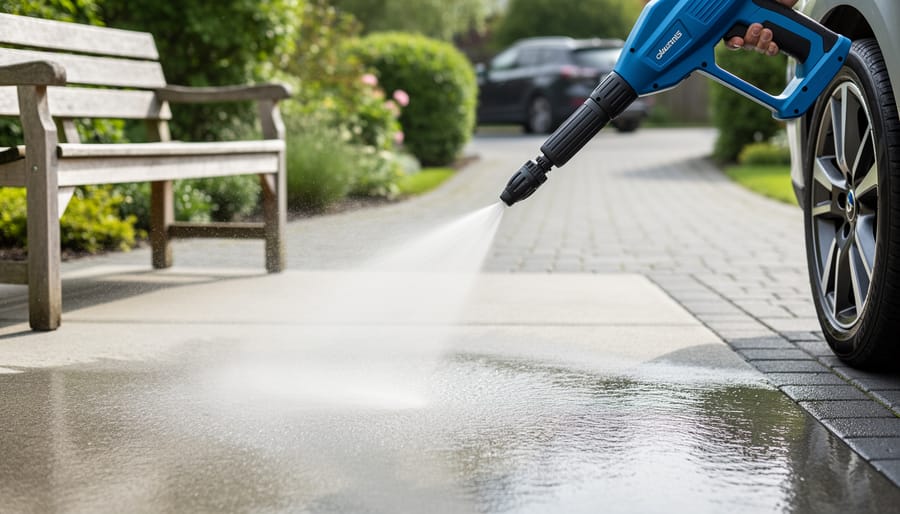
The right pressure washer for cars, patios, and garden equipment delivers between 1,800 and 2,500 PSI with an electric motor. This sweet spot gives you enough cleaning power to blast grime off concrete and patio furniture without the risk of stripping paint from your car’s finish or damaging soft wood surfaces. You’ll want a unit with adjustable nozzles and a reliable pump, which is why models like the CRAFTSMAN Electric Pressure Washer and Greenworks 3000 PSI have become go-to choices for homeowners who need one tool that handles multiple outdoor jobs.
Choosing the wrong machine can cost you. Too much pressure peels car paint. Too little pressure means you’re spending Saturday afternoon scrubbing moss off pavers by hand anyway. And if you’re thinking a gas model is automatically better, consider this: electric pressure washers are quieter, require less maintenance, and won’t leave fuel residue on your freshly washed patio when you’re finished.
The good news? You don’t need a commercial-grade unit to transform your curb appeal. Most suburban cleaning tasks fall well within the capabilities of mid-range electric models. The trick is understanding which features matter for your specific mix of surfaces. A 1.2 GPM flow rate is fine for vehicles but frustratingly slow for cleaning a 400-square-foot patio. The length of your hose matters more than you’d think when you’re wrestling with garden equipment in a cluttered shed.
This guide walks you through the specifications that actually make a difference, compares electric versus gas for multi-surface work, and highlights models that balance versatility with longevity. Whether you need a pressure washer for car detailing or tackling larger outdoor projects, understanding these key factors will help you make the right choice.
What to Look for When Choosing a Multi-Purpose Pressure Washer
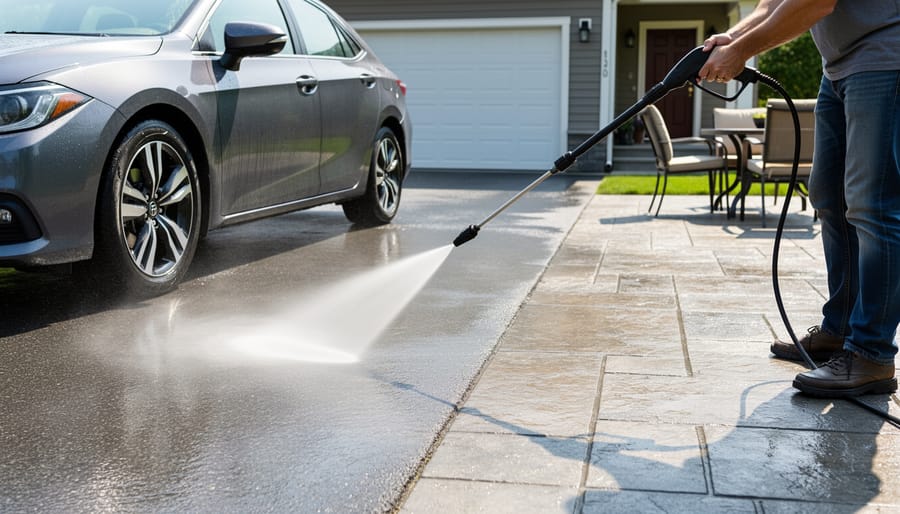
The right pressure washer can replace three separate tools in your shed, but only if you choose specifications that genuinely suit all your outdoor tasks. Start with pressure rating (PSI), which determines cleaning power and potential surface damage. For car washing, you need between 1,800 and 2,500 PSI to remove dirt without stripping paint or damaging trim. That same range works beautifully for patio furniture and most garden equipment, while concrete patios can handle higher pressure if you opt for an adjustable unit. The flow rate (GPM) matters just as much because it controls how quickly water moves debris away, think of PSI as the punch and GPM as the sweep.
Power source shapes your entire ownership experience. Electric models plug in, start instantly, and run quietly enough for weekend morning cleaning without annoying neighbors. They need less maintenance and suit most homeowners perfectly for cars, patios, and garden tools. Gas-powered units deliver more pressure and don’t tether you to an outlet, but they’re louder, require fuel and oil changes, and produce emissions. For typical lawn care enthusiasts cleaning around the home, electric wins on convenience and sustainability.
Portability influences how often you’ll actually use the thing. Look for manageable weight, good wheels that roll smoothly across grass and gravel, and a design that stores upright without tipping. A 30-pound unit you can easily move beats a 50-pound powerhouse that stays in the garage. Noise levels matter more than most people realize until they’re pressure washing the car at 8 a.m. and the whole street hears it. Electric models run considerably quieter than gas, which helps maintain good relationships with neighbors.
Durability determines the real cost over time. Check for metal pump components rather than all-plastic construction, quality hose connections that resist leakage, and brands with solid customer ratings. A pressure washer that develops leaks after six months costs you more than a reliable unit that runs for years. Environmental considerations include water efficiency, the ability to use biodegradable soaps, and choosing an electric model that produces zero direct emissions. An adjustable, well-built pressure washer lets you dial in exactly the power each surface needs, which conserves water and protects both your property and the environment.
Electric vs. Gas: Which Power Source Fits Your Outdoor Cleaning Needs?
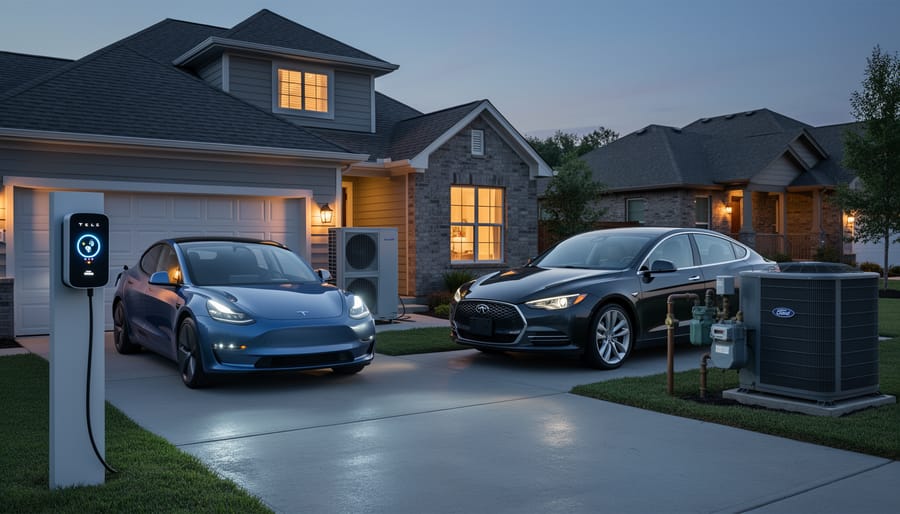
When you’re weighing electric against gas for a pressure washer that handles cars, patios, and garden tools, you’re really deciding between convenience and raw power, and for most lawn care enthusiasts, that choice comes down to how you’ll actually use the machine.
Electric pressure washers plug into a standard outlet and deliver consistent, moderate pressure perfect for routine outdoor cleaning. They’re quieter than a conversation, require zero fuel mixing or winterizing, and start with a simple trigger pull. For car washing, where you need controlled pressure in the 1,800-2,500 PSI range to protect paint, an electric unit like the Craftsman 2100 hits that sweet spot without risk of overdoing it. They’re also light enough to move around your patio or haul to the garden shed without straining your back. The sustainability edge is real: no exhaust fumes, no oil changes, and lower water consumption since most electric models operate efficiently at lower flow rates.
Gas-powered units, by contrast, bring serious muscle to stubborn jobs. If you’re tackling years of grime on a large concrete patio, stripping paint from a fence, or blasting mud off heavy garden equipment after a wet season, gas delivers the higher PSI and GPM needed to finish faster. You’re not tethered to an outlet, so you can roam your entire property freely. The trade-offs? They’re loud, often above 85 decibels, which means ear protection and annoyed neighbours if you run them early on a weekend. Maintenance includes oil changes, spark plug replacements, and proper winterization. They’re heavier, pricier upfront, and emit exhaust that conflicts with eco-friendly gardening practices.
| Power Type | Best Uses | Noise Level | Maintenance Needs | Environmental Impact |
|---|---|---|---|---|
| Electric | Cars, routine patio cleaning, fences, outdoor furniture, garden equipment | Quiet (under 80 dB) | Minimal, hose and nozzle care only | Low, no emissions, uses less water |
| Gas | Heavy-duty concrete, large driveways, stripping paint, deep grime | Loud (85+ dB) | Regular oil changes, spark plugs, winterizing | Higher, emissions, fuel storage |
For homeowners focused on multi-purpose use across cars, patios, and typical garden gear, an electric model covers about 90% of your needs with far less hassle. Gas makes sense if you own acres of hardscaping or regularly deal with industrial-level dirt, but for sustainable lawn maintenance and neighbourhood-friendly operation, electric wins on practicality and ease. If your toughest job is spring patio refresh and weekly car washes, skip the gas headaches and go electric.
Understanding PSI and GPM Ratings for Different Surfaces
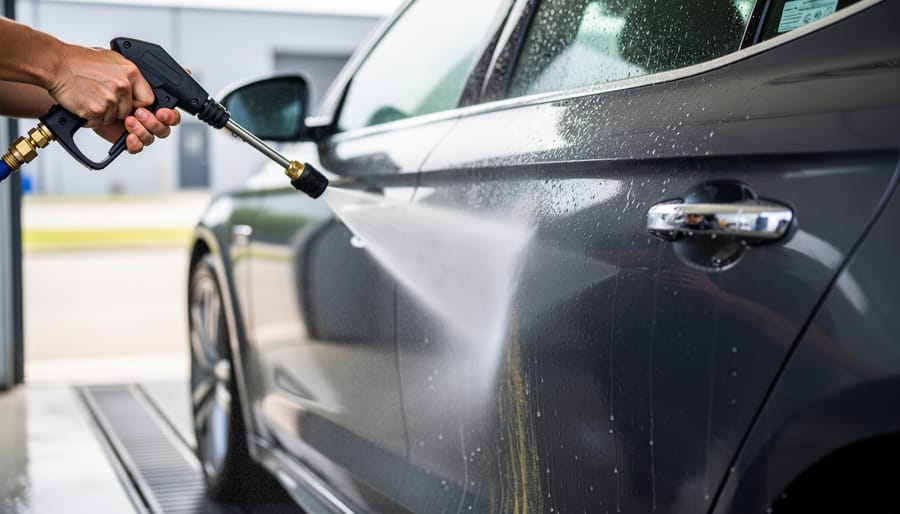
PSI (pounds per square inch) tells you how forcefully the water hits the surface, while GPM (gallons per minute) measures how much water flows through the unit. Together, they determine cleaning power: high PSI cuts through stubborn grime, but high GPM rinses it away faster. For multi-purpose outdoor cleaning, you need a pressure washer that balances both ratings across different tasks.
Car paint is surprisingly delicate under pressure. Stick to 1,200-1,900 PSI for safe washing, anything beyond 2,500 PSI can strip wax, damage clear coat, or force water into seals and trim. The 1,800-2,500 PSI range works well if you use a wider spray nozzle and maintain proper distance, but never aim a narrow jet directly at painted surfaces or windows.
Concrete patios and driveways tolerate much higher pressure. You can safely use 2,500-3,500 PSI to blast away moss, oil stains, and embedded dirt from these tough surfaces. The higher GPM rating matters here too, 2.0 GPM or more helps flush debris from porous concrete rather than just pushing it around.
Garden equipment sits between these extremes. Lawnmower decks, wheelbarrows, and plastic planters handle 1,500-2,000 PSI comfortably, but wooden garden furniture or delicate metal tools need gentler treatment around 1,200-1,500 PSI to avoid splintering or corrosion.
This is why adjustability matters. A pressure washer with interchangeable nozzles (typically five: 0°, 15°, 25°, 40°, and soap) lets you dial pressure up or down for each job. The 25° or 40° nozzle spreads water over a wider area, reducing effective PSI at the surface, perfect for cars. The 15° concentrates force for concrete. You’re essentially using one machine at multiple pressure levels by changing how the water exits.
For true versatility across cars, patios, and garden equipment, look for a unit rated 1,800-2,500 PSI with at least 1.2 GPM and a full nozzle set. That combination covers your gentle and aggressive cleaning needs without requiring two separate machines.
Top Pressure Washer Picks for Cars, Patios, and Garden Equipment
Finding the right pressure washer can feel overwhelming when you’re standing in the aisle staring at dozens of options, each promising to be the best. I’ve narrowed down the field to six standout models that genuinely deliver versatility, reliability, and value for homeowners who need one tool to handle everything from delicate car finishes to stubborn patio grime.
My selection criteria focused on three essentials: pressure range suitable for automotive use (staying within that safe 1,800-2,500 PSI zone for cars while offering enough power for harder surfaces), proven durability based on thousands of customer reviews, and practical features that make outdoor cleaning easier rather than more complicated. I also weighed environmental considerations and real-world performance across different tasks, not just impressive spec sheets.
Each model below excels in specific ways, whether that’s the Craftsman’s ideal balance for auto detailing, the Sun Joe’s exceptional value, or the Westinghouse’s professional-grade features. The goal is to help you match a pressure washer to your actual cleaning needs, not just your budget. These aren’t generic picks; they’re tools that thousands of homeowners trust for maintaining their lawns, gardens, and outdoor spaces season after season.
CRAFTSMAN Electric Pressure Washer

The CRAFTSMAN Electric Pressure Washer (model CMEPW2100) stands out as the best overall choice for gardeners who want one reliable tool for cars, patios, and garden equipment. Its 2,100 PSI rating hits the sweet spot for auto detailing, strong enough to strip away road grime and mud without risking paint damage, yet still capable of tackling tougher jobs around the yard.
What makes this unit particularly appealing is how straightforward it is from the moment you open the box. Assembly takes minutes, not hours, and the controls are intuitive enough that you’ll be cleaning within the first session. That ease of use extends to day-to-day operation: the electric motor runs noticeably quieter than gas alternatives, so you won’t disturb neighbors during weekend car washes or early-morning patio cleanups.
The 1.2 GPM flow rate pairs well with the pressure output, delivering enough water volume to rinse away soap and debris efficiently. On cars, it handles everything from wheel wells to door jambs without forcing you to get uncomfortably close to the surface. Switch to patio cleaning, and the same unit powers through moss buildup between pavers and weather staining on concrete. Garden equipment benefits too, lawn mower decks, wheelbarrows, and plastic storage bins all come clean without the wrestling match you’d get from a garden hose alone.
Affordability matters when you’re investing in lawn care tools, and this CRAFTSMAN model delivers solid value without cutting corners on build quality or performance. The 4.3-star rating from 1,093 customers reflects genuine satisfaction: owners consistently praise the reliability, the manageable weight for moving between tasks, and the fact that it simply works as advertised. For a lawn care enthusiast who needs versatility and doesn’t want to gamble on a unit prone to leakage issues or pressure inconsistencies, this pressure washer earns its best-overall designation.
Sun Joe Pressure Washer

The Sun Joe SPX3000 earns its reputation as a versatile workhorse through sheer performance flexibility. With a 2,500 max PSI rating, this electric model sits at the upper boundary of car-safe pressure while delivering enough punch for heavily soiled patios and garden equipment. That range means you can dial down for gentle auto detailing one day, then tackle moss-covered concrete the next without swapping machines.
What sets the SPX3000 apart is its dual onboard detergent tanks, which let you load two different cleaning solutions simultaneously. Switch between a pH-neutral car wash soap and a stronger degreaser for patio furniture or lawnmower decks without the hassle of emptying and refilling a single reservoir. For lawn care enthusiasts juggling multiple outdoor tasks, this simple feature saves real time.
The unit ships with five quick-connect spray tips, giving you precise control over pressure patterns. The 0-degree tip delivers concentrated force for stripping grime from concrete joints, while the 25-degree and 40-degree nozzles spread the spray wider for safer car washing and gentler work on painted garden equipment. An included soap nozzle makes applying detergent straightforward, though you’ll still need to mind your distance from car paint even with the wider tips.
With 64,729 customer ratings averaging 4.4 stars, the Sun Joe clearly delivers consistent results for homeowners. Buyers repeatedly mention its reliability across different surfaces and appreciate the value proposition for a machine that handles cars, patios, fences, and seasonal garden cleanup. The electric motor keeps noise reasonable for residential neighbourhoods, and the compact footprint stores easily in a shed or garage between uses.
For gardeners seeking one tool that adapts to varied outdoor cleaning without the maintenance headaches of a gas engine, the SPX3000 strikes a practical balance between power and versatility.
Westinghouse ePX3100 Electric Pressure Washer

The Westinghouse ePX3100 stands out with its 2,300 max PSI rating paired with 1.76 max GPM, delivering enough muscle for driveways and patios without crossing into unsafe territory for car washing. That power level sits comfortably in the multi-purpose sweet spot, letting you tackle concrete stains and weathered fencing one weekend, then switch to gentler car detailing the next.
What makes this unit practical for gardeners managing multiple outdoor surfaces is the thoughtful design. The anti-tipping technology keeps the machine stable on uneven ground, which matters when you’re working on sloped driveways or rolling the unit across lawn transitions. The onboard soap tank eliminates the juggling act of separate detergent bottles, and the pro-style steel wand feels more durable than the plastic alternatives that crack after a season or two of regular use.
The five-nozzle set gives you real versatility. You can dial down pressure for car paint and delicate garden furniture, then swap to a tighter spray pattern for embedded dirt on patio pavers or moss-covered fence boards. This adjustability means one tool genuinely serves the range of cleaning tasks advertised: cars, fences, driveways, and patios.
Customer feedback backs up the performance claims, with 7,514 ratings averaging 4.5 stars. That’s a substantial sample size pointing to consistent reliability. Users who need a pressure washer that works across multiple outdoor cleaning scenarios without babying it or constantly troubleshooting tend to appreciate this model’s balance of power and control. It’s not the absolute cheapest option, but the combination of solid pressure ratings, stability features, and the complete nozzle collection makes it a sensible pick for homeowners who want equipment that lasts beyond a couple of seasons.
RYOBI 1800 PSI 1.2 GPM Cold Water Corded Electric Pressure Washer

The Ryobi 1800 PSI 1.2 GPM Cold Water Corded Electric Pressure Washer sits right at the sweet spot for safe car washing while offering enough punch for everyday outdoor cleaning tasks around your lawn and garden. At 1,800 PSI, this unit delivers the minimum effective pressure for vehicle detailing without risking paint damage, making it a sensible first pressure washer for homeowners who prioritize protecting their car’s finish while tackling routine maintenance.
What makes the Ryobi stand out is its versatility across the typical homeowner cleaning checklist. It handles vehicles without drama, scrubs patios and fences clean, refreshes outdoor furniture that’s weathered a season or two, and powers through dirt on lawn mowers and other garden equipment. The 1.2 GPM flow rate keeps water usage reasonable, which matters if you’re conscious about conservation or working with a modest outdoor spigot.
The corded electric design means you’ll never worry about fuel mixing, carburetor maintenance, or pull-cord starts. Plug it in, turn it on, and you’re cleaning. It runs quieter than gas alternatives, so you won’t aggravate neighbors during weekend car washes or patio cleanings. For lawn care enthusiasts who already juggle battery platforms and fuel-powered equipment, this corded simplicity can feel refreshing.
Customers have given it a 4.2-star rating from 35 reviews, suggesting generally positive real-world performance. The limited review count means you’re looking at a model that hasn’t been around as long or reached the same market saturation as some competitors, but those who’ve used it seem reasonably satisfied.
If your primary goal is protecting your vehicle while maintaining a clean outdoor space, and you don’t need the higher pressure that concrete driveways or heavily stained decks sometimes demand, the Ryobi offers practical value without overcomplicating the decision.
Greenworks 3000 PSI

The Greenworks Pro GPW2700 delivers higher cleaning power for homeowners who need to tackle stubborn grime on patios and driveways while still handling car washing carefully. With a 3,000 PSI brushless model available, this unit sits at the upper end of the multi-purpose range, offering more punch than the entry-level electric models but requiring thoughtful nozzle selection to protect delicate surfaces.
The brushless motor represents a meaningful upgrade over traditional electric pressure washers. This design runs cooler, lasts longer, and delivers more consistent pressure across extended cleaning sessions, which matters when you’re working through a weekend of outdoor maintenance tasks. You’ll notice the difference when cleaning large concrete areas or stripping built-up algae from garden furniture, where sustained power makes the job faster.
For car washing, the 3,000 PSI rating demands respect. You’ll want to use the widest spray pattern and maintain proper distance from painted surfaces, keeping pressure in the safe zone. The higher GPM flow rate (2.0 maximum) helps rinse soap and dirt more efficiently than lower-flow units, which benefits both vehicle detailing and patio cleaning. This extra flow rate also supports water conservation by reducing the time needed to complete each task.
The Greenworks unit has earned a solid 4.1-star rating from 352 customer ratings, reflecting strong overall satisfaction. However, limited stock availability means you may face the “only 13 left in stock, order soon” message, which can complicate timing if you’re planning purchases around seasonal cleaning projects. If you need the extra power for tough patio stains and feel confident adjusting pressure for gentler tasks, this model offers versatility that grows with your outdoor maintenance demands.
Kärcher K1700 Cube
The Kärcher K1700 Cube stands out for gardeners who need serious cleaning power without sacrificing storage space in a shed or garage. This compact unit delivers 1,700 PSI, placing it safely within the car-friendly range while still packing enough punch for concrete patios and garden equipment. Kärcher built its reputation on engineering precision, the K5 Premium represents their top-of-the-line choice, but the K1700 Cube brings that German quality to a more accessible price point.
What makes this model appealing is its thoughtful design for homeowners with multiple outdoor cleaning tasks. The cube-shaped housing isn’t just clever branding; it actually stacks neatly and rolls easily across uneven lawn surfaces. You’ll find it handles muddy wheelbarrows, algae-stained patio stones, and gentle car washes equally well. The pressure sits right in the sweet spot for protecting automotive finishes while still blasting away the grime that accumulates on garden tools and outdoor furniture through a growing season.
The onboard storage keeps nozzles and hoses organized, which matters when you’re switching between washing your vehicle and cleaning the deck where runoff might protect soil health. Kärcher’s quick-connect fittings speed up the transition between different cleaning jobs, and the unit’s relatively quiet operation won’t disturb weekend gardening sessions. For lawn care enthusiasts conscious about resource use, this pressure washer’s efficient motor design helps save water compared to garden hose washing while delivering better results. It’s a practical middle ground between basic entry models and professional-grade equipment.
Common Mistakes to Avoid When Buying a Pressure Washer
Choosing the wrong pressure washer is easier than you’d think, and the mistakes can be costly, both for your wallet and your car’s paint job. Let’s look at the pitfalls that trip up many buyers so you can sidestep them with confidence.
Going Overboard on Pressure
The biggest mistake? Assuming more PSI equals better cleaning. Many first-time buyers grab a 3,000+ PSI gas unit thinking it’ll tackle everything, only to strip paint off their car on the first wash. Remember that 1,800-2,500 PSI range we discussed earlier, it exists for a reason. Your car’s clear coat can’t handle the same force you’d use on concrete, and even garden equipment like lawn mowers and trimmers can suffer damage from excessive pressure. If you’re serious about multi-purpose cleaning, adjustability matters more than raw power.
Ignoring Flow Rate in Favor of Pressure
PSI grabs all the attention, but GPM (gallons per minute) actually determines how quickly you’ll finish the job. A unit with high pressure but low flow rate will clean slowly, turning what should be a quick patio refresh into an all-afternoon ordeal. For the tasks most lawn care enthusiasts tackle, look for at least 1.2 GPM paired with your pressure rating.
Common pitfalls to watch for:
- Buying based solely on the lowest price, then dealing with constant leaks and repairs, the Chemical Guys ProFlow’s leakage issues show why cheap can cost you more long-term
- Overlooking noise levels if you live in a residential area where a roaring gas engine at 8 a.m. Saturday won’t win you friends
- Skipping leak checks and warranty reviews before purchase, especially for units without established track records
- Neglecting environmental impact by choosing water-guzzling models or ignoring runoff concerns for your lawn and garden beds
- Forgetting about storage and portability until you’re wrestling a 60-pound unit up basement stairs
Rushing the Decision Without Matching Tasks to Features
Take time to think through your actual cleaning needs before clicking “buy.” If you’re mainly washing cars with occasional patio work, an electric model like the Craftsman 2100 makes more sense than a heavy-duty gas unit. If your project list includes serious hardscape planning and regular concrete cleaning alongside vehicle maintenance, you’ll need different specs. Don’t let flashy marketing push you toward features you won’t use, focus on what genuinely serves your outdoor maintenance routine.
Matching Your Pressure Washer to Your Outdoor Cleaning Tasks
Think of your pressure washer purchase like building a tool kit: you wouldn’t use a sledgehammer for delicate work, and you shouldn’t approach every outdoor cleaning task with the same mindset. Start by listing what you’ll actually clean most often. If car washing tops your list, that 1,800-2,500 PSI range becomes your anchor point, anything higher risks paint damage, while lower pressure won’t cut through road grime effectively.
For homeowners juggling multiple tasks, adjustability matters more than raw power. A unit with interchangeable nozzles lets you dial down pressure for your vehicle’s finish, then switch to a narrower spray pattern for stubborn patio stains without buying separate machines. Consider seasonal demands too: spring deck cleaning requires different specs than autumn leaf debris removal from garden equipment.
Here’s where most people trip up: they assume higher PSI automatically means better cleaning across all surfaces. Reality is messier. That concrete patio can handle 3,000 PSI comfortably, but your wooden deck or vinyl fence can’t. If garden equipment maintenance matters to you, think lawnmower undercarriages, pruning tools caked with sap, you need gentle precision more than brute force.
Practical homeowners find success with mid-range electric units offering variable pressure settings. This approach covers routine car washes, quarterly patio deep-cleans, and regular garden tool maintenance without the noise, fumes, or maintenance headaches of gas models. Map your actual cleaning calendar for the year: if you’re washing the car monthly but pressure-cleaning the patio twice annually, optimize for what you’ll use most. Your outdoor space and equipment will thank you for matching the tool to the real work, not just the toughest job.
Sustainable Pressure Washing: Using Your Equipment Responsibly
Choosing a greener approach to pressure washing protects your lawn and garden while getting the job done. Start by timing your cleaning sessions: wash early in the morning or late afternoon to minimize water evaporation, and always direct runoff toward gravel or mulched areas rather than directly onto grass or garden beds where concentrated flow can cause erosion or overwhelm delicate plants.
Water conservation matters more than you might think. A typical gas pressure washer uses about 2.5 gallons per minute, which adds up quickly during a full cleaning session. Electric models often run slightly lower flow rates, but the real savings come from technique: pre-sweep patios and driveways to remove loose debris, spot-treat stubborn stains instead of washing entire surfaces, and use the lowest effective pressure setting for each task. You’ll clean just as thoroughly while using significantly less water.
Equipment maintenance extends your pressure washer’s lifespan and reduces waste. After each use, flush the system with clean water to remove detergent residue and prevent leaks from chemical buildup that degrades seals and connections. Store hoses coiled loosely rather than kinked, which prevents cracks and premature replacement needs. Check O-rings and connections before each season and replace worn parts promptly, small repairs now avoid tossing an entire unit later. When you do retire equipment, contact local recycling centers or hardware stores that accept old power tools rather than sending them to landfill.
What to Look For
Start with pressure: 1,800 to 2,500 PSI is your target range if car washing sits at the top of your list. Anything lower struggles with patio grime; anything higher risks stripping paint from delicate surfaces. Flow rate matters too, GPM (gallons per minute) determines how quickly you rinse, so look for at least 1.2 GPM to avoid spending hours on a single driveway.
Power source shapes your experience. Electric units run quieter, start instantly, and suit residential neighborhoods where noise restrictions apply. Gas models deliver more raw power for heavy concrete or large deck projects, but they demand regular maintenance and fuel storage.
Adjustability is non-negotiable for multi-purpose use. You need variable pressure settings or interchangeable nozzles to switch safely between your car’s finish and your patio’s concrete without constantly swapping equipment.
Check for durability signals: metal wands outlast plastic, quality hose fittings prevent the leakage issues that plague cheaper models, and onboard storage keeps nozzles organized. A unit that falls apart after six months wastes money and creates unnecessary waste.
Main Options Compared
When you’re shopping for a pressure washer that handles cars, patios, and garden equipment, you’re essentially choosing between electric and gas models, each with distinct trade-offs that matter for multi-purpose outdoor cleaning.
Electric pressure washers typically deliver 1,800 to 2,500 PSI, which sits in the sweet spot for car washing without risking paint damage. They’re quieter, lighter, and require virtually no maintenance beyond basic care. You plug them in, pull the trigger, and they’re ready to go. This convenience makes them practical for homeowners tackling weekend projects, vehicles one day, patio furniture the next, without wrestling with fuel or engine upkeep.
Gas-powered units push beyond 3,000 PSI and offer greater flow rates, making quick work of stubborn concrete stains and large patio areas. They’re not tethered to an outlet, so you can clean anywhere on your property. The downsides? They’re louder, heavier, demand regular maintenance like oil changes, and burn fossil fuels, a consideration if sustainability matters to you.
For most gardening enthusiasts who need one tool across multiple tasks, an electric model balances adequate power for cars with enough muscle for patios, without the noise and maintenance baggage of gas engines.
Recommendations by Use Case
If you’re primarily focused on keeping your car spotless without risking paint damage, the Craftsman 2100 stands out as the ideal pick. Its 2,100 PSI sits perfectly in the safe range for auto detailing, and customers consistently praise how quiet and easy it is to use for weekend washing routines. New to pressure washers? This same unit works beautifully as a starter option, it’s straightforward to assemble, forgiving enough that you won’t accidentally strip paint off your vehicle, yet capable enough to tackle patio furniture and garden tool cleanup.
For homeowners juggling multiple outdoor spaces, Ryobi’s 1,800 PSI model makes practical sense. It handles vehicles, patios, fences, and routine cleaning tasks without the complexity or maintenance headaches of gas-powered alternatives, fitting neatly into regular lawn care schedules.
If you’re willing to invest in top-tier performance and plan to tackle heavier jobs like large concrete patios or stubborn driveway stains alongside gentler car washing, the Kärcher K5 Premium delivers professional-grade results. Just remember you’ll need adjustable nozzles to safely switch between delicate and demanding surfaces.
Frequently Asked Questions
Choosing the right pressure washer raises practical questions, especially when you need one tool for multiple jobs around your property. Here are answers to the most common concerns.
What PSI is safe for washing my car?
Stick to 1,800-2,500 PSI for car washing to clean effectively without damaging paint, trim, or windows. Models like the Craftsman 2100 hit this sweet spot perfectly, offering enough power to blast away grime while staying gentle on automotive finishes.
Can one pressure washer handle both my car and concrete patio?
Yes, a unit in the 1,800-2,500 PSI range with adjustable nozzles works for both tasks. You’ll use a wider spray pattern and keep more distance on your car, then switch to a narrower nozzle and get closer for stubborn patio stains.
Are electric models powerful enough for multiple outdoor cleaning tasks?
Electric pressure washers deliver plenty of cleaning power for homeowners tackling cars, patios, fences, and garden equipment. They’re quieter, require less maintenance than gas models, and eliminate exhaust fumes, making them ideal for residential properties where you’ll use them frequently.
What causes pressure washer leakage and how can I prevent it?
Leaks typically stem from loose connections, worn O-rings, or cracked hoses, and they rob your unit of cleaning power. Check all fittings before each use, replace rubber seals annually, and avoid kinking hoses during storage to prevent cracks that lead to leaks.
When shopping, remember that adjustability matters more than maximum PSI alone. A pressure washer that lets you dial down the pressure and swap nozzles gives you control to match the tool to each surface. Garden equipment like mowers and string trimmers need gentle cleaning to avoid forcing water into bearings or electrical components, so choose a unit that offers a soap nozzle and low-pressure setting alongside its higher-power options.
The right questions lead to the right purchase. Focus on finding a versatile machine that respects the differences between your car’s clear coat and your patio’s concrete, and you’ll have a tool that serves your outdoor cleaning needs for years.
Choosing the right pressure washer doesn’t have to feel overwhelming. Focus on the fundamentals: aim for that 1,800-2,500 PSI sweet spot if car washing tops your list, then verify the unit has enough adjustability to tackle tougher jobs like concrete patios and garden equipment without switching machines. Quality beats the cheapest price tag every time. A reliable model with good customer ratings and leak-free construction will serve you for years, while a bargain unit prone to leakage or weak flow often ends up replaced within a season.
The Craftsman 2100 and similar models prove you can find versatile, user-friendly tools that genuinely simplify outdoor maintenance. When you match the specs to your actual needs rather than chasing maximum power, you’ll clean more efficiently, use less water, and avoid the frustration of damaged surfaces or under-powered performance.
You’re making a choice that supports both your lawn care goals and sustainable practices. With the right pressure washer in hand, those weekend cleaning tasks become quicker, easier, and more satisfying. You’ve got this.