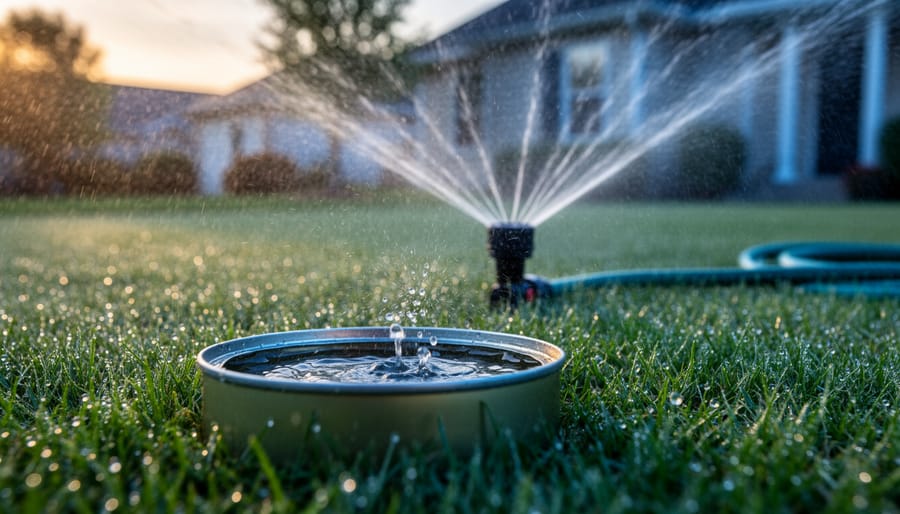
Water your lawn deeply but infrequently during summer months—aim for 1 to 1.5 inches per week, delivered in one or two sessions rather than daily sprinkles. This encourages roots to grow deeper into the soil, creating a more drought-resistant lawn that can withstand heat stress. Place empty tuna cans around your yard to measure exactly how much water your sprinklers distribute, and adjust your timing accordingly.
Schedule watering sessions between 4 AM and 10 AM when temperatures are coolest and wind is minimal. Early morning watering reduces evaporation loss by up to 30% compared to midday watering, ensuring more moisture actually reaches the root zone where your grass needs it most. Evening watering might seem convenient, but it leaves grass blades wet overnight, inviting fungal diseases that thrive in humid conditions.
Adjust your approach based on grass type and current weather patterns. Cool-season grasses like fescue and bluegrass need more frequent watering during summer heat waves, while warm-season varieties such as Bermuda and zoysia actually thrive in hot weather and require less intervention. During periods of extreme heat above 90°F, let your lawn go dormant rather than overwatering—healthy grass naturally enters a protective state and will green up again when temperatures drop.
The difference between a struggling, brown lawn and a thriving green oasis often comes down to these fundamental watering principles, not expensive treatments or complicated routines.
Why Summer Lawn Watering Is Different (And More Critical)
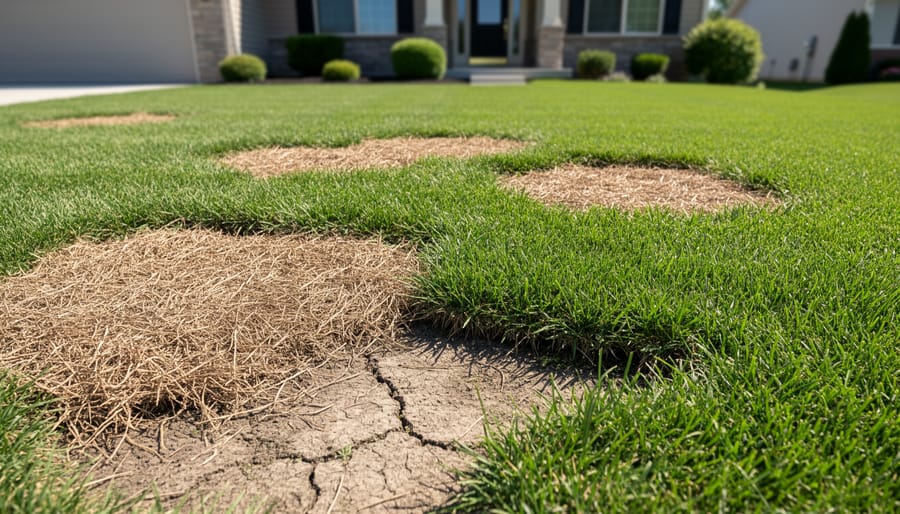
What Heat Stress Actually Does to Your Grass
When temperatures soar, your grass doesn’t simply get thirsty—it enters a complex survival mode that affects everything from root depth to blade color. Understanding these changes helps you respond appropriately rather than panicking when your lawn looks distressed.
As heat intensifies, grass roots actually retreat deeper into the soil, seeking cooler, moister zones. This is a protective mechanism, but it means your turf becomes less efficient at absorbing water from the top few inches of soil where you’re applying it. Meanwhile, the blades lose moisture rapidly through transpiration—essentially sweating to cool themselves down, much like we do on hot days.
Many grass varieties respond by going dormant, turning brown and crispy-looking as they channel all their energy into keeping roots alive underground. This isn’t death; it’s strategic hibernation. Cool-season grasses like fescue and bluegrass are particularly prone to this summer dormancy, while warm-season varieties like Bermuda and zoysia thrive in the heat.
The challenge for gardeners is recognizing the difference between dormancy, which is reversible, and genuine drought damage. Dormant grass bounces back with adequate water and cooler temperatures, while truly damaged turf shows patchy, irregular browning and fails to recover even with proper watering.
The Evaporation Factor You Can’t Ignore
Here’s something that might surprise you: up to 50% of the water you apply to your lawn during peak summer can simply vanish into thin air before your grass ever gets a chance to use it. That’s not a minor detail—it’s a game-changer for your watering strategy.
During summer, when temperatures soar above 85°F and humidity drops, evaporation rates skyrocket compared to spring or fall. What takes three days to evaporate in April might disappear in just a few hours on a July afternoon. This is precisely why watering at the right time becomes absolutely critical for both your lawn’s health and water conservation.
The golden rule? Water between 4 AM and 9 AM, when temperatures are coolest and winds are typically calm. Early morning watering allows moisture to penetrate deep into the soil before the sun kicks into high gear. If you water at noon, you’re essentially paying for water that feeds the atmosphere instead of your grass roots.
Evening watering might seem like a good alternative, but it creates a different problem—your lawn stays wet overnight, inviting fungal diseases. By understanding evaporation’s role, you’re not just watering smarter; you’re making every drop count while keeping your lawn genuinely healthy and resilient through the toughest months.
The Golden Rules for Summer Lawn Watering
Deep and Infrequent Beats Shallow and Often
Think of your lawn’s roots like a water-seeking expedition team. When you water frequently but lightly, the moisture stays in the top inch or two of soil. Your grass roots, finding what they need close to the surface, never venture deeper. They become lazy, if you will, staying shallow and vulnerable. But when you water deeply and less often, you’re essentially training those roots to dive down into the soil profile, seeking moisture at lower levels.
This is where the magic number comes in: 6 to 8 inches. That’s your target depth for each watering session. At this depth, roots develop a robust foundation that can access moisture reserves even when the surface dries out. Deep roots mean drought-resistant grass that won’t immediately turn brown during a hot spell or when you’re away on vacation.
So how do you know if you’ve actually achieved this penetration? Here’s a simple test: wait 24 hours after watering, then use a long screwdriver or soil probe to check moisture depth. Push it into your lawn in several spots. It should slide through moist soil relatively easily until you hit dry ground. If you’re only reaching 2 to 3 inches, you’re underwatering. Adjust your sprinkler runtime accordingly.
Another practical method involves using a rain gauge or empty tuna can placed on your lawn during watering. When it collects about 1 inch of water, that typically translates to 6-inch soil penetration in most soil types. This deep watering approach might mean running your sprinklers for 45 minutes to an hour rather than the quick 15-minute sessions many homeowners default to.
The Best Time to Water (And the Worst)
Timing is everything when it comes to summer watering, and getting it right can make the difference between a thriving lawn and wasted water. The best watering times are backed by solid science that benefits both your grass and the environment.
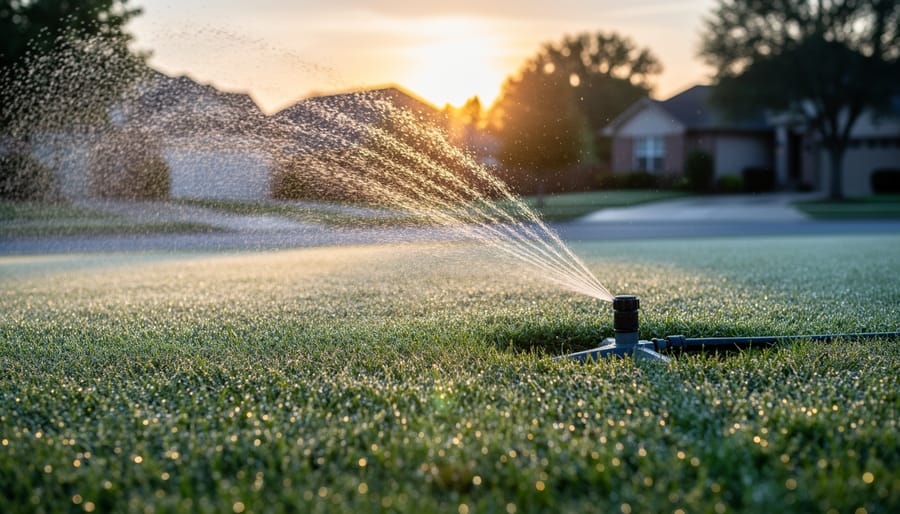
Early morning, ideally between 4 and 10 a.m., is the gold standard for watering. At this time, temperatures are cooler, winds are calmer, and your lawn has the entire day to absorb moisture before the sun gets intense. This timing minimizes evaporation loss—sometimes up to 30% less than midday watering—and reduces the risk of fungal diseases that thrive in damp, warm conditions.
If mornings absolutely don’t work for your schedule, early evening (4 to 7 p.m.) is your backup option. Just avoid watering too late, as grass blades staying wet overnight invite disease problems.
The worst time? Midday watering between 10 a.m. and 4 p.m. is essentially pouring money down the drain. High temperatures and strong sun cause rapid evaporation, meaning much of your water never reaches the roots. You’ll use more water for less benefit—the opposite of sustainable lawn care. Save yourself the hassle and your wallet the hit by sticking to those cooler windows.
How Much Water Your Lawn Actually Needs
Most lawns need about 1 to 1.5 inches of water per week during summer, including rainfall. That’s the sweet spot for keeping grass healthy without overdoing it. But here’s the thing—your specific needs depend on your grass type and local climate.
Want to know if you’re hitting that target? Try the simple tuna can test. Place several empty tuna cans around your lawn, run your sprinklers, and measure how long it takes to collect one inch of water. This tells you exactly how long to water each session.
Cool-season grasses like Kentucky bluegrass lean toward the higher end of that range, while warm-season varieties like Bermuda grass often thrive with slightly less. If you’re in a particularly hot, dry climate, you might need to edge toward 1.5 inches, but resist the urge to overwater—it wastes precious resources and can actually harm your lawn by encouraging shallow roots and disease.
Split your weekly total into two deep waterings rather than frequent shallow ones. This approach promotes stronger, drought-resistant roots while supporting sustainable water use.
Adjusting Your Technique for Different Grass Types
Cool-Season Grasses in Summer Survival Mode
If you’ve got fescue, bluegrass, or ryegrass, you’re working with cool-season grasses that naturally struggle when temperatures climb above 85°F. Here’s the thing: these grasses evolved for cooler climates, and summer heat sends them into survival mode whether you like it or not.
You’ve got two honest choices here. First, you can let them go dormant—it’s actually a natural protective mechanism. When dormant, your lawn turns brown but stays alive, requiring just a quarter-inch of water every two to three weeks to keep roots from dying completely. This is the most sustainable option and perfectly fine if you’re comfortable with a tan lawn for a few months.
Second, you can keep them actively growing with consistent deep watering—about 1 to 1.5 inches weekly. This requires more water and commitment, but gives you that green carpet effect. Just know you’re working against nature here.
The middle ground rarely works well. Inconsistent watering during heat stress actually damages cool-season grasses more than choosing one strategy and sticking with it. If you’re in a particularly brutal heat wave, even well-watered cool-season grass will show stress. That’s your lawn telling you it needs a break, not more water.
Warm-Season Grasses at Their Peak
Summer is when warm-season grasses truly shine, and understanding their peak growing needs will reward you with that enviable lawn everyone in the neighborhood admires. Bermuda, zoysia, and St. Augustine grass are heat-loving varieties that thrive when temperatures soar, but they still need strategic watering to reach their full potential.
During their active growth period, these grasses typically require 1 to 1.5 inches of water weekly, including rainfall. The key difference from cool-season varieties is that warm-season grasses are incredibly efficient with water once established. They’ve evolved to handle heat, but that doesn’t mean you can neglect them entirely during extended dry spells.
Bermuda grass, the athlete of lawn grasses, bounces back quickly from drought but performs best with consistent moisture. Water deeply to encourage roots that can reach 6 feet down. St. Augustine prefers slightly more frequent watering and shows stress faster with its telltale folded blades. For comprehensive zoysia summer care, remember this grass is remarkably drought-tolerant once mature but benefits from deep watering every 5-7 days during peak summer.
The beauty of warm-season grasses is their resilience. They’ll often go dormant rather than die during water restrictions, greening up beautifully when moisture returns. This makes them sustainable choices for water-conscious gardeners in hot climates.
Smart Watering Tools and Techniques That Save Water
Sprinkler Systems: Which Type Works Best in Summer
Choosing the right sprinkler system can make all the difference in keeping your lawn lush while conserving water during those scorching summer months. Let’s break down your options so you can find the perfect fit for your yard.
Oscillating sprinklers are budget-friendly heroes for small to medium lawns. They sweep back and forth, distributing water in a rectangular pattern. The upside? They’re incredibly affordable and easy to move around. However, they can be less efficient on windy days, and coverage isn’t always perfectly even, which means some spots might get more water than others.
Rotary or impulse sprinklers work beautifully for medium to large lawns. These rotating wonders deliver water in a circular pattern and can cover impressive distances. They’re more wind-resistant than oscillating types and provide gentler watering that reduces runoff. The trade-off is they take longer to cover areas and cost a bit more upfront.
In-ground systems are the gold standard for serious lawn enthusiasts with larger properties. While the initial investment is significant, they offer unmatched convenience and efficiency. You can program them to water at optimal times, zone different areas based on sun exposure, and avoid wasteful overspray. They’re particularly valuable for maintaining consistent summer hydration without the daily hassle of moving hoses around your yard.
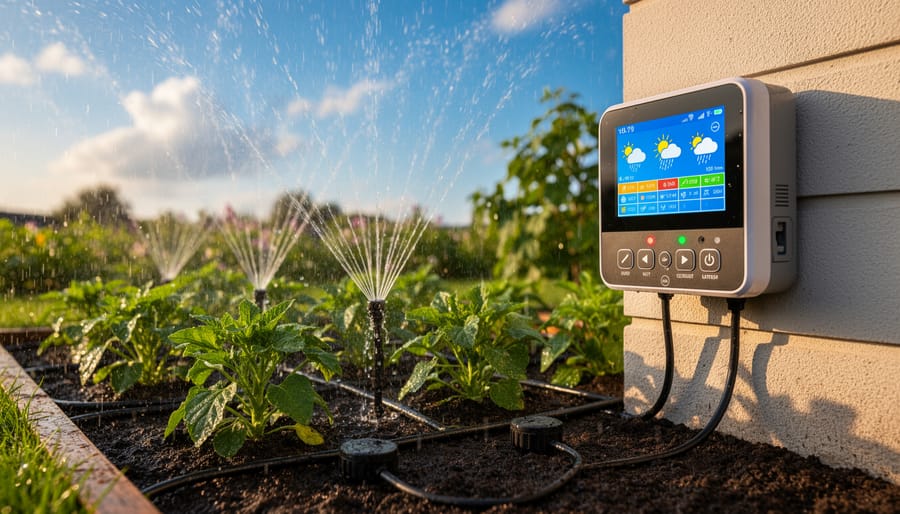
Smart Controllers and Moisture Sensors Worth the Investment
Modern irrigation technology has come a long way, and if you’re serious about summer lawn care while conserving water, smart controllers are game-changers worth considering. These devices connect to local weather data and automatically adjust your watering schedule based on rainfall, temperature, humidity, and evaporation rates. No more watering during rainstorms or forgetting to adjust your timer after a weather change.
The Rachio 3 Smart Sprinkler Controller is a popular choice among homeowners, offering easy smartphone control and impressive water savings of up to 50%. It integrates with weather forecasts and skips watering when rain is predicted. For those wanting even more precision, the Rain Bird ST8-2.0 provides excellent reliability at a mid-range price point.
Soil moisture sensors take the guesswork out completely by measuring actual moisture levels in your lawn’s root zone. The Orbit B-hyve XR Smart Indoor Controller pairs well with their soil sensor attachment, creating a responsive system that waters only when your grass truly needs it. These sensors typically install easily near sprinkler heads and prevent both underwatering and overwatering.
While the upfront cost ranges from 100 to 300 dollars, most homeowners recoup this investment through lower water bills within one to two seasons. Plus, you’ll enjoy healthier grass and the peace of mind that comes with sustainable, efficient lawn care.
Soaker Hoses and Drip Irrigation for Problem Areas
Some areas of your lawn face unique challenges that standard sprinkler coverage just can’t solve. Steep slopes shed water before it soaks in, lawn edges dry out faster due to exposure, and high-traffic zones compact the soil, making water penetration difficult. This is where soaker hoses and drip irrigation systems become game-changers.
Soaker hoses are perfect for lawn edges and garden borders where grass meets pavement or hardscaping. These porous hoses seep water directly into the soil, delivering moisture exactly where it’s needed without runoff or evaporation. Simply snake them along problem strips and let them work their magic for 30-45 minutes. They’re surprisingly affordable and require minimal setup.
For slopes that send precious water racing downhill, drip irrigation offers a sustainable solution. By delivering water slowly and precisely at ground level, drip systems give the soil time to absorb moisture before gravity pulls it away. You can customize drip lines to target specific trouble spots, making them ideal for irregularly shaped areas that sprinklers miss.
Both options conserve significant water compared to traditional methods while solving persistent dry patches. Start with one problem area to test the approach, then expand as you see results. Your lawn’s most stubborn sections will thank you.
Common Summer Watering Mistakes That Kill Lawns
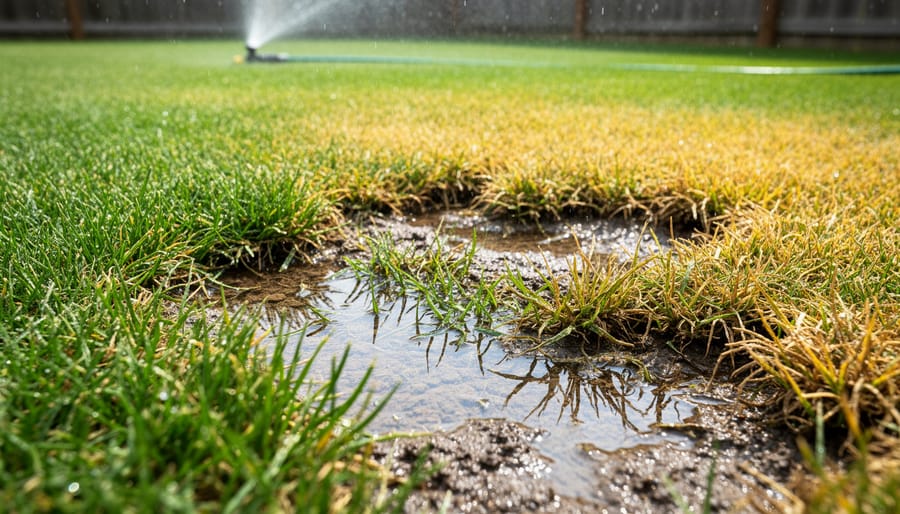
Overwatering: The Hidden Lawn Killer
While we often worry about underwatering during summer, overwatering poses an equally serious threat to lawn health. When you water too frequently or too heavily, you’re actually doing more harm than good in several significant ways.
Excessive watering encourages grass roots to stay near the surface, where water is readily available. This creates a shallow root system that’s far more vulnerable to heat stress, drought, and disease. Deep, robust roots are essential for a resilient lawn, but they only develop when grass must reach down into the soil for moisture. It’s similar to raising children—if everything is handed to them, they never develop the strength to handle challenges on their own.
Overwatered lawns also become breeding grounds for fungal diseases. Constant moisture creates the perfect environment for issues like brown patch, pythium blight, and dollar spot. You’ll notice mushrooms popping up, yellow or brown patches spreading across your yard, and a general thinning of the grass. The soil may feel spongy underfoot, and you might detect a musty odor.
Beyond plant health, overwatering wastes precious water resources and increases your utility bills unnecessarily. Research shows that daily watering damages lawns while draining your wallet and local water supplies. A sustainable approach benefits everyone.
Ignoring Your Lawn’s Stress Signals
Your lawn is actually pretty good at telling you when it’s thirsty—you just need to know what to look for. Think of these signals as your grass sending up a flare before things get critical.
The footprint test is your best friend here. Walk across your lawn and look back. If your footprints disappear quickly as the grass blades spring back up, you’re good. But if those impressions stick around for more than a few minutes, your grass is losing turgor pressure—basically, it’s running low on water reserves and can’t bounce back. This is your early warning system, and catching it at this stage means you can adjust your watering schedule before real damage sets in.
Color changes are another telltale sign. Healthy summer grass should maintain its vibrant green hue. When you notice sections turning blue-gray or taking on a dull, dusty appearance, that’s dehydration talking. Some folks mistake this for needing fertilizer, but often it’s simply a cry for water.
Wilting and blade folding happen when stress intensifies. Grass blades will actually fold in half lengthwise or curl to reduce their surface area and conserve moisture. If you’re seeing this, you’ve waited a bit too long.
The key is responding promptly when you spot these signals. Add an extra watering session or extend your irrigation time by 15-20 minutes. Your lawn will thank you by staying resilient through the summer heat.
Water Conservation Strategies That Still Keep Your Lawn Healthy
Strategic Dormancy: When to Let Your Lawn Rest
Here’s a sustainability secret many homeowners overlook: your lawn doesn’t need to stay green all summer long. Strategic dormancy is a natural, water-saving approach that allows certain lawn areas to temporarily shut down during extreme heat while remaining very much alive beneath the surface.
When grass goes dormant, it essentially takes a protective nap. The blades turn brown, but the crown and root system stay viable, ready to bounce back when conditions improve. This is completely different from dead grass, which pulls easily from the soil and won’t recover.
Consider allowing low-traffic areas like side yards or back sections to go dormant while maintaining primary spaces. Cool-season grasses naturally enter dormancy during prolonged heat above 90 degrees Fahrenheit, and fighting this process wastes precious water resources.
The key is occasional deep watering—about once every three to four weeks—to keep roots alive without encouraging new growth. This minimal maintenance approach can reduce your summer water usage by up to 50 percent in dormant zones.
Just remember, dormancy works best for established lawns with healthy root systems. Newly seeded areas need consistent moisture regardless of temperature. When fall arrives and temperatures drop, your dormant grass will green up naturally with autumn rains, looking refreshed and ready for cooler months ahead.
Mulching, Aeration, and Other Water-Saving Prep Work
Before you even turn on the sprinkler, there’s groundwork that makes every drop count. Think of these practices as giving your lawn a sponge-like quality that holds moisture longer.
Start with grasscycling—leaving those clippings on the lawn after mowing. Those snippets break down quickly, returning nutrients to the soil while creating a natural mulch layer that shades roots and reduces evaporation by up to 25%. It’s free fertilizer and moisture retention rolled into one.
Core aeration deserves a spot in your spring or early fall routine, not midsummer. This process pulls small plugs from compacted soil, allowing water to penetrate deeper rather than running off. The result? Roots grow stronger and reach moisture reserves you didn’t know existed.
Don’t overlook soil amendments either. Working compost into thin areas improves water-holding capacity dramatically. Clay-heavy soil benefits from gypsum, while sandy lawns love organic matter that acts like tiny water reservoirs.
These practices work together beautifully. When you combine them and adjust your watering schedule accordingly, you’ll notice your lawn staying greener longer between waterings—proof that smart preparation beats simply watering more often.
Keeping your lawn vibrant through summer doesn’t require perfection—it requires observation and a willingness to adapt. You’ve learned that watering deeply but less frequently beats shallow daily spritzes, that early morning is your best friend, and that your grass type and soil make all the difference. But here’s the real secret: consistent attention matters more than rigid schedules.
Start small. You don’t need to overhaul everything at once. Maybe this week you’ll adjust your watering time to early morning. Next week, you might test your soil moisture before automatically turning on the sprinkler. Small changes compound into significant results.
Remember that your lawn is communicating with you constantly. Those subtle color changes, footprints that linger, or patches that dry faster than others—these are all valuable feedback. Trust what you’re seeing more than any predetermined schedule. Some weeks you’ll water twice, others maybe just once, depending on rainfall, temperature, and what your grass is telling you.
The beauty of summer lawn care is that it doesn’t have to be complicated or wasteful. With the right approach, you can maintain a lush, healthy lawn while conserving water and supporting the environment. Your lawn can be both beautiful and sustainable—and now you have the knowledge to make that happen. Get out there, observe, adjust, and enjoy the results of your mindful care.