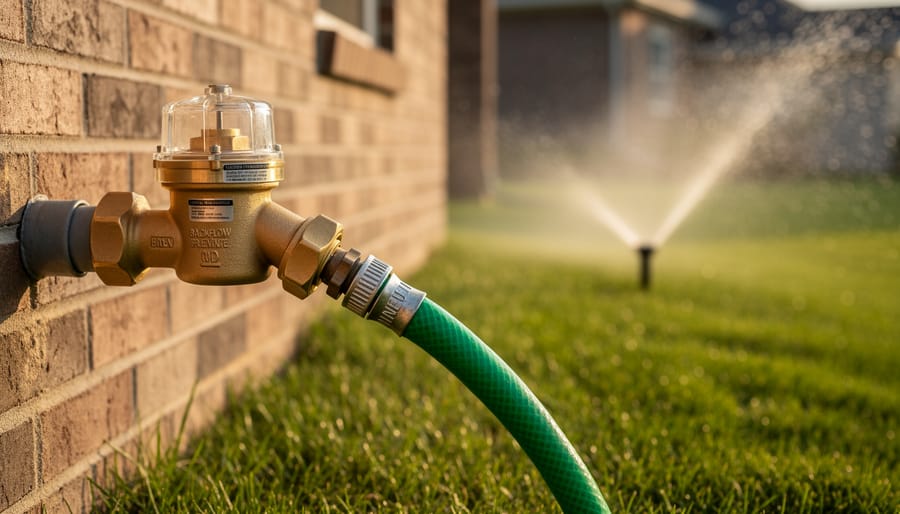
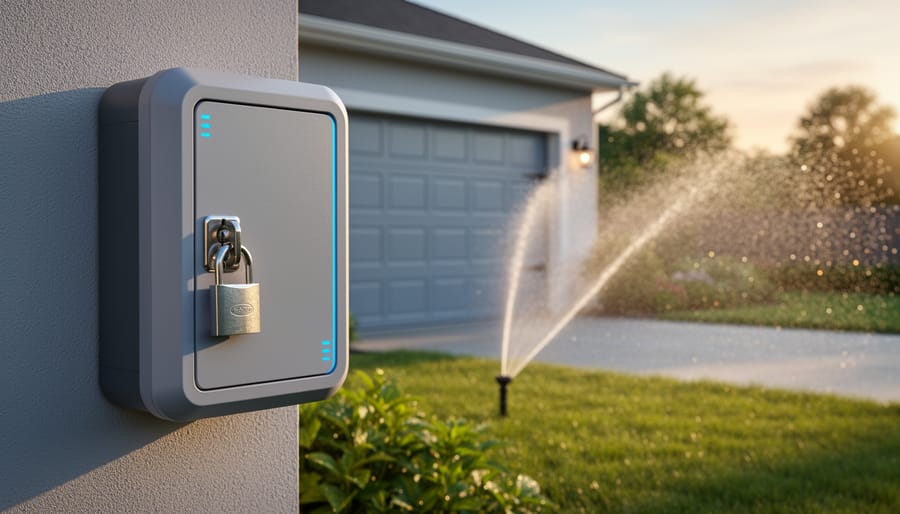
Your home’s irrigation system could be quietly contaminating your drinking water right now, and you might not even know it. Every time you connect a fertilizer injector, mix pesticides in a spray attachment, or run your sprinkler system, you create potential pathways for chemicals and bacteria to flow backward into your household water supply through a phenomenon called backflow.
Understanding backflow prevention isn’t just about checking a box for code compliance. It’s about protecting your family’s health and being a responsible steward of your community’s shared water resources. When water pressure drops unexpectedly due to a broken main, heavy neighborhood usage, or firefighting operations, contaminated water from your irrigation lines can siphon back into the pipes that supply your kitchen tap. The consequences range from mild stomach upset to serious waterborne illnesses, and the liability falls squarely on you as the property owner.
The good news? Preventing backflow is straightforward once you understand the basics. Installing the right backflow prevention device, maintaining it properly, and following simple best practices will keep your water safe while you nurture a healthy, vibrant lawn and garden. Whether you’re responding to a municipal notice, planning a new irrigation system, or simply want peace of mind about your family’s water safety, this guide will walk you through everything you need to know about selecting, installing, and maintaining backflow preventers that match your specific situation and protect what matters most.
What Is Backflow and Why Should Lawn Care Enthusiasts Care?
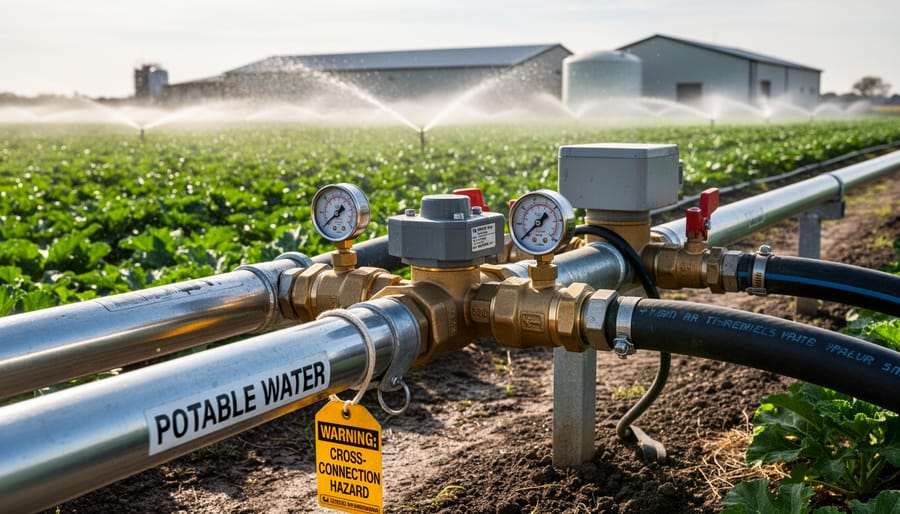
The Two Types of Backflow That Threaten Your Irrigation System
Think of backflow like a garden hose that suddenly starts flowing the wrong way. There are two main culprits that can cause this reversal in your irrigation system, and understanding them helps you protect both your water supply and your lawn.
Backpressure happens when the pressure in your irrigation system becomes greater than the pressure in your main water supply. Imagine you’re running your sprinklers while also filling a container on a hillside above your house. If that elevated container creates enough pressure, it can actually push water backward into your home’s plumbing. This commonly occurs when pumps are used to boost irrigation pressure or when your system sits at a higher elevation than your water source. Backpressure can also develop if you’re using a fertilizer injector that creates pressure within your irrigation lines.
Backsiphonage is like sucking water through a straw, except it happens accidentally in your plumbing. This occurs when there’s a sudden drop in water pressure on the supply side. Picture this familiar scenario: you’re watering your garden when the fire department opens a hydrant down the street, or a water main breaks nearby. That pressure drop creates a vacuum effect that can literally siphon water from your irrigation system back into your drinking water supply. If your sprinkler head happens to be sitting in a puddle mixed with fertilizer or pesticides at that moment, you can see why this becomes a serious concern.
Both types of backflow threaten water quality, but the good news is that proper prevention devices can stop them before contamination occurs.
Understanding Cross-Connection Control in Your Yard
Common Cross-Connection Hazards in Lawn Irrigation
Let’s talk about the everyday situations where your lawn irrigation system might accidentally put your family’s drinking water at risk. Don’t worry—once you know what to watch for, preventing these hazards is straightforward!
The most common culprit? That handy hose-end sprayer you use to apply liquid fertilizer or weed killer. You know the one—you attach it to your garden hose, and it mixes the concentrate with water as you spray. Here’s the problem: if your water pressure suddenly drops while you’re using it (maybe a neighbor turns on their sprinkler or the city flushes a hydrant), contaminated water can get sucked backward into your home’s water supply. It happens more often than you’d think, and it’s exactly why backflow prevention matters.
Another risk point many of us overlook is drip systems with chemical injectors. These convenient devices automatically add fertilizer or nutrients to your irrigation water. They’re fantastic for consistent feeding, but without proper backflow protection, they create a direct pathway for chemicals to contaminate your potable water. I’ve seen gardeners invest in sophisticated irrigation setups while completely forgetting this crucial safety component.
Finally, underground sprinkler systems present their own challenges. When these systems sit idle, stagnant water in the pipes can collect bacteria, fertilizer residue from surface runoff, or even pesticides that have leached into the soil. Add a broken sprinkler head sitting in a puddle of contaminated water, and you’ve got a potential health hazard waiting to reverse-flow into your drinking water during a pressure drop.
The good news? Each of these scenarios has practical, affordable solutions that protect both your family’s health and your beautiful lawn. Understanding where the risks exist is your first step toward responsible, sustainable lawn care.
How Backflow Prevention Devices Protect Your Water Supply
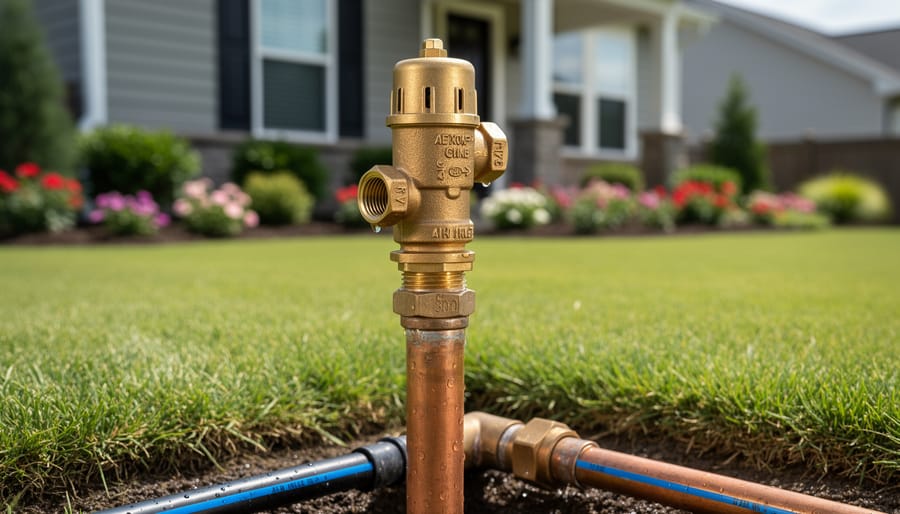
Atmospheric Vacuum Breakers: The Most Common Solution
If you’re installing or maintaining a residential irrigation system, chances are you’ll encounter atmospheric vacuum breakers (AVBs). These devices are the workhorses of backflow prevention for typical lawn setups, and there’s a good reason they’re so popular.
Think of an AVB as a one-way valve with an air vent. When water flows through your irrigation system, everything works normally. But when the water shuts off, the device opens a small vent that lets air into the line. This air break prevents any contaminated water from being sucked backward into your home’s clean water supply. It’s elegantly simple and surprisingly effective.
You’ll find AVBs installed on the outlet side of control valves, typically above ground and at least six inches higher than any downstream sprinkler heads. This height requirement is crucial for them to work properly, which brings us to their main limitation: they can’t protect systems where sprinkler heads sit higher than the valve, like on hillsides or elevated planters.
For most flat or gently sloped residential lawns, AVBs are perfectly adequate and cost-effective. They’re especially suitable when you’re just watering grass and ornamental plants without introducing fertilizers or chemicals through the irrigation system. Many municipalities accept AVBs as meeting basic backflow prevention requirements for low-hazard residential irrigation.
The downside? They’re not designed for continuous pressure and must be installed outdoors where freezing temperatures can damage them. But for straightforward lawn watering in moderate climates, they offer reliable protection without breaking the budget.
Pressure Vacuum Breakers: When You Need More Protection
If you’re using fertilizer injectors, adding nutrients through your irrigation system, or applying any lawn treatments through your sprinkler setup, you’ll need to step up your protection game with a Pressure Vacuum Breaker, or PVB. These devices offer considerably more safeguarding than atmospheric vacuum breakers, especially when chemicals are in the mix.
Here’s why PVBs are the go-to choice for many lawn irrigation systems: they provide protection against both back-siphonage and some backpressure scenarios, making them ideal when you’re introducing anything beyond plain water into your system. Think of them as your safety net when you’re feeding your lawn through the irrigation lines or applying eco-friendly pest treatments.
The main advantage over AVBs is their ability to handle continuous pressure, which means they work reliably even when your system is running constantly during those hot summer months. They’re also testable, giving you peace of mind that your protection is actually working as intended.
Installation does require a bit more planning than simpler devices. Your PVB needs to sit at least 12 inches above the highest sprinkler head or irrigation point, and it must be installed on the discharge side of your last control valve. You’ll also need to position it where any water discharge won’t cause problems, as these devices will occasionally release small amounts of water during normal operation. Many municipalities require annual testing by certified professionals, which is actually a good thing for maintaining that crucial barrier between your treated water supply and any lawn chemicals you’re using for sustainable pest management.
Reduced Pressure Zone Devices: Maximum Protection for Complex Systems
When you’re dealing with fertilizer injectors, pesticide applications, or irrigation systems connected to wells or alternative water sources, you’re entering high-hazard territory that requires the most robust protection available. That’s where Reduced Pressure Zone (RPZ) devices come into play. Think of them as the heavy-duty guardians of your water supply.
RPZ devices are the gold standard in backflow prevention, and for good reason. They feature two independent check valves with a pressure-monitored chamber between them that automatically dumps water if either valve fails. This redundant protection means contaminated water has virtually no pathway back into your drinking water system, even under the most challenging conditions.
I’ll be honest with you – RPZ devices are more expensive and complex than simpler backflow preventers, typically costing several hundred dollars plus professional installation. They also require annual testing by certified technicians, which adds to ongoing maintenance costs. However, if your municipality requires them (and many do for irrigation systems with chemical injectors), or if you’re using fertilizers and pesticides through your system, this investment isn’t optional.
The good news? This higher level of protection aligns perfectly with sustainable gardening practices. Knowing your backflow preventer provides maximum protection means you can confidently use organic fertilizers and natural pest control solutions through your irrigation system without risking cross-contamination. Many environmentally-conscious gardeners view RPZ devices as essential infrastructure that protects both their family’s health and the broader community water supply.
Choosing the Right Backflow Preventer for Your Lawn
What Your Local Codes Require (And Why It Matters)
Here’s the thing about backflow prevention: it’s not just a good idea, it’s usually the law. And before you roll your eyes at another regulation, let me explain why this one actually makes sense for all of us.
Most municipalities have specific requirements about backflow prevention devices for irrigation systems, especially if you’re using fertilizers or pesticides (which many of us gardeners do). These codes exist because your property’s irrigation system connects to the community water supply. Without proper protection, contaminated water could theoretically flow backward into the pipes that serve your neighbors’ drinking water. It’s a public health safeguard that protects everyone.
Finding your local requirements is easier than you might think. Start with your city or county water department’s website, where many post their cross-connection control ordinances. You can also call them directly—in my experience, they’re usually happy to explain what’s required for residential irrigation. Some areas require annual testing of backflow devices by certified technicians, while others have different standards based on your system’s complexity.
When you’re planning a new irrigation setup or upgrading an existing one, check these requirements before purchasing equipment. Compliance isn’t just about avoiding fines; it’s about being a responsible member of your community. By installing the right backflow prevention device, you’re contributing to safe, clean water for everyone in your neighborhood. That’s sustainability in action, extending beyond just your garden to the broader environment we all share.
Installing Your Backflow Prevention Device: DIY or Professional?
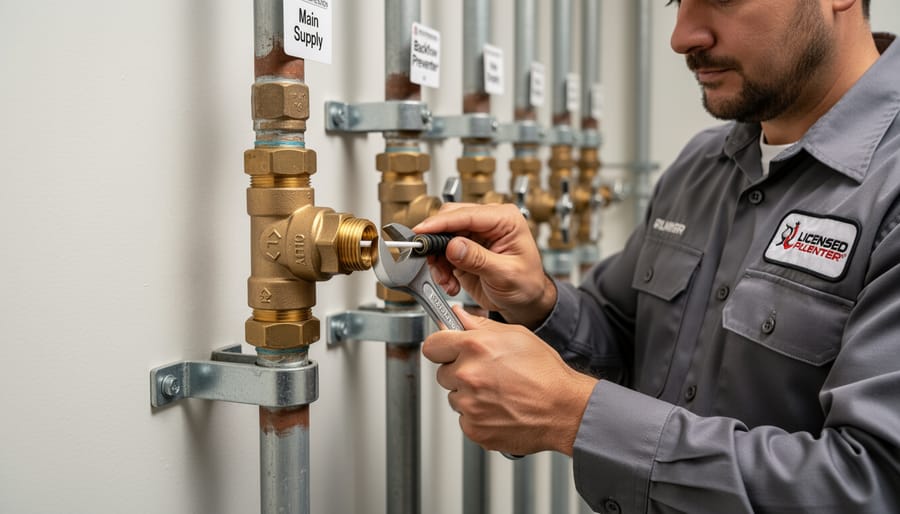
Essential Maintenance to Keep Your Device Working
Good news – backflow preventers are built to last, but they do need regular attention to keep protecting your water supply and your garden investment. Think of maintenance as a form of sustainable gardening; caring for what you already have is always better than replacing equipment prematurely.
Your seasonal maintenance checklist should include visual inspections each spring and fall. Look for leaks, corrosion, or loose fittings around the device. Test valves by turning them on and off to ensure they operate smoothly. Clear away any debris, spider webs, or vegetation growing around the unit, as these can interfere with proper function.
Winterization is crucial in cold climates. Before the first freeze, drain all water from your backflow preventer completely. Many devices have drain cocks specifically for this purpose. If your preventer doesn’t drain fully or you experience harsh winters, consider removing it entirely and storing it indoors, or insulating it with an approved insulation bag designed for backflow devices.
Watch for warning signs of device failure: reduced water pressure, visible leaks, unusually high water bills, or water flowing when the system should be off. These symptoms mean it’s time for professional attention.
Most municipalities require annual testing by a certified technician, typically in spring before irrigation season begins. This isn’t just bureaucracy – it’s essential protection. A failed test doesn’t always mean replacement; often repairs or part replacements can restore function, keeping your device working for decades rather than heading to the landfill.
Sustainable Irrigation Practices That Reduce Backflow Risks
Here’s the great news: protecting your water supply from contamination doesn’t have to come at the expense of a beautiful, healthy lawn. In fact, some of the best backflow prevention strategies overlap beautifully with sustainable irrigation practices that benefit both your garden and the environment.
Let’s start with the obvious connection. When you reduce your dependence on chemical fertilizers and pesticides, you’re automatically lowering the contamination risk should a backflow incident occur. Think about it: fewer chemicals in your irrigation system means less potential harm if something goes wrong. Transitioning to organic fertilization methods, like compost tea or slow-release natural amendments, creates a gentler treatment program that’s safer for groundwater. Your lawn still gets the nutrients it needs, but you’re working with nature rather than against it.
Modern smart irrigation controllers offer another layer of protection. These clever devices adjust watering schedules based on weather conditions, soil moisture, and plant needs. By preventing overwatering, they reduce the likelihood of creating pressure fluctuations in your irrigation lines that could contribute to backflow situations. Plus, they’re incredibly efficient at delivering just the right amount of water exactly when your lawn needs it.
Speaking of efficiency, implementing comprehensive water conservation practices does double duty. When you use drip irrigation for garden beds or adjust sprinkler heads to eliminate runoff, you’re minimizing the volume of water moving through your system. Less water pressure variability means more stable conditions and reduced stress on backflow prevention devices.
Here’s a practical tip I’ve learned: schedule your fertilizer applications separately from irrigation cycles when possible. If you’re using a fertilizer injector system, always ensure it’s downstream from your backflow preventer and never connected directly to your main water line. This simple separation creates an extra buffer of protection.
The bottom line? Sustainable irrigation isn’t just about being environmentally responsible, though that’s certainly important. It’s about creating a resilient, efficient system where safety features work in harmony with conservation goals, giving you peace of mind along with a gorgeous lawn.
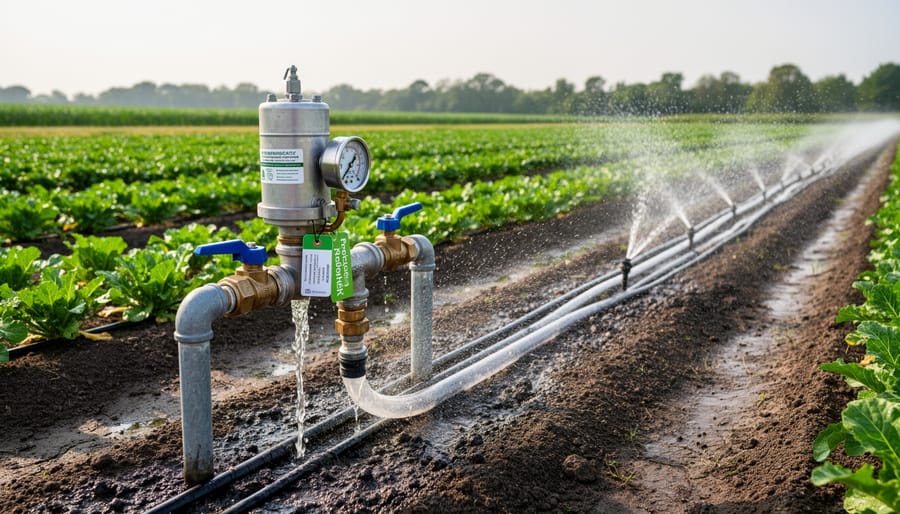
Protecting your family’s drinking water and contributing to your community’s water quality isn’t just a regulatory requirement—it’s a fundamental responsibility that every lawn care enthusiast should embrace. Backflow prevention represents one of those behind-the-scenes investments that may not make your grass greener, but it absolutely makes your water safer.
Think of backflow prevention as the safety net beneath your irrigation system. Just as you wouldn’t skip wearing gloves when handling fertilizers or ignore proper watering schedules, you shouldn’t overlook this crucial protective measure. The beauty is that once properly installed, these devices work silently in the background, requiring only minimal annual attention.
Now’s the perfect time to take action. Start by scheduling a moment to inspect their systems for existing backflow prevention devices. If you discover you’re missing one, contact a licensed plumber or irrigation specialist to discuss your options. Many homeowners find that RPZ or PVB devices suit their needs perfectly and fit within reasonable budgets.
Remember, this investment protects not just your household but also your neighbors and the broader water supply network. It’s sustainable thinking in action—preventing contamination is always better than treating it. Mark your calendar for annual testing, keep your certification records handy, and rest easy knowing you’re doing your part to maintain clean, safe water for everyone. Your lawn may be your pride, but your water safety practices demonstrate true stewardship.