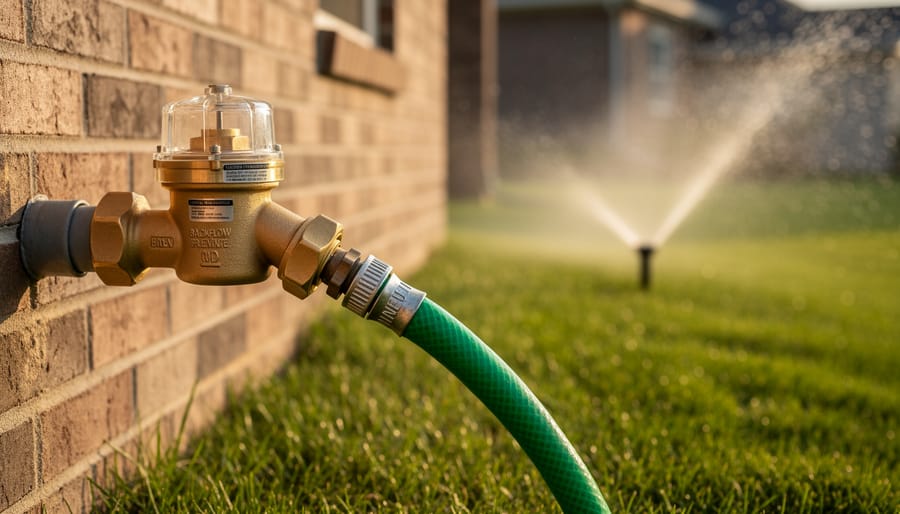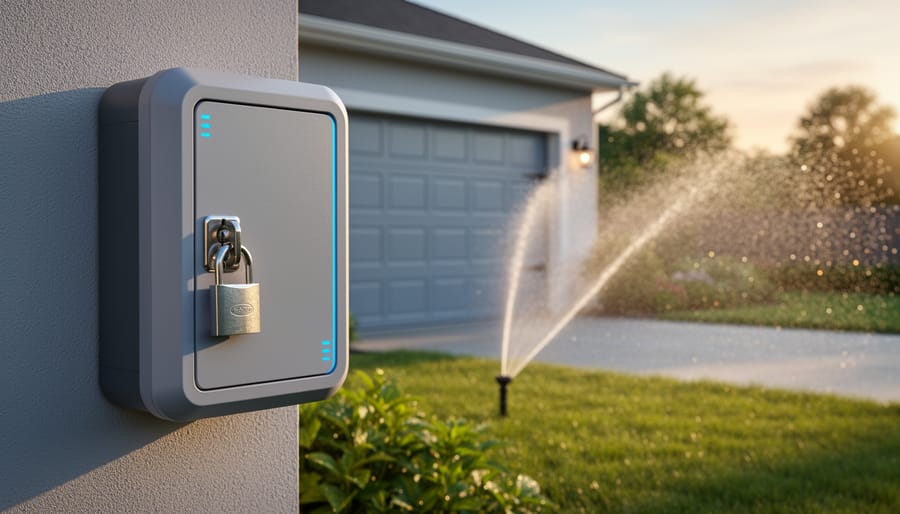
Your smart sprinkler system that waters your lawn at 6 AM could be broadcasting your Wi-Fi password to cybercriminals right now. That robotic mower efficiently trimming your grass? It might also be providing a backdoor into your home network, giving hackers access to everything from your security cameras to your banking apps.
The same convenience that lets you control your lawn from your smartphone creates vulnerabilities that bad actors actively exploit. Smart yard devices shipped 47 million units last year alone, yet most homeowners never change the default passwords or update their firmware, leaving digital doors wide open. When your irrigation controller connects to the internet, it becomes part of your home’s attack surface, and cybercriminals know it.
This isn’t about becoming a cybersecurity expert overnight. Hardening your smart lawn equipment requires the same thoughtful approach you already apply to your gardening: consistent care, preventive maintenance, and understanding what you’re working with. Just as you wouldn’t plant tomatoes without checking soil conditions, you shouldn’t connect devices without basic protections in place.
The good news? Securing your smart yard technology takes less time than aerating your lawn and provides protection that lasts. Most vulnerabilities stem from simple oversights like unchanged default settings, unsecured networks, and neglected software updates. By treating cybersecurity as another aspect of lawn maintenance, something you check seasonally alongside your mower blades and irrigation heads, you’ll protect both your investment and your privacy without sacrificing the convenience that made you choose smart devices in the first place. The steps ahead work for complete beginners and require no technical background, just the same practical mindset you bring to keeping your lawn healthy and thriving.
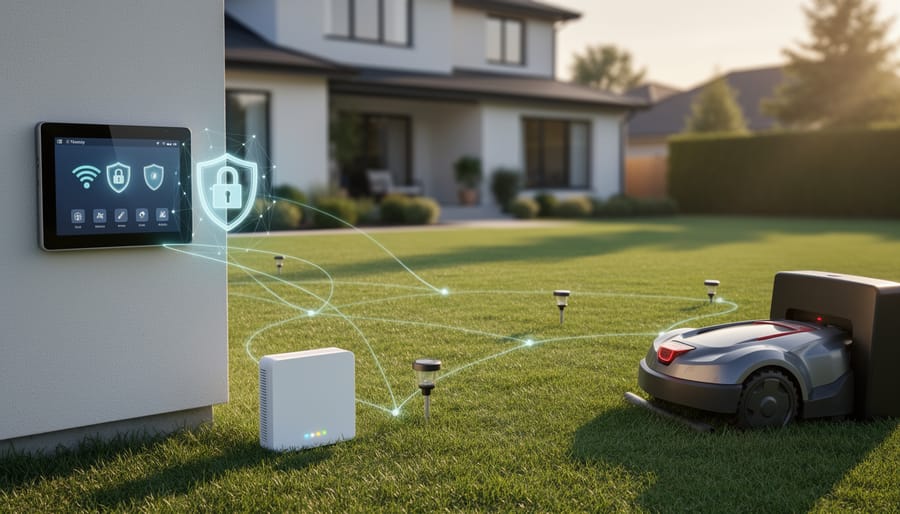
Why Your Garden Gadgets Are Bigger Targets Than You Think
What Hackers Actually Want From Your Lawn Equipment
You might wonder why anyone would want to hack your smart sprinkler system or robotic mowers. After all, what’s the big prize in controlling when your lawn gets watered? The truth is, hackers rarely care about your grass, but they care a lot about what your smart devices can give them access to.
First, your smart lawn equipment serves as a potential doorway into your entire home network. Once inside through a poorly secured sprinkler controller, hackers can potentially access more valuable targets like your computers, smartphones, and security cameras. Think of it like leaving your garden gate unlocked, which then gives access to your back door.
Second, cybercriminals often recruit internet-connected devices into what’s called a botnet. This is essentially an army of compromised devices used to attack other systems, send spam, or mine cryptocurrency. Your innocent irrigation timer could be working overtime for someone else’s profit, driving up your electricity bill in the process.
Third, some hackers simply enjoy the chaos. Imagine waking up to find your sprinklers running at full blast during a rainstorm, or your robotic mower doing midnight laps across your lawn. While mischievous rather than malicious, these pranks can waste water, damage your lawn through overwatering, and undermine the sustainable gardening practices you’ve worked hard to establish. Understanding these motivations helps you see why protecting even seemingly insignificant devices matters for your home’s overall security.
The Real Cost of a Compromised Smart Yard
Let’s talk about what could actually happen if your smart yard system gets compromised—and trust me, it’s more than just an inconvenience. Imagine waking up to find your smart sprinkler system ran all night because someone accessed it remotely. Not only are you looking at a sky-high water bill, but you’ve also waterlogged your lawn, potentially drowning your grass roots and undoing months of careful lawn care. From a sustainability perspective, that’s a huge waste of our precious water resources.
Your smart cameras pose different risks. If someone hacks into these devices, they’re not just watching your petunias—they can observe your family’s daily patterns, knowing when you’re home or away. Even more concerning, many smart yard devices connect to your home’s Wi-Fi network. A vulnerable sprinkler controller or weather station can become a backdoor for cybercriminals to access your entire home network, including personal computers, smart locks, and security systems.
Incorrect watering schedules triggered by compromised systems can stress your lawn during critical growth periods or encourage disease in humid conditions. These aren’t hypothetical scenarios—they’re real vulnerabilities that deserve attention alongside your regular lawn maintenance routine.
The Foundation: Before You Buy Any Smart Device
Questions to Ask Before Adding Connected Devices to Your Lawn
Before you bring home that shiny new smart sprinkler system or robotic mower, it’s worth doing a bit of homework. Think of it like choosing plants for your garden—you wouldn’t just grab something without checking if it suits your climate and soil, right? The same thoughtful approach applies to connected lawn devices.
Start by researching the manufacturer’s reputation. Look for companies with a proven track record in both lawn care technology and data security. Check online reviews, but pay special attention to what users say about customer support and whether the company responds to security concerns. A manufacturer that’s been around for a while and actively engages with its community is usually a safer bet than a fly-by-night operation.
Next, investigate how frequently the company releases software updates. This is crucial—devices that receive regular updates are far better protected against emerging threats. Visit the manufacturer’s website or contact their support team to ask about their update schedule and how long they commit to supporting each product. A company that promises five years of security updates shows they’re in it for the long haul.
Don’t skip reading the privacy policy, even though it might feel tedious. Look for clear information about what data the device collects, where it’s stored, and whether it’s shared with third parties. Companies committed to transparency make this information easy to find and understand.
Finally, examine the security features built into the device itself. Does it support strong password requirements? Can you enable two-factor authentication? Does it work without requiring constant internet connectivity? These features aren’t just nice extras—they’re your first line of defense in protecting your smart lawn ecosystem and your home network.
Security-First Product Recommendations
When shopping for smart yard devices, think of security features as essential as water resistance or battery life. For smart irrigation controllers and weather sensors, prioritize products offering automatic firmware updates, which patch security vulnerabilities just like you’d maintain your garden’s health. Look for devices supporting WPA3 encryption for your WiFi connection, the latest standard that keeps hackers from eavesdropping on your network.
Robotic mowers deserve extra scrutiny since they’re high-value targets. Choose models with PIN code protection, theft tracking via GPS, and established manufacturer support. Read reviews specifically mentioning security updates, as companies committed to long-term security will regularly release patches.
Across all categories, favor brands with transparent privacy policies that explain what data they collect and why. Products requiring cloud connectivity should use encrypted connections, indicated by HTTPS in their web interfaces. Check if the manufacturer offers two-factor authentication for their apps. Remember, the most feature-rich device isn’t the best choice if it leaves your home network vulnerable. A slightly simpler model from a security-conscious manufacturer protects both your lawn investment and your family’s privacy.
Essential Hardening Steps Anyone Can Take
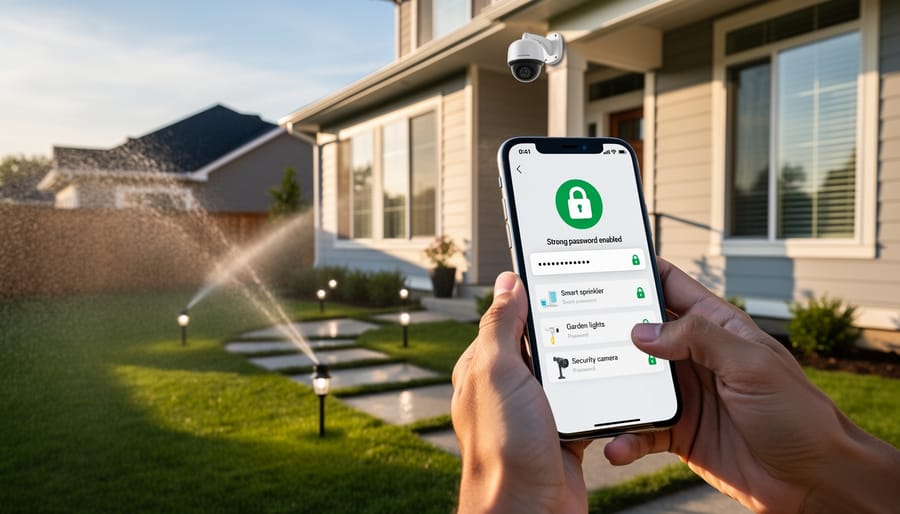
Step 1: Change Those Default Passwords (Yes, Really)
I know, I know – you’ve heard this advice a million times. But here’s the thing: most smart sprinkler controllers and robotic mowers ship with passwords like “admin” or “1234,” and honestly? Most of us never change them. I get it – you’re excited to get your new irrigation system running, not fussing with security settings.
Here’s why it matters for your yard: Hackers can easily find default passwords online, and once they’re in, they could run your sprinklers nonstop (hello, water waste and dead plants from overwatering), or shut them off entirely during a heatwave. Not exactly sustainable or budget-friendly.
Creating strong passwords doesn’t have to be complicated. Try combining something meaningful to you with numbers and symbols – like “GreenThumb2024!” or “MyLawn$BestLawn.” For each device, make it slightly different. Your robotic mower could be “MowMaster2024!” while your smart controller gets “WaterWise2024!”
A simple trick: Keep a small notebook in your gardening shed with your device passwords. It’s low-tech but effective, and honestly safer than using the same weak password everywhere. Just don’t label it “PASSWORDS” – maybe call it your “Garden Equipment Guide” instead. The goal is protecting your investment while keeping things practical and manageable.
Step 2: Update Your Devices Like Your Garden Needs Water
Just like your lawn needs regular watering to stay healthy and vibrant, your smart yard devices need consistent firmware updates to maintain their security and performance. Think of firmware updates as essential nutrients that protect your devices from pests, in this case, digital ones like hackers and malware.
Most of us wouldn’t dream of neglecting our spring fertilization or fall aeration, yet we often overlook updating the software that powers our smart sprinkler systems, robotic mowers, and outdoor security cameras. Here’s the good news: checking for updates is easier than you might think, and making it a seasonal habit takes just minutes.
Start by creating a simple schedule tied to your existing lawn care routine. When you winterize your irrigation system or prepare your mower for summer, add device updates to that checklist. Most smart yard devices have companion apps on your phone where you can check for updates with just a few taps. Open each app, navigate to settings, and look for sections labeled “firmware,” “software update,” or “device update.”
For devices without apps, visit the manufacturer’s website and search for your model number. They’ll typically provide clear instructions for updating. Many newer devices offer automatic updates, which is like having a self-watering system for your garden. Enable this feature whenever possible, but still check quarterly to ensure everything’s current.
Set a recurring reminder on your phone for the first day of each season. This sustainable approach to device maintenance protects your investment while keeping your smart yard ecosystem running smoothly and securely.
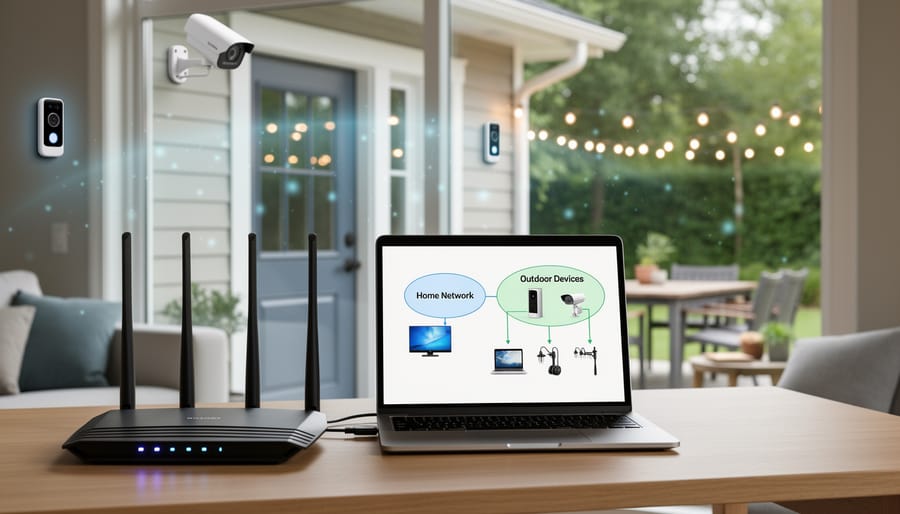
Step 3: Create a Separate Network for Your Yard Tech
Think of your home network like your garden fence. You wouldn’t give every delivery person or service worker a key to your front door, would you? The same principle applies to your smart yard devices. When your robotic mower, smart sprinkler controller, or weather station connects to your main home network, they potentially have access to the same digital space as your personal computers, phones, and sensitive information.
The solution is beautifully simple: create a guest network specifically for your yard tech. Most modern routers come with this feature built-in, and setting it up takes about the same time as programming your coffee maker. This separate network acts like a side gate for visitors, keeping your smart garden devices isolated from your main network where important documents and family photos live.
To set this up, log into your router’s settings (usually through a web browser or smartphone app). Look for the guest network or IoT network option. Name it something memorable like “YardTech” and create a strong, unique password. Connect all your outdoor smart devices to this network instead of your primary one.
This approach not only protects your personal data but also helps prevent network connectivity issues by reducing congestion on your main network. Your streaming services won’t compete with your irrigation system for bandwidth, and if one of your outdoor devices gets compromised, the problem stays contained in the guest network, protecting everything else in your digital ecosystem.
Step 4: Turn Off Features You Don’t Actually Use
Just like pruning back overgrown shrubs helps your garden thrive, trimming unnecessary features from your smart lawn devices makes them more secure and sustainable. Think of it this way: every feature you’re not using is simply another potential entry point for trouble.
Start by disabling remote access if you don’t actually need to control your robotic mower from across town. Most of us really only adjust settings when we’re home anyway. Turn off voice assistants or always-on microphones in devices where you don’t use them. That smart sprinkler controller doesn’t need to listen to you 24/7.
Check your device sharing settings too. If you set up guest access for a neighbor last summer and they’ve since moved, remove it. Review location tracking features and disable them unless they serve a genuine purpose for your lawn care routine.
Here’s the sustainability bonus: simpler devices use less power, create fewer software conflicts, and tend to last longer. By stripping away the digital clutter, you’re essentially composting the unnecessary bits, leaving behind a leaner, healthier system. Your devices will run more efficiently, use less energy, and you’ll extend their useful life, keeping more electronic waste out of landfills while protecting your privacy.
Step 5: Monitor Your Devices Like You Monitor Your Lawn
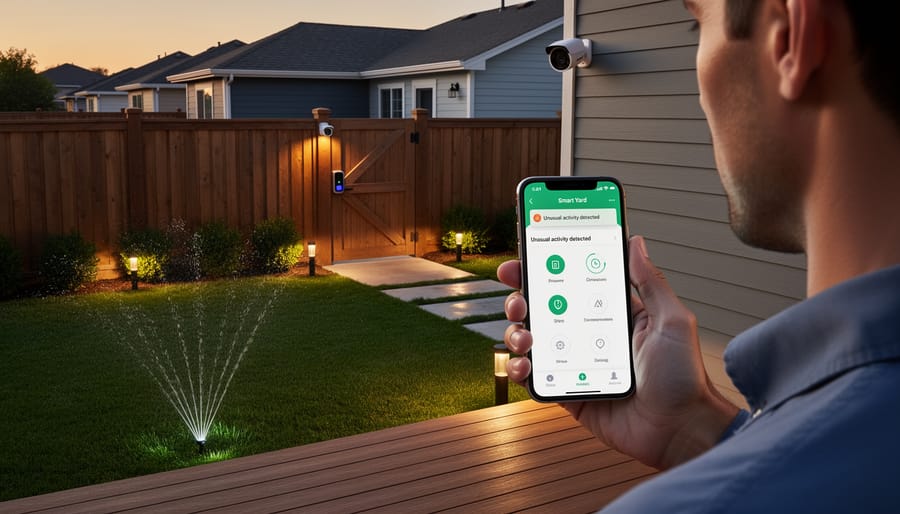
Just as you walk your lawn weekly to spot brown patches, weeds, or pest damage before they spread, your smart devices need regular check-ins too. Most smart lawn equipment has companion apps that show device activity logs—think of these as your device’s health report card. Set a reminder to review them monthly, just like you’d check your mower’s oil level. Look for unusual login attempts, devices connecting at odd hours, or settings that changed without your input. If your smart sprinkler suddenly activates at 3 AM when you programmed it for dawn, that’s your cue to investigate. Many devices also send alerts when firmware updates are available or when suspicious activity occurs—don’t ignore these notifications. Maintaining smart yard safety means staying observant and trusting your instincts when something feels off, exactly as you would when noticing your grass looks stressed despite regular watering.
Advanced Protection for the Tech-Savvy Gardener
Setting Up a Smart Home Firewall
If you’ve invested heavily in smart yard technology—maybe you have several smart sprinklers, smart outdoor lighting, robotic mowers, and soil sensors all connected to your network—you might want to consider a dedicated IoT firewall. Think of this as creating a separate, secure zone for all your gardening gadgets.
This is absolutely optional, and honestly, most gardeners with just a couple of smart devices won’t need this level of protection. However, if you’re running what’s essentially a high-tech smart garden operation, a dedicated IoT security solution can monitor all your devices simultaneously, alert you to suspicious activity, and prevent compromised gadgets from affecting your main home network.
Several user-friendly options exist that don’t require you to become an IT expert. These plug-and-play security devices sit between your router and smart yard equipment, working quietly in the background while you focus on what matters—growing a beautiful, sustainable garden.
Using VPNs for Remote Access Done Right
Sometimes you’ll want to check on your smart sprinkler system while you’re away on vacation, or adjust your robotic mower’s schedule from the office. Many of us rely on the manufacturer’s cloud service for this convenience, but here’s the thing: you’re trusting a third party with access to your devices and data. A more secure approach is setting up your own VPN, or Virtual Private Network.
Think of a VPN as a private tunnel between your phone and your home network. When you connect through it, you’re essentially sitting on your own couch, accessing your devices directly without sending data through someone else’s servers. This keeps control in your hands and reduces the risk of manufacturer security breaches affecting your yard equipment.
Setting up a VPN might sound intimidating, but modern router-based VPN solutions have become quite user-friendly. Many newer routers include built-in VPN servers that you can activate with just a few clicks. Once configured, you simply install a VPN app on your phone, connect when you’re away from home, and access your smart yard devices as if you were standing in your garden. This approach gives you the remote access convenience you want while maintaining the security your investment deserves.
Creating Your Smart Yard Security Maintenance Schedule
Just like you wouldn’t skip your spring fertilizing or fall aeration, protecting your smart yard devices works best when it becomes part of your regular routine. The good news? You can sync your cybersecurity tasks with the seasonal lawn care calendar you’re already following.
During your spring startup, as you’re checking irrigation systems and preparing beds, take thirty minutes to review your smart device passwords. Update any that haven’t changed in the past year, and verify that firmware updates are set to automatic. Think of it as spring cleaning for your digital garden tools. This is also the perfect time to check which devices are connected to your network and remove any you’re no longer using.
Your summer routine should include a monthly quick-check, ideally done while you’re reviewing your watering schedule or monitoring lawn health. Spend just ten minutes confirming that security updates have installed properly and scanning for any unusual activity in your device apps. Look for odd usage patterns, like your smart sprinkler running at unexpected times, which could signal unauthorized access.
Come fall, as you’re winterizing equipment and doing end-of-season maintenance, conduct a thorough security audit. Review user permissions, especially if you’ve had landscaping help during the busy season. Check your router settings and ensure guest networks are still properly configured. This deeper dive mirrors the comprehensive care you give your lawn before winter dormancy.
Winter offers the perfect opportunity for education. While your yard rests, spend some time learning about new security features or reading up on emerging threats. This seasonal approach makes cybersecurity feel less overwhelming and more like the natural, responsible stewardship you already practice in your sustainable gardening journey.
Just as you’ve learned to protect your garden from pests, weeds, and disease, safeguarding your smart lawn devices is simply another aspect of responsible yard care. The good news? You don’t need to be a tech expert any more than you needed to be a botanist to grow your first tomatoes. Cybersecurity hardening, like gardening itself, is about developing good habits and taking consistent, manageable steps.
Think of it this way: you wouldn’t leave your garden tools out in the rain or your shed unlocked, right? The same common-sense approach applies to your digital garden. Start small. Maybe today you change the default password on your smart sprinkler system. Next week, you update your router’s firmware. These aren’t overwhelming tasks, they’re simple actions that build upon each other, creating layers of protection just like mulch, companion planting, and proper spacing protect your physical garden beds.
The parallel between tending your lawn and securing your smart devices is remarkably similar. Both require regular attention, seasonal adjustments, and preventive care rather than reactive fixes. Both reward you with peace of mind and healthier outcomes. And both are completely within your control.
You’ve already proven you can nurture living things and create thriving outdoor spaces. Protecting the technology that helps you do it better is just the next natural step in your journey as a modern gardener. Your lawn is worth protecting, and so is your privacy. You’ve got this.