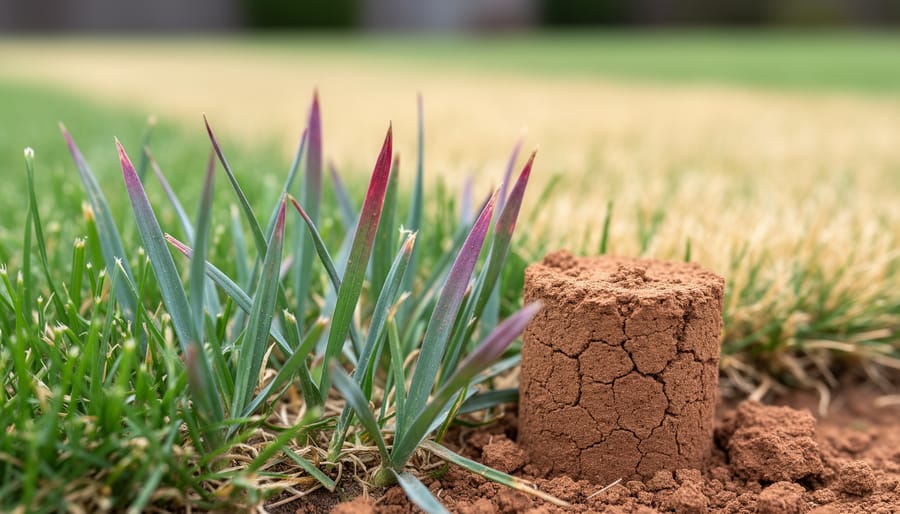
Shift your watering schedule from daily shallow sprinkles to deep, infrequent soakings three times per week during peak growing season. This fundamental change encourages grass roots to grow 6-8 inches deep instead of remaining shallow and vulnerable, creating a lawn that withstands drought and heat stress naturally.
Water between 4-6 AM when evaporation rates drop by 50% compared to midday watering. Your grass blades have time to dry before evening, preventing fungal diseases that thrive in prolonged moisture. This timing alone can cut your water consumption by a third while delivering better results than watering at less optimal hours.
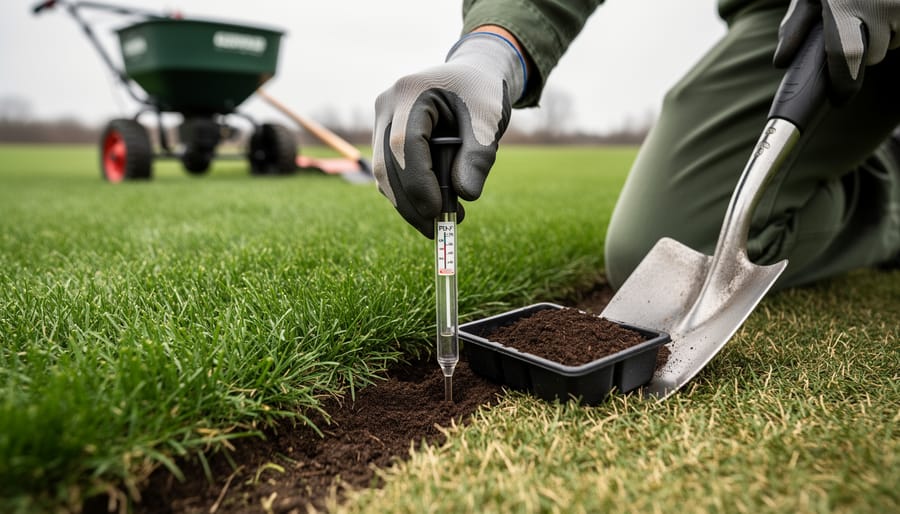
Adjust your duration based on soil type rather than following generic recommendations. Clay soils need 30-40 minutes per zone but only twice weekly, while sandy soils require 15-20 minutes three times weekly. Run a simple screwdriver test after watering—if you can’t push it 6 inches into the soil easily, you’re not watering long enough to reach deeper roots.
Track seasonal rainfall and reduce supplemental watering accordingly. Spring and fall typically require 50% less irrigation than summer months, yet most homeowners maintain identical schedules year-round. Install a rain gauge in an open area of your yard and subtract natural precipitation from your weekly 1-1.5 inch watering target. This approach respects both your lawn’s actual needs and environmental responsibility, aligning sustainable practices with practical lawn care that saves money and conserves water while maintaining that lush, healthy appearance you’re working toward.
Why Your Current Watering Schedule Is Probably Wrong
If you’re like most homeowners, you probably set your sprinkler timer once and assumed you were done. Maybe you followed the guidance from your sprinkler installer, copied your neighbor’s schedule, or just chose “15 minutes, three times a week” because it sounded reasonable. Here’s the thing: that set-it-and-forget-it approach is likely costing you money and harming your lawn’s health.
Generic watering schedules don’t account for your specific conditions. The watering needs in June are drastically different from September, yet many people run the same schedule year-round. Your clay soil holds moisture completely differently than your neighbor’s sandy loam, but you might both be watering for the same duration. Even within your own yard, that sunny slope near the driveway and the shaded area under your oak tree have wildly different moisture requirements.
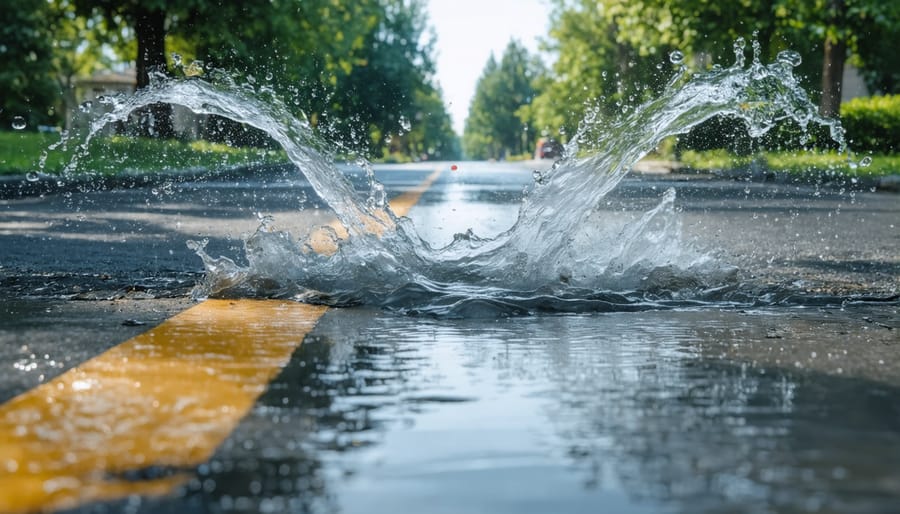
So how do you know if your current schedule needs adjusting? Your lawn is actually pretty good at sending distress signals. If you’re seeing water running off onto sidewalks or driveways before your sprinkler cycle finishes, you’re applying water faster than your soil can absorb it. This runoff wastes water and money while leaving your lawn thirsty.
Brown patches, mushrooms, or fungal diseases often indicate overwatering in certain zones. Meanwhile, weak, shallow roots that pull up easily suggest your grass is getting frequent, shallow drinks instead of the deep, infrequent watering that encourages strong root development. If you’re watering daily or your grass feels spongy underfoot, you’re probably overdoing it.
The environmental impact matters too. Overwatering doesn’t just waste a precious resource; it can leach fertilizers into groundwater and storm drains. By tailoring your schedule to actual conditions rather than arbitrary timers, you’ll create a healthier, more resilient lawn while being a better steward of your local ecosystem. The good news? Adjusting your approach is simpler than you might think.
The Foundation: Understanding Your Lawn’s Real Water Needs
Grass Type Matters More Than You Think
Understanding your grass type is the foundation of any effective watering schedule. Cool-season grasses like Kentucky bluegrass, fescue, and ryegrass thrive in northern climates and grow most actively during spring and fall when temperatures range between 60-75°F. These varieties need about 1-1.5 inches of water weekly during their peak growing seasons but require less during summer dormancy.
Warm-season grasses such as Bermuda, zoysia, and St. Augustine flourish in southern regions, hitting their stride when temperatures climb above 80°F. They’re more drought-tolerant once established and typically need deeper but less frequent watering. Proper warm-season grass care means adjusting your schedule to match their summer growth peak.
Not sure which type you have? Check your location and observe growth patterns. Cool-season grasses green up early in spring and may brown in summer heat, while warm-season varieties stay dormant until late spring and love the heat. This simple identification transforms your watering approach from guesswork into precision care.
Soil Type and Drainage Reality Check
Your soil type is arguably the biggest factor influencing how often you need to water, yet it’s something many new lawn owners overlook. Here’s the simple truth: clay soil holds water like a sponge and drains slowly, sandy soil lets water slip through like a sieve, and loamy soil (the gardener’s dream) strikes a perfect balance between the two.
Want to identify your soil type at home? Try the squeeze test. Grab a handful of moist soil and give it a firm squeeze. If it forms a tight ball that doesn’t break apart easily, you’ve got clay. If it won’t hold together at all and crumbles immediately, that’s sandy soil. A ball that holds shape but breaks apart with gentle pressure indicates loam.
Clay soils need less frequent watering but require longer sessions to penetrate deeply, while sandy soils demand more frequent, shorter watering sessions since they drain so quickly. This directly impacts your watering schedule—clay lawn owners might water twice weekly, while sandy soil gardeners may need four sessions. Understanding your soil helps you conserve water while keeping your lawn healthy and thriving.
The One-Inch-Per-Week Rule (And When to Ignore It)
You’ve probably heard the classic “one inch per week” guideline, and honestly, it’s a solid starting point for most established lawns. This recommendation comes from decades of agricultural research showing that healthy turf typically needs about this amount to thrive during the growing season. Think of it as your baseline – a comfortable middle ground that prevents both drought stress and overwatering.
Here’s the thing though: your new lawn isn’t established yet, and that changes everything. Those tender young seedlings or fresh sod pieces need more frequent watering with less volume per session. Instead of one deep weekly soak, you’re looking at lighter, more frequent applications to keep that top inch of soil consistently moist during germination and establishment.
Even for mature lawns, the one-inch rule needs adjustments. Sandy soils drain faster and may require more frequent sessions, while clay soils hold moisture longer. During scorching summer heat, you might need an extra half-inch, whereas cooler spring and fall conditions often require less. Pay attention to your lawn’s signals – if grass blades fold or turn bluish-gray, it’s thirsty regardless of what the calendar says. The rule is your guide, not your boss.

Creating Your Seasonal Watering Calendar
Spring: The Recovery Season
As your lawn begins recovering from winter dormancy, you’ll notice those first green shoots pushing through—an exciting sign that it’s time to adjust your watering routine. But here’s the thing: spring can be tricky because Mother Nature tends to do a lot of the heavy lifting for you with regular rainfall.
Start by checking soil moisture before turning on your sprinklers. Stick a screwdriver or soil probe about 6 inches down—if it goes in easily and comes out damp, hold off on watering. During early spring, your lawn typically needs only about 1 inch of water per week, including rainfall. I recommend watering once or twice weekly for 20-30 minutes per zone, depending on precipitation.
The biggest mistake I see homeowners make in spring is overwatering when natural rainfall is abundant. This can lead to shallow root development and fungal problems, setting your lawn up for struggles later in summer. Monitor weather forecasts and adjust accordingly—if rain is coming, skip that scheduled watering session.
As temperatures rise and growth accelerates, especially when you’re starting your spring lawn fertilization, gradually increase frequency to prepare your lawn for warmer months ahead.
Summer: When Your Lawn Gets Thirsty
Summer transforms your lawn into a thirsty companion that needs your attention more than ever. During these hot months, your new lawn requires deeper, less frequent watering—typically 1 to 1.5 inches per week, delivered in 2-3 sessions. This approach encourages roots to grow deeper, making your grass more resilient.
Timing is everything when temperatures soar. Water between 4 AM and 10 AM, when evaporation rates are lowest and your grass has time to dry before nightfall. This schedule maximizes water absorption while preventing fungal diseases. If morning watering isn’t possible, early evening works, but avoid watering after 7 PM.
Watch for heat stress signals: grass that stays flattened after you walk on it, or blades that curl inward. When heat waves strike, you might need to add an extra half-inch of water weekly, but resist the urge to overwater. Implementing smart summer heat strategies means adjusting gradually rather than drowning your lawn.
During drought conditions, consider these water-wise tactics: let grass grow slightly taller (3-4 inches) to shade roots, use mulching mowers to retain moisture, and don’t worry if your lawn goes slightly dormant—it’s a natural survival mechanism. Remember, a lawn that’s trained to be water-efficient now will reward you with healthier growth and lower water bills for years to come.
Fall: Preparing for Dormancy
As temperatures drop and your grass naturally begins to slow its growth, it’s time to ease up on watering while helping your lawn build resilience for winter. Think of fall as your lawn’s prep season—this isn’t about abandoning your grass, but rather supporting its transition into dormancy.
Start reducing watering frequency gradually in early fall, cutting back by about 25-30% compared to your summer schedule. Your grass still needs moisture to develop strong, deep roots that will carry it through winter, making this period crucial for long-term lawn health. A well-prepared lawn in fall means a healthier, more vibrant lawn come spring. This approach aligns perfectly with comprehensive autumn lawn treatment strategies.
In temperate climates, you can typically stop regular watering once nighttime temperatures consistently drop below 50°F and rainfall becomes more frequent. However, warmer southern regions may need occasional watering throughout winter during dry spells. Watch your grass—if it doesn’t spring back when walked on, it needs water.
Before your final watering of the season, give your lawn one deep soaking to help roots store moisture and nutrients. This sustainable approach conserves water while ensuring your grass enters dormancy strong and ready to bounce back beautifully when spring arrives.
Winter: The Dormant Season Strategy
Winter typically gives your lawn—and your water bill—a well-deserved break. As grass enters dormancy, its water needs drop dramatically. In most cold-climate regions, you can essentially pause your watering routine entirely once temperatures consistently dip below 40°F. Natural precipitation usually provides sufficient moisture, and frozen ground can’t absorb water anyway.
However, warm-climate gardeners face a different scenario. If you’re growing warm-season grasses in southern regions, you might need occasional deep watering during extended dry spells—perhaps once every three to four weeks. Cool-season lawns in mild winter areas may require light watering every two to three weeks if rainfall is scarce.
The key is monitoring soil moisture rather than adhering to rigid schedules. Check your lawn periodically by pressing a screwdriver into the soil; if it penetrates easily to about six inches, moisture levels are adequate. Watch for signs of winter desiccation, especially during windy conditions or unseasonably warm stretches. Established lawns are remarkably resilient during dormancy, but prolonged drought stress can damage root systems. This sustainable approach conserves water while protecting your lawn’s foundation for spring regrowth.
Smart Watering Techniques That Save Water and Money
Deep and Infrequent: The Golden Rule
Here’s the truth that transforms lawns: your grass doesn’t need water every day. In fact, frequent shallow watering is one of the worst things you can do for your turf. When you water lightly and often, roots have no reason to venture deep into the soil. They stay near the surface, making your lawn vulnerable to heat stress, drought, and disease.
Deep, infrequent watering does the opposite. When you apply water slowly and thoroughly, it penetrates 6-8 inches into the soil. Your grass roots follow that moisture downward, developing a robust root system that can access water reserves and nutrients other lawns miss. These deeper roots create a lawn that’s genuinely resilient, not just cosmetically green.
Here’s how to implement this golden rule: water your lawn 1-2 times per week instead of daily, applying about 1-1.5 inches of water per session. Run your sprinklers long enough for the water to soak deep rather than just wetting the surface. A simple tuna can test works perfectly—place empty cans around your yard and run sprinklers until they collect an inch of water. This tells you exactly how long to water.
Between sessions, let the soil dry out slightly. This encourages roots to grow deeper searching for moisture, building that strength you’re after.
Tools That Make Scheduling Easier
The good news is you don’t need to hover over your lawn with a watering can to maintain a perfect schedule. Several tools can take the guesswork out of irrigation while supporting your water conservation goals.
Rain sensors are wonderfully simple devices that attach to your existing irrigation system and automatically pause watering when precipitation is detected. They’re affordable, easy to install, and can reduce water waste by 30% or more during rainy periods.
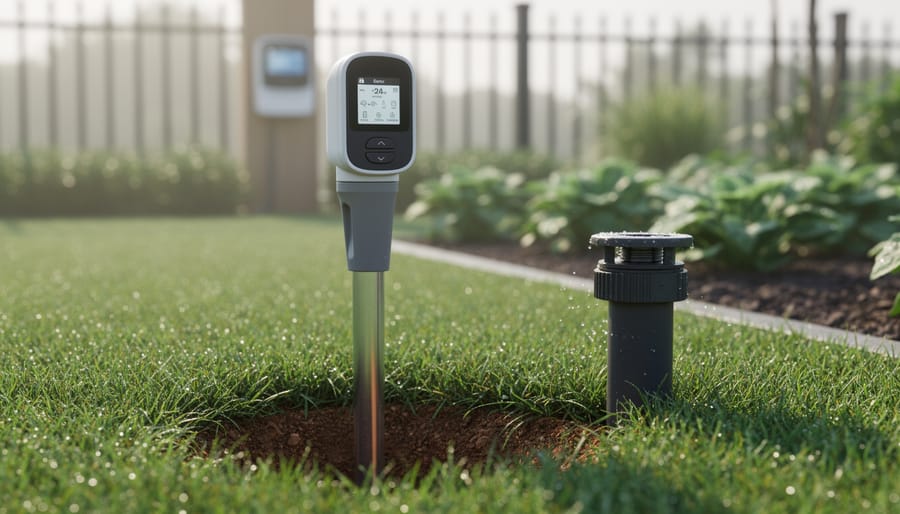
Smart controllers take automation further by adjusting schedules based on real-time weather data, soil conditions, and seasonal changes. These Wi-Fi-enabled devices connect to weather stations and can significantly reduce water usage while keeping your lawn healthier. Many offer rebates through local water utilities, making them more accessible.
For hands-on gardeners, soil moisture meters provide instant feedback about when watering is actually needed. These inexpensive tools eliminate the confusion of whether your lawn needs water or if yesterday’s rain was sufficient.
Even basic programmable timers offer value by ensuring consistent watering at optimal times, typically early morning. They prevent the all-too-common scenario of forgetting to water or over-watering out of habit.
Choose the technology level that fits your comfort and budget. Even starting with a simple rain sensor makes a meaningful difference in creating a more sustainable watering routine.
Reading Your Lawn’s Thirst Signals
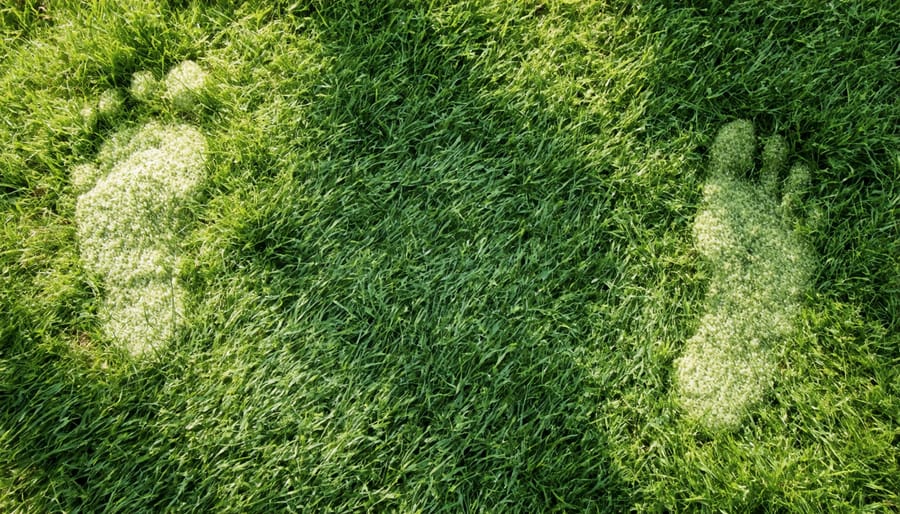
Your lawn communicates its water needs remarkably well once you know what to look for. The classic sign is the footprint test: walk across your grass, and if your footprints remain visible after several minutes, your lawn is telling you it’s thirsty. This happens because dehydrated grass blades lack the moisture needed to spring back upright.
Color changes offer another reliable indicator. Healthy, well-hydrated grass displays vibrant green hues, while water-stressed lawns take on a bluish-gray tint or dull appearance. You’ll also notice blade folding, where grass blades curl inward lengthwise to reduce their surface area and conserve moisture. This is your lawn’s survival mechanism kicking in.
The key is responding promptly when you spot these early warning signs. At this stage, a thorough watering session will quickly revive your lawn without lasting damage. Wait too long, however, and those stress signals escalate into brown patches and thinning turf that takes weeks to recover. Think of it as your lawn whispering before it has to shout—listen early, and you’ll maintain a healthier, more resilient lawn while using water more efficiently.
Common Watering Schedule Mistakes (And How to Fix Them)
We’ve all been there—standing in the yard, hose in hand, wondering if we’re helping or hurting our new lawn. The good news? Most watering mistakes are easy to fix once you know what to look for.
One of the most common slip-ups is the “set it and forget it” approach with sprinkler timers. Life gets busy, and it’s tempting to program your system once and move on. But here’s the thing: your lawn’s needs change dramatically throughout the year. What worked perfectly in June will leave your grass struggling in September. The fix is simple—mark your calendar to review and adjust your watering schedule at the start of each season. Just a five-minute check can prevent weeks of lawn stress.
Another frequent mistake is watering too frequently with shallow sessions. Many homeowners think daily light sprinkling keeps grass happy, but this actually encourages shallow root growth, making your lawn vulnerable to drought and disease. Instead, water deeply but less often—aim for about an inch of water per session, which typically means running sprinklers for 30-45 minutes. Your grass will develop those strong, deep roots that create a truly resilient lawn.
The “water whenever it’s convenient” habit is also surprisingly common. Evening watering might fit your schedule better, but it leaves grass blades wet overnight, creating perfect conditions for fungal diseases. Morning watering, ideally between 4 and 10 AM, allows foliage to dry during the day while minimizing water loss to evaporation.
Finally, many folks ignore their lawn’s feedback signals. If you’re noticing persistent brown patches, mushrooms, or a squishy feeling underfoot, your lawn is communicating that something’s off. Don’t ignore these signs—they’re your earliest warning system. Adjust your schedule based on what you observe, not just what the calendar says. Your lawn knows what it needs better than any generic guideline ever could.
Creating the perfect watering schedule for your lawn isn’t about finding one magic formula and sticking to it forever. It’s about developing a responsive approach that adapts to your lawn’s changing needs throughout the seasons and different weather patterns. The beauty of this dynamic strategy is that it respects both your lawn’s health and our precious water resources.
If you’re feeling overwhelmed, remember that you don’t need to overhaul everything at once. Start with small adjustments based on what you’ve learned about your specific grass type and local climate. Maybe that means watering one less day per week during cooler months, or simply paying closer attention to how your lawn responds after each watering session. Watch for signs like soil moisture levels, grass color, and overall resilience. These observations will teach you more than any rigid schedule ever could.
Lawn care is genuinely a learning process, and every yard tells its own story. Some trial and error is not just normal, it’s expected. By embracing sustainable practices like deep, infrequent watering and adjusting for seasonal changes, you’re not only cultivating a healthier, more resilient lawn, you’re also doing your part for the environment. Trust yourself, stay observant, and enjoy the journey toward a thriving, water-wise lawn.