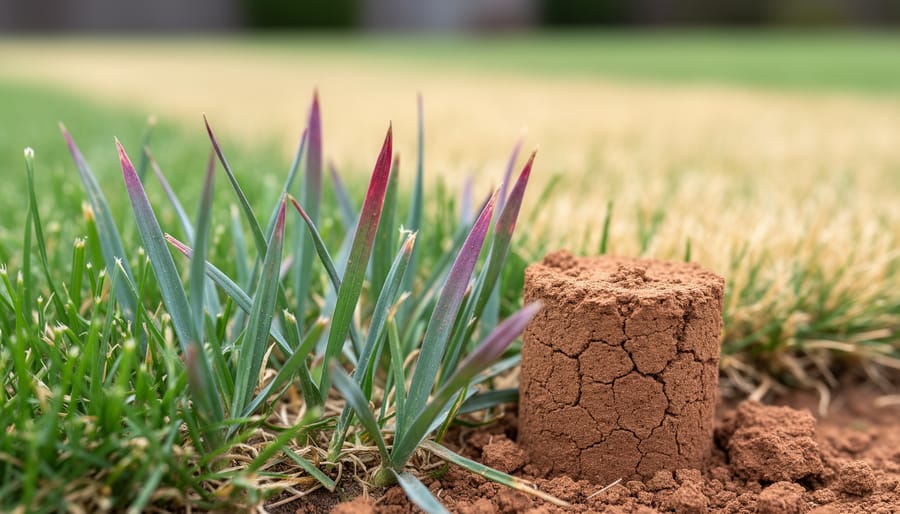
Sharp mower blades make the difference between a healthy, vibrant lawn and one that looks ragged and brown at the tips. When your zero turn mower starts tearing grass instead of slicing it cleanly, you’re not just dealing with an aesthetic problem—you’re opening your lawn up to disease, stress, and unnecessary water loss. Dull blades create jagged wounds that turn grass tips brown within 24 hours, giving your entire yard that unhealthy, straw-colored appearance no amount of watering can fix.
The good news? Sharpening zero turn mower blades is simpler than most people think, and you don’t need expensive professional services to get professional-quality results. Whether you’re seeing torn grass, noticing your mower takes longer to cut the same area, or simply can’t remember the last time you sharpened your blades, this guide walks you through every step of the process with confidence.
You’ll learn exactly when your blades need attention (usually every 20-25 hours of mowing), how to safely remove them from your zero turn’s deck, the most effective sharpening techniques for different blade types, and the often-overlooked step of balancing that prevents dangerous vibration and premature spindle wear. This isn’t just about maintaining equipment—it’s about practicing sustainable lawn care that keeps your grass healthy, reduces the need for chemical interventions, and extends your mower’s lifespan. Let’s get those blades sharp and your lawn looking its absolute best.
Why Sharp Blades Matter More on Zero Turn Mowers
If you’ve made the leap to a zero turn mower, you already know the incredible efficiency these machines bring to lawn care. But here’s something many riders don’t realize: those sharp maneuvers and higher blade tip speeds that make zero turns so effective also place unique demands on your mower blades.
Zero turn mowers typically operate with blade tip speeds exceeding 18,000 feet per minute. That’s considerably faster than standard riding mowers, and it means your blades need to be exceptionally sharp to deliver a clean cut. When blades lose their edge, they stop slicing through grass cleanly and start tearing it instead. Think of it like cutting paper with dull scissors versus sharp ones. The ragged edges left behind aren’t just cosmetic issues.
Those torn grass tips turn brown within 24 to 48 hours, giving your entire lawn a grayish-brown cast that no amount of watering will fix. Worse yet, each tear creates an open wound that invites disease. Fungal infections and bacterial problems find easy entry points through damaged blade tips, potentially turning a simple maintenance oversight into a serious lawn health crisis.
Here’s where sustainability enters the picture: stressed grass with torn blades loses significantly more water through those ragged edges. Your lawn essentially bleeds moisture, requiring up to 30 percent more irrigation to maintain the same appearance as cleanly cut grass. That’s not just wasteful; it’s expensive and environmentally irresponsible.
Damaged grass also requires more fertilizer and potentially more pest control measures since weakened plants become prime targets for insects and disease. When you maintain sharp blades, you’re not just creating a prettier lawn. You’re reducing your need for precise lawn treatments, cutting water consumption, and building a naturally resilient turf that thrives with fewer inputs.
The good news? Regular blade sharpening is one of the simplest, most cost-effective ways to transform your lawn’s health while reducing your environmental footprint.
When to Sharpen Your Zero Turn Blades
Visual Signs Your Blades Are Dull
Before you grab your tools, let’s talk about what you’re looking for when you inspect those blades. Think of it like checking your kitchen knives—you can tell when they’re not cutting properly, and the same goes for mower blades.
First things first: safety matters. Always disconnect the spark plug wire before getting under your zero turn mower. I like to tip my mower on its side (with the air filter facing up to prevent oil leaks) or use a jack to safely access the blades. Wearing heavy work gloves is essential since even dull blades can still cut you.
Now, what should catch your eye? Look for nicked or chipped edges along the cutting surface. These little battle scars happen when your blades meet rocks, sticks, or other debris hiding in your lawn. Next, run your gloved finger carefully along the edge. A sharp blade has a distinct edge you can feel, while a dull blade feels rounded and blunt—almost like a butter knife.
Check for bent sections or significant gouges. Sometimes blades take a serious hit that creates visible warping or deep damage. These aren’t just dull; they’re compromised and need replacement rather than sharpening.
Another telltale sign is a shiny, smooth appearance on the cutting edge. Fresh, sharp blades have a clean, defined bevel. When they’re worn down, that edge becomes polished and rounded from repeated contact with grass and soil.
Regular inspections—I recommend monthly during mowing season—help you catch these issues early, keeping your lawn healthier and making sharpening easier when the time comes.

Performance Clues From Your Lawn
Your lawn is actually quite chatty when it comes to telling you about your mower blade condition—you just need to know what to listen for. The most obvious sign of dull blades is ragged, brown-tipped grass that looks like it’s been torn rather than cleanly cut. If you run your hand along the grass tips and they feel frayed or notice the lawn turning brownish a day or two after mowing, your blades are likely crying out for attention.
Uneven cutting patterns are another telltale symptom. You might notice streaky strips where some grass stands taller than others, even though you’ve made multiple passes. This happens because dull blades can’t maintain consistent cutting pressure across the entire width of your mower deck.
Have you been noticing more clumps of clippings left behind lately? Dull blades don’t just cut poorly—they also struggle to generate the airflow needed to disperse clippings evenly. This creates those unsightly piles that can smother your grass and create dead patches if left too long.
Finally, if mowing seems to take longer than usual or your mower sounds like it’s working harder, those are warning signs too. Sharp blades slice through grass efficiently, while dull ones require more engine power and multiple passes to achieve decent results. From both a sustainability and practical standpoint, addressing blade sharpness quickly protects your lawn’s health while reducing fuel consumption and equipment wear.
Gathering Your Sharpening Tools and Safety Gear
Before you start working on those blades, let’s make sure you’ve got everything you need within arm’s reach. Trust me, there’s nothing more frustrating than getting halfway through the job only to realize you’re missing a crucial tool.
For the actual sharpening, you’ll need either a 10-inch mill bastard file (the manual option that gives you great control and never needs charging) or an angle grinder with a metal grinding wheel (faster, but requires a steadier hand). I’ve used both methods over the years, and honestly, the file is perfectly adequate for most homeowners and extends blade life just as effectively. If you go the power tool route, a bench grinder works wonderfully too.
You’ll also need a socket wrench or impact wrench to remove the blade bolts. Check your mower’s manual for the correct size, though 15/16-inch is common. A sturdy blade removal tool or wooden block will keep the blade steady while you loosen those bolts, which can be surprisingly tight.
Safety gear isn’t optional here. Heavy-duty work gloves protect your hands from sharp edges (mower blades are surprisingly dangerous even when dull), and safety glasses or a face shield guard against metal fragments that fly off during grinding. If you’re using power tools, ear protection makes the job much more pleasant.
A blade balancer is essential for checking your work afterward. Unbalanced blades cause vibration that damages your mower and scalps your lawn unevenly, so this small investment pays off quickly.
Finally, grab some penetrating oil for stubborn bolts, a wire brush for cleaning debris off the blade, and an old towel or cardboard to work on. Some folks like wearing steel-toed boots too, which makes good sense when you’re handling heavy metal components.
Keep everything organized in a bucket or toolbox so future sharpenings become even easier. Once you’ve gathered these items, you’re ready to tackle the job with confidence.
Step-by-Step: Removing Zero Turn Mower Blades Safely
Preparing Your Mower for Blade Removal
Before you dive into sharpening, let’s make sure you’re set up safely. Trust me, taking a few extra minutes here will save you from potential mishaps and make the whole process smoother.
First things first: safety is paramount. For gas-powered zero turns, disconnect the spark plug wire and tuck it safely away from the plug itself. This prevents any accidental starts while you’re working underneath. If you’ve got an electric model, disconnect the battery completely. I can’t stress this enough – this simple step could prevent a serious injury.
Next, position your mower on a flat, stable surface. Some folks prefer tipping their mower on its side, while others use a jack or ramps to access the deck from below. Whichever method you choose, make absolutely sure the mower is secure and won’t shift while you’re working.
Here’s a pro tip that’ll make your life easier during reinstallation: before removing anything, mark each blade’s orientation with a paint pen or permanent marker. Note which side faces down and indicate the blade’s original position if your mower has multiple blades. Taking a quick photo with your phone works wonders too. This small step ensures you’ll reinstall everything correctly, maintaining your mower’s cutting efficiency and preventing unnecessary vibration.
Removing the Blades Without Damaging the Spindle
Before you start loosening those bolts, here’s a tip that’ll save you frustration: use a block of wood wedged against the blade to prevent it from spinning. This gives you the leverage you need without straining the spindle. Position the wood so the blade presses firmly against it, then use a socket wrench or breaker bar to turn the bolt counterclockwise.
If you’re dealing with stubborn, rust-seized bolts (we’ve all been there), don’t force it. Apply a penetrating oil like WD-40 or a more eco-friendly alternative and let it sit for 15-30 minutes. For really stuck hardware, try gently tapping the wrench handle with a rubber mallet to break the corrosion’s grip. Never use a cheater pipe on your wrench, as the excessive torque can damage the spindle threads or crack the housing.
The spindle itself deserves protection during this process. Avoid hitting it directly with metal tools, and never let the blade drop when it comes loose. Support the blade with one hand while you remove the last threads of the bolt. This prevents shock loads that can bend spindle shafts or damage bearings.
Keep track of all washers and spacers as you remove them, noting their order and orientation. Taking a quick photo with your phone before disassembly is a simple trick that eliminates guesswork during reassembly. Some zero turns use special curved washers or multiple spacers, and mixing up the sequence affects blade positioning and can create dangerous vibrations.

Cleaning Blades and Inspecting for Damage
Before you can properly assess whether your blades need sharpening or replacement, you’ll need to clean them thoroughly. Grab a wire brush or putty scraper and remove all the caked-on grass clippings, dirt, and debris. This buildup not only hides the blade’s true condition but also throws off balance and reduces cutting efficiency. A clean blade reveals what you’re really working with.
Once clean, inspect each blade carefully for damage. Small nicks and dull edges are perfect candidates for sharpening, but look out for deal-breakers like cracks, bent edges, or severe gouges deeper than an eighth of an inch. These compromised blades won’t hold an edge safely and need replacement. Also check for excessive thinning from previous sharpenings. If the blade’s cutting edge has worn down significantly from its original thickness, it’s time to invest in new blades rather than risk breakage mid-mow. This isn’t just about performance; it’s about safety and being a responsible steward of your equipment and lawn.
How to Sharpen Zero Turn Mower Blades Like a Pro
Choosing Your Sharpening Method
You have several good options for sharpening your zero turn mower blades, each with its own strengths depending on your comfort level and what tools you already have on hand.
Angle grinders are the speediest choice and work beautifully for regular maintenance. They’re versatile tools you might already own for other projects, making them cost-effective. The learning curve is moderate, though you’ll need a steady hand to maintain the blade’s original angle. Just remember to work in short bursts to avoid overheating the metal, which can weaken the blade.
Bench grinders offer excellent control and consistency, especially if you sharpen multiple blades throughout the season. They’re my personal favorite for achieving that factory-fresh edge. The downside? They’re stationary, so you’ll need dedicated workshop space, and the initial investment is higher if you don’t already have one.
For those who prefer a quieter, more meditative approach, metal files are wonderfully sustainable and give you maximum control. There’s no risk of overheating, and they’re incredibly affordable. The tradeoff is time and elbow grease, but many gardeners find the manual process satisfying and appreciate the minimal environmental impact.
Specialized blade sharpeners designed specifically for mower blades offer foolproof results for beginners. These guides attach to your blade and ensure you maintain the correct angle every time. They’re perfect if you’re nervous about getting it wrong, though they’re typically the most expensive option for a single-purpose tool.

Maintaining the Correct Blade Angle
Getting the blade angle right is one of those details that separates a decent sharpening job from a professional one. Most zero turn mower blades come from the factory with a 30 to 45-degree angle, and your goal is to maintain that original bevel rather than creating a new one. Think of it like following a well-worn path instead of blazing a new trail through the woods.
Why does this matter? A blade that’s too steep won’t cut efficiently and will dull faster, while one that’s too shallow creates a weak cutting edge that’s prone to damage. Either way, your lawn suffers and you’ll be sharpening more often than necessary, which isn’t exactly a sustainable use of your time or resources.
Here’s a practical way to check your angle: before you start sharpening, take a moment to feel the existing bevel with your finger. Notice how it slopes from the thick body of the blade down to the edge. When using a file or grinder, match your tool to that same slope. I like to use a permanent marker to color the existing bevel before I begin. As you sharpen, the marker wears away, showing you exactly where you’re removing metal and helping you maintain consistency across the entire cutting edge.
If you’re using an angle grinder, a simple trick is to practice your hand position on the dull blade first. Find a comfortable, repeatable stance that keeps your grinder at the correct angle naturally. This muscle memory approach helps you achieve even results across all your blades without constantly stopping to measure.
Common Sharpening Mistakes to Avoid
We’ve all been there – getting a little too enthusiastic with the grinder! Over-sharpening is one of the most common mistakes, and it’s easier to do than you might think. When you remove too much metal, you’re actually weakening the blade and shortening its lifespan. Aim for a nice sharp edge, but remember you’re creating a lawn mower blade, not a kitchen knife.
Another pitfall is creating uneven edges by holding the tool at inconsistent angles. This throws off your blade’s balance and can cause vibration issues. Take your time and maintain that original factory angle throughout your sharpening session.
Overheating the metal is a sneaky problem too. If you see the blade turning blue or feel it getting really hot, you’re going too fast. This heat can actually soften the metal and ruin its temper. Keep a bucket of water nearby for occasional cooling dips, and work in short bursts rather than one long grinding session.
The good news? These mistakes are totally fixable with a bit of practice. Focus on making light, consistent passes, and always finish by balancing your blades before reinstalling them. Your mower and lawn will thank you for the extra care.
Balancing Your Blades: The Step Everyone Skips
Why Unbalanced Blades Damage Your Mower
When you sharpen your zero turn mower blades but skip the balancing step, you’re setting yourself up for some serious problems. Even a slight imbalance creates vibration that reverberates through your entire mower deck every time those blades spin at high speed.
That constant vibration isn’t just annoying. It’s actively destroying your equipment from the inside out. Your spindle bearings take the brunt of this punishment, wearing out months or even years earlier than they should. Replacing these bearings isn’t cheap, and it’s definitely not a fun weekend project. The deck itself can also crack or warp over time from the relentless shaking, particularly around the mounting points.
You’ll notice the effects in your lawn quality too. Unbalanced blades create an uneven cut, leaving some grass taller than others and giving your lawn that frustrating striped appearance nobody wants. The vibration can also cause the blade tips to bounce slightly as they cut, resulting in ragged, torn grass that turns brown at the edges.
Here’s where sustainability comes in: blade balance matters because properly balanced blades extend your equipment’s lifespan significantly. You’re not just saving money on repairs; you’re keeping perfectly good machinery out of landfills and reducing the environmental impact of manufacturing replacement parts.

How to Balance Blades Using Simple Tools
A balanced blade is essential for a clean, even cut and preventing unnecessary wear on your mower’s spindle bearings. After sharpening, always check your blade’s balance before reinstalling it. The good news is you don’t need fancy equipment to do this properly.
The most reliable method uses a dedicated blade balancer, which you can pick up at any hardware store for under ten dollars. This cone-shaped tool allows the blade to spin freely on a central point. Simply slide your sharpened blade onto the balancer and observe which end dips downward. That’s your heavy side, and it needs attention.
Don’t have a balancer handy? No problem. The nail-in-wall method works beautifully and costs nothing. Drive a nail horizontally into a wall stud or wooden post, leaving about an inch protruding. Hang your blade on the nail through the center mounting hole. The blade should sit level if properly balanced. If one end drops, that side is heavier.
Similarly, you can balance a screwdriver horizontally in a vise and hang the blade from its handle. The principle remains the same: gravity reveals the imbalance.
Once you’ve identified the heavy side, here’s the fix. Using your file or grinder, carefully remove small amounts of metal from the heavy end’s flat surface, not the cutting edge. Work gradually, checking frequently. This process requires patience, but rushing risks over-correcting and creating a new imbalance.
Keep testing until the blade remains perfectly horizontal on your balancing tool. A properly balanced blade protects your equipment investment while delivering that professional-quality cut your lawn deserves. This simple step takes just minutes but prevents potentially costly repairs down the road, making it a cornerstone of sustainable mower maintenance.
Reinstalling and Testing Your Sharpened Blades
Now comes the satisfying part—putting those freshly sharpened blades back where they belong and seeing your hard work pay off!
Before you start reinstalling, take a moment to clean the blade spindles and remove any grass buildup or debris. A clean mounting surface ensures your blades sit properly and reduces vibration. Check that your properly balanced blades are oriented correctly—the cutting edge should angle upward toward the mower deck, with any lift wings facing skyward.
When securing the blades, hand-tighten the bolts first to ensure everything’s aligned. Then, use your torque wrench to tighten to manufacturer specifications, typically between 30 and 50 foot-pounds for most zero turn mowers. Check your owner’s manual for exact specifications—this isn’t a place to guess. Overtightening can strip threads or damage spindles, while undertightening creates dangerous blade detachment risks.
Once all blades are secured, manually rotate each one to verify there’s no interference with the deck or other components. Everything should spin freely without any scraping sounds. Lower your mower deck to its highest setting and reconnect the spark plugs.
For your first test, choose a small, clear area of grass. Start the mower and let it run briefly without engaging the blades, listening for any unusual sounds. Then engage the blades at low throttle, gradually increasing to full speed. Watch for excessive vibration—a little is normal, but significant shaking indicates a balancing issue or improper installation.
Make your first mowing pass slowly, observing the cut quality. Sharp blades should produce clean, even cuts with no tearing or brown edges. If everything looks and sounds good, you’re ready to tackle your entire lawn with renewed cutting power!
Essential Deck Maintenance to Keep Blades Sharp Longer
Cleaning Your Deck After Every Use
Here’s the thing about mowing – those freshly cut grass clippings don’t just disappear. They cling to your mower deck, building up layers of dried grass that can seriously impact your blade performance. When grass accumulates underneath, it creates drag that forces your engine to work harder and prevents blades from spinning at optimal speed. This buildup also traps moisture against the metal, accelerating rust and corrosion.
I’ll be honest with you – cleaning your deck after every use might sound tedious, but it only takes five minutes and makes a world of difference. Simply tip your zero turn carefully (consult your manual for the proper direction) or use a deck lift if available. Use a plastic scraper or putty knife to remove caked-on clippings. For stubborn buildup, a stiff brush works wonders. Some folks swear by spraying cooking oil on the underside of a clean deck to prevent future sticking, though results vary.
Here’s where we can turn this chore into something environmentally positive. Those grass clippings you scrape off are nitrogen-rich gold for your compost pile. Mix them with brown materials like dried leaves, and you’re creating nutrient-dense compost that feeds your garden naturally. No waste, just a closed-loop system that keeps your mower performing beautifully while nourishing your soil.
Checking Spindles, Bearings, and Belt Tension
Here’s something I’ve learned the hard way: even perfectly sharpened blades won’t deliver a clean cut if the components supporting them aren’t in good shape. Think of it like trying to slice tomatoes with a sharp knife that has a wobbly handle – the blade might be ready, but the results will disappoint.
Start by checking your spindles. These workhorses support your blades and take quite a beating. Grab each blade firmly (with the engine off and spark plug disconnected, of course) and wiggle it up and down, then side to side. Any play or unusual movement suggests worn spindle bearings that need attention. While you’re there, spin each blade by hand and listen for grinding or rough sounds – smooth rotation is what you want.
Next, inspect your deck belt tension. A loose belt causes blades to slip during operation, especially in thick grass, resulting in uneven cuts and increased wear. Most zero turn mowers have a tension spring or adjustment mechanism. Check your owner’s manual for proper tension specifications, but generally, the belt should deflect about half an inch when pressed firmly at its longest span.
This maintenance mindset extends beyond your mower, too. Just like you’d take time for sprayer calibration to ensure effective lawn treatments, these regular checks prevent bigger problems down the road. Catching a failing bearing early saves you from expensive spindle housing damage and keeps your lawn looking its best season after season.
Creating Your Blade Maintenance Schedule
Creating an effective maintenance schedule takes the guesswork out of blade care and helps you maintain that perfectly manicured lawn your zero turn was designed to deliver. The good news? You don’t need a complicated system—just a realistic plan that matches how you actually use your mower.
For typical residential lawns (under half an acre), plan to sharpen your blades every 20-25 hours of mowing time. In practical terms, that’s roughly every 4-6 weeks during peak growing season. If you’re mowing sandy or gritty soil, which dulls blades faster, you might need to sharpen every 3-4 weeks. A simple way to track this is marking your calendar after each sharpening session, then counting forward based on your typical weekly mowing frequency.
Small acreage owners (1-5 acres) should inspect blades weekly and sharpen approximately every 15-20 hours of operation. Since you’re likely mowing for longer sessions, blade dulling happens more quickly. Consider keeping a spare set of sharpened blades on hand—this lets you swap them out and sharpen the used set at your convenience, minimizing downtime during busy mowing seasons.
Commercial operators and those maintaining larger properties need the most vigilant approach. Inspect blades daily and sharpen every 8-10 hours of use, or even more frequently if conditions are challenging. Many professionals work on a rotation system with multiple blade sets, ensuring they always have sharp blades ready to install.
Here’s a practical tracking method that actually works: keep a small notebook in your garage or shed. After each mowing session, jot down the date and approximate hours used. When you sharpen the blades, make a note with a different colored pen. This visual record helps you spot patterns and adjust your schedule based on seasonal conditions.
Remember, these are starting guidelines. Your lawn tells you what it needs—if you’re seeing those telltale signs of dull blades between scheduled sharpenings, adjust accordingly. Sustainable lawn care means listening to your landscape and responding appropriately.
Maintaining sharp zero turn mower blades isn’t just about aesthetics—it’s a fundamental practice that connects directly to the health of your lawn and your commitment to sustainable gardening. When you keep those blades properly sharpened, you’re reducing stress on your grass, minimizing the need for extra water and fertilizers, and extending the life of your mower. That’s a win for your lawn, your wallet, and the environment.
I’ll be honest: sharpening blades might feel intimidating the first time you tackle it, but like most gardening skills, it becomes second nature with practice. You’ll develop a rhythm, recognize the signs of dullness more quickly, and complete the job more efficiently each season. Before long, you’ll wonder why it ever seemed challenging. Remember, every experienced gardener started exactly where you are now, and we all had to learn these essential maintenance tasks one step at a time.
Think of blade maintenance as an investment in your outdoor space. There’s genuine satisfaction in knowing your equipment is in top condition and that you’re doing right by your lawn through proper care. When neighbors ask about your beautiful, healthy grass, you’ll know that consistent maintenance played a crucial role in achieving those results.
So grab your tools, mark your calendar for regular sharpening sessions, and take pride in mastering this essential skill. Your lawn will thank you with lush, vibrant growth that reflects your dedication to thoughtful, sustainable lawn care practices.