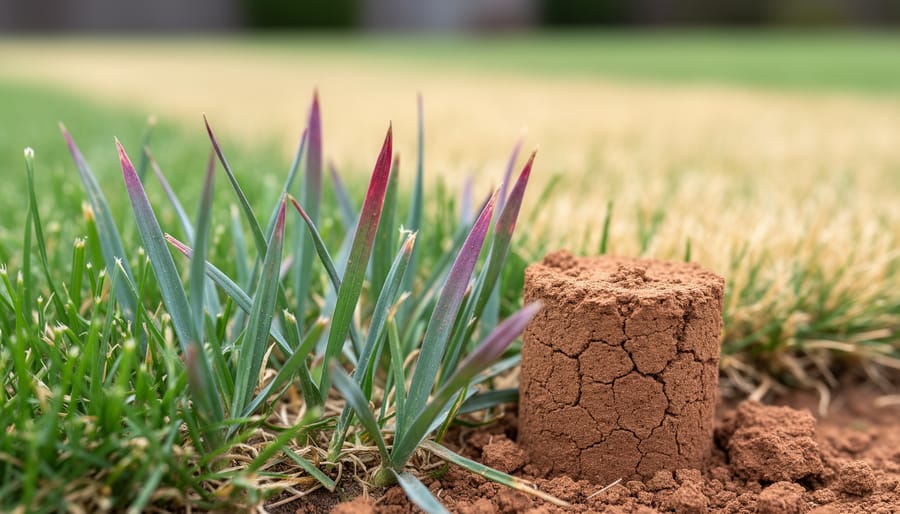
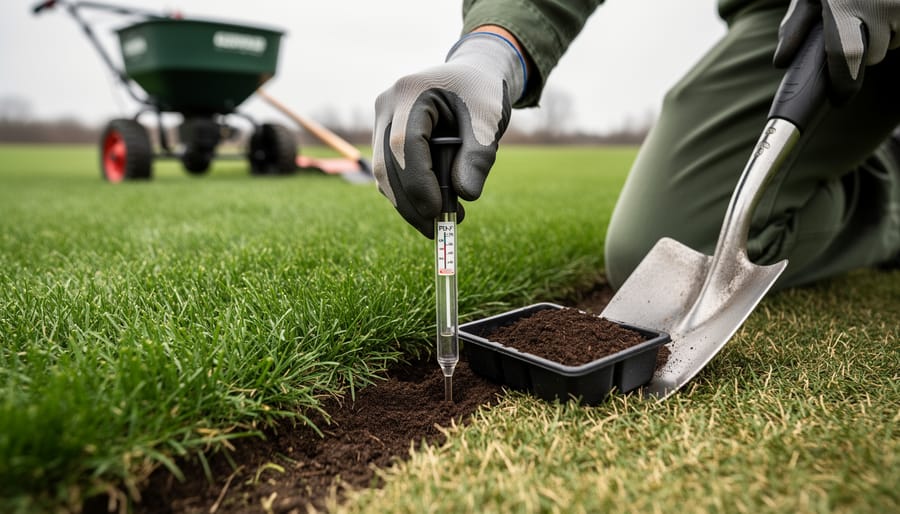
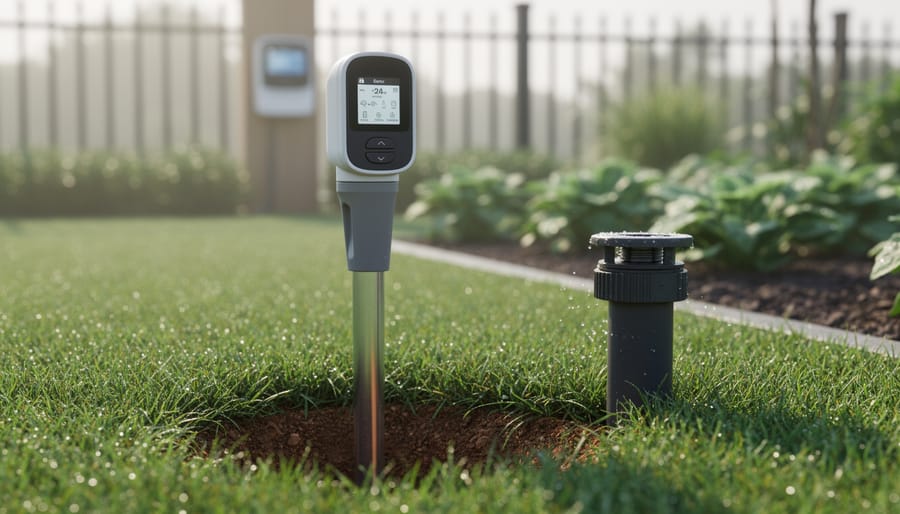
Apply quick release lawn fertilizer when soil temperatures consistently reach 55°F in spring—typically when you notice forsythias blooming—to deliver nitrogen directly to grass roots within 24-48 hours. Water your lawn immediately after application with about a quarter-inch of irrigation to prevent nitrogen burn and activate the nutrients, ensuring those granules dissolve and penetrate the soil rather than sitting on grass blades. Choose a product with a nitrogen-phosphorus-potassium ratio like 29-0-4 or 21-0-0 for rapid greening, but understand you’ll need to reapply every 4-6 weeks since these water-soluble nutrients wash through quickly.
Quick release fertilizers represent the espresso shot of lawn care—fast-acting and energizing, but requiring careful timing and responsible use. Unlike their slow release cousins that feed your grass gradually over months, these soluble formulas flood your lawn with nutrients immediately, making them perfect for post-winter lawn recovery when you need visible results fast. The trade-off comes in their intensity: overdo it, and you risk scorching your grass or sending excess nutrients into storm drains.
The key to success lies in understanding that quick release fertilizers are a tool, not a complete solution. They work brilliantly for jump-starting spring growth or rescuing a yellowing lawn before a special event, but sustainable lawn health requires balancing these rapid interventions with long-term soil building. Think of them as part of your lawn care toolkit—powerful when used strategically, problematic when relied upon exclusively.
What Makes Quick Release Fertilizer Different

The Science Behind Rapid Nutrient Delivery
Think of quick release fertilizer as an energy drink for your lawn—nutrients that get to work almost instantly. The secret lies in water-soluble compounds that dissolve the moment they contact moisture from rain or irrigation. Unlike slow-release options that need soil microbes to break them down over weeks, quick release formulas contain nutrients in forms your grass roots can absorb immediately.
Here’s how it works: nitrogen, phosphorus, and potassium in quick release fertilizers exist as simple salts or synthetic compounds. When water hits these particles, they dissolve into the soil solution, creating a nutrient-rich “soup” around grass roots. Within hours, roots take up these dissolved nutrients through a process called active transport—basically, your grass literally drinks in the nourishment it needs.
This rapid delivery system is particularly brilliant for spring revival because dormant grass has depleted its stored energy reserves over winter. Just as you’d reach for a quick snack after fasting, your lawn craves immediate nutrition to jumpstart photosynthesis and new growth. Within days, you’ll notice that vibrant green color returning as chlorophyll production kicks into high gear, transforming your brown, tired turf into the lush carpet you’ve been missing.
Quick Release vs. Slow Release: When Each Shines
Here’s the honest truth: both quick release and slow release fertilizers have their place in your lawn care toolkit, and neither is inherently better than the other. Think of quick release as your lawn’s espresso shot—it delivers nutrients rapidly, making it absolutely brilliant for spring revival when your grass needs an immediate energy boost after winter’s dormancy. You’ll see visible greening within days, which is incredibly satisfying when you’re eager to restore your lawn’s vitality.
Slow release fertilizers, on the other hand, are more like a steady, nourishing meal plan. They excel during the growing season when you want consistent feeding without the risk of burning your grass or creating excessive growth spurts that require constant mowing. They’re also more forgiving if you’re new to fertilizing.
For spring scenarios specifically, quick release truly shines because it jumpstarts growth precisely when your lawn needs that wake-up call. The key is understanding that quick release requires more attention to application rates and watering, while slow release offers convenience and longer-lasting results. Many experienced gardeners use quick release strategically in spring, then switch to slow release formulations for summer maintenance—a practical approach that leverages each type’s strengths.
Spring Revival: Why Timing Matters More Than You Think
Your Lawn’s Post-Winter Hunger
After months of cold weather, your lawn emerges from winter in a genuinely depleted state. Think of it like waking up after a long fast—your grass is hungry, and it needs fuel fast.
During winter dormancy, the biological processes in your lawn essentially hit the pause button. Root activity slows dramatically, and the microorganisms in your soil that help break down nutrients become far less active. Meanwhile, whatever nutrients were stored in the soil before winter have either been used up, leached away by snow melt and rain, or locked up in forms your grass can’t readily access in cold soil.
When temperatures start climbing in spring, your grass breaks dormancy with remarkable urgency. Suddenly, it’s racing to produce new leaf blades, deepen root systems, and outcompete weeds that are equally eager to colonize bare spots. This explosive growth demands immediate nutrition—particularly nitrogen, which powers that vibrant green color and lush growth we all love.
The biological reality is straightforward: your lawn needs nutrients now, not weeks from now. Grass plants breaking dormancy are metabolically primed to absorb and utilize nutrition quickly. Miss this window, and you’re essentially asking your lawn to run a marathon on an empty stomach while weeds get a head start. This is precisely where quick release fertilizer shines, delivering that immediate nutritional boost right when your lawn’s biological clock is ticking fastest.
The Growth Window You Can’t Afford to Miss
Spring brings a precious window of opportunity that many homeowners overlook. In most regions, you have just 4-6 weeks when your lawn is primed for explosive growth before the heat of summer arrives. During this period, soil temperatures are warming, moisture levels are typically ideal, and your grass is naturally programmed to establish strong roots and dense growth.
This is where quick release fertilizer becomes your secret weapon. Think of it as giving your lawn an energy drink right when it needs one most. Unlike slow release options that dole out nutrients gradually over months, quick release formulas deliver an immediate nitrogen boost that grass can absorb within days. Your lawn responds by greening up fast and building the robust foundation it needs to withstand whatever summer throws at it.
Getting your spring fertilization timing right makes all the difference. Apply too early, and you risk feeding weeds instead of grass. Wait too long, and your lawn enters summer already weakened and stressed. Quick release fertilizer works best when applied as soil temperatures consistently reach 55-60 degrees Fahrenheit and you see active green growth beginning.
By maximizing this growth window, you’re essentially front-loading your lawn’s strength for the challenging months ahead. A well-fed spring lawn requires less intervention for summer stress management and recovers faster from heat, drought, and foot traffic.
Choosing the Right Quick Release Fertilizer for Spring
The NPK Numbers That Matter for Spring
When you’re standing in the fertilizer aisle this spring, those three numbers on the bag (the NPK ratio) are your roadmap to lawn success. NPK stands for nitrogen, phosphorus, and potassium, and understanding what your lawn needs after winter is key to choosing the right quick release formula.
For spring green-up, nitrogen is your best friend. It’s the nutrient responsible for that lush, vibrant color and vigorous blade growth we all crave after months of winter brown. Look for ratios like 30-0-4, 29-0-5, or 24-0-6, where that first number (nitrogen) is significantly higher than the others. These nitrogen-rich formulas give your grass the energy boost it needs to wake up and start growing strong.
The middle number (phosphorus) is often zero in lawn fertilizers because most established lawns don’t need much, and excess phosphorus can actually harm waterways. That’s a win for both your lawn and the environment. The third number (potassium) supports root development and disease resistance. While it’s important, you don’t need as much in spring as you do in fall when you’re preparing grass for winter stress.
A good rule of thumb: aim for a spring formula where nitrogen makes up at least 70 percent of the total nutrients. This ensures you’re feeding your lawn what it truly needs when it needs it most. If your bag shows something like 10-10-10, that’s a balanced formula better suited for garden beds than lawns craving their spring awakening.
Product Features Worth Your Money
When you’re investing in quick release fertilizer, knowing which features truly matter can save you money and deliver better results. Let’s look at what’s genuinely worth considering.
Iron-enhanced formulas are popular for good reason. If your lawn looks yellowish rather than vibrant green, that extra iron creates a dramatic visual difference within days. Products containing 2-3% iron work beautifully without staining sidewalks, though I’ll be honest—the results are somewhat temporary. Think of iron as the cosmetic boost while nitrogen does the heavy lifting for actual growth.
Micronutrients like manganese, sulfur, and zinc sound impressive on the label, but here’s the truth: most established lawns don’t desperately need them. They’re valuable if you’ve tested your soil and identified deficiencies, or if you’re working with sandy, nutrient-poor soil. Otherwise, you’re paying for extras your lawn may not require.
The granular versus liquid debate matters more than you’d think. Granular formulas offer better value for larger areas and provide slightly longer feeding despite being quick release. They’re practical and forgiving for beginners. Liquid fertilizers, while convenient for spot-treating or small yards, cost significantly more per application and require precise mixing. I’ve found liquids shine when you need absolute speed—they’re absorbed through leaves immediately—but for most spring revival scenarios, quality granular products deliver excellent results at lower cost.
Consider whether controlled-release coating technology is included. Some “quick release” products blend in 10-20% slow-release nitrogen, extending benefits without sacrificing that initial green-up. This hybrid approach represents genuine value, reducing how frequently you’ll need to reapply.
Application Strategy: Getting Results Without Burning Your Lawn
The Perfect Timing and Weather Conditions
Timing truly makes all the difference when applying quick release fertilizer to your spring lawn. The sweet spot arrives when soil temperatures consistently reach 55°F, which typically happens when you notice your grass actively growing and those first dandelions starting to pop up. Think of it as your lawn waking from its winter nap and signaling it’s ready for breakfast.
Before you spread any fertilizer, check your local weather forecast. Ideally, you want to apply when rain is expected within 24 to 48 hours. This natural watering helps activate the nutrients and carries them down to the root zone where they’re needed most. However, avoid applying right before heavy downpours, as this can wash nutrients away before your grass absorbs them, potentially affecting nearby waterways.
Morning application works beautifully, giving dew time to settle the granules before they’re naturally watered in. If rain isn’t forecasted, plan to water lightly yourself within a day of application. Avoid windy days to prevent fertilizer drift into flower beds or sidewalks, and never apply to frozen ground where nutrients simply can’t penetrate. These simple timing considerations maximize your fertilizer’s effectiveness while supporting more sustainable lawn care practices.
Application Techniques That Prevent Streaking and Burn
The secret to gorgeous results without the dreaded burn marks? It all comes down to application technique. I learned this the hard way when I created a striped pattern across my lawn that looked like a zebra crossing—not quite the look I was going for!
First, invest in a quality spreader. Broadcast spreaders work wonderfully for larger lawns, while drop spreaders give you more precision in smaller spaces. Calibrate your spreader according to the fertilizer bag instructions—this step is surprisingly crucial and takes just a few minutes.
When applying, overlap your passes by about six inches to avoid those telltale stripes. Walk at a steady, consistent pace, and turn off the spreader when making turns at the end of rows. Think of it like mowing—you want uniform coverage across every square foot.
Here’s the golden rule that cannot be stressed enough: water immediately after application. Within 24 hours at the latest, your lawn should receive at least a quarter-inch of water, either through irrigation or rainfall. This critical step washes the fertilizer granules off the grass blades and into the soil where they belong, preventing leaf burn. Without proper watering, those nitrogen-rich granules sitting on your grass can quickly cause damage, especially on warm days. Set that sprinkler timer before you even begin spreading!
How Much Is Too Much: Avoiding the Fertilizer Burn Trap
With quick release fertilizer, the “more is better” mentality can quickly backfire. Think of it like salting food—a little enhances everything, but too much ruins the meal entirely. Most quick release products recommend about 1 pound of nitrogen per 1,000 square feet per application, and exceeding this invites trouble.
Fertilizer burn happens when concentrated salts from excess fertilizer draw moisture out of grass blades, leaving brown, crispy patches that look worse than before you started. Warning signs include streaky discoloration, blackened leaf tips, or a crust of white residue on the soil surface.
The good news? Prevention is simple. Always measure your lawn area accurately, calibrate your spreader according to manufacturer settings, and resist the urge to apply “just a little extra” over thin spots. If you’re concerned about coverage gaps, two lighter applications spaced a few weeks apart deliver better results than one heavy dose. Remember, sustainability means working with nature’s pace, not forcing instant perfection.
Sustainable Practices: Using Quick Release Responsibly
Preventing Nutrient Runoff and Water Contamination
The beauty of a lush green lawn shouldn’t come at the expense of our waterways, and with quick release fertilizers, timing really is everything. I learned this lesson the hard way when a surprise spring shower washed my freshly applied fertilizer straight down the driveway!
Always check your weather forecast before applying fertilizer. Wait until at least 24-48 hours after heavy rain when the soil can properly absorb nutrients, and make sure no storms are predicted for at least 24 hours after application. This gives your grass time to take up those nutrients before any rain arrives.
Here’s a tip that makes a real difference: use a spreader that gives you control, and keep fertilizer off driveways, sidewalks, and patios. If granules do land on hardscapes, sweep them back onto the lawn immediately. These impervious surfaces act like highways, sending nutrients directly into storm drains and eventually into streams and lakes.
If you have ponds, streams, or drainage ditches on your property, establish buffer zones of at least 10-15 feet where you don’t apply fertilizer. Native plants in these areas act as natural filters while still looking attractive. Remember, protecting our water sources while achieving that vibrant spring lawn is completely achievable with mindful practices.
Building a Balanced Fertilization Strategy
Think of quick release fertilizer as your lawn’s espresso shot—perfect for those moments when you need rapid results, but not something you’d want to rely on exclusively. The secret to a truly healthy, resilient lawn lies in combining quick release with a thoughtful, balanced approach throughout the season.
Start your spring with a quick release application to jumpstart greening after winter dormancy. Then transition to slow-release products for summer, which feed your grass steadily over 6-12 weeks and reduce the risk of nutrient runoff. This combination gives you that satisfying instant gratification while building lasting health.
Don’t forget to incorporate organic amendments like compost or compost tea at least once or twice yearly. These improve soil structure, boost beneficial microbes, and help your lawn retain moisture and nutrients more effectively—benefits that synthetic fertilizers alone simply can’t provide.
A sample seasonal schedule might look like this: quick release in early spring, slow release in late spring and early fall, and organic matter worked in during spring or fall. This balanced strategy gives you the best of all worlds—quick results when you need them, sustained feeding throughout the growing season, and genuine long-term soil improvement that makes each year easier than the last.
What to Expect: Your Spring Lawn Transformation Timeline

Week-by-Week Changes You’ll See
Within 3-5 days after application, you’ll notice your lawn starting to respond. The grass blades will deepen in color as nitrogen gets absorbed, giving you that satisfying first sign that your fertilizer is working. This quick response is exactly why quick-release formulas are so popular for spring revival.
By week two, the green-up becomes undeniable. Your lawn will look noticeably lusher and healthier, with more vigorous growth. You’ll probably need to mow more frequently now, which is actually a good sign. The grass is actively using those nutrients you’ve provided.
Peak results typically arrive around weeks 3-4. This is when your lawn hits its stride with maximum color intensity and thickness. The contrast with untreated areas will be striking, and neighbors might start asking what your secret is.
After this peak, growth gradually stabilizes around week 6-8. The dramatic greening slows as nutrients become depleted, signaling it’s time to plan your next feeding. Remember, quick-release fertilizers work fast but don’t last as long as slow-release options, so timing your next application matters for maintaining that beautiful lawn you’ve achieved.
Maintenance Between Applications
After applying quick release fertilizer, adjusting your lawn care routine helps maximize those nutrients. Raise your mower blade to about 3-4 inches—taller grass develops deeper roots and better withstands stress. Avoid scalping your lawn, which weakens grass and invites weeds to move in.
Water deeply but infrequently, aiming for about an inch per week including rainfall. This encourages roots to grow downward rather than staying shallow. Early morning watering reduces evaporation and disease risk.
Quick release fertilizer typically lasts 3-4 weeks. Watch for fading color as your signal to reapply. However, after your second application, consider transitioning to a slow release formula for more consistent feeding and less environmental runoff. This approach aligns beautifully with sustainable practices while maintaining that lush green you’re after.
If you’re combining fertilization with spring seeding timing, wait until new grass is established and has been mowed twice before applying quick release products—they can be too intense for tender seedlings.
Quick release lawn fertilizer is truly one of your most powerful allies when spring arrives and your grass is ready to wake up. When you apply it correctly—at the right time, in the right amounts, and with attention to weather conditions—you’ll see those green results that make all the effort worthwhile. But remember, speed shouldn’t come at the expense of sustainability. The key to long-term lawn success lies in balancing quick release products with slower-release options throughout the season, testing your soil regularly, and never over-applying just because you’re eager for faster results.
Spring’s optimal window won’t last forever, so if your lawn is showing signs of active growth and soil temperatures have reached that magic 55-degree mark, now is the time to take action. Whether you’re a first-time homeowner nervously approaching your inaugural fertilizer application or a seasoned gardener fine-tuning your lawn care strategy, you’ve got this. Trust the process, respect the product, and watch your lawn transform into the vibrant green space you’ve been dreaming about all winter long.