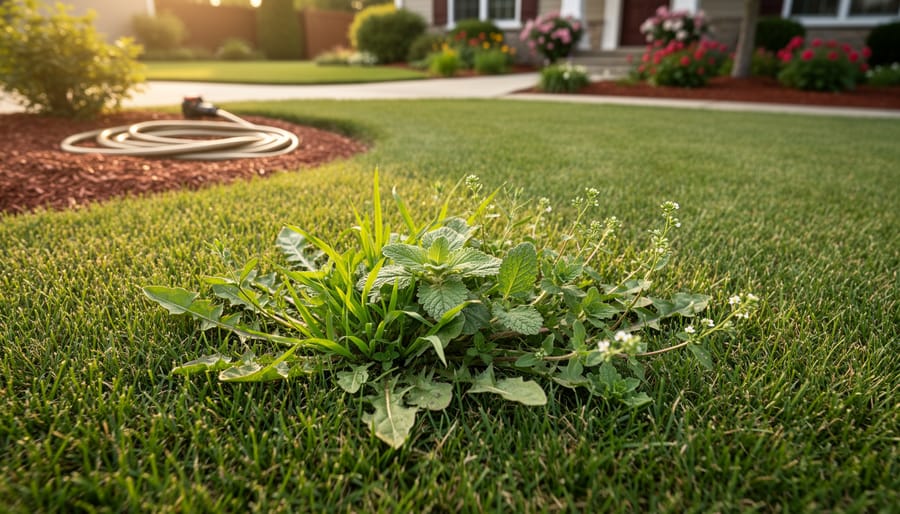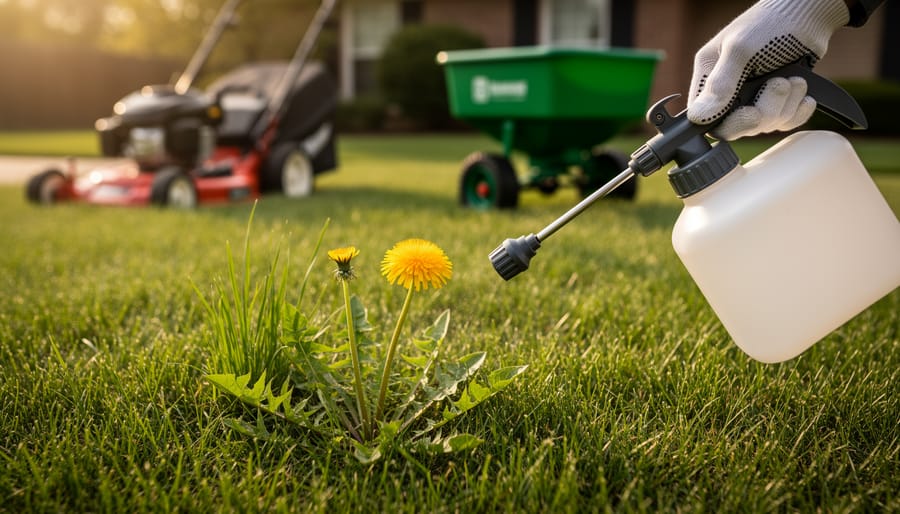
Rotate herbicides with different modes of action every season to prevent weeds from developing resistance patterns that render your lawn treatments ineffective. Kansas State University research shows that relying on the same chemical family year after year creates super-weeds that survive even properly applied products, which explains why treatments stop working despite your best efforts.
Apply pre-emergent herbicides in early spring when soil temperatures reach 55 degrees Fahrenheit for three consecutive days, targeting crabgrass and other annual weeds before they germinate rather than battling established plants later. This timing-based approach, backed by K-State Extension data, reduces your chemical usage by up to 60 percent while dramatically improving control rates.
Mow at the highest recommended height for your grass type to create dense turf that naturally crowds out weed seedlings. This simple cultural practice works alongside herbicides to break the cycle of persistent weed pressure, making each treatment more effective while building long-term lawn resilience.
Identify specific weed species in your lawn before selecting control methods, since K-State’s guide provides targeted recommendations for over 200 common Kansas weeds. Henbit requires different timing than dandelions, and bindweed demands separate strategies from crabgrass, so accurate identification saves money and prevents frustration from mismatched treatments.
Understanding Herbicide Resistance in Your Lawn
How Weeds Develop Resistance
Understanding how weeds become resistant to herbicides is similar to how bacteria develop resistance to antibiotics—and it’s a natural process that happens through selection pressure. Here’s what’s happening in your lawn.
When you apply an herbicide, most weeds in the treated area die off as intended. However, just like in any population, there’s natural genetic variation. A few individual plants might possess a random genetic trait that allows them to survive the treatment. It’s not that the herbicide created this resistance; the trait was already there, just rare.
Here’s where resistance development becomes a real problem: when you repeatedly use the same herbicide or herbicides with the same mode of action, you’re essentially giving those resistant plants a competitive advantage. The susceptible weeds die, but the resistant ones survive, reproduce, and pass along their resistant genes to the next generation. Over time, your weed population shifts from mostly susceptible to predominantly resistant.
This process can happen surprisingly quickly with fast-growing, prolific weed species. Some pigweed populations, for example, have developed resistance in just a few growing seasons under continuous herbicide pressure. The good news? Understanding this biological process empowers you to make smarter choices about weed management. By rotating herbicides with different modes of action and combining chemical treatments with cultural practices like proper mowing and fertilization, you can significantly slow down or even prevent resistance from taking hold in your lawn.
Common Resistant Weeds in Kansas Lawns
Kansas lawns face a familiar lineup of stubborn weeds that have developed impressive survival strategies, making them particularly challenging to control. According to K-State’s research, crabgrass consistently tops the list as one of the most resistant offenders. This summer annual has developed tolerance to several pre-emergent herbicides, especially when applied incorrectly or at the wrong time. You’ll find it thriving in thin, stressed lawns where it can easily outcompete struggling turf grass.
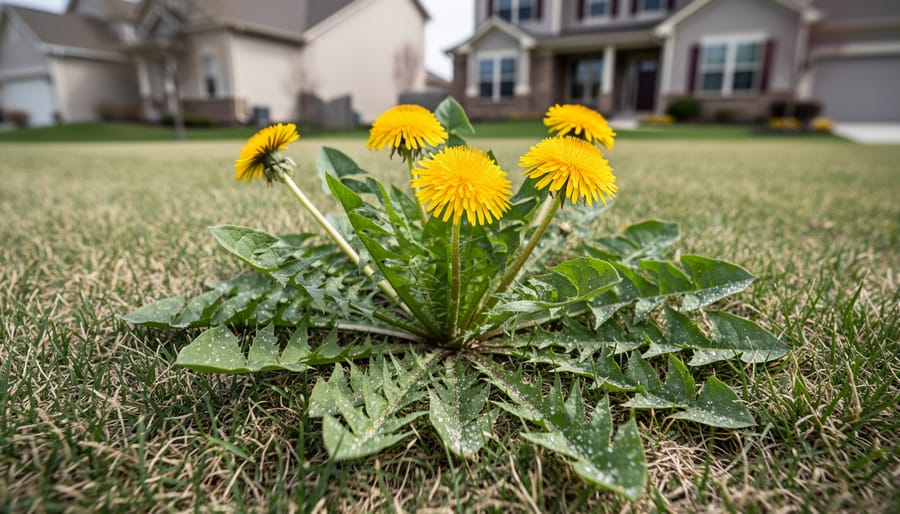
Dandelions are another persistent problem, and identifying problematic weeds like these early makes a real difference. Their deep taproots help them bounce back from treatments, and many Kansas homeowners report reduced effectiveness from broadleaf herbicides after years of repeated use in the same areas.
White clover and henbit have also shown resistance patterns, particularly in lawns where the same herbicide products have been applied season after season. The good news? Understanding which weeds you’re dealing with helps you rotate control methods more effectively and prevent resistance from developing further. This knowledge transforms frustration into a strategic approach that actually works.
What Makes the K-State Weed Control Guide Different
If you’ve spent any time battling stubborn weeds in your Kansas lawn, you know that not all advice applies equally well to our unique climate and soil conditions. That’s precisely what sets the Kansas State University Weed Control Guide apart from generic recommendations you might find elsewhere.
The K-State guide is built on decades of localized research conducted right here in Kansas, where researchers test herbicides and weed management strategies in real Midwest conditions. Unlike one-size-fits-all approaches, these recommendations account for our region’s specific challenges: our clay-heavy soils, temperature fluctuations, common weed species like crabgrass and dandelions that thrive in Kansas lawns, and even our unpredictable weather patterns that can affect herbicide effectiveness.
What makes this resource particularly valuable is its foundation in science rather than marketing. The guide is developed by university extension specialists and researchers who have no products to sell. Their sole focus is helping you achieve effective, sustainable weed control based on what actually works in field trials. This research-based approach means you’re getting recommendations that have been tested and proven in conditions similar to your own yard.
Both lawn care professionals and homeowners trust the K-State guide because it bridges the gap between academic research and practical application. The information is thorough enough to give professionals confidence in their treatment plans, yet accessible enough that weekend gardeners can implement the strategies successfully. You’ll find detailed guidance on timing, application rates, and product selection, but explained in straightforward language that makes sense.
Another distinguishing feature is the guide’s emphasis on integrated weed management and herbicide resistance prevention. Rather than simply recommending which products to spray, it teaches you how to create conditions that discourage weeds while maintaining healthy turf. This sustainable approach helps you reduce chemical dependency over time, saving money while protecting our environment. The guide acknowledges that effective weed control isn’t just about killing weeds, it’s about building a resilient lawn ecosystem that naturally resists weed pressure.
Core Resistance Management Strategies from K-State
Rotating Herbicide Modes of Action
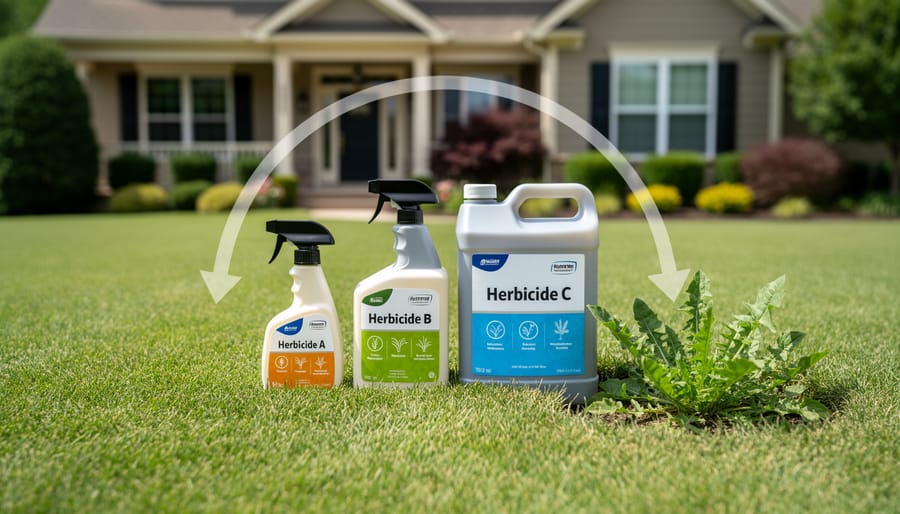
Understanding herbicide modes of action is like having a secret weapon in your fight against resistant weeds. Think of it as outsmarting the weeds by constantly changing your game plan, so they never get comfortable.
Herbicides are organized into numbered groups based on how they kill plants. You’ll find this classification system right on the product label, usually displayed as “Group” followed by a number. For example, glyphosate (the active ingredient in Roundup) is Group 9, while 2,4-D belongs to Group 4. This numbering system is your roadmap to effective rotation because the key principle is simple: don’t use herbicides from the same group repeatedly on the same area.
Here’s where it gets practical. Let’s say you treated your lawn with a Group 4 herbicide in spring to knock out broadleaf weeds. If those same weeds return in fall, resist reaching for another Group 4 product. Instead, switch to a different mode of action, perhaps a Group 27 herbicide. This rotation prevents weeds from developing resistance patterns that make future treatments less effective.
A realistic rotation schedule might look like this: apply a Group 4 product in early spring, follow up with a Group 10 or 27 option in summer if needed, and return to Group 4 the following spring. The goal is avoiding back-to-back applications of the same group within a single growing season.
When shopping for herbicides, take a moment to check the label for that group number. Many combination products actually contain multiple modes of action, which is beneficial because weeds must overcome several different mechanisms simultaneously. These tank mixes or pre-formulated combinations naturally support your rotation strategy while providing broader weed control spectrum. Remember, varying your approach isn’t just smart science—it’s sustainable stewardship of your lawn.
Combining Chemical and Cultural Control Methods
Here’s the truth about winning the weed battle: chemicals alone aren’t your best strategy. The most effective approach combines targeted herbicide use with solid cultural practices that make your lawn naturally inhospitable to weeds. Think of it as creating a fortress where grass thrives and weeds struggle to gain a foothold.
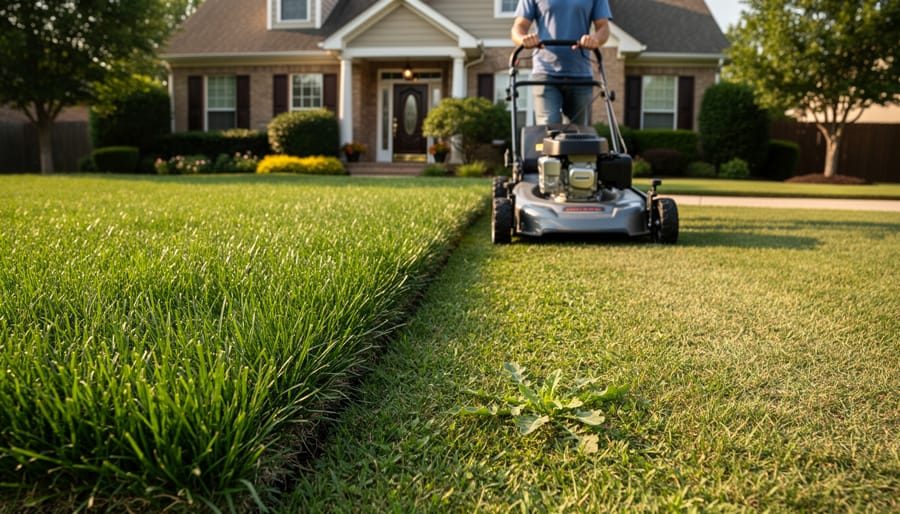
Start with mowing height, which might be the simplest yet most overlooked weed prevention tool in your arsenal. Keeping your grass at 3 to 3.5 inches tall creates shade that suppresses weed seed germination while encouraging deeper root growth in your turf. When you scalp your lawn too short, you’re essentially rolling out the welcome mat for crabgrass and other opportunistic invaders. I learned this the hard way after years of mowing progressively lower, wondering why my weed problems kept intensifying.
Watering practices matter tremendously too. Deep, infrequent watering encourages strong grass roots while making life difficult for shallow-rooted weeds. Aim for about one inch of water weekly, applied in one or two sessions rather than daily sprinkling. This approach strengthens your turf’s competitive advantage.
Fertilization timing and rates directly impact weed pressure. A well-fed lawn grows thick enough to crowd out weeds naturally, reducing your need for herbicides. Follow soil test recommendations rather than guessing, and focus on fall fertilization when cool-season grasses like those common in Kansas actively grow while many weeds go dormant.
When you integrate these cultural practices with strategic herbicide applications, you’re creating multiple barriers to weed establishment. This integrated approach not only reduces chemical dependency but also addresses the root cause of weed problems: weak, stressed turf that can’t defend its territory. The result is a healthier, more resilient lawn that requires less intervention over time.
Timing Your Applications for Maximum Effectiveness
Timing truly is everything when it comes to effective weed control, and getting it right can save you both time and money while protecting your lawn’s health. Let’s break down the two main approaches and how to use them strategically.
Pre-emergent herbicides work like a protective blanket, preventing weed seeds from germinating in the first place. The key is applying them before weeds emerge—typically in early spring for summer annuals like crabgrass and in early fall for winter annuals. Think of it as setting up a defense system before the enemy arrives. Understanding weed emergence timing in your region helps you hit that critical window, usually when soil temperatures reach specific thresholds.
Post-emergent herbicides tackle weeds that are already growing, and they’re most effective when weeds are young and actively growing. Early spring and fall, when temperatures are moderate and weeds are vigorously growing, offer ideal conditions. Avoid applying during extreme heat or drought stress, as weeds become less receptive and you risk damaging your lawn.
Here’s the sustainability bonus: proper timing means you’ll achieve better results with fewer applications. A well-timed pre-emergent can prevent an entire season of weeds, eliminating the need for multiple post-emergent treatments later. This reduces chemical use, protects beneficial organisms, and keeps your lawn care routine simpler. Pay attention to your local weather patterns and soil conditions, and you’ll find that nature actually works with you when you respect her schedule.
Extending Resistance Management to Lawn Pests and Diseases
Preventing Insecticide Resistance
Just as weeds can develop resistance to herbicides, common lawn pests like grubs and chinch bugs can become resistant to insecticides when we rely too heavily on chemical controls. The good news? K-State research shows that mixing up your management strategies isn’t just smart gardening—it’s your best defense against creating super-bugs in your yard.
Think of insecticide resistance like building up a tolerance. When you expose pest populations to the same chemical repeatedly, the few survivors that happen to be naturally resistant pass along those traits. Before you know it, your once-reliable treatment stops working, leaving you frustrated and reaching for stronger products.
K-State emphasizes an integrated approach that reduces your dependence on any single product. Start by encouraging natural predators in your lawn. Birds, beneficial insects, and even nematodes (microscopic worms) are voracious grub-eaters. Creating a habitat they love—with diverse plantings and avoiding broad-spectrum insecticides—brings in your own pest control team that never develops resistance.
When chemical intervention becomes necessary, rotate between products with different modes of action rather than different brand names. The active ingredient and how it works matter most. Check product labels for the mode of action group number, and alternate between groups seasonally.
Timing applications strategically also reduces resistance pressure. Target vulnerable life stages when smaller doses are effective. For grubs, this means treating in late summer when they’re young and actively feeding, not waiting until spring when they’re mature and harder to control. This precision approach protects beneficial insects while managing pests effectively.
Managing Fungicide Resistance in Lawn Diseases
Just like weeds can develop resistance to herbicides, lawn diseases can become resistant to fungicides when we rely too heavily on chemical solutions. Common culprits like brown patch and dollar spot can become increasingly stubborn, but here’s the good news: you can break this cycle by shifting your focus to cultural practices that keep your lawn naturally healthy.
Think of fungicides as a last resort rather than your first line of defense. The real secret to managing diseases lies in creating an environment where fungi struggle to thrive. Start by adjusting your watering schedule—early morning irrigation allows grass blades to dry quickly, denying fungal spores the moisture they need. Avoid evening watering, which keeps grass wet overnight and rolls out the welcome mat for disease.
Proper mowing height makes a tremendous difference too. Taller grass develops deeper roots and better air circulation, both of which help prevent fungal problems. When you do mow, keep those blades sharp—ragged cuts create entry points for disease. If you notice suspicious patches or discoloration, start diagnosing lawn diseases early before they spread.
Fertilization timing matters significantly as well. Excessive nitrogen during hot, humid weather can actually promote brown patch development. Follow soil test recommendations rather than guessing, and consider slow-release products that feed steadily without encouraging disease-friendly rapid growth.
When fungicides become necessary, rotate products with different modes of action rather than using the same one repeatedly. This simple strategy prevents resistance from developing. Most importantly, address the underlying conditions that invited disease in the first place—otherwise you’ll find yourself on an endless treatment treadmill. By prioritizing these cultural practices, you’ll build a resilient lawn that needs minimal chemical intervention.
Building Your Personal Resistance Management Plan
Creating a Year-Round Treatment Calendar
Creating an effective weed control calendar is like planning a garden party – timing is everything! The key is working with your grass’s natural growth patterns rather than against them.
For cool-season grasses like tall fescue and Kentucky bluegrass, split your calendar into two main treatment windows. Your primary battle happens in early fall, typically mid-September through October, when weeds are actively growing and most vulnerable. This is when pre-emergent applications for winter annual weeds like henbit really shine. A secondary spring window opens in late April through May for addressing any stragglers, but remember that spring treatments are trickier because you’re also trying to help your lawn green up.
Warm-season grasses like zoysiagrass and bermudagrass flip this schedule. Your prime treatment time runs from late spring through summer when these grasses are actively growing. Apply pre-emergents for crabgrass prevention in mid-April, and tackle broadleaf weeds in June when temperatures stay consistently warm but before the brutal July heat arrives.
Here’s the sustainable approach I always recommend: build flexibility into your calendar. Weather patterns shift, and rigid schedules can lead to wasted applications or missed opportunities. Instead, use soil temperature as your guide – pre-emergents work best when soil hits 55 degrees for several consecutive days. Mark these temperature milestones on your calendar alongside traditional dates.
Keep a simple notebook or phone app to track what you applied and when. This record becomes invaluable for identifying patterns and refining your strategy each year.
Tracking What Works (And What Doesn’t)
Here’s the thing about weed control: if you’re not tracking what you’re doing, you’re essentially starting from scratch each season. Trust me, I learned this the hard way after three years of battling the same clover patch before realizing my timing was consistently off.
Start simple with a garden notebook or smartphone app. Each time you treat an area, jot down the date, product used, weather conditions, and which weeds you targeted. Take before photos too—they’re incredibly helpful when you’re trying to remember exactly where that stubborn dandelion colony was thriving.
Create a basic map of your property marking problem zones. You might notice patterns emerge, like persistent crabgrass always showing up in the same compacted area near the driveway, or broadleaf weeds clustering where drainage is poor. These insights tell you there’s often an underlying issue beyond just the weeds themselves.
Check treated areas weekly for the first month, then monthly thereafter. Note what worked and what didn’t. Did that post-emergent herbicide knock out the chickweed but miss the henbit? Write it down. Were dandelions completely gone after two weeks or did some bounce back?
This documentation becomes your personalized weed control playbook. Over time, you’ll identify which products work best for your specific conditions, optimal application timing for your microclimate, and most importantly, areas where improving soil health or adjusting mowing practices might prevent weeds better than any herbicide ever could.

Sustainable Alternatives and Long-Term Lawn Health
Here’s the truth: the healthiest lawns often need the least chemical intervention. While Kansas State’s weed control guide provides excellent herbicide strategies, the most sustainable approach combines selective treatments with practices that naturally crowd out weeds. Think of it as building your lawn’s immune system rather than constantly fighting symptoms.
Start by rethinking your lawn composition. Kansas State researchers increasingly recommend incorporating native grasses like buffalograss into your turf. These natives evolved alongside our climate and require significantly less water, fertilizer, and intervention than traditional bluegrass or fescue. They’re also naturally competitive against many common weeds. You don’t need to rip everything out and start over. Gradually overseeding with native species during renovation periods creates a more resilient, biodiverse lawn that handles stress without opening opportunities for weed invasion.
Cultural practices matter tremendously for long-term weed suppression. Mowing at the proper height for your grass type shades out weed seedlings and strengthens root systems. Most cool-season grasses thrive at 2.5 to 3.5 inches, while warm-season varieties like buffalograss prefer 2 to 3 inches. Leaving clippings returns nitrogen to the soil, reducing fertilizer needs while maintaining the dense growth that prevents weed establishment.
Soil health deserves special attention in sustainable weed management. Regular aeration relieves compaction that stresses grass and favors certain weeds. Annual soil testing guides precise fertilizer applications, avoiding the excessive nitrogen that can actually encourage weed growth while weakening grass. Many gardeners discover that improving soil biology through compost topdressing creates conditions where desirable grasses outcompete weeds naturally.
Consider tolerance thresholds too. Not every dandelion requires immediate action. A few scattered broadleaf weeds in an otherwise healthy lawn often indicate biodiversity rather than failure. Spot-treating with minimal herbicide or hand-pulling occasional invaders reduces chemical usage dramatically compared to blanket applications.
When you do use herbicides following K-State recommendations, alternate mechanisms of action and combine treatments with the cultural improvements we’ve discussed. This integrated approach addresses resistance concerns while building lawn resilience. Over several seasons, you’ll likely notice reduced weed pressure and fewer intervention needs. Your lawn becomes self-sustaining, requiring your help only occasionally rather than constantly. That’s the goal: working with nature, not against it, for lasting results.
Common Mistakes That Accelerate Resistance
We’ve all been there—you grab the same trusty weed killer from the shed, spray your lawn, and wonder why those stubborn weeds keep bouncing back stronger than ever. The truth is, many well-intentioned homeowners accidentally create the perfect conditions for herbicide resistance without realizing it. Let’s talk about the most common mistakes and, more importantly, how to fix them.
One of the biggest culprits is under-dosing herbicides. When you try to stretch a product by diluting it more than recommended or applying too little, you’re essentially giving weeds a training session rather than eliminating them. The stronger individuals survive this weak treatment and pass their resilient traits to the next generation. Always follow label instructions precisely—those rates aren’t suggestions, they’re scientifically determined for effectiveness.
Another trap many of us fall into is reaching for the same herbicide year after year. It’s comfortable and familiar, but weeds are smart. When exposed to the same active ingredient repeatedly, they adapt and develop resistance. The solution? Rotate between herbicides with different modes of action. Think of it like changing up your workout routine—variety keeps things effective.
Poor timing and application techniques also undermine your efforts. Spraying on windy days, treating during extreme temperatures, or applying to wet grass reduces herbicide effectiveness. These suboptimal conditions mean weeds receive inconsistent doses, again allowing the toughest specimens to survive and multiply.
Here’s the encouraging news: recognizing these patterns means you’re already ahead of the game. By measuring carefully, rotating products strategically, and choosing optimal application conditions, you’re not just fighting weeds—you’re outsmarting them. Combine these improved practices with Kansas State’s integrated approach of maintaining thick, healthy turf through proper mowing and fertilization, and you’ll create an environment where weeds struggle to gain a foothold in the first place. Your lawn will thank you for the thoughtful care.
Managing weeds effectively isn’t about waging endless chemical warfare in your yard. Instead, think of it as cultivating resilience from the ground up. The K-State principles we’ve explored together offer a roadmap to healthier, more resistant lawns that naturally crowd out invaders.
You don’t need to implement everything overnight. Start with one or two strategies that feel most manageable—maybe adjusting your mowing height this weekend or scheduling a soil test next month. Small, consistent changes compound into remarkable transformations over time. Each improvement you make strengthens your lawn’s natural defenses while reducing your reliance on herbicides.
Remember, a thriving lawn is truly your best defense against weeds. When grass grows thick and vigorous, it leaves little opportunity for unwanted plants to establish. By focusing on soil health, proper watering, and smart mowing practices alongside strategic herbicide use, you’re building a sustainable system that works with nature rather than against it.
Your lawn care journey is exactly that—a journey, not a destination. Be patient with yourself and your grass. The long-term success you’re working toward is absolutely within reach.