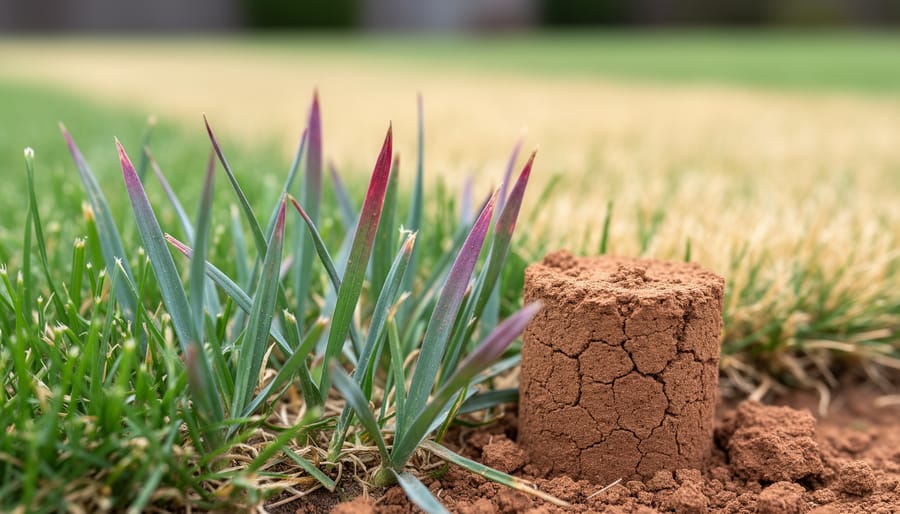
You’ve sprayed, you’ve treated, you’ve followed the label instructions perfectly—yet those chinch bugs, grub worms, or armyworms keep munching through your lawn like nothing happened. If this sounds familiar, you’re likely dealing with resistant pests, and you’re not alone in this frustrating battle.
Pest resistance occurs when insects develop genetic mutations that allow them to survive pesticides that once eliminated them effectively. Each time you apply the same product repeatedly, you’re essentially breeding a population of super-pests that laugh in the face of your treatment efforts. What worked beautifully three seasons ago now barely makes a dent, leaving you wondering if the product is defective or if you’re doing something wrong.
The reality is sobering: resistance is accelerating across common lawn pests nationwide. These aren’t just isolated cases—resistance to pyrethroids, neonicotinoids, and even some organic treatments is becoming widespread. The good news? Understanding how resistance develops is the first step toward breaking the cycle. You don’t need to surrender your lawn to invaders or resort to increasingly harsh chemicals that harm beneficial insects and pollinators.
The solution lies in resistance management—a smarter, more strategic approach that combines rotating different pesticide classes, integrating non-chemical controls, and building lawn health that naturally discourages pest establishment. By shifting from a single-tactic approach to an integrated strategy, you can reclaim control while actually reducing your overall pesticide use and protecting the environmental health of your yard.
What Are Resistant Pests and How Did They Get in Your Lawn?
The Survival of the Fittest in Your Backyard
Remember that science lesson about natural selection? Well, it’s happening right now in your lawn, and unfortunately, you might be the one driving it. Here’s how it works in your backyard.
When you apply the same pesticide repeatedly, you’re essentially running a selection experiment. Think of your pest population as a diverse group—most individuals are susceptible to the chemical, but a few have genetic traits that make them naturally more tolerant. Maybe their bodies break down the pesticide faster, or their nervous systems don’t respond to it the same way.
That first application wipes out the susceptible pests—the vast majority. Success, right? But those few resistant individuals survive and breed. Now, instead of being rare, the resistant trait becomes more common in the next generation. Apply the same product again, and you’re killing off even more susceptible individuals while the resistant ones thrive and multiply. It’s survival of the fittest playing out over weeks or months instead of millennia.
After several applications, you might find yourself with a population where resistance is the norm rather than the exception. That’s when gardeners notice their reliable products suddenly “stop working.” The product hasn’t changed—your pest population has evolved.
This isn’t just theory. Scientists have documented this process in chinch bugs, grubs, and other common lawn pests. The good news? Understanding this process is your first step toward preventing it from happening in your yard.
Common Lawn Pests That Develop Resistance
Let’s talk about the usual suspects causing headaches in lawns across the country. First up are white grubs—those C-shaped larvae of beetles that munch on grass roots. They’ve started developing resistance to certain neonicotinoid insecticides, making grub control increasingly challenging.
Chinch bugs are another persistent problem, especially in hot, dry conditions. These tiny sap-suckers have shown resistance to pyrethroid insecticides in many regions, which were once the go-to solution for homeowners.
Armyworms, those voracious caterpillars that can devastate a lawn overnight, are becoming resistant to synthetic pyrethroids too. If you’ve noticed irregular brown patches that seem to spread rapidly, it’s worth investigating whether these pests are present.
Finally, billbugs—weevil larvae that bore into grass stems—have developed resistance patterns similar to grubs. The challenge with all these pests is that overusing the same chemical treatments creates evolutionary pressure, essentially training them to survive. Learning to identify lawn pests correctly is your first step toward choosing effective, sustainable control methods that won’t contribute to resistance problems.

Warning Signs Your Lawn Has Resistant Pests
When Good Products Stop Working
You’ve been diligent about treating those grubs or chinch bugs, using the same product that worked like magic last season. But this year? The pests are thriving, and your lawn is suffering despite your best efforts. Before you assume you’re doing something wrong, you might be witnessing pesticide resistance in action.
The pattern is distinctive: a product that previously controlled pests within days now barely makes a dent, even when applied correctly. You’ve double-checked the label instructions, applied at the right time, used proper coverage, and still—nothing. Meanwhile, your neighbor using a different product sees results. This frustrating scenario is the hallmark of resistance.
It’s important to rule out other factors first. Check that your product hasn’t expired, as pesticides lose effectiveness over time. Verify you’re targeting the right pest at the right life stage, since timing matters enormously. Ensure adequate water activation if required, and confirm environmental conditions are suitable for application.
If you’ve eliminated these variables and the same active ingredient consistently fails across multiple applications while different products work, you’re likely dealing with resistant pests. Recognizing this early helps you pivot to more effective strategies before your lawn sustains serious damage.
Damage Patterns That Point to Resistance
Recognizing resistance-related damage is crucial for adjusting your treatment strategy effectively. If you’ve noticed that your lawn problems persist even after multiple applications of the same product, you’re likely dealing with resistant pests rather than treatment failure.
The telltale signs are quite distinctive. First, you’ll see continued feeding damage in areas you’ve recently treated—think brown patches, irregular holes in grass blades, or wilting sections that just won’t recover. Unlike typical pest damage that improves after treatment, resistant pest damage remains stubborn and often worsens.
Another red flag is expanding damage zones. When treatments work properly, you’ll see pest activity decrease and damaged areas start to heal. With resistant populations, the opposite happens—the affected areas grow larger, spreading outward from the initial infestation site despite your best efforts.
You might also notice what I call “patchwork damage”—some areas respond to treatment while adjacent sections continue declining. This uneven response suggests that resistant pest populations are concentrated in certain zones of your lawn. Pay attention to these patterns, as they’re your lawn’s way of telling you it’s time to change your approach and consider alternative, sustainable management strategies.

How We Created This Problem (And What We Can Learn)
The One-Product Trap
Think of pest resistance like building immunity—the more often pests encounter the same pesticide, the more likely they are to develop defenses against it. This is what I call the “one-product trap,” and it’s surprisingly common in lawn care.
Here’s how it happens: You discover a grub control product that works beautifully. Naturally, you use it again next season. And the season after that. For several years, everything seems fine—until suddenly, it doesn’t. The grubs are back, and your once-reliable treatment barely makes a dent.
What’s happened is simple yet frustrating. By repeatedly using the same active ingredient, you’ve essentially been “training” your pest population. The few grubs that had genetic traits allowing them to survive that particular pesticide lived to reproduce, passing those resistant traits to their offspring. Over time, you’ve unintentionally bred a resistant population in your own lawn.
I’ve seen this play out countless times with chinch bugs and lawn grubs. A homeowner will stick with a single pyrethroid-based insecticide for years because “it always worked before.” But eventually, natural selection catches up, and what once provided reliable control becomes almost useless. The solution isn’t finding a stronger version of the same product—it’s breaking the cycle entirely through rotation and integrated management strategies.
Calendar Spraying and Its Consequences
You know that friend who takes vitamins every single day “just in case,” even when they’re perfectly healthy? Calendar spraying works the same way, and unfortunately, it’s one of the fastest routes to creating resistant pests in your lawn.
Calendar spraying means applying pesticides on a set schedule, say every two weeks or monthly, regardless of whether pests are actually present. It seems logical at first. After all, prevention is better than cure, right? But here’s the problem: when you spray preventively without checking for actual pest activity, you’re creating the perfect training ground for resistance.
Think about it this way. If pests aren’t there, you’re wasting product and money. But when they are present in small numbers, you’re exposing them to pesticides repeatedly, giving survivors plenty of opportunities to develop resistance and pass those traits along. You’re essentially running a natural selection experiment in your own backyard.
The smarter approach is monitoring-based treatment. Walk your lawn regularly, looking for signs of pest damage or the pests themselves. Use simple tools like a soap flush test for grubs or inspect problem areas up close. Only treat when pest populations reach levels that actually warrant action, called threshold levels. This targeted approach keeps your lawn healthier, saves you money, and dramatically slows resistance development.
Your Action Plan for Managing Resistant Pests

Rotate Your Products (Here’s How to Do It Right)
Here’s the thing about rotating products: simply switching from Brand A to Brand B doesn’t actually help if they work the same way. It’s like changing from your blue hammer to your red hammer when you really need a screwdriver instead.
The secret is rotating by mode of action, which is just a fancy way of saying “how the product kills pests.” Every pesticide has a mode of action code, usually displayed on the label. You’ll see combinations like “Group 3” or “IRAC 4A.” These codes tell you how the product attacks the pest’s system.
Here’s your simple rotation system: Keep a garden notebook or use your phone to track what you’ve used and when. Write down the mode of action number, not just the brand name. Then, for your next application, choose a product with a different number. That’s it. You’re essentially hitting pests with different weapons they haven’t built defenses against yet.
For example, if you used a pyrethroid insecticide (Group 3) in spring, switch to a product with spinosad (Group 5) for your summer treatment, then perhaps something from Group 4 in fall. Most garden centers can help you identify products with different modes of action if you ask.
A helpful rule of thumb: don’t use the same mode of action more than twice per season. This gives pests less opportunity to develop resistance while still controlling your problem effectively. Think of it as keeping your pest management toolbox diverse and unpredictable.
Integrate Non-Chemical Controls
Here’s a secret weapon against resistant pests: strengthening your lawn’s natural defenses while enlisting nature’s own pest fighters. When chemical controls start losing their punch, non-chemical strategies become your best allies in the battle against stubborn invaders.
Start with the basics of lawn health. Maintaining a proper mowing height for your grass type creates a dense turf that crowds out weeds and makes life difficult for surface-dwelling pests. Think of it as creating an inhospitable neighborhood for unwanted guests. Pair this with deep, infrequent watering rather than shallow daily sprinkling. This encourages deeper root growth, producing a more resilient lawn that can better withstand pest pressure.
Now let’s talk about recruiting nature’s pest control team. Beneficial insects like ladybugs, ground beetles, and parasitic wasps are remarkable allies that prey on common lawn pests without developing resistance issues. You can attract these helpers by maintaining diverse plantings around your lawn’s edges and avoiding broad-spectrum pesticides that kill indiscriminately.
Beneficial nematodes deserve special mention. These microscopic organisms hunt down grubs, chinch bugs, and other soil-dwelling pests with impressive efficiency. Apply them during cool, moist conditions for best results, and remember they’re living organisms that need proper handling.
The beauty of these non-chemical approaches is their sustainability. Pests can’t develop resistance to being eaten by predators or outcompeted by healthy grass. You’re building a naturally balanced ecosystem rather than fighting an endless chemical arms race.
Target Treatments More Precisely
Think of pest control like a precision tool rather than a sledgehammer. When you spray your entire lawn every time you spot a few pests, you’re actually fast-tracking resistance by exposing every bug to treatment—including those that might have survived without intervention.
Start by getting to know your lawn on a personal level. Walk it weekly, looking for telltale signs like brown patches, chewed grass blades, or increased pest activity. A simple magnifying glass can help you spot grubs, chinch bugs, or other culprits before they become a major problem. Consider using sticky traps or doing the old soapy water test to monitor pest populations.
Once you’ve identified problem areas, treat only those spots. This spot-treatment approach means fewer pesticides overall and, crucially, less pressure on pest populations to develop resistance. You’re leaving untreated areas where beneficial insects can thrive and where susceptible pests remain in the gene pool, diluting any resistance traits.
Keep a simple garden journal noting where and when you treat, what products you use, and the results. This record helps you catch resistance early and adjust your strategy before problems escalate.
Choose the Right Product at the Right Time
Think of pesticide labels as your roadmap to effective pest control. I know they can look intimidating with all that fine print, but learning to decode them is like gaining a superpower against resistant pests. Start by locating the active ingredient section, which tells you exactly what chemical is doing the work. More importantly, look for the mode of action (MOA) group number, usually displayed prominently on the front label. This number indicates how the product attacks pests at a biological level.
Here’s where timing becomes your secret weapon. Different pests are vulnerable at specific life stages. For instance, targeting grubs in their early instar stage yields far better results than waiting until they’re mature and harder to control. Check your local extension office resources to understand when your problem pests are most active and vulnerable in your region.
To prevent resistance, rotate between products with different MOA groups rather than repeatedly using the same active ingredient. If you used a Group 3 product last season, switch to a Group 4 this time. This keeps pests guessing and prevents them from developing that troublesome resistance. Remember, the right product applied at the right moment beats using the strongest chemical available every single time.
Products and Practices That Help Prevent Resistance
Building a Rotation-Friendly Product Arsenal
Building an effective rotation strategy doesn’t require a chemistry degree or a garage full of products. The key is understanding that different pest control products work in fundamentally different ways, targeting various biological processes in pests.
Start with the basics: pyrethrin-based products (derived from chrysanthemum flowers) work on the nervous system and are great first-line defenders. For your rotation, consider neem oil products, which disrupt insect growth and feeding behaviors through a completely different mechanism. Insecticidal soaps attack pest cell membranes physically rather than chemically, making them excellent rotation partners.
For grub control specifically, look at products containing beneficial nematodes as a biological option, alternating with those using different active ingredients like clothianidin or trichlorfon. Just remember to check the label for the mode of action group number, usually listed as “MOA” or “IRAC Group.”
Here’s my practical advice: keep three products with different modes of action on hand. Use one per season or treatment cycle, then switch. This doesn’t mean buying everything at once. Start with what addresses your current problem, then gradually build your arsenal as issues arise. Many sustainable options like neem oil and insecticidal soap serve double duty against multiple pest types, making them budget-friendly rotation staples.
The Foundation: A Resistant-Resistant Lawn
Here’s the truth that might surprise you: the best defense against resistant pests starts long before you ever spot a problem. Think of it this way – a healthy, vibrant lawn is like a person with a strong immune system. It naturally fends off threats without needing constant intervention.
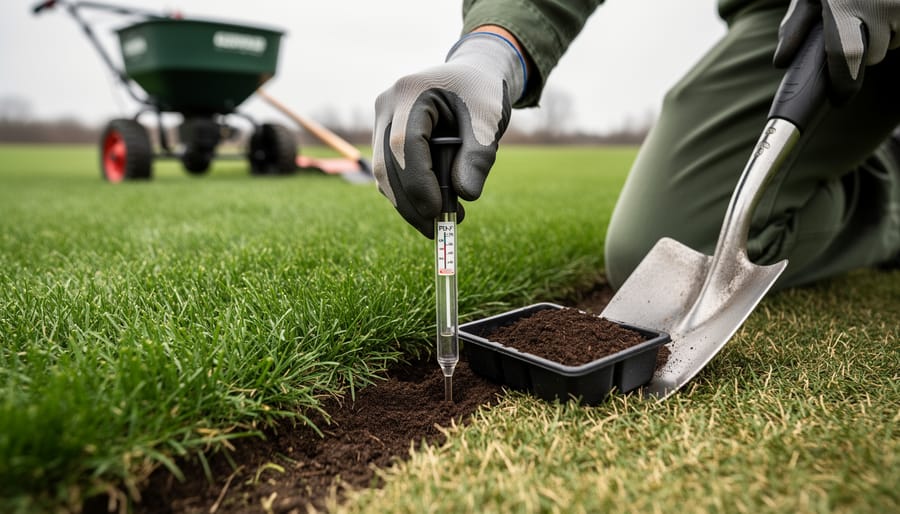
Start with your soil. Healthy soil teeming with beneficial microorganisms creates grass that’s inherently stronger and less appealing to pests. Get a soil test done and amend accordingly – it’s one of those simple steps that pays dividends for years. When your grass roots are happy, everything else follows.
Choosing the right grass variety for your region matters more than you might think. Native or well-adapted grasses require less babying and naturally resist local pest pressures. They’re already equipped for your climate’s challenges.
Proper fertilization is about balance, not excess. Over-fertilized lawns actually attract more pests – it’s like leaving out a buffet sign. Slow-release, organic fertilizers support steady growth without those vulnerable growth spurts that pests love.
When you nail these fundamentals, you’re creating conditions where pest populations stay naturally low. That means fewer treatments overall, which dramatically reduces your chances of developing resistance issues down the road. It’s prevention working smarter, not harder.

When to Call in Professional Help
Sometimes, despite your best efforts with cultural controls and rotating treatments, resistant pests continue to wreak havoc on your lawn. Knowing when to call in a professional can save you time, money, and further damage to your turf.
Consider reaching out to pest control professionals when you’ve tried multiple approaches without success, when pest populations are overwhelming despite treatment, or when you’re uncertain about proper identification and management strategies. A qualified professional brings specialized knowledge, access to commercial-grade products, and experience with resistance patterns in your specific region.
However, not all pest control services practice resistance management equally. When interviewing potential providers, ask key questions to ensure they align with sustainable practices. Do they rotate pesticide classes rather than simply switching products? Can they explain their integrated pest management approach? Will they conduct proper pest identification before treatment? Do they monitor treatment effectiveness and adjust strategies accordingly?
A reputable professional should be willing to discuss their resistance management protocol and explain how they incorporate non-chemical methods into their treatment plans. They should also provide you with post-treatment guidance to help prevent future resistance issues.
Remember, the goal isn’t just to eliminate current pests but to develop a long-term strategy that keeps resistance at bay. The right professional partner will educate you throughout the process, helping you understand why certain approaches work better than others and empowering you to maintain a healthier, more resilient lawn over time.
Here’s the empowering truth: you’re not powerless against resistant pests. By implementing the strategies we’ve discussed—rotating products with different modes of action, integrating cultural and biological controls, and maintaining a healthy lawn that can withstand pest pressure—you’re taking control of the situation. Think of it as being a good steward of your lawn and the environment at the same time.
Managing pest resistance isn’t just about protecting your grass today. Every time you rotate pesticides, encourage beneficial insects, or improve your soil health, you’re helping preserve these valuable tools for future generations. When we all adopt these smarter practices, we slow down the resistance process across our communities. Your individual choices ripple outward, making a real difference.
The journey to a healthier, more resilient lawn doesn’t happen overnight, but it’s absolutely achievable. Start with one or two changes—maybe commit to rotating your grub control products this season, or set up that rain gauge to improve your watering practices. Small steps lead to significant results, and you’ll likely find that these sustainable approaches actually make lawn care easier and more rewarding over time.
You’ve got the knowledge now. The next step is action. Review your current pest management routine, identify one area where you can implement better resistance management, and commit to making that change this season. Your lawn, your wallet, and the environment will thank you.