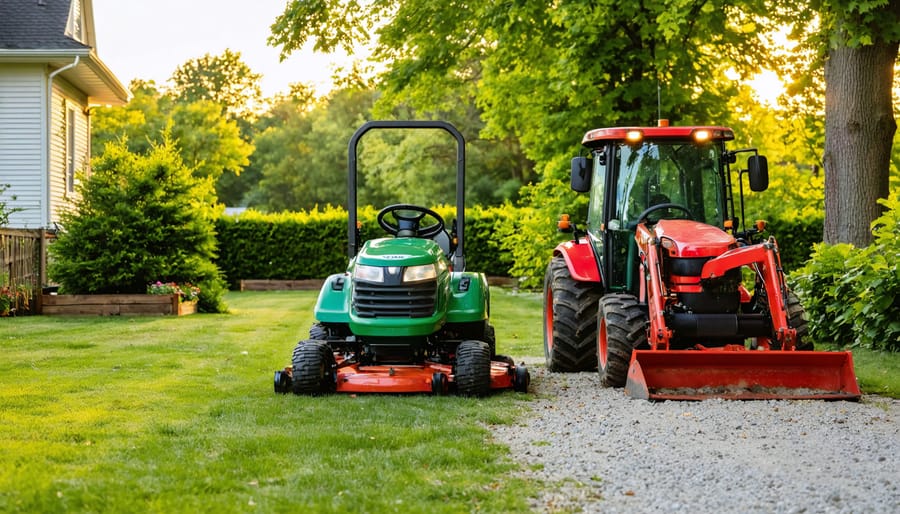
Standing in front of rows of riding mowers at your local equipment dealer, you’ve probably noticed that some machines are labeled “lawn tractors” while others bear the “garden tractor” tag—often with significant price differences that leave you wondering what you’re really paying for.
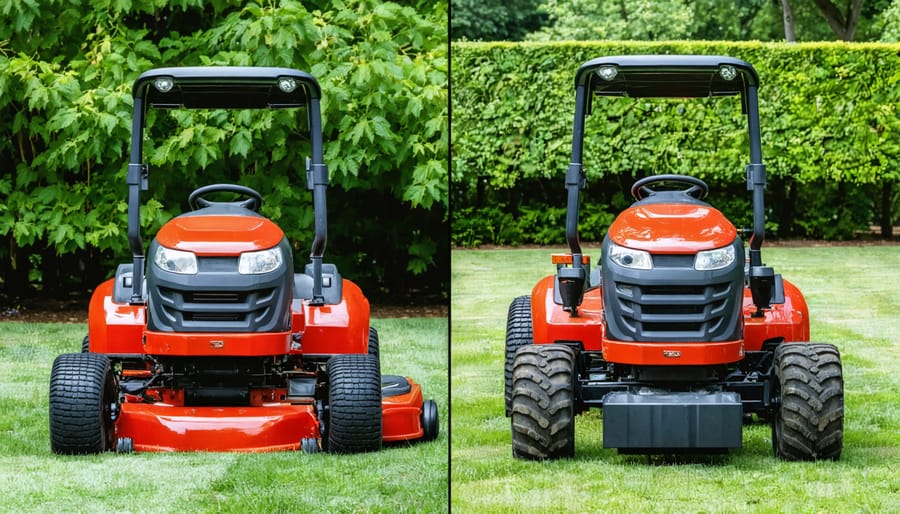
**The core distinction comes down to capability and construction.** Lawn tractors are lighter machines designed primarily for mowing grass on properties up to three acres, featuring transaxle transmissions and deck-mounted cutting systems. Garden tractors, by contrast, are heavy-duty workhorses built with reinforced steel frames, powerful engines (typically 20+ horsepower), and separate transmissions that can power various ground-engaging attachments like tillers, plows, and aerators.
Think of it this way: if your property needs only regular mowing and occasional leaf collection, a lawn tractor delivers excellent value and will serve you reliably for years. However, if you’re managing a larger homestead, cultivating garden beds, grading gravel driveways, or plowing snow in winter, a garden tractor’s versatility and durability justify the higher investment.
**Most homeowners overestimate what they need.** The sustainability angle matters here too—choosing the right-sized equipment means you’re not burning excess fuel or investing in capacity you’ll never use. Understanding these practical differences ensures you’ll select a machine that matches both your landscape’s demands and your long-term gardening goals, whether you’re maintaining a pristine suburban lawn or cultivating a productive, sustainable homestead.
The Core Difference: Built for Different Jobs
Let me start by clearing up a question I hear all the time: “Aren’t lawn tractors and garden tractors basically the same thing?” It’s an honest question, and the confusion is totally understandable. Both have steering wheels, seats, and cut grass, right? But here’s the truth—these machines were designed for fundamentally different purposes, and understanding this core distinction will save you from buyer’s remorse down the road.
Think of it this way: a lawn tractor is your dedicated mowing specialist. Its primary job is to cut grass efficiently across larger residential lawns, typically those over half an acre. Everything about its design—from the placement of its engine to its lighter frame—prioritizes mowing performance. Models like the Cub Cadet XT2 exemplify this focused approach, delivering excellent cutting results without unnecessary bulk.
Garden tractors, on the other hand, are the workhorses of your property. Yes, they mow lawns beautifully, but that’s just the beginning. These machines feature heavier frames, more powerful engines, and robust construction designed to handle serious ground engagement work. We’re talking tilling gardens, grading driveways, moving heavy loads, and plowing snow—tasks that would strain or damage a lawn tractor.
The practical implication? If your primary need is maintaining a beautiful lawn with occasional light yard work, a lawn tractor offers an economical, efficient solution that aligns with sustainable practices by avoiding over-purchasing. But if you’re managing a small farm, large garden beds, or need year-round versatility for various ground-working tasks, a garden tractor’s extra capability becomes essential rather than excessive.
Power and Performance: What’s Under the Hood
Engine Size and Horsepower
When you’re weighing your options between these two machines, understanding their power capabilities is essential for making a smart choice that’ll serve you well for years.
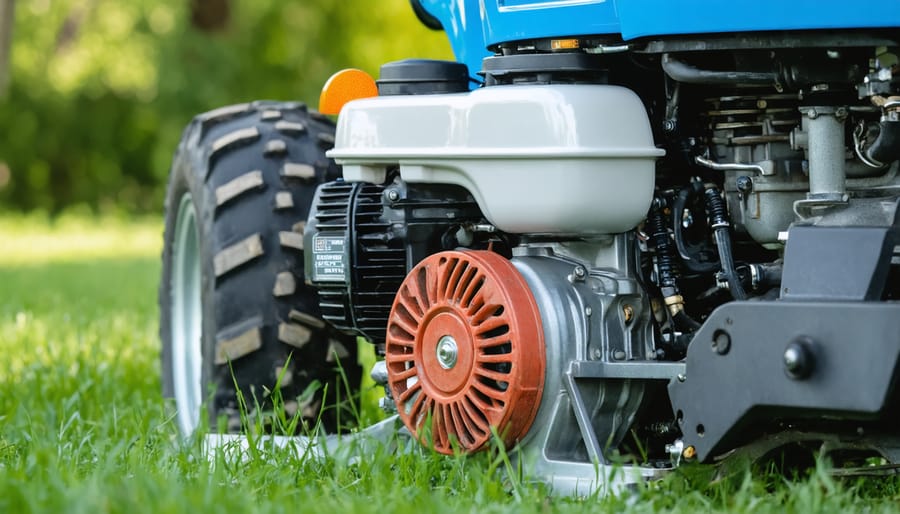
Lawn tractors typically come with engines ranging from 15 to 25 horsepower—plenty of muscle for mowing grass, even across larger properties up to a few acres. They handle basic lawn maintenance beautifully, and honestly, that’s exactly what most homeowners need. Think of them as your reliable weekend warriors for keeping grass neat and tidy.
Garden tractors, on the other hand, pack considerably more punch with engines between 22 to 30+ horsepower. This extra power isn’t just about bragging rights—it translates to real capability. You’ll appreciate this difference when you’re tilling garden beds, moving heavy loads of compost, or plowing through snow in winter months. The larger engine means the tractor can handle multiple attachments simultaneously without straining.
From a sustainability perspective, choosing the right size matters. An oversized engine wastes fuel on simple mowing tasks, while an underpowered machine struggles inefficiently. Match your engine size to your actual needs—your wallet and the environment will thank you for years to come.
Transmission Types and Durability
Understanding transmission types is crucial for making a smart, long-term investment in your property. Lawn tractors typically feature automatic or manual transmissions that work beautifully for regular mowing routines. They’re reliable and require minimal maintenance—perfect if you’re focused on straightforward lawn care.
Garden tractors, however, come equipped with heavy-duty hydrostatic or gear-driven transmissions built to handle serious workloads. These robust systems deliver consistent power when you’re pulling heavy attachments or working challenging terrain. While they cost more initially, they’re engineered for longevity under demanding conditions.
Here’s what matters for your decision: If you’re mainly mowing and occasionally hauling light loads, a lawn tractor’s transmission will serve you well for years with basic care. But if you’re planning to till gardens, grade driveways, or handle multiple heavy-duty tasks throughout the seasons, a garden tractor’s transmission becomes a sustainable choice—it’ll outlast lighter alternatives and save you from premature replacement.
Consider how intensively you’ll use your machine. Garden tractor transmissions are designed for frequent, varied work cycles, while lawn tractor transmissions excel at their intended purpose: reliable, efficient mowing.
Frame Construction and Build Quality
When you’re comparing these two machines, one of the most telling differences lies in what’s underneath the hood—or more accurately, what’s holding everything together. Think of it like comparing a sedan to a heavy-duty pickup truck; both get you from point A to point B, but they’re built for entirely different purposes.
Lawn tractors typically feature lighter-gauge steel frames, often with stamped or formed construction. This isn’t a shortcoming—it’s intentional design for their purpose. They’re built to handle regular mowing duties efficiently without the excess weight and cost of heavier materials. The lawn tractor weight usually ranges from 400-600 pounds, making them nimble and easier to maneuver around flowerbeds and obstacles.
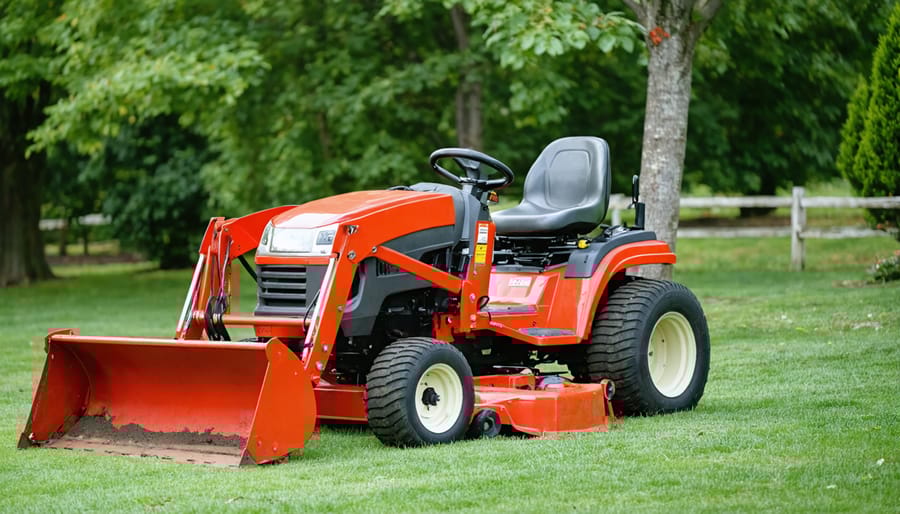
Garden tractors, on the other hand, are the workhorses of residential equipment. Their frames are constructed from heavier-gauge steel, often with welded or reinforced joints that can withstand serious stress. We’re talking about machines weighing 600-1,000+ pounds with frames designed to support front-end loaders, carry heavy attachments, and handle ground-engaging implements like tillers and plows. The difference in build quality becomes especially apparent when you’re pulling a loaded cart or operating a snow blade—garden tractor frames won’t flex or strain under pressure.
From a sustainability perspective, this robust construction means garden tractors often outlast multiple lawn tractors, potentially making them a more environmentally conscious long-term investment if you genuinely need their capabilities. However, if you’re simply maintaining a lawn, the lighter lawn tractor construction serves you perfectly well while using fewer materials in manufacturing—a practical consideration for eco-minded gardeners.
Attachment Capabilities: Where Garden Tractors Shine
PTO Systems Explained
PTO stands for Power Take-Off, and understanding this feature is essential when choosing between these two tractor types. Think of PTO as your tractor’s ability to share its engine power with attachments like tillers, mowers, and snow blowers—it’s what transforms your machine from a simple riding mower into a versatile workhorse.
Garden tractors typically feature robust, live PTO systems that can handle demanding attachments continuously. These heavy-duty systems deliver power through a shaft at the rear of the tractor, allowing you to run equipment that requires substantial energy, like commercial-grade rotary tillers or brush hogs. Most garden tractors offer independent PTO, meaning attachments can run while the tractor is stationary—perfect for sustainable practices like composting with a PTO-driven chipper.
Lawn tractors, on the other hand, usually have simpler PTO systems designed primarily for mowing decks. While adequate for basic lawn maintenance, they’re not built to power intensive ground-working attachments. If you’re planning to cultivate garden beds, manage food production areas, or tackle serious land management projects, a garden tractor’s superior PTO system becomes invaluable for creating a productive, sustainable homestead.
Common Attachments for Each Type
Choosing the right machine means understanding which attachments you’ll actually be able to use—and this is where the differences really shine.
**Lawn Tractor Attachments**
Lawn tractors handle lighter-duty tasks beautifully. Most commonly, you’ll use a mowing deck (typically 42-54 inches), which is perfect for keeping grass neat and healthy. Beyond that, lawn tractor attachments include baggers for grass clippings (great for composting!), spreaders for fertilizer and seed, small aerators, and lightweight carts for hauling mulch or garden supplies around your property. You can also add dethatchers and leaf sweepers—practical tools that support sustainable lawn care by returning nutrients to your soil. Some models accept snow blades or blowers for winter use, though these work best on lighter snowfall.
**Garden Tractor Attachments**
Garden tractors are the heavy lifters of yard equipment. They accommodate everything lawn tractors do, plus serious implements that tackle bigger projects. Think tillers for preparing garden beds, heavy-duty plows for breaking ground or moving snow, front-end loaders for moving soil and gravel, and backhoe attachments for digging. Many accept wood chippers, log splitters, and even generators—turning your tractor into a true workhorse. The key difference? Garden tractors feature reinforced frames and hydraulic systems that handle these demanding attachments without strain.
The practical takeaway: if you’re mainly mowing with occasional yard cleanup, lawn tractor attachments provide everything you need sustainably and affordably. But if your property demands earth-moving, heavy hauling, or food production work, a garden tractor’s attachment capability becomes invaluable.
Deck Size and Cutting Capabilities
When it comes to mowing capabilities, lawn tractors and garden tractors serve distinctly different purposes, though there’s some overlap that can make choosing confusing.
Lawn tractors typically feature cutting decks between 42 and 54 inches wide. These decks are designed primarily for one job: cutting grass efficiently. Most come with a simple two or three-blade configuration underneath, which works wonderfully for regular lawn maintenance on properties up to three acres. The deck design focuses on delivering an even, attractive cut across relatively flat terrain. You’ll find these decks are often stamped steel—lighter and perfectly adequate for weekend mowing sessions.
Garden tractors, on the other hand, offer cutting decks ranging from 48 to 62 inches, but here’s what really sets them apart: the decks are built more robustly, often with heavier-gauge fabricated steel. They’re engineered to handle tougher conditions—uneven ground, thicker grass, and more frequent use. The blade spindles are typically heavier-duty and better sealed against dirt and moisture, extending their lifespan considerably.
The real difference isn’t just size—it’s capability. While a lawn tractor excels at maintaining a beautiful residential lawn sustainably (fewer passes mean less fuel consumption), a garden tractor’s superior construction means it’ll power through demanding conditions without bogging down. If you’re managing large open areas with just grass, a lawn tractor’s deck performs admirably. But if you’re dealing with varied terrain, thick growth, or plan to mow frequently throughout the season, the garden tractor’s cutting system proves its worth through durability and consistent performance.
Which Machine Fits Your Property?
Property Size Considerations
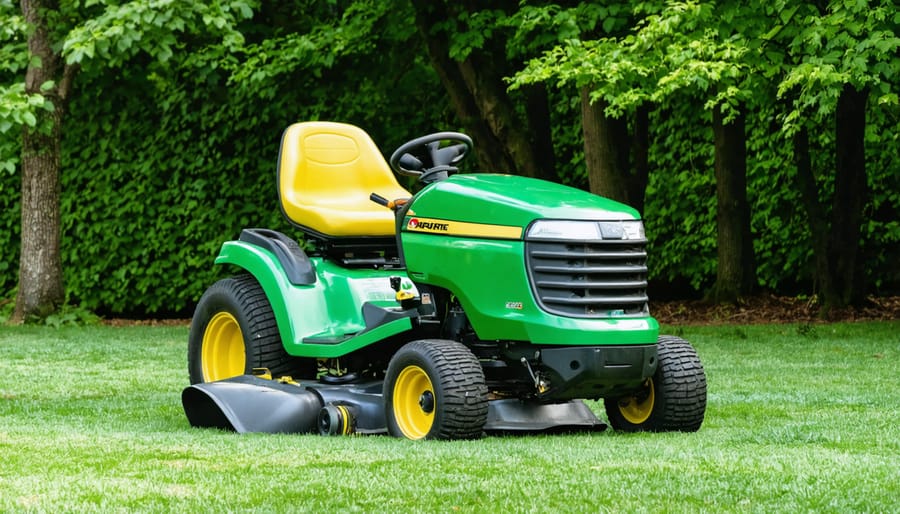
Understanding your property’s size is crucial when choosing between these two machines. For yards up to one acre with relatively flat terrain, a lawn tractor will handle your mowing needs beautifully and cost-effectively. These nimble machines navigate around flower beds and trees with ease, making them perfect for typical suburban properties.
If you’re managing 1-3 acres with mild slopes or garden areas requiring occasional tilling, you’re in the sweet spot where either machine could work, though a garden tractor offers more versatility. Consider how you’ll use your property—are you planning raised beds or maintaining trails?
For properties exceeding three acres, especially with hills, rough terrain, or diverse landscaping projects, a garden tractor becomes the practical choice. Its robust build handles challenging conditions that would strain a lawn tractor. When evaluating best riding mowers for uneven ground, garden tractors consistently outperform.
Think sustainably about your investment too: buying the right machine initially prevents upgrading later, reducing waste and maximizing the equipment’s useful life on your specific property.
Year-Round Use vs. Seasonal Mowing
Think honestly about how you’ll actually use your machine throughout the year. This consideration can save you hundreds of dollars—or prevent you from buying equipment that sits idle when you need it most.
Lawn tractors are essentially warm-weather specialists. They excel at mowing during growing season, typically spring through fall, but most models struggle with winter tasks. Their lighter frames and less powerful engines mean they’re not designed for snow removal or heavy ground engagement when temperatures drop. If your primary need is keeping your lawn looking pristine from April to October, a lawn tractor delivers excellent value without paying for features you won’t use.
Garden tractors, by contrast, are year-round workhorses. Their heavier construction, powerful engines, and robust attachment systems make them genuinely multi-season machines. Come winter, that same tractor that groomed your vegetable beds in summer can push serious snow with a blade or blower attachment. Spring arrives? Switch to a tiller for garden preparation. This versatility particularly benefits those of us committed to sustainable practices—one well-built machine serving multiple purposes reduces overall equipment consumption and maintenance needs.
Consider your climate and property demands realistically. If you live where winters bring significant snowfall and you maintain extensive gardens requiring regular cultivation, a garden tractor’s year-round capability justifies the investment. However, if you’re primarily focused on lawn maintenance in milder climates, a lawn tractor paired with a separate snow shovel or small snow blower might be the more economical and practical choice.
Price Points and Long-Term Value
Let’s talk money—because this is probably one of the biggest factors in your decision. Lawn tractors typically start around $1,500 to $3,000 for basic models, while garden tractors begin closer to $3,000 and can easily climb to $5,000 or beyond for well-equipped machines. That’s a significant upfront difference, but here’s where it gets interesting.
Garden tractors, despite their higher initial cost, often deliver better long-term value if you actually need their capabilities. Their heavier construction and superior components mean they’re built to last 15-20 years with proper care, compared to 10-15 years for most lawn tractors. I’ve met homesteaders still running garden tractors from the 1970s—that’s genuine longevity!
Maintenance costs tell another part of the story. Garden tractors generally have more accessible service points and use commercial-grade parts that, while sometimes pricier, need replacement less frequently. Lawn tractors might have lower individual repair costs, but you may face them more often under heavy use.
Here’s my practical advice: calculate your true cost per year of ownership. A $4,000 garden tractor lasting 18 years costs about $222 annually, while a $2,000 lawn tractor lasting 10 years runs $200 yearly—surprisingly similar! Factor in your specific needs, though. If you’re only mowing a flat lawn, that garden tractor’s extra capabilities represent wasted investment.
Consider the sustainability angle too. A longer-lasting machine means fewer resources consumed in manufacturing replacements and less landfill waste. Sometimes paying more upfront aligns perfectly with both your wallet and environmental values over the machine’s lifetime.
Environmental and Sustainability Factors
When it comes to making environmentally conscious choices, both lawn tractors and garden tractors have their sustainability stories to tell. The key is selecting the right machine for your actual needs—because nothing wastes resources quite like overpowered equipment sitting mostly idle in your garage.
Let’s talk fuel efficiency first. Lawn tractors, with their smaller engines, naturally consume less fuel for basic mowing tasks. If you’re working with a simple, flat lawn, a lawn tractor’s efficiency makes perfect environmental sense. However, garden tractors, despite their larger engines, often prove more sustainable in the long run if you genuinely need their capabilities. Why? Because one properly-sized garden tractor can replace multiple specialized tools—reducing overall manufacturing impact and eliminating the need for several small engines running throughout the season.
Durability is where garden tractors really shine from a sustainability perspective. Their heavy-duty construction means they’ll typically last decades with proper maintenance, significantly reducing replacement waste. I’ve met gardeners still using garden tractors from the 1970s! Lawn tractors, while less robust, still offer respectable lifespans when well-maintained and not pushed beyond their design limits.
Here’s my practical advice: Right-sizing matters enormously. Running a garden tractor to simply mow a small lawn wastes fuel and accelerates wear. Conversely, overworking an undersized lawn tractor shortens its lifespan and creates frustration. Match your machine to your genuine workload.
Both types support sustainable practices like mulching grass clippings, reducing chemical dependence through better soil management, and enabling composting operations. The most eco-friendly choice is the one that fits your needs perfectly and lasts for years.
Choosing between a lawn tractor and garden tractor ultimately comes down to honest self-assessment. Take a good look at your property size, terrain challenges, and the tasks you’ll realistically tackle. If you’re primarily mowing a flat, residential lawn under three acres, a lawn tractor will serve you well without draining your wallet or using more resources than necessary. But if you’re managing larger acreage, tackling heavy-duty projects, or need year-round versatility with attachments, investing in a garden tractor makes practical sense.
Remember, over-buying means unnecessary fuel consumption and expense, while under-buying leads to frustration and potential equipment damage. Consider your five-year landscape vision too—will your needs expand? There’s wisdom in slight future-proofing, but don’t let “what-ifs” push you into overspending.
The good news? You now have the knowledge to make a confident, informed decision that fits both your property and your commitment to practical, sustainable lawn care. Ready to dive deeper? Check out our comprehensive buying guides for both lawn tractors and garden tractors to explore specific models, features, and real-world performance reviews that’ll help seal your decision.