**Understanding Vertical Shaft Engines: The Heart of Modern Lawn Mowers**
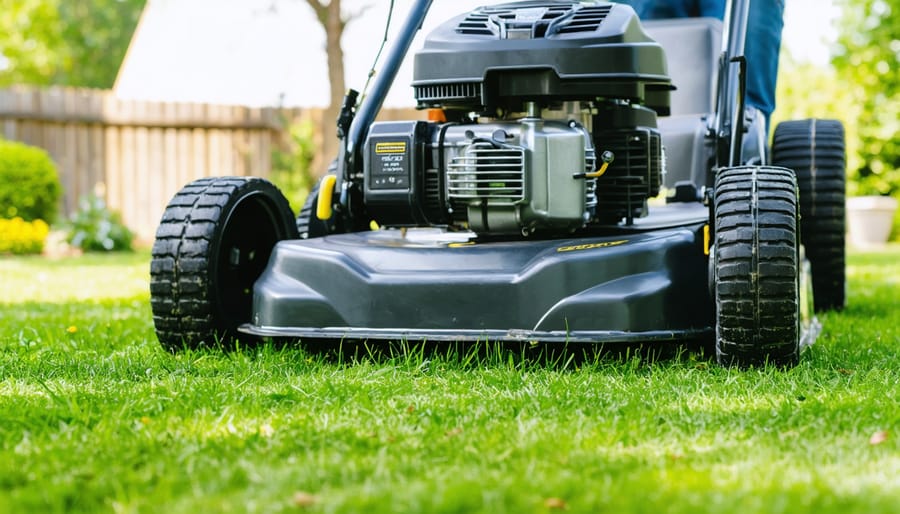
Vertical shaft engines power most walk-behind and riding mowers today, distinguishing themselves from their horizontal counterparts through a simple but crucial difference: the crankshaft runs perpendicular to the ground. This design positions the engine directly above the cutting deck, creating a compact, efficient system that delivers power straight down to your mower blades—no complicated belt systems or additional mechanical conversions needed.
Whether you’re choosing your first mower or maintaining a trusted machine, understanding this engine type transforms how you approach lawn care. The vertical orientation offers distinct advantages: easier blade engagement, better weight distribution, and simpler maintenance access. These engines typically range from 140cc to 250cc for residential mowers, with larger commercial models exceeding 700cc for demanding professional applications.
Recognizing how your mower’s engine works empowers smarter purchasing decisions and more confident repairs. The vertical shaft design has dominated the market for decades because it simply works—combining reliability with straightforward mechanics that even beginning gardeners can learn to service. From oil changes to spark plug replacements, the accessibility of vertical shaft engines means you’ll spend less time troubleshooting and more time achieving that perfectly manicured lawn you’re after.
What Makes a Vertical Shaft Engine Different

The Basic Design That Changed Mowing
Think of a traditional car engine lying on its side versus standing upright—that’s essentially the difference between horizontal and vertical shaft mower engines. In a vertical shaft design, the crankshaft runs straight up and down, perpendicular to the ground, like a spinning top. This orientation positions the engine directly above the cutting deck, allowing the blade to attach straight to the bottom of the crankshaft.
This simple but ingenious design eliminated the need for belts and pulleys that horizontal engines required to transfer power sideways. It’s like the difference between using a direct drive system versus a complicated gear arrangement—fewer parts mean less that can wear out or break.
The vertical configuration also creates a more compact footprint, which is why you’ll find this design in most walk-behind mowers and riding mowers today. The engine sits neatly over the mower deck, keeping the center of gravity low and balanced. For us gardeners focused on practical, long-lasting equipment, this streamlined approach means less maintenance hassle and more time actually enjoying your lawn care routine.
How Power Travels from Engine to Blade
Picture the vertical shaft engine as a straight-line sprinter rather than a relay runner—it delivers power directly where it’s needed, without unnecessary handoffs. In a vertical shaft setup, the engine’s crankshaft points straight down toward the mower deck, creating the most efficient path possible for transferring energy to your cutting blade.
Unlike horizontal engines that require belts, pulleys, or complex gearing systems to redirect power at right angles, vertical shaft engines connect almost directly to the blade spindle. This straightforward design means less energy gets lost in translation—what your engine produces actually reaches the blade. Think of it like cutting out the middleman in any transaction; you get more bang for your fuel buck.
This direct drive system offers real-world benefits you’ll appreciate during long mowing sessions. The engine runs more efficiently, which translates to better fuel economy and fewer emissions—a win for both your wallet and the environment. You’ll also notice smoother operation with less vibration, since there are fewer moving parts competing for attention. It’s simple engineering that just works, making your lawn care routine more sustainable and effective.
The Key Components Working Inside Your Vertical Shaft Engine
Crankshaft and Power Output Shaft
The crankshaft in a vertical shaft engine runs—you guessed it—vertically, which makes it perfectly suited for connecting directly to your mower deck below. Think of it as a straight shot from the engine’s power to your cutting blades, creating an efficient, space-saving design that’s become the standard for walk-behind and riding mowers.
Here’s how it works: As the pistons move up and down inside the engine, they rotate the crankshaft, which extends downward through the engine block. The bottom of this shaft (called the power output shaft or PTO—Power Take-Off) connects to your blade assembly through a clutch system. This direct vertical connection means fewer parts, less maintenance, and a lower profile that gives you better maneuverability around garden beds and landscaping.
However, this vertical orientation does present a few common issues worth watching for. The output shaft seal can wear over time, potentially leaking oil—check underneath your mower regularly for drips. The shaft itself can bend if you strike a rock or root, causing vibration and uneven cutting. If your mower suddenly develops a wobble or strange noise, inspect the shaft for damage before continuing use, as a bent shaft can cause further engine damage and compromises cutting quality for that pristine lawn you’re working toward.
Cylinder and Piston Assembly
At the heart of your vertical shaft mower engine sits the cylinder and piston assembly—think of it as the powerhouse where all the magic happens. In a vertical orientation, the piston moves up and down in a straight line perpendicular to the ground, which creates some interesting advantages for your lawn care routine.
When fuel ignites in the combustion chamber, it forces the piston downward, generating the power that ultimately spins your mower blade. What makes the vertical setup special is how gravity naturally assists in oil distribution throughout the engine. Oil flows more consistently along cylinder walls when they’re positioned vertically, ensuring better lubrication and reducing wear over time—great news for those of us seeking sustainable, long-lasting equipment.
This vertical arrangement also means combustion gases escape more efficiently, leading to cleaner burns and better fuel economy. You’ll notice this translates to fewer emissions and less fuel consumption, which is kinder to both your wallet and the environment. The design also helps prevent oil from seeping into the combustion chamber during storage, reducing that annoying smoky startup some engines experience. For gardeners prioritizing equipment longevity and eco-friendly performance, understanding this fundamental design gives you confidence in maintaining your mower properly.
Lubrication System Considerations
Understanding how oil keeps your vertical shaft engine running smoothly is essential for long-term mower health—and it’s simpler than you might think! Unlike horizontal engines where oil can slosh around more freely, vertical shaft engines rely on a specialized splash lubrication system that demands your attention.
Here’s what makes these engines unique: as the crankshaft spins vertically, a small dipper attached to it literally splashes oil upward throughout the engine’s internal components. Think of it like a tiny paddle wheel constantly flinging oil where it’s needed most. This elegant design means every critical part—from bearings to cylinder walls—gets coated with protective lubricant during operation.
However, this system has one non-negotiable requirement: maintaining the correct oil level. Too little oil, and that dipper can’t reach the reservoir, leaving parts dangerously unlubricated. I’ve seen engines seize up after just one mowing session when owners neglected this simple check. Too much oil creates its own problems, causing excessive foaming and potentially forcing oil past seals into areas where it doesn’t belong.
Before each use, make it a habit to check your oil level on flat ground using the dipstick. This thirty-second ritual can add years to your engine’s life. Most manufacturers recommend checking oil when the engine is cold for the most accurate reading. It’s a small sustainability practice with big payoffs—a well-lubricated engine runs more efficiently, consumes less fuel, and avoids premature replacement.
Where Vertical Shaft Engines Shine (And Where They Don’t)
Perfect for Walk-Behind and Residential Riding Mowers
If you’re shopping for a walk-behind or residential riding mower, you’ve probably noticed that nearly all of them feature vertical shaft engines—and there’s a really good reason for that! These engines are designed specifically with homeowners in mind, offering a perfect balance of compact design and reliable power delivery.
The vertical orientation allows manufacturers to create mowers with lower profiles and better weight distribution. Think of it this way: instead of a bulky engine sticking out horizontally, the vertical shaft tucks everything neatly above the cutting deck. This means easier maneuverability around garden beds, under low-hanging branches, and through those tricky narrow gates we all seem to have.
For walk-behind mowers, the vertical shaft connects directly to the blade below, making the power transfer incredibly efficient—no complicated belt systems or extra parts that can wear out. This simplicity translates to fewer maintenance headaches and better fuel efficiency, which is great for both your wallet and the environment.
Residential riding mowers benefit too, with vertical shafts enabling tighter turning radiuses and more responsive handling. You’ll find these engines typically range from 140cc to 725cc, providing plenty of power for typical suburban lawns without the excessive fuel consumption of larger commercial units.
When a Horizontal Shaft Might Serve You Better
While vertical shaft engines dominate the walk-behind mower market, horizontal shaft configurations shine in other lawn care scenarios. If you’re considering a riding mower or garden tractor for larger properties, horizontal engines typically deliver better performance and durability for those applications. They’re specifically designed to handle the demands of belt-driven systems and heavy-duty attachments.
Horizontal shaft engines also excel in specialized equipment like pressure washers, generators, and water pumps. Their design allows for direct drive connections that make these tools more efficient. For property owners managing acreage rather than typical suburban lawns, a riding mower with a horizontal engine often proves more practical and sustainable in the long run—you’ll spend less time mowing and use fuel more efficiently.
Here’s the thing: there’s no “wrong” choice, just the right tool for your specific situation. Consider your property size, terrain challenges, and how you envision maintaining your outdoor space. A quarter-acre lawn? Your vertical shaft walk-behind is perfect. Several acres with varied terrain? A horizontal shaft riding mower deserves serious consideration. Understanding both options empowers you to invest wisely in equipment that’ll serve your gardening goals for years to come.
Durability and Maintenance Reality Check
Let’s be honest—vertical shaft engines are workhorses, but they’re not immortal. With proper care, you can realistically expect 10-15 years of reliable service, though this depends heavily on your maintenance habits. The good news? These engines are designed for durability and relatively straightforward upkeep.
Regular oil changes (every 50 hours or seasonally) are non-negotiable for longevity. Keep the air filter clean, check spark plugs annually, and don’t skip blade sharpening—dull blades strain the engine unnecessarily. Many gardeners overlook the simple act of cleaning grass clippings from around the engine housing, but this prevents overheating and extends life significantly.
Understanding mower lifespan expectations helps you budget for eventual replacement while maximizing your current equipment’s potential. The sustainability angle? A well-maintained vertical shaft engine outlasts multiple cheaper alternatives, reducing landfill waste and saving money long-term. Treat it right, and it’ll reward you with years of dependable performance.
Maintaining Your Vertical Shaft Engine the Right Way

Oil Changes That Actually Protect Your Engine
Regular oil changes are your vertical shaft engine’s best friend, and the good news is they’re simpler than you might think. Here’s how to keep your mower running smoothly while being kind to the planet.
Start by running your engine for a few minutes to warm the oil—this helps it drain completely. Position your mower on level ground and locate the oil drain plug underneath (consult your manual if you’re unsure). Place a suitable container beneath to catch the old oil, then remove the plug and let everything drain out completely. While you’re waiting, this is the perfect time to replace your oil filter if your engine has one.
Once drained, reinstall the plug securely and refill with fresh oil according to your manufacturer’s specifications. Most vertical shaft engines take between 15-20 ounces, but always check your manual. Use high-quality SAE 30 oil for warmer months or 10W-30 for year-round protection in varying temperatures. Some newer engines work wonderfully with synthetic oils, which offer superior protection and can extend change intervals.
Now for the crucial environmental step: never pour old oil down drains or onto soil. Instead, transfer it to a sealed container and take it to your local recycling center, auto parts store, or hazardous waste facility—most accept used oil free of charge. Many communities also host collection events specifically for this purpose.
Aim to change your oil every 25-50 hours of operation or at least once per season. Your engine will reward you with reliable starts and years of faithful service.
Air Filter Care for Peak Performance
Your vertical shaft engine works harder than you might think, pulling air downward through the filter before combustion. This unique orientation means debris, grass clippings, and dust accumulate faster than on horizontal engines. A clogged filter forces your engine to gulp for air, reducing power and increasing fuel consumption—neither good for your wallet or the environment.
Here’s the good news: maintaining your air filter is straightforward. Check it every five hours of mowing during peak season. Before exploring air filter compatibility for replacements, try cleaning air filters first—foam filters can be washed with mild soap and re-oiled, while paper filters benefit from gentle tapping to dislodge debris. I learned this after prematurely replacing perfectly salvageable filters! Replace filters showing tears, holes, or stubborn dirt buildup. Clean filters mean efficient combustion, reduced emissions, and an engine that’ll serve you faithfully for years.

Spark Plug Inspection and Replacement
Your spark plug is the tiny but mighty component that ignites the fuel-air mixture in your vertical shaft engine. Checking it regularly takes just five minutes and can save you from frustrating starts come spring! Simply disconnect the spark plug wire, remove the plug with a socket wrench, and examine it closely. A healthy spark plug has light tan or gray deposits—think coffee with cream. Dark, oily buildup or white, blistered electrodes signal trouble.
Replace your spark plug annually as sustainable maintenance practice, preventing harder starts that waste fuel and create emissions. If your mower struggles to start, runs rough, or consumes more gas than usual, the spark plug is often the culprit. Always use the correct spark plug for your specific engine model—mismatched plugs can damage your engine or reduce efficiency. Gap the new plug according to your owner’s manual (typically 0.030 inches), hand-tighten, then give it one-quarter turn with your wrench. This simple swap keeps your engine running cleanly and efficiently!
Troubleshooting Common Vertical Shaft Engine Problems
When Your Engine Won’t Start
A mower that won’t start can be frustrating, but vertical shaft engines follow a predictable troubleshooting path. First, check the basics—fresh fuel is essential, as gas older than 30 days can cause starting problems. Stale fuel is one of the most common culprits, and draining old gas is both eco-friendly and effective since you can properly dispose of it at recycling centers.
Next, examine your spark plug. Remove it and look for carbon buildup or corrosion. A healthy spark plug should produce a bright blue spark when tested. Replace it if there’s any doubt—it’s an inexpensive fix that often solves the problem.
Check your air filter too. A clogged filter restricts airflow, making starts difficult. Clean or replace it as needed. For vertical shaft engines specifically, ensure the carburetor isn’t flooded by waiting a few minutes before trying again if you’ve been cranking repeatedly.
Finally, verify that safety features are properly engaged—the blade brake control must be held, and on riding mowers, you need to be seated. These safety interlocks are designed to protect you but can prevent starting if sensors malfunction.
Dealing with Power Loss and Performance Issues
When your vertical shaft mower starts losing its usual pep, don’t panic—most power issues have straightforward fixes you can tackle yourself. The most common culprit? A dirty or clogged air filter restricting airflow to your engine. Check it monthly during mowing season and clean or replace as needed—it’s like letting your engine breathe freely again!
Spark plugs are another frequent troublemaker. If yours looks worn, corroded, or fouled with carbon buildup, swap it out. Fresh spark plugs typically cost just a few dollars and can dramatically restore performance. I’ve seen countless mowers spring back to life with this simple fix.
Don’t overlook fuel quality either. Old gasoline—anything sitting longer than 30 days—loses potency and gums up your carburetor. For sustainable maintenance, consider using ethanol-free fuel, which stores better and burns cleaner. If you suspect stale fuel, drain the tank and refill with fresh gas.
Finally, check your blade. A dull or damaged blade forces your engine to work harder, reducing efficiency. Sharpen blades at least twice per season for optimal performance and a healthier lawn—clean cuts mean less stress on your grass!
Oil Leaks and Seal Problems
Oil leaks around vertical shaft engines typically show up near the bottom seal where the shaft exits the crankcase or around the oil fill cap. Check for dark puddles under your mower or excess oil coating the shaft area.
For minor leaks, you can often tighten the drain plug or replace the oil fill cap gasket yourself—these are beginner-friendly fixes that prevent unnecessary waste. However, if you’re seeing leaks from the crankshaft seal (where the blade attaches), it’s usually best to consult a small engine repair specialist. Replacing bottom seals requires disassembly and proper torque specifications. Catching leaks early not only saves oil but protects your lawn from petroleum contamination, keeping your sustainable gardening practices intact.
Choosing the Right Vertical Shaft Engine Mower for Your Lawn
Engine Size and Your Lawn’s Reality
Here’s the thing about engine size: bigger isn’t always better, and it’s certainly not more sustainable. For small, flat lawns under a quarter-acre, a 140-159cc vertical shaft engine offers plenty of power without wasting fuel. Think of it like choosing the right-sized car for your daily commute—you wouldn’t drive a pickup truck just to grab groceries!
Mid-sized properties (quarter to half-acre) work beautifully with 160-190cc engines, providing enough torque to handle slight inclines and thicker grass during peak growing season. If you’re managing hills, uneven terrain, or tougher grass varieties like St. Augustine, you’ll appreciate the extra muscle of 190cc and above.
Here’s my practical advice: assess your lawn honestly. Walk it with terrain in mind. Those couple of slopes might not justify the extra horsepower, fuel consumption, and environmental impact. Over-buying means you’re burning more gas, spending more money, and contributing unnecessary emissions for performance you’ll rarely use.
Most homeowners discover that modest engines paired with sharp blades and proper mowing height deliver excellent results while supporting your sustainability goals. Match your machine to your lawn’s reality, not wishful thinking.
Brands That Build Vertical Shaft Engines to Last
When shopping for a vertical shaft engine, you’ll want brands that stand behind their products with solid warranties and readily available parts. **Briggs & Stratton** has been powering American lawns for over a century, offering engines known for their longevity and an extensive dealer network that makes finding replacement parts a breeze. Their newer models feature improved fuel efficiency, which is kinder to both your wallet and the environment.
**Kawasaki** engines are the workhorses many professional landscapers swear by—they’re built tough and designed for demanding conditions. **Honda** brings Japanese precision engineering to the table, with engines that run quieter and cleaner, often exceeding EPA emissions standards.
For eco-conscious gardeners, **Kohler** has introduced some promising innovations in their Command PRO line, focusing on reduced emissions without sacrificing power. Many of these manufacturers now offer EFI (electronic fuel injection) options that dramatically cut fuel consumption and harmful emissions.
Consider the best time to purchase these quality engines—often during off-season sales—when you can invest in a reliable brand without breaking the bank. Remember, paying slightly more upfront for a reputable manufacturer typically means fewer headaches and repair bills down the road.
Understanding vertical shaft engines empowers you to make smarter decisions about your lawn care equipment while embracing more sustainable practices. When you know how these engines work and what makes them tick, you’re better positioned to choose a mower that truly fits your yard’s needs rather than simply grabbing whatever’s on sale. This knowledge translates directly into cost savings—proper maintenance keeps your equipment running smoothly for years, reducing the need for premature replacements and keeping more machinery out of landfills.
Remember, a well-maintained vertical shaft engine isn’t just about a beautiful lawn; it’s about being a responsible steward of your resources. Regular oil changes, clean air filters, and seasonal tune-ups might seem like small tasks, but they compound into significant environmental benefits over time. Your mower runs more efficiently, uses less fuel, and produces fewer emissions when properly cared for.
Whether you’re maintaining your trusty old machine or shopping for something new, approach the process with confidence. You now have the foundational knowledge to ask the right questions, perform essential maintenance, and maximize your equipment’s lifespan—all while keeping your lawn healthy and your environmental footprint lighter.