**Yes, compost is remarkably good for the environment—and understanding exactly how it helps can transform both your approach to waste and your garden’s health.**
Every banana peel, coffee ground, and grass clipping you compost diverts waste from landfills, where organic matter produces methane, a greenhouse gas 25 times more potent than carbon dioxide. By composting at home, you’re directly reducing your carbon footprint while creating what gardeners call “black gold”—a nutrient-rich soil amendment that eliminates the need for synthetic fertilizers derived from fossil fuels.
Compost improves soil structure dramatically, helping it retain water and reducing the need for irrigation by up to 30%. This means less strain on local water supplies and lower utility bills. The living microorganisms in finished compost also suppress plant diseases naturally, cutting down on chemical pesticide use that can harm beneficial insects and contaminate groundwater.
For lawn enthusiasts specifically, composting creates a virtuous cycle: your grass clippings become nutrient-dense soil food that grows healthier, more resilient turf. This living soil ecosystem sequesters carbon, supports earthworms and beneficial bacteria, and creates lawns that naturally resist pests and drought.
The environmental benefits extend beyond your property line too. When neighborhoods embrace composting, municipalities save money on waste management, and communities collectively reduce their environmental impact. Whether you’re managing a small balcony garden or acres of lawn, composting represents one of the most effective individual actions you can take for environmental stewardship—while simultaneously improving your soil’s health and your garden’s productivity.
What Actually Happens When Compost Meets Your Soil
The Living Soil Revolution
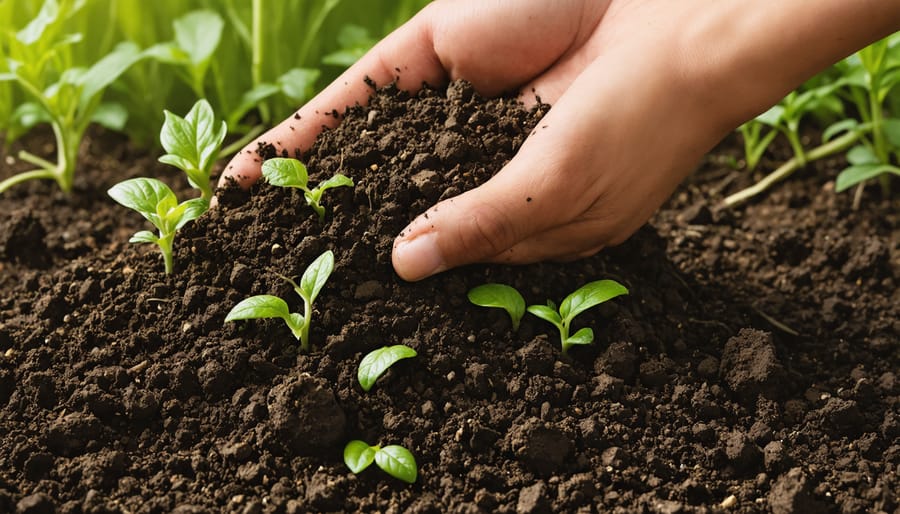
When you add compost to your soil, you’re not just dumping organic matter—you’re introducing an entire microscopic metropolis! Each handful of quality compost contains billions of beneficial bacteria, fungi, protozoa, and other microorganisms that transform lifeless dirt into vibrant, living soil.
Think of these tiny creatures as nature’s ultimate nutrient delivery service. Beneficial bacteria break down organic matter into plant-available nutrients, while mycorrhizal fungi form partnerships with plant roots, extending their reach and helping them access water and minerals from deeper soil layers. These underground networks work 24/7, cycling nutrients naturally without the need for synthetic fertilizers.
This biological revolution doesn’t happen with chemical fertilizers alone. In fact, some harsh chemicals can actually harm these beneficial organisms, disrupting the natural ecosystem you’re trying to build. Compost, on the other hand, feeds this community while simultaneously improving soil structure, creating those wonderful crumbly aggregates that hold moisture yet drain well.
For your lawn, this means stronger grass roots that can resist drought, disease, and pests more effectively. The diverse microbial community also helps suppress harmful pathogens naturally—it’s like having a microscopic security team protecting your turf. This regenerative approach creates soil that becomes healthier and more self-sustaining with each passing season.
From Compacted Clay to Garden Gold
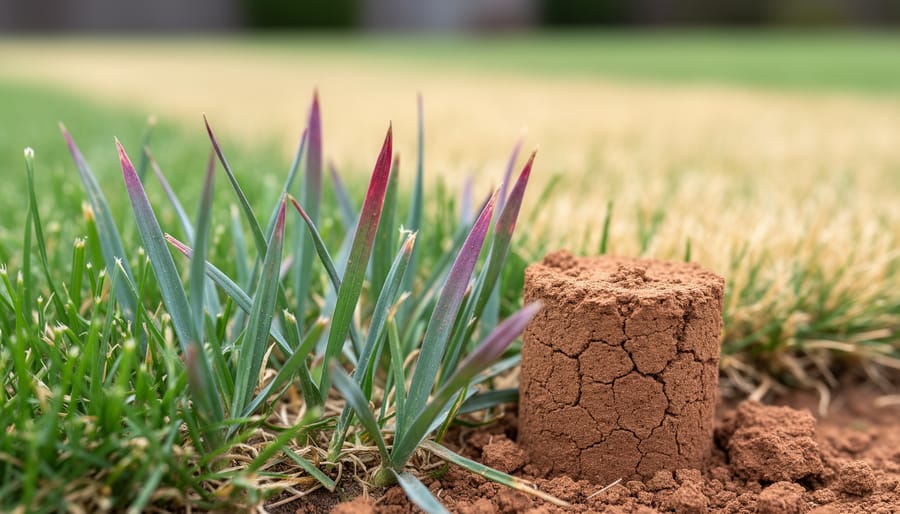
If you’ve ever struggled with hard, compacted soil that puddles after rain or turns to concrete during dry spells, compost is about to become your best friend. This dark, crumbly material works like magic to transform problematic clay or sandy soils into the kind of rich earth that makes plants thrive.
Here’s what happens when you add compost to your lawn and garden beds: it physically breaks up dense clay particles, creating air pockets that allow roots to breathe and expand. At the same time, it acts like a sponge, helping sandy soils hold onto moisture instead of letting it drain away too quickly. Think of compost as the ultimate soil mediator—it makes heavy soils lighter and light soils more substantial.
The benefits go beyond structure. When you incorporate compost and other eco-friendly soil amendments, you’re creating an environment where beneficial microorganisms flourish. These tiny helpers continue improving soil quality long after you’ve spread that initial layer. The result? Healthier grass that develops deeper roots, requires less watering, and naturally resists disease and pests. It’s not an overnight transformation, but with consistent applications, even the most challenging soil becomes garden gold.
The Environmental Impact: Beyond Your Backyard
Keeping Waste Out of Landfills (And Why That Matters)
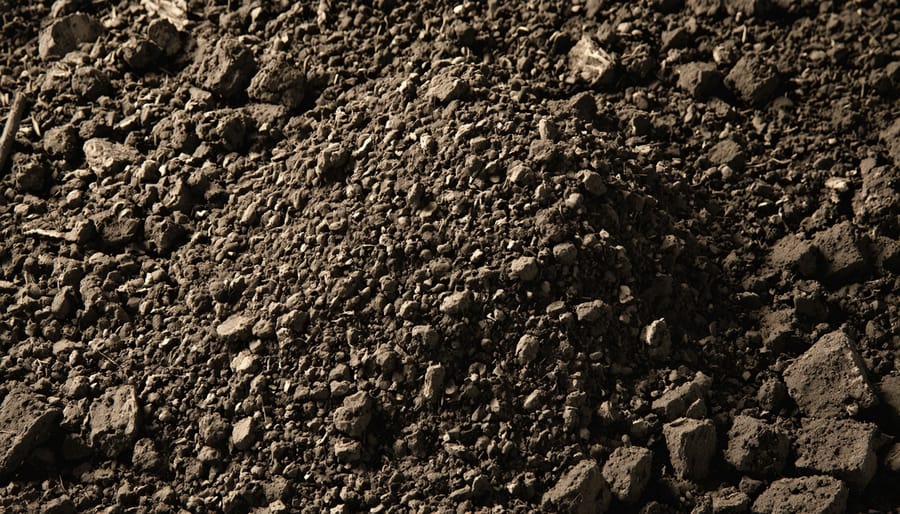
Here’s the thing about tossing food scraps and yard waste in the trash: they don’t just disappear. When organic materials decompose in landfills without oxygen, they produce methane—a greenhouse gas that’s roughly 25 times more potent than carbon dioxide at trapping heat in our atmosphere.
The numbers are pretty eye-opening. According to the EPA, organic waste makes up about 30% of what we throw away, yet less than 5% of food waste gets composted in the United States. That’s a massive missed opportunity! When you consider that the average American generates about 4.5 pounds of trash daily, redirecting even a portion of your organic waste to a compost bin instead of the curb makes a real difference.
Here’s the encouraging part: home composting gives those materials the oxygen they need to break down properly, virtually eliminating methane production. Even a modest backyard compost pile can divert 200-700 pounds of waste from landfills each year per household. That’s not just good for the planet—it transforms what would’ve been pollution into black gold for your garden beds and lawn.
Your Lawn as a Carbon Sink
Here’s something that might surprise you: your lawn can actually help fight climate change when you treat it right with compost. Instead of being just another patch of green to mow, compost-enriched soil transforms your yard into a genuine carbon sink.
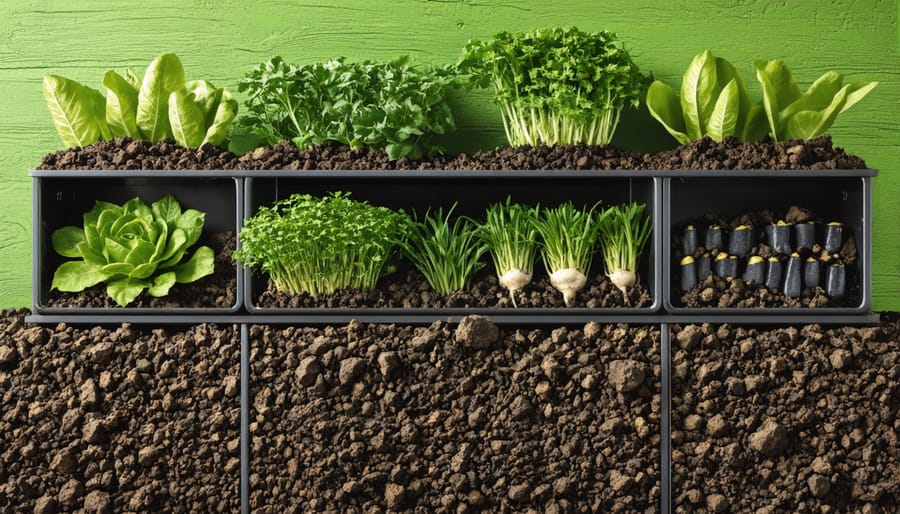
When you add compost to your lawn, you’re doing more than feeding the grass—you’re building organic matter in the soil that captures and stores atmospheric carbon dioxide. This process, called carbon sequestration, happens naturally as healthy soil microorganisms break down organic material and lock carbon away underground. The richer your soil becomes with compost, the more carbon it can hold onto for years, sometimes decades.
Think of it this way: every time you spread a layer of compost across your lawn, you’re essentially taking carbon out of the atmosphere and tucking it safely into the ground beneath your feet. Studies show that well-maintained, compost-enriched lawns can store significant amounts of carbon—turning what could be a climate contributor (especially if you’re using synthetic fertilizers) into an actual solution.
The best part? You’re not just helping the planet; you’re also creating the thick, lush lawn you’ve been dreaming about. That’s what we call a win-win for sustainable gardening.
Breaking the Chemical Fertilizer Cycle
Synthetic fertilizers come with a hefty environmental price tag that many gardeners don’t realize. The manufacturing process alone releases significant greenhouse gases into our atmosphere, and that’s just the beginning. Once applied to your lawn, these chemical fertilizers don’t always stay put—they wash away during rainfall, creating nutrient-rich runoff that pollutes streams, rivers, and ultimately our oceans. This runoff fuels harmful algae blooms that suffocate aquatic life and create dead zones in waterways.
Compost offers a refreshing alternative that breaks this damaging cycle. Instead of quick-release chemicals that plants can’t fully absorb, compost delivers nutrients slowly and steadily, meaning less waste and virtually no runoff. You’re essentially recycling organic materials that would otherwise rot in landfills, transforming kitchen scraps and yard waste into garden gold. This approach aligns perfectly with sustainable landscaping practices that protect both your yard and the broader environment. By choosing compost, you’re not just feeding your plants—you’re participating in a solution that reduces manufacturing emissions and keeps our waterways clean.
Water Conservation That Actually Works
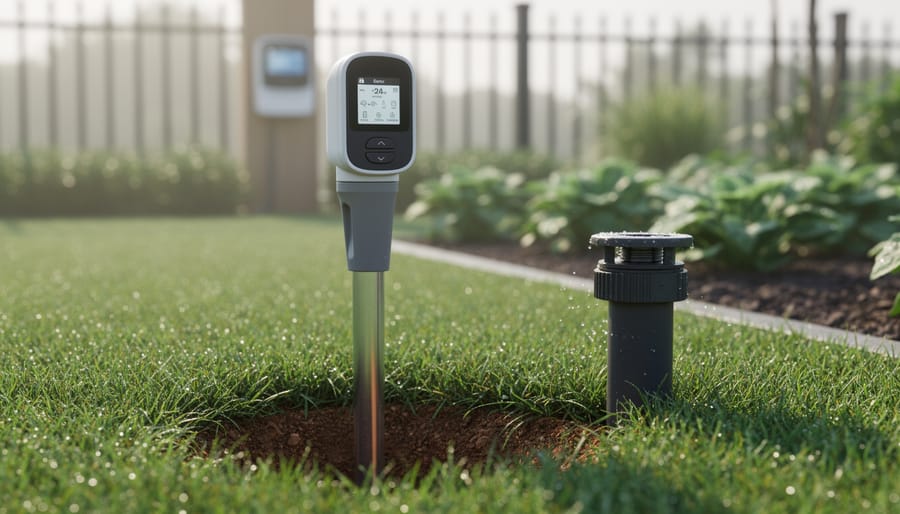
Here’s a water-saving benefit you’ll love: compost-enriched soil acts like a sponge, holding moisture far longer than regular dirt. In fact, adding just 5% organic matter to your soil can quadruple its water-holding capacity! This means you’ll water less frequently while keeping your lawn healthier—a genuine win-win for your schedule and the planet. During drought conditions, this becomes even more critical. Your compost-amended garden will stay resilient when neighbors are watching their lawns turn brown. Plus, reducing irrigation naturally eases the burden on local water supplies and lowers your utility bills. If you’re serious about making every drop count, combining compost with other water conservation strategies creates a powerfully sustainable approach to lawn care.
Real-World Results: What Compost Does for Your Landscape
Healthier Grass That Naturally Resists Problems
When you nourish your lawn with compost instead of synthetic fertilizers, you’re not just feeding the grass—you’re building a resilient ecosystem from the ground up. Compost creates stronger, deeper root systems that anchor plants more effectively and help them access water and nutrients during dry spells. This means your lawn naturally bounces back faster from heat stress, foot traffic, and seasonal challenges.
The beneficial microorganisms in compost also act as your lawn’s first line of defense against diseases and pests. These helpful bacteria and fungi colonize the soil and grass roots, crowding out harmful pathogens before they can establish themselves. It’s like having a microscopic security team working around the clock!
Perhaps most importantly, compost-fed lawns develop what I call “quiet strength”—they don’t need constant intervention to stay healthy. While chemically-treated lawns often become dependent on regular applications, compost builds long-term soil health that keeps giving season after season. You’ll notice fewer brown patches, reduced weed pressure, and grass that stays greener longer without synthetic inputs. This self-sustaining approach means less work for you and a healthier environment for everyone.
Fewer Weeds, Less Work
One of my favorite benefits of using compost on lawns is how it practically eliminates your weed problem without any chemical intervention. Here’s the beautiful cycle: compost enriches your soil with nutrients and beneficial microorganisms, which feeds your grass and helps it grow thick and vigorous. That lush, dense turf becomes nature’s own weed barrier, literally crowding out dandelions, crabgrass, and other unwelcome guests before they can establish themselves.
I’ve seen countless lawns transform from patchy, weed-infested eyesores into green carpets simply by applying a thin layer of compost twice yearly. When your grass is thriving, weeds struggle to find the light, space, and resources they need to germinate. This means you’ll spend far less time pulling weeds or worrying about herbicide applications. It’s a win for the environment, a win for your weekends, and a win for your wallet. The best part? You’re working with nature instead of against it, creating a self-sustaining lawn ecosystem that practically maintains itself.
The Cost Savings Nobody Talks About
Let’s talk money—because while saving the planet feels great, saving cash feels pretty great too. When you build healthy, compost-enriched soil, you’re essentially creating a self-sustaining system that cuts costs across the board.
First, there’s fertilizer. Quality compost eliminates or drastically reduces your need for chemical fertilizers, which can run $30-70 per treatment. Over a season, that adds up fast. Second, compost improves water retention in your soil, reducing irrigation needs by up to 30%—hello, lower water bills! Third, healthier lawns naturally resist pests and diseases, meaning fewer trips to the garden center for pesticides and fungicides.
The real kicker? You’ll spend less time and money fixing bare patches, dealing with compacted soil, or reseeding problem areas. Compost builds resilient turf from the ground up, turning your yard into a low-maintenance, cost-effective green space.
Getting Started: Making Compost Work in Your Landscape
Choosing Your Composting Method
Ready to start your composting journey? The good news is there’s a method that’ll work perfectly for your space and lifestyle. For backyard enthusiasts, a **traditional compost pile** is the simplest option—just designate a corner of your yard and start layering organic materials. It’s free and surprisingly effective, though it takes a bit longer to produce finished compost.
If you prefer something more contained, **compost bins** keep things tidy and help retain heat for faster decomposition. They’re ideal for suburban yards where aesthetics matter. **Compost tumblers** are my personal favorite for smaller spaces—they speed up the process through easy turning and look neat beside your garden shed.
Limited on outdoor space? No problem! **Vermicomposting** (worm bins) works brilliantly indoors or on balconies, producing nutrient-rich castings your lawn will love.
Not ready to DIY? **Store-bought compost** is a perfectly valid choice. Look for locally-sourced options to minimize transportation emissions and support sustainable businesses in your community. Whatever method you choose, you’re making an environmentally positive decision that’ll benefit your garden for years to come.
How Much Compost Your Lawn Actually Needs
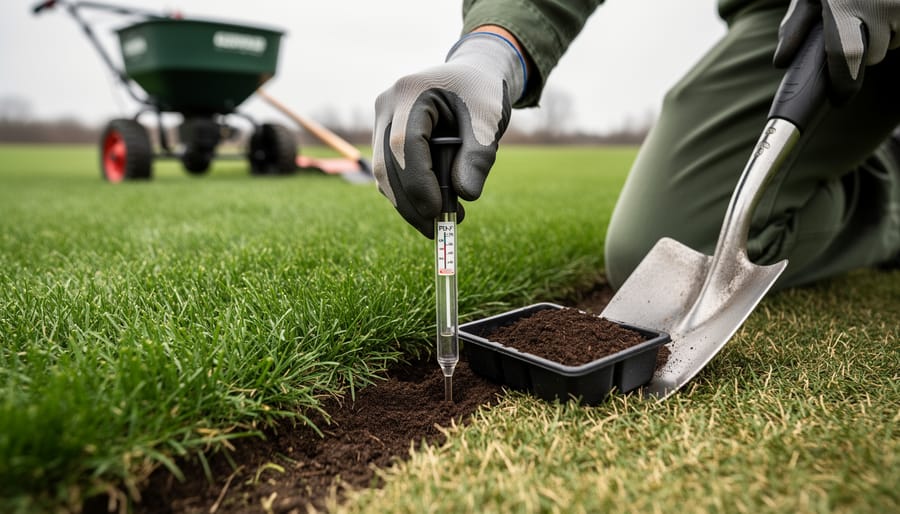
Getting the right amount of compost on your lawn is easier than you might think! For established lawns, aim for a thin layer of about ¼ to ½ inch of compost, which translates to roughly one cubic yard per 1,000 square feet. This is called topdressing, and it’s best done in early spring or fall when your grass is actively growing.
For new lawns, you can be more generous—work 1 to 2 inches of compost into the top 6 inches of soil before seeding or laying sod. This creates an ideal foundation for strong root development while boosting your soil’s environmental benefits.
Application technique matters too! Use a compost spreader for even coverage, or spread it manually with a shovel and rake. After applying, lightly rake the compost into the grass so it settles around the blades rather than smothering them. Water thoroughly afterward to help nutrients penetrate the soil.
The beauty of compost is that you really can’t overdo it—unlike synthetic fertilizers that can burn your lawn or pollute waterways. Start conservatively if you’re new to this, and you’ll quickly see how this sustainable approach transforms your lawn while protecting our environment.
Avoiding Common Beginner Mistakes
Even with the best intentions, new composters can inadvertently diminish compost’s environmental benefits through a few common missteps. Let’s address these head-on so you can maximize your eco-friendly impact.
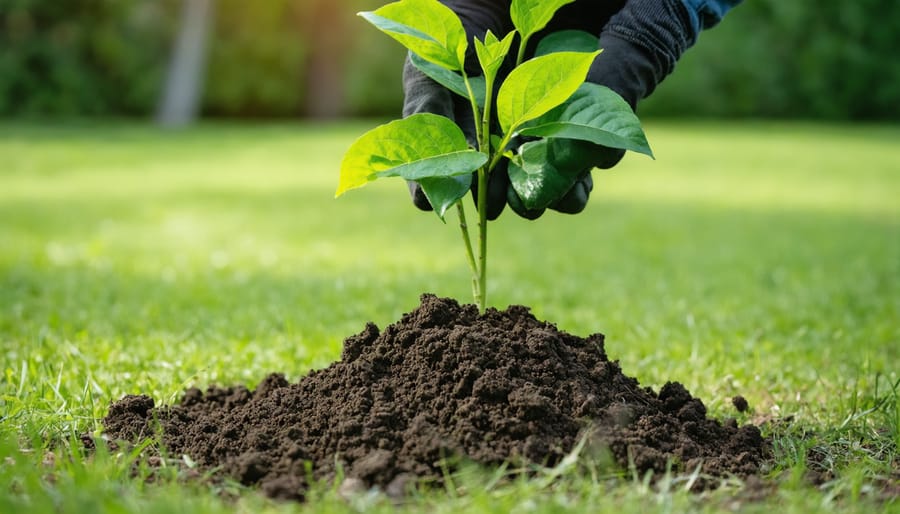
**Over-application** is perhaps the most frequent error. While compost is gentle compared to synthetic fertilizers, piling on too much—more than 1-2 inches annually—can smother grass roots and create nutrient imbalances. Think of it like seasoning: the right amount enhances everything, but too much ruins the dish.
**Weed seeds** become problematic when compost hasn’t reached temperatures high enough (140-160°F) during decomposition to kill them. If you’re buying compost, ask suppliers about their process. For homemade batches, consider screening compost before lawn application or allowing it to cure longer.
**Quality matters tremendously** for both environmental outcomes and lawn health. Good compost should smell earthy—never ammonia-like or rotten—crumble easily, and look dark and uniform. Poor-quality compost can introduce pathogens or contaminants that undermine sustainability goals.
Finally, **never compost** meat, dairy, oils, or pet waste for lawn use, as these attract pests and may harbor harmful bacteria. Stick to plant-based materials, and you’ll create a truly beneficial soil amendment that delivers on compost’s environmental promise.
The Bigger Picture: Compost in Sustainable Landscaping
Composting isn’t just a standalone practice—it’s a cornerstone of truly sustainable landscaping. When you embrace compost, you’re joining a larger movement toward environmental stewardship that extends far beyond your backyard.
Think of your landscape as an interconnected ecosystem rather than just a pretty space. Compost works beautifully alongside other eco-friendly practices like rainwater harvesting, native plantings, and organic mulch. Together, these practices create a self-sustaining cycle: healthy soil grows robust plants that require less water and fewer inputs, which means less maintenance and environmental impact.
By choosing compost over synthetic fertilizers, you’re reducing demand for products that require fossil fuels to manufacture and transport. You’re keeping organic waste out of overburdened landfills. And you’re building soil that acts as a carbon sink, actively pulling greenhouse gases from the atmosphere.
Every lawn care decision you make ripples outward. When you nourish your lawn with compost, you’re not just growing grass—you’re supporting beneficial insects, improving local water quality, and contributing to cleaner air. Your yard becomes part of the solution to environmental challenges rather than part of the problem.
The beauty of this approach? It’s accessible to everyone. Whether you’re maintaining a small urban garden or managing acres of property, integrating compost into your routine is a meaningful step toward responsible land stewardship that benefits both your immediate surroundings and the planet.
So, is compost good for the environment? Absolutely! By composting, you’re reducing landfill waste, cutting methane emissions, enriching your soil naturally, and creating a healthier ecosystem right in your backyard. Whether you’re nurturing a vibrant lawn or growing your first vegetable garden, compost offers a practical, sustainable solution that benefits both your plants and the planet. The beauty of composting is that you don’t need to be an expert or have fancy equipment to make a real difference. Start small—maybe with kitchen scraps and grass clippings—and watch how this simple practice transforms your garden while contributing to a healthier environment. Every small step counts, and your composting journey is one worth taking.