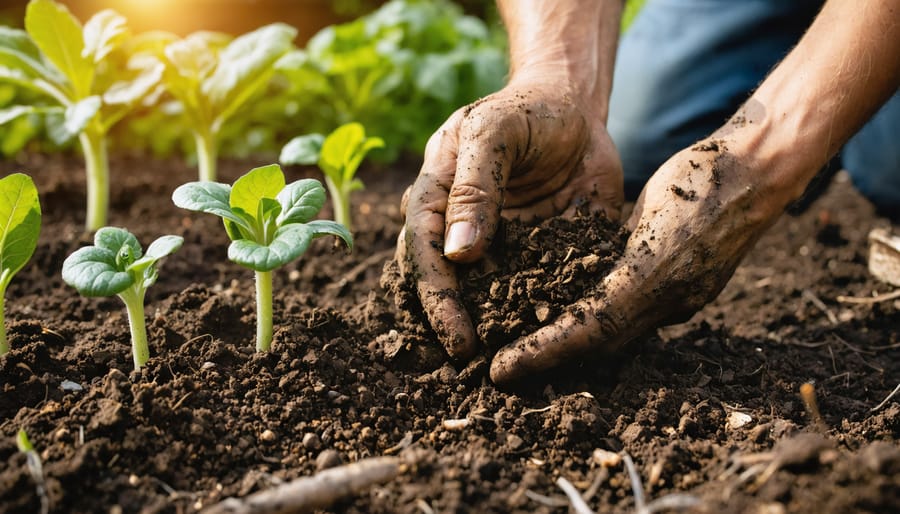
Your garden’s success begins beneath the surface, where the real magic happens. If your plants struggle to thrive, produce lackluster blooms, or seem perpetually stunted, your soil is likely crying out for help—and the good news is that transforming depleted earth into a thriving ecosystem is entirely within your reach.
**Layer organic matter directly onto garden beds each season**—compost, aged manure, or leaf mold work wonders—allowing beneficial microorganisms to break it down naturally while improving soil structure and nutrient availability. This simple practice mimics nature’s own renewal process and can transform hard, lifeless dirt into crumbly, chocolate-cake-textured soil within a single growing season.
**Test your soil pH and adjust accordingly** using natural amendments like lime to raise acidity or sulfur to lower it, ensuring your plants can actually access the nutrients already present. Most vegetables and flowers thrive in slightly acidic to neutral soil (6.0-7.0 pH), and this one step often solves mysterious growth problems overnight.
**Practice no-dig gardening by building layers** of organic materials directly on top of existing soil, preserving beneficial soil structure and the complex underground ecosystem that conventional tilling destroys. This sustainable approach reduces work while increasing long-term fertility.
**Feed your soil, not just your plants**—shift your thinking from quick-fix fertilizers to building lasting soil health through diverse organic amendments, cover cropping, and nurturing the microscopic life that makes nutrients available to plant roots naturally.
Why Your Garden Soil Needs More Than Just Fertilizer
The Living Soil Food Web
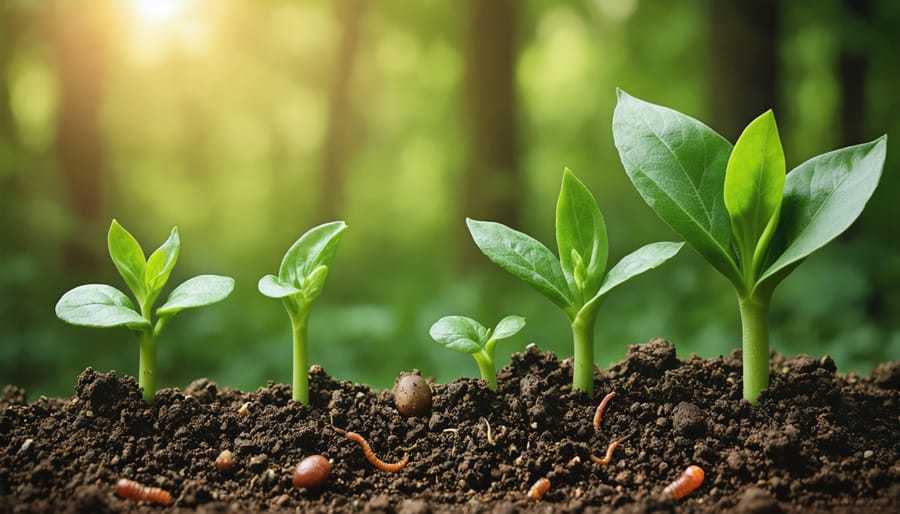
Beneath every thriving garden lies an invisible ecosystem working tirelessly to feed your plants. Think of your soil as a bustling underground city populated by billions of beneficial bacteria, fungi, and other microorganisms—each playing a vital role in breaking down organic matter and making nutrients accessible to plant roots.
At the heart of this system are mycorrhizal fungi, which form symbiotic relationships with plant roots, extending their reach far beyond what roots alone could achieve. These microscopic partners trade nutrients and water for sugars from your plants—nature’s perfect exchange program.
Then there are the earthworms, your garden’s hardworking tillers. As they tunnel through soil, they create channels for air and water while depositing nutrient-rich castings that act as slow-release fertilizer. A single earthworm can process its body weight in organic matter daily!
The beauty of this soil food web is that you don’t need to introduce these helpers—they’re already there. Your job is simply to feed them with organic matter like compost and mulch, avoid harsh chemicals that disrupt their communities, and let nature handle the rest.
Signs Your Soil is Starving
Your soil might be sending you distress signals that are easy to miss if you don’t know what to look for. Let’s walk through the telltale signs that your garden earth needs some serious TLC.
**Poor drainage** is often the first red flag. If puddles linger hours after watering or rain, your soil lacks the structure to move water efficiently. Conversely, if water rushes right through without moistening the root zone, you’re dealing with depleted soil that can’t hold nutrients.
**Compaction** is another major indicator—when soil becomes so hard you need serious effort to push a shovel through, beneficial organisms can’t thrive and roots struggle to penetrate. You might notice **crusting** on the surface after rain, which prevents seedlings from emerging.
Watch your plants carefully. **Stunted growth**, pale or yellowing leaves despite adequate watering, and plants that seem perpetually weak point to nutrient-starved soil. **Increased pest and disease problems** often follow, since stressed plants become easy targets.
Finally, check for **earthworm activity**. These soil champions indicate healthy conditions—their absence suggests your soil ecosystem has crashed. If you’re seeing several of these signs, it’s definitely time to start enriching.
The Core Components of Soil Enrichment
Think of healthy soil as a three-legged stool—remove any one leg, and the whole thing becomes unstable. The same principle applies to soil enrichment, which rests on three essential pillars: organic matter, minerals, and biological activity. Understanding how these components work together is your first step toward transforming lackluster soil into a thriving foundation for your garden.
**Organic matter** is the backbone of fertile soil. When you add compost, aged manure, or decomposed leaves, you’re creating a sponge-like structure that holds moisture and nutrients while improving drainage. I’ve seen gardeners turn concrete-hard clay into crumbly, workable earth simply by consistently adding organic materials. This pillar also feeds the next component, creating a beautiful cycle of renewal.
**Minerals** provide the essential nutrients plants need to grow strong and productive. While organic matter contributes some minerals as it breaks down, your soil may need additional help in the form of rock dust, greensand, or other natural amendments. The key is understanding what your specific soil lacks—something a simple soil test can reveal—rather than randomly adding products and hoping for the best.
**Biological activity** is where the magic truly happens. Billions of microorganisms, earthworms, and beneficial fungi form an underground ecosystem that converts raw materials into plant-available nutrients. These tiny workers are your garden’s labor force, tirelessly breaking down organic matter and creating soil structure. When all three pillars work in harmony, you’ll notice plants that are more resilient, productive, and naturally resistant to pests and diseases—all while reducing your dependence on synthetic inputs.
Composting: The Backbone of Soil Enrichment
Starting Your Compost System (Even in Small Spaces)
You don’t need acres of space to create nutrient-rich compost—even apartment dwellers can get in on the action! The key is choosing a system that fits your situation and lifestyle.
**Compost bins** are perfect for typical backyards. These enclosed containers keep things tidy while still allowing air circulation. You can buy ready-made bins or build one from pallets or wire mesh. They’re ideal if you have moderate kitchen scraps and yard waste to process.
**Compost tumblers** take the backache out of turning your pile. Simply rotate the drum every few days, and you’ll have finished compost faster than traditional methods. They’re excellent for people who want quicker results and don’t mind the upfront investment.
**Vermicomposting** is your go-to for small spaces. Red wiggler worms happily munch through kitchen scraps in a compact bin that fits under sinks or on balconies. The resulting worm castings are absolute gold for your garden, and there’s virtually no odor when done correctly. Plus, you’ll discover the many benefits of composting even in the smallest setting.
**Simple pile systems** work beautifully if you have space and aren’t worried about aesthetics. Just designate a corner of your yard, layer your materials, and let nature do its thing. It’s the most budget-friendly option and surprisingly effective.
Whatever method you choose, you’re taking a powerful step toward sustainable gardening while transforming waste into black gold for your soil.
What Goes In: The Green-Brown Balance
Think of creating quality compost like baking—you need the right recipe! Your compost pile thrives on a balance of “greens” (nitrogen-rich materials) and “browns” (carbon-rich materials), ideally in a 1:2 or 1:3 ratio.
**Greens** include fresh grass clippings, vegetable scraps, coffee grounds, and fresh plant trimmings. These nitrogen-packed materials heat up your pile and speed decomposition. **Browns** encompass dried leaves, shredded paper, cardboard, straw, and wood chips—the carbon providers that create structure and prevent smelly, soggy messes.
A common mistake? Too many grass clippings without enough browns, resulting in a slimy, odorous pile. I learned this the hard way after an enthusiastic spring mowing session! Balance is key. Layer your materials like lasagna, alternating greens and browns, or simply mix them together as you add them.
Skip meat, dairy, oils, and pet waste—they attract pests and can harbor pathogens. Stick with plant-based materials, and you’ll create nutrient-rich “black gold” that transforms your garden soil naturally.
When Your Compost is Ready to Enrich Soil
You’ll know your compost is ready when it transforms into dark, crumbly material with an earthy smell—think forest floor rather than kitchen scraps. Finished compost should be cool to the touch and mostly uniform in texture, though a few woody bits are perfectly fine to screen out. The real test? You shouldn’t be able to identify individual ingredients anymore.
For spring planting, spread 2-3 inches of finished compost over your beds about two weeks before sowing seeds or transplanting. This gives beneficial microorganisms time to integrate with your existing soil. In fall, I love applying a generous layer after harvest as a protective mulch—it’ll continue breaking down over winter, feeding next season’s garden while suppressing weeds.
For established beds, simply top-dress around plants throughout the growing season, gently working it into the top few inches without disturbing roots. Your garden will reward you with healthier plants and better yields, all while you’ve diverted waste from landfills. It’s the ultimate win-win for sustainable gardening! Remember, you can never really add too much compost—it’s nature’s multivitamin for your soil.
Natural Amendments That Supercharge Soil Health
Kitchen and Yard Waste as Direct Soil Builders
You don’t need to look far to find excellent soil builders—your kitchen and yard are treasure troves of organic materials that can transform your garden soil. Grass clippings are perhaps the easiest amendment to access. After mowing (just skip the collection bag!), leave those clippings on your lawn or collect them for garden beds. They’re nitrogen-rich and break down quickly, feeding both plants and soil microbes. Just avoid using clippings from chemically treated lawns.
Fallen leaves are another goldstar resource. While whole leaves make excellent protective mulch, shredding them speeds decomposition and prevents matting. Mix them into beds or pile them around plants—they’ll gradually enrich the soil with nutrients and improve structure.
Coffee grounds deserve special mention. They’re slightly acidic, add nitrogen, and improve drainage in heavy soils. Sprinkle them directly onto beds or add to compost. Many coffee shops offer used grounds free!
These simple mulching techniques work double-duty: they suppress weeds while slowly feeding your soil. The key is consistency—regularly adding these materials creates a sustainable cycle that mimics nature’s own soil-building process, reducing your need for purchased amendments while giving kitchen scraps and yard waste new purpose.
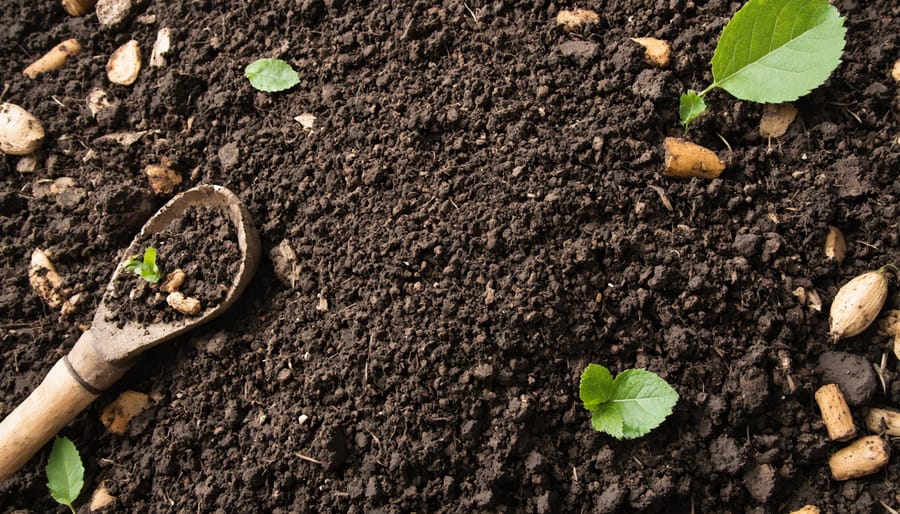
Cover Crops and Green Manures
Think of cover crops as nature’s soil-building superheroes—they work tirelessly during your garden’s downtime to enrich the earth for next season’s bounty. Planting cover crops like clover, vetch, or winter rye in fall or between growing seasons is one of the most sustainable ways to improve soil health without spending a fortune on amendments.
Here’s why they’re so effective: these hardworking plants capture atmospheric nitrogen and convert it into a form your vegetables can actually use. When you cut them down in spring and turn them into the soil (this is called “green manuring”), they decompose and add precious organic matter, improving soil structure and feeding beneficial microorganisms. Winter rye is particularly fantastic for breaking up compacted soil with its extensive root system, while clover fixes nitrogen beautifully and creates a living mulch that suppresses weeds.
The best part? Cover crops do the heavy lifting while you’re cozied up indoors planning next year’s garden. Simply broadcast seeds over bare beds after harvest, keep them lightly watered until established, then chop and drop them a few weeks before spring planting. It’s passive soil enrichment at its finest!
Sustainable Mineral Amendments
Rock dust, bone meal, and wood ash are nature’s slow-release mineral banks, perfect for addressing specific nutrient gaps without the environmental cost of synthetic fertilizers. Think of them as long-term investments in your soil’s health rather than quick fixes.
**Rock dust** (granite or basalt) excels at replenishing trace minerals and improving soil structure over several seasons. Apply it in fall or early spring at 5-10 pounds per 100 square feet, working it into the top few inches of soil where microorganisms can unlock its minerals.
**Wood ash** from untreated wood provides potassium and raises pH—ideal for acidic soils. Use sparingly (about 1 pound per 10 square feet annually) as it’s potent stuff. I’ve seen gardeners accidentally create alkaline conditions by overdoing it, so test your soil first.
**Bone meal** delivers phosphorus for strong root development and flowering. Mix 1-2 pounds per 100 square feet when planting bulbs or establishing perennials. It breaks down slowly, feeding plants for months.
Always conduct a soil test before adding mineral amendments—you want to address actual deficiencies, not create imbalances. These amendments work best when combined with organic matter that supports the microbial activity needed to make minerals plant-available.
No-Dig Methods That Protect Soil Structure
Sheet Mulching for New Garden Beds
Sheet mulching is a wonderfully low-effort way to transform lawn or compacted soil into a thriving garden bed without breaking your back with digging. I love this method because it harnesses natural decomposition to do the heavy lifting for you.
Start by mowing your lawn or weeds as short as possible, then lay down overlapping sheets of plain cardboard directly on top, covering the entire area you want to convert. Make sure to remove any tape or labels first. Water the cardboard thoroughly—it needs to be soaking wet to start breaking down.
Now comes the fun part: layering organic materials. Add 3-4 inches of nitrogen-rich “green” materials like grass clippings or kitchen scraps, followed by 3-4 inches of carbon-rich “brown” materials such as shredded leaves or straw. Repeat these layers until you’ve built up at least 12-18 inches total.
Top everything with 2-3 inches of finished compost or quality topsoil to give your plants an immediate growing medium. Water deeply, and you’re done! The cardboard smothers grass while creating habitat for earthworms, and within 6-12 months, you’ll have incredibly rich, fluffy soil ready for planting.
Annual Top-Dressing for Established Gardens
Once your garden beds are established, they still need regular feeding to stay productive and healthy. Think of annual top-dressing as a vitamin boost for your soil—it replenishes nutrients that plants have consumed and maintains that rich, crumbly texture we all love.
Each spring, apply a two-to-three-inch layer of finished compost across your beds before planting. Simply spread it over the surface and let earthworms do the mixing for you—no need to dig it in. This gentle approach protects soil structure and the beneficial organisms living there.
In fall, after your growing season winds down, add another layer of compost along with organic mulch like shredded leaves or straw. This combination insulates plant roots through winter while slowly breaking down to feed spring growth. The mulch layer also suppresses weeds and retains moisture, giving you a head start next season.
I’ve found that gardens receiving this twice-yearly treatment become noticeably more resilient over time—plants grow stronger, resist pests better, and produce more abundantly. It’s a simple rhythm that works with nature’s cycles rather than against them.
Seasonal Soil Enrichment Strategies
Timing truly is everything when it comes to building better soil! I’ve learned through plenty of trial and error that working *with* the seasons rather than against them makes soil enrichment so much more effective—and honestly, a lot less frustrating.
**Spring: Awakening Your Soil**
As temperatures rise, it’s prime time to add compost and well-aged manure to your beds. The increased microbial activity in warming soil means amendments break down quickly, delivering nutrients right when plants need them most. Spring is also perfect for top-dressing existing beds with a 2-3 inch layer of compost. If you’re planning new beds, incorporate organic matter now, allowing a few weeks for it to settle before planting.
**Summer: Mulch and Maintain**
During the growing season, focus on mulching to protect soil life from heat stress and moisture loss. Apply organic mulches like straw or wood chips, which gradually decompose and feed the soil beneath. This is also an excellent time to plant cover crops in any empty spaces—buckwheat grows quickly and adds organic matter when you turn it under in fall.
**Fall: The Golden Season**
Autumn is my favorite time for serious soil building! Spread compost, aged manure, and mineral amendments like rock phosphate across beds. The cool, moist conditions allow materials to break down slowly over winter. Fall is also ideal for planting cover crops like winter rye or crimson clover—they’ll protect bare soil, prevent erosion, and fix nitrogen. Don’t forget to add fallen leaves; they’re nutrient-rich gold for your garden.
**Winter: Planning and Preparing**
In milder climates, continue adding compost and leaves. Everywhere else, winter is perfect for planning next year’s enrichment strategy and building your compost pile with kitchen scraps. Those cold months give amendments time to integrate naturally, setting you up for spring success.
Common Mistakes That Waste Time and Money
We’ve all been there—enthusiastically dumping bags of amendments into our garden beds, hoping for miraculous results. But I’ve learned through my own trial and error that more isn’t always better when it comes to soil enrichment, and some common missteps can actually set you back.
**Over-enriching** is probably the most frequent mistake I see. Adding too much compost or manure can burn plant roots and create nutrient imbalances. Your soil doesn’t need a complete overhaul—think of it as nourishing a living ecosystem rather than force-feeding it. A two to three-inch layer of compost worked into the top six inches is typically plenty for most gardens.
Another costly error? **Skipping the soil test**. I know it seems like an unnecessary expense, but guessing at what your soil needs often means buying amendments you don’t actually need. A simple test reveals exactly which nutrients are lacking and prevents you from throwing money at the wrong problems.
**Using contaminated materials** is surprisingly common too. That free mulch from an unknown source or manure from horses fed hay treated with persistent herbicides can introduce chemicals or weed seeds that plague your garden for years. Always verify your sources and opt for certified organic materials when possible.
Perhaps the toughest mistake to avoid is **expecting instant transformation**. Soil building is a marathon, not a sprint. You won’t see dramatic changes overnight, but with consistent amendments and sustainable practices, you’ll notice improved soil structure, reduced watering needs, and healthier plant growth within a single growing season. Patience and persistence are your best investments here—trust the process and keep nurturing that underground ecosystem.
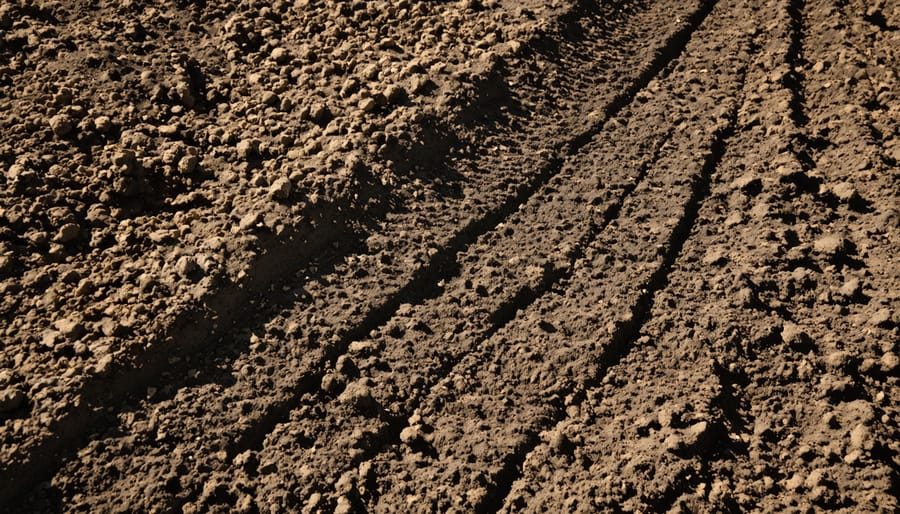
Enriching your garden soil isn’t just a one-time project—it’s an investment that keeps paying dividends season after season. Once you’ve built up that rich, living soil, you’ll notice the difference everywhere: your plants will need less frequent watering because the improved structure holds moisture better, pest problems often diminish as stronger plants naturally resist attacks, and you’ll find yourself reaching for synthetic fertilizers less and less as your soil ecosystem becomes self-sustaining. The real reward? Harvests that are not only more abundant but bursting with flavor and vitality.
The beauty of soil enrichment is that you don’t need to tackle everything at once. Start with just one simple step—maybe spreading a layer of compost this weekend or planting a cover crop in your off-season beds. Even small improvements compound over time. I’ve seen gardeners transform rock-hard clay into crumbly, productive soil simply by adding organic matter consistently, year after year.
Remember, every legendary garden you’ve admired started with someone willing to take that first step. Your soil didn’t become depleted overnight, and it won’t transform overnight either—but with patience and these sustainable practices, anyone can create thriving, resilient garden soil. The journey might take a season or two, but your future self (and your future harvests) will thank you for starting today.