Walk your Massachusetts lawn every week during the growing season, noting weed locations and population density before they flower and spread seed. This scouting approach reveals which weeds are actually problematic versus those appearing in small, manageable numbers that don’t warrant immediate action.
Learn to distinguish between annual weeds like crabgrass and hairy bittercress that complete their life cycle in one season, versus perennial invaders such as dandelions, clover, and ground ivy that return year after year from established root systems. This identification shapes your entire management strategy, since annuals require prevention before germination while perennials demand targeted removal or repeated intervention.
Establish your personal tolerance threshold by asking whether weeds are affecting lawn health, spreading aggressively, or simply appearing as scattered individuals in otherwise healthy turf. A few dandelions in a thick, green lawn may need no treatment at all, while dense patches of aggressive species like Japanese knotweed or bindweed require immediate attention to prevent takeover.
Massachusetts homeowners face unique challenges from both cool-season weeds that thrive in spring and fall, and warm-season invaders that explode during summer heat. Understanding these patterns means you’ll scout for different species at different times, catching problems when they’re easiest to manage. The goal isn’t a sterile, weed-free monoculture but a resilient lawn where desirable grasses outcompete occasional weeds through proper care and strategic intervention only when populations exceed acceptable levels.
Understanding Scouting and Thresholds: Your First Line of Defense

What Is Threshold-Based Weed Management?
Here’s the thing about weeds: not every dandelion or clover patch requires immediate action. Threshold-based weed management is a smarter, more sustainable approach that asks a simple question before you reach for any tools or treatments: “Is this weed problem actually causing enough harm to warrant intervention?”
There are two key thresholds to consider. The economic threshold applies mainly to agricultural settings, where you calculate whether the cost of controlling weeds exceeds the damage they’re causing. For home lawns, though, the aesthetic threshold is what really matters. This is your personal tolerance level—how much weed presence bothers you before you feel compelled to take action.
Maybe you can live with a few violets scattered across your lawn, or perhaps five dandelions per square foot is your breaking point. This threshold varies for everyone, and that’s perfectly okay. By establishing your own comfort level, you avoid unnecessary treatments that waste time, money, and resources while potentially harming beneficial insects and soil health.
The beauty of this approach is that it puts you in control, letting you manage weeds thoughtfully rather than reactively, creating a healthier lawn ecosystem in the process.
Creating Your Scouting Schedule
Effective weed scouting starts with consistency. Plan to walk your lawn weekly during the growing season, from April through October in Massachusetts. Early morning or late afternoon works best when lighting makes weeds more visible and temperatures are comfortable for thorough inspection.
Focus your attention on problem areas first: lawn edges, thin patches, and spots with poor drainage where weeds establish most readily. Carry your phone to photograph unfamiliar plants for later identification. During each walk, note weed types, their locations, and approximate coverage. This information helps you recognize patterns and anticipate trouble spots.
Spring scouting should align with your overall seasonal lawn care strategy, targeting cool-season weeds like chickweed and dandelions. Summer inspections catch crabgrass early when control is easiest. Fall scouting identifies perennials preparing for winter and new weed seedlings.
Look beyond just weeds during inspections. Check grass health, soil moisture, and bare patches that invite weed invasion. Healthy, dense turf remains your best defense. Keep a simple garden journal noting observations and actions taken. This practice transforms random lawn maintenance into strategic, sustainable weed management that actually works with Massachusetts conditions.
Broadleaf Weeds Common in Massachusetts Lawns
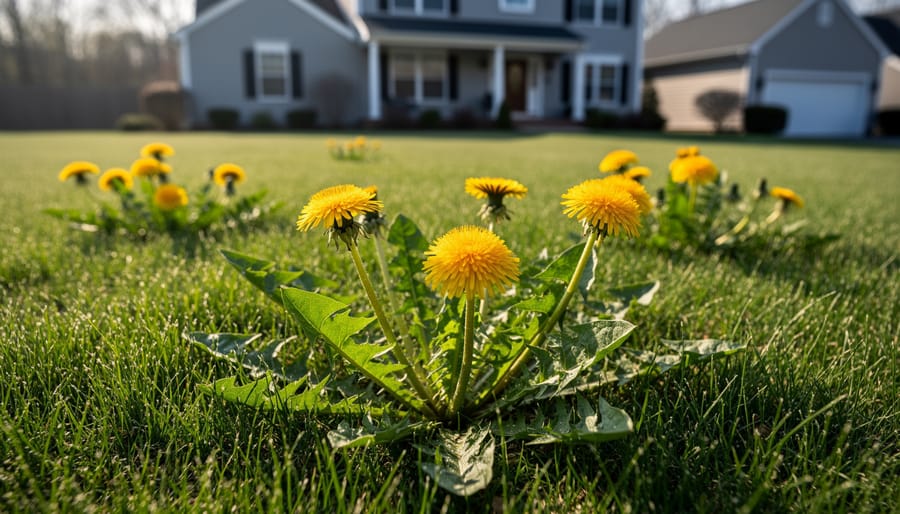
Dandelions (Taraxacum officinale)
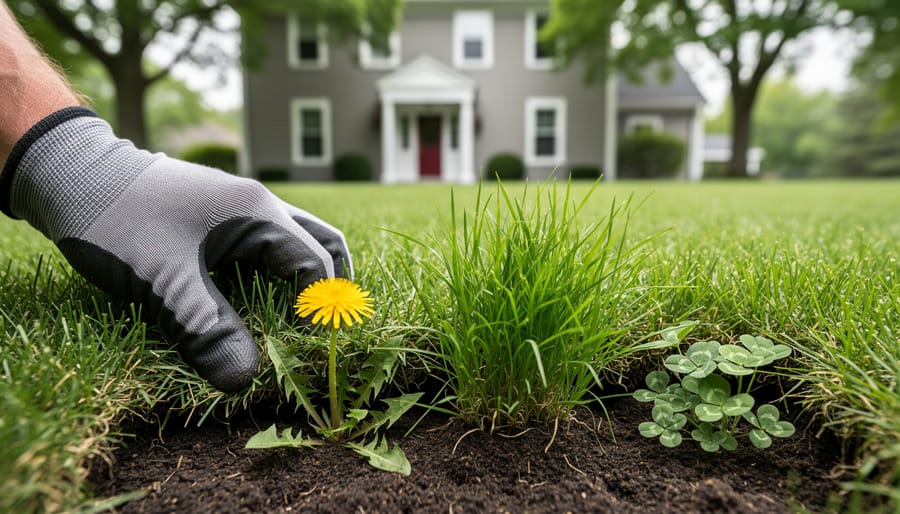
You’ve probably noticed these cheerful yellow flowers dotting your lawn each spring—and let’s be honest, they’re persistent little survivors for good reason. Dandelions are perennial weeds with a deep taproot that can extend 10-15 inches into your soil, making them remarkably drought-resistant and difficult to eliminate completely. You can identify them by their distinctive rosette of jagged, tooth-like leaves (hence the name from French “dent-de-lion” or lion’s tooth), hollow stems that ooze milky sap when broken, and those iconic yellow composite flowers that transform into fluffy seed heads.
In Massachusetts, dandelions thrive in our climate because they’re incredibly adaptable and can tolerate our variable conditions. Their deep taproots access nutrients and water that shallow-rooted grass can’t reach, giving them a competitive advantage during dry spells. From a threshold perspective, most lawn care professionals consider 5-10 dandelions per 100 square feet acceptable before intervention becomes necessary. If you’re maintaining a healthy, dense lawn through proper mowing height and fertilization, a few dandelions won’t compromise your turf’s overall appearance or health—and pollinators actually appreciate these early-season nectar sources.
White Clover (Trifolium repens)
You’ll recognize white clover by its distinctive three-part leaves and small white (sometimes pinkish) pompom flowers that bloom from spring through fall. Each leaflet has a characteristic light watermark across its center, making identification pretty straightforward once you know what to look for.
Here’s something interesting: white clover isn’t necessarily your enemy. This low-growing perennial actually fixes nitrogen in your soil, essentially fertilizing your lawn for free. It stays green during droughts when your grass turns brown, tolerates foot traffic reasonably well, and provides nectar for pollinators. Many sustainable gardeners intentionally include it in their lawns for these benefits.
That said, clover does spread aggressively through stolons (above-ground runners) and can dominate a lawn if conditions favor it—particularly in nitrogen-poor soil. If you’re aiming for a uniform grass-only appearance, it becomes problematic.
The threshold question depends entirely on your goals. Some homeowners happily accept 20-30% clover coverage, appreciating the ecological benefits. Others maintain strict zero-tolerance. Before declaring war, consider whether clover is genuinely hurting your lawn’s function or just challenging your aesthetic preferences. Often, improving soil fertility through regular feeding naturally tips the competitive balance back toward grass.
Plantain (Plantago major and P. lanceolata)
You’ve likely spotted plantain in your lawn—those low-growing rosettes with distinctive ribbed leaves are hard to miss once you know what you’re looking for. Broadleaf plantain (Plantago major) has wide, oval leaves with prominent parallel veins, while buckhorn plantain (P. lanceolata) features narrower, lance-shaped foliage. Both send up characteristic seed stalks that look a bit like miniature cattails.
These tough perennials thrive in compacted soil and worn pathways, which tells you something important about your lawn’s health. You’ll often find them in high-traffic areas, along walkways, or anywhere your soil has been compressed.
Here’s the good news: unless plantain covers more than 20-30% of your lawn, it’s not worth stressing over. These plants actually indicate compaction issues that need addressing anyway. Focus on improving soil aeration through core aeration in fall, which naturally reduces plantain populations by creating better growing conditions for your grass. For isolated patches, hand-pulling after rain works wonderfully—those shallow root systems come right up. If you’re dealing with extensive infestations, spot-treating with broadleaf herbicide in early fall is most effective, but tackle that soil compaction first, or they’ll just keep coming back.
Ground Ivy (Glechoma hederacea)
Ground ivy is one of those weeds that really knows how to make itself at home in Massachusetts lawns, especially if you’ve got shady areas. You’ll recognize this aggressive spreader by its scalloped, round-to-kidney-shaped leaves and small purple flowers that appear in spring. The stems creep along the ground, forming dense mats that can quickly choke out grass—and here’s the thing: each node along those stems can root, making it a formidable opponent.
This plant absolutely thrives in shade where your grass struggles, which is why it’s often found under trees or along the north sides of houses. It also loves moist, poorly drained soil, so if you’ve got both shade and dampness, you’ve created ground ivy paradise.
When it comes to tolerance thresholds, ground ivy gets a much lower pass than many other weeds due to its invasive nature. Even small patches can spread rapidly throughout the growing season, so I recommend taking action when you spot it covering more than 5-10% of a shaded area. The key is catching it early—once it’s established, it becomes significantly harder to manage sustainably. Hand-pulling works for small infestations, but you’ll need to get every bit of stem since those nodes regenerate easily. For larger patches, improving drainage and increasing light penetration can help your grass compete more effectively.
Chickweed (Stellaria media)
Chickweed is one of those sneaky winter annuals that thrives when your grass is taking a break. You’ll typically spot this low-growing weed establishing itself in fall and flourishing through Massachusetts’ cooler months, though it can germinate in spring too. The key to identification lies in its delicate appearance—look for small, oval leaves arranged in pairs along weak, trailing stems, and tiny white star-shaped flowers that appear almost year-round when temperatures permit.
Here’s what makes chickweed tricky: it loves the cool, moist conditions of early spring and late fall, spreading rapidly across thin or bare lawn areas. The plant has a shallow root system connected by stems that root at nodes, creating dense mats that can smother grass if left unchecked.
Your best defense is early detection through regular monitoring, especially in shaded areas and spots with compacted soil where grass struggles. Walk your lawn in early fall and again in late winter—these are prime chickweed seasons. If you catch small patches early, hand-pulling works beautifully since the roots are shallow, particularly after rain when soil is soft. For sustainable management, focus on maintaining thick, healthy turf through proper fertilization and overseeding, which naturally crowds out this opportunistic weed before it becomes a larger problem.
Black Medic and Other Common Broadleaf Invaders
Massachusetts lawns face several persistent broadleaf invaders that deserve your attention during scouting walks. Black medic spreads low to the ground with small yellow flowers and clover-like leaves, though it has three leaflets per stem rather than clover’s rounded appearance. You’ll often find it thriving in compacted, nitrogen-poor soil—a helpful diagnostic clue about your lawn’s health.
Henbit emerges early in spring with distinctive purple tubular flowers and scalloped leaves arranged in whorled layers up the stem. This winter annual can actually be quite charming in small patches, and many sustainable gardeners tolerate light infestations. Yellow woodsorrel looks deceptively delicate with heart-shaped leaflets and bright yellow flowers, but its explosive seed pods spread it quickly across thin turf areas.
Creeping Charlie earns its reputation as a tough customer with scalloped, kidney-shaped leaves and purple-blue flowers. It thrives in shady, moist spots where grass struggles, forming dense mats via creeping stems. Finally, spotted spurge hugs the ground with reddish stems and small oval leaves marked with a purple spot. This summer annual loves hot, dry conditions and frequently invades sidewalk cracks and stressed lawn edges, making it an excellent indicator of irrigation issues.
Grassy Weeds That Invade Massachusetts Lawns
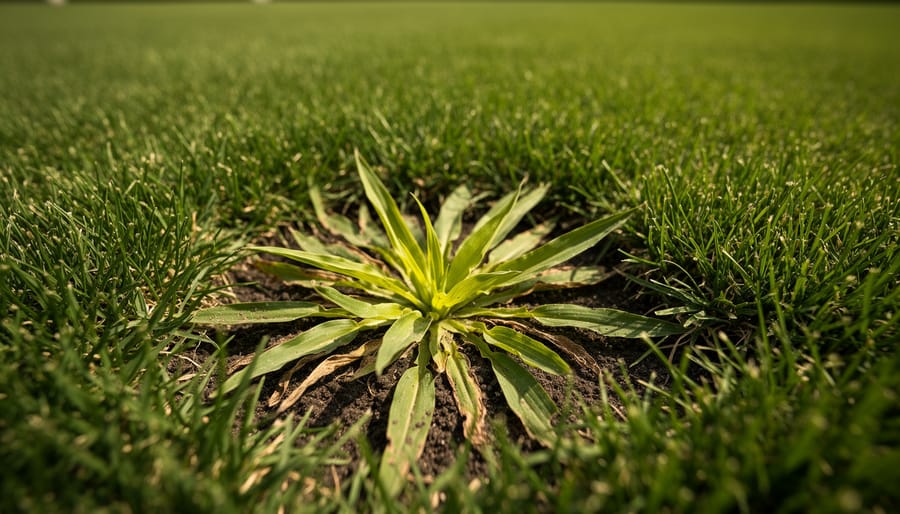
Crabgrass (Digitaria species)
If you’ve noticed light green patches spreading through your lawn during summer’s heat, you’re likely dealing with crabgrass. This notorious summer annual germinates when soil temperatures reach about 55-60°F consistently, usually around mid-May in Massachusetts. The plant forms low-growing clumps with wide, coarse blades that spread outward from a central point, resembling—you guessed it—a crab.
Crabgrass thrives in our hot, humid Massachusetts summers, particularly in thin or stressed lawns where bare soil gives it room to establish. Each plant produces thousands of seeds before frost kills it in fall, creating problems for years to come. That’s why prevention is absolutely critical.
Here’s the good news: you don’t need a perfectly weed-free lawn to have a healthy one. Most lawn care experts suggest a threshold of about 5-10% crabgrass coverage before taking action. Less than that? Your lawn can outcompete it naturally with proper care.
The key to sustainable crabgrass management is spring scouting. Walk your lawn in early April, looking for bare spots or thin areas where crabgrass established last year. These are your problem zones. Focus on thickening these areas through overseeding in fall and maintaining proper mowing height (3-4 inches) to shade out germinating seeds. A dense, healthy lawn is your best defense against this persistent invader.
Quackgrass (Elymus repens)
Quackgrass stands out as one of the most challenging perennial grasses you’ll encounter in Massachusetts lawns. You can identify it by its distinctive blue-green color, coarse texture, and clasping auricles (small claw-like projections where the blade meets the stem). What makes quackgrass particularly troublesome is its aggressive underground rhizome system that spreads rapidly beneath the soil surface, allowing a single plant to colonize large areas surprisingly quickly.
Here’s the important part: even a small patch of quackgrass warrants immediate attention. Unlike some weeds where you can tolerate low populations without serious consequences, quackgrass’s spreading nature means that handful of plants you notice today can become a major infestation by next season. Those persistent rhizomes break easily when you try to remove them, and each fragment can regenerate into a new plant.
The sustainable approach involves spot-treating small populations before they establish, whether through careful hand-digging (removing all rhizome fragments) or targeted herbicide use. Regular monitoring during your lawn scouting routine helps you catch quackgrass early when management is most effective and least invasive.
Annual Bluegrass (Poa annua)
Annual bluegrass is one of those weeds that makes lawn care folks scratch their heads. This light green, fast-growing grass actually looks pretty decent at first glance, which is exactly the problem. You’ll recognize it by its boat-shaped leaf tips and shallow root system that creates soft, spongy patches in your lawn. In spring, it produces distinctive white seed heads that give affected areas a whitish cast.
Here’s the tricky part: in Massachusetts’s cool-season lawns, annual bluegrass thrives in the same conditions as your desirable grasses like Kentucky bluegrass and perennial ryegrass. It germinates in fall, looks lush through spring, then dies off in summer heat, leaving brown patches just when you want your lawn looking its best.
The threshold question really depends on your lawn’s purpose. For a relaxed family play area, some annual bluegrass might be acceptable since it fills in quickly. However, if you’re aiming for a uniform, resilient lawn, keeping populations below 5-10 percent makes sense. The sustainable approach focuses on cultural practices like proper mowing height and overseeding bare spots in fall to outcompete this opportunistic weed before resorting to more intensive interventions.
Foxtails and Other Annual Grasses
Annual grasses often sneak into Massachusetts lawns during warm summer months, and catching them early makes all the difference. Yellow foxtail and green foxtail are the most recognizable troublemakers, with their distinctive fuzzy seedheads that resemble—you guessed it—fox tails. These typically emerge in June and July, thriving in bare spots and thin turf areas. Green foxtail tends to be slightly more aggressive, but both varieties signal that your lawn might need better density to crowd out future invaders.
Barnyard grass is another summer annual that loves disturbed soil and compacted areas. You’ll spot it by its flat, reddish-purple stems and lack of a ligule where the leaf meets the stem. It’s a rapid grower, so scout weekly during peak season. Goosegrass, often called silver crabgrass, forms distinctive silvery-white rosettes close to the ground and prefers compacted, high-traffic zones.
When scouting, focus on problem areas like walkway edges, driveways, and thin lawn patches. The sustainable approach here is prevention through proper mowing height and overseeding bare spots. If you’re spotting more than a few clumps per 100 square feet, it’s time to address the underlying conditions these grasses love rather than just treating the symptoms.
Sedges and Unusual Lawn Weeds in Massachusetts
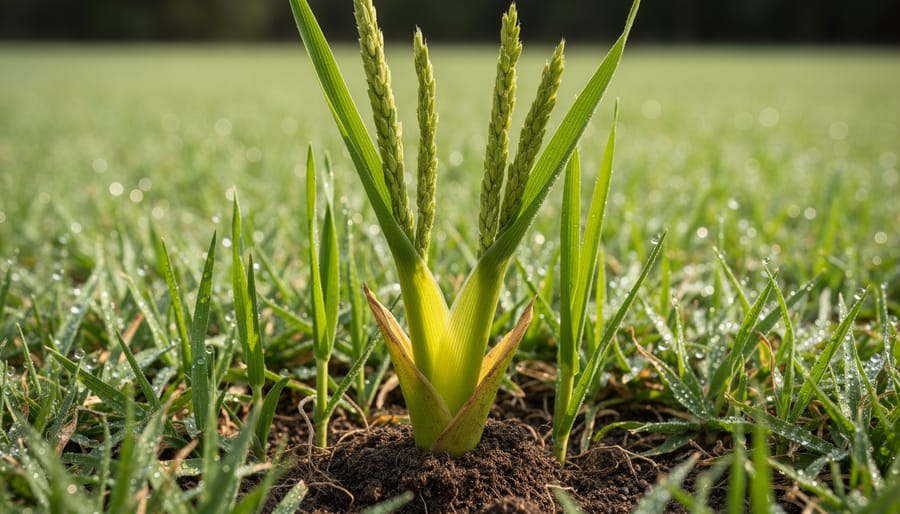
Yellow Nutsedge (Cyperus esculentus)
Yellow nutsedge is one of those weeds that makes most lawn enthusiasts groan when they spot it—and for good reason. This perennial weed is incredibly persistent, thanks to its underground tuber system that can produce hundreds of new plants. The easiest way to identify yellow nutsedge is by rolling its stem between your fingers. Unlike grass, which has a round stem, yellow nutsedge has a distinctly triangular stem. You might remember this with the old saying “sedges have edges.” The leaves are also typically yellowish-green and shinier than regular grass, with a distinctive V-shape in cross-section.
Here’s what’s really important to understand: if yellow nutsedge is thriving in your lawn, it’s waving a red flag about drainage problems. This weed loves wet, compacted soil conditions where turfgrass struggles. Rather than just fighting the weed, consider it a helpful diagnostic tool pointing you toward underlying soil issues that need attention.
When it comes to thresholds, yellow nutsedge demands a low tolerance approach. Even a few plants can quickly become a serious infestation due to those prolific tubers. If you spot more than one or two plants per 1,000 square feet, it’s time to take action. The most sustainable solution combines improving drainage through aeration and addressing compaction, while hand-pulling young plants before they develop extensive tuber networks.
Moss and Algae Issues
Here’s a plot twist for you: moss and algae in your Massachusetts lawn aren’t actually weeds at all, but they’re sending you an important message about your soil conditions. Think of them as your lawn’s way of waving a red flag that something needs attention.
Moss typically appears as soft, low-growing green patches that thrive in shady, compacted, or acidic soil with poor drainage. If you’re seeing moss creeping across your lawn, it’s usually telling you that grass is struggling to compete due to environmental stresses. Algae, on the other hand, shows up as a dark green or black slippery film, particularly in areas with excessive moisture and limited air circulation.
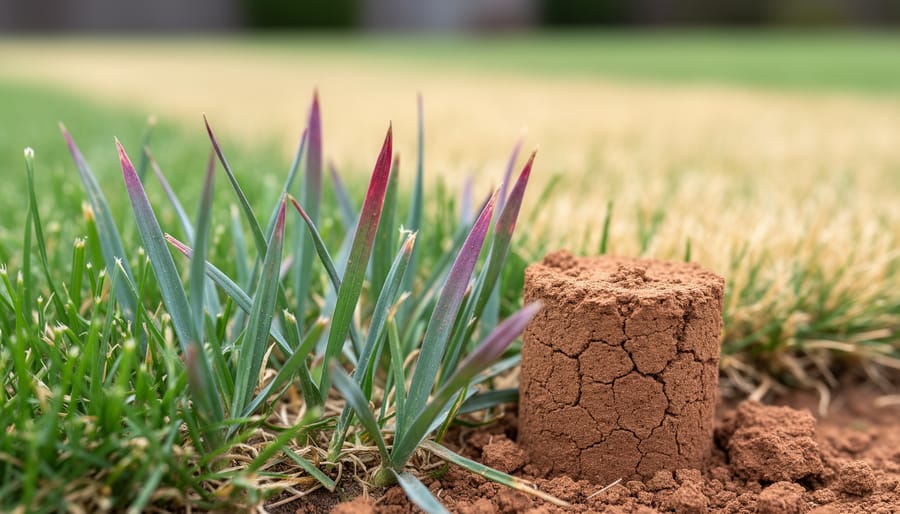
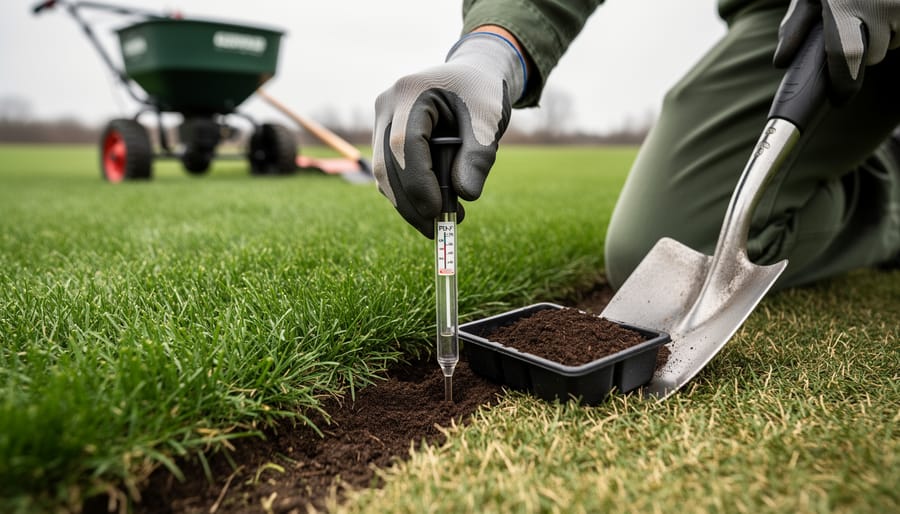
Before reaching for treatments, consider this: addressing the underlying issues is far more effective and sustainable than simply removing the moss or algae. Start by testing your soil pH, as Massachusetts soils often run acidic. Improving drainage through aeration, reducing shade by pruning overhanging branches, and adjusting your watering schedule can work wonders. In deeply shaded areas where grass simply won’t thrive, embracing moss as a low-maintenance ground cover might actually be your most practical solution.
The good news? Once you correct these cultural conditions, your grass will naturally outcompete these opportunistic colonizers, creating a healthier lawn ecosystem without harsh chemicals.
Seasonal Scouting: When to Watch for Specific Weeds
Understanding when weeds emerge in Massachusetts makes all the difference between easy management and a full-blown invasion. Here’s your month-by-month scouting guide to help you stay one step ahead.
March through April marks the start of winter annual emergence. This is when you’ll spot chickweed, dead nettle, and henbit waking up from winter dormancy and starting their aggressive spring growth. Take a walk around your lawn when temperatures consistently hit the mid-40s. These cool-season weeds thrive before your grass fully greens up, so early detection gives you time to make strategic decisions about whether their presence crosses your personal threshold for action.
Late April through May is crabgrass germination time. When soil temperatures reach 55-60 degrees Fahrenheit for several consecutive days, those dormant seeds begin sprouting. Check bare spots and thin areas first, as these are crabgrass favorites. This is also when dandelions show their cheerful yellow faces in full force, making identification easy for planning your approach.
June through August brings the summer annual invasion. Purslane, spotted spurge, and knotweed love the heat. Scout weekly during hot weather, paying special attention to compacted areas near driveways and walkways where these weeds establish quickly. Yellow woodsorrel also becomes more visible during this period.
September and October present a second wave of opportunity for winter annuals. Many weed seeds germinate in fall’s cooler temperatures, giving you another scouting window. This is also when perennial weeds like clover and violets spread most aggressively, preparing for winter.
Regular weekly walks during these peak periods help you catch problems early, letting you make informed, sustainable management decisions before minor issues become major headaches.
Setting Your Personal Thresholds: Balancing Aesthetics and Sustainability
Here’s the truth: your lawn doesn’t need to be a pristine green carpet to be beautiful and functional. Setting personal weed thresholds means deciding what level of weed presence you can live with before taking action—and this decision should reflect your unique circumstances, not some imaginary standard of perfection.
Start by considering how you actually use your lawn. A play area for kids or pets might tolerate more diversity than a formal front yard. Then look around your neighborhood. If you’re surrounded by naturalized lawns, a few dandelions won’t stand out. But if manicured lawns are the norm and you’re in an HOA, you might face different pressures (though we’d encourage pushing back against unnecessary chemical treatments).
Your environmental values matter too. Many Massachusetts gardeners are embracing lower-input lawns that support pollinators and reduce water use. A threshold approach aligns beautifully with this philosophy—you only intervene when weeds truly compromise your lawn’s health or function, not at the first sign of clover.
Practical considerations also play a role. Understanding when weeds emerge helps you time scouting efforts efficiently. Maybe you’ll tolerate five dandelions per hundred square feet but take action at ten. Perhaps you’ll accept chickweed in shady areas where grass struggles anyway.
There’s no universal answer—and that’s the point. Sustainable lawn care means making informed choices that work for your situation, not chasing an unsustainable ideal.
Integrated Scouting: Monitoring Pests and Diseases Alongside Weeds
Here’s something I’ve learned from years of lawn care: weeds rarely travel alone. While you’re out scouting for crabgrass or dandelions, you’re perfectly positioned to catch early signs of other lawn troubles before they spiral out of control. Think of it as getting more bang for your buck during your weekly lawn walks.
Massachusetts lawns face a predictable cast of troublemakers beyond weeds. Those brown patches appearing in humid July weather? That could be brown patch fungus taking hold. Small, silver-dollar-sized dead spots scattered across your turf might signal dollar spot disease. Both thrive in our region’s warm, moist summers and spread quickly if left unchecked. When you’re bending down to examine a suspicious plant, take a moment to look at the surrounding grass blades for discoloration, lesions, or unusual patterns.
Pest monitoring fits naturally into this routine too. Grubs, those c-shaped white larvae that munch grass roots, typically cause damage from late summer into fall. If you notice irregular brown patches that peel back like loose carpet, that’s your cue to investigate further. Chinch bugs are sneakier, causing yellowish patches that expand outward, especially in sunny areas during hot, dry periods. Identifying lawn pests early means you can address them with targeted, sustainable solutions rather than blanket treatments.
The beauty of integrated scouting is efficiency and effectiveness. By watching for lawn disease warning signs alongside weed pressure, you’re treating your lawn as the complex ecosystem it truly is. This holistic approach helps you understand what your lawn is telling you and respond appropriately, often preventing problems before they require aggressive intervention.
Taking Action: What to Do When You Hit Your Threshold
So you’ve been monitoring your lawn and the weeds have crossed your threshold—now what? The good news is you have several effective options that won’t require scorching your entire yard with chemicals. Let’s talk about smart, targeted approaches that actually work.
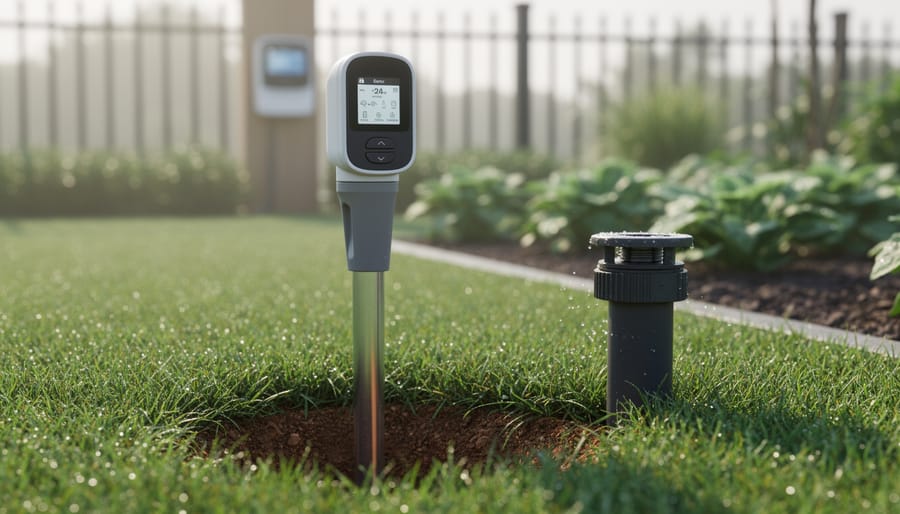
Start with cultural controls, which address why weeds keep returning in the first place. Adjust your mowing height to shade out low-growing weeds like crabgrass—most Massachusetts lawn grasses thrive at 3 to 3.5 inches. Water deeply but infrequently to encourage deep grass roots while discouraging shallow-rooted weeds. A soil test from your local extension office can reveal nutrient imbalances that favor weeds over grass.
For mechanical removal, hand-pulling works wonderfully for isolated patches, especially after rain when soil is moist. A fishtail weeder or dandelion digger makes quick work of taprooted weeds like dandelions and plantain. Tackle weeds before they set seed—one dandelion can produce 15,000 seeds, so preventing reproduction is crucial.
When selective herbicides become necessary, choose products that target your specific weeds. Broadleaf herbicides work on dandelions, clover, and plantain without harming grass. For grassy weeds like crabgrass, you’ll need different formulations. Apply spot treatments only where needed rather than broadcasting across your entire lawn. Time applications carefully—early fall is ideal for many Massachusetts weeds, and always follow label directions precisely.
Consider overseeding treated areas two to four weeks later. Thick, healthy grass is your best long-term defense against reinfestation. Remember, sustainable weed management is an ongoing conversation with your lawn, not a one-time battle.
Managing lawn weeds in Massachusetts doesn’t have to mean reaching for chemicals at the first sight of a dandelion. By adopting a regular scouting routine and threshold-based approach, you’re not just maintaining a healthier lawn—you’re contributing to a more sustainable landscape that benefits pollinators, local water quality, and your family’s wellbeing.
Start small. Take a few minutes each week to walk your lawn, notebook in hand, observing what’s growing and where. Notice patterns: Does crabgrass cluster near the driveway where soil gets compacted? Are dandelions thriving in that thin patch that needs overseeding? These observations become your roadmap for targeted, effective interventions.
Remember, a few weeds aren’t the enemy—they’re simply plants growing where we’d prefer grass. By understanding your specific weed challenges and setting reasonable thresholds, you’ll make smarter decisions about when action is truly needed. This mindful approach saves time, money, and creates a lawn that works with nature rather than against it. Your Massachusetts lawn can be both beautiful and environmentally responsible, and it starts with simply paying attention. Grab your coffee, head outside, and begin your scouting journey today.