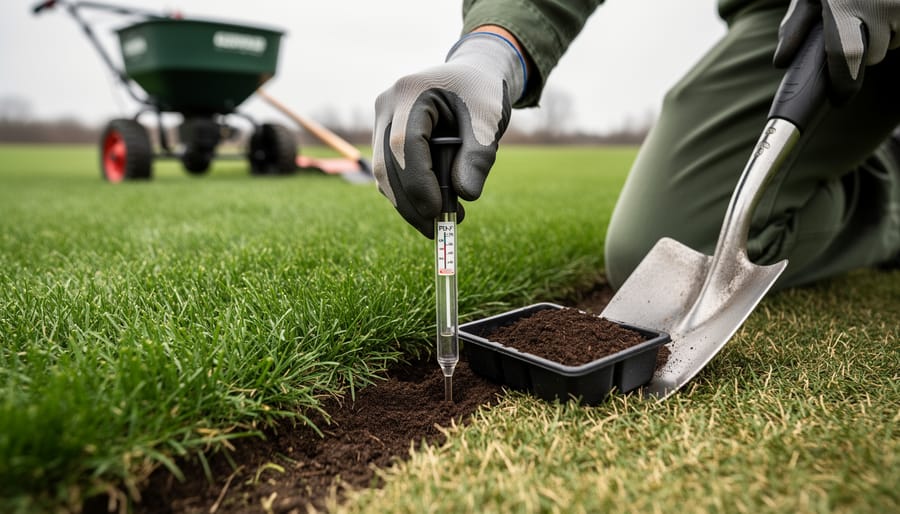
Measure soil temperature at a 2-inch depth between 6-8 AM for three consecutive days to get an accurate reading before seeding. Cool-season grasses like fescue and bluegrass germinate best when soil reaches 50-65°F, typically in early fall or spring, while warm-season varieties such as bermudagrass and zoysia need 65-70°F soil temperatures, making late spring through early summer ideal.
Use an inexpensive soil thermometer rather than relying on air temperature, since soil warms and cools more slowly and provides the critical environment where seeds actually germinate. Air temperature can mislead you by 10-20 degrees, causing premature seeding that results in poor germination rates and wasted effort.
Time your seeding when daytime temperatures consistently stay within your grass type’s ideal range for at least two weeks, giving seeds the stable conditions they need to establish strong root systems. Fall seeding works exceptionally well for cool-season grasses because soil retains summer warmth while cooler air temperatures reduce water stress and weed competition.
Understanding temperature requirements saves you money, reduces reseeding frustration, and supports sustainable lawn care by eliminating the need for excessive overseeding or chemical interventions to compensate for poor germination. When you seed at the right temperature, grass naturally establishes itself more vigorously, creating a dense turf that crowds out weeds and requires less water and maintenance long-term. This guide walks you through specific temperature ranges for common grass types, seasonal timing strategies for your climate zone, and practical troubleshooting methods to ensure your lawn seeding success from the start.
Why Temperature Matters More Than the Calendar Date
Here’s something that might surprise you: your grass seeds don’t have a calendar hanging in the soil. They can’t tell if it’s officially spring or fall, and they certainly don’t care about the date circled on your planner for “lawn seeding day.” What they do respond to, quite precisely, is temperature.
Understanding this distinction is genuinely liberating because it shifts your focus from arbitrary dates to actual growing conditions. Seeds are biological organisms that germinate based on environmental triggers, and temperature is the primary signal that tells them it’s safe to begin growing. Think of it as nature’s green light system.
The key distinction you need to know is between soil temperature and air temperature. While your local weather report talks about air temperature, your seeds are tucked beneath the surface where soil temperature rules. Soil temperature changes more slowly than air temperature, staying cooler in spring and warmer in fall. This lag effect is actually helpful because it provides more stable conditions for germination. You’ll want a reliable soil thermometer to measure at seed depth, typically about an inch or two below the surface.
When soil temperatures hit the sweet spot for your grass type, typically between 50-65°F for cool-season grasses or 65-70°F for warm-season varieties, enzymatic activity inside the seed kicks into high gear. The seed absorbs water, metabolic processes accelerate, and the embryo begins to grow. Below these thresholds, germination either crawls along painfully slowly or doesn’t happen at all, leaving your seeds vulnerable to disease, rot, and hungry birds.
Temperature doesn’t just control whether seeds germinate; it dramatically affects how quickly and vigorously they do so. Seeds germinating in optimal temperatures emerge faster, develop stronger root systems, and establish more successfully before facing environmental stresses. Seeds struggling in too-cool conditions often produce weak, spindly seedlings that lack the vigor to compete with weeds or withstand traffic.
This is why experienced gardeners often say the best seeding time “depends on your location” rather than giving you a specific month. They’re really talking about temperature windows, which vary based on your climate zone and yearly weather patterns.
The Ideal Temperature Ranges for Different Grass Types
Cool-Season Grasses: Your Fall and Spring Champions
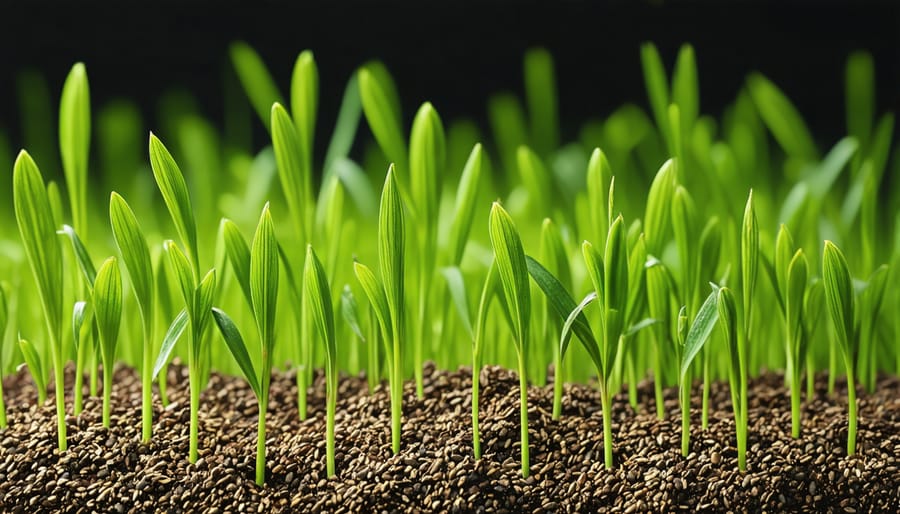
Cool-season grasses are the stars of fall and spring seeding, thriving when temperatures cool down and conditions align perfectly with their growth cycles. If you’re working with Kentucky bluegrass, perennial ryegrass, tall fescue, or fine fescues, understanding their temperature sweet spots will dramatically improve your seeding success.
The magic number for cool-season grass germination is soil temperature between 50-65°F. This is your target range, and it’s worth investing in a simple soil thermometer to measure accurately. When soil temperatures consistently fall within this window, your grass seeds will germinate reliably and establish strong root systems. Air temperatures during this period typically hover between 60-75°F during the day, creating ideal conditions for steady growth without the stress of summer heat.
Here’s where timing gets interesting. Perennial ryegrass is your speediest option, germinating in just 5-10 days when soil temperatures are in the optimal range. It’s perfect if you need quick results or have erosion concerns. Tall fescue follows closely behind at 7-12 days, offering excellent drought tolerance once established. Kentucky bluegrass requires more patience, taking 14-30 days to germinate, but rewards you with a dense, self-repairing lawn that’s worth the wait. Fine fescues fall somewhere in the middle at 7-14 days and excel in shady areas where other grasses struggle.
Temperature matters more than you might think. When soil temperatures drop below 50°F, germination slows dramatically, and seeds become vulnerable to disease and rot. Above 65°F, you’re pushing into warm-season territory where cool-season grasses experience stress rather than thriving. Early fall typically provides the longest window of optimal conditions, giving your new lawn time to establish before winter dormancy.
Warm-Season Grasses: Late Spring Through Summer
If you’re dreaming of that lush, carpet-like lawn that thrives in the heat, warm-season grasses are your answer. These sun-loving varieties come alive when things really heat up, but timing is everything. The magic number you’re looking for is a consistent soil temperature between 65-75°F, which typically arrives in late spring through early summer depending on your location.
The stars of the warm-season show include Bermuda grass, zoysia, St. Augustine, and centipede grass. Each brings its own personality to your lawn, but they all share one non-negotiable requirement: warm soil. Think of these grasses as tropical visitors who simply refuse to get out of bed when it’s chilly. When soil temperatures dip below 65°F, germination slows to a crawl or stops entirely, leaving your precious seeds vulnerable to disease, rot, and hungry birds.
Here’s why temperature matters so much for these grasses. Their biological clocks are hardwired for heat. Below that 65-degree threshold, the seeds essentially go dormant, waiting for better conditions. Plant too early, and you’re wasting both seed and effort. I’ve seen many enthusiastic gardeners jump the gun in April, only to reseed again in June when nothing happens.
For best results, wait until nighttime temperatures consistently stay above 60°F and soil temperatures hold steady in that ideal range. Bermuda grass typically germinates in 7-10 days under optimal conditions, while zoysia takes a bit longer at 14-21 days. Proper zoysia care extends beyond seeding to summer maintenance, ensuring your investment pays off. St. Augustine and centipede varieties fall somewhere in between. Patience during establishment creates a sustainable, heat-resistant lawn that will reward you for years to come.
How to Measure and Monitor Lawn Seeding Temperature
Getting the temperature right for lawn seeding starts with accurate measurement, and I promise it’s easier than you might think. You don’t need fancy equipment to get started, just a simple soil thermometer and a bit of know-how.
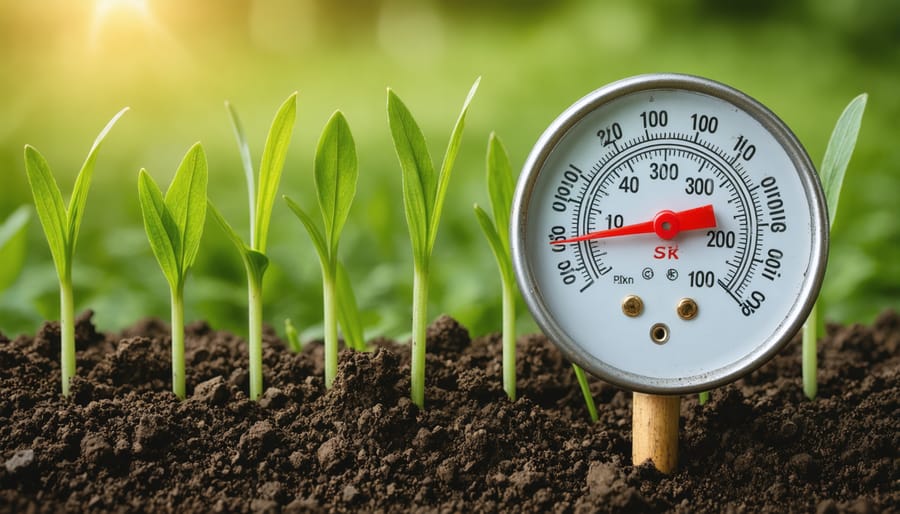
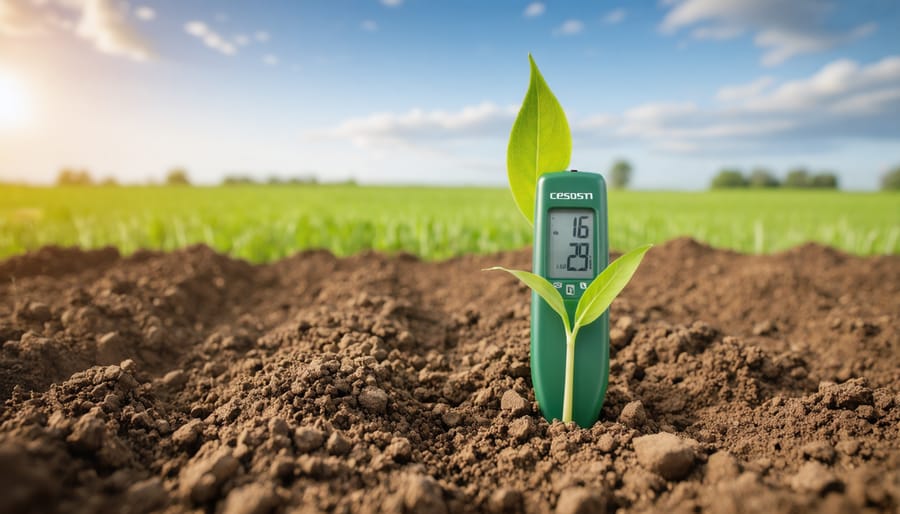
The most reliable tool for this job is a basic soil thermometer, available at most garden centers for under twenty dollars. Look for one with a probe at least four to six inches long, which allows you to measure at the depth where your grass seeds will germinate. Digital models give quick readings, but old-fashioned dial thermometers work perfectly well too. I’ve been using the same dial thermometer for years, and it’s never let me down.
To get accurate readings, insert your thermometer about two to three inches into the soil, which is where most grass seeds establish their roots. Take measurements in the morning, ideally around 8 to 10 AM, when soil temperatures are most stable and representative of daily averages. Choose several spots across your lawn rather than relying on a single reading, since sunny and shaded areas can vary by several degrees.
Here’s a sustainable approach that works wonderfully: take readings for three to five consecutive days to establish a pattern. Soil temperature changes more slowly than air temperature, so you’re looking for consistent readings rather than hoping for one perfect day. This patience-based method prevents wasteful reseeding and ensures your grass gets off to a strong start.
Weather patterns are your ally in timing seeding perfectly. Once daytime air temperatures consistently reach the range appropriate for your grass type, soil temperatures typically follow within a week or two. For cool-season grasses, watch for those crisp fall days when afternoon temperatures hover around 60 to 75 degrees Fahrenheit. For warm-season varieties, wait until spring brings steady warmth above 70 degrees.
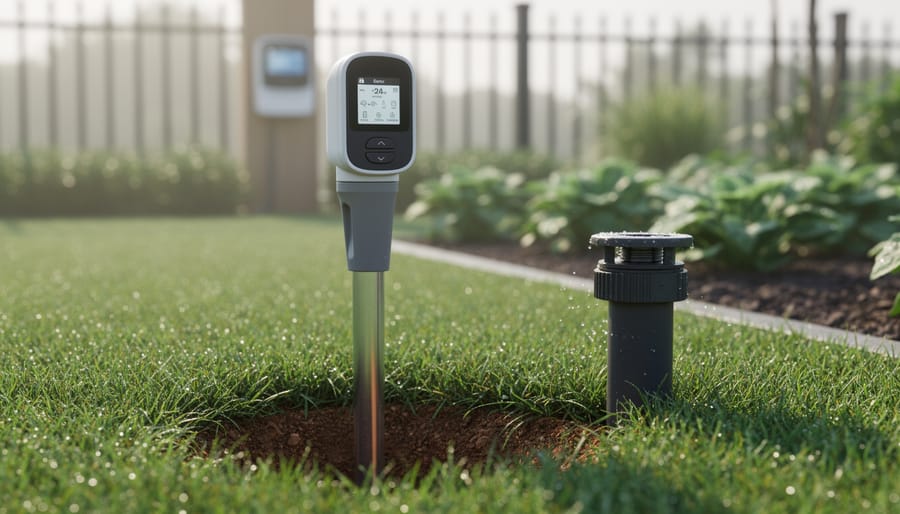
Online resources make monitoring even simpler. Many agricultural extension services offer soil temperature maps updated daily, showing regional averages that help you predict optimal seeding windows. Local weather stations often include soil temperature data alongside standard forecasts. These tools, combined with your own measurements, create a complete picture that takes the guesswork out of lawn seeding and supports healthier, more sustainable grass establishment.
Seasonal Seeding Strategies Based on Temperature

Fall Seeding: The Golden Window
Fall is genuinely the sweet spot for establishing a beautiful cool-season lawn, and there’s real science behind why experienced gardeners swear by it. As summer’s heat gradually retreats, soil temperatures drop into that magical 50-65°F range where cool-season grass seeds thrive. Unlike spring with its unpredictable temperature swings, fall offers consistent cooling that gives your seedlings exactly what they need.
The timing strategy is straightforward: aim to seed when daytime air temperatures consistently hover between 60-75°F. In most northern regions, this window opens from late August through late September, while southern cool-season zones might wait until mid-September through October. You’re essentially working backward from your first expected frost date, giving seeds 6-8 weeks to establish strong roots before winter dormancy.
Here’s where regional awareness becomes crucial. Northern gardeners should monitor soil temperatures starting in mid-August, looking for that downward trend from summer’s 70-80°F readings. Southern zones need patience, as soil often stays too warm well into September. The numerous fall reseeding advantages include reduced weed competition and ample moisture from autumn rains, making your job easier.
Don’t forget that healthy soil supports better germination. Combining your seeding efforts with proper September lawn feeding creates optimal conditions for establishment. The key is catching that temperature decline early enough—seed too late, and you’ll miss this golden window entirely.
Spring Seeding: Opportunities and Challenges
Spring offers a tempting window for lawn seeding, but I’ll be honest with you—it comes with some real complications. While soil temperatures are climbing into that ideal 50-65°F range for cool-season grasses, you’re racing against the clock before summer heat arrives. The window is narrower than fall’s generous timeframe, typically just 4-6 weeks depending on your region.
The biggest headache? Weeds. As your soil warms up, it’s not just your grass seed that’s waking up—it’s every crabgrass and dandelion seed waiting for its moment. You’ll face some tough spring seeding timing challenges because you can’t use pre-emergent herbicides that would prevent both weed and grass germination.
Here’s my practical advice for spring success: Seed as early as possible when soil hits 50°F consistently. This gives your grass a head start before aggressive weeds take over. Consider overseeding heavier than you would in fall—about 25% more seed—to compensate for increased competition. Keep that soil consistently moist, which means watering more frequently as temperatures rise.
A sustainable approach? Accept some weed presence initially. Focus on establishing strong grass roots through proper watering and light, frequent mowing once growth begins. Hand-pull obvious invaders rather than reaching for chemicals that could harm young seedlings. Your patience will pay off when those grass roots establish deeply enough to naturally crowd out unwanted plants by summer’s end.
Summer Overseeding: For Warm-Season Grass Owners
If you’ve got warm-season grasses like Bermuda or Zoysia that turn brown and dormant during cooler months, summer overseeding might sound backward at first. But here’s the thing: you’re actually planting warm-season grass when soil temperatures reach that sweet spot of 65-70°F and rising, typically in late spring through early summer.
The key difference from fall seeding? You’re working with heat instead of against it. Warm-season grasses thrive when soil temperatures hit 70-90°F, and germination happens fastest around 80-85°F. Think of it this way: when you’re comfortable wearing shorts and a t-shirt consistently, your warm-season grass is ready to grow.
Managing heat stress becomes your primary challenge during establishment. Water is your best friend here, but timing matters enormously. Early morning watering helps seedlings establish without encouraging fungal issues. You’ll want to keep that top inch of soil consistently moist without creating puddles. I’ve found that light, frequent watering works better than deep soakings during the first two weeks.
Here’s a practical tip that’s saved many lawns: use a light mulch or erosion blanket to protect seeds from intense sun and help retain moisture. This sustainable approach reduces your water usage while improving germination rates.
Monitor soil temperature with your trusty thermometer, especially if you’re dealing with extreme heat. When soil temps creep above 95°F, even warm-season grasses struggle. Consider waiting for a slightly cooler period or providing temporary shade for newly seeded areas. Remember, successful establishment now means a lush, green lawn throughout your warm growing season.
Overseeding Techniques That Work with Temperature
Overseeding doesn’t have to wait for perfect weather conditions if you understand how to work with temperature rather than against it. Let me share some temperature-smart techniques that have helped countless gardeners breathe new life into their lawns.
Dormant seeding is your secret weapon when temperatures become unpredictable. This method involves spreading seed in late fall or early winter when soil temperatures drop below 50°F but before the ground freezes solid. The seeds lie dormant through winter and germinate naturally when spring soil warms to the right range. It’s nature’s way of working on its own schedule, and it reduces your worry about sudden temperature drops after seeding. The key is timing it so seeds don’t germinate during an unexpected warm spell in winter.
Temperature preparation starts with soil monitoring. About two weeks before overseeding, begin tracking soil temperature at different times of day. This gives you a realistic picture of what your seeds will experience. If temperatures are borderline for your grass type, consider these adjustments: overseed in the early morning when cooler temperatures provide moisture retention, or choose a cloudy week when soil won’t experience extreme temperature swings.
Protecting seeds during temperature fluctuations requires a thoughtful approach. A light covering of compost or peat moss, about one-quarter inch thick, acts as insulation against temperature extremes while maintaining moisture. This blanket moderates soil temperature, keeping it slightly warmer during cold snaps and cooler during heat spikes. For larger areas, consider using biodegradable germination blankets that create microclimates favorable for seed development.
Water management becomes crucial during temperature uncertainty. Light, frequent watering in the early morning prevents seeds from drying out during warm days while avoiding excess moisture that could cause problems if temperatures suddenly drop. Think of it as giving your seeds a consistent environment even when nature isn’t cooperating.
Remember, successful overseeding isn’t about finding one perfect day but creating conditions where seeds can thrive despite temperature variations.
Troubleshooting Temperature-Related Seeding Problems
Even with the best planning, temperature-related seeding problems can happen. Let’s walk through the most common issues and how to fix them.
When seeds refuse to germinate, temperature is usually the culprit. If you seeded during a cold snap and nothing’s sprouting after three weeks, the seeds likely went dormant rather than dying. The good news? They’ll often germinate once temperatures stabilize in the proper range. Be patient and maintain consistent moisture. If temperatures have dropped below 40°F for extended periods, you may need to overseed once conditions improve in spring.
Weak, spindly seedlings signal that germination happened in marginal temperatures. These struggling sprouts are vulnerable to disease and stress. Your best recovery strategy is to reduce watering frequency while increasing depth to encourage stronger root development. Apply a light organic fertilizer to boost growth, but avoid heavy nitrogen that promotes leafy growth over root strength. Sometimes the sustainable choice is letting nature select the strongest seedlings rather than trying to save every one.
Disease problems multiply when seeding in excessively warm, humid conditions. Brown patch, damping-off, and pythium thrive above 85°F with high moisture. If you notice seedlings wilting or developing fuzzy growth, improve air circulation by avoiding evening watering and reduce irrigation frequency. Remove affected areas and consider reseeding in cooler weather rather than fighting an uphill battle.
Excessive weed competition typically results from late seeding when soil temperatures favor weed germination over grass establishment. Cool-season weeds dominate fall plantings done too late, while warm-season weeds overwhelm spring seedings done too early. Hand-pull weeds around new seedlings, as herbicides can damage young grass. Next season, time your seeding closer to optimal temperature windows to give grass the competitive advantage it needs to crowd out weeds naturally.
Sustainable Practices for Temperature-Smart Seeding
When you seed your lawn at the right temperature, you’re not just setting yourself up for success—you’re making an environmentally smart choice that benefits both your yard and the planet. Let me share why temperature-smart seeding is one of the most sustainable decisions you can make.
First, choosing climate-appropriate grass varieties makes all the difference. If you live in a northern climate, opt for cool-season grasses like fescue or bluegrass that thrive in your natural temperature cycles. Southern gardeners, stick with warm-season varieties like Bermuda or zoysia. When you match grass to your climate and seed at optimal temperatures, your lawn establishes stronger roots naturally, requiring fewer interventions down the road.
Timing your seeding correctly dramatically reduces water waste. Seeds planted when soil temperatures hit that sweet spot germinate quickly and efficiently, meaning you’ll use significantly less water than seeds struggling in too-cold or too-hot conditions. Pair this with proper watering schedules and you’ll conserve this precious resource while achieving better results.
Here’s something that surprises many gardeners: seeding at the right temperature minimizes your need for fertilizers and pesticides. Strong, well-established seedlings grown in ideal conditions naturally resist disease and compete better against weeds. You’re working with nature’s rhythm rather than fighting against it.
The beauty of temperature-smart seeding is its simplicity. By observing and respecting natural temperature cycles, you eliminate the need for excessive chemical inputs while creating a healthier, more resilient lawn that practically takes care of itself.
Here’s the truth that separates lush, thriving lawns from disappointing patchy results: temperature matters far more than the date on your calendar. You can follow every traditional seeding schedule to the letter, but if your soil hasn’t reached the right temperature range, you’re setting yourself up for frustration. The good news? Once you understand this fundamental principle, you’ve unlocked the secret that professional landscapers rely on every single day.
Investing in a simple soil thermometer is one of the smartest decisions you’ll make as a gardener. For less than the cost of a bag of premium seed, you’ll gain the ability to know precisely when conditions are right. Check your soil temperature at the same time each morning for three consecutive days, and you’ll have reliable data to guide your seeding decision.
Remember, sustainable lawn care isn’t about fighting against nature—it’s about working with it. By respecting temperature requirements and observing your specific local conditions rather than generic regional advice, you’re giving your grass seed the best possible start. This patient, informed approach not only saves you money on wasted seed but also reduces the need for chemical interventions later. You absolutely can achieve professional-quality results, and temperature awareness is your foundation for success.