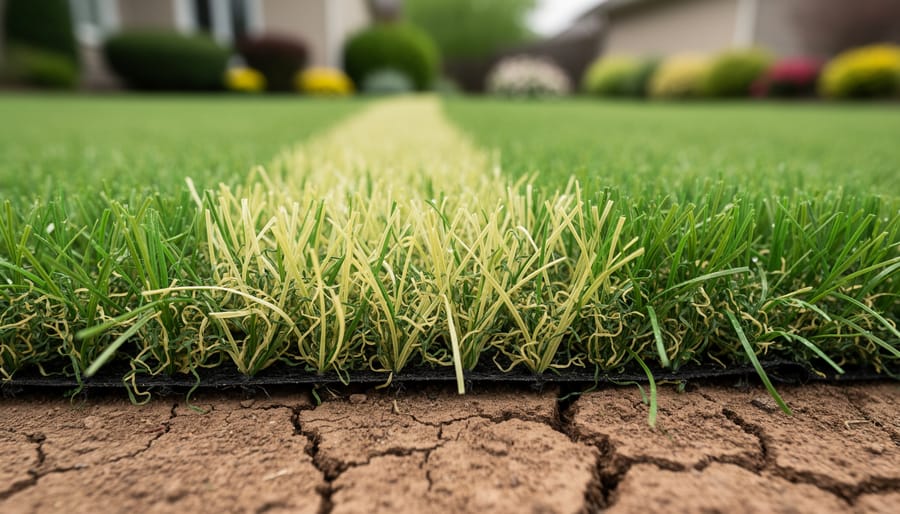
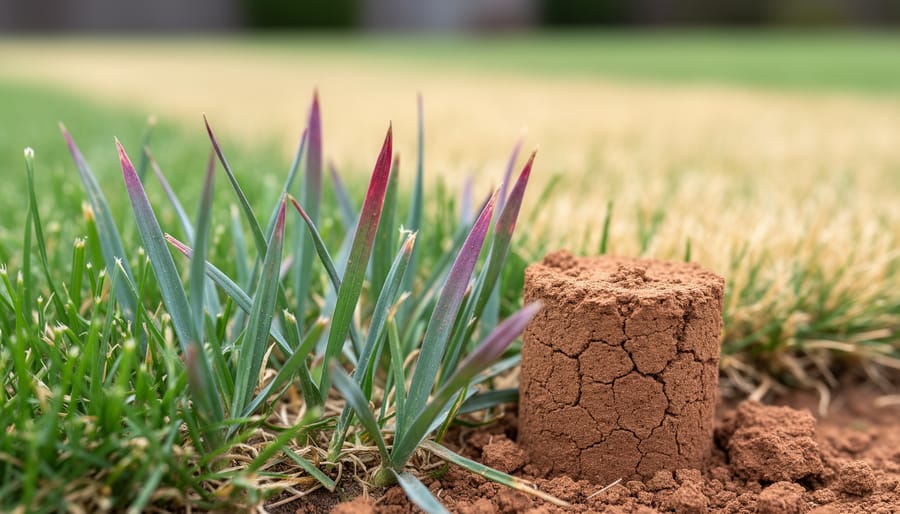
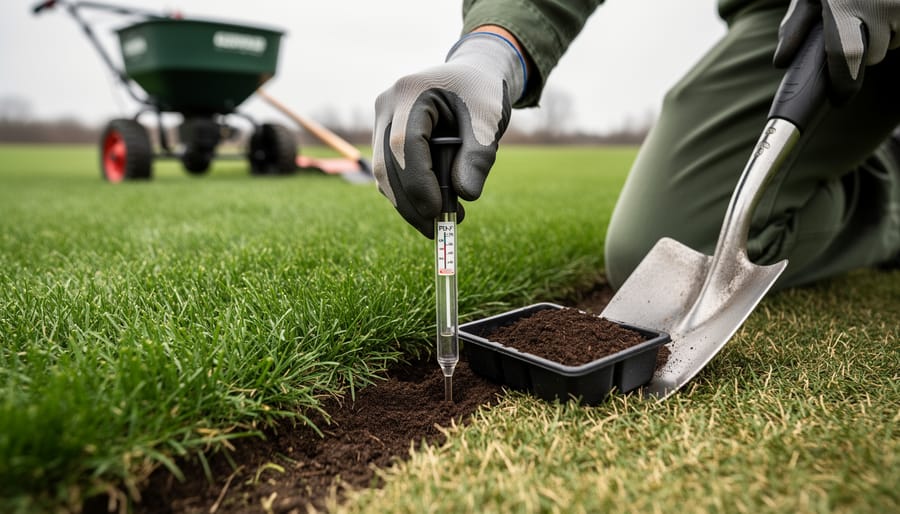
Water your lawn between 4 AM and 10 AM, with the sweet spot being 6-8 AM when temperatures are coolest and winds are calmest. This timing allows grass blades to dry before nightfall, preventing fungal diseases that thrive in prolonged moisture, while minimizing water loss to evaporation that can waste up to 30% of your water during midday watering.
The science is simple: your grass absorbs water most efficiently when the sun is low, soil temperatures are moderate, and air is still. Morning watering supports deep root growth as moisture penetrates soil before heat draws it upward. Evening watering, while seemingly convenient, leaves your lawn damp overnight—creating a perfect breeding ground for brown patch, dollar spot, and other fungal problems that can devastate an otherwise healthy lawn.
Timing isn’t just about plant health; it’s about water conservation and sustainability. Early morning watering means every drop counts, reducing runoff and ensuring moisture reaches root zones where it’s needed most. As water becomes increasingly precious, smart timing transforms lawn care from a resource-intensive chore into an environmentally responsible practice that saves you money while maintaining that lush, green lawn you’re working toward.
Why Timing Matters More Than You Think
The Evaporation Problem
Here’s something many lawn care enthusiasts learn the hard way: timing your watering wrong can mean losing up to 50% of your water to evaporation before it ever reaches your grass roots. Think of it like this – watering during the heat of the day is essentially inviting the sun to steal your water before your lawn gets a drink.
When temperatures soar and the sun beats down, particularly between 10 AM and 4 PM, water droplets don’t stand a chance. They evaporate from leaf surfaces and the soil before penetrating deep enough to nourish root systems. This isn’t just wasteful from a sustainability perspective; it’s tough on your wallet too. You’re literally watching your water bill increase while your lawn stays thirsty.
Wind compounds the problem by accelerating evaporation rates and disrupting spray patterns, meaning even less water reaches its intended target. This double whammy of heat and wind during midday hours makes it the absolute worst time for watering. The good news? Understanding this evaporation challenge is your first step toward more efficient, effective lawn care that conserves water while keeping your grass healthy and green.
Disease and Fungal Growth Risks
Timing your watering incorrectly creates an open invitation for disease and fungal problems that can devastate your lawn. When you water in the evening or late afternoon, grass blades stay wet through the cooler nighttime hours, sometimes for 12-15 hours straight. This prolonged moisture is like rolling out the welcome mat for fungal spores and pathogens.
Fungi thrive in damp, dark conditions with little air movement—exactly what your lawn experiences overnight. Common lawn diseases like brown patch, dollar spot, and pythium blight spread rapidly when grass remains wet for extended periods. These diseases don’t just create unsightly brown patches; they can kill grass roots and require expensive treatments or even complete lawn renovation in severe cases.
Morning watering, on the other hand, gives your grass a fighting chance. The sun quickly dries leaf blades as temperatures rise, minimizing that critical window of vulnerability. Most disease-causing fungi need at least 6-8 hours of continuous moisture to establish themselves. By watering early, you’re ensuring grass dries within 2-3 hours, well before fungi can gain a foothold.
Think of it as basic lawn hygiene—keeping your grass dry overnight is one of the simplest, most effective disease prevention strategies available. It’s completely free and requires only adjusting your watering schedule, making it a perfect sustainable solution for maintaining a healthy, resilient lawn.
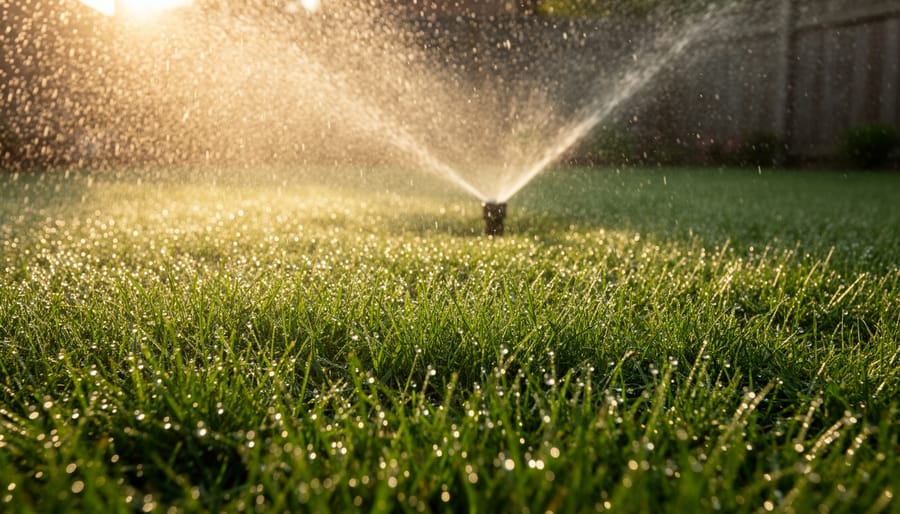
Early Morning: The Golden Window for Lawn Watering
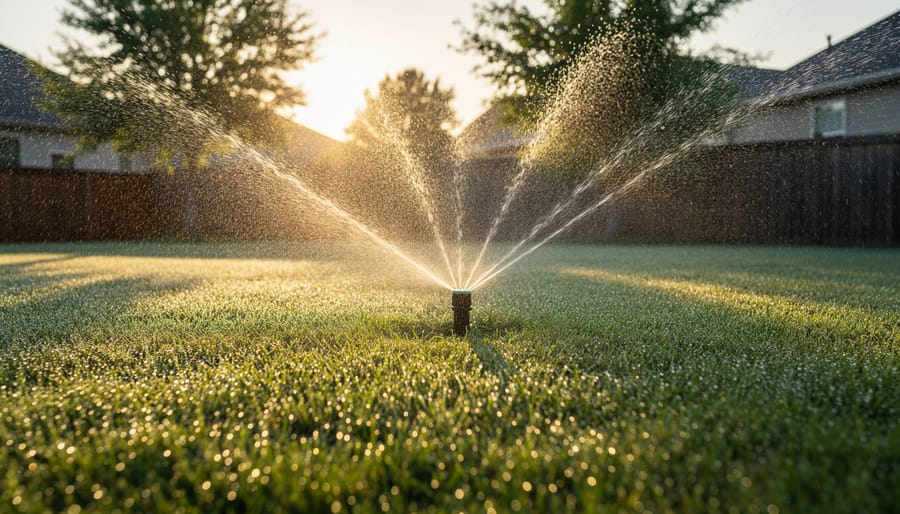
The Sweet Spot: 6 AM to 8 AM
If you’ve ever wondered whether those early morning lawn watering sessions are worth dragging yourself out of bed, I have great news: they absolutely are. The 6 AM to 8 AM window isn’t just a random suggestion—it’s backed by solid science and generations of gardening wisdom.
During these early hours, temperatures are still cool, which means water has time to soak deep into the soil before the sun gets intense. Think of it as giving your grass a refreshing drink before the day heats up. When you water during this window, evaporation losses are minimal—studies show you can lose up to 50 percent less water compared to midday watering. That’s better for your lawn and your water bill, making it a win for sustainability too.
Another major advantage is drying time. By watering in early morning, grass blades have the entire day to dry out completely. This is crucial because wet grass sitting overnight becomes a breeding ground for fungal diseases like brown patch and dollar spot. Nobody wants to deal with those headaches.
The morning hours also tend to be calmer, with less wind to blow water off target. Your sprinklers will actually water your lawn instead of the sidewalk or driveway. Plus, water pressure is typically higher in the early morning since fewer neighbors are using it simultaneously, ensuring even coverage across your entire yard.
This sweet spot strikes the perfect balance: cool enough to minimize waste, early enough to allow proper drying, and practical enough to fit into most schedules with a simple timer system.
Making Early Morning Work for You
I get it—not everyone wants to set their alarm for 5 a.m. to water the lawn. The good news? You don’t have to become an early riser to take advantage of optimal watering times. Modern technology makes early morning watering incredibly convenient, even for the most dedicated night owls.
Automatic timer systems are your best friend here. These affordable devices attach directly to your outdoor faucet and can be programmed to start watering at any time you choose. Set it once, and your lawn gets its early morning drink while you’re still comfortably asleep. Many basic models cost less than a nice dinner out and can last for years with minimal maintenance.
For those ready to embrace smarter solutions, Wi-Fi-enabled smart controllers take things a step further. These systems connect to local weather stations and automatically adjust watering schedules based on rainfall, temperature, and humidity. Some even monitor soil moisture levels, ensuring you’re never overwatering or underwatering. While the upfront investment is higher, the water savings and healthier lawn often pay for themselves within a season.
If you’re working with a manual sprinkler setup, consider this adjustment: water the evening before your intended “morning.” Running sprinklers between 9 p.m. and midnight still allows grass blades to dry before dawn in most climates, though it’s not quite as ideal as the 4-6 a.m. window.
Remember, consistency matters more than perfection. A reliable automated system beats sporadic manual watering every time, regardless of when you naturally wake up.
What About Other Times of Day?
Late Morning to Afternoon: The High-Evaporation Zone
Let’s be honest: watering your lawn between 10 AM and 4 PM is like trying to fill a bucket with holes in it. During these peak heat hours, you’re essentially wasting water as it evaporates before your grass can properly absorb it. Studies show that up to 50% of water applied during midday can be lost to evaporation, which is tough on both your water bill and the environment.
The combination of intense sun and high temperatures creates what I call the “high-evaporation zone.” Your grass becomes stressed from the heat while simultaneously receiving less of the water you’re applying. It’s a double loss: inefficient watering and potential lawn damage from the sun magnifying through water droplets on grass blades.
That said, life isn’t always perfect. If you notice severe wilting or your lawn showing signs of serious drought stress during these hours, it’s better to water than let your grass suffer permanent damage. An emergency watering session beats losing sections of your lawn entirely. Just remember this should be the exception, not your regular routine. For sustainable lawn care practices, save your watering for the cooler hours and reserve midday watering for genuine emergencies only.
Evening Watering: When It Works and When It Doesn’t
If your mornings are just too hectic to drag out the hose, evening watering between 4 PM and 7 PM can work as your backup plan. I get it—life happens, and sometimes we need flexibility in our lawn care routines. The key is understanding when evening watering becomes your friend versus when it might invite trouble.
The sweet spot for evening watering is giving your grass enough time to dry before nightfall. Think of it this way: you want the soil to absorb the moisture while the blades themselves dry off within a couple of hours. Wet grass sitting overnight creates the perfect environment for fungal diseases like brown patch and dollar spot to take hold. Nobody wants to trade a green lawn for a patchy, diseased one.
Climate plays a huge role here. Living in a hot, dry region with low humidity? Evening watering can actually be quite effective since your grass will dry relatively quickly. The cooler temperatures mean less evaporation loss compared to midday watering, making this a reasonably water-wise choice. However, if you’re in a humid climate where dew regularly settles on your lawn anyway, adding extra moisture in the evening is asking for problems.
A practical test: water in the early evening, then check your grass an hour before sunset. If it’s still noticeably wet, you’re watering too late or using too much water. Adjust accordingly, and always prioritize morning watering whenever your schedule allows.
Seasonal Timing Adjustments Throughout the Year
Spring Watering Schedule
Spring brings renewed energy to your lawn as grass emerges from dormancy and begins its most vigorous growth phase. During this season, you’ll want to water deeply but less frequently—typically once or twice per week—to encourage those all-important deep root systems that’ll carry your lawn through summer’s heat.
The good news? Cooler spring temperatures give you more flexibility with timing than you’ll have later in the year. While early morning between 4-10 AM remains ideal, the reduced evaporation rates mean you won’t suffer dramatic losses if you water a bit later. That said, don’t abandon the morning routine entirely—it’s still your best defense against fungal diseases that thrive in prolonged moisture.
Spring’s unpredictable rainfall patterns can throw a wrench in any watering schedule. Instead of following a rigid calendar, let Mother Nature guide you. Check soil moisture by inserting a screwdriver six inches deep—if it slides in easily, skip that watering session. This approach conserves water while preventing the shallow root development that comes from overwatering.
As part of your overall spring lawn care strategy, focus on establishing consistent moisture levels that penetrate 4-6 inches deep. This foundation sets up your lawn for success throughout the growing season, creating resilient turf that can better handle whatever summer brings.
Summer Heat: Stricter Timing Rules
Summer months present the toughest challenge for lawn watering, and timing becomes absolutely critical to your grass’s survival. During these scorching weeks, the stakes are higher—one missed watering session or poorly timed application can stress your lawn beyond recovery.
Early morning watering isn’t just recommended in summer; it’s non-negotiable. Aim for that sweet spot between 4:00 and 8:00 AM when temperatures are coolest. This timing gives your grass maximum time to absorb moisture before the sun reaches full strength. Think of it as giving your lawn a good breakfast before a marathon—it needs that fuel to endure the day ahead.
During peak heat, you’ll likely need to increase watering frequency. Instead of your typical twice-weekly schedule, you might bump up to three or even four times weekly, depending on your grass type and local conditions. Deep watering remains important, but watch your lawn closely for signs of stress like footprints that don’t spring back or a bluish-gray tint to the blades.
Here’s the golden rule: never, ever water during midday hours. Watering between 10:00 AM and 4:00 PM during summer is essentially throwing water away. Evaporation rates skyrocket, meaning most of your water disappears before reaching roots. You’re also creating a magnifying glass effect that can actually scorch grass blades. Evening watering might seem tempting to avoid heat, but it leaves grass wet overnight—an invitation for fungal diseases to take hold.
Effective summer lawn care requires discipline with timing, but your reward is a resilient, green lawn that thrives despite the heat.
Fall Transition and Timing Flexibility
As autumn arrives, you’ll notice your lawn becomes much more forgiving about watering schedules. The cooler temperatures and increased humidity mean less water evaporates, giving you a wider window of opportunity throughout the day. While early morning remains ideal, you won’t face the same risks if you occasionally water later.
This transitional period is actually perfect for gradually scaling back your watering routine. As your grass prepares for dormancy, it needs less frequent irrigation—think of it as helping your lawn wind down naturally. Start by extending the time between watering sessions, perhaps moving from three times weekly to twice, then once. Your lawn will send signals when it needs water: that slight dulling of color or footprints that linger on the grass.
The beauty of fall watering is working with nature rather than against it. Morning dew often provides supplemental moisture, and seasonal rainfall typically increases. Monitor your soil moisture by checking a few inches down—if it’s still damp, hold off on watering. This gradual reduction strengthens root systems before winter while conserving water, a win-win for sustainable fall lawn maintenance. By late autumn in most regions, you can stop supplemental watering entirely as your grass enters its natural rest period.
Tools and Technology to Perfect Your Timing
Programmable Timers: Set It and Forget It
Let’s be honest—even with the best intentions, life gets busy, and that 5 a.m. watering alarm can be easy to ignore. That’s where programmable timers become your lawn care best friend. These handy devices take the guesswork and effort out of maintaining a consistent early-morning watering schedule.
You’ll find two main types: mechanical timers with simple dial settings and digital programmers with more advanced features. Mechanical timers are wonderfully straightforward—just twist to set your watering duration and plug in your hose. They’re budget-friendly and perfect if you prefer uncomplicated solutions. Digital timers offer more flexibility, allowing you to program multiple watering sessions throughout the week and adjust duration down to the minute.
When choosing a timer, look for weather-resistant construction since it’ll live outdoors, easy-to-read displays or markings, and battery backup to preserve your settings during power outages. Many newer models even include rain delay features that automatically skip watering sessions after rainfall—a fantastic water-saving function that supports sustainable gardening practices.
The beauty of timers is consistency. Your lawn receives water at the optimal time every time, even when you’re away on vacation or simply enjoying a few extra minutes of sleep. Set it once, and your timer becomes a reliable partner in maintaining a healthy, vibrant lawn.
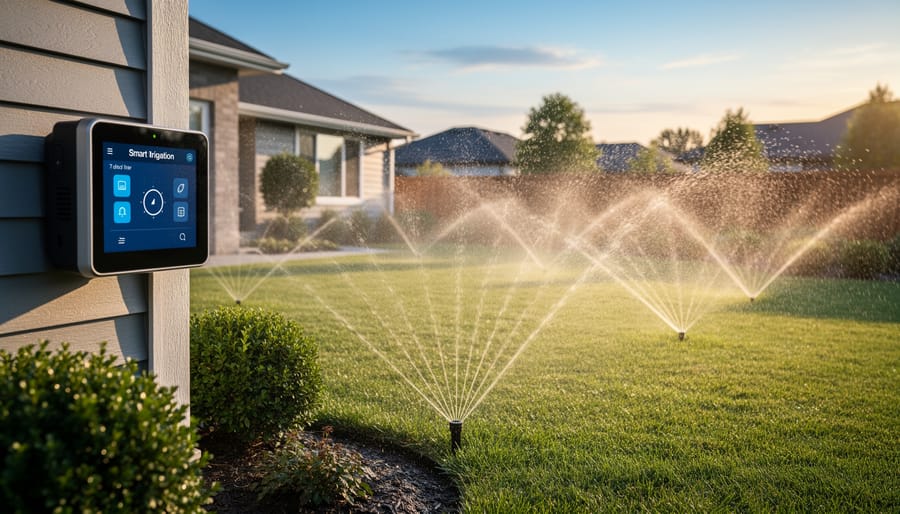
Smart Controllers: Weather-Responsive Watering
Technology has revolutionized lawn care, and smart irrigation controllers are leading the charge toward more efficient watering. These Wi-Fi-enabled devices take the guesswork out of timing by automatically adjusting your watering schedule based on real-time weather data, forecasts, and even soil moisture levels.
Here’s how they work their magic: smart controllers connect to local weather stations and analyze factors like rainfall, temperature, humidity, and wind. If rain is in the forecast, they’ll skip that day’s watering session. During cooler periods, they’ll reduce watering frequency automatically. Some advanced models include soil moisture sensors that detect exactly when your lawn needs water, preventing both overwatering and drought stress.
The environmental and financial benefits are impressive. Studies show smart controllers can reduce outdoor water use by 20-50 percent compared to traditional timers. That means lower water bills and a smaller environmental footprint without sacrificing lawn health.
While these controllers require an upfront investment, they’re increasingly user-friendly with smartphone apps that let you monitor and adjust settings from anywhere. Many utility companies even offer rebates for installing EPA WaterSense-labeled smart controllers, making them more accessible for homeowners committed to sustainable lawn care practices.
Here’s the truth: if you take away just one thing from this article, let it be this—watering your lawn between 6-8 AM is the single most impactful timing adjustment you can make for a healthier, more resilient lawn. It’s not complicated, doesn’t cost extra, and works with nature instead of against it. When you pair this simple morning routine with a thoughtful watering schedule and the other sustainable practices we share throughout our site, you’re setting yourself up for genuine success. The best part? You don’t need to overhaul your entire lawn care approach overnight. Start small. Set your timer for tomorrow morning and give your grass the advantage it deserves. Your lawn will thank you with deeper roots, fewer disease problems, and that enviable green color we’re all after.