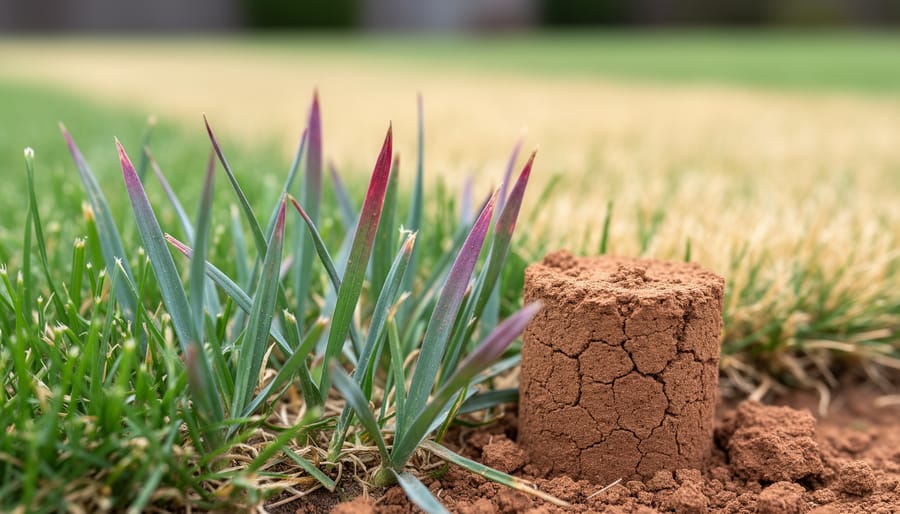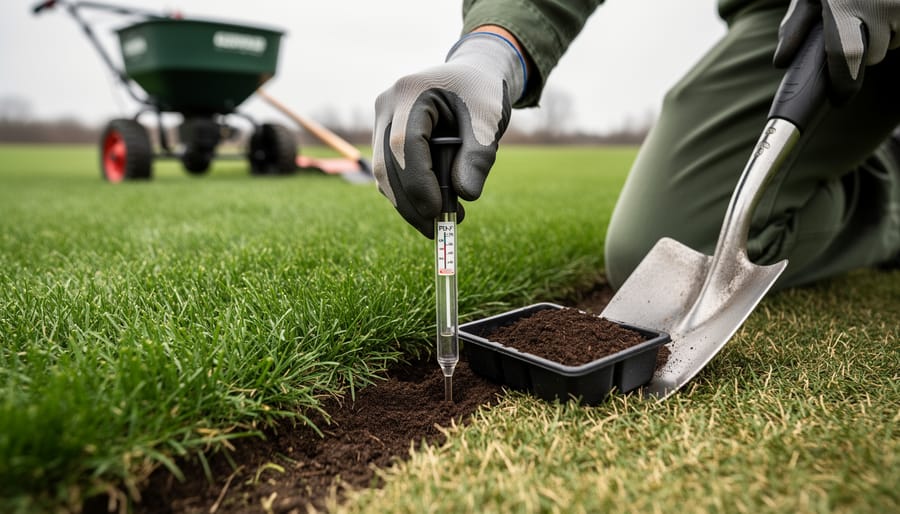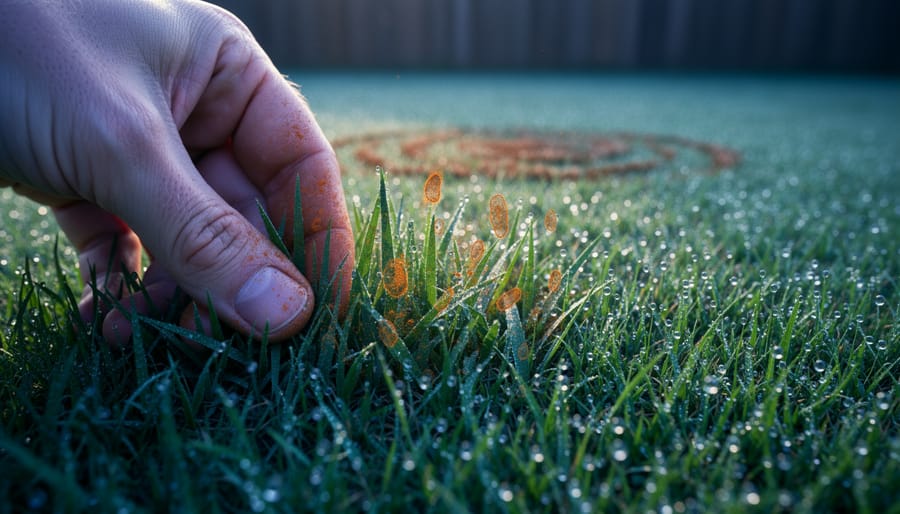
Walk your lawn weekly during active growing seasons, examining 3-5 random sections for discolored patches, unusual patterns, or texture changes. Get down close—many diseases reveal themselves through subtle clues like tiny lesions on grass blades, web-like fungal growth at dawn, or circular patterns that expand over time.
Scout in early morning when dew highlights fungal structures and symptoms appear most pronounced. Look for specific indicators: brown patch creates irregular circular patterns with a smoky gray ring; dollar spot produces silver-dollar-sized tan circles; rust disease leaves orange powder on your fingers when you touch affected blades. Understanding these visual signatures helps you distinguish between disease, drought stress, and insect damage.
Implement threshold-based decision making before reaching for treatments. Not every spot requires immediate intervention—some diseases cause cosmetic damage without threatening overall lawn health. Pull back and assess the spread: Is it confined to one shady corner, or racing across your entire yard? Has it stayed the same size for two weeks, or doubled overnight? These observations determine whether you need aggressive treatment, simple cultural adjustments like improving air circulation, or patient monitoring.
Keep a simple lawn journal noting when and where problems appear. Many diseases follow predictable patterns tied to weather conditions, watering schedules, or seasonal transitions. This record becomes your diagnostic tool, helping you anticipate future issues and adjust maintenance practices proactively rather than reactively. Smart identification combined with strategic intervention protects your lawn while minimizing unnecessary chemical applications—the foundation of sustainable lawn care that actually works.
Why Disease Scouting Matters More Than You Think
Think of disease scouting like routine check-ups at the doctor’s office. You wouldn’t wait until a minor cold becomes pneumonia before seeking care, right? The same principle applies to your lawn. Regular disease scouting means taking a systematic walk through your yard every week or two, looking for early warning signs of trouble. This simple habit can save you time, money, and a whole lot of frustration down the road.
When you catch diseases early, you’re dealing with a small patch of discolored grass rather than an entire lawn overtaken by fungal infection. Early detection means you might only need to adjust your watering schedule or improve air circulation instead of applying treatments across your entire property. I’ve seen homeowners spend hundreds of dollars on fungicides because they ignored early symptoms, when a simple cultural practice change would have solved the problem for free.
The environmental benefits are equally compelling. By identifying issues before they spread, you dramatically reduce or even eliminate the need for chemical interventions. This approach aligns perfectly with sustainable lawn care practices that protect beneficial insects, soil microorganisms, and local water quality. Less chemical use also means safer spaces for kids, pets, and wildlife to enjoy your yard.
Disease scouting also helps you understand patterns in your lawn. You’ll start noticing that certain areas develop problems repeatedly, which points to underlying issues like poor drainage or compacted soil. This knowledge empowers you to address root causes rather than just treating symptoms, breaking the cycle of recurring lawn problems.
The best part? Scouting takes just ten minutes of your time. Grab your morning coffee, take a leisurely stroll across your lawn, and observe. Look for changes in color, texture, or growth patterns. This small investment prevents major headaches and keeps your lawn healthy using nature-friendly methods that work with your grass, not against it.
Understanding Disease Thresholds: When to Act vs. When to Wait
The 10% Rule and Other Decision-Making Tools
Not every spot or discolored patch requires immediate action, and that’s where the helpful 10% rule comes into play. This industry guideline suggests that treatment becomes worthwhile when approximately 10% of your lawn shows active disease symptoms. Below that threshold, the disease often resolves naturally as conditions change, making intervention unnecessary and helping you avoid overusing fungicides.
Think of it as triage for your turf. If you’re seeing a few scattered brown patches totaling less than a tenth of your lawn area, hold off on treatments and focus instead on improving cultural conditions like watering practices and air circulation. Your lawn has remarkable resilience when given the right support.
Several factors should influence your intervention timing beyond simple percentages. Consider the disease’s aggressiveness—rust disease spreads slowly and rarely needs treatment, while pythium blight can devastate a lawn within days. The season matters too; late-season infections may not warrant treatment since dormancy is approaching anyway. Weather forecasts play a crucial role as well. If cool, dry conditions are predicted, many fungal diseases will naturally slow down without your help.
Your lawn’s overall health also factors into the equation. A vigorous, well-maintained lawn can often outgrow moderate disease pressure, while stressed turf may need intervention at lower thresholds. Location is another consideration—disease near high-traffic entertaining areas might justify earlier action than problems in remote corners.
Remember, the 10% rule is a guideline, not gospel. Use it alongside your observations about disease progression, environmental conditions, and your lawn’s specific circumstances to make informed, sustainable decisions.
Essential Tools for Effective Disease Scouting
You don’t need expensive equipment to become an effective lawn disease detective. In fact, some of the most useful tools for identifying lawn problems are probably sitting in your home right now or available at minimal cost.
Start with a basic hand lens or magnifying glass, which typically costs under $15. This simple tool lets you examine grass blades up close, revealing telltale signs like fungal spores, lesions, and discoloration patterns that are invisible to the naked eye. I keep one in my garden tool bag and use it constantly throughout the growing season.
A pocket knife or sharp garden scissors helps you collect grass samples for closer inspection. Cut a few affected blades along with some healthy ones for comparison, and examine them indoors under good lighting. This side-by-side analysis often makes disease symptoms much clearer.
Your smartphone is surprisingly powerful for disease identification. Many free and low-cost apps now use image recognition to help diagnose lawn diseases. While they’re not always perfect, they provide a helpful starting point and often link to detailed information about treatment options. Plus, your phone’s camera lets you document disease progression over time, which helps you determine if your management approach is working.
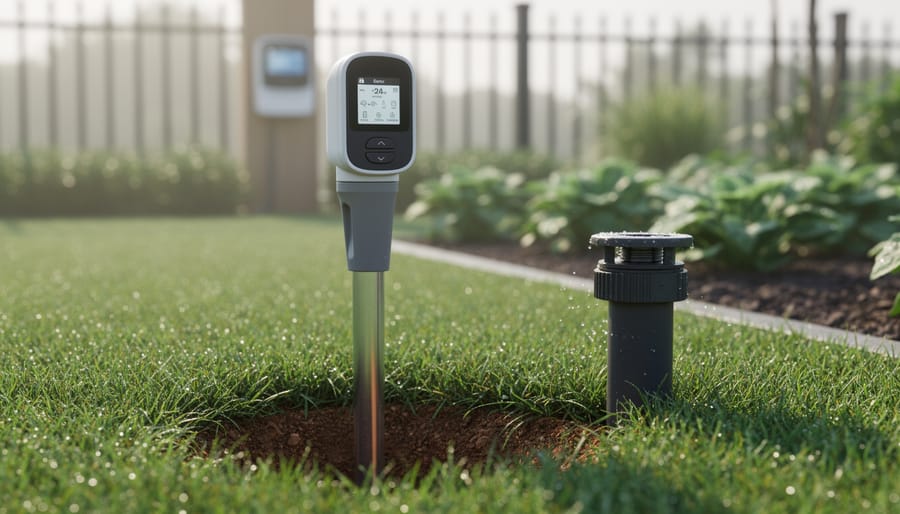
A soil moisture meter, available for $10-20, takes the guesswork out of watering decisions. Since many fungal diseases thrive in overly wet conditions, knowing your soil’s actual moisture level helps you avoid creating disease-friendly environments. Simply push the probe into your soil and get an instant reading.
Finally, keep a simple notebook or use your phone’s notes app to record observations. Tracking when and where diseases appear, along with weather conditions, helps you spot patterns and make more informed decisions about prevention strategies for future seasons.

How to Scout Your Lawn Like a Pro
Creating Your Scouting Schedule
The best disease prevention starts with consistency, so let’s build a scouting schedule you’ll actually stick with. Think of it as a weekly wellness check for your lawn—quick, focused, and incredibly valuable.
During peak growing season (spring and fall for cool-season grasses, summer for warm-season varieties), walk your lawn weekly. Choose the same day each week, perhaps Sunday morning with your coffee. This regularity helps you spot changes before they become crises. Early morning works best since many disease symptoms like fungal growth are most visible when dew is present.
In summer and winter when your grass type is less active, you can scale back to every two weeks. However, if your region experiences disease-prone conditions—high humidity, extended rainfall, or temperature swings—increase your frequency regardless of season.
Keep a simple log on your phone noting any suspicious spots, their location, and size. Photograph anything questionable. This creates a visual timeline that reveals whether problems are spreading, staying stable, or resolving naturally. Sometimes what looks alarming on Tuesday has disappeared by the following week without any intervention.
Remember, regional disease pressure varies dramatically. Connect with your local extension office to learn which diseases typically strike in your area and when. This intelligence helps you scout with intention rather than simply wandering and hoping for the best.
The Five-Spot Inspection Method
Think of your lawn as divided into five key zones: each corner plus the center. This simple pattern ensures you’re getting a representative sample of your entire yard without wandering aimlessly for hours. Start at one corner and walk a diagonal path to the opposite corner, pausing to examine the grass closely every few steps. Then move to another corner and repeat.
At each stopping point, get down on your knees and inspect a one-square-foot area. Look at the grass blades themselves, check the soil surface for unusual spots or fungal growth, and gently pull at the turf to test its root strength. This hands-on approach might feel a bit obsessive at first, but it’s genuinely the best way to catch problems early.
The beauty of this method is its consistency. By checking the same five spots weekly during the growing season, you’ll develop an intimate knowledge of your lawn’s normal patterns. You’ll notice when something’s off before it becomes a crisis. Plus, spending just ten minutes each week beats trying to diagnose widespread damage after it’s already taken over half your yard. This proactive approach aligns perfectly with sustainable lawn care, catching issues when they’re easiest to manage with minimal intervention.
Common Lawn Diseases and Their Tell-Tale Signs
Fungal Diseases: The Most Common Culprits
Let’s talk about the three fungal troublemakers you’re most likely to encounter in your lawn. Understanding what these diseases look like and when they strike will help you catch problems early, before they turn your beautiful green space into a patchy mess.
Brown patch is probably the most common lawn disease you’ll face, especially if you live in a humid climate. Picture irregular circles of brown, dead-looking grass that can range from a few inches to several feet across. The telltale sign? A dark, purplish-gray ring around the outer edge of the patch, which you’ll notice most clearly in the early morning when there’s dew on the grass. Brown patch loves hot, humid weather—think nighttime temperatures above 70°F combined with daytime highs in the 80s and 90s. Your lawn is most vulnerable when you’ve been watering heavily in the evening or if your grass stays wet overnight. Keep an eye out for those smoky rings during muggy summer mornings; that’s your early warning system.
Dollar spot creates something quite different: small, silver dollar-sized spots of bleached, straw-colored grass. Look closely at individual grass blades and you’ll see tan lesions with reddish-brown borders stretching across them. In severe cases, these spots merge together, creating larger irregular patches. This disease thrives in warm days and cool nights, particularly when your lawn is low on nitrogen. You’ll often see white, cobweb-like fungal threads on the grass early in the morning—a sure sign you’re dealing with dollar spot.
Pythium blight is the speedster of lawn diseases, sometimes called “grease spot” because affected areas look water-soaked and greasy. Grass blades mat together and turn reddish-brown to black, and in wet conditions, you might spot fluffy white fungal growth. This disease strikes fast during hot, humid weather with temperatures above 85°F, especially in poorly drained areas. If you notice irregular streaks following drainage patterns or mower tracks, pythium might be spreading through your yard.

Rust, Powdery Mildew, and Leaf Spot Diseases
These three fungal diseases often puzzle homeowners because they can look surprisingly similar at first glance, but each has telltale signs that make identification easier once you know what to watch for.
Rust disease is one of the easiest to confirm. Run your hand across affected grass blades, and you’ll notice an orange or yellowish-brown powder that literally rubs off on your fingers or shoes. This distinctive feature gives rust its name. The disease typically appears in late summer through fall when temperatures moderate and morning dew lingers. You’ll see it most prominently on slower-growing lawns, particularly during drought stress or when nitrogen levels are low. The grass takes on a rusty, orange-brown appearance from a distance.
Powdery mildew creates a white to grayish coating that looks like someone dusted flour across your grass blades. It thrives in shaded areas with poor air circulation, making it common under trees or along north-facing sides of buildings. Unlike rust, the powder is white rather than orange. This disease favors cool, cloudy conditions in spring and fall, and you’ll notice it most in areas that stay damp without direct sunlight.
Leaf spot diseases present as small, circular to oval spots on grass blades, ranging from brown to purple with tan or gray centers. These spots often have distinctive dark borders. As the disease progresses, individual spots may merge, creating larger irregular patches. The key difference from rust and mildew is the defined spot pattern rather than an overall coating.
Here’s a practical distinction tip: rust and mildew create surface coatings you can wipe away, while leaf spots are embedded in the leaf tissue itself. Timing matters too—identifying which disease matches current weather patterns helps confirm your diagnosis before deciding whether treatment is necessary.

Snow Mold and Other Seasonal Diseases
Some lawn diseases have a strict calendar, appearing predictably with certain weather patterns. Understanding these seasonal troublemakers helps you know when to watch for them and catch problems early.
Snow mold is the classic example of timing-dependent disease. If you live in areas with prolonged snow cover, you might discover pink snow mold or gray snow mold when spring arrives. As the snow melts, you’ll notice circular patches of matted, bleached grass ranging from a few inches to several feet across. Pink snow mold shows pinkish-white fungal growth around patch edges, while gray snow mold appears more tan or gray. The good news? Many lawns recover naturally once conditions dry out and temperatures warm, though severely damaged areas may need reseeding.
Summer patch strikes during hot, humid weather, creating circular brown patches in lawns dominated by Kentucky bluegrass. What makes summer patch distinctive is the timing – symptoms appear during heat stress periods – and often a ring pattern with healthier grass in the center, creating a frog-eye appearance. These patches expand slowly over several seasons, helping distinguish them from quick-spreading diseases.
Fairy rings bring a touch of mystery to your lawn with their perfectly circular patterns of dark green grass, sometimes accompanied by mushrooms. These fungi live on organic matter in soil and aren’t typically harmful, though they can occasionally cause dead zones. The circular pattern expands outward year after year, making fairy rings easy to identify once you know what you’re looking for.
For all seasonal diseases, prevention through proper cultural practices beats intervention every time.
Disease Mimics: When It’s NOT Actually a Disease
Before you start treating your lawn for disease, let’s talk about the imposters. I’ve seen countless homeowners apply fungicides when the real culprit was something entirely different. Understanding these common mimics saves you money, prevents unnecessary chemical use, and gets you to the real solution faster.
Insect damage often masquerades as disease, particularly grub damage that creates irregular brown patches. Unlike disease, these patches lift easily from the soil because the roots have been severed. Dog urine spots are another classic mimic, creating small circular dead zones with dark green rings around the edges from the nitrogen concentration.
Fertilizer burn produces symptoms remarkably similar to dollar spot or drought stress, with striped patterns following your spreader’s path. The timing is your clue here—did symptoms appear right after fertilizing? Drought stress can look identical to brown patch disease, but it affects the entire lawn uniformly rather than in circular patterns, and the grass blades fold or roll rather than showing lesions.
Dull mower blades shred grass tips, creating a grayish-brown appearance that mimics fungal disease. When diagnosing mystery lawn symptoms, always check for these environmental and cultural causes first. Pull up affected grass and examine the roots, crowns, and individual blades closely. This detective work prevents misdiagnosis and guides you toward truly sustainable solutions.
Recording and Tracking Disease Patterns
Once you’ve identified a potential disease issue, becoming a lawn detective is your next smart move. Think of documentation as creating a health journal for your yard—it’s incredibly helpful for spotting patterns and making better treatment decisions down the road.
Start by taking clear photos whenever you notice something unusual. Capture close-ups of affected grass blades, but also step back for wider shots that show the overall pattern. Include something for scale, like a coin or your hand. Date these photos and add quick notes about weather conditions, recent lawn activities, or anything else that might be relevant. You’ll be amazed how useful these details become when identifying unknown diseases or tracking whether a problem is improving or worsening.
Simple mapping doesn’t require fancy tools. Sketch your yard on paper or use a basic smartphone app, then mark where problems appear. Use different colors or symbols for various issues. Over time, you’ll likely notice that certain areas consistently struggle—maybe that shady corner always battles fungus, or the low spot near the driveway stays too wet.
Keep a basic log noting when you applied treatments, changed watering schedules, or adjusted mowing heights. Record what worked and what didn’t. This historical perspective helps you make connections you might otherwise miss. For instance, you might discover that brown patch flares up every August after particularly humid stretches, allowing you to take preventive action next year.
This record-keeping approach aligns beautifully with sustainable lawn care. Rather than automatically reaching for chemicals at the first sign of trouble, your documentation helps you understand whether intervention is truly necessary or if adjusting cultural practices might solve the problem naturally.

Integrated Scouting: Connecting Diseases, Weeds, and Pests
Here’s the thing about maintaining a healthy lawn: problems rarely travel alone. When you’re out checking for disease symptoms, you’re getting a front-row seat to your lawn’s complete health story. That brown patch might be a fungal issue, but if you’re paying attention, you’ll likely notice opportunistic weeds moving into those weakened areas or insects taking advantage of stressed grass.
This is where integrated scouting becomes your secret weapon. Instead of making separate trips to check for diseases, then weeds, then pests, you can efficiently monitor everything during a single walk-through. It’s more sustainable for your time and helps you understand the connections between different lawn problems.
Start by thinking about conditions rather than individual problems. Those damp, shady spots where dollar spot thrives? They’re also prime real estate for moss and shade-tolerant weeds. Compacted areas with poor drainage that encourage root diseases often struggle with annual bluegrass and ground-dwelling insects. When you understand these relationships, your scouting becomes predictive rather than reactive.
During your weekly walk, carry a simple notebook or use your phone to document what you see. Note disease symptoms, but also check for weed seedlings pushing through thin turf and insect activity around problem areas. Turn over a few grass blades, part the canopy to see what’s happening at soil level, and look for patterns across your entire yard.
The beauty of scouting for weeds alongside diseases and pests is efficiency, but it’s also about understanding cause and effect. That fairy ring isn’t just a disease problem; it’s creating soil conditions that favor certain weeds while the thick fungal growth might repel beneficial insects. By addressing the underlying conditions holistically, you’re working smarter, not harder, and moving toward genuinely sustainable lawn care that prevents problems before they escalate.
Taking Action: Sustainable Response Strategies
Once you’ve identified a lawn disease and determined that action is needed, the good news is that you have several effective options—and the best ones don’t come in a spray bottle. Let’s walk through a sustainable approach that prioritizes your lawn’s long-term health while minimizing environmental impact.
Start with cultural practices, which are your most powerful tools. Adjust your mowing height to match your grass type’s preferences, as taller grass develops deeper roots and better disease resistance. Water deeply but infrequently in the early morning hours, allowing foliage to dry quickly and reducing the humid conditions diseases love. If poor drainage contributed to your disease problem, consider aerating compacted soil or amending low spots to improve water flow. Sometimes the simplest fix—like raking away infected debris or improving air circulation by pruning overhanging branches—makes all the difference.
When cultural adjustments alone aren’t enough, biological controls offer the next line of defense. Products containing beneficial microorganisms like Bacillus subtilis or Streptomyces lydicus can suppress disease-causing pathogens naturally. Compost teas and mycorrhizal fungi amendments boost your soil’s beneficial microbe population, creating an environment where diseases struggle to establish. These biological approaches work more slowly than chemicals but build lasting resilience into your lawn ecosystem.
Chemical fungicides should be your last resort, reserved for severe infections threatening significant lawn loss. If you reach this point, choose targeted products specific to your identified disease rather than broad-spectrum options. Apply according to label directions, focusing on affected areas plus a small buffer zone rather than blanket applications. Be mindful of treatment resistance issues by rotating products with different active ingredients if repeated applications become necessary.
Remember, sustainable disease management isn’t about achieving perfection—it’s about maintaining a healthy, functional lawn that can coexist with minor imperfections. Most lawns can tolerate some disease presence without significant aesthetic or functional decline.
Knowing how to spot lawn diseases before they spiral out of control puts you firmly in the driver’s seat of your lawn care journey. You don’t need a degree in plant pathology to become an effective lawn scout—just a commitment to spending a few minutes each week really looking at your grass. Start this week by walking your lawn with fresh eyes. Notice the color variations, check those shady spots where moisture lingers, and run your hands through the grass to feel for sliminess or unusual textures. This simple habit transforms you from a reactive homeowner into a proactive caretaker.
The beauty of consistent monitoring is that it naturally leads to fewer problems down the road. When you catch disease symptoms early—those first few suspicious patches or slight color changes—you can often address issues with minimal intervention, whether that’s adjusting your watering schedule, improving airflow, or simply letting beneficial microbes do their work. This approach aligns perfectly with sustainable lawn care principles, reducing your reliance on chemical treatments while building a naturally resilient turf. Your lawn will reward your attentiveness with stronger roots, better disease resistance, and that lush green appearance we all want. The foundation of any healthy lawn isn’t luck—it’s observation.