If your lawn mower pull cord is stuck, you should check to see whether something is obstructing the cord, or if the cord is tangled. You may also want to check that the return spring is working, or whether it needs lubrication.
Getting your lawn mower out to cut the lawn, and finding the pull cord stuck or the starter rope jammed can be a daunting problem, especially if you don’t have any experience repairing small engines.
Fortunately, fixing a stuck pull cord is not as difficult as you might think, and it’s something that you can do yourself with the right tools and guidance.
In this article, we’ll provide a step-by-step guide to help you diagnose and fix a stuck pull cord on your lawn mower. We’ll also provide tips on preventing future issues and maintaining your lawn mower for optimal performance.
Let’s start!
Steps to Repair a Lawn Mower’s Pull Cord

Follow these steps to get the job done:
Step 1: Remove the Spark Plug Wire
Before you begin working on your lawn mower, the first step is to remove the spark plug wire to prevent any accidental starting of the engine.
Step 2: Remove the Starter Assembly
Locate the starter assembly and remove the bolts that hold it in place. Once you’ve removed the bolts, gently pull the old starter assembly away from the engine.
Step 3: Check the Cord
Inspect it to see if it’s frayed, tangled, or damaged. If the pull rope is damaged, replace it with a new one.
Step 4: Check the Pulley
The pull cord wraps around the pulley, which can become dirty or worn over time. Clean the pulley with a cloth and check for any signs of damage. If the pulley is damaged, you’ll need to replace it.
Step 5: Reassemble the Starter Assembly
Once you’ve inspected and repaired any damaged parts, it’s time to reassemble the starter assembly. Replace any bolts you removed and ensure you tighten everything securely.
Step 6: Reconnect the Spark Plug Wire
Finally, reconnect the spark plug wire to the engine and do a few tests pulls to ensure it works properly.
With these steps, you should be able to fix this common issue on mowers. However, if you’re uncomfortable doing the repairs yourself, it’s always best to seek professional help from a mechanic or lawn mower repair shop.
Common Causes of a Jammed Lawn Mower Pull Cord

There are several common causes of a mower’s pull or starter cord getting stuck, including:
Lack of Maintenance
Over time, it can become dirty, frayed, or twisted, which can cause it to jam.
Damaged Recoil Starter
The recoil starter is the part of the mower that pulls the cord back into place after it has been pulled. If this mechanism is damaged, it may get jammed. Remove the starter coil or recoil starter guard and see if there’s a need to replace the recoil starter and recoil starter rope.
Engine Problems
When an engine starts to manifest issues, especially from a dirty spark plug and spark plug hole, it can cause you to have a stuck cord. Common engine problems include a clogged filter, low oil levels, and a dirty spark plug.
Debris in the Engine
Sometimes debris, such as grass clippings or twigs, can get into the engine and cause the pull cord to jam, requiring a fix.
Worn Out Parts
The mower’s parts can wear out over time and cause it to get stuck.
To prevent the pull cord from getting stuck, it’s essential to perform regular maintenance on your lawn mower and address any issues as soon as they arise.
Preventing Future Issues
To avoid dealing with the same issue in the future, it’s essential to maintain your lawn mower properly. Here are some tips to help you prevent future problems:
Keep the Air Filter Clean
A dirty air filter can cause your lawn mower to work harder than it needs to, leading to issues with the pull cord. So make sure to clean or replace your air filter regularly.
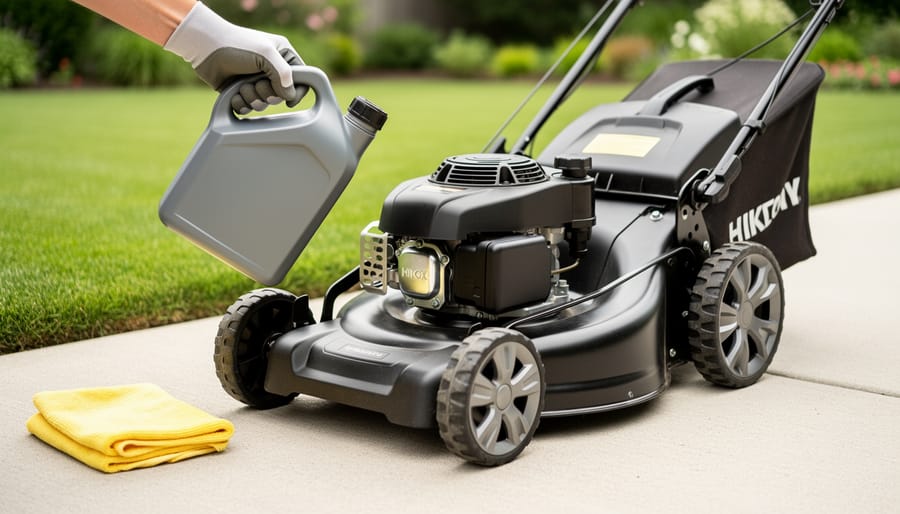
Change the Oil
Old oil can become thick and gummy, making it harder for your mower to start. Change the oil according to the manufacturer’s instructions or owner’s manual to keep your engine running smoothly. Don’t forget to wear gloves.
Store Your Lawn Mower Properly
When you’re not using your mower, store it in a dry, covered area to protect it from the elements. Also, keep it off the ground to prevent moisture from getting to the engine if possible.
Use the Right Fuel

Always use the type of fuel recommended by the manufacturer for your mower. Using the wrong kind of fuel can cause damage to the engine and other parts of the mower. Also, make sure the fuel is fresh, you may need to drain and discard old fuel.
Perform Regular Maintenance
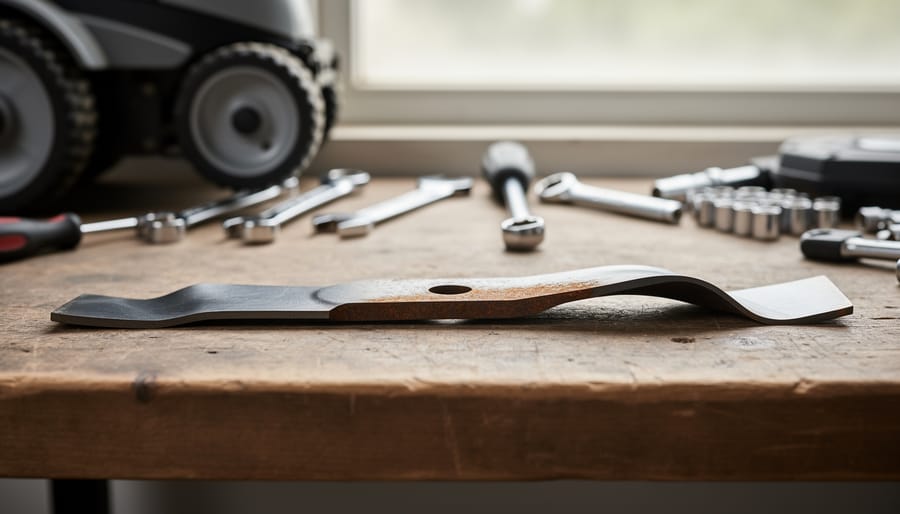
Check your mower regularly for signs of wear or damage. This includes inspecting the pull cord, checking any blade obstruction, and cleaning debris or grass clippings from the mower.
Following these tips can help prevent future issues with your mower, including a stuck pull cord. The pull cord is an essential mower component used to start the engine. Without a pull cord, the mower would be unable to start and rendered useless.
The pull cord works by engaging the engine’s flywheel and causing it to rotate, igniting the fuel and air mixture in the engine and starting it up. The pull cord is typically located on the top or side of the lawn mower engine and is attached to a recoil spring that helps to rewind the cord after it has been pulled.
Regular maintenance and replacement of broken parts will save you time and frustration and extend your lawn mower’s life.
Conclusion
A stuck pull cord on your lawn mower can be frustrating, but with the right tools and guidance, it’s a problem that you can fix on your own.
In this article, we’ve provided a step-by-step guide to help you diagnose and fix a stuck pull cord on your lawn mower. We’ve also provided tips on preventing future issues and maintaining your lawn mower for optimal performance.
Remember, regular maintenance is critical to preventing future issues with your lawn mower. Keep your mower clean, change the oil and air filter regularly, and inspect the pull cord and other components frequently. Following these tips can keep your lawn mower running smoothly and avoid costly repairs.
If you’re uncomfortable fixing the stuck pull cord, don’t hesitate to seek professional help from a mechanic or lawn mower repair shop.
Taking care of your lawn mower now will pay off in the long run, ensuring you have a beautiful lawn to enjoy for years.