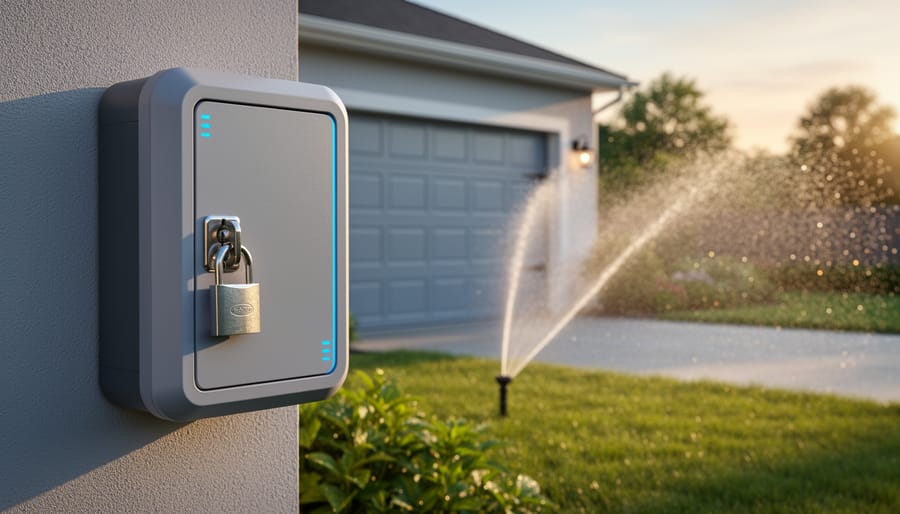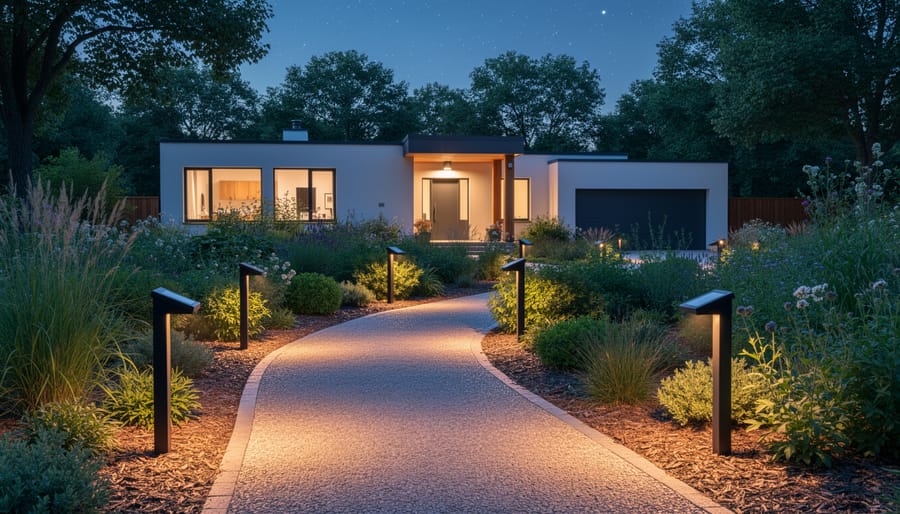
Switch to solar-powered pathway lights that charge during the day and automatically illuminate walkways at night, eliminating electricity costs while reducing your carbon footprint. Install motion-sensor fixtures near entryways and garage areas to minimize light pollution and energy waste by activating only when needed. Choose LED bulbs rated for outdoor use, which consume 75% less energy than traditional incandescent options and last up to 25 times longer, making them ideal for sustainable outdoor spaces. Position lights downward and use shields or covers to prevent light from escaping skyward, protecting nocturnal wildlife and preserving natural darkness in your garden ecosystem.
The outdoor lighting choices you make today ripple far beyond your property line. Traditional lighting systems account for nearly 15% of household electricity consumption, while poorly designed fixtures contribute to light pollution that disrupts wildlife migration patterns, interferes with pollinator behavior, and obscures our view of the night sky. Yet creating a beautifully lit outdoor space doesn’t require sacrificing environmental responsibility or draining your wallet through high energy bills.
The good news is that eco-friendly outdoor lighting has evolved dramatically in recent years. Modern sustainable options deliver the same ambiance, safety, and functionality as conventional systems while significantly reducing environmental impact. Whether you’re illuminating a small patio or designing a comprehensive lighting plan for extensive gardens, today’s technology makes it easier than ever to embrace dark-sky principles as part of your eco-friendly landscaping approach. From understanding lumens and color temperature to selecting the right fixtures for specific applications, this guide will walk you through everything you need to create an environmentally conscious outdoor lighting system that enhances your garden’s beauty while protecting the planet.
What Makes Outdoor Lighting Eco-Friendly?
The Dark-Sky Connection
You might have heard the term “dark-sky friendly” lighting and wondered what all the fuss is about. Here’s the thing: our nighttime landscapes have changed dramatically over the past few decades, and not necessarily for the better. Dark-sky lighting practices are all about being intentional with outdoor illumination, ensuring light goes exactly where you need it without spilling upward into the sky or outward into areas that should remain dark.
Think of it this way. When we flood our yards with excessive, misdirected light, we’re not just wasting energy. We’re actually disrupting the natural rhythms that countless creatures depend on. Moths, fireflies, and beneficial nighttime pollinators navigate by natural light sources, and excessive artificial lighting throws them completely off course. Even your garden’s ecosystem is affected. Many plants require true darkness to complete their growth cycles properly, and continuous light exposure can stress them out.
Dark-sky lighting means using fixtures that direct light downward where it’s needed, choosing warmer color temperatures that are less disruptive to wildlife, and dimming or turning off lights when they’re not necessary. For your landscape, this approach actually creates more dramatic, intentional lighting effects rather than that washed-out, over-lit look that frankly isn’t doing your beautiful garden any favors.
The bonus? When you embrace dark-sky principles, you’ll use less energy, save money, and still enjoy a safely lit outdoor space. Plus, you might rediscover something magical: the ability to actually see stars from your own backyard again.
Why Traditional Outdoor Lighting Harms Your Landscape
You might think those bright landscape lights simply showcase your garden’s beauty, but traditional outdoor lighting actually works against the very environment you’re trying to cultivate. Let me explain what’s really happening when we flood our yards with conventional lighting systems.
First, let’s talk about your plants themselves. Many garden favorites operate on circadian rhythms just like we do. When artificial light spills across flower beds and vegetable gardens throughout the night, it confuses these natural cycles. Some plants won’t bloom properly because they can’t distinguish between day and night. Others experience stunted growth or fail to enter dormancy when they should. Your tomatoes, roses, and perennials all rely on darkness to trigger essential biological processes.
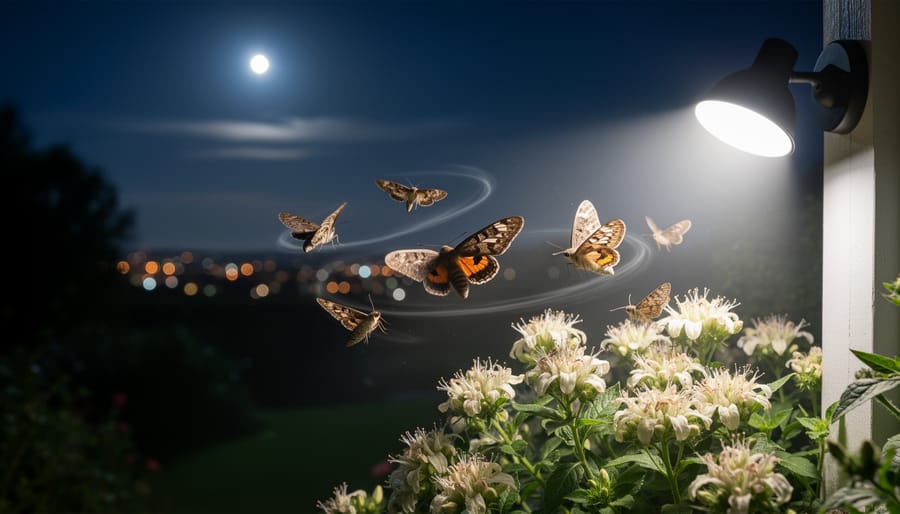
The wildlife situation gets even more concerning. Traditional outdoor lighting has created havoc for disrupted pollinators who navigate by natural light patterns. Moths, which pollinate many night-blooming plants in your garden, become disoriented and exhausted circling bright lights instead of visiting flowers. Fireflies, those magical summer visitors, struggle to find mates because artificial light drowns out their bioluminescent signals.
Beneficial wildlife you want in your landscape also suffers. Bats that devour mosquitoes and garden pests avoid overly lit areas. Birds experience migration difficulties and altered breeding patterns. Even helpful ground beetles and other insects that control slug populations get thrown off their natural rhythms.
Then there’s the energy waste. Traditional incandescent and halogen landscape lights consume enormous amounts of electricity while converting most of it to heat rather than useful illumination. This means you’re paying higher utility bills while getting inefficient lighting that harms your garden ecosystem.
The good news? Recognizing these problems is the first step toward creating a landscape that’s both beautiful and ecologically responsible. Eco-friendly outdoor lighting solutions can illuminate your property while working with nature instead of against it.
Choosing the Right Eco-Friendly Lighting Solutions
Solar-Powered Fixtures: What Actually Works
Let’s be honest—solar-powered outdoor lighting has come a long way, but it’s not a magic solution for every situation. I’ve tested my fair share of solar fixtures, and understanding their strengths and limitations will save you from disappointment.
Solar lights work best in areas receiving at least 6-8 hours of direct sunlight daily. That sunny pathway along your driveway? Perfect. The shaded nook under your oak tree? Not so much. The technology has improved significantly, with better battery storage and more efficient LED bulbs, but physics still rules the day.
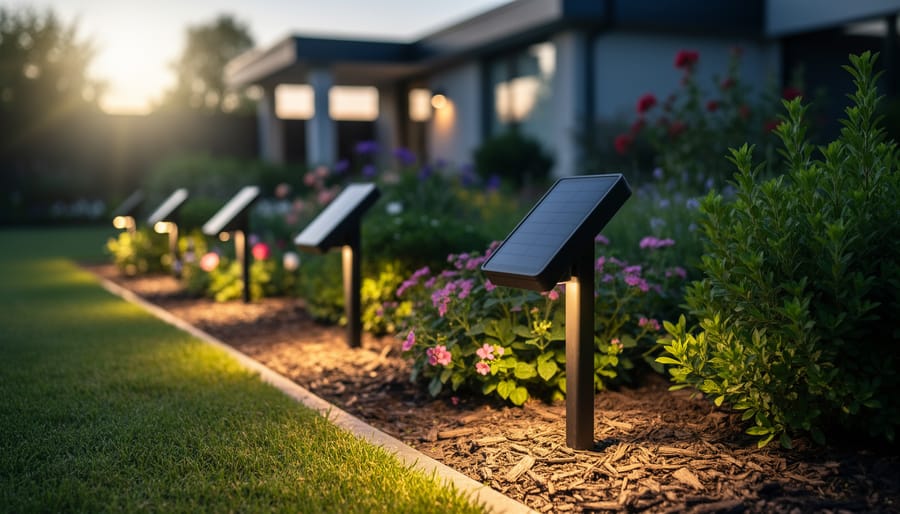
Where solar truly shines is pathway lighting and accent features. Those stake-style path lights have become remarkably reliable, providing soft illumination for 6-8 hours after a full charge. I’ve found them ideal for highlighting garden beds or marking walkways where running electrical lines would be impractical and expensive.
The limitations? Solar spotlights rarely provide the intensity needed for security lighting, and performance drops noticeably during winter months with shorter days. Cheaper models often fail within a year, making them less sustainable than they appear.
My recommendation: invest in quality solar fixtures with replaceable batteries for low-traffic areas, decorative accents, and supplementary lighting. For primary lighting needs—like illuminating your patio or entryway—consider wired LED fixtures powered by renewable energy from your utility provider. This hybrid approach maximizes sustainability while ensuring your outdoor spaces remain functional and beautiful year-round.
LED Technology and Energy Efficiency
When it comes to eco-friendly outdoor lighting for your garden, LED technology is truly the star of the show. If you’re still using traditional incandescent or halogen bulbs, you’re missing out on some serious benefits that are good for both your wallet and the planet.
Let’s talk lifespan first. LEDs typically last between 25,000 to 50,000 hours, which means you could enjoy a decade or more of illumination without replacing a single bulb. Compare that to traditional incandescent bulbs that burn out after just 1,000 hours, and you’ll quickly see why LEDs make so much sense. Fewer replacements mean less waste in landfills and fewer trips to the hardware store.
The energy savings are equally impressive. LEDs use about 75% less energy than incandescent bulbs to produce the same amount of light. For outdoor lighting that often runs for hours each evening, this translates to noticeable reductions in your electricity bill. One gardener I know calculated she saved enough in one year to buy several new perennials for her flower beds.
When selecting LED outdoor lights, pay attention to color temperature, measured in Kelvin. Warmer temperatures around 2700K to 3000K create a cozy, amber glow that’s easier on the eyes and less disruptive to wildlife. Cooler temperatures above 4000K produce harsh, bluish light that can interfere with natural nighttime environments. For a sustainable garden that respects local ecosystems, stick with warmer options.
Motion Sensors and Timers: Light Only When Needed
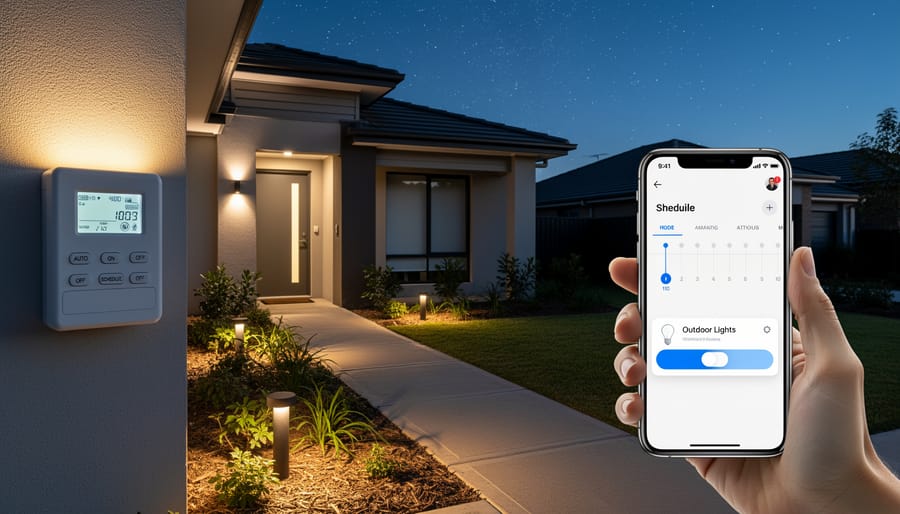
Motion sensors and timers are game-changers for eco-friendly outdoor lighting, ensuring your lights work only when you actually need them. Think about it: there’s no reason your garden path lights should blaze all night when nobody’s walking outside at 3 AM. By installing motion-activated fixtures, you’ll dramatically cut energy consumption while still maintaining security around your property.
Motion sensors detect movement and illuminate areas for preset durations, typically 1-10 minutes, then automatically switch off. This approach can reduce your outdoor lighting energy use by up to 70% compared to leaving lights on continuously. Timers offer another smart solution, programming lights to operate only during specific hours when you’re most likely to use outdoor spaces.
Beyond saving electricity and money, these controls significantly reduce light pollution that disrupts nocturnal ecosystems and beneficial wildlife. Many pollinators and garden helpers navigate by natural darkness, and unnecessary lighting can confuse their patterns.
Modern smart controls even integrate with home automation systems, allowing you to adjust settings from your phone. Start simple with solar-powered motion lights along walkways, then expand to more sophisticated systems as you see the benefits. Your garden, your wallet, and the night sky will all thank you.
Shielded and Directional Fixtures
One of the most impactful choices you can make for eco-friendly outdoor lighting is selecting shielded and directional fixtures. Think of these as the thoughtful neighbors of the lighting world—they keep their light to themselves rather than spilling it everywhere. Shielded fixtures have covers or hoods that direct light downward where you actually need it, rather than allowing it to scatter upward into the night sky or sideways into your neighbor’s bedroom window.
This practice is central to dark-sky principles, which aim to reduce light pollution and protect nighttime ecosystems. When light travels upward, it doesn’t just waste energy—it disrupts wildlife navigation, interferes with plant growth cycles, and obscures our view of the stars. By choosing fixtures with full cutoff designs (meaning zero light escapes above the horizontal plane), you’re making every photon count while respecting the natural darkness that nocturnal creatures and plants depend on.
The beauty of directional lighting is that it’s often more effective too. When light is focused where you need it—on pathways, garden beds, or seating areas—you actually need fewer fixtures and less wattage to achieve better visibility. It’s a win for your wallet, your garden ecosystem, and the environment.
Installation Tips for Maximum Eco-Impact
Strategic Placement for Less Light, Better Results
Think of outdoor lighting like seasoning a dish—a little goes a long way, and strategic placement makes all the difference. When positioning eco-friendly fixtures, your goal is to light what matters while letting the rest of your yard enjoy natural darkness.
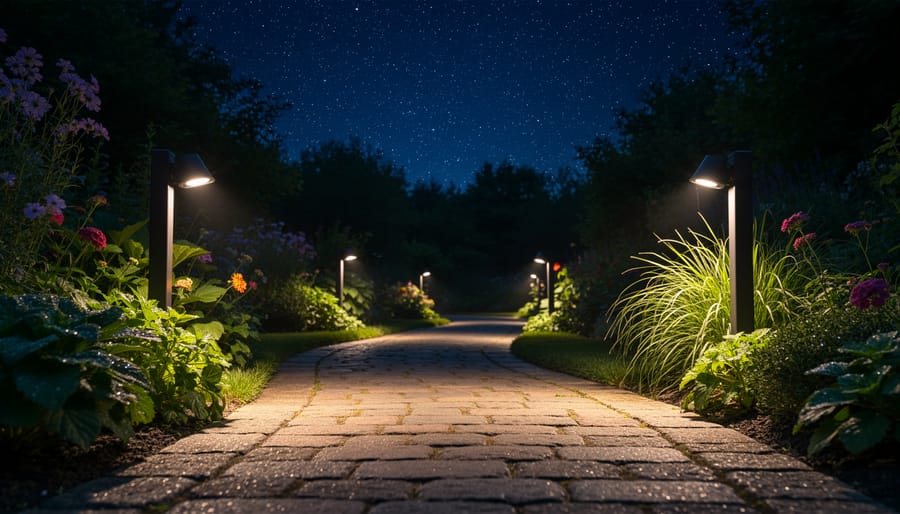
Start by identifying your must-light zones: pathways where people walk after dark, steps that could be tripping hazards, and entrances to your home. For pathways, position low-level lights every 8-10 feet along the edges rather than flooding the entire walkway with brightness. This creates a gentle guide without blasting light upward into the sky or across your entire property.
Consider the downward direction rule. Fixtures should always point light where you need it—down and slightly forward—not up into trees or out across the neighborhood. Shielded fixtures with hoods or caps prevent light from escaping upward, reducing light pollution and keeping energy focused where it’s useful.
For highlighting garden features like ornamental grasses or flowering shrubs, place spotlights at the base pointing upward at a narrow angle, or use well lights recessed into the ground. This creates drama without wasting lumens on empty space. Remember that dark areas in your landscape aren’t problems to solve—they create natural contrast that makes illuminated areas more striking.
Layer your lighting at different heights too. Combine path lights at ground level with mid-height post lights near seating areas, creating depth without over-illuminating. You’ll use fewer fixtures overall while achieving better visual interest and functionality. This thoughtful approach saves energy, protects wildlife, and honestly, it just looks more sophisticated than a yard that’s lit up like a parking lot.
Warm Color Temperatures and Wildlife
When you’re choosing outdoor lighting for your garden, the color temperature makes a bigger difference to wildlife than you might think. Here’s something that surprised me when I first learned about it: that bright, bluish-white LED light we often see isn’t just harsh on our eyes—it’s actually disrupting the natural rhythms of countless creatures sharing our outdoor spaces.
Warmer color temperatures, measured between 2700K and 3000K on the Kelvin scale, emit an amber or soft yellow glow that’s much gentler on nocturnal wildlife. Think of it like the warm light of a campfire compared to the harsh glare of a hospital hallway. Blue-rich, cooler lights (above 3000K) scatter more easily in the atmosphere and interfere with the navigation systems of moths, beetles, and other insects that rely on natural moonlight and starlight. These insects aren’t just nuisances—they’re essential pollinators for your garden and a critical food source for bats, birds, and other beneficial creatures.
By switching to warmer bulbs, you’re creating a lighting environment that more closely mimics natural twilight conditions. This simple choice helps reduce what scientists call “ecological light pollution.” Fireflies can still flash their mating signals, moths aren’t drawn to their doom around your fixtures, and migrating birds are less likely to become disoriented passing overhead.
The good news? Warm-temperature LEDs are widely available and just as energy-efficient as their cooler counterparts, so you’re not sacrificing sustainability or your electric bill to make this wildlife-friendly switch.
Product Recommendations for Eco-Conscious Gardeners
Finding the right eco-friendly outdoor lighting doesn’t have to be overwhelming. I’ve tested and researched dozens of options, and I’m excited to share some standout products that combine environmental responsibility with excellent performance for your garden spaces.
For pathway lighting, the URPOWER Solar Lights deserve serious consideration. These affordable gems have exceeded my expectations in real-world testing. Each unit features warm 2700K LEDs that provide just enough illumination to guide your steps without washing out the night sky. What makes them special for eco-conscious gardeners is their fully shielded design, directing light downward only. The solar panels charge quickly, even on partly cloudy days, and the automatic dusk-to-dawn sensors mean zero energy waste. At around fifteen dollars for a four-pack, they’re an accessible entry point for sustainable outdoor lighting.
If you’re looking to highlight specific garden features like specimen trees or architectural plants, the LITOM LED Landscape Spotlights strike the perfect balance between functionality and environmental stewardship. These solar-powered spotlights offer adjustable brightness levels, so you can dial in exactly the amount of light needed without overdoing it. The warm white option mimics natural moonlight beautifully. I particularly appreciate the separate solar panel design, which lets you position the panel in full sun while keeping the spotlight itself tucked beneath foliage or garden structures.
For those ready to embrace smart technology, the Philips Hue Outdoor Lily Spotlight System represents a premium but worthwhile investment. Yes, it requires initial electrical installation, but the energy-efficient LED bulbs last up to 25,000 hours and draw minimal power. The real magic happens with the app control, allowing you to schedule lights to turn off after you’ve gone to bed, adjust brightness based on moon phases, or even match lighting to seasonal changes in your garden. The ability to fine-tune color temperature means you can choose the warmest tones that minimize disruption to nocturnal wildlife.
Smart control systems deserve special mention as game-changers for sustainability. The Kasa Smart Outdoor Plug works with any existing outdoor lighting setup, transforming conventional lights into programmable, efficient systems. Set timers, create schedules, and monitor energy usage from your phone. I’ve found this especially helpful for managing decorative string lights, ensuring they’re only on when actually needed.
One practical tip from my experience: start small with one product category that addresses your biggest outdoor lighting need. Maybe that’s pathway safety or illuminating your vegetable garden for evening harvests. Test it for a few weeks, observe how it performs through different weather conditions, and let that success guide your next purchase. Building an eco-friendly outdoor lighting system gradually ensures you choose products that truly work for your specific garden conditions while staying within budget.
Common Mistakes to Avoid
Even with the best intentions, it’s easy to stumble when transitioning to eco-friendly outdoor lighting. Let me share some common pitfalls I’ve seen fellow gardeners encounter, so you can sidestep them from the start.
The biggest mistake? Over-lighting your outdoor spaces. I get it—you want to showcase that gorgeous flower bed or ensure safe pathway navigation. But using too many fixtures or choosing overly bright bulbs defeats the sustainability purpose and contributes to light pollution. Your neighbors (and local wildlife) will thank you for showing restraint. A good rule of thumb is to start with minimal lighting and add more only where truly necessary.
Choosing fixtures without considering placement is another frequent error. I’ve watched people install beautiful solar lights in shaded areas, then wonder why they barely illuminate at night. Solar fixtures need at least six hours of direct sunlight daily to perform well. Similarly, positioning lights at upward angles sends light skyward rather than where you need it, creating unnecessary glare and contributing to that light pollution we’re trying to avoid. Always aim lights downward and shield them to direct light exactly where it’s needed.
Many enthusiasts also overlook color temperature. While bright white or blue-toned LED lights seem efficient, they’re actually more disruptive to ecosystems and can make your garden feel harsh and unwelcoming. Warm amber or yellow-toned bulbs around 2700K create ambiance while being gentler on nocturnal pollinators and beneficial insects that keep your garden thriving.
Finally, skipping regular maintenance diminishes efficiency. Clean solar panels monthly, replace batteries when needed, and trim vegetation that blocks light paths. These simple practices ensure your eco-friendly investment continues performing optimally year after year.
Maintaining Your Eco-Friendly Lighting System
Here’s the good news: eco-friendly lighting systems are remarkably low-maintenance, but a little attention goes a long way in keeping them shining bright for years to come.
For solar-powered fixtures, the most important task is cleaning those solar panels. Dust, pollen, and debris can significantly reduce charging efficiency. Simply wipe them down with a soft, damp cloth every few weeks, or more often if you live in a dusty area. Think of it like keeping your car windshield clean—it makes all the difference! During fall, remove any accumulated leaves that might be blocking the panels.
LED bulbs are wonderfully long-lasting, but they won’t shine forever. When it’s time for replacement, check if your municipality has an LED recycling program. Many hardware stores also accept them for proper disposal. Never toss LEDs in regular trash, as they contain materials that shouldn’t end up in landfills.
If you’re using timers or smart controls, test them seasonally to ensure they’re still functioning correctly. Battery-operated timers need fresh batteries annually, and even hardwired systems benefit from occasional checks. This prevents your lights from running unnecessarily during daylight hours, wasting energy.
Inspect fixtures for water damage, loose connections, or corroded parts, especially after severe weather. Catching small issues early prevents bigger problems down the road. For motion sensors, clear away any overgrown vegetation that might trigger false activations.
With these simple practices, your sustainable lighting system will continue brightening your outdoor spaces efficiently while minimizing environmental impact. It’s really that straightforward!
Making the switch to eco-friendly outdoor lighting isn’t just possible—it’s one of the most rewarding changes you can make for your garden. You don’t need to overhaul your entire landscape lighting system overnight. Start small. Replace one traditional bulb with an LED. Try a solar pathway light. Shield one fixture to reduce light pollution. Each small step creates a ripple effect that benefits your wallet, your garden’s ecosystem, and the night sky we all share.
The beauty of sustainable outdoor lighting is that it actually enhances your outdoor space rather than diminishing it. When you choose fixtures that direct light downward and use warmer color temperatures, you create a more inviting atmosphere while protecting the moths, fireflies, and beneficial insects that make your garden thrive. Your energy bills drop. Your plants grow healthier without artificial light disrupting their natural cycles. And yes, you might even rediscover the joy of seeing stars from your own backyard.
Remember, there’s no perfect solution that works for everyone. Your choices will depend on your climate, your garden’s specific needs, and your budget. The key is to approach outdoor lighting thoughtfully, asking yourself what you truly need to illuminate and why. Many gardeners discover they’ve been overlighting their spaces for years, and that strategic, minimal lighting creates a more magical ambiance than flooding every corner with brightness.
Your garden deserves lighting that works with nature, not against it. Start today, and watch how these sustainable choices transform your outdoor sanctuary.