Monitor your lawn weekly for pest activity before reaching for any treatment—catching problems early means you’ll use fewer chemicals and save money. Identify exactly which pest you’re dealing with by examining damage patterns and the insects themselves, since ladybugs deserve protection while aphids need management. Set action thresholds that make sense for your tolerance level, recognizing that a few grubs won’t destroy your lawn but 10 per square foot will. Combine multiple control methods strategically: encourage beneficial insects like ground beetles, improve soil health to strengthen grass naturally, use physical barriers where practical, and reserve pesticides as a last resort when other tactics haven’t worked.
This approach, called Integrated Pest Management, transforms how you protect your lawn by working with nature instead of against it. Rather than spraying on a schedule or panicking at the first sign of trouble, you’ll make informed decisions based on actual pest populations and proven prevention methods. The system includes five interconnected components that build upon each other: regular monitoring and identification, establishing when action becomes necessary, preventing problems before they start, using control methods that match the severity of the infestation, and keeping records to improve your strategy over time.
What makes IPM especially valuable for home gardeners is its flexibility and common sense foundation. You’re not abandoning effective pest control—you’re making it smarter, more targeted, and kinder to the beneficial organisms that keep your lawn ecosystem balanced. Whether you’re managing a small backyard or several acres, understanding these core components helps you maintain a healthier, more resilient lawn while reducing your environmental footprint and chemical exposure.
What Makes IPM Different from Traditional Pest Control
If you’ve ever dealt with pests in your lawn or garden, you probably know the traditional playbook: spot a problem, grab a spray bottle, and hope for the best. It’s a reactive approach that many of us grew up watching our parents and neighbors use. But integrated pest management flips this script entirely, and understanding the difference can transform how you care for your outdoor spaces.
Traditional pest control operates on a simple philosophy: eliminate pests immediately, usually with chemical treatments. It’s like putting a bandage on a wound without cleaning it first. You might see quick results, but you’re not addressing what attracted those pests in the first place or preventing them from returning. Plus, those broad-spectrum pesticides don’t discriminate—they’ll wipe out beneficial insects alongside the harmful ones, disrupting your lawn’s entire ecosystem.
IPM takes a completely different approach rooted in prevention and understanding. Instead of waiting for an infestation to happen, you’re actively creating an environment where pests struggle to establish themselves. This means learning about pest lifecycles, identifying what attracts them to your lawn, and making strategic changes to eliminate those attractants. Maybe your lawn stays too wet, inviting fungus gnats, or perhaps dense thatch provides perfect shelter for chinch bugs.
The IPM pesticide approach represents another key distinction. Chemicals aren’t banned—they’re simply the last resort rather than the first response. When you do need them, you’ll use targeted treatments that minimize environmental impact rather than carpet-bombing your entire lawn.
This philosophy aligns beautifully with eco-friendly landscaping goals. By working with nature instead of against it, you’re building soil health, supporting pollinators, and creating a lawn that becomes naturally more resilient over time. It’s not just about controlling pests today—it’s about creating a healthier, more sustainable outdoor space for years to come.
The Four Cornerstones Every IPM System Includes
Think of IPM as building a house—you need a solid foundation with multiple support beams to keep everything standing strong. The same principle applies when you’re protecting your lawn and garden from pests. A truly effective integrated pest management system rests on four essential cornerstones that work together to keep pest problems in check while protecting the environment.
These four components are prevention, monitoring, identification, and control. Each one plays a specific role in your overall strategy. Prevention stops problems before they start by creating conditions that discourage pests. Monitoring helps you keep a watchful eye on what’s happening in your yard. Identification ensures you know exactly what you’re dealing with so you don’t waste time fighting the wrong battle. And control gives you a range of options—from the gentlest to the strongest—for addressing pest issues when they do arise.
The beauty of this approach is that you’re never relying on just one tactic. Instead, you’re creating a comprehensive system where each cornerstone strengthens the others, giving you lasting results without constantly reaching for harsh chemicals. Let’s explore each of these components in detail.
Component 1: Regular Monitoring and Accurate Pest Identification
Tools That Make Monitoring Easier
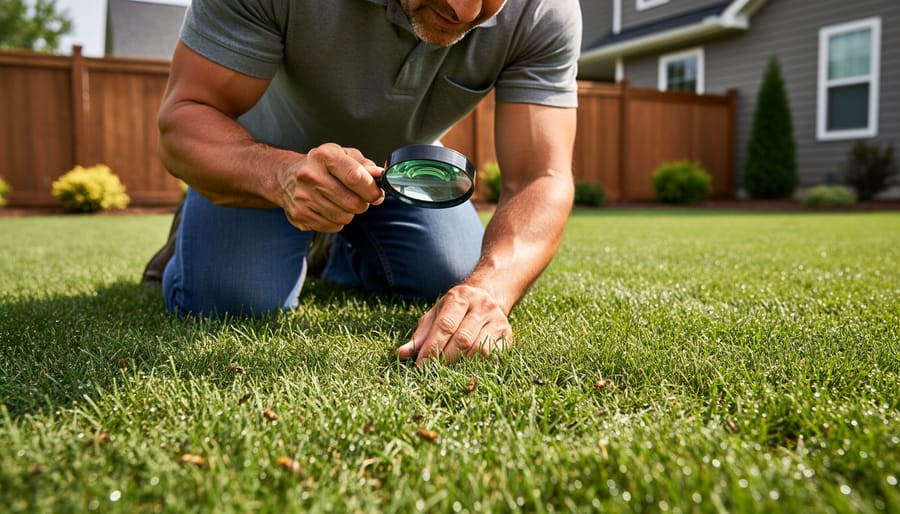
Good news: you don’t need fancy equipment to monitor pests effectively in your lawn and garden. A simple magnifying glass is your best friend for getting up close and personal with tiny insects, helping you distinguish between beneficial predators and actual pests. I keep one hanging by my back door and use it constantly.
Yellow sticky traps are another game-changer. These inexpensive cards catch flying pests and help you identify population patterns. Place a few around your garden, check them weekly, and you’ll quickly spot whether you’re dealing with aphids, whiteflies, or something else entirely. They’re particularly useful in vegetable gardens and around prized ornamentals.
For the tech-savvy gardener, smartphone apps have revolutionized pest identification. Apps like iNaturalist and PictureInsect let you snap a photo and receive identification suggestions within seconds. While not always perfect, they’re remarkably accurate and provide helpful information about each pest’s life cycle and natural predators. I’ve used these apps to identify mysterious leaf damage countless times, often discovering the culprit wasn’t even a pest at all.
The beauty of these tools is their simplicity and affordability. You can start monitoring effectively for less than twenty dollars, building your IPM system gradually without breaking the bank.
When Pest Presence Becomes a Problem
Here’s the thing that surprises most people about integrated pest management: you don’t need to wage war on every insect that shows up in your yard. In fact, that’s kind of the whole point! IPM operates on what we call action thresholds, which is just a fancy way of saying there’s a tolerable level of pest activity before you need to take action.
Think of it this way: spotting three grubs while aerating your lawn doesn’t mean you’re facing an infestation. Research shows you can typically handle up to five grubs per square foot without any noticeable damage to your turf. Below that number? Your grass can cope just fine on its own.
The same goes for other common lawn visitors. A few aphids on your roses won’t cause significant harm, and they might even attract beneficial ladybugs to your garden. Chinch bugs become a real problem only when populations exceed 20 to 25 per square foot.
By establishing these thresholds, you’re making smarter, more sustainable decisions about when intervention is truly necessary. This approach saves you money, protects beneficial insects, and reduces unnecessary chemical applications. It’s about working with nature’s balance rather than against it, treating only when pest numbers genuinely threaten your lawn’s health.
Component 2: Cultural and Preventive Practices
Building Soil That Resists Pests Naturally
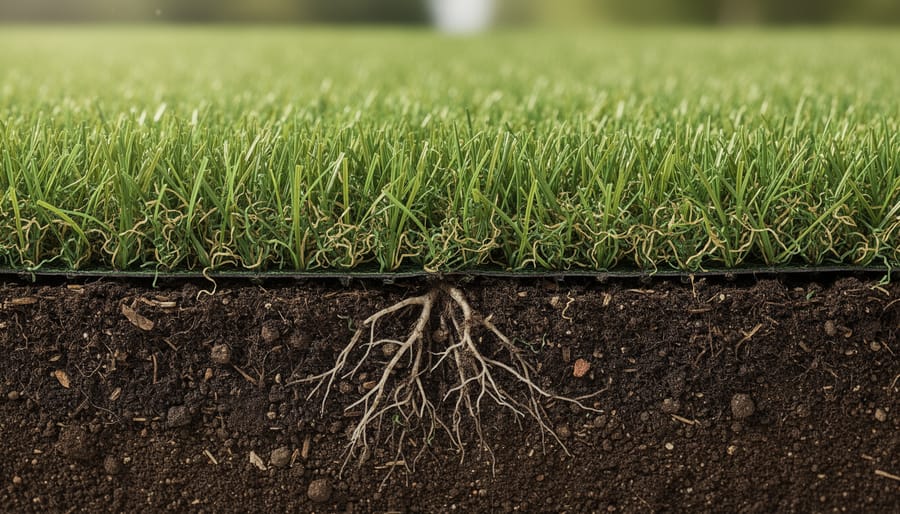
Here’s the truth most lawn care guides won’t tell you: the best defense against pests starts beneath your feet. When you focus on building healthy soil, you’re creating an environment where grass naturally outcompetes pests and recovers quickly from damage.
Think of soil health as your lawn’s immune system. Three fundamental practices form the foundation of pest-resistant turf.
First, regular aeration breaks up compacted soil, allowing oxygen, water, and nutrients to reach grass roots. Deep, vigorous root systems produce stronger plants that pests find less appealing. Aim to aerate at least once yearly in high-traffic areas.
Second, composting practices introduce beneficial microorganisms that create a living soil ecosystem. A thin layer of quality compost applied annually feeds your lawn slowly and steadily, promoting balanced growth rather than the rapid, weak growth that attracts insects. These beneficial microbes also compete with disease-causing organisms, adding another layer of natural protection.
Third, pH testing removes the guesswork from soil management. Most lawn grasses thrive between 6.0 and 7.0 pH. When soil pH drifts outside this range, grass struggles to absorb nutrients even when they’re present, creating stressed plants vulnerable to pest attacks. Simple home testing kits cost just a few dollars and provide invaluable insights.
Together, these practices create resilient turf that naturally resists pest pressure, reducing your need for intervention while keeping your lawn looking its absolute best.
Mowing and Watering Strategies That Discourage Pests
Your mowing and watering habits play a surprisingly powerful role in keeping pests at bay. Think of these routine tasks as your first line of defense in an integrated pest management approach.
Let’s start with mowing height, which might be the most underrated pest prevention tool in your arsenal. Taller grass—typically 3 to 4 inches—creates a healthier, more resilient lawn that naturally resists pest damage. When you mow too short, you stress the grass and expose the soil to weed seeds and pest activity. Those extra inches of blade also shade the soil, reducing moisture loss and making your lawn less appealing to pests like chinch bugs and grubs that prefer stressed, thin turf.
Here’s a bonus tip: leave those grass clippings on the lawn. This practice, called grasscycling, returns valuable nutrients to the soil and encourages beneficial microorganisms that help suppress pest populations. It’s essentially free fertilizer that also supports your pest management goals.
Now for watering strategy. Frequent shallow watering creates the perfect environment for pests and diseases. Instead, adopt deep watering techniques that encourage roots to grow deeper into the soil. Water thoroughly but infrequently—about one inch per week, applied in one or two sessions. This builds a robust root system that helps your lawn withstand pest pressure and recover quickly from any damage. Deep-rooted grass also accesses nutrients and moisture that shallow-rooted, pest-prone lawns simply cannot reach.
Component 3: Mechanical and Physical Controls
Simple Physical Barriers and Traps
Sometimes the simplest solutions are the most effective, and that’s certainly true with physical barriers and traps. These tools work by literally keeping pests away from your plants or catching them before they cause significant damage.
Row covers are garden workhorses that deserve a spot in every gardener’s toolkit. These lightweight fabric sheets create a protective barrier over your vegetables and ornamentals, blocking flying insects like cabbage moths and flea beetles while still allowing sunlight, air, and water to reach your plants. I’ve found them especially useful for protecting young transplants during their vulnerable early weeks.
Beneficial insect houses are another fantastic addition to your IPM strategy. These small structures provide shelter for helpful bugs like ladybugs, lacewings, and solitary bees. By offering them a cozy home, you’re encouraging these natural predators to stick around and patrol your garden for pests. Place them near problem areas, and watch your beneficial bug population flourish.
Pheromone traps use synthetic versions of insect mating signals to lure specific pests into sticky traps. They’re particularly effective for monitoring pest populations and determining when intervention is needed. Japanese beetle traps and codling moth traps are popular options for residential landscapes, helping you target specific troublemakers without harming beneficial insects or the environment.
Component 4: Biological Controls and Natural Predators
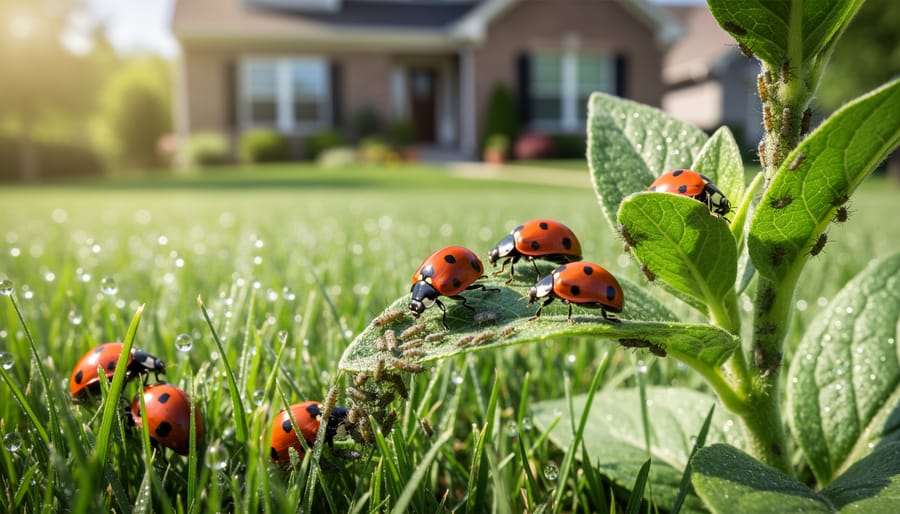
Which Beneficial Insects to Encourage in Your Lawn
Not all insects are lawn enemies—many are your best allies in keeping pest populations under control naturally. By understanding which beneficial insects to welcome and how to attract them, you’ll build a thriving ecosystem that does much of your pest management work for you.
Ladybugs are perhaps the most recognizable beneficial insects, and for good reason. A single ladybug can devour up to 5,000 aphids in its lifetime. Both adult ladybugs and their larvae feed on aphids, scale insects, and mites. To encourage them, avoid broad-spectrum pesticides and plant pollen-rich flowers like yarrow and dill around your lawn borders.
Ground beetles are nighttime hunters that patrol your lawn eating slug eggs, cutworms, and other soil-dwelling pests. These dark, fast-moving beetles need shelter during the day, so leaving some leaf litter in garden beds or placing flat stones around your property creates perfect hiding spots. They’re incredibly effective at reducing pest larvae before they become problems.
Parasitic wasps might sound intimidating, but these tiny insects are harmless to humans and devastating to lawn pests. They lay eggs inside pest insects like grubs, caterpillars, and aphids, which naturally controls these populations. Creating a beneficial insect habitat with diverse flowering plants provides the nectar these wasps need to thrive.
The key to attracting all these helpers is diversity. Incorporate a variety of native plants, minimize chemical use, and provide water sources. Once established, these beneficial insects become a self-sustaining pest control force that works around the clock.
Component 5: Targeted Chemical Controls as a Last Resort
Here’s the truth about chemical controls in IPM: they’re not the enemy, but they’re definitely your last line of defense. Think of them like the antibiotic your doctor prescribes only when rest, fluids, and time haven’t solved the problem. When you’ve monitored, identified, set your thresholds, and tried prevention without success, targeted chemical intervention might be necessary.
The key word here is targeted. IPM flips the traditional pest control script entirely. Instead of scheduling routine pesticide applications “just in case,” you’re spot-treating specific problem areas only when monitoring shows you’ve crossed your action threshold. This precision approach dramatically reduces the amount of chemicals entering your yard’s ecosystem.
Start with the least toxic options first. Insecticidal soaps, horticultural oils, and products containing beneficial bacteria like Bacillus thuringiensis can effectively control many pests while posing minimal risk to beneficial insects, pets, and people. Neem oil, for instance, works wonderfully against aphids and mites without scorching the earth around them.
When you do need conventional pesticides, timing makes all the difference. Applying products when pests are in their most vulnerable life stage multiplies effectiveness while minimizing application frequency. For example, treating grubs in early fall when they’re young and near the surface requires less product than waiting until spring when they’re larger and deeper.
Whether you choose organic or synthetic options, always read and follow label instructions precisely. Those directions exist for your safety and the product’s effectiveness. Pay attention to application rates, timing restrictions, and weather conditions. Applying pesticide before rain, for instance, wastes product and money while potentially contaminating water sources.
Remember, in a truly integrated system, you’re using these tools sparingly and strategically. If you find yourself reaching for pesticides frequently, step back and evaluate whether you’re addressing underlying issues like soil health, proper plant selection, or cultural practices. Sustainable lawn care means chemical controls are occasional interventions, not regular maintenance.
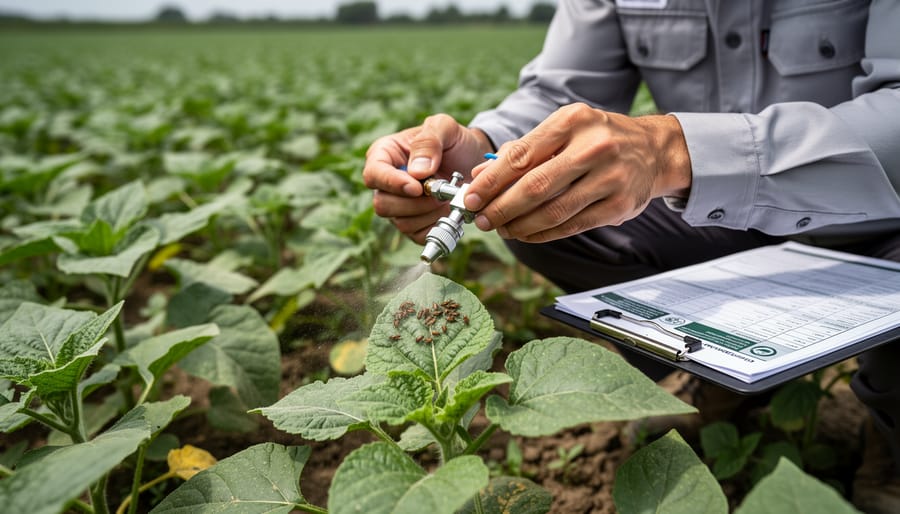
Putting It All Together: Your Year-Round IPM Action Plan
Now that you understand all the pieces of IPM, let’s talk about how to actually put them into practice. I know it can feel overwhelming at first—you might be thinking, “Do I really need to do all this every week?” The good news is that IPM works on a seasonal rhythm, and once you get the hang of it, it becomes second nature.
Think of your IPM plan as following the natural flow of the year. In spring, your focus is on prevention and early detection. This is when you’ll set your pest thresholds, assess your lawn’s health after winter, and identify any problem areas. March through May is perfect for soil testing, overseeding thin spots, and installing physical barriers like row covers if you’re protecting garden beds. Walk your property weekly, getting to know what “normal” looks like so you’ll spot changes quickly.
Summer shifts your attention to monitoring and quick response. Check your lawn and garden beds twice weekly during peak growing season. Keep a simple notebook or use your phone to snap photos of anything suspicious. This is when beneficial insects are most active, so you’ll also be observing your natural pest control team at work. Water deeply but less frequently to encourage strong root systems that resist pest damage.
Fall is your power season for building resilience. Aerate compacted soil, overseed again if needed, and apply organic amendments to strengthen plants before winter. Remove pest habitat like leaf piles near foundations, but leave some natural areas for beneficial insects to overwinter. This is also when you’ll evaluate what worked and what didn’t, adjusting your approach for next year.
Winter isn’t idle time—it’s for planning and learning. Review your notes, research any pests that gave you trouble, and refine your thresholds. Order beneficial insects or organic controls you’ll need come spring.
The beauty of this seasonal approach is that you’re never doing everything at once. Each season has its focus, and the actions build on each other. Start simple, maybe just adding monitoring walks this year, then layer in other practices as they become habits. Before you know it, you’ll have a thriving, balanced landscape that largely takes care of itself.
Building a healthier lawn through integrated pest management isn’t about overnight transformations or reaching for the chemical spray bottle at the first sign of trouble. It’s about developing a deeper understanding of your landscape as a living ecosystem where every organism plays a role. Yes, this approach requires more patience and observation than conventional methods, but the rewards are substantial: a resilient lawn that naturally resists pests, healthier soil teeming with beneficial life, and the peace of mind that comes from knowing your outdoor space is safe for kids, pets, and pollinators.
The beauty of IPM is that you don’t need to implement everything at once. Start small. Maybe you begin by simply monitoring your lawn more closely, learning to identify common insects and understanding which ones are actually helping you. Or perhaps you focus first on cultural practices, adjusting your mowing height and watering schedule. Each component you add strengthens your overall system and builds on what you’ve already learned.
Remember, every time you choose observation over immediate action, you’re gaining valuable knowledge about how your specific lawn functions. You’re learning which pests tend to appear when, what conditions trigger problems, and how your grass responds to different management strategies. This knowledge transforms you from someone who simply maintains a lawn into a true steward of your landscape ecosystem. That’s not just empowering, it’s the foundation for long-term success that benefits both your property and the environment around you.