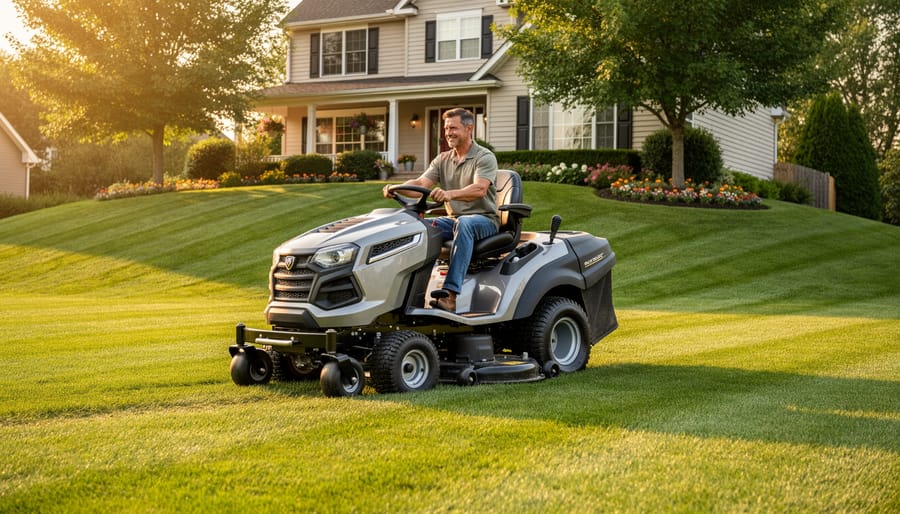
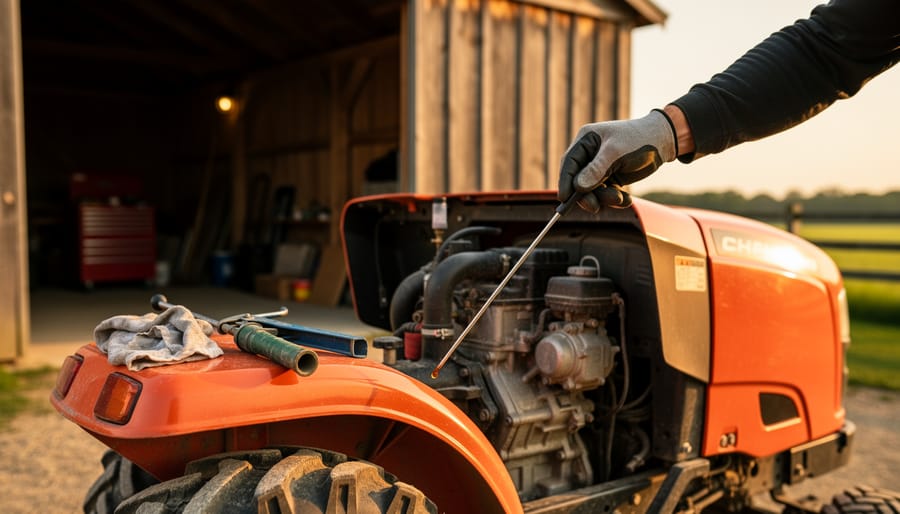
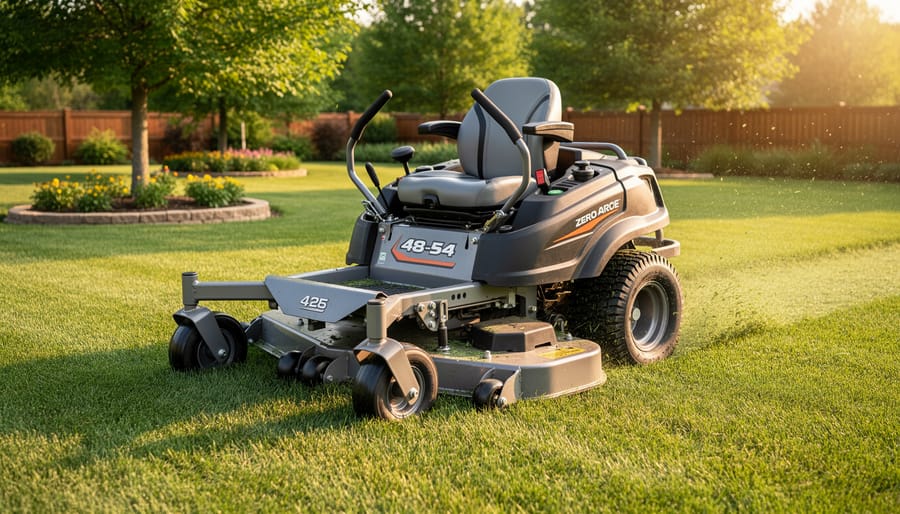
You can bypass 4 wire seat safety switch in some cases, but you must take great care to not accidentally injure yourself if you do this. You can unplug or disconnect the switch, and then use a jumper wire to manually create a connection across the appropriate switch terminals. Check your mower manual to find out which terminals this should be for your model of mower.
In the world of lawn maintenance, understanding the function and importance of seat safety switches on your riding lawn mower is vital. Despite their importance, there may be situations where you need to bypass the 4-wire seat safety switch
Whether you’re astride a zero-turn mower or a regular riding mower, these safety features, like the mower seat and brake safety switch, play a critical role. They protect the person sitting in the mower’s seat, ensuring engine power cuts off if you aren’t in the correct position.
This article offers a step-by-step guide to safely bypass a 4-wire seat safety switch on your lawn mower.
Introduction to Seat Safety Switches
Understanding Seat Safety Switches

A mower’s seat safety switch is a feature on all zero-turn mowers. It’s part of the mower blade system. You will find it typically located underneath the lawn mower seat. It’s wired into the ignition switch and battery cables.
The safety switch has two terminals connected by two wires. What is the job of this safety switch? To control the electrical current flowing to the starter solenoid from the mower battery. But that’s not all.
This switch has another vital function. It’s linked to your mower’s parking brake and ignition key. When you get off the seat, it interrupts the mower’s power.
The answer can vary if you ever wonder how many safety switches are on a mower. But the seat safety switch is a constant.
Importance of Safety Features in Lawn Mowers
Safety features are essential in the lawn care industry. They’re there to protect you. Take the seat safety switch.
When you get up from the mower seat, it stops the mower blades. This is an important safety feature. It ensures the blades stop spinning when you dismount. This prevents any accidents from occurring when no one is controlling the mower.
However, it’s not the only safety feature. There’s also the brake switch linked to the brake pedal. When you press the brake pedal, it disengages the Power Take Off (PTO) safety switch. This switch controls the mower blades’ operation.
Bypassing the seat safety switch is sometimes necessary. But remember, these switches are there for a reason. They’re there to keep you safe when you’re mowing your lawn.
As you start your mower, think about this. You’re not just cutting grass. You’re a part of an industry that values safety.
So, next time you’re on your mower, remember the safety features. Appreciate them. And most importantly, use them. They’re there to protect you, after all.
All About the 4-Wire Seat Safety Switch
Seat Switch Connector and Wire Seat Safety
The heart of a mower’s seat safety lies in the seat switch connector. This little device, hidden underneath the seat, connects all the wires. It’s tied to the safety switch socket. When the seat belt is unfastened, it triggers the connector.
It cuts the connection to the battery terminal. The mower’s power goes off. It’s a smart system. It ensures safety when you leave the seat. This is what we call bypassing seat safety.
Power Take Off (PTO) Switch and Mower Deck Safety Switch
The PTO switch takes the spotlight when you start mowing. Located near the steering lever, it has a big job. It controls the power to the mower deck. Engaging this switch sends power to the spark plug. The mower blades start turning.
But what happens when you leave the seat with the mower blades spinning? That’s where the mower deck safety switch comes in.
It’s a new switch designed to keep you safe. Once the PTO switch is on, the mower deck safety switch is active. If you leave the seat, it cuts the power. The blades stop.
This system of switches and wires is your mower’s safety network. It’s like a map – a wiring schematic. It’s designed to keep you safe on any terrain, even flat ground.
Reasons to Bypass a Seat Safety Switch

Why Bypass Safety Switches in Lawn Mowers?
Sometimes, a lawn mower’s safety switch can be a nuisance. The mower stops when you stand up from the mower seat to pick up a fallen branch.
When you dismount to move a garden hose, the engine cuts off. This is the safety switch at work. It’s doing its job. But it can make mowing the lawn a stop-and-start task.
Bypassing the safety switch lets the mower run, even when you leave the seat. It makes lawn mowing more efficient. It’s like removing the parking mode. But there’s a catch. You need to handle the mower with extra care.
Risks and Responsibilities: A Note on Safety
The safety switches are there for a reason. They protect you from harm. Bypassing them means taking on a big responsibility. Clean up your mower first, so that you can find any faulty components that may be stopping your mower from starting without the bypass.
If you bypass the switch, you need to be extra careful. Make sure the mower’s in a safe spot before you leave the seat. Remember, the mower blades will still be spinning.
And, if you will bypass the switch, do it properly. You’ll need a wiring harness, electrical tapes, and the right know-how. You’ll be dealing with wires and the spark plug. Any mistakes could lead to a short circuit.
So, think twice before cutting wires and bypassing your riding mower’s safety switch. Remember, safety comes first. Always.
Tools Required for Bypassing Safety Switches
Jumper Wire, Electrical Tape, and Wire Crimp Connectors
You’ll need some tools to bypass the safety switch on your lawn mower. The first is a jumper wire. This small, flexible wire helps bridge the gap between two points in a circuit. It’s the key to bypassing safety switches.
Next, you’ll need electrical tape. Once you connect the jumper wire, you’ll need to secure it. That’s where electrical tape comes in. It’s durable, flexible, and it can handle high temperatures.
Lastly, wire crimp connectors are essential. When you’re working with wires on your riding mower, these help you make secure, reliable connections. They’re small but essential.
Working With the Wiring Harness and Electrical Components
Bypassing a safety switch involves working with the mower’s wiring harness. This network of wires runs throughout your mower. It connects everything from the PTO safety switch to the brake switch.
The wiring harness might look confusing but don’t worry. Each wire has a specific job. When bypassing the safety switch, you’ll work with only a couple of these wires.
Remember to disconnect the power before you start working. Then, locate the safety switch under the lawn mower seat. Here’s where you’ll need your jumper wire, electrical tape, and wire crimp connectors.
Safety switches are essential parts of your mower. Bypassing them requires care and the right tools. With these in hand, you’re ready to get started.
Step-By-Step Guide to Bypass a 4-Wire Seat Safety Switch
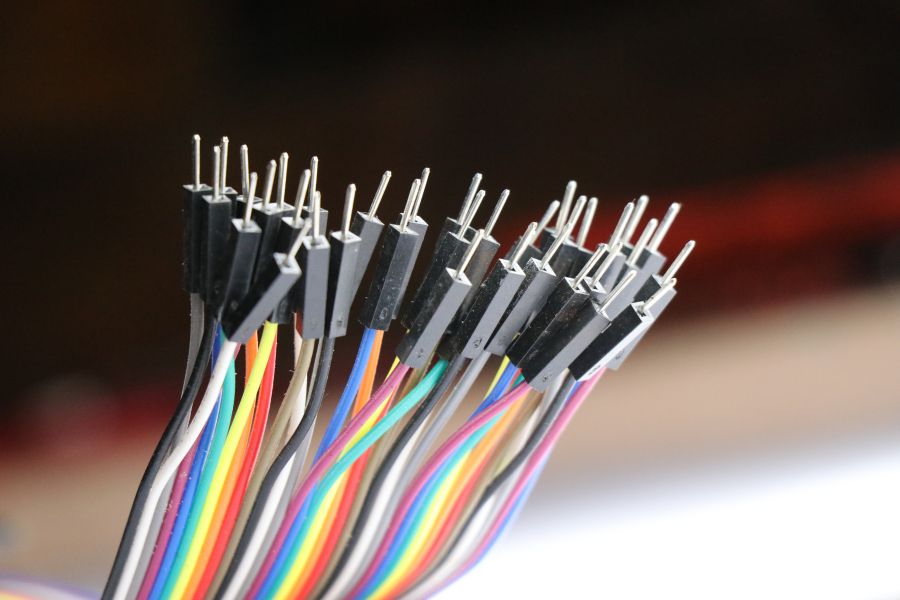
Identifying the Safety Switch Wires and Battery Terminals
To bypass the seat safety on your lawn mower, you first need to locate the right parts. Here’s a step-by-step guide:
- Find the seat safety switch. It’s usually under the mower seat.
- Identify the switch wires. There should be four of them.
- Locate the battery terminals. They’re attached to the mower’s battery.
Ensuring Correct Position and Functioning Properly
Once you’ve found the right parts, it’s time to bypass the safety switch. Make sure to follow these steps carefully:
- Cut the wires leading to the safety switch. Do this as close to the switch as possible.
- Strip the ends of the wires. You’ll see the wire ends now.
- Connect each wire end to a bypass connector.
- Connect the bypass connectors to the battery terminals.
With these steps, you’ve bypassed seat safety. But remember, this is a temporary fix. It’s meant to keep your lawn mower working when the switch fails. But it’s not a long-term solution.
When you bypass the seat safety, always be extra careful. Remember, safety switches are there for a reason. They help prevent accidents. So always use caution when you’re mowing, especially if you’ve bypassed the safety switches.
Safety After Bypassing: Important Tips and Warnings
Post-Bypass Checks for Riding Lawn Mower
After bypassing the safety switches on your riding lawn mower, it’s essential to do some checks. When you start the mower, pay attention to how it runs.
Does it operate smoothly? If not, double-check your work. Make sure you connected the cut wires correctly. The bypassing process can be tricky. If you’re not confident, seek professional help.
And remember, a bypassed safety switch should only be a temporary fix. Plan to replace the faulty switch as soon as possible. Safety switches are there for a reason. They help prevent accidents.
Avoiding Short Circuit and Serious Injury
Bypassing the safety switches involves working with the wiring of your lawn mower. This carries a risk of short circuits if not done correctly. So be careful. Make sure the wires don’t touch anything they’re not supposed to.
And don’t forget about personal safety. Mowing without safety switches can be risky. If you leave the mower unattended, it will keep running. This could lead to serious injury.
So remember, always stay with the mower when it’s running. And when you’re done mowing, turn off the mower and remove the ignition key. This is the safest way to operate a lawn mower with bypassed safety switches.
Stay safe, and keep your lawn looking great.
Conclusion: Safety, Maintenance, and the Future of Lawn Care
Learning from the Bypassing Process: Improving Lawn Maintenance
Bypassing the seat safety switch on a lawn mower may seem like a quick fix, but it’s also a learning opportunity. It shows us the importance of regular maintenance.
If we take better care of our mowers, we might not need to bypass safety features such as the 4-wire seat safety switch. This means safer, smoother mowing.
The Role of Seat Safety in the Lawn Care Industry’s Evolution
As the lawn care industry evolves, safety remains a priority. Seat safety switches are one part of this focus on safety. These switches stop the mower when the operator leaves the seat. They’re a simple feature, but they make mowing safer for everyone.
Bypassing these switches should always be a last resort. In the future, we hope for more reliable and easier-to-maintain mowers. That way, we can spend less time fixing mowers and more time enjoying our beautiful lawns.
In the end, it’s about balance. Balancing safety with efficiency and balancing the need to mow the lawn now and maintain our mowers for the future. It’s a challenge, but we’re ready to meet it.