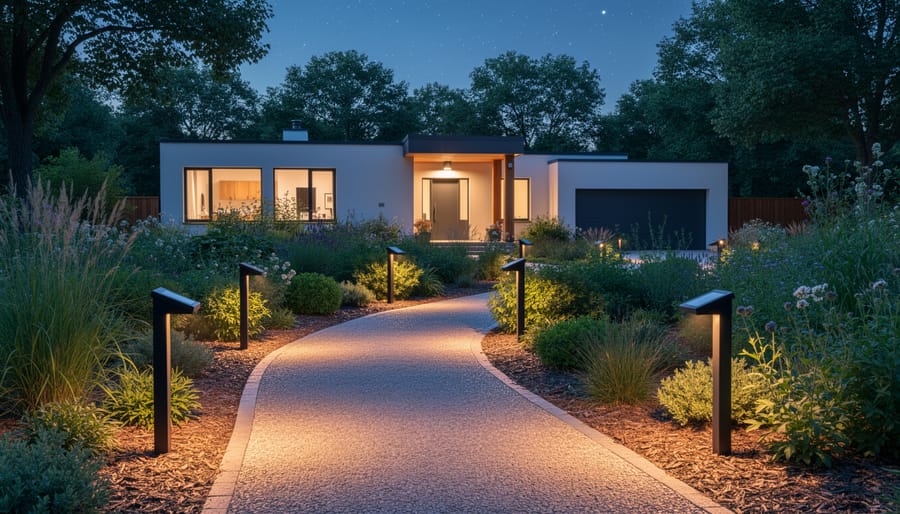
Picture stepping into your backyard on a summer evening as pathways illuminate automatically, solar-charged lights casting a warm glow across your garden beds without adding a cent to your electricity bill. Smart yard solar lights represent where sustainable outdoor living meets cutting-edge automation, transforming how we illuminate our gardens while reducing our environmental footprint.
These intelligent lighting systems harness sunlight during the day, store energy in built-in batteries, and automatically activate at dusk—all while connecting to your smartphone for complete control over brightness, timing, and color. Unlike traditional solar lights that simply turn on when it gets dark, smart versions let you customize schedules, adjust intensity based on activity, and even integrate with voice assistants like Alexa or Google Home.
For gardening enthusiasts committed to sustainability, this technology solves a persistent challenge: how do you create beautiful, functional outdoor lighting without compromising your environmental values or watching your energy costs climb? The answer lies in combining renewable solar power with intelligent automation that ensures lights operate only when and where you need them.
Whether you’re illuminating a vegetable garden for evening harvesting, creating ambient lighting for outdoor entertaining, or simply improving safety along walkways, smart solar lights offer practical solutions that align with eco-conscious living. The investment typically pays for itself within two years through eliminated electricity costs, while the environmental benefits—zero emissions, no grid dependence—last for decades. Understanding how these systems work and choosing the right products for your specific yard conditions makes the difference between frustration and a lighting setup that genuinely enhances your outdoor space.
Why Smart Solar Lights Are Different From Regular Outdoor Lighting
If you’ve been using traditional solar lights in your yard, you know the routine: they charge during the day, turn on at dusk, and shut off at dawn. They’re simple, reliable, and wonderfully sustainable. But smart solar lights? They’re playing an entirely different game.
The fundamental difference lies in connectivity and intelligence. Regular solar lights operate independently with basic photocells that react to darkness. Traditional electric outdoor lighting gives you manual control but requires wiring and draws from the grid. Smart solar lights combine the best of both worlds while adding a layer of automation that makes them part of your smart yard ecosystem.
Think of it this way: traditional solar lights are like having a light switch that only knows “on” and “off.” Smart solar lights are more like having a lighting designer who understands your schedule, responds to movement, adjusts brightness based on conditions, and can be controlled from anywhere.
Here’s what sets them apart. Smart solar lights integrate with apps on your phone or voice assistants like Alexa and Google Home. You can dim pathway lights when you’re hosting an evening garden party, brighten security lights when you’re away, or set schedules that adapt to seasonal sunset times automatically. Motion sensors do more than just detect movement—they can distinguish between a wandering cat and a person approaching your door.
The real transformation happens through automation. These systems learn patterns and respond intelligently. They might gradually brighten as you walk through your garden at night, conserve battery power during cloudy stretches, or coordinate with other outdoor devices. Some models even adjust their charging angles or send notifications when maintenance is needed.
For gardeners who already embrace sustainable practices, smart solar lights represent the natural evolution of outdoor lighting. You’re still harnessing free solar energy and avoiding grid dependency, but now you’re maximizing efficiency through intelligent management. It’s sustainability meets convenience, giving you complete control over your outdoor spaces without compromising your environmental values.
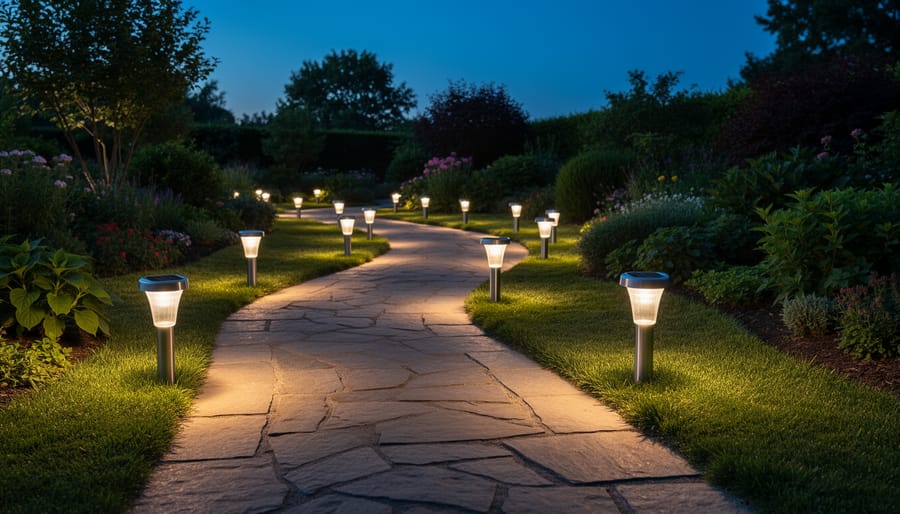
The Energy Integration Advantage: How Smart Solar Lights Work With Your Yard Ecosystem
Solar Panel Efficiency and Battery Storage Basics
Understanding how your smart solar lights work can help you make better choices and keep them running efficiently year-round. These clever devices are essentially mini power stations for your garden, and once you grasp the basics, you’ll appreciate why they’re such a sustainable addition to your yard.
Modern smart solar lights use photovoltaic panels that convert sunlight into electrical energy. Think of the panel as a hardworking collector that’s constantly gathering free power whenever the sun shines. The quality of these panels has improved dramatically in recent years, with many now achieving 15-20% efficiency—meaning they convert a good chunk of sunlight into usable electricity.
But capturing energy is only half the story. That power needs somewhere to go, and that’s where battery storage comes in. Most contemporary solar lights use lithium-ion or nickel-metal hydride batteries, which hold more charge and last longer than older technologies. The battery technology in today’s smart lights typically provides 8-12 hours of illumination after a full day’s charge.
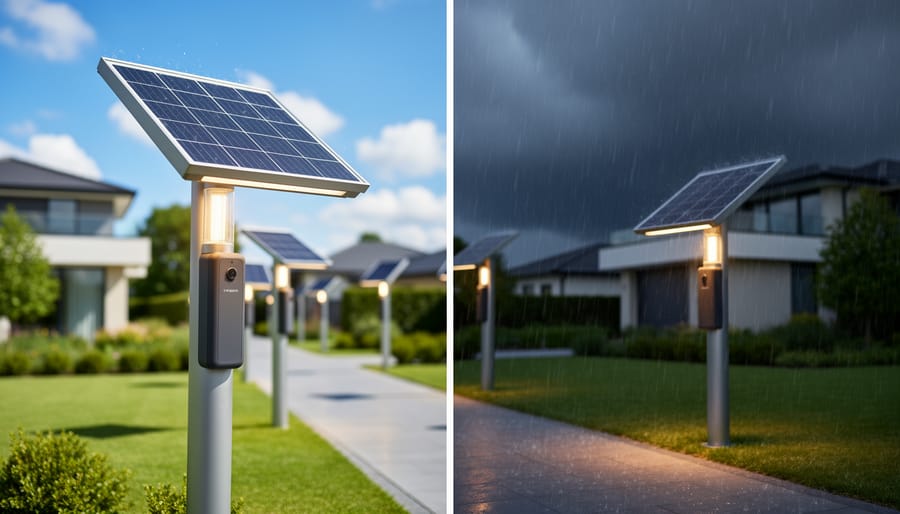
Here’s what you can realistically expect: During sunny summer days, your lights will charge fully and shine brightly all night. In winter or cloudy conditions, they’ll still work, just with reduced runtime—perhaps 4-6 hours instead. Most quality smart solar lights have intelligent charging systems that optimize battery life and prevent overcharging.
A helpful tip from my own experience: Position your lights where they’ll receive at least 6 hours of direct sunlight daily. Even partial shade can significantly impact charging performance. Remember, these lights are powered entirely by nature, so a little strategic placement goes a long way toward keeping your garden beautifully lit while staying completely off-grid.
Smart Sensors and Automation Features
Here’s what makes smart yard solar lights truly intelligent: they know exactly when to turn on, how bright to shine, and when to conserve energy. These automated features transform simple solar fixtures into responsive outdoor lighting systems that work harder while using less energy.
Motion sensors are the workhorses of smart solar lighting. When you or a visitor approaches, these sensors detect movement and trigger the lights to full brightness, typically illuminating a range of 15 to 30 feet. Once activity stops, the lights dim back down after a preset time, usually 30 seconds to a few minutes. This conserves battery power for when you actually need bright light, rather than burning through your stored solar energy all night long.
Dusk-to-dawn automation takes the guesswork out of outdoor lighting. Built-in photocells detect ambient light levels, automatically switching your lights on at sunset and off at sunrise. You’ll never forget to turn on your pathway lights again, and you won’t waste energy running them during daylight hours. It’s genuinely set-it-and-forget-it convenience.
Many quality models combine these features intelligently. The lights might glow at 30 percent brightness throughout the evening for ambient illumination, then boost to full power when motion is detected. This layered approach provides both consistent visibility and security lighting while maximizing your solar battery life. For gardeners who’ve invested in creating beautiful outdoor spaces, these smart features ensure your landscaping remains visible and safe without constant manual adjustments or wasted energy.
Integration With Smart Home Systems
Modern smart yard solar lights seamlessly connect with popular smart home systems like Alexa, Google Home, and Apple HomeKit, making outdoor lighting control as simple as asking your voice assistant. Most quality solar lights include dedicated apps that let you manage everything from your smartphone, whether you’re relaxing indoors or away on vacation.
The real magic happens when you integrate your solar lights with your lawn care schedule. Set up custom scenes that automatically brighten pathway lights during evening watering sessions, or dim decorative garden lights when your robotic mower is running its early morning route. You can create schedules that coordinate with sunrise and sunset times, ensuring your garden always looks its best while conserving battery power.
Remote control features mean you can adjust brightness levels or turn lights on and off from anywhere, perfect for those times when you’re traveling but want your yard to appear occupied. Many systems also offer energy monitoring through their apps, showing you exactly how much solar power you’re harvesting and helping you optimize placement for maximum efficiency. This level of control transforms sustainable outdoor lighting from a simple eco-friendly choice into an intelligent component of your complete garden management system.
Practical Applications for Lawn Care Enthusiasts
Illuminating Pathways and Work Areas
If you’re like me, some of the best gardening happens in those quiet early morning hours or after work when the sun’s already setting. That’s where smart yard solar lights become absolute game-changers. Strategic placement of solar lighting transforms those dimly lit hours into productive, safe gardening time.
Position lights along main pathways to prevent tripping over garden hoses or tools when you’re carrying supplies. I’ve learned this lesson the hard way! Garden bed borders benefit enormously from gentle illumination—you can actually see where plants end and walkways begin, protecting both your prized perennials and your ankles.
For equipment storage areas, installing motion-activated solar lights near sheds or tool stations means you’ll never fumble in the dark searching for that specific trowel or bag of mulch again. These lights automatically brighten when you approach, conserving energy while providing light exactly when needed.
Consider highlighting specific work zones too. A solar spotlight directed at your potting bench or compost area extends your gardening window significantly. The beauty of solar options is their flexibility—no electrical wiring means you can adjust placement seasonally as your garden evolves and your workflow changes throughout the growing year.
Wildlife and Pest Deterrence
Here’s a smart solution for gardeners dealing with midnight snackers: motion-activated solar lights can protect your precious plants without harming the ecosystem. I learned this firsthand when deer were treating my tomato patch like an all-night buffet. After installing motion-sensor solar lights around the perimeter, the sudden illumination startled them away without the need for harsh chemicals or fencing.
The beauty of this approach is its selectivity. Unlike lights that stay on all night, motion-activated models only trigger when something moves nearby, creating a brief flash that deters rabbits, raccoons, and other garden raiders. This intermittent lighting is far more effective than constant illumination, which animals quickly learn to ignore. Better yet, you’re not wasting energy keeping lights burning for hours or disrupting the natural rhythms of beneficial creatures like fireflies and night-pollinating moths that your garden actually needs.
When positioning these lights, aim them at vulnerable areas like vegetable beds and seedling rows. Adjust the sensitivity settings so they respond to larger animals rather than every leaf flutter. Most quality models let you customize the detection range and brightness level, giving you control over your garden’s nighttime defense system while maintaining that eco-friendly approach we all value.
Highlighting Landscape Features
Solar lights excel at bringing your garden’s best features to life after sunset. Think of them as spotlights for nature’s stage, drawing attention to that Japanese maple you’ve nurtured for years or the bubbling fountain that anchors your patio space.
For specimen plants and trees, position uplights at the base to create dramatic shadows and highlight unique bark textures or branch structures. Water features benefit from submersible solar lights or carefully angled fixtures that catch the movement of water, adding sparkle and dimension. Stone walls, decorative pavers, and garden pathways become architectural statements when you use low-profile lights to graze surfaces and emphasize texture.
Here’s a practical tip I’ve learned from experience: coordinate your lighting schedule with seasonal changes. Many smart solar systems let you adjust brightness and timing through apps, so you can extend illumination during summer gatherings while conserving energy in winter months. This flexibility also helps during lawn maintenance periods. When you’re aerating or overseeding, simply adjust your lighting zones temporarily to avoid fixtures in active work areas.
Consider placing lights where they’ll showcase spring bulbs, summer perennials, and fall foliage in succession. The beauty of solar technology is that you can experiment with placement without worrying about electrical hookups, letting you fine-tune your landscape’s nighttime personality as your garden evolves throughout the seasons.
What to Look for When Choosing Smart Yard Solar Lights
Lumens, Color Temperature, and Light Quality
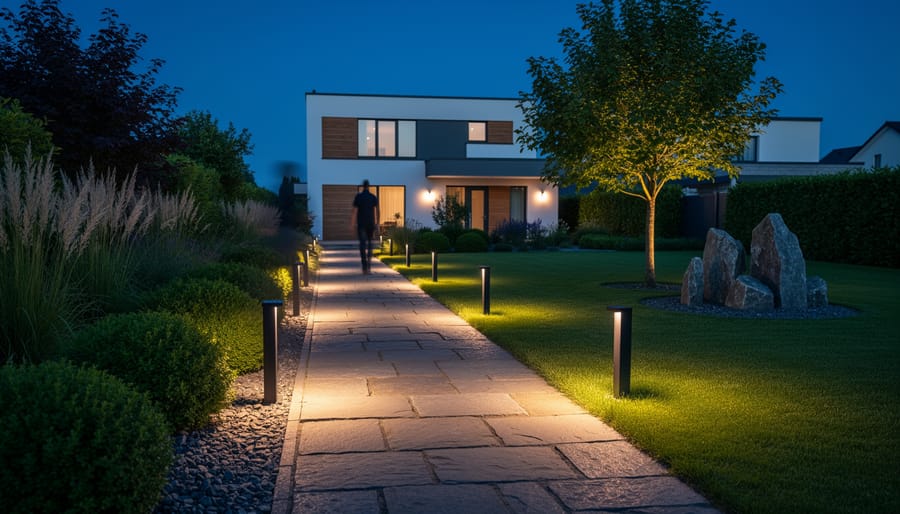
Understanding brightness in solar lights starts with lumens—the measurement of actual light output. For pathways, 50-100 lumens per fixture works beautifully, while spotlighting garden features or trees might need 300-700 lumens. I’ve found that many homeowners initially choose lights that are either too dim or blindingly bright, so it’s worth mapping out your needs before buying.
Color temperature, measured in Kelvin, dramatically affects your yard’s ambiance. Warm white lights (2700-3000K) create a cozy, inviting atmosphere perfect for patios and entertaining spaces—they remind me of candlelight and really make evening gatherings feel special. Cool white lights (4000-5000K) offer crisp visibility for security purposes near driveways or dark corners. Some smart solar lights let you adjust color temperature through an app, giving you flexibility as seasons and needs change.
Matching light quality to purpose makes all the difference. Use softer, warmer tones around flower beds to enhance natural colors without harsh glare. Reserve brighter, cooler lights for functional areas like walkways where safety matters most. The beauty of smart systems is experimenting until you find what works—all while using completely renewable energy.
Durability and Weather Resistance
When you’re investing in solar lights for your garden, you want them to last more than just one season, right? That’s where durability features really matter. Look for lights with an IP65 rating or higher—this tells you they can handle rain, snow, and dust without missing a beat. The “IP” stands for Ingress Protection, and those numbers indicate how well-sealed the electronics are from the elements.
Material quality makes a huge difference too. High-grade ABS plastic or stainless steel housings resist cracking in freezing temperatures and won’t rust over time. UV-resistant coatings are essential because constant sun exposure can fade and weaken cheaper plastics within months. I’ve seen gardeners disappointed when their budget lights turned brittle and cloudy after just one summer.
Pay attention to the solar panel covering as well. Tempered glass or premium polycarbonate maintains clarity and charging efficiency year after year, while lower-quality panels develop a hazy film that reduces performance. Sealed battery compartments with silicone gaskets prevent moisture damage, which is the number one culprit behind early failure. Quality construction means your sustainable lighting investment will keep your pathways illuminated through multiple seasons, making them truly eco-friendly through longevity, not just solar power.
Smart Features Worth Paying For
When shopping for smart solar yard lights, it’s easy to get swept up in flashy features that sound impressive but rarely get used. Let me help you separate the truly useful capabilities from the marketing fluff.
First, focus on app quality over app features. A simple, reliable app that lets you adjust brightness, set schedules, and group lights together beats a complicated one loaded with unused options. Check recent app store reviews before buying—frequent crashes or abandoned apps signal trouble ahead. I learned this the hard way when my first smart lights became “dumb” after the company stopped supporting their app.
Motion detection is genuinely valuable for pathways and security areas, but skip lights advertising color-changing capabilities unless you actually enjoy cycling through rainbow modes. Most gardeners stick with warm white anyway.
Compatibility matters more than you might think. Look for lights that work with your existing smart home system—whether that’s Alexa, Google Home, or Apple HomeKit. Standalone systems might seem fine initially, but managing multiple apps for different outdoor devices gets frustrating quickly.
Update support is crucial for longevity. Choose manufacturers with a track record of firmware updates and responsive customer service. Solar technology and smart features both improve rapidly, so you want lights that can evolve.
The most worthwhile smart feature? Automatic brightness adjustment based on available solar charge. This ensures your lights don’t drain completely on cloudy days while maximizing illumination when conditions are ideal—practical sustainability at its finest.
Installation and Maintenance: Easier Than You Think
Strategic Placement for Maximum Solar Exposure
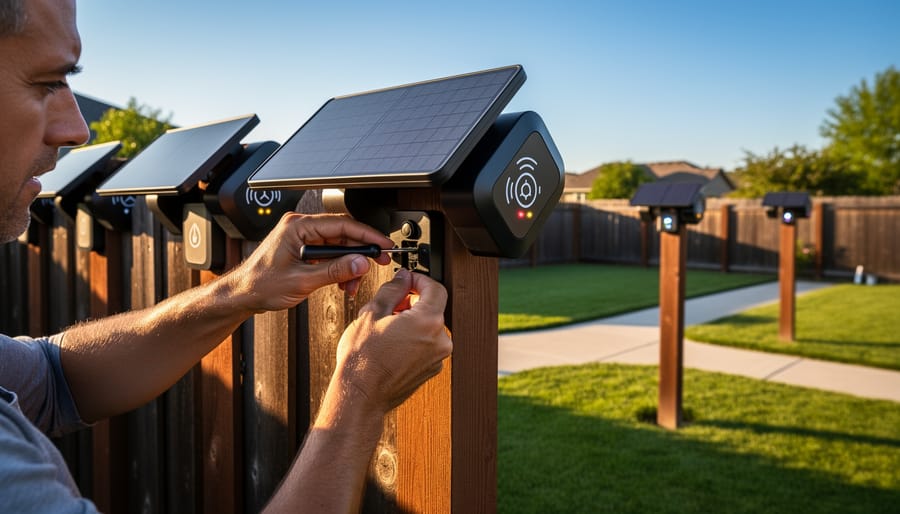
Finding the sweet spot for your smart yard solar lights is like giving your plants the perfect sun exposure—it takes a bit of observation and planning, but the payoff is absolutely worth it. The golden rule? Your solar panels need at least six hours of direct sunlight daily to charge effectively, so think carefully before placing them under that beautiful oak tree.
Start by spending a day observing how sunlight moves across your yard. Notice which areas stay sunny from morning through afternoon, and which spots fall into shade as the day progresses. That gorgeous flower bed under the eaves might seem like the perfect place for pathway lights, but if it’s shaded by 2 PM, your lights won’t have enough juice to shine brightly all evening.
Tree canopy is your biggest consideration. Even dappled shade can reduce charging efficiency by up to 50 percent. If you’re determined to light a partially shaded area, look for morning sun exposure—it tends to be more consistent than afternoon light, which often gets blocked by structures and trees as shadows lengthen.
Don’t forget about seasonal changes. That spot bathing in summer sunshine might be completely shaded when the sun sits lower in winter. In northern regions especially, winter sun angles can be dramatically different, so aim for south-facing locations when possible for year-round performance.
Here’s a practical tip: place your lights where they’ll receive unobstructed southern exposure while still illuminating your desired features. Sometimes moving a light just two feet can mean the difference between adequate and excellent solar charging, so experiment before permanently installing them.
Seasonal Care and Battery Longevity
Keeping your smart solar lights in tip-top shape doesn’t require much effort, but a little seasonal attention goes a long way toward maximizing their lifespan and performance. Think of it as giving your lights a quick check-up a few times a year—much like you’d do for your lawnmower or other garden tools.
Start with the solar panels themselves. Dust, pollen, bird droppings, and general outdoor grime can accumulate and block sunlight absorption. Every month or so, give the panels a gentle wipe-down with a soft, damp cloth. Avoid harsh chemicals or abrasive materials that might scratch the surface. This simple task can dramatically improve charging efficiency, especially during spring when pollen counts soar.
Most smart solar lights receive occasional firmware updates that improve functionality and fix bugs. Check your manufacturer’s app periodically to see if updates are available—it takes just a few minutes and ensures your system runs smoothly.
Checking battery health is crucial for long-term performance. Most quality systems include battery monitoring features in their apps. If you notice significantly reduced runtime, batteries typically need replacement every two to four years, depending on usage and climate.
For those in cold climates, winterization matters. While most solar lights are weather-resistant, extreme cold can stress batteries. Consider bringing removable units indoors during harsh winters, or at minimum, ensure snow doesn’t pile up and block the panels. Some gardeners remove batteries during winter storage to prevent degradation—just remember to fully charge them before reinstalling in spring.
The Environmental Impact: Real Numbers and Sustainable Benefits
Let me share some encouraging news about your environmental impact when you choose smart yard solar lights. The numbers might surprise you in the best possible way.
A typical solar pathway light uses about 0.5 watts per hour, compared to traditional low-voltage halogen lights that consume 11 watts. Over a year of nightly operation, one solar light saves approximately 40 kilowatt-hours of electricity. If you’ve installed ten solar lights around your garden—which is fairly common—that’s 400 kWh saved annually. To put this in perspective, that’s equivalent to taking your refrigerator off the grid for about four months.
The carbon footprint reduction is equally impressive. Those ten solar lights prevent roughly 280 pounds of CO2 emissions each year, assuming average grid electricity sources. That’s comparable to planting seven mature trees or keeping a car parked for about 300 miles. When thousands of gardeners like us make this switch, the collective impact becomes truly meaningful.
Beyond the operational phase, the lifecycle story of quality solar lights has improved dramatically. Most reputable manufacturers now design their products with recyclability in mind. The solar panels typically last 20-25 years, while LED bulbs can function for 50,000 hours or more—that’s over 11 years of nightly use. The rechargeable batteries, often the first component needing replacement, can usually be swapped out after 3-5 years and recycled through proper channels.
Smart solar lights support your broader sustainability goals in unexpected ways too. Proper illumination discourages wildlife from wandering into areas where they might damage your carefully tended beds, reducing the need for chemical deterrents. Motion-activated smart features mean lights only operate when needed, extending their efficiency even further.
When shopping, look for products with replaceable batteries and clear recycling information. Some manufacturers even offer take-back programs. Yes, solar lights have an upfront environmental cost in manufacturing, but studies show they offset this impact within their first year of operation.
The beautiful truth is that every evening your garden glows under solar power, you’re making a tangible difference. Your commitment to sustainable practices extends naturally from your composting and water conservation efforts to how you light your outdoor spaces.
Making the switch to smart yard solar lights isn’t just about illuminating your garden paths—it’s about taking a meaningful step toward environmental responsibility while simplifying your outdoor maintenance routine. These innovative fixtures harness the sun’s energy during the day and intelligently light up your landscape at night, all without adding a penny to your electricity bill or requiring complicated wiring projects.
The beauty of this technology lies in its dual benefits. You’re reducing your carbon footprint and contributing to a healthier planet, while simultaneously gaining practical control over your outdoor spaces. Motion sensors keep your yard secure, timers ensure lights operate exactly when needed, and smartphone controls let you adjust everything from your couch. It’s sustainable living that actually makes your life easier.
If you’re feeling overwhelmed by all the options and features available, don’t worry. Start small. Choose one or two lights for a frequently used area—maybe your front walkway or back patio. Experience firsthand how they perform through different seasons and weather conditions. You’ll quickly discover which features matter most for your specific needs, and you can expand from there at your own pace.
As we look ahead, energy integration in yard systems represents far more than a passing trend. It’s the future of sustainable lawn care, where our outdoor spaces work in harmony with nature rather than against it. Smart solar lighting is just the beginning of this exciting transformation.